Cat Cat Village sits in a steep valley just 2 kilometers from the center of Sapa town, and yet stepping through its entrance gate feels like crossing into a different century. This Hmong settlement, nestled among terraced rice paddies on the slopes of the Hoang Lien Son mountain range, is the most accessible traditional village in the Sapa region - a place where indigo-dyed textiles hang from wooden houses, bamboo water wheels turn in mountain streams, and a waterfall thunders at the bottom of the valley.
The village draws criticism from some travelers who call it a tourist trap. It is true that Cat Cat has been developed for tourism - there is an entrance fee, paved pathways, souvenir stalls, and photo opportunities with rented Hmong costumes at every turn. But dismissing it entirely misses the point. The Hmong families who live here are real, the terraced landscape is genuinely breathtaking, and the waterfall at the bottom of the trail is one of the most beautiful in Lao Cai Province. For travelers with limited time in Sapa who cannot commit to multi-day treks to more remote villages, Cat Cat offers a concentrated and worthwhile introduction to highland Vietnamese culture.
The walk from Sapa town to the village and through its main trail takes roughly two to three hours round trip, making it an easy half-day excursion. The path descends steeply into the valley - beautiful on the way down, a solid workout on the way back up.
What to See and Do in Cat Cat Village
The Trail and Rice Terraces
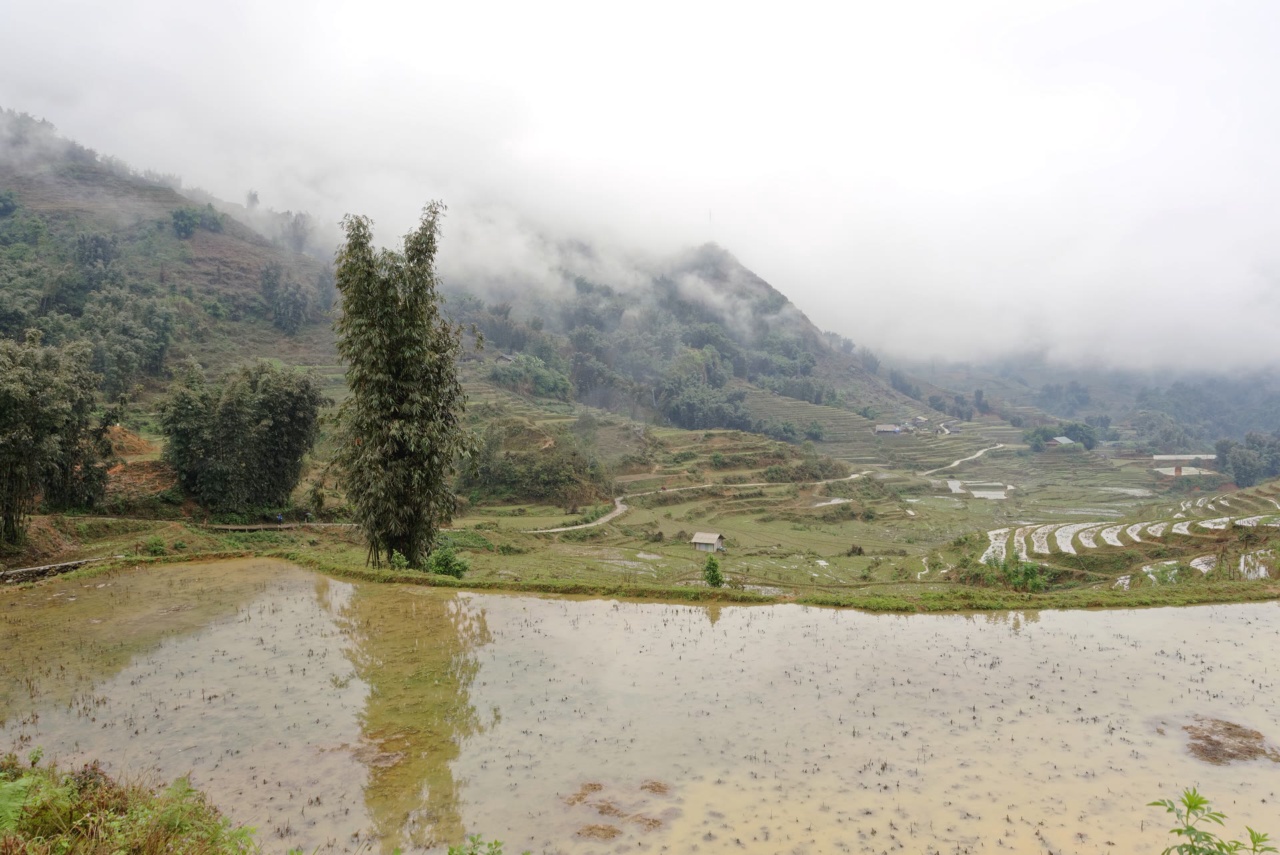
The main walking route through Cat Cat follows a stone-paved path that descends approximately 200 meters from the entrance gate to the valley floor. Along the way, the path winds through some of Sapa's most photogenic rice terraces - cascading green steps carved into the mountainside that change color with the seasons. During planting season (May-June), the terraces are flooded and mirror the sky. During harvest (September-October), they turn golden. In winter, they lie fallow and brown, but the mountain mist creates its own moody atmosphere.
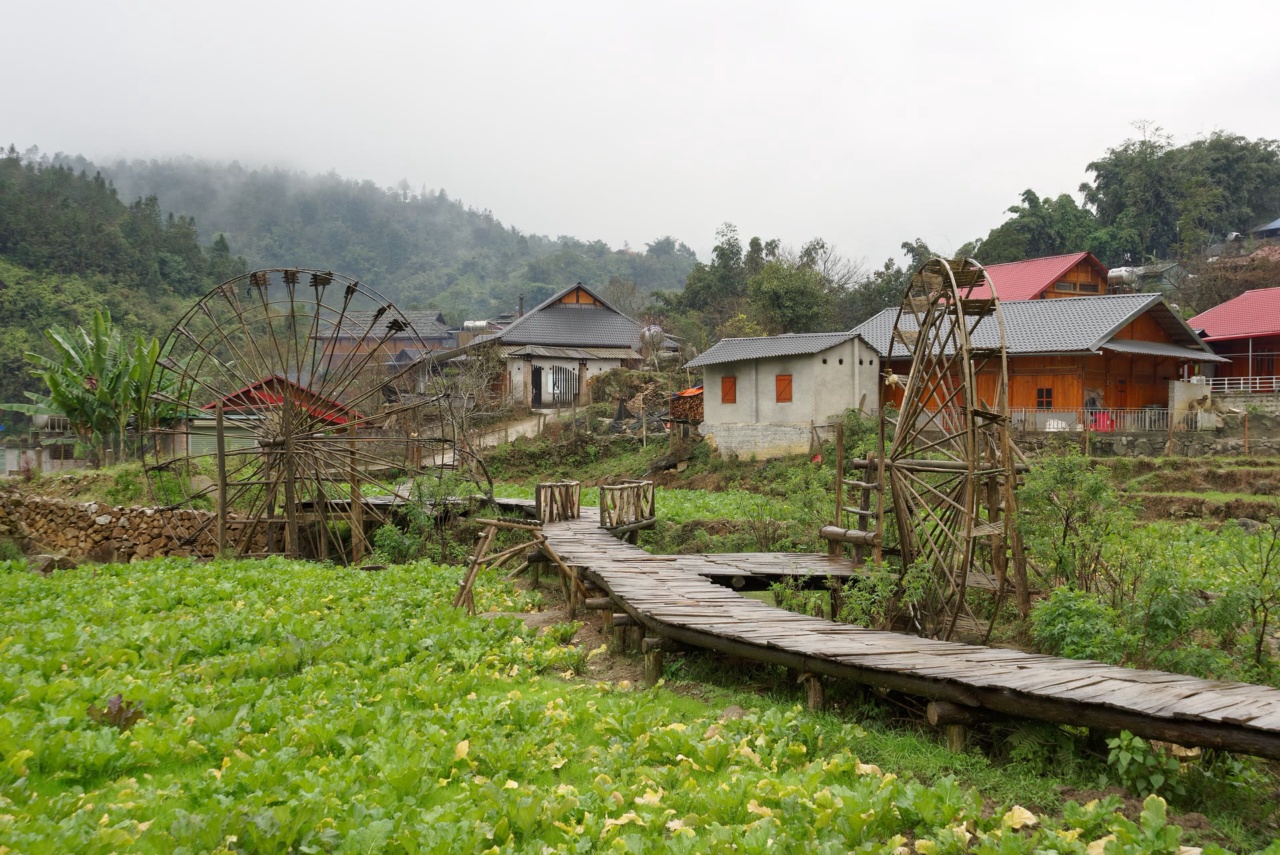
The trail passes through clusters of traditional Hmong houses - wooden structures with thatched or tin roofs built into the hillside. Many families have opened small shops selling handicrafts, woven textiles, and snacks, but behind the commercial frontage, daily life continues: children play in the terraces, women weave on looms under their houses, and water buffalo graze on the slopes above.
Cat Cat Waterfall
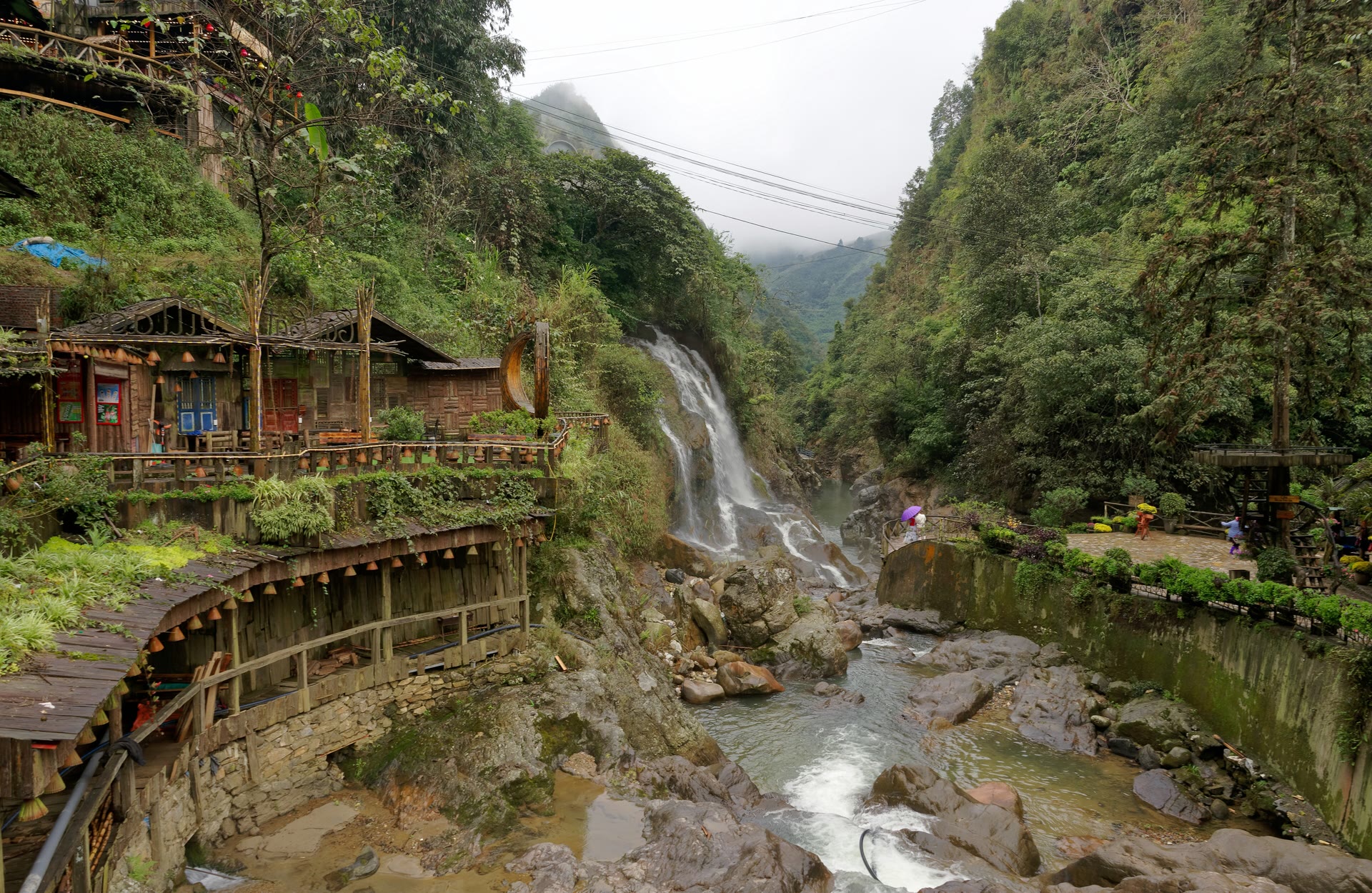
The village's main natural attraction sits at the lowest point of the trail, where the Tien Sa stream drops over mossy rocks in a series of cascades. The largest fall is approximately 15 meters high and flows year-round, though it is most impressive during and after the rainy season (May-September). Two suspension bridges - Si Bridge and A Lu Bridge - cross the stream near the waterfall, offering excellent vantage points for photographs and a mild thrill for those uncomfortable with swaying bridges over rushing water.
A small hydroelectric station near the waterfall dates from the French colonial period and has been converted into an interpretive exhibit about the Hmong's traditional use of water power. The giant bamboo water wheels nearby were historically used to pound rice and are still maintained as working examples of Hmong engineering.
Cultural Performances
Traditional Hmong music and dance performances are staged daily at a small amphitheater near the waterfall area. The shows feature traditional instruments including the khen (a bamboo mouth organ), drums, and flutes, along with dances in full ceremonial dress. Performances last about 20 minutes and are included in the entrance fee. The quality varies, but at their best they offer a genuine glimpse into Hmong musical traditions.
Hmong Handicrafts
The Hmong are renowned for their textile work, particularly indigo-dyed hemp and cotton fabric decorated with intricate embroidery and batik patterns. Throughout Cat Cat, women sell handmade items including scarves, bags, wall hangings, clothing, and silver jewelry. Prices are reasonable by tourist standards:
- Embroidered scarves: 50,000-150,000 VND ($2-6)
- Handwoven bags: 100,000-300,000 VND ($4-12)
- Silver jewelry: 50,000-200,000 VND ($2-8)
- Traditional Hmong skirts: 200,000-500,000 VND ($8-20)
Buying directly from the women who make them ensures the money stays in the community. Bargaining is expected but keep it gentle - these are handmade items requiring significant skill and time.
Things to Do
Practical Information
| Detail | Information |
|---|---|
| Location | San Sa Ho Commune, 2 km from Sapa town center |
| Opening hours | Daily, 6:00 AM - 9:00 PM |
| Adult entrance fee | 150,000 VND (~$6) |
| Children (1m-1.4m height) | 70,000 VND (~$3) |
| Children under 1m | Free |
| Payment | Cash only at the gate |
| Trail length | ~3 km one way (descent then ascent) |
| Suggested visit duration | 2-3 hours |
Getting to Cat Cat Village
Cat Cat is the closest traditional village to Sapa town, making it easily reachable by several methods.
| Option | Duration | Cost | Notes |
|---|---|---|---|
| Walking from Sapa | 30-40 minutes downhill | Free (plus entrance fee) | Gentle asphalt road then stone path; scenic route |
| Motorbike taxi | 5-10 minutes | ~50,000 VND per person | Drops you at the entrance gate |
| Taxi/shuttle | 5-10 minutes | 100,000-150,000 VND | Convenient for groups |
| Bicycle rental | 15-20 minutes | 120,000-150,000 VND/day | Fun but the return uphill is steep |
| Guided tour | Half day | $10-25 per person | Often includes other villages or trekking |
Walking is the recommended option for most visitors. The route from Sapa town center follows a paved road downhill with views of the valley opening before you. The walk back uphill after exploring the village takes longer and is more strenuous - roughly 45-60 minutes of steady climbing. Consider arranging a motorbike taxi to pick you up at the entrance gate for the return if the climb is a concern.
Best Time to Visit Cat Cat Village
Cat Cat is worth visiting year-round, but the experience changes significantly with the seasons.
| Season | Months | What to Expect |
|---|---|---|
| Spring | March - April | Wildflowers, pleasant temperatures (15-25C), terraces being prepared for planting |
| Summer/Rainy | May - August | Lush green terraces, powerful waterfall, afternoon rain showers, misty mornings |
| Harvest | September - October | Golden rice terraces, best photography, comfortable weather, most popular period |
| Winter | November - February | Cold and foggy (5-15C), brown terraces, fewer crowds, occasional frost or snow |
September and October during the rice harvest offer the most visually spectacular conditions, but this is also peak tourist season in Sapa. For a quieter experience with good weather, March through May hits a pleasant balance. Winter visits suit travelers who enjoy atmospheric mist and do not mind bundling up.
Cat Cat vs. Other Sapa Villages
Cat Cat is the most developed and easiest to visit of Sapa's villages, but it is not the only option. How it compares depends on what you are looking for.
| Village | Distance from Sapa | Ethnic Group | Tourism Level | Best For |
|---|---|---|---|---|
| Cat Cat | 2 km | Hmong | High | Easy half-day, waterfall, accessible introduction |
| Ta Phin | 12 km | Red Dao | Medium | Herbal baths, weaving, less crowded |
| Lao Chai + Ta Van | 7-9 km | Hmong + Giay | Medium | Full-day trek, valley views, homestays |
| Ma Tra + Ta Phin | 10+ km | Hmong + Red Dao | Low | Multi-day trekking, authentic village life |
If you only have a few hours and want a taste of Sapa's cultural landscape, Cat Cat is the right choice. If you have a full day or more and want a deeper experience with fewer tourists, trek to Lao Chai and Ta Van or arrange a homestay in Ta Phin. Many travelers visit Cat Cat on their first day and then do a longer trek on subsequent days. For more detailed guides on Sapa's trekking routes and village visits, check GoAsia.cc.
Tips for Visiting Cat Cat Village
- Go early morning. The entrance opens at 6:00 AM, and visiting between 7:00 and 9:00 AM means fewer crowds, better light for photography, and cooler temperatures for the walk. Tour groups typically arrive after 9:30 AM.
- Wear proper shoes. The stone path becomes slippery when wet, especially during and after rain. Sturdy shoes with good grip are essential. Flip-flops and smooth-soled sneakers are a recipe for falls on the steep sections.
- Bring water and snacks. While there are shops along the trail selling drinks and simple food, carrying your own water ensures you stay hydrated during the climb back up. A small bottle of water costs 10,000-15,000 VND from village vendors.
- Prepare for the return climb. The path descends roughly 200 meters from the entrance to the waterfall. What feels like an easy stroll going down becomes a genuine workout coming back up. Take it slowly, rest at the benches along the way, or arrange a motorbike taxi at the gate for the return.
- Be thoughtful about photos. Some visitors treat the village and its residents as a photo opportunity. Ask permission before photographing people, especially elderly women and children. A smile and a gesture go further than pointing a camera lens.
- Skip the costume rentals unless you want them. Vendors throughout the village rent traditional Hmong clothing for photo shoots (50,000-100,000 VND). This is harmless fun if you enjoy it, but it has nothing to do with authentic cultural exchange.
- Budget for handicrafts. The textiles and silver jewelry sold in Cat Cat are genuinely handmade and support local families. If you see something you like, buy it on the spot - the specific vendor may not be there on your way back up, and similar quality items cost more in Sapa town shops.
- Check weather before heading down. Heavy rain makes the stone path treacherous and reduces visibility to near zero. If fog has rolled in and rain is falling, consider postponing to the next morning.
Frequently Asked Questions
Cat Cat Village is a traditional Hmong settlement located 2 km from Sapa town in Vietnam's Hoang Lien Son mountains. It features terraced rice paddies, a waterfall, traditional wooden houses, and Hmong cultural demonstrations. While it is the most tourist-developed village near Sapa, it remains worthwhile as an accessible half-day introduction to highland Vietnamese culture.
The entrance fee is 150,000 VND (approximately $6) for adults and 70,000 VND for children between 1m and 1.4m height. Children under 1m enter free. Cash only is accepted at the gate. Handicrafts and food within the village are separately priced but affordable.
The village is a 30-40 minute walk downhill from Sapa town center along a paved road. You can also take a motorbike taxi (50,000 VND, 5-10 minutes) or a taxi (100,000-150,000 VND). Walking is recommended for the descent; consider a motorbike taxi for the return uphill climb.
Plan for 2-3 hours total, including the walk down from the entrance gate, exploring the village and terraces, visiting the waterfall, watching the cultural performance, and climbing back up. Add time if you want to shop for handicrafts or linger at the waterfall.
September and October during the rice harvest offer golden terraces and the most dramatic scenery, but crowds peak then too. March through May provides pleasant weather with fewer tourists. The rainy season (May-August) brings lush green terraces and a powerful waterfall but muddy, slippery paths.
It is heavily developed for tourism with paved paths, souvenir stalls, and costume rental shops. However, real Hmong families live and work here, the rice terraces and waterfall are genuine natural beauty, and the handicrafts are authentically handmade. Manage expectations and visit early morning to avoid the biggest crowds.
Cat Cat is the closest and most accessible village, ideal for a short visit. Ta Phin (12 km away) offers Red Dao culture and herbal baths with fewer tourists. Lao Chai and Ta Van (7-9 km) provide a full-day trekking experience through the valley. For multi-day immersive treks, more remote villages offer the least commercialized experience.
Wear sturdy shoes with good grip, as the stone paths are steep and slippery, especially after rain. Dress in layers since temperatures in Sapa's mountains can shift quickly. In winter (November-February), bring a warm jacket as temperatures can drop to 5C. Modest clothing is respectful of local culture.