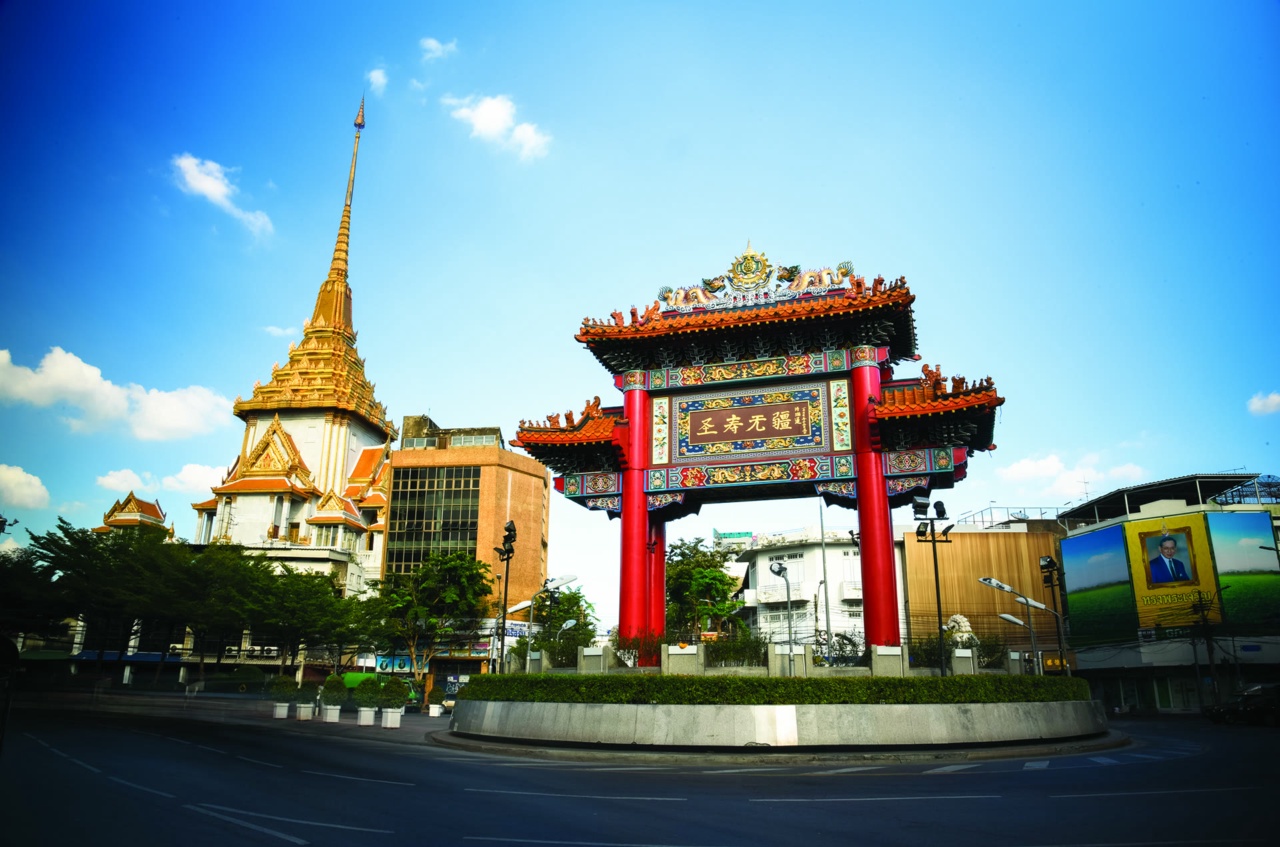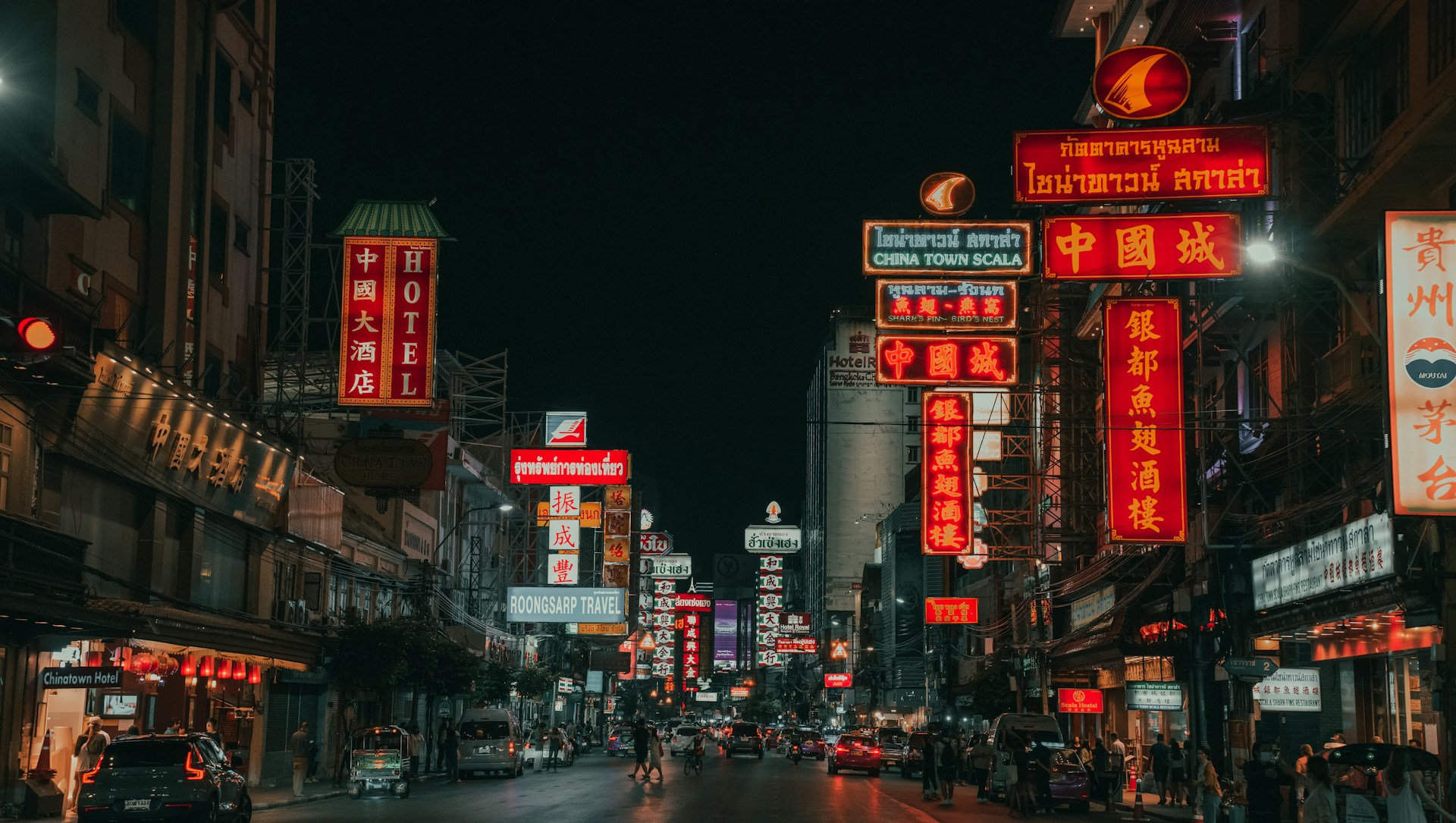
Bangkok's Chinatown is not a sanitized tourist attraction with bilingual signs and guided walkways. It is a sprawling, chaotic, sensory-overloading district where gold shops gleam next to incense-filled temples, where a side alley might lead to the best bowl of noodles you have ever tasted, and where the real pulse of old Bangkok still beats loudly. Centered on Yaowarat Road, this neighborhood has been the heart of Thai-Chinese culture for over two centuries.
What makes Yaowarat unlike other Chinatowns across Southeast Asia is its sheer scale and authenticity. Stretching 1.5 kilometers through the Samphanthawong district, it functions as a living, working community rather than a curated experience. During the day, wholesale markets hum with traders buying spices, dried goods, and kitchen equipment. At night, the road transforms into one of Asia's greatest street food destinations, with traffic lanes surrendered to smoking woks and plastic stools.
How to Get to Chinatown
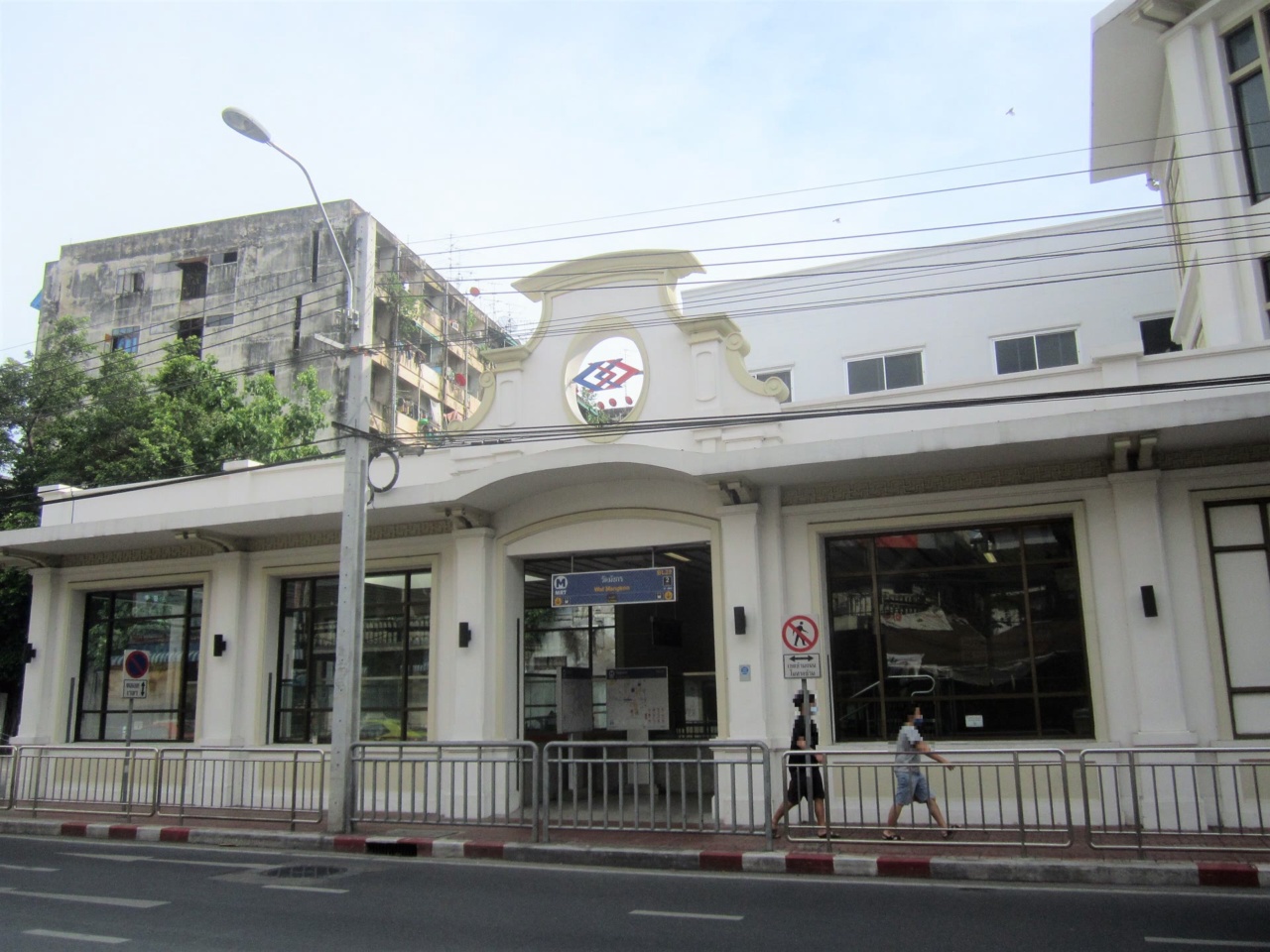
The MRT Blue Line has made reaching Chinatown effortless. Wat Mangkon Station drops you right in the middle of the action, steps from Yaowarat Road and the main food stalls. This is the best option for first-time visitors heading straight to the street food scene.
Hua Lamphong Station (also on the Blue Line) is a short walk to the southern end of Chinatown, near Wat Traimit and the Golden Buddha. If you want to start with temples and work your way north into the food zone, exit here.
For a more scenic approach, take a Chao Phraya river boat to Ratchawong Pier. From the pier, walk east along Ratchawong Road for about ten minutes to reach Yaowarat Road. This route passes through quieter residential streets and gives a sense of how the neighborhood transitions from the river into the dense market core.
| Transport | Stop | Walk to Yaowarat |
|---|---|---|
| MRT Blue Line | Wat Mangkon | 2 minutes |
| MRT Blue Line | Hua Lamphong | 10 minutes |
| River boat | Ratchawong Pier | 10 minutes |
| Taxi/Grab | Yaowarat Road | Direct |
Things to Do
Street Food on Yaowarat Road
Chinatown's street food scene comes alive after 5 pm, when vendors set up shop along Yaowarat Road and the surrounding soi. Traffic is partially blocked off, tables spill onto the street, and the air fills with the smell of charcoal grills, wok-fried noodles, and simmering broths. This is the main event for most visitors, and it deserves at least one full evening.
Must-Try Dishes
Pad Thai with giant prawns is one of the signature dishes on Yaowarat Road. Several stalls serve this classic, but the Chinatown version is distinguished by the use of large river prawns and aggressive wok heat that creates the smoky char known as wok hei. Expect to pay around 100-150 baht ($3-4) per plate.
Guay jub is the quintessential Chinatown noodle dish - rolled rice noodles in a peppery pork broth with crispy pork belly, offal, and a hard-boiled egg. It is deeply savory and comforting. A bowl runs about 60-80 baht ($2).
Oyster omelettes are cooked on large flat griddles right on the street. The batter is thin and crispy, loaded with fresh oysters and served with a tangy chili sauce. Portions cost around 80-100 baht ($2-3).
Grilled seafood is everywhere. Enormous prawns, squid, and scallops are grilled on charcoal and served with spicy seafood dipping sauce. Prices vary by size, but a plate of grilled squid starts at about 100 baht ($3).
Mango sticky rice rounds out any Yaowarat meal. Several dessert carts along the road serve excellent versions with thick coconut cream, typically for 80-100 baht ($2-3).
Sit-Down Restaurants Worth Visiting
TK Seafood is the most famous seafood restaurant on Yaowarat Road, recognizable by the staff in green shirts and the perpetual queue outside. They specialize in tom yum goong, grilled prawns, and crab fried rice. Arrive before 6 pm to avoid the worst of the wait. A seafood meal here costs roughly 200-400 baht ($6-12) per person.
Nai Ek Roll Noodle started as a food cart in the 1960s and has earned a Michelin Bib Gourmand distinction. Their signature rolled noodles with braised pork are simple and excellent, priced at around 60-80 baht ($2) per bowl.
Lim Lao Ngow is another Michelin Bib Gourmand holder, serving fish ball noodles in a clear broth. The fish balls are handmade daily and have a bouncy texture that sets them apart from factory-made versions. Open from 4:30 pm to 9 pm.
Temples and Cultural Landmarks
Wat Traimit and the Golden Buddha
Wat Traimit houses the world's largest solid gold Buddha statue, standing 3 meters tall and weighing 5.5 tons. The statue itself is remarkable, but its backstory is even more fascinating. For centuries, the Buddha was covered in plaster to hide it from invaders. Its golden interior was only discovered in 1955 when the statue was accidentally dropped during relocation, cracking the plaster shell to reveal solid gold underneath.
The temple complex includes the Yaowarat Chinatown Heritage Center on its second floor, which traces the history of Chinese immigration to Bangkok and explains how this neighborhood evolved from a small trading settlement into the massive district it is today. The museum is well worth the visit for context before exploring the streets outside.
Wat Mangkon Kamalawat
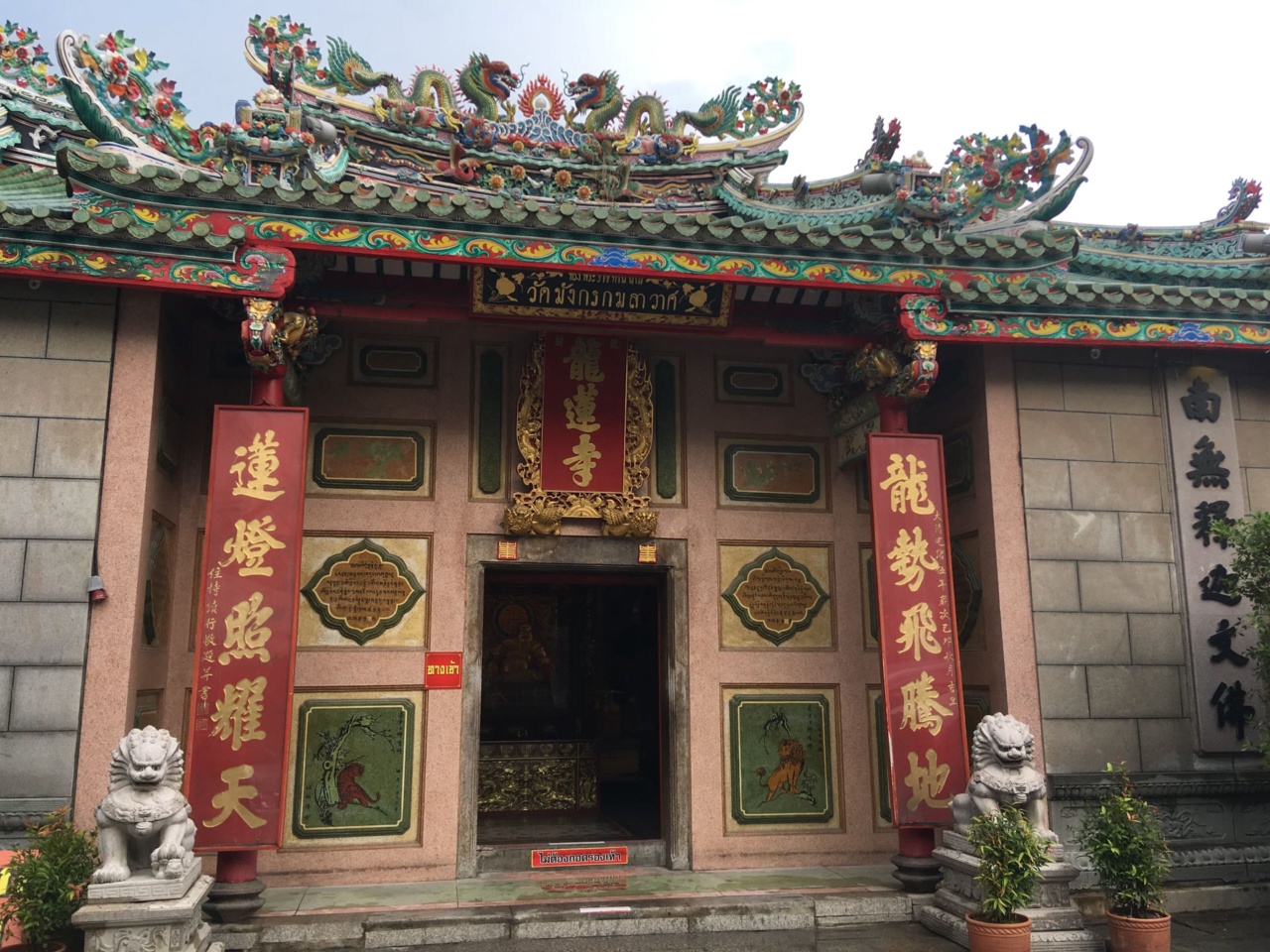
This is the most important Chinese Buddhist temple in Bangkok. Located right next to Wat Mangkon MRT station, it blends Chinese, Thai, and Mahayana Buddhist architectural styles. The temple is active and busy, with locals lighting incense, making offerings, and consulting fortune sticks. During Chinese New Year and the Vegetarian Festival, it becomes the epicenter of celebrations in the district.
Sri Maha Mariamman Temple
Tucked into a narrow street off Silom Road at the edge of Chinatown, this Hindu temple stands out with its colorful gopuram tower covered in Hindu deities. It is a reminder that Chinatown's cultural fabric extends beyond Chinese heritage, with Indian and Thai influences woven throughout the neighborhood.
Markets and Shopping
Sampheng Market
Sampheng Lane is a narrow, kilometer-long alley running parallel to Yaowarat Road, packed with wholesale shops selling everything from fabrics and accessories to toys and household goods. Prices here are significantly lower than tourist-facing markets like Chatuchak, because this market caters primarily to local traders buying in bulk. Even for single purchases, vendors will often sell at wholesale prices.
The market is best visited during the day, between 9 am and 5 pm. Come prepared for tight spaces, no air conditioning, and the genuine chaos of a working wholesale market.
Gold Shops on Yaowarat Road
The glittering gold shops along Yaowarat Road are not just for show. Thai-Chinese families traditionally buy gold jewelry here as both an adornment and a form of savings. The gold sold is typically 96.5% pure (23 carat), which is the Thai standard. Even if you are not buying, the rows of illuminated gold shops are one of Chinatown's most distinctive visual features, especially at night when their neon signs create the iconic Yaowarat glow.
When to Visit
Chinatown offers fundamentally different experiences depending on the time of day.
Daytime (9 am - 4 pm): Best for temples, Sampheng Market, and exploring the quieter side streets. The heat can be intense, so start early. The wholesale markets are fully active, and you will see the neighborhood in its working mode rather than its tourist mode.
Evening (5 pm - 11 pm): This is when Yaowarat comes alive for food. Street vendors set up after 5 pm, and the full range of stalls is typically running by 6 pm. The atmosphere peaks around 7-9 pm. Come hungry and plan to eat at multiple stalls rather than filling up at one place.
Special events: Chinese New Year (late January or February) turns Yaowarat into a massive celebration with dragon dances, firecrackers, and special food stalls. The Vegetarian Festival (usually October) sees the street food stalls switch to meat-free dishes marked with yellow flags.
Tips for Visiting Chinatown Bangkok
- Eat at multiple stalls. The biggest mistake visitors make is sitting down at the first restaurant and ordering a full meal. Chinatown rewards grazing. Order one dish per stall, eat standing or on plastic stools, then move on to the next.
- Bring cash. Most street vendors and smaller shops are cash only. ATMs are available on Yaowarat Road, but withdrawing before you arrive saves time. Budget around 300-500 baht ($9-15) for a filling street food crawl.
- Wear comfortable shoes. You will walk far more than you expect. The soi and alleys branch out in every direction, and the best discoveries happen when you wander off the main road.
- Arrive before 6 pm for popular restaurants. TK Seafood and other well-known spots develop long queues after sunset. Getting there at 5:30 pm means minimal waiting.
- Explore the side streets. Yaowarat Road gets all the attention, but the perpendicular soi hide excellent food stalls, old shophouses, and small temples that most tourists never see. Soi Nana (not the one in Sukhumvit) has a growing cluster of small bars and creative restaurants.
- Use Wat Mangkon MRT as your anchor. If you get turned around in the maze of alleys, head back toward the MRT station to reorient yourself. Chinatown's street layout can be confusing, especially at night.
- Check for more Bangkok guides and travel routes on GoAsia.cc to plan your time in Thailand beyond Chinatown.
Frequently Asked Questions
The MRT Blue Line is the easiest option. Exit at Wat Mangkon Station, which puts you directly on Yaowarat Road within a two-minute walk. Alternatively, Hua Lamphong Station is about a ten-minute walk from the southern end of Chinatown near Wat Traimit. River boats to Ratchawong Pier also work well if you are coming from along the Chao Phraya.
Street food in Yaowarat is very affordable. Most dishes cost between 60 and 150 baht ($2-4). A satisfying evening of grazing across multiple stalls typically costs 300-500 baht ($9-15) per person. Sit-down seafood restaurants like T&K Seafood run slightly higher at 200-400 baht ($6-12) per person.
Arrive after 5 pm when the street vendors begin setting up along Yaowarat Road. The full range of stalls is usually running by 6 pm, and the atmosphere peaks between 7 and 9 pm. For popular sit-down restaurants, arriving at 5:30 pm helps you avoid the longest queues.
Chinatown is generally very safe, even late at night. The area is well-lit along Yaowarat Road, crowded with locals and tourists, and has a strong police presence during peak hours. Standard precautions apply: watch your belongings in crowded areas and stick to well-trafficked streets.
Wat Traimit is the top attraction, housing the world's largest solid gold Buddha statue weighing 5.5 tons. It also contains the Chinatown Heritage Center museum. Wat Mangkon Kamalawat is the district's most important Chinese Buddhist temple and is particularly atmospheric during festivals. Both are easily accessible from the MRT.
Chinatown offers a completely different experience during the day. Daytime is ideal for visiting temples like Wat Traimit, exploring Sampheng wholesale market, and wandering the working alleys where locals shop. The street food scene is an evening affair, so plan for temples and markets during the day and food in the evening.
Start with guay jub, the signature rolled rice noodle soup in peppery pork broth - it is uniquely Chinatown. Follow with an oyster omelette from one of the griddle stalls, then try pad Thai with large river prawns for the smoky wok hei flavor. End with mango sticky rice from a dessert cart. This progression covers Chinatown's range of flavors.
Chinese New Year is spectacular in Yaowarat, with dragon dances, firecrackers, special food stalls, and vibrant decorations. However, the crowds are significantly larger than usual, and some regular vendors may be closed for the holiday. If you enjoy festive energy and do not mind packed streets, it is one of the most memorable times to visit.