Sapa Rice Terraces: Trekking Vietnam's Mountain Masterpiece

Sapa Rice Terraces: Trekking Vietnam's Mountain Masterpiece

Last updated: March 16, 2026

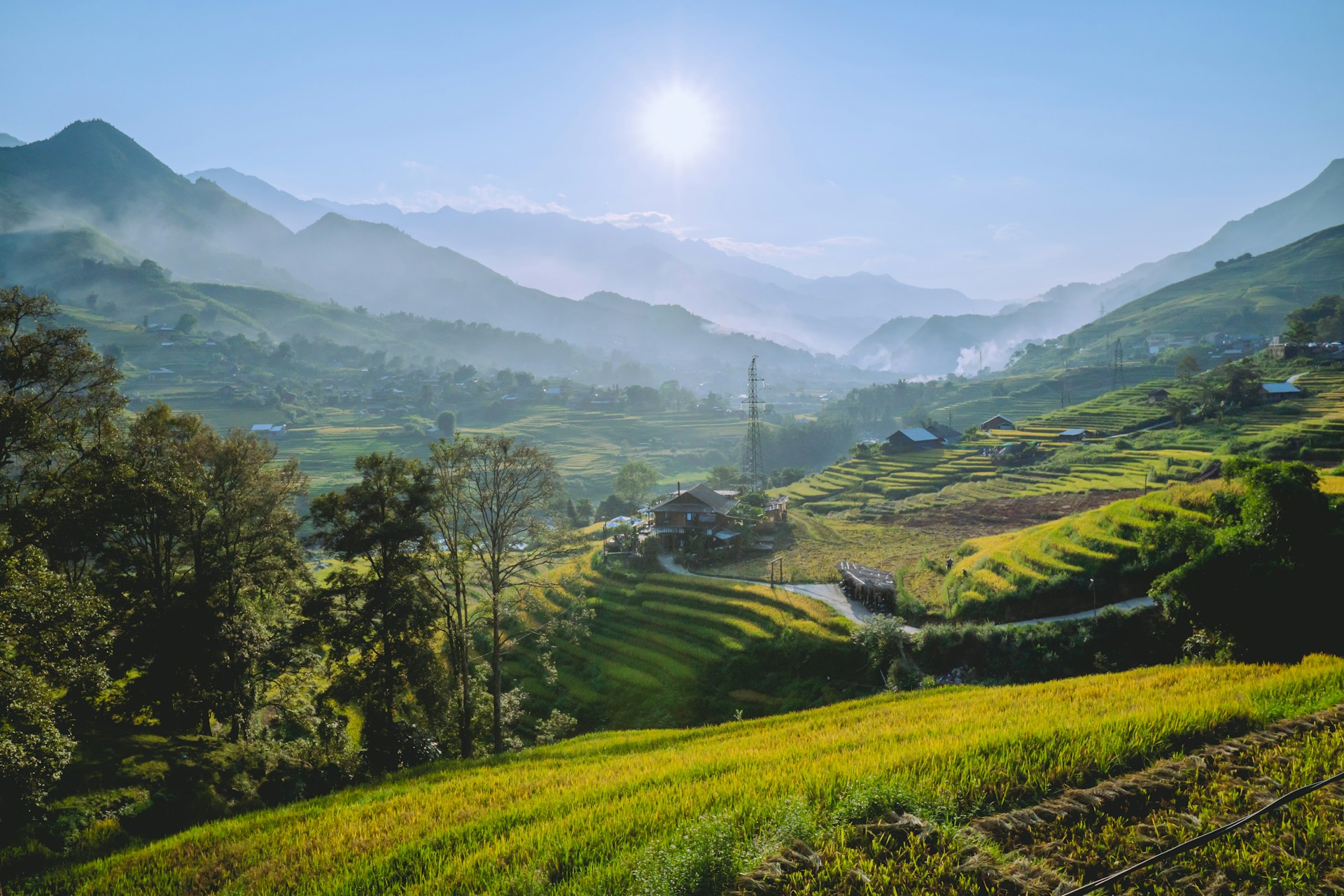
The rice terraces around Sapa look like someone carved a giant staircase into the mountains and then filled each step with water and green shoots. These terraces were sculpted by hand over centuries by ethnic minority communities, primarily the Hmong, Dao, Tay, and Giay peoples, who still farm them today. Set at elevations between 1,000 and 1,800 meters in Vietnam's far northwest, Sapa offers landscapes that shift dramatically with the seasons, from flooded mirrors in spring to golden waves of grain in autumn.

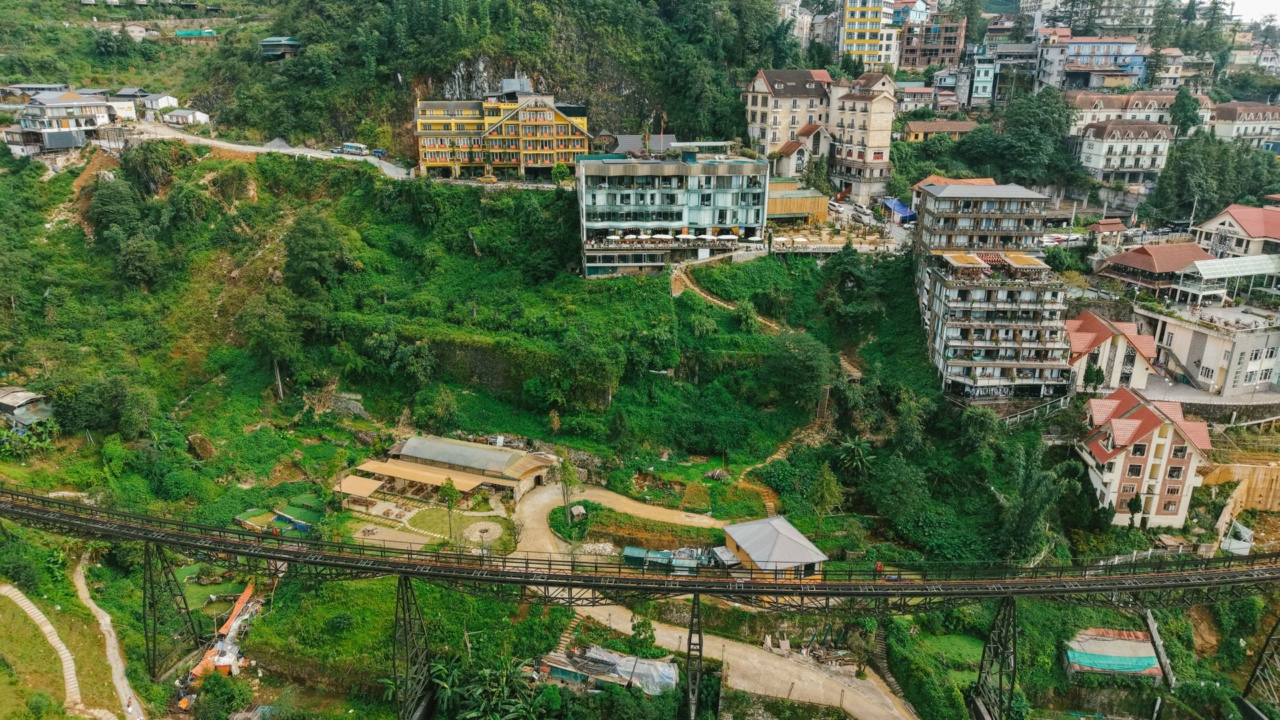
Sapa town itself sits at about 1,500 meters above sea level, roughly 315 kilometers from Hanoi. It has grown from a quiet hill station into one of northern Vietnam's most visited destinations, but step away from the main town and into the valleys, and you quickly find yourself on muddy trails between terraced hillsides, passing through villages where daily life revolves around the harvest. That contrast between tourist infrastructure and deeply traditional farming culture is what makes Sapa compelling.

Getting to Sapa from Hanoi

Nearly every traveler reaches Sapa from Hanoi. You have three main options, each with distinct trade-offs.

Overnight Train

The most popular choice. Trains depart Hanoi in the evening and arrive at Lao Cai station after roughly 8 hours. From Lao Cai, a minivan takes you the final hour uphill to Sapa town. Sleeper berths cost $20 to $35 depending on the cabin class. The train ride itself is comfortable and saves you a night of accommodation. Book through the official Vietnam Railways website or through your hotel.

Bus

Direct buses from Hanoi to Sapa take about 6 hours and cost $10 to $18. Sleeper buses with reclining beds are the most common option. Companies like Sapa Express and GreenBus run multiple departures daily. Buses drop you directly in Sapa town, skipping the Lao Cai transfer.

Private Car or Tour

A private car from Hanoi takes 5 to 6 hours and costs $80 to $120 for the vehicle. Tour packages including transport, guide, accommodation, and trekking start around $130 per person for a 2-night, 3-day trip from Hanoi.

TransportDurationCostNotes
Overnight train + van8 + 1 hours$20 - $35Most popular, saves a hotel night
Sleeper bus6 hours$10 - $18Direct to Sapa, faster
Private car5 - 6 hours$80 - $120Most comfortable, flexible stops

Things to Do

The Rice Terraces: What to Expect

The terraces around Sapa are not a single site you visit with a ticket. They spread across an enormous area of valleys and hillsides, with different villages offering different landscapes and experiences. The Muong Hoa Valley is the most famous and accessible area, stretching southeast of Sapa town with terraces cascading down both sides of the valley for kilometers.

Seasonal Changes

The terraces look completely different depending on when you visit, and timing your trip to the right season is one of the most important decisions you will make.

  • February to April (water season): Terraces are flooded and being prepared for planting. The water reflects the sky and surrounding mountains, creating stunning mirror effects. Green shoots begin to appear by late March.
  • May to July (growing season): The terraces are at their greenest, with rice plants growing tall. Lush and vibrant, though this overlaps with the rainy season, so expect afternoon showers and muddy trails.
  • September to October (harvest season): The golden season. Rice turns yellow and amber before harvest, and this is widely considered the most photogenic time. The weather is cooler and drier. This is peak season, so expect more visitors.
  • November to January (fallow season): After harvest, terraces are brown and bare. The weather is cold, with temperatures dropping to near freezing at higher elevations. Fog and mist are common, which can be atmospheric but limits views. Fewer tourists.

Best Trekking Routes and Villages

Lao Chai and Ta Van (Muong Hoa Valley)

The most popular trek from Sapa. This half-day route descends from Sapa town into the Muong Hoa Valley, passing through Lao Chai (a Black Hmong village) and continuing to Ta Van (a Giay village). The trail follows the terraces for about 10 kilometers and offers some of the most iconic views. Most guided treks cost $15 to $25 per person and include lunch. You can also stay overnight at a homestay in Ta Van for a deeper experience.

Cat Cat Village

The closest village to Sapa town, just 2 kilometers downhill. Cat Cat is a Hmong village with a waterfall, traditional indigo dyeing demonstrations, and easy walking trails. Entrance costs 100,000 VND (about $4). It is the most tourist-oriented village and gets crowded, but it works well for a short half-day visit if you want a gentle introduction.

Ta Phin Village

About 17 kilometers from Sapa, Ta Phin is home to the Red Dao people and feels significantly quieter than the Muong Hoa Valley villages. The terraces here are wilder and less uniform, framed by bamboo forests. Red Dao women are known for their herbal medicine baths, which you can try at several homestays. A half-day trek to Ta Phin costs $10 to $20 with a guide.

Y Linh Ho Village

Sitting at the head of the Muong Hoa Valley, Y Linh Ho is less visited than Lao Chai and Ta Van despite being closer to Sapa town. The Black Hmong community here maintains strong traditional practices. The trek from Sapa through Y Linh Ho and continuing to Lao Chai makes for a fantastic full-day route.

Multi-Day Treks

For a deeper experience, 2-day and 3-day treks take you to remote villages far from the main tourist routes. These typically include overnight homestays, meals with local families, and trails through terraces that few visitors ever see. Prices range from $60 to $150 per person depending on the duration and group size. The villages of Ban Ho and Nam Cang are popular destinations for multi-day treks.

Homestays: The Heart of the Experience

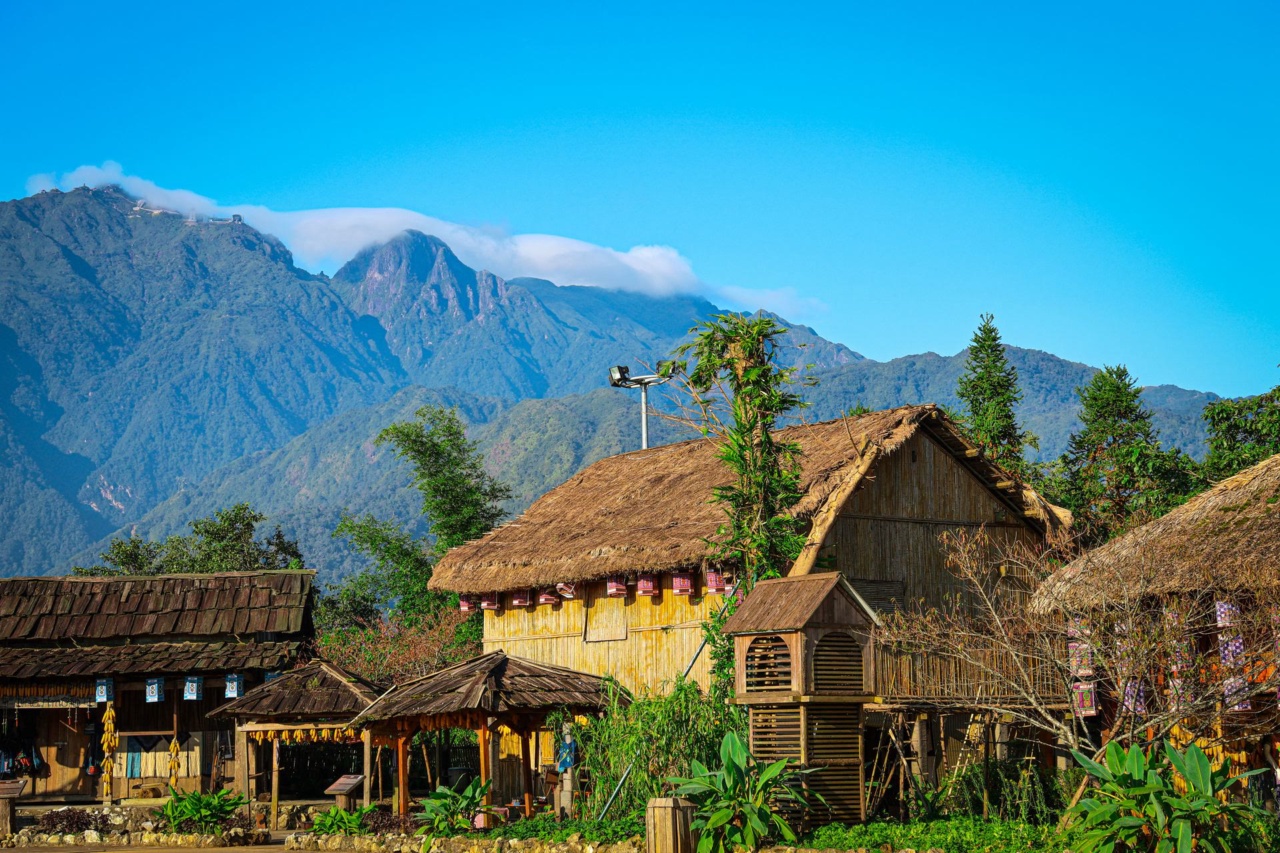
Staying in a homestay is not just a budget accommodation choice in Sapa. It is the single best way to understand the culture behind the terraces. Most homestays are run by ethnic minority families who welcome guests into their wooden stilt houses, cook traditional meals, and share stories about their farming traditions.

Basic homestays with dinner and breakfast included cost $10 to $20 per person per night. You sleep on mattresses in a shared room, and the food is simple but delicious, typically featuring local rice, stir-fried vegetables, spring rolls, and grilled meats. Some homestays have upgraded to offer private rooms with ensuite bathrooms for $30 to $60 per night.

The best homestay experiences are in Ta Van, Ta Phin, and the more remote villages along multi-day trekking routes. Book directly with your trekking guide or through your accommodation in Sapa town.

Hiring a Guide

You can trek independently around Sapa, but hiring a local guide adds enormously to the experience. Guides from ethnic minority communities know the trails intimately, explain the farming techniques and cultural practices, and introduce you to families in the villages. Many guides are Hmong or Dao women who have built small businesses leading treks.

A private guide for a day trek costs around $15 to $25 per person, often including lunch. Organizations like Sapa Sisters and Sapa O'Chau are social enterprises that train local women as guides and reinvest profits into community education. Choosing one of these operators means your money directly benefits the communities you are visiting. For more guides to trekking and cultural experiences across Vietnam and Asia, explore GoAsia.cc.

Practical Tips for Visiting Sapa

  • Footwear matters most: Trails around Sapa are steep, uneven, and frequently muddy, even in dry season. Waterproof hiking boots with strong ankle support and good traction are essential. Flip-flops and sneakers will not cut it on the terraced slopes.
  • Layer your clothing: Sapa sits at 1,500 meters and temperatures swing widely. Mornings can be 8 to 12 degrees Celsius even in summer, warming to 25 degrees by midday. In winter, temperatures drop below 5 degrees and occasional frost or even snow occurs at higher elevations. Bring a warm fleece or down jacket and a rain shell regardless of the season.
  • Carry cash: ATMs exist in Sapa town but not in the villages. Homestays, guides, and village shops deal in cash only. Vietnamese Dong is the only accepted currency outside Sapa town.
  • Respect local customs: Ask before photographing people, especially during ceremonies or daily activities. Dress modestly when visiting villages. Do not enter homes without invitation. If you buy handicrafts, buy directly from the makers rather than from middlemen in Sapa town.
  • Avoid weekends if possible: Sapa gets a significant influx of domestic tourists on weekends, particularly Saturday nights when the town's love market tradition draws crowds. Midweek visits are quieter on the trails and in town.
  • Rainy season strategy: If visiting June through August, start treks early in the morning. Afternoon downpours are common but usually short. A good rain jacket and dry bags for your electronics are essential. The upside is that the terraces are at their most vivid green.
  • Altitude awareness: While Sapa is not high enough for serious altitude sickness, the elevation combined with steep trails can be tiring. Take it easy on your first day, stay hydrated, and build up to longer treks.

Frequently Asked Questions

When is the best time to see Sapa's rice terraces?

September and October offer the most spectacular views, when the rice turns golden before harvest. For lush green terraces, visit between May and July. February through April features flooded terraces that create beautiful mirror reflections. Each season has its own appeal, but autumn is the most popular for photography.

How much does it cost to trek in Sapa?

A guided day trek costs $15 to $25 per person, usually including lunch. Multi-day treks with homestay accommodation run $60 to $150 per person. Homestays cost $10 to $20 per night with meals. Budget travelers can do Sapa comfortably for $30 to $40 per day including accommodation, food, and a guide.

How do I get from Hanoi to Sapa?

The overnight train to Lao Cai ($20 to $35, 8 hours) followed by a 1-hour van ride to Sapa is the most popular option. Sleeper buses go direct to Sapa in about 6 hours for $10 to $18. Private cars take 5 to 6 hours and cost $80 to $120. The train saves you a hotel night and is part of the experience.

Do I need a guide to trek in Sapa?

You can trek independently, but a local guide significantly enriches the experience. Guides know unmarked trails, explain farming culture and ethnic traditions, and facilitate genuine interactions with villagers. Social enterprises like Sapa Sisters train local women as guides, ensuring your money benefits the community directly.

How many days should I spend in Sapa?

Two nights and three days is ideal for most visitors. This gives you time for a full-day trek, a village visit, and a homestay experience. One night feels rushed and limits you to the closest villages. If you enjoy trekking, three or four nights allows for a multi-day trek to more remote areas.

What should I pack for Sapa trekking?

Waterproof hiking boots with ankle support are the most important item. Bring layers including a warm fleece and rain jacket, as temperatures vary dramatically. Pack a small daypack, sunscreen, insect repellent, a refillable water bottle, and cash in Vietnamese Dong for villages where cards are not accepted.

Are the Sapa rice terraces too touristy?

Sapa town and the closest villages like Cat Cat do attract significant tourist numbers, especially on weekends. However, once you trek into the Muong Hoa Valley or head to more remote villages like Ta Phin and Ban Ho, the crowds thin dramatically. Multi-day treks take you to areas where you may be the only visitor.

Is it safe to trek in Sapa during rainy season?

Trekking is possible but requires extra preparation. Trails become very slippery and muddy, and leeches are common on forest paths. Start early to avoid afternoon downpours, wear waterproof boots with strong grip, and carry rain gear. The payoff is the most vivid green terraces and far fewer tourists than peak season.