Wuyi Mountain: Fujian's Cliffs, Rafts, and the Birthplace of Rock Tea

Wuyi Mountain: Fujian's Cliffs, Rafts, and the Birthplace of Rock Tea

Last updated: June 9, 2026

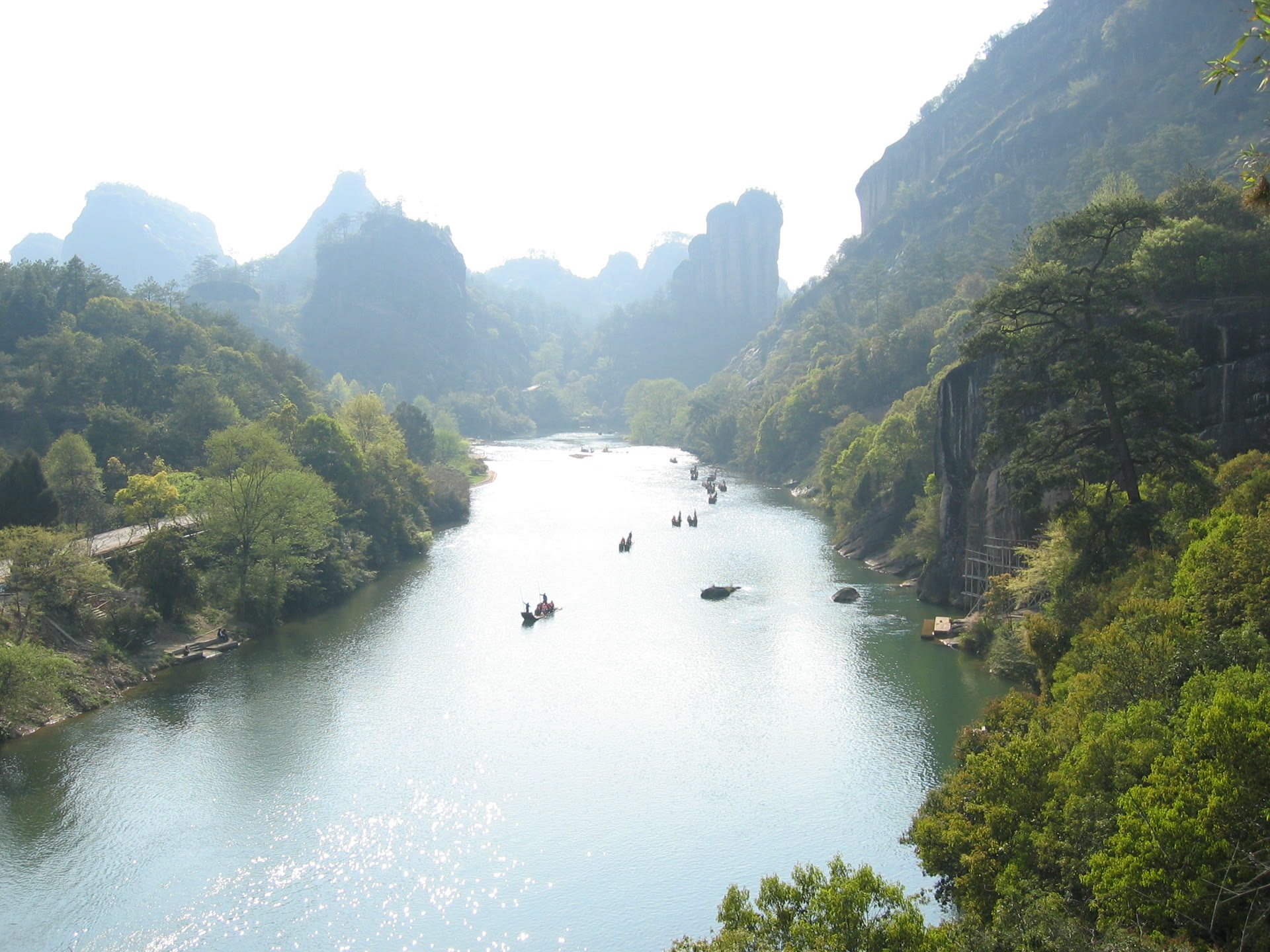
Wuyi Mountain, known in Chinese as Wuyishan, is one of the few places in China where dramatic scenery and deep cultural history are equally famous. The landscape is built around weathered red sandstone cliffs that drop straight into the clear, winding Nine Bend River, and the whole area carries a quiet, almost painterly atmosphere that has drawn poets, monks, and tea farmers for over a thousand years.

It is a UNESCO mixed World Heritage site, recognised for both its natural beauty and its role in Chinese intellectual and religious life. This is the home of Neo-Confucian philosophy, ancient Taoist and Buddhist temples, and the original oolong rock teas that command some of the highest prices in the country. For travelers, that means you can spend a morning drifting down a river on a bamboo raft, an afternoon climbing a cliff staircase to a temple, and an evening drinking tea grown a few hundred metres away.

Wuyishan sits in the far northwest of Fujian province, well away from the coastal cities most visitors know. That remoteness is part of its charm, but it also means you need to plan your transport and give yourself at least two full days. This guide covers what to see, how to organise rafting and hiking, the famous Dahongpao tea region, and how to reach the mountain from Xiamen or Fuzhou.

What Wuyi Mountain Actually Is

The name Wuyishan refers to a broad scenic and cultural region rather than a single peak. The core area protected by UNESCO covers cliffs, gorges, the Nine Bend River, ancient cultural sites, and large stretches of subtropical forest. Most of what tourists visit is concentrated in the main scenic zone, which is gated and ticketed, plus the nearby tea-growing valleys.

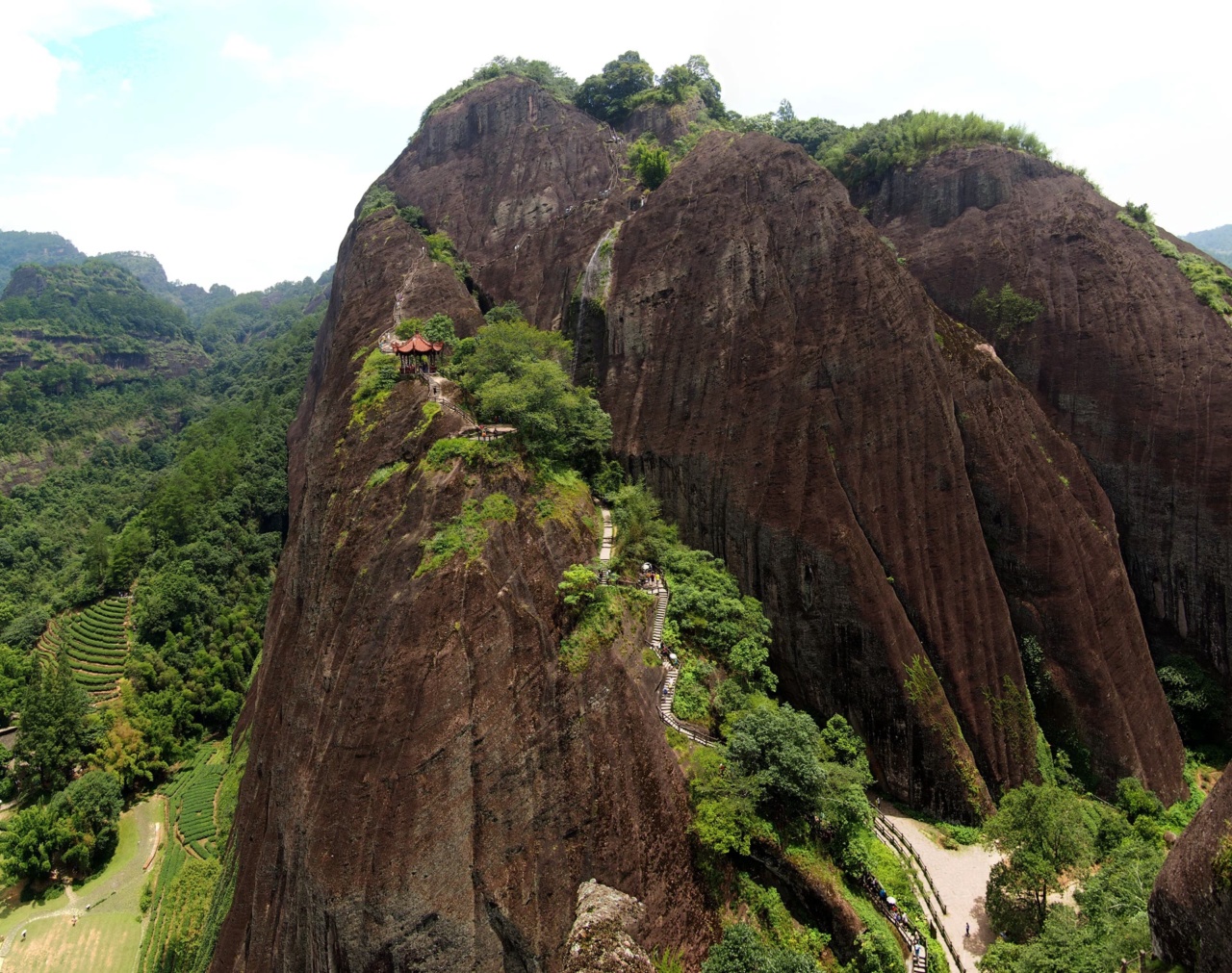
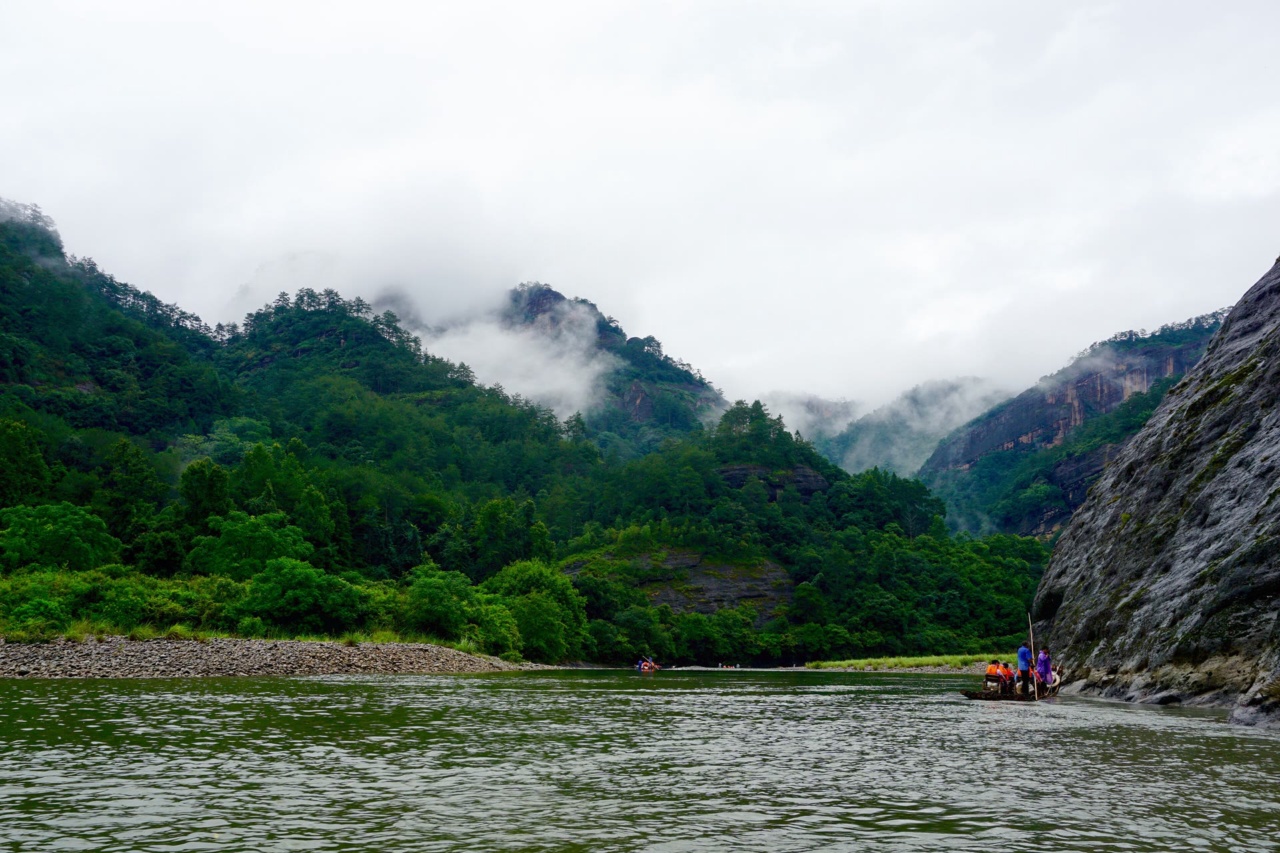
The defining feature is the combination of red rock peaks and the river that loops through them. The geology is classic danxia landform, where iron-rich sandstone has eroded into steep, rounded cliffs glowing orange and pink in good light. The Nine Bend River, called Jiuqu Xi, threads between these peaks in a series of sharp turns, which is why the most popular activity is floating down it on a raft.

Layered onto this scenery is a long human history. Cliff-side burial boats thousands of years old still sit wedged into rock crevices high above the water. There are remains of an ancient Han dynasty city, Taoist and Buddhist temples, rock carvings, and the academy where the philosopher Zhu Xi developed ideas that shaped East Asian thought for centuries. The slopes are also covered in tea bushes, and the cliff tea tradition here is considered the origin of all oolong tea.

Things to Do

The Nine Bend River Bamboo Raft

If you do one thing in Wuyishan, it is the bamboo raft trip down the Nine Bend River. This is the signature experience and the easiest way to see the cliffs from the most flattering angle, looking up from the water.

The rafts are wide platforms made from lashed bamboo poles, with simple chairs for passengers. Two boatmen stand at the front and back, poling and steering as the raft drifts and bumps down the gentle rapids. A typical trip runs from the upper put-in point downstream through the numbered bends, passing the cliffs, the ancient hanging boat coffins, and the famous rock formations along the way. The boatmen often narrate and point out features, though usually in Chinese.

The ride generally lasts somewhere around ninety minutes, depending on water levels. It is scenic and relaxed rather than thrilling, although there are a few small drops that can splash you. Wear shoes you do not mind getting wet, bring sun protection, and keep cameras secure.

A few practical points matter here. Raft tickets are sold separately from the main scenic area ticket, and demand is high, so they can sell out, especially on weekends and Chinese holidays. Many travelers book ahead or buy the raft ticket early in the morning. The raft operates on a timed-slot system, and you may wait at the boarding area, so factor that into your schedule. Confirm the current price and booking method before you go, as these details change.

Hiking and the Main Scenic Peaks

Beyond the river, Wuyishan rewards anyone willing to climb. The trails are mostly built stone staircases, well maintained but sometimes steep, and they lead to viewpoints over the river and the surrounding peaks.

Tianyou Peak

Tianyou Peak, meaning Heavenly Tour Peak, is the classic climb and the most popular viewpoint in the park. The stone staircase switchbacks up the cliff to a summit area with a tea house and a sweeping view down over the loops of the Nine Bend River. The climb is steep and can be crowded, but the panorama is the postcard shot of Wuyishan. Allow a couple of hours including stops, more if the queues are long.

Dawang Peak and Yunu Peak

Dawang Peak, the Great King Peak, is a tall isolated crag at the entrance of the river. It is one of the most photographed rocks and can be climbed via a steep route for those who want a tougher ascent. Across the valley stands Yunu Peak, the Jade Maiden Peak, a slender pillar that pairs with Dawang in local legend. Even if you do not climb them, you will pass and photograph these formations during the raft trip.

The Water Curtain Cave and Cliff Walks

The northern part of the scenic area has lower-effort walks through tea valleys and to features like the Water Curtain Cave, a large overhanging cliff with a seasonal waterfall. These routes combine scenery with the tea-growing landscape and are gentler than the peak climbs.

Inside the gated scenic area there is a shuttle bus system connecting the main trailheads, the raft put-in, and the entrances. Walking everywhere is not realistic given the distances, so plan to use the internal shuttles and check where they stop.

The Dahongpao Rock Tea Area

Wuyishan is sacred ground for tea lovers. The cliffs and ravines here produce yancha, literally rock tea, a category of heavily oxidised oolong with a distinctive mineral character that locals attribute to the rocky soil. The most legendary of these is Dahongpao, or Big Red Robe, a tea so prized that the few original mother bushes growing on a cliff face are protected and no longer harvested commercially.

The Dahongpao scenic walk takes you through a narrow gorge lined with tea terraces to the spot where the ancient mother trees grow, with characters carved into the rock beside them. The walk itself is pleasant and not strenuous, and it gives context to why this region matters so much in Chinese tea culture.

Around the mountain and in Wuyishan town you can visit tea shops and farms, watch processing, and taste rock teas. Genuine cliff-grown Dahongpao and similar teas like Rougui and Shuixian can be expensive, and quality varies enormously. If you want to buy, taste first, be wary of bargain claims of authentic mother-tree tea, and treat tea buying as you would any specialty purchase. Even casual visitors will enjoy sitting for a tasting, which is a relaxed and authentic part of the experience.

How Much Time to Plan

Wuyishan is not a day trip from anywhere of consequence, so build it into a multi-day itinerary. The bare minimum is two full days, and three is more comfortable if you also want to explore tea valleys or temples.

Time availableSuggested plan
One day (tight)Bamboo raft in the morning, Tianyou Peak climb in the afternoon. Misses most tea and temple sites.
Two daysDay one: raft plus Tianyou Peak. Day two: Dahongpao tea walk, Water Curtain Cave, and lower scenic trails.
Three daysAdd a tea farm visit and tasting, more hiking, and time for the ancient city ruins or temples at a slower pace.

The scenic area ticket is typically valid for multiple days, which suits a two or three day visit, but confirm validity and pricing when you buy. Stay in Wuyishan town or near the scenic area entrance so you can start early and beat the tour groups, which tend to arrive mid-morning.

Getting to Wuyishan

Wuyishan is more accessible than its remote feel suggests, thanks to a high-speed rail station and a small airport. Here is how it connects to the cities international travelers are most likely to start from.

From Xiamen

Xiamen is the most common gateway for visitors arriving in Fujian. High-speed trains run from Xiamen to Wuyishan, with journey times that have shortened considerably as the rail network expanded. Trains are the most reliable option, comfortable and frequent. Book through a recognised booking platform or the official rail system, and bring your passport, which is required for ticketing and station entry. The Wuyishan high-speed station is some distance from the scenic area, so plan a taxi or local bus transfer of roughly half an hour to your hotel.

From Fuzhou

Fuzhou, the provincial capital, is closer to Wuyishan than Xiamen and also connected by high-speed rail, making it a quick and convenient gateway. If you are routing through Fujian, Fuzhou can be an efficient stop before heading inland to the mountain.

By air

Wuyishan has its own airport with domestic connections to major Chinese cities. Flights can save time if you are coming from far away, though schedules are limited compared with the train network. The airport is close to town, so transfers are short.

Getting around once there

Within the scenic area, use the internal shuttle buses included or available with your ticket. Between the town, the station, and the park, rely on taxis or ride-hailing. Distances are walkable only within small clusters, so do not assume you can stroll between major sights. Download maps offline and have your hotel address written in Chinese, as English is limited outside tourist counters.

When to Visit

Wuyishan has a subtropical climate with warm, humid summers and mild winters. Spring and autumn are the most comfortable seasons, with pleasant temperatures and clearer skies, and they coincide with the tea harvest energy in spring, which adds atmosphere.

Summer brings heat, humidity, and the chance of heavy rain, which can raise river levels and occasionally affect rafting. Mist is common year-round and is part of the mountain's beauty, draping the peaks in soft cloud, but it can also obscure views from the summits. Winter is quieter and cooler, with fewer crowds, though some days are damp and grey.

Avoid major Chinese public holidays if you can, particularly the early May holiday and the National Day week in early October, when domestic tourism peaks and the rafts, trails, and hotels fill up. Weekends are busier than weekdays at any time of year.

Realistic Downsides and Common Mistakes

Wuyishan is genuinely beautiful, but it helps to know what to expect. It is a well-developed domestic tourism site, not a wilderness escape. The popular spots, especially the rafts and Tianyou Peak, can be crowded and involve queuing, and the experience is structured around timed slots and shuttle buses rather than free roaming.

The most common mistake is underestimating travel time and treating Wuyishan as a quick add-on. It deserves at least two days, and rushing it means missing either the river or the tea, both of which are the point of coming. Another frequent error is not booking raft tickets early, then finding them sold out for the day.

Language is a real barrier here. Far fewer people speak English than in coastal cities, signage in the scenic area is limited in English, and tour narration on the rafts is in Chinese. A translation app, offline maps, and written addresses go a long way. Mobile payment via local apps dominates, so set up a payment method that works in China before you arrive, and carry some cash as backup.

Finally, manage expectations on tea buying. The market is full of high prices and authenticity claims that are hard to verify. Enjoy the tasting experience for what it is, and only spend serious money if you know what you are doing.

Practical Tips for a Smooth Wuyishan Visit

  • Buy or reserve your bamboo raft ticket as early as possible, ideally the day before or first thing in the morning, since slots sell out on busy days.
  • Wear sturdy shoes for the staircase climbs and footwear that can handle splashes on the raft.
  • Start your day early to beat the mid-morning tour groups, especially at Tianyou Peak and the raft boarding area.
  • Carry your passport at all times for train travel, hotel check-in, and ticketing.
  • Set up a mobile payment method that works in China and keep some cash for small vendors.
  • Download an offline map and a translation app, and save your hotel name in Chinese characters.
  • Bring sun protection and water for the river and the climbs, and a light rain layer given the frequent mist and showers.
  • Confirm current ticket prices, ticket validity, and scenic area opening details before you go, as these are subject to change.

Combining Wuyishan With the Rest of Fujian

Because Wuyishan sits inland in the far northwest of Fujian, it pairs well with a wider Fujian loop rather than a single-destination trip. Many travelers combine it with the coastal city of Xiamen, with its colonial-era island of Gulangyu, and with the famous Hakka earthen roundhouses, the tulou, found in the southwest of the province. A typical route uses the high-speed rail to link Xiamen, the tulou region, and Wuyishan over several days.

Fuzhou, the provincial capital, is a natural transit point and worth a stop for its old town and temples. If you are planning a longer trip through southern China, Fujian's rail connections make it easy to continue onward to Guangdong or inland provinces.

For more help structuring a Fujian route, comparing transport options, and finding other mountain and tea destinations across the region, you can continue planning your Asia trip on GoAsia.cc, which covers China and the wider continent for independent travelers.

Wuyishan rewards the effort it takes to reach it. The mix of cliffs, river, temples, and the original home of rock tea gives it a depth that few scenic mountains can match. Give it the days it deserves, plan your rafting and climbs around the crowds, and you will come away with both striking scenery and a genuine taste of one of China's most storied cultural landscapes.

Frequently Asked Questions

How many days do I need at Wuyi Mountain?

Plan at least two full days to cover the bamboo raft trip and the main peak climbs without rushing. Three days lets you add tea valleys, temples, and a proper tasting at a relaxed pace. A single day forces hard choices and misses much of what makes the area special.

How do tickets work and do I need to book the raft in advance?

The main scenic area ticket and the bamboo raft ticket are usually sold separately, and the raft runs on timed slots that sell out on busy days. Reserve or buy your raft ticket as early as possible, ideally the day before or first thing in the morning. Confirm current prices and ticket validity before your visit, as these details change.

How do I get to Wuyishan from Xiamen or Fuzhou?

High-speed trains connect both Xiamen and Fuzhou to Wuyishan, with Fuzhou being the closer and quicker option. Trains are the most reliable choice, and you will need your passport to book and board. From the Wuyishan station, take a taxi or local bus to your hotel, which is roughly half an hour from the scenic area.

What is the best time of year to visit?

Spring and autumn offer the most comfortable weather and clearer views. Summer is hot, humid, and rainy, which can occasionally affect rafting, while winter is quiet but damp. Avoid the early May and early October national holidays, when crowds and prices peak.

Is the bamboo rafting safe and what should I bring?

The Nine Bend River raft trip is gentle and scenic rather than a white-water ride, with only a few small drops that may splash you. Wear shoes that can get wet, bring sun protection, and keep cameras and phones secure. The boatmen handle all the steering, so it suits most ages.

Can I buy authentic Dahongpao tea there?

You can buy rock teas including Dahongpao throughout the area, but the original mother bushes are protected and not harvested commercially, so claims of genuine mother-tree tea should be treated with caution. Quality and prices vary widely, so always taste before buying. Treat it as a specialty purchase and only spend serious money if you know the product.

Is English spoken and will my payment methods work?

English is limited outside main tourist counters, and raft narration and much signage are in Chinese, so bring a translation app and offline maps. Mobile payment via local apps dominates, so set up a working payment method before you arrive and carry some cash as backup.