
Guide prices and journey times are indicative, not live quotes. A booked package may include transfers and waiting time as well as the main journey. Check the selected offer, pickup point and current conditions before booking.
The stretch of coastline connecting Galle and Matara represents the quintessential Sri Lankan southern experience. While Galle is famous for its Dutch colonial architecture and the iconic fort, Matara offers a more local, grounded atmosphere with its own star-shaped fort and the beautiful Weherahena Temple. Moving between these two points is less about a long journey and more about a transition from a tourist hub to a gateway for the deep south.
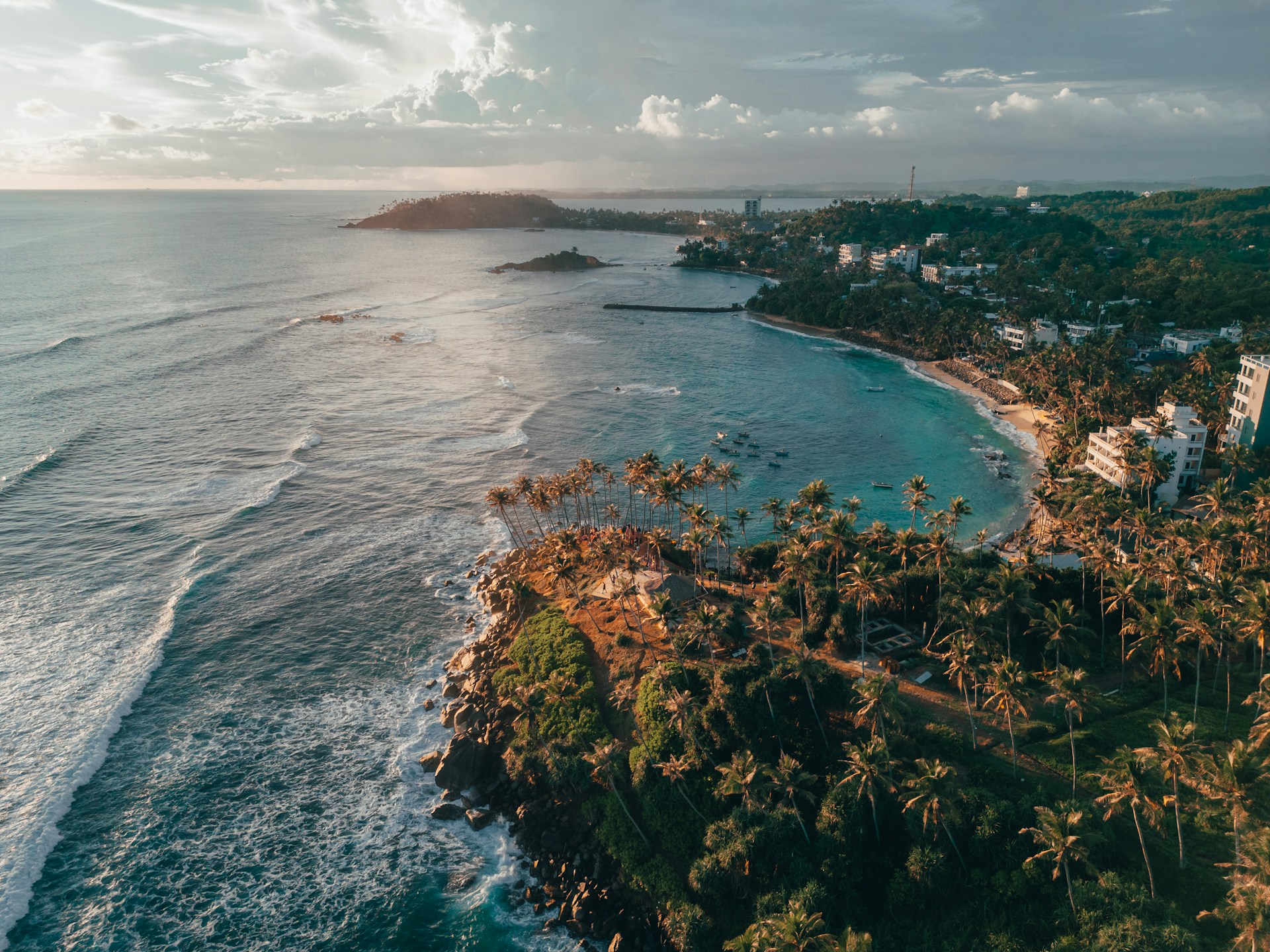
As you move along the coast, the landscape shifts from the manicured streets of Galle to the rugged, wave-battered shores that lead toward the tip of the island. Whether you are chasing the surf in nearby Weligama or heading further east to Mirissa, the trip from Galle to Matara is a short but vital link in any southern Sri Lanka itinerary. You can easily secure your transport for this route on GoAsia.cc to ensure a smooth transition between these two historic coastal cities.
Galle to Matara by Train
Taking the train is arguably the most atmospheric way to navigate the southern coast. The tracks often run parallel to the Indian Ocean, offering glimpses of turquoise water and palm-fringed beaches through the open windows. It is a favorite among locals and travelers alike for its efficiency and the classic Sri Lankan rail experience.
First Class Seating
For those who prefer a guaranteed seat and a bit more personal space, First Class is the way to go. Prices for these tickets range from $5 to $18 depending on the specific service and booking timing. These carriages are generally air-conditioned, providing a cool refuge from the tropical humidity outside. The journey is remarkably quick, with some express services reaching Matara in just 40 minutes, while other trains may take up to 1 hour and 8 minutes. It is a peaceful way to transit, allowing you to watch the coastal villages whistle by without the stress of navigating road traffic.
Galle to Matara by Private Transfer
If you are traveling with a group, carrying heavy surfboards, or simply value door-to-door convenience, a private transfer is the most flexible option. This is particularly useful if you are staying in the nearby beach town of Unawatuna rather than Galle city center itself, as drivers can pick you up directly from your villa or hotel.
Vehicle Types and Comfort
There are several vehicle classes available for this route, ensuring a fit for different group sizes and luggage requirements. A standard Hatchback or Sedan is perfect for solo travelers or couples, while a 6-pax SUV provides ample room for families or those with extra gear. The price for a private transfer typically ranges from $75 to $103. While more expensive than the train, the duration is a consistent 37 to 43 minutes, and you avoid the need to arrange secondary transport to and from the railway stations. The drive follows the coastal road or the highway, offering a comfortable, climate-controlled environment from start to finish.
Comparing Your Options
| Mode | Price (USD) | Duration | Comfort |
|---|---|---|---|
| Train (First Class) | $5 - $18 | 40m - 1h 8m | High |
| Private Transfer (Sedan/Hatchback) | $75 - $103 | 37m - 43m | Excellent |
| Private Transfer (SUV) | $75 - $103 | 37m - 43m | Excellent |
Tips for Traveling from Galle to Matara
- Book Train Tickets Early: First Class seats on the southern line are popular and can sell out, especially during the peak season from December to March. It is wise to book in advance to ensure you have a reserved seat.
- Station Logistics: Galle Railway Station is a "dead-end" station, meaning trains enter and then reverse out to continue their journey. Don't be confused when the train changes direction!
- Unawatuna Pickups: If you are based in Unawatuna, booking a private transfer is often more logical than taking a tuk-tuk back into Galle just to catch a train, as the drive directly to Matara is only about 37 minutes.
- Luggage Space: If you are traveling with surfboards, always opt for the SUV transfer option. Sri Lankan trains have overhead racks, but they are rarely large enough for full-sized boards.
- Enjoy the View: If taking the train, try to sit on the right-hand side when heading toward Matara for the best views of the ocean.
Timetable
| Taxi Galle - Matara $ 72.53–99.67 43m | |
|
|
| Train Galle - Matara $ 5.07–16.85 40m – 1h 8m | |
|
| Taxi Unawatuna - Matara $ 72.53–99.67 37m | |
|
Frequently Asked Questions
Use the booking tool on this page to compare the transport options currently available from Galle to Matara, including current prices and schedules.
The most affordable way to travel this route is by train. First Class seats start at approximately $5, providing a comfortable and budget-friendly journey along the coast.
The fastest way to travel is by private transfer or express train. Both options can complete the journey in approximately 37 to 40 minutes depending on traffic and the specific train service.
The journey typically takes between 37 minutes and 1 hour and 8 minutes. Private transfers are the most consistent at around 40 minutes, while train durations vary by service.
Yes, there are several direct trains daily that connect Galle Railway Station to Matara. These include express services and local trains that stop at smaller coastal villages along the way.
Yes, private transfers are available directly from Unawatuna to Matara, taking about 37 minutes. This is often more convenient than returning to Galle to catch a train.
First Class train carriages on this route are generally air-conditioned, offering a very comfortable environment. Second and Third class carriages (if available) usually rely on open windows and fans.