Can Tho

Can Tho

Can Tho is the beating heart of Vietnam's Mekong Delta, a sprawling river city where floating markets, lush orchards, and winding waterways define daily life.

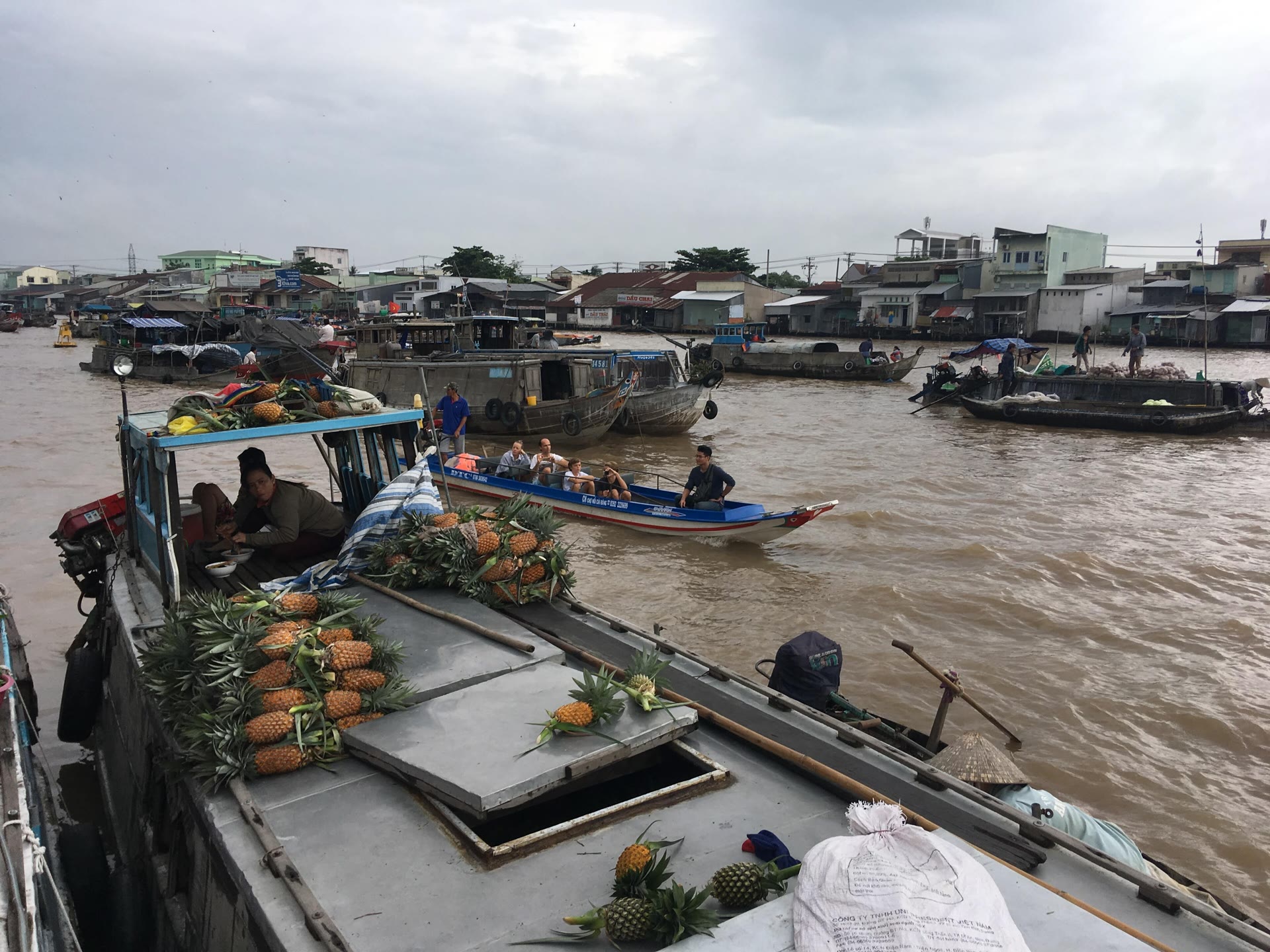
The alarm goes off at 4:30 a.m., and you stumble onto a wooden boat in the pre-dawn dark. Within minutes, the Hau River opens up around you, and by the time the sky turns pink, you are floating through Cai Rang, the largest floating market in the Mekong Delta, surrounded by boats piled high with pineapples, watermelons, and steaming bowls of noodle soup. This is Can Tho at its most essential, a city built on water where commerce and daily life still revolve around the river.

Can Tho is Vietnam's fourth-largest city by population, but it feels far removed from the concrete energy of Ho Chi Minh City or Hanoi. The pace here is slower, the smiles come easier, and the food is extraordinary. It serves as the de facto capital of the Mekong Delta region, making it the best base for exploring the web of rivers, canals, orchards, and rice paddies that define southern Vietnam.

This is not a city of grand monuments or world-famous museums. Can Tho's appeal is experiential: gliding through narrow canals overhung with water coconut palms, eating hu tieu noodles at a riverside stall, cycling past rice fields on the outskirts of town. If you need constant stimulation, you may find it quiet. But if you want to understand how millions of Vietnamese live in harmony with the river, there is no better place.

Orientation and Neighborhoods

Can Tho sits on the south bank of the Hau River (a major branch of the Mekong), roughly 170 kilometers southwest of Ho Chi Minh City. The city is flat and spread out, but the areas most travelers care about are compact and manageable.

Ninh Kieu District (City Center)

This is where you will spend most of your time. The Ninh Kieu Wharf area along the riverfront is the tourist hub, lined with hotels, restaurants, and the departure point for floating market boat tours. The pedestrian promenade along the river is pleasant in the evening, with food stalls, local families, and river breezes. Most accommodation, from budget guesthouses to the city's best hotels, clusters within a few blocks of the wharf.

Cai Rang District

Located about 6 kilometers southwest of the city center, Cai Rang is home to the famous floating market of the same name. The district itself is residential and industrial, not a place you would stay, but you will pass through it on every boat tour. The market operates on the river, not on land.

Binh Thuy District

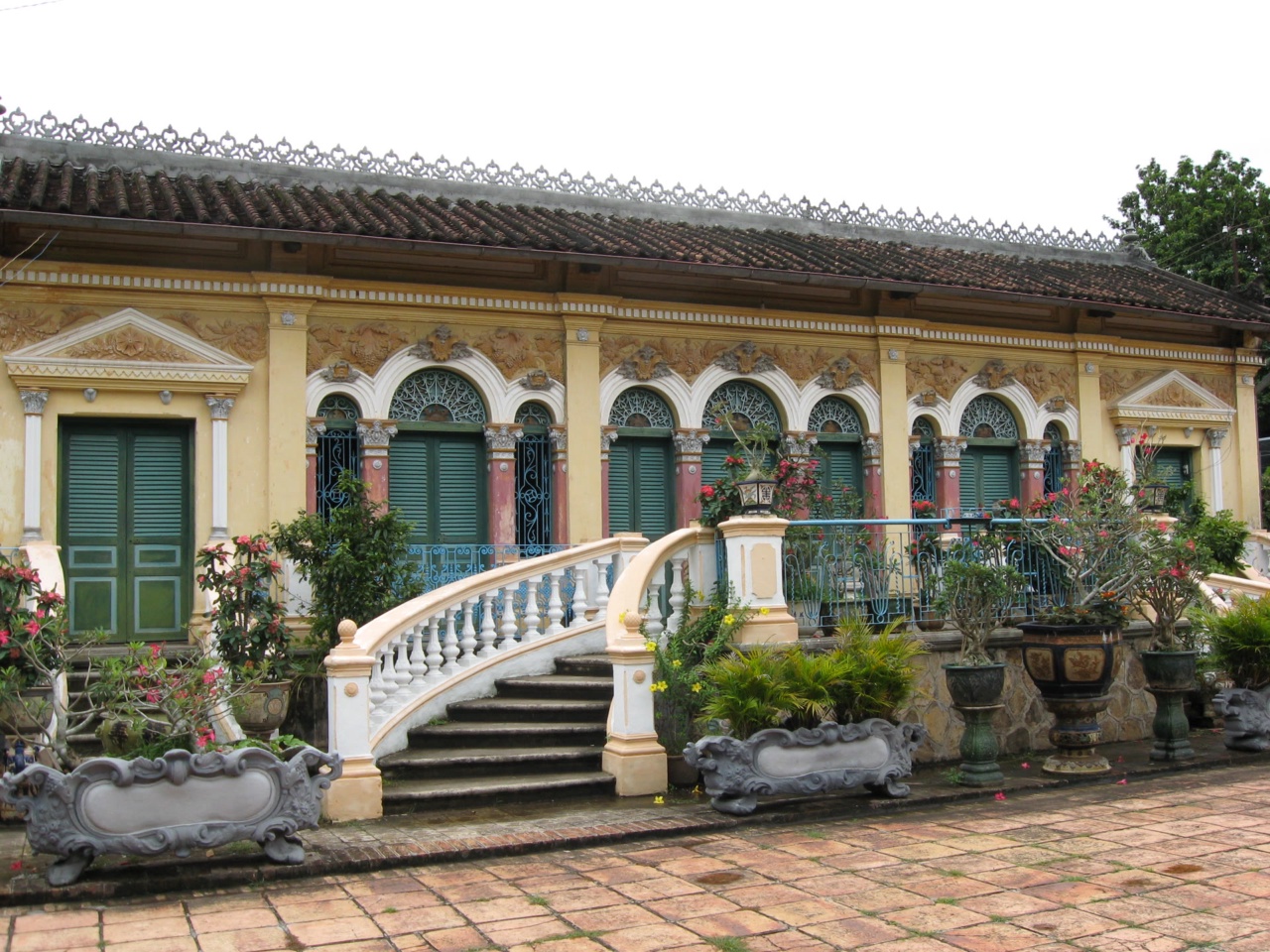
North of the center, Binh Thuy is a quieter residential area notable for the Binh Thuy Ancient House, a beautifully preserved French-colonial era home. It gives a glimpse of old Mekong Delta aristocratic life and is worth the short taxi ride.

Where to Stay by Priority

Stay in Ninh Kieu District near the wharf for convenience, river views, and walkable access to restaurants. Budget travelers will find plenty of guesthouses on the streets behind the waterfront. Families and mid-range travelers should look at the riverside hotels, which often have pools and breakfast buffets. There is no real reason to stay outside Ninh Kieu unless you are visiting a specific homestay in the countryside.

アクティビティ

Best Time to Visit

Can Tho has a tropical climate with two distinct seasons. The region is warm year-round, with temperatures typically between 25 and 35 degrees Celsius.

SeasonMonthsWeatherCrowdsNotes
Dry SeasonDecember - AprilHot, sunny, low humidityModerate to highBest overall conditions; January-February is peak
Wet SeasonMay - NovemberHot, afternoon downpours, high humidityLowRain rarely lasts all day; lush green landscapes

The sweet spot is December through February, when humidity is lower and rain is rare. The floating markets operate year-round, but they are busiest and most photogenic in the dry season. The Tet holiday (Vietnamese Lunar New Year, usually late January or early February) brings a festive atmosphere, but some businesses close and domestic tourism spikes, so book accommodation early.

The wet season is not a dealbreaker. Rain typically comes in intense afternoon bursts, leaving mornings clear for floating market visits. Hotel prices drop significantly, and you will have attractions largely to yourself. The main downside is that some rural roads and paths can get muddy.

Getting There and Getting Around

Getting There

Can Tho International Airport receives domestic flights from Hanoi, Da Nang, and a few other cities. There are currently no direct international flights, so most international travelers fly into Ho Chi Minh City's Tan Son Nhat Airport and travel overland. The airport is about 10 kilometers from the city center; a taxi or Grab ride costs around $3-5.

From Ho Chi Minh City, the most common option is a bus from the Mien Tay Bus Station. The journey takes roughly 3.5 to 4 hours and costs around $4-7 for a standard seat or sleeper bus. Several reputable bus companies run frequent departures throughout the day. You can check schedules and compare transport options on GoAsia.cc for the latest routes.

Private car transfers from Ho Chi Minh City cost around $60-80 for the vehicle and are convenient if you are in a group or want to stop at My Tho or Vinh Long en route.

Getting Around

Within Can Tho, Grab (the Southeast Asian ride-hailing app) is the most practical way to get around. A Grab motorbike ride across the city center costs under $1, and a Grab car to Cai Rang or Binh Thuy runs $2-4. Traditional xe om (motorbike taxis) are available but negotiate the price first.

The city center around Ninh Kieu Wharf is walkable, with most restaurants, hotels, and the main market within a 15-minute stroll. Renting a bicycle (around $3-5 per day from hotels or guesthouses) is a wonderful way to explore the quieter outskirts, where the roads flatten out along canals and rice paddies. Motorbike rental is available for around $6-8 per day, but traffic can be chaotic for the uninitiated.

Top Sights and Experiences

Must-See: Cai Rang Floating Market

This is the reason most people come to Can Tho, and it genuinely lives up to the hype. Cai Rang is the largest floating market in the Mekong Delta, where wholesale fruit and vegetable traders conduct business from boats. Each boat hangs a sample of its product on a tall pole so buyers can see what is for sale from a distance. The market is most active between 5:00 and 7:30 a.m., so you need an early start. Boats depart from Ninh Kieu Wharf around 5:00 a.m. and the ride to the market takes about 30 minutes. Expect to pay around $8-15 per person for a shared boat tour, or $20-30 for a private boat. The experience is best on weekdays; weekends bring more tourist boats. Arrive before 6:00 a.m. for the best light and the most activity.

Must-See: Phong Dien Floating Market

Smaller, more intimate, and less touristy than Cai Rang, Phong Dien is located about 20 kilometers southwest of the city. It is a retail market where locals buy and sell directly, giving it a more authentic feel. The downside is that it starts even earlier (peaking around 5:00-6:00 a.m.) and is winding down by 7:00 a.m. Many boat tours combine both markets in a single morning trip, which is the ideal approach if you have the energy for a 4:30 a.m. departure.

Must-See: Canal Boat Tours

Beyond the floating markets, the real magic of Can Tho is its network of narrow canals (rach). A good boat tour will take you through tunnels of water coconut palms, past stilt houses, and into small orchards where you can sample tropical fruit straight from the tree. Many tours include a stop at a rice noodle workshop or a traditional candy-making house. These canal sections are the most photogenic part of any boat trip and should not be skipped in favor of just the floating market.

Must-See: Ninh Kieu Wharf and Night Market

The riverside promenade at Ninh Kieu comes alive in the evening. The night market is modest compared to those in Hanoi or Ho Chi Minh City, but it is a pleasant place to stroll, snack on grilled seafood, and watch locals socializing. The giant statue of Ho Chi Minh and the Can Tho Bridge lit up in the distance make for a nice evening scene.

Worth a Visit: Binh Thuy Ancient House

This well-preserved house dates to the early 20th century and blends French colonial architecture with Vietnamese and Chinese design elements. It was used as a filming location for the movie "The Lover" (based on Marguerite Duras' novel). The house is small, so 30-45 minutes is plenty. Entry costs around $1. It is located about 6 kilometers north of the center.

Worth a Visit: Can Tho Museum

A free museum in the city center that provides decent context on Mekong Delta history, ecology, and culture. The exhibits cover everything from the Khmer influence in the region to the American War. It is not world-class, but it is air-conditioned and informative, making it a good midday stop when the heat peaks. Allow about an hour.

Worth a Visit: Ong Temple (Quang Trieu Hoi Quan)

A beautifully ornate Chinese-Vietnamese temple near the waterfront, dating back to the 19th century. The incense coils hanging from the ceiling and the detailed wood carvings make it worth a quick 20-minute visit.

Overrated Attractions

The Can Tho Bridge is impressive from a distance, especially lit up at night, but there is no reason to visit it up close. Some tours offer this as a stop, which wastes time. The various "eco-tourism" gardens on the outskirts can feel overly staged, with tourists being shuttled through fruit orchards on a conveyor belt. A better alternative is to ask your boat driver to stop at a smaller, family-run orchard during a canal tour. Finally, the Munirensay Pagoda is sometimes listed as a highlight, but it is a fairly standard Khmer pagoda and only worth visiting if you have extra time.

Food and Drink

Can Tho is arguably the best place in Vietnam to eat Mekong Delta cuisine. The region's abundance of freshwater fish, tropical fruit, rice, and vegetables means the food is fresh, flavorful, and remarkably cheap.

Signature Dishes

DishDescriptionWhere to TryTypical Price
Hu TieuClear pork and seafood broth with rice noodles, a southern Vietnamese stapleStreet stalls near the central marketAround $1-1.50
Bun CaFish noodle soup with turmeric-spiced catfish, herbs, and fermented fish brothLocal restaurants in Ninh KieuAround $1-2
Banh CongDeep-fried savory cake with shrimp and mung bean, a Can Tho specialtyStreet vendors near Ninh Kieu WharfAround $0.50 each
Lau MamFermented fish hotpot with vegetables, pork, shrimp, and noodles - pungent and addictiveRiverside restaurantsAround $5-8 for two
Banh XeoCrispy turmeric crepe stuffed with shrimp, pork, and bean sproutsDedicated banh xeo restaurantsAround $1-2
Nem NuongGrilled pork sausage wrapped in rice paper with herbs and dipping sauceRestaurants along Hai Ba Trung StreetAround $2-3

Where to Eat

The streets around the central market (Cho Can Tho) are the best hunting ground for street food, particularly in the morning. For sit-down meals, Hai Ba Trung Street and the streets running perpendicular to the waterfront have a good concentration of local restaurants. The riverside restaurants along Ninh Kieu Wharf are slightly more expensive and tourist-oriented but still serve good food with river views.

Street food culture is strong here. Breakfast is eaten early, often by 7:00 a.m., at small stalls serving hu tieu or bun ca. Lunch is the main meal, and many local restaurants close by 2:00 p.m. Dinner options are more plentiful near the wharf. Do not miss trying fresh tropical fruit from the markets: mangosteen, rambutan, longan, and durian are all grown locally.

Price Ranges

A street food meal costs around $1-2. A sit-down meal at a local restaurant runs $3-5 per person. A meal at an upscale riverside restaurant with drinks costs around $10-15 per person. Fresh beer (bia hoi) costs as little as $0.30-0.50 per glass, and a bottle of local beer is around $0.75-1.

Where to Stay

Budget (Under $15 per night)

Can Tho has a solid selection of guesthouses and hostels, mostly clustered a block or two behind the waterfront in Ninh Kieu. Expect basic but clean rooms with air conditioning, Wi-Fi, and private bathrooms. Some guesthouses can arrange boat tours at competitive rates. Dorm beds in hostels start around $5-7.

Mid-Range ($15-50 per night)

This is the sweet spot in Can Tho. Several well-run hotels along the waterfront offer river-view rooms, swimming pools, and breakfast buffets for $25-45 per night. The quality-to-price ratio is excellent compared to Ho Chi Minh City. Look for hotels on or near Hai Ba Trung Street for the best location.

Upscale ($50-120 per night)

A handful of international-standard hotels and boutique properties sit along the riverfront. These offer the best views, modern amenities, and can arrange private boat tours and cooking classes. Can Tho does not have luxury resorts on the level of Hoi An or Phu Quoc, but the top-tier hotels here are comfortable and well-managed.

Homestays

For a more immersive experience, consider a rural homestay on one of the islands or along the canals outside the city. These typically cost $10-20 per night including dinner and breakfast, and the host family often takes you on a personal boat tour. This is the best way to experience Mekong Delta life up close, though facilities are basic (expect thin mattresses and mosquito nets).

Practical Tips

Can Tho is one of the safer cities in Vietnam for tourists. Violent crime against travelers is extremely rare. That said, keep an eye on your belongings at the night market and wharf area, where petty theft can occur.

  • Payment: Cash is king. Most street food vendors, boat operators, and smaller hotels only accept Vietnamese dong. ATMs are plentiful in the city center. Mid-range and upscale hotels accept credit cards. Tipping is not expected but appreciated for boat drivers and tour guides (around 50,000-100,000 VND, roughly $2-4, is generous).
  • SIM Cards: Pick up a local SIM card at the airport or any phone shop in the city center. Viettel, Mobifone, and Vinaphone all offer tourist SIM packages with data for around $3-5. Coverage is excellent in the city and decent along the main waterways.
  • Language: English is limited outside of hotels and tourist-facing businesses. Learn a few Vietnamese phrases (xin chao for hello, cam on for thank you) and have Google Translate downloaded for offline use. Boat tour operators generally speak enough English for basic communication, but do not expect fluent conversations.
  • Water: Do not drink tap water. Bottled water is cheap and available everywhere (around $0.25 for a 500ml bottle). Ice in restaurants and cafes is generally factory-made and safe.
  • Clothing: Dress modestly when visiting temples and pagodas (cover shoulders and knees). Otherwise, lightweight, breathable clothing is essential. Bring a rain jacket or poncho during the wet season. For boat tours, wear shoes that can get wet and bring sunscreen and a hat.
  • Boat Tour Booking: You can book floating market tours through your hotel, at the wharf, or through local tour operators. Hotel bookings are slightly more expensive but convenient. Booking directly at the wharf the evening before gives you more negotiating power. Insist on a tour that includes canal exploration, not just the floating market.

Day Trips

My Tho and Ben Tre (130 km northeast, 2.5-3 hours)

My Tho is the gateway to the upper Mekong Delta, and nearby Ben Tre is famous for its coconut candy workshops and quiet island life. The journey is long for a day trip from Can Tho, so this is better suited as a stop on the way to or from Ho Chi Minh City rather than a dedicated day trip.

Soc Trang (60 km southeast, 1.5 hours)

A town with a significant Khmer population, Soc Trang is home to several impressive Khmer pagodas, including the ornate Bat Pagoda (Chua Doi) where thousands of fruit bats roost in the trees. The Khmer Museum provides cultural context. This makes for a rewarding half-day or full-day trip, especially if you are interested in the ethnic diversity of the delta.

Vinh Long (35 km northeast, 1 hour)

A smaller delta town with its own floating market (Cai Be, technically in Tien Giang province) and a network of islands accessible by small boat. The Cai Be floating market has shrunk significantly in recent years and is less impressive than Cai Rang, but the surrounding island homestays and orchards are lovely. Good for a relaxed day trip.

Tra Su Cajuput Forest (120 km southwest, 2.5 hours)

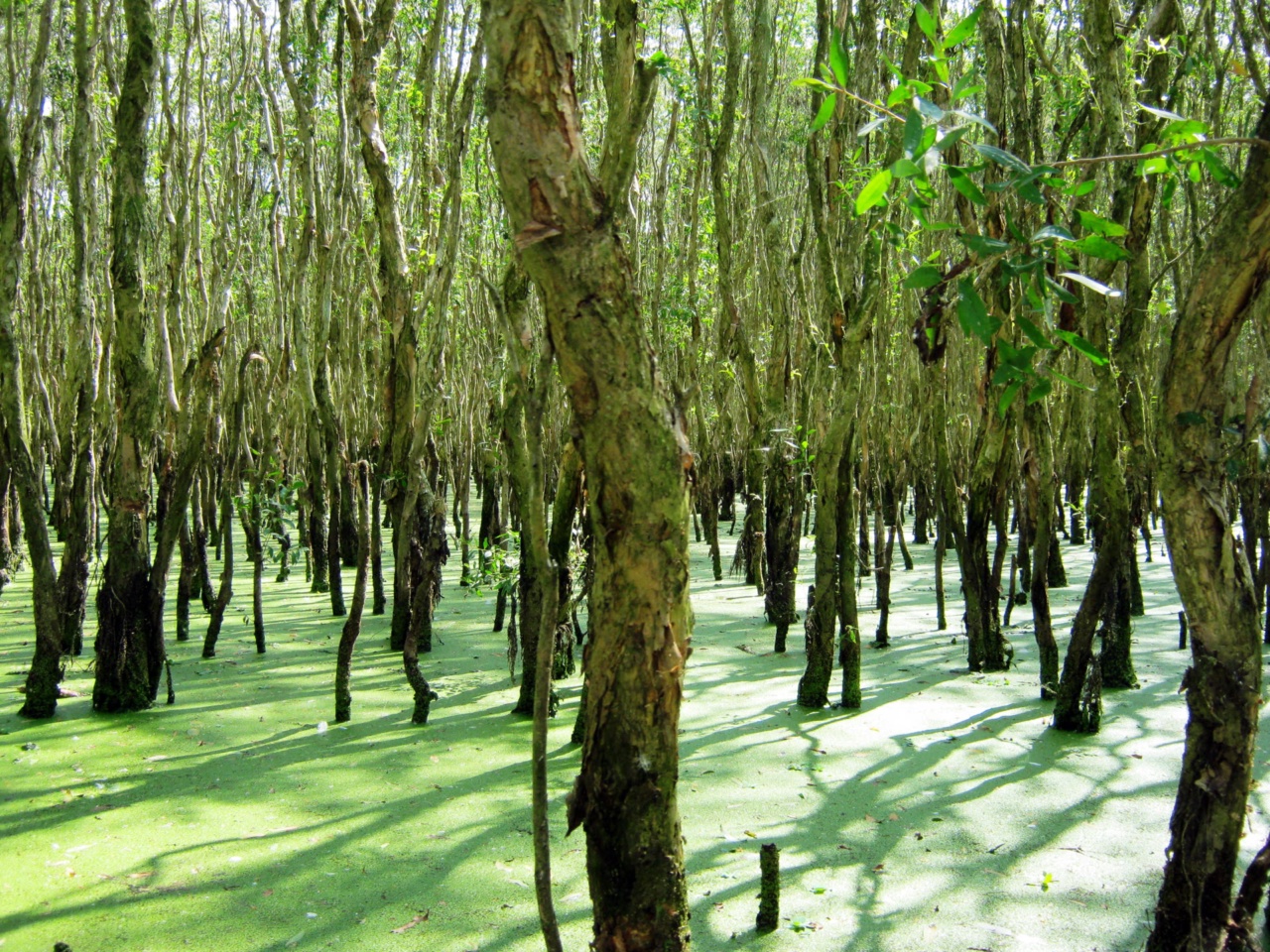
A stunning flooded forest near the Cambodian border, best visited during the wet season (August-November) when water levels are high and you can glide through the submerged forest by sampan. The birdlife is exceptional, with herons, cormorants, and storks nesting in the trees. This is the most scenic day trip from Can Tho but requires an early start due to the distance.

Chau Doc (180 km west, 3.5 hours)

A fascinating border town near Cambodia with floating fish farms, the sacred Sam Mountain, and a mix of Vietnamese, Khmer, Cham, and Chinese communities. It is a long day trip from Can Tho but doable if you leave early. Many travelers use Chau Doc as a stepping stone to Phnom Penh via fast boat across the border.

Sample 3-Day Itinerary

Day 1: Floating Markets and Canal Life

Morning: Wake at 4:30 a.m. and board a boat at Ninh Kieu Wharf by 5:00 a.m. Head to Cai Rang Floating Market first, then continue to Phong Dien Floating Market if time allows. On the return, ask your boat driver to detour through the narrow canals, stopping at a rice noodle workshop and a fruit orchard. You should be back by 9:00-10:00 a.m.

Afternoon: Nap (you earned it), then grab lunch at a local restaurant near the central market. Visit the Can Tho Museum for air-conditioned cultural context. Walk to Ong Temple for a quick look.

Evening: Stroll the Ninh Kieu Wharf promenade, browse the night market, and have dinner at a riverside restaurant. Try lau mam (fermented fish hotpot) if you are feeling adventurous.

Day 2: Rural Exploration

Morning: Rent a bicycle and ride south along the canals toward the outskirts of the city. The roads along the smaller canals are flat and shaded, passing through villages, rice paddies, and fruit orchards. Stop for hu tieu breakfast at a roadside stall.

Afternoon: Visit Binh Thuy Ancient House by taxi or Grab. On the way back, stop at a local cafe for ca phe sua da (Vietnamese iced coffee). Spend the rest of the afternoon relaxing at your hotel pool or exploring the streets around the central market.

Evening: Seek out a banh xeo restaurant for dinner. These crispy crepes are best eaten at dedicated shops where they are made fresh to order. Finish with a cold beer at a riverside spot.

Day 3: Day Trip to Soc Trang or Tra Su

Option A - Soc Trang: Hire a Grab car or arrange transport to Soc Trang. Visit the Bat Pagoda, the Khmer Museum, and the Clay Pagoda (Chua Dat Set), an extraordinary temple decorated entirely with clay sculptures. Return to Can Tho by mid-afternoon for a final evening at the wharf.

Option B - Tra Su Forest (wet season only): Depart early for Tra Su Cajuput Forest. Spend the morning gliding through the flooded forest by sampan, watching birds and enjoying the eerie beauty of the submerged trees. Return to Can Tho in the afternoon. This is a long day but unforgettable if the water levels are right.

Budget Overview

CategoryBudgetMid-RangeComfort
Accommodation$7-12$25-40$60-100
Food$5-8$10-15$20-30
Transport$3-5$5-10$10-20
Activities$8-10$15-25$25-40
Daily Total$23-35$55-90$115-190

Can Tho is one of the most affordable destinations in Vietnam. Budget travelers can eat well, take boat tours, and sleep comfortably for under $35 per day. The biggest single expense is the floating market boat tour, but even that is modest compared to similar experiences elsewhere in Southeast Asia. The city offers exceptional value at every price point.

よくある質問

Is Can Tho worth visiting?

Absolutely. Can Tho offers the most accessible and authentic Mekong Delta experience in Vietnam. The Cai Rang Floating Market alone justifies the trip, and the canal boat tours, excellent food, and relaxed pace make it a refreshing contrast to Vietnam's bigger cities. It is especially worthwhile if you want to see rural Vietnamese life without roughing it.

How many days do you need in Can Tho?

Two to three days is ideal. One full day covers the floating markets and canal tours, a second day allows for cycling, cultural sights, and deeper food exploration, and a third day opens up a rewarding day trip to Soc Trang or Tra Su Forest. One night feels rushed, as the essential floating market experience requires an early morning start.

Is Can Tho safe for tourists?

Can Tho is very safe by Southeast Asian standards. Violent crime against tourists is essentially unheard of. The main risks are petty theft in crowded areas and traffic accidents if you rent a motorbike. Exercise normal caution with your belongings at the night market and wharf, and you should have no issues.

What is the best time to visit Can Tho?

December through February offers the best weather with lower humidity and minimal rain. However, the wet season from May to November has its own appeal, with lush green landscapes, fewer tourists, and lower prices. Rain typically falls in short afternoon bursts, leaving mornings clear for floating market visits.

What food is Can Tho famous for?

Can Tho is renowned for Mekong Delta specialties like hu tieu (clear pork and seafood noodle soup), banh cong (deep-fried shrimp and mung bean cakes), lau mam (fermented fish hotpot), and fresh tropical fruit. The banh xeo (crispy turmeric crepes) here are among the best in Vietnam. Street food is exceptional and incredibly cheap.

How do I get from Ho Chi Minh City to Can Tho?

The most common route is by bus from Ho Chi Minh City's Mien Tay Bus Station, which takes roughly 3.5 to 4 hours and costs around $4-7. Private car transfers cost $60-80 for the vehicle. There are also domestic flights from Hanoi and Da Nang to Can Tho's airport, but no direct flights from Ho Chi Minh City since the cities are close enough to drive.

Is Can Tho expensive?

Can Tho is one of the most affordable destinations in Vietnam. Street food meals cost around $1-2, comfortable hotel rooms run $25-40 per night, and a floating market boat tour costs roughly $8-15 per person. Budget travelers can manage comfortably on $25-35 per day including accommodation, food, and activities.

Can you drink tap water in Can Tho?

No, do not drink tap water in Can Tho. Stick to bottled water, which is cheap and sold everywhere for around $0.25 per bottle. Ice in restaurants and cafes is generally factory-produced and safe to consume.

Is English widely spoken in Can Tho?

English is limited outside of hotels, tour operators, and some tourist-facing restaurants. Most locals speak only Vietnamese. Having Google Translate downloaded for offline use is highly recommended. Boat tour operators and hotel staff generally speak enough English for basic communication, but learning a few Vietnamese phrases goes a long way.

What time should I go to Cai Rang Floating Market?

Aim to be on the water by 5:00 a.m. at the latest. The market is most active between 5:00 and 7:30 a.m., and activity drops off significantly after 8:00 a.m. Boats depart from Ninh Kieu Wharf and the ride to the market takes about 30 minutes, so plan accordingly. Weekday mornings are less crowded with tourist boats than weekends.