Adam's Peak (Sri Pada): plan a demanding pilgrimage climb
Contents
- 1. The pilgrimage season and present access
- 2. Choose the approach, then assess the climb
- 3. Sunrise, weather and a flexible night plan
- 4. Transport to the start and back
- 5. Accommodation, costs and recovery
- 6. Respect the pilgrimage and plan alternatives
- 7. Sources and background
- 8. Frequently Asked Questions
Sri Pada is a mountain pilgrimage first and a sunrise viewpoint second. The overnight climb takes you up in the dark and back down on tired legs, so keep a rest period before you start and a flexible day afterwards. If your plans hang on a fixed summit time, a clear view and an immediate onward connection, choose a gentler outing.
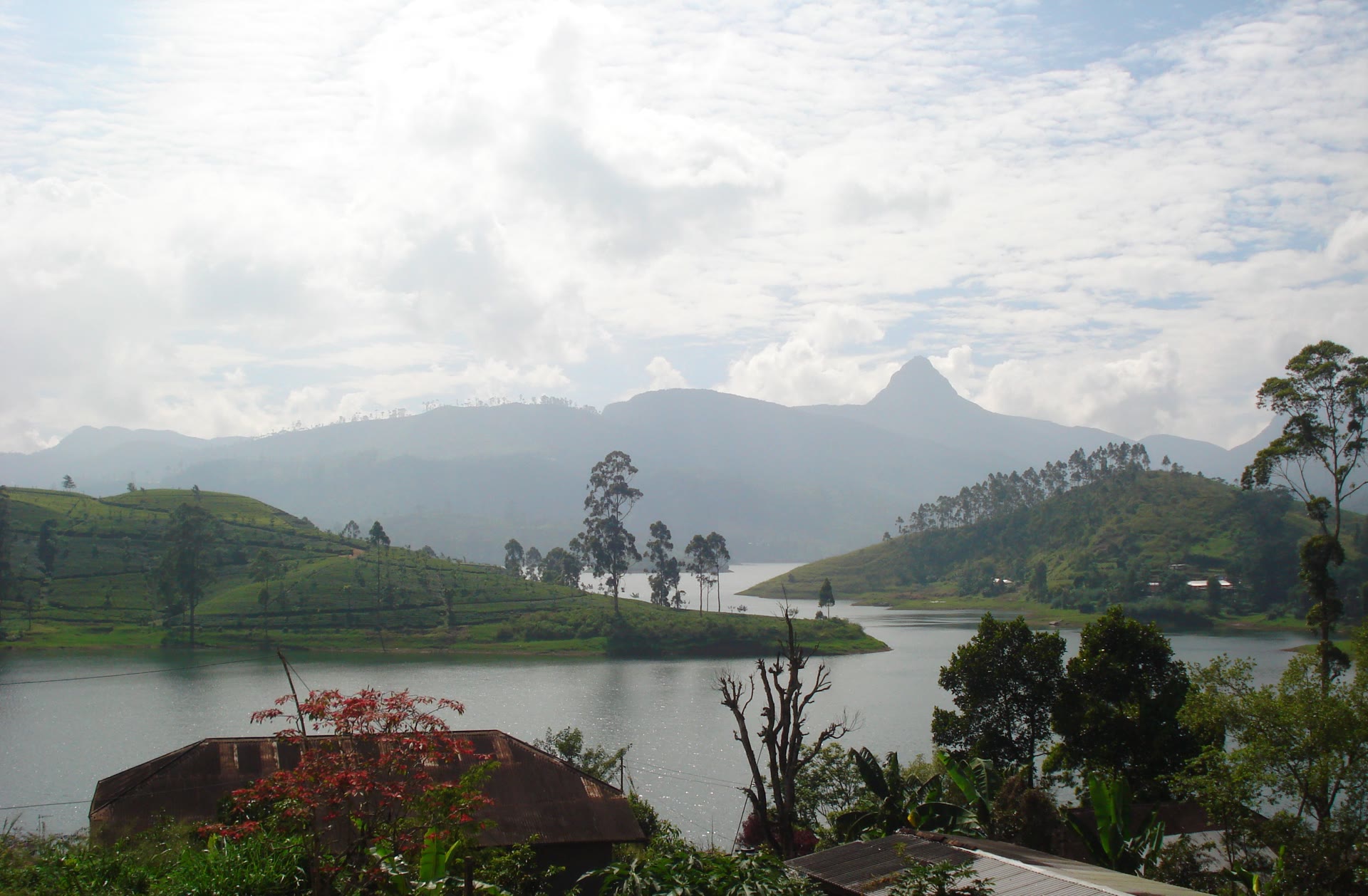
The Sabaragamuwa provincial tourism page puts Sri Pada, also called Adam's Peak, at about 2,243 metres high in the central uplands.[1] That is the elevation of the mountain, not the height of the climb from the trailhead. The summit footprint is sacred to Buddhists, and the mountain also matters to Christian, Hindu and Muslim pilgrims.[2][1]
The pilgrimage season and present access
The pilgrimage season starts on the full moon day of Durutu, in December or January, and ends on the Wesak full moon day, in April or May. A procession opens it.[2][1] The season brings pilgrims from every corner of Sri Lanka, and the way up is a stream of people and lamps. Outside the season, heavy rain, lightning and wild animals make the climb unsafe.[1] Plan your trip for the season.
Things to Do
Offers are only loaded from GetYourGuide after you click. GetYourGuide can then process your IP address and set cookies. Privacy Policy
GetYourGuide partner offers. GoAsia may earn a commission if you book through these offers. Check whether tickets or transfers are included, and follow the attraction's official booking and admission rules.
Choose the approach, then assess the climb
The Hatton-Nallathanniya road is the popular approach, and vehicles cover about half of the journey.[1] The old pilgrim routes lead from Ratnapura via Palabathgala and from Kuruvita via Erathna, and both are harder.[1] The road takes you part of the way, not to the summit, and the routes differ in length and effort.
Ask locally about the start and finish points of your route and the condition of the path. Count the descent too: reaching the top is only half of the outing.
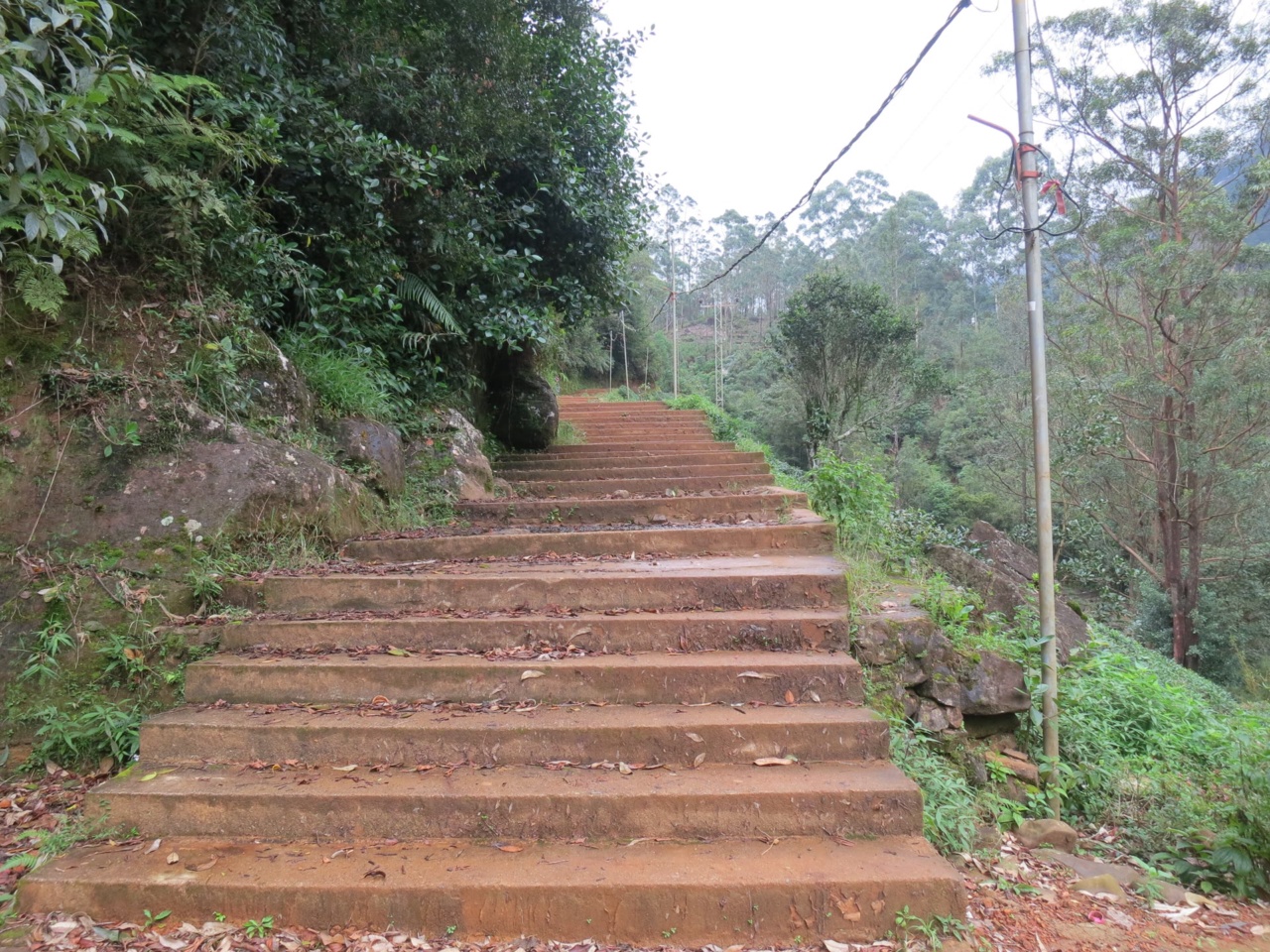
Take shoes with reliable grip, a headlamp with spare batteries, water, snacks, warm layers and rain protection. Agree a turnaround point before you start and go at your own pace. Do not push on to catch the sunrise if the conditions or your legs make the way back doubtful.
Sunrise, weather and a flexible night plan
Watching the sunrise, known as Ira Sevaya, is part of the pilgrimage. Pilgrims rest on the way up near an ever-burning lamp, and the climb is cold.[1] Cloud and rain can hide the view, and the summit gets crowded, so treat the photograph as a bonus and leave room for worship and a safe return.
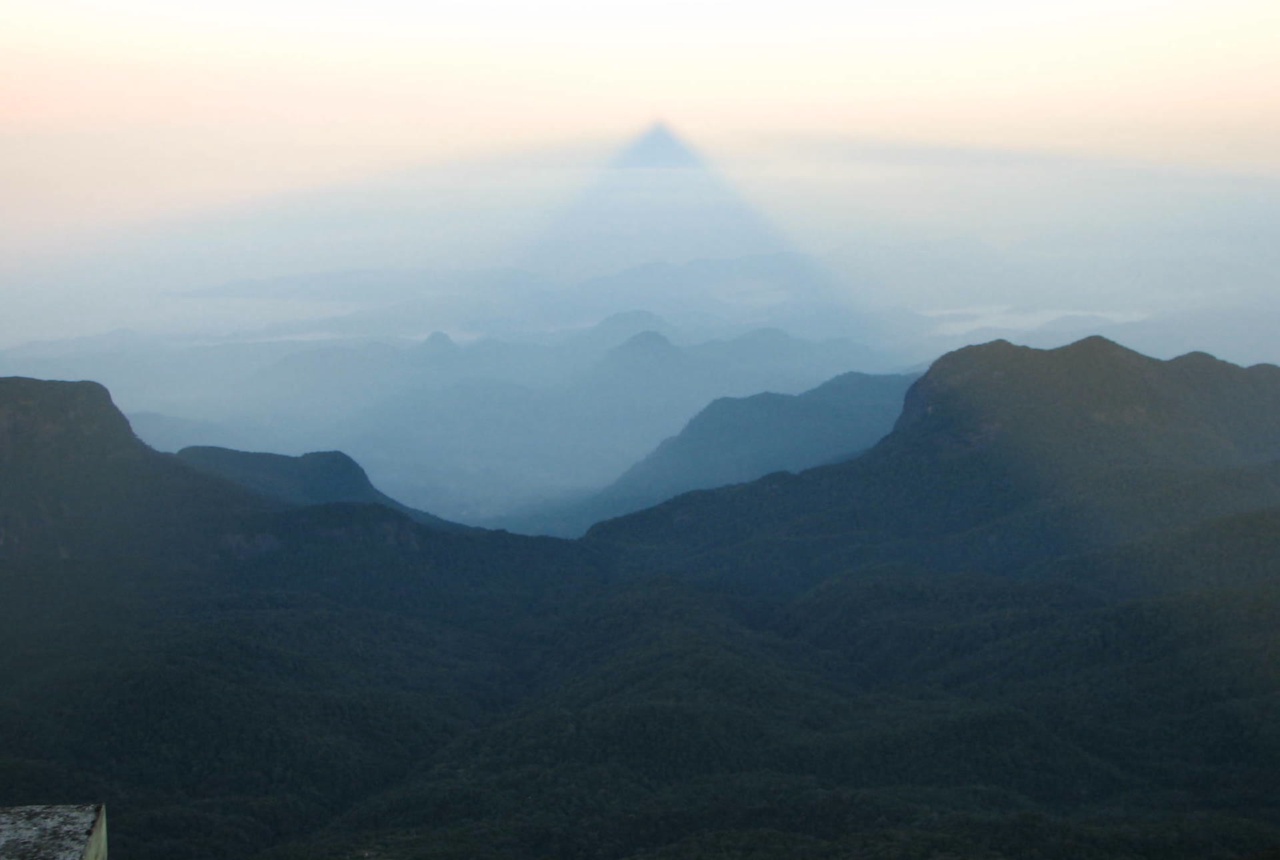
Read the Department of Meteorology forecast and warnings shortly before you set off and ask locally about mountain conditions. The lowland forecast says little about the summit.
Work out your start time backwards from sunrise, allowing for rests and a slow pace on the steps, and be ready to postpone if the weather turns. Pack warm and waterproof layers even if the town feels mild.
Transport to the start and back
Most visitors come via Hatton. Plan the onward road leg to the start, and the ride back after the descent, before you go. A hired vehicle with a driver who waits or collects you is the simplest way to avoid being stranded after the descent. Agree the price for the whole vehicle, the drop-off point and the return in advance. If you come by train, check Sri Lanka Railways for services and notices.
Compare complete journeys from Colombo, Kandy, Ella or wherever you start, and count the transfers and the road approach, not only the rail leg.
Accommodation, costs and recovery
Choose your room by its location relative to the start of your climb. Ask about late arrival, a rest period before the climb, luggage storage and meals after you return. A room in Hatton and one near the start of the path need different transfers, so arrange a night driver if you need one.
Budget for transport, accommodation, food and any services you choose along the way. Keep the day after the descent free, and avoid a non-refundable onward booking right after.
Respect the pilgrimage and plan alternatives
Keep paths and worship areas clear, keep noise down near the shrine and follow the current instructions on clothing, shoes and photography. Ask before photographing pilgrims. The footprint is part of a living religious practice, so behave as a guest.
Our Sri Lanka travel overview helps place the climb within a wider itinerary. For a gentler highland outing, see the Lipton's Seat guide.
Sources and background
Numbers in the text such as [1] refer to these sources.
- [1] Sabaragamuwa Provincial Council Tourism: Sri Padaya: routes and pilgrimage tradition. Retrieved October 20, 2026.
- [2] Sri Lanka Tourism Promotion Bureau: Sri Pada mountain: pilgrimage and routes. Retrieved October 20, 2026.
Frequently Asked Questions
It is a demanding overnight climb, and the descent is part of it. The Hatton-Nallathanniya road takes you about half of the way by vehicle, while the old routes from Ratnapura via Palabathgala and from Kuruvita via Erathna are harder. Go at your own pace and agree a turnaround point before you start.
The season starts on the full moon day of Durutu, in December or January, and ends on the Wesak full moon day, in April or May. A procession opens it.
No. Heavy rain, lightning and wild animals make the climb unsafe outside the pilgrimage season, so plan your trip for the season.
Start in the small hours so you reach the top before dawn, and allow for rests and slow sections on the steps. Be ready to postpone or turn back if the weather turns.
Budget for transport, accommodation, food and any services you choose along the way. A donation or an optional service is your choice.
Most visitors come via Hatton. Plan the road leg to the start of the climb and the ride back after the descent in advance, ideally with a driver who waits or collects you. Agree the price, drop-off point and return before you go.
Check the Department of Meteorology forecast and warnings shortly before you set off. Take shoes with reliable grip, a headlamp with spare batteries, water, snacks, warm layers and rain protection. The climb is cold, and cloud can hide the sunrise.