Anuradhapura Sacred City: Plan Your Visit
Contents
Anuradhapura is Sri Lanka's sacred ancient capital: giant brick stupas, monastery ruins, carved stone and a fig tree that pilgrims still tend today. Pick the places that matter most to you, then plan your transport around them. A long list of monuments is no substitute for time at each one.
| Visit style | When it suits you | Plan around |
|---|---|---|
| A few sacred landmarks | You have limited time or want to see living worship. | Your chosen temples and the transport between them. |
| A broader archaeological visit | You want monastic remains, sculpture and museum context as well as stupas. | A CCF ticket, museum access and a route with breaks. |
| Anuradhapura plus Mihintale | You can give the hill a separate outing. | The transfer, the climb and the return. |
Choose between a bicycle, a driver and a guide by heat, distances, your mobility and how much explanation you want. A focused visit with rest stops beats an ambitious circuit that leaves no time at the places you came to see.
A sacred city with living heritage
Anuradhapura was a political and religious capital for 1,300 years, until an invasion in 993 led to its abandonment.[1] The city was inscribed as a World Heritage site in 1982 and is still a living religious centre that draws pilgrims every year.[2]
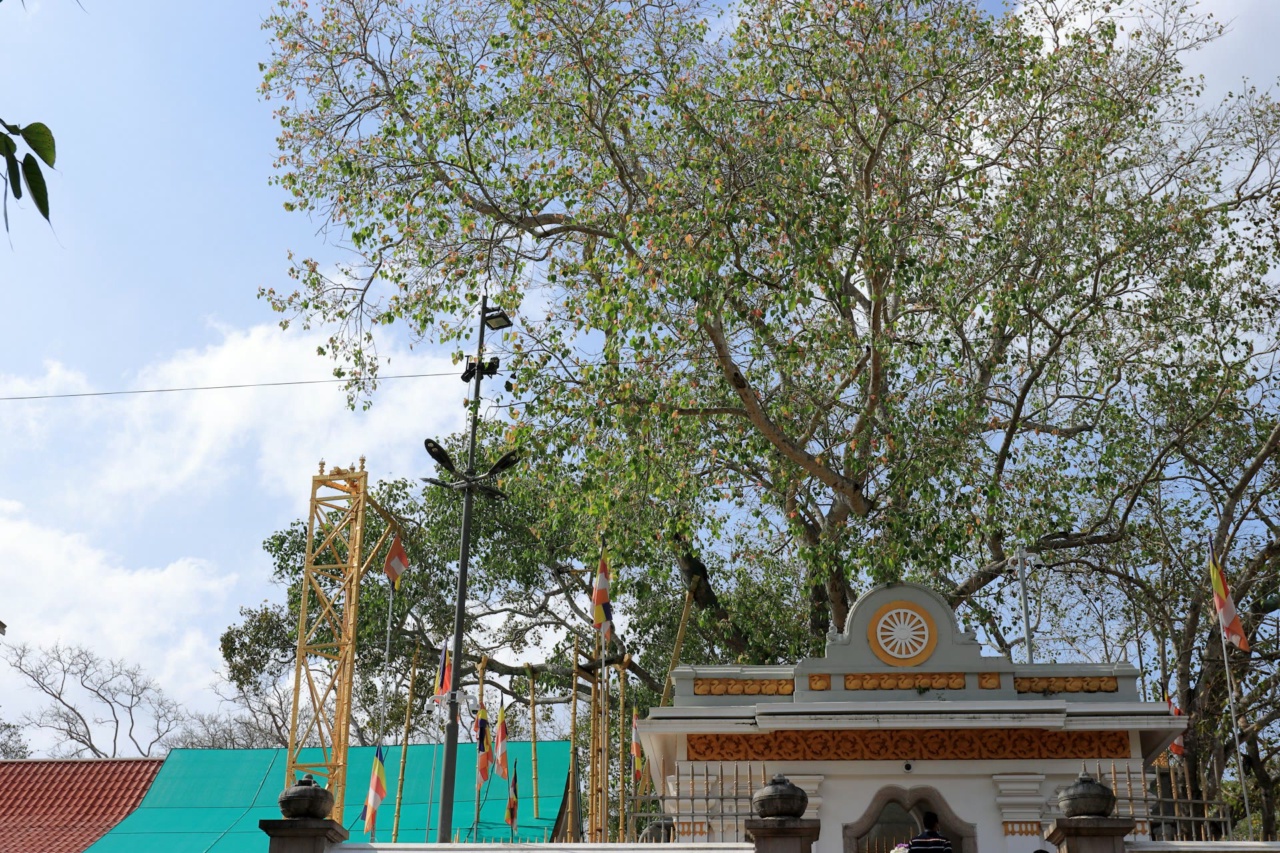
The Sri Maha Bodhi is the heart of the story. The sacred city was established around a cutting from the Buddha's fig tree, brought in the 3rd century BCE by Sanghamitta, founder of an order of Buddhist nuns.[1] Sri Lanka Tourism and the Central Cultural Fund (CCF) call it the oldest historically documented tree in the world.[2][3]
Things to Do
Offers are only loaded from GetYourGuide after you click. GetYourGuide can then process your IP address and set cookies. Privacy Policy
GetYourGuide partner offers. GoAsia may earn a commission if you book through these offers. Check whether tickets or transfers are included, and follow the attraction's official booking and admission rules.
Which monuments to put on your route
Pick your landmarks from the list below, then check access with each site.
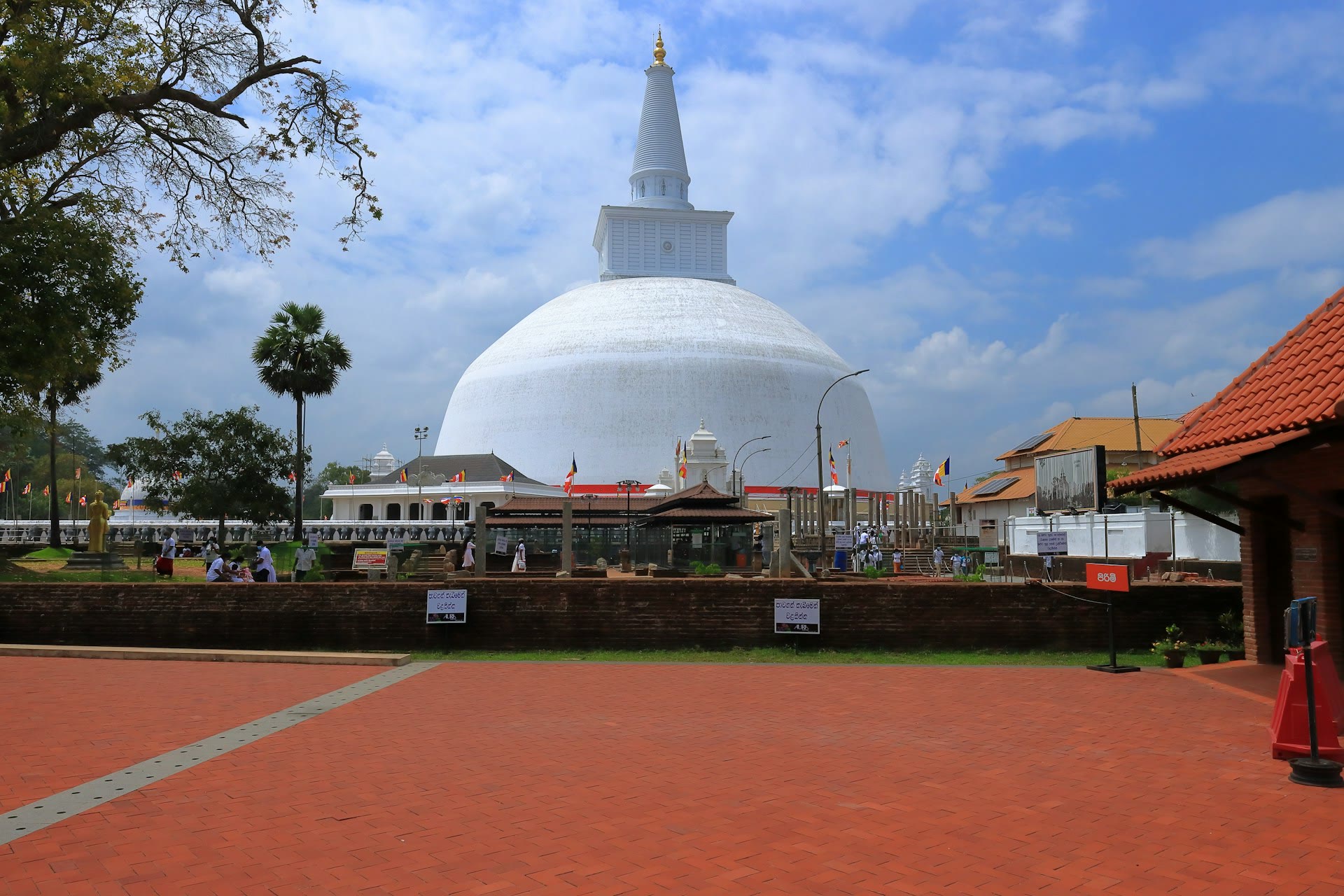
- Sri Maha Bodhi, Ruwanwelisaya and Thuparamaya: Ruwanwelisaya stands between the sacred tree and Thuparamaya. King Dutugamunu built it in the 2nd century BCE, and his brother and successor Saddhatissa finished the work above the dome.[3] Thuparamaya is the first stupa built in Sri Lanka after Buddhism became the state religion, raised by King Devanampiyatissa in the 3rd century BCE. Three rows of stone pillars around it mark the former relic house.[3]
- Jetavanaramaya: This stupa east of Ruwanwelisaya was built by King Mahasena in the 3rd century CE. The monastery around it includes a Bodhi-tree shrine, an image house, a chapter house, a refectory and ponds, so look beyond the huge brick dome.[3]
- Abhayagiri, Kuttam Pokuna and the Samadhi statue: Abhayagiri is one of the three major monastic complexes of Anuradhapura. King Valagambahu built its stupa in the 1st century BCE, and the complex also holds the Twin Ponds, an elephant pond and the seated Samadhi Buddha statue.[3] The Twin Ponds show the advanced water engineering of the ancient city.[2]
- Isurumuniya: This rock temple lies south of the sacred tree on the bank of Tissa Wewa. Its carvings include the Isurumuniya Lovers, bathing elephants and the mysterious Man and Horse sculpture.[3]
- Lovamahapaya: The Brazen Palace stood between the sacred tree and Ruwanwelisaya. King Dutugamunu built it in the 2nd century BCE as a nine-storey mansion with a roof of metal tiles, so expect ruins, not an intact palace.[3]
- Mirisawetiya and Lankaramaya: King Dutugamunu built Mirisawetiya in the 2nd century BCE. Lankaramaya is a stupa with a round relic house, reconstructed in the late 19th century, and scholars disagree about which ancient monastery it was.[3]
The CCF overview of Anuradhapura connects the carved moonstones, guard stones and sculptures with the city's urban planning and religious life. The ancient reservoirs and irrigation systems built in this era still work today.[2]
Tickets and individual temples
The CCF price table, updated on 14 October 2026, lists the Anuradhapura ticket at USD 30 for a full ticket and USD 15 for a half ticket, including 18% VAT.[4]
| Ticket | Price |
|---|---|
| Full ticket | USD 30 / LKR 10,080[4] |
| Half ticket | USD 15 / LKR 5,040[4] |
The LKR amounts follow a rate of 336 LKR per USD.[4] Tickets are sold at the Cultural Triangle sites and are valid only on the day of issue, with no extension.[4] Visitors can also reserve through CCF's online eTicket system.[4] Sri Maha Bodhi and Isurumuniya are active temples, so ask there about access and any separate charges.
Getting around Anuradhapura
A bicycle suits visitors who are comfortable riding between dispersed sites in the heat. Inspect the bike, agree the rental period and return point, and choose distances you can manage. For a driver, agree stops, waiting time, pickup and the full vehicle price up front, and compare it with other quotes as a price per vehicle, not per person.
Take a guide if you want the monastic complexes explained. Ask about language, included stops and whether the price covers your whole group. A driver is not automatically a historian.
Coming from Colombo, Dambulla, Polonnaruwa, Kandy or Jaffna, check the bus, train or road transfer for your date, and the last stretch to your accommodation or first monument. Keep a buffer before any onward connection.
Temple etiquette, heat and a manageable day
Wear clothing that covers shoulders and knees and follow local signs and staff directions about footwear, photography and access. These are places of worship, not sightseeing backdrops: give ceremonies space and never block pilgrims for a photo. Bring shoes that come off easily, and check exposed stone before you step on it, because it gets hot in the sun.
Carry water and sun protection, and plan breaks, since not every road is shaded and shops are not always nearby. Early or late visits help you avoid the strongest heat as long as they fit each site's access hours. Poya days (full-moon holidays) change the character of a visit, so ask locally about ceremonies on the day.
Mihintale and the rest of the Cultural Triangle
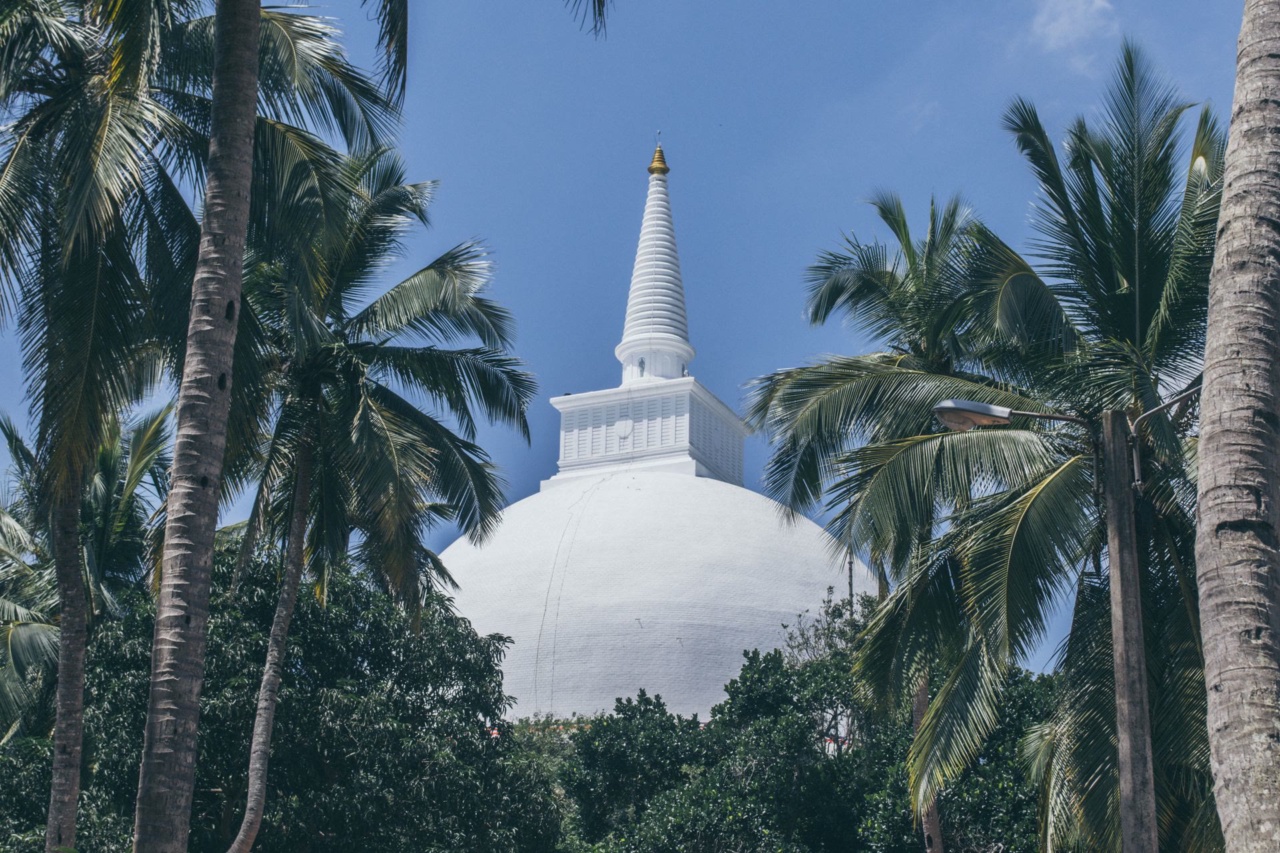
Mihintale deserves a plan of its own. It is considered the cradle of Buddhism in Sri Lanka and lies about 11 kilometres from Anuradhapura city.[3] The monastic complex covers three mountains and a large area of surrounding plains, with 68 caves and rock shelters for monks, stupas on the hills and several ponds.[3] The Mahavamsa chronicle places the meeting of Arahat Mahinda and King Devanampiyatissa here in the 3rd century BCE.[3] Arrange the transfer and the return in advance, and allow for the climb.
If time is short, choose between exploring Anuradhapura properly and a separate Mihintale outing rather than rushing both in half a day. Dambulla Cave Temple needs its own transport and ticket planning. Use Sri Lanka travel information to connect the Cultural Triangle with the wider journey.
Sources and background
Numbers in the text such as [1] refer to these sources.
- [1] UNESCO World Heritage Centre: Sacred City of Anuradhapura. Retrieved October 21, 2026.
- [2] Central Cultural Fund, Sri Lanka: Anuradhapura: sacred ancient capital. Retrieved October 21, 2026.
- [3] Sri Lanka Tourism Promotion Bureau: Buddhist sites: Anuradhapura and Mihintale. Retrieved October 21, 2026.
- [4] Central Cultural Fund, Sri Lanka: Ticket Issuance and ticket prices for archaeological sites and museums. Retrieved October 21, 2026.
Frequently Asked Questions
Choose your landmarks first, then add transport, breaks and time at each site. A handful of sacred landmarks and a broader archaeological visit are different outings. Keep a buffer before any onward connection.
The CCF price table updated on 14 October 2026 lists USD 30 for a full ticket and USD 15 for a half ticket, including 18% VAT. Active temples such as Sri Maha Bodhi may have their own charges.
Choose a bicycle if the distances and the heat suit you. A driver helps when heat, mobility or a spread-out itinerary makes cycling impractical. Agree the full price, the stops and the waiting time first.
The CCF ticket is for the archaeological sites. Sri Maha Bodhi and Isurumuniya are active temples, so ask there about access and any separate charges.
Wear clothing that covers shoulders and knees and shoes that come off easily where required. Follow each site's signs and staff instructions about footwear, photography and restricted areas, give worshippers and ceremonies space, and take care on sun-heated stone.
The sacred city was established around a cutting from the Buddha's fig tree, brought in the 3rd century BCE by Sanghamitta. Sri Lanka Tourism and CCF call it the oldest historically documented tree in the world, and it remains a living place of worship.
Plan it as a separate hill visit with its own transfer, climb and return. Mihintale lies about 11 kilometres from the city, so do not squeeze both into one rushed half day.