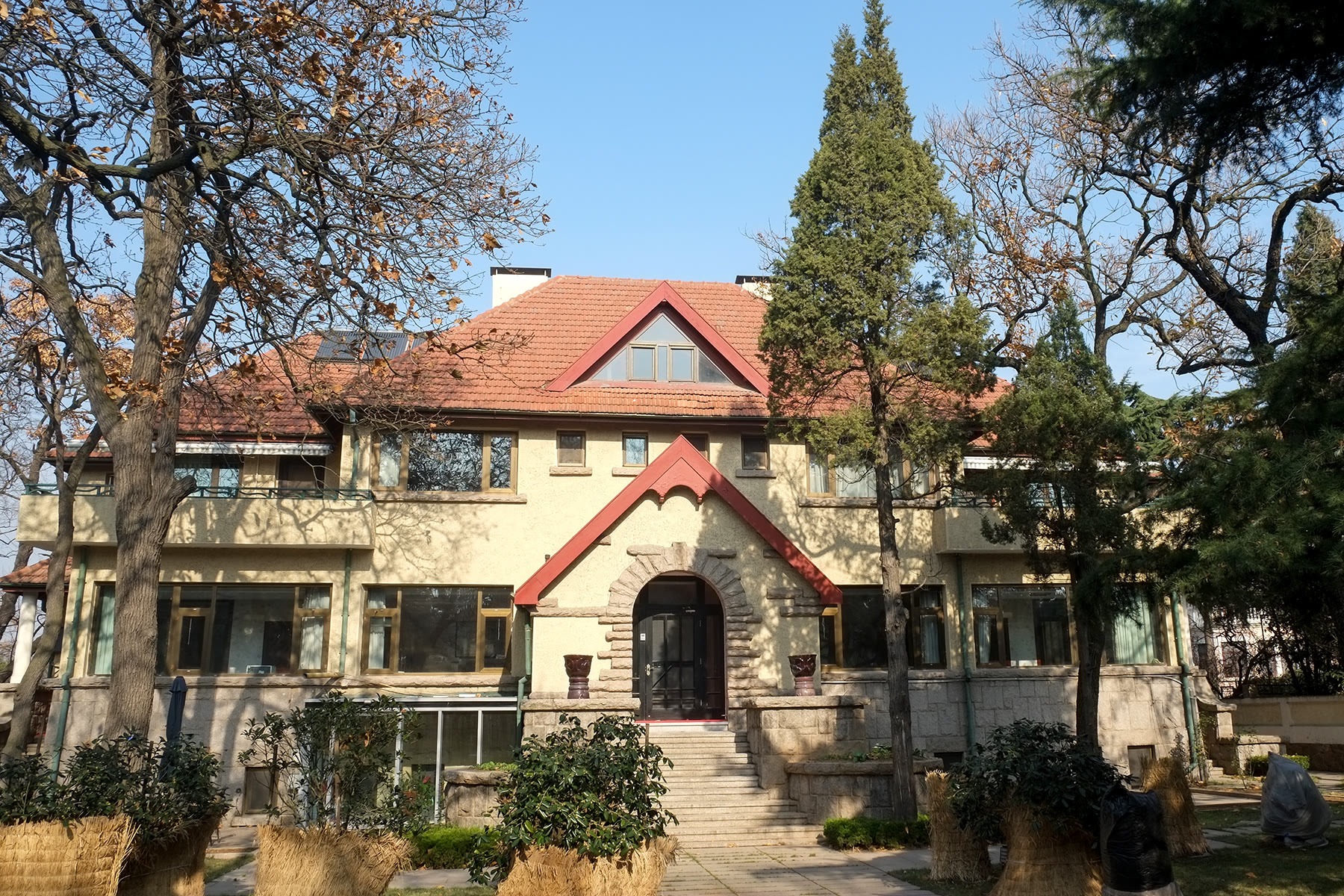
Badaguan is the part of Qingdao that surprises first-time visitors who arrive expecting only beaches and beer. Tucked into the southern coast of the city, this district is a maze of curving, tree-lined streets where early-twentieth-century villas sit behind low walls and the air smells faintly of pine and sea. It is one of the most relaxed places to walk in coastal China, and it rewards travelers who slow down rather than rush through a checklist.
The name Badaguan translates roughly as "eight great passes," a reference to the streets originally named after historic fortified mountain passes across China. Over time the district grew to more than eight roads, but the name stuck. Each street was planted with a different species of tree, so the neighborhood changes character block by block, from peach blossoms in spring to fiery maples and ginkgo in autumn.
For independent travelers, Badaguan works best as a half-day wander combined with the small beaches at its edge. There is no single ticket gate, no must-book attraction, and no rigid route. Instead you get architecture, quiet, sea views, and cafes, which makes it an easy and pleasant contrast to Qingdao's busier waterfront.
What Badaguan Actually Is
Badaguan Scenic Area is a low-rise residential and recreational district on Qingdao's southern shoreline, roughly between Huiquan Bay and Taiping Bay. It developed in the early twentieth century as a garden suburb of villas, originally built for foreign residents, wealthy Chinese families, and officials. The result is a concentration of European-influenced houses set among mature gardens and shaded streets.
Unlike a museum or a walled monument, Badaguan is a living neighborhood. Most of the villas remain private homes, guesthouses, or institutional buildings, so you experience them from the street rather than from inside. The appeal is atmospheric: the textures of stone and brick, the variety of rooftops, the way the streets bend gently toward the sea. It is a place to absorb rather than to tick off.
The district matters because it preserves a coherent piece of Qingdao's layered history in a way few Chinese cities can match. While modern towers dominate much of the urban core, Badaguan stays low, green, and walkable, offering a tangible sense of how this seaside city looked when it was first laid out.
Things to Do
The German Era and the Architecture
To understand Badaguan, it helps to know a little about Qingdao's past. In the late nineteenth century the city became a German leased territory, and German planners reshaped the area with European street layouts, drainage systems, and architecture. After that period, the city passed through Japanese and Chinese administration, and each era added its own building styles.
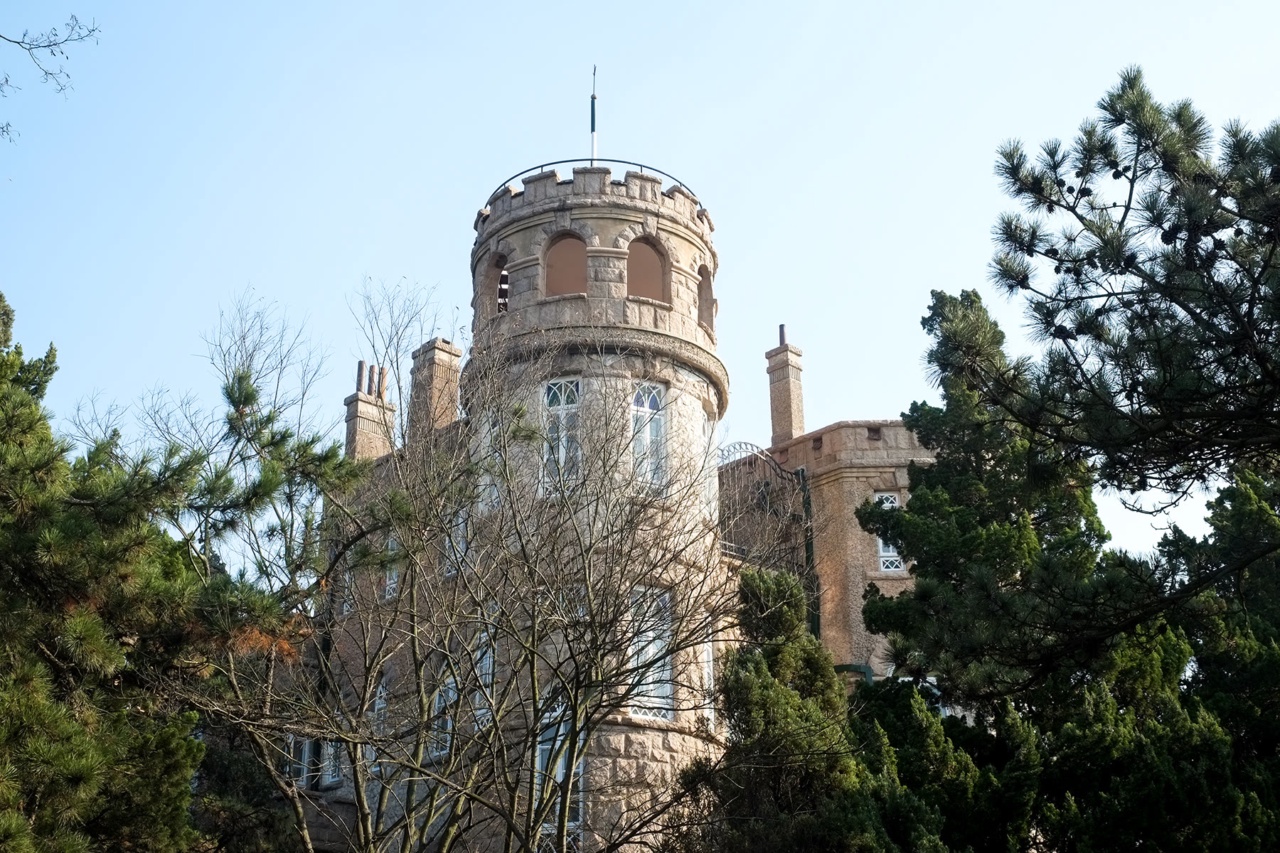
Badaguan's villas reflect this mix. You will see German, Russian, British, French, Spanish, and other European-inspired designs, along with hybrids that blend several influences. Some look like alpine chalets, others like Mediterranean retreats, and a few resemble small castles. This eclecticism is exactly why architecture enthusiasts enjoy the district: it is an open-air sampler of early-twentieth-century styles built into a single coastal grid.
Two buildings draw the most attention. The Princess House is a stone villa with a steep roof said to evoke Scandinavian design, and the Huashi Villa, often called the Chiang Kai-shek Building or the Stone Mansion, sits dramatically near the water with castle-like stonework. These are among the few interiors sometimes open to visitors, though access and any admission charge can change, so confirm current arrangements locally before planning around them.
The Walking Route
Badaguan is best explored on foot, and the layout makes it easy to improvise. Still, a rough loop helps you hit the highlights without doubling back too much.
A Suggested Loop
- Start inland near one of the main entrances off Shanhaiguan Road or Zhengyangguan Road, where the tree canopy is thickest.
- Wander south and west through the residential streets, letting the architecture guide you. Each street has its own signature trees, so look for the small markers identifying them.
- Make your way toward the coast at Huashi Villa, where you reach the sea and one of the best photo positions in the district.
- Follow the shoreline path toward the small beaches, then loop back along a different street to vary the trees and villas you see.
The core walk takes about two to three hours at a relaxed pace. Add more time if you stop for coffee, photography, or beach breaks. The terrain is gentle, mostly flat with a few mild slopes, and the streets are paved, so ordinary walking shoes are fine.
Streets and Trees to Notice
Part of the charm is botanical. Different roads are planted with different species, so the experience shifts as you move. Some streets are lined with crape myrtle, others with maple, ginkgo, peach, or osmanthus. In spring the blossoming streets are a highlight, and in autumn the maple and ginkgo streets turn gold and red. Locals know which streets peak in which season, and you will often see photographers clustered on the most colorful blocks.
The Beaches at the Edge
Badaguan meets the sea at two small bays, and these beaches give the district its breezy seaside feel. They are modest compared with Qingdao's larger swimming beaches, but they fit the calm mood of the neighborhood.
The most photogenic stretch is the rocky shoreline near Huashi Villa, where waves break against stone and the villa stands above. This is more a scenic and wedding-photo spot than a swimming beach. Nearby, the small sandy coves are pleasant for a short rest, a paddle, or watching the water, though they can get busy on warm weekends.
If you want a proper swim or a long sandy beach, Qingdao's bigger beaches sit a short distance away along the same coast. Treat Badaguan's shoreline as scenery rather than a beach-day destination, and you will set the right expectations.
Autumn Color and the Best Season
Badaguan is appealing year-round, but two seasons stand out. Spring brings blossoming trees and a soft, fresh atmosphere along the flowering streets. Autumn is arguably the signature season, when the maple and ginkgo streets ignite with red and gold. The combination of warm leaf color, stone villas, and sea views is the image most associated with the district.
Summer is warm and humid, and it is also peak domestic tourist season in Qingdao, so the streets and beaches near Badaguan can get crowded, especially on weekends. The trees provide welcome shade, which makes summer walking more bearable than in many Chinese cities. Winter is quiet and bare but has a stark, peaceful charm, with far fewer visitors.
For the best balance of pleasant weather, color, and manageable crowds, aim for late spring or autumn. If autumn foliage is your priority, the exact peak shifts year to year, so check recent local reports close to your trip.
Getting There and Around
Badaguan sits in Qingdao's Shinan District along the southern coast, within easy reach of the city's main tourist zone. You can approach it from the central waterfront, from the Zhongshan Park area, or from the larger beaches nearby.
By Public Transport
Qingdao has a metro system and an extensive bus network. Several bus routes pass near the edges of Badaguan, dropping you within a short walk of the entrances. The metro can get you to the broader southern coastal area, after which a short bus ride or walk completes the trip. Because exact stop names and route numbers change, use a mapping app to confirm current connections from your accommodation.
On Foot Along the Coast
One of the most enjoyable ways to reach Badaguan is to walk the coastal promenade from central Qingdao. The seaside path links many of the city's southern attractions, and arriving on foot lets you ease into the calm of the villa streets. This works well if your hotel is in the central or beachfront area.
By Taxi or Ride-Hailing
Taxis and ride-hailing apps are widely used in Qingdao and are an easy way to reach Badaguan if you are short on time or staying farther away. Ask to be dropped near a main entrance, then continue on foot, since the interior is a pedestrian-friendly maze rather than a single address.
Cafe Stops and Where to Pause
Part of Badaguan's modern appeal is its small cafes, guesthouses, and the gentle pace they encourage. Within and around the district you will find independent coffee shops, some set inside or beside historic buildings, that make natural rest points on a walk.
These cafes tend to lean toward atmosphere and slow afternoons rather than speed. Expect coffee, tea, light snacks, and sometimes a garden terrace or a view through the trees. They are ideal for breaking up the walk, escaping summer heat or winter chill, and simply watching the neighborhood go by.
If you want a longer sit-down meal, the surrounding southern coastal area has more restaurant options, including seafood spots that reflect Qingdao's coastal cuisine. Inside the quiet villa streets themselves, dining is limited, so plan a proper meal before or after rather than expecting many options mid-walk.
How Long to Spend
Most travelers find that two to three hours covers Badaguan comfortably, including a cafe stop and time at the shoreline. If you love architecture or photography, or you visit during peak foliage, you could easily spend half a day lingering and circling back to favorite streets.
Because there is no single gate or fixed itinerary, Badaguan slots easily into a larger Qingdao day. A common plan is to combine it with the nearby beaches, the coastal promenade, and the city's other southern sights, building a relaxed half-day or full day along the shore. For broader itinerary ideas across the region, GoAsia.cc is a useful place to keep planning your wider China and Asia travels.
Realistic Downsides and Honest Caveats
Badaguan is lovely, but it is worth setting expectations. Most villas are private and cannot be entered, so the experience is primarily about facades, streets, and atmosphere rather than interiors. Travelers expecting a museum-style attraction with curated exhibits may feel the district is too low-key.
Crowds are the other consideration. In peak season, on holidays, and during prime foliage weeks, the most photogenic streets and the Huashi Villa shoreline can get busy, particularly with photographers and wedding shoots. Early morning is the best time to enjoy quiet and good light before the crowds build.
The beaches here are small and scenic rather than ideal for a full beach day. Some streets are residential, so keep noise down, respect private property, and avoid blocking gates or entrances while taking photos. Finally, signage and any building admissions can change, so do not lock your plans to a specific interior being open.
Practical Tips for Visiting Badaguan
- Go early for calm and light. Morning visits mean fewer crowds, softer light on the villas, and easier photography on the popular streets.
- Wear comfortable shoes. The pleasure of Badaguan is wandering, and you will cover more ground than you expect across its bending streets.
- Use a map app to navigate. The street grid is irregular and easy to get pleasantly lost in, so a phone map helps you loop back without backtracking too far.
- Match your season to your goal. Visit in spring for blossoms, autumn for maple and ginkgo color, and avoid summer weekends if you dislike crowds.
- Plan meals around the district. Eat before or after your walk, and treat the cafes inside as rest stops rather than full dining.
- Bring sun and rain protection. The tree canopy helps, but coastal weather shifts, so a light layer and sun protection are useful year-round.
- Respect residents. This is a living neighborhood. Stay on public streets, keep noise low, and do not enter private gardens or homes.
- Combine with the coast. Pair Badaguan with the seaside promenade and nearby beaches for a satisfying half-day along Qingdao's southern shore.
Where Badaguan Fits in a Qingdao Trip
Qingdao rewards travelers who balance its energetic side with its quieter corners. The waterfront, the beaches, and the city's beer heritage draw the crowds, while Badaguan offers the slow, green, architectural counterpoint. Spending time here gives texture to your understanding of the city, showing how its European-influenced past still shapes its streets.
For independent travelers, the district is refreshingly low-effort to enjoy: no advance booking, no complex logistics, and no need for a guide. Arrive, walk, pause for coffee, and let the neighborhood set the pace. In a country of grand, ticketed monuments, Badaguan's appeal lies precisely in its unhurried, open-ended character.
Frequently Asked Questions
Most travelers spend two to three hours walking the villa streets and visiting the shoreline. If you enjoy architecture or photography, or you visit during peak autumn color, half a day is easy to fill. It pairs well with nearby beaches for a relaxed full day.
Badaguan is an open district of public streets, so simply walking through is free and requires no ticket. A few historic buildings, such as certain villas, may charge admission for interior visits, but most houses are private and viewed only from outside. Confirm any current building admissions locally before relying on them.
You can reach it by bus, by metro plus a short walk or bus, or by taxi and ride-hailing apps, which are widely used in Qingdao. If your hotel is on the central waterfront, walking the coastal promenade is one of the most scenic ways to arrive. Use a mapping app to confirm current stops and routes.
Late spring brings blossoming trees, while autumn is famous for red maple and golden ginkgo color along specific streets. Summer is warm and crowded, especially on weekends, though the tree canopy provides shade. For the best mix of weather and color with fewer crowds, aim for spring or autumn and go early in the day.
Badaguan has small, scenic coves and a rocky shoreline near Huashi Villa that is more about views than swimming. For a proper swim or a long sandy beach, head to Qingdao's larger beaches a short distance along the same coast. Treat Badaguan's shoreline as photogenic scenery rather than a full beach day.
Most villas are private residences, guesthouses, or institutional buildings, so you experience them from the street. A small number of notable buildings, like the Princess House and Huashi Villa, are sometimes open to visitors, though access and any fees can change. Check current arrangements when you arrive rather than assuming interiors are open.
Yes. Because it is a self-guided walking district with no complex ticketing, language is rarely a barrier. A mapping app helps with navigation, and the cafes and shops are used to visitors. Carrying a translation app is still helpful for ordering food or asking directions.