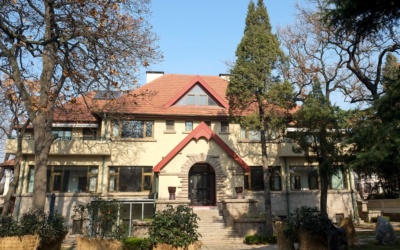
A unique coastal blend of German colonial architecture and modern Chinese seaside culture, Qingdao is the home of Tsingtao Brewery and some of northern China's best beaches. It is a refreshing destination for history buffs, seafood lovers, and those seeking a slower pace than Beijing or Shanghai.
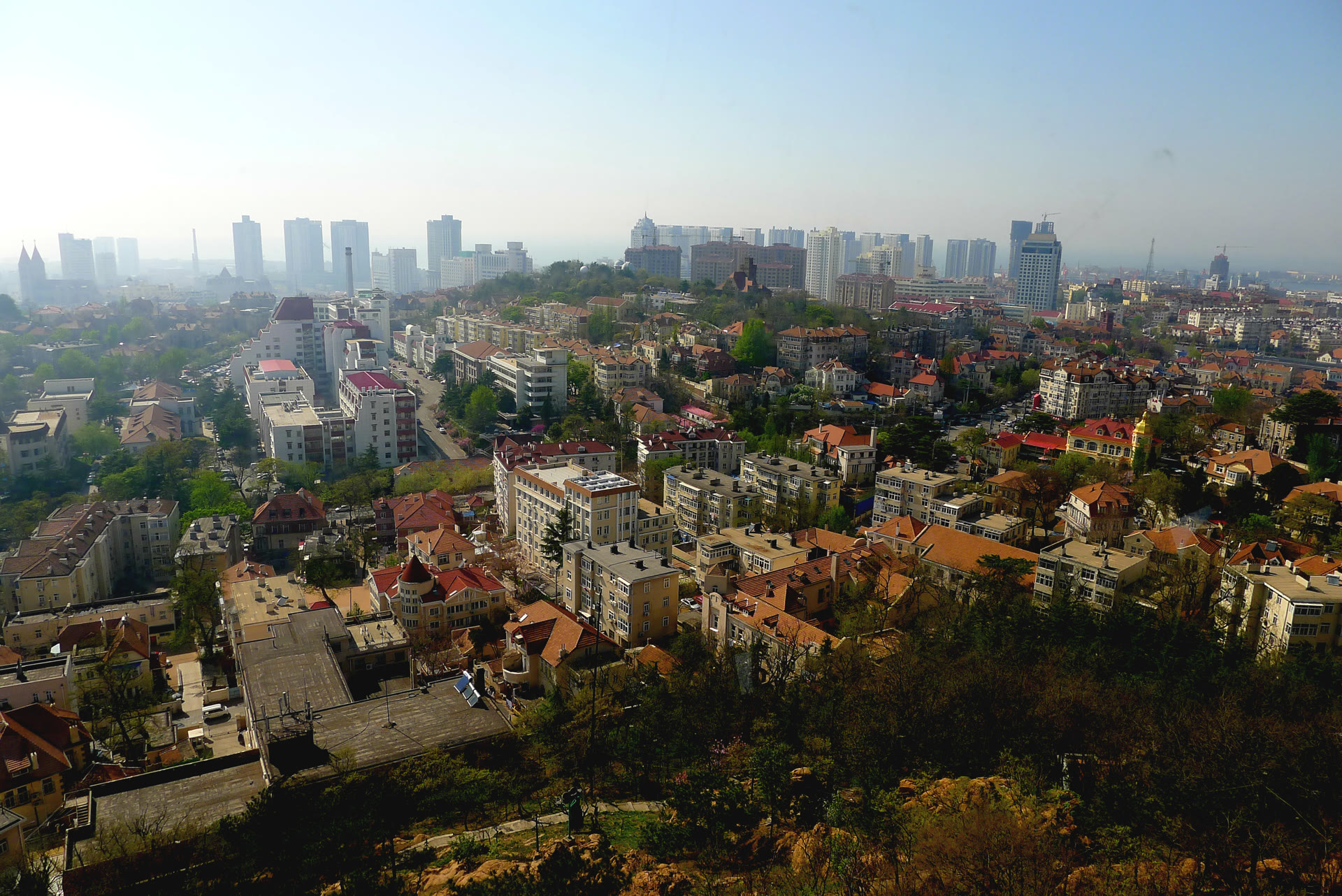
Qingdao is a city defined by the collision of red tiles, green trees, blue sea, and azure sky. Unlike the sprawling concrete jungles of inland China, this port city on the Yellow Sea retains a distinct European character, a legacy of German occupation in the late 19th and early 20th centuries. The hilly streets of the Old Town feel more like a Bavarian village than a Chinese metropolis, with cobblestone paths and half-timbered houses overlooking the rugged coastline.
For travelers, Qingdao offers a rare mix of historical exploration and maritime relaxation. It is the birthplace of China's most famous beer, Tsingtao, and the drinking culture here is unique; locals often buy draft beer in plastic bags to carry home for dinner. Beyond the brewery, the city is framed by the granite peaks of Mount Lao (Laoshan), whose granite slopes rise beside the sea, providing a spiritual and physical escape from urban life.
The city suits those who appreciate architecture, temperate climates, and incredibly fresh seafood. It is less frantic than Shanghai but more cosmopolitan than neighboring Jinan. Whether you are hiking through Taoist retreats or eating spicy clams on a plastic stool at a street market, Qingdao reveals itself as a city that values the finer, slower things in life despite its status as a major economic hub.
Orientation and Neighborhoods
Qingdao is roughly divided into the historic western districts and the modern eastern districts, following the curve of the coastline. The city is hilly, meaning many streets are winding and lack the rigid grid system found in other Chinese cities.
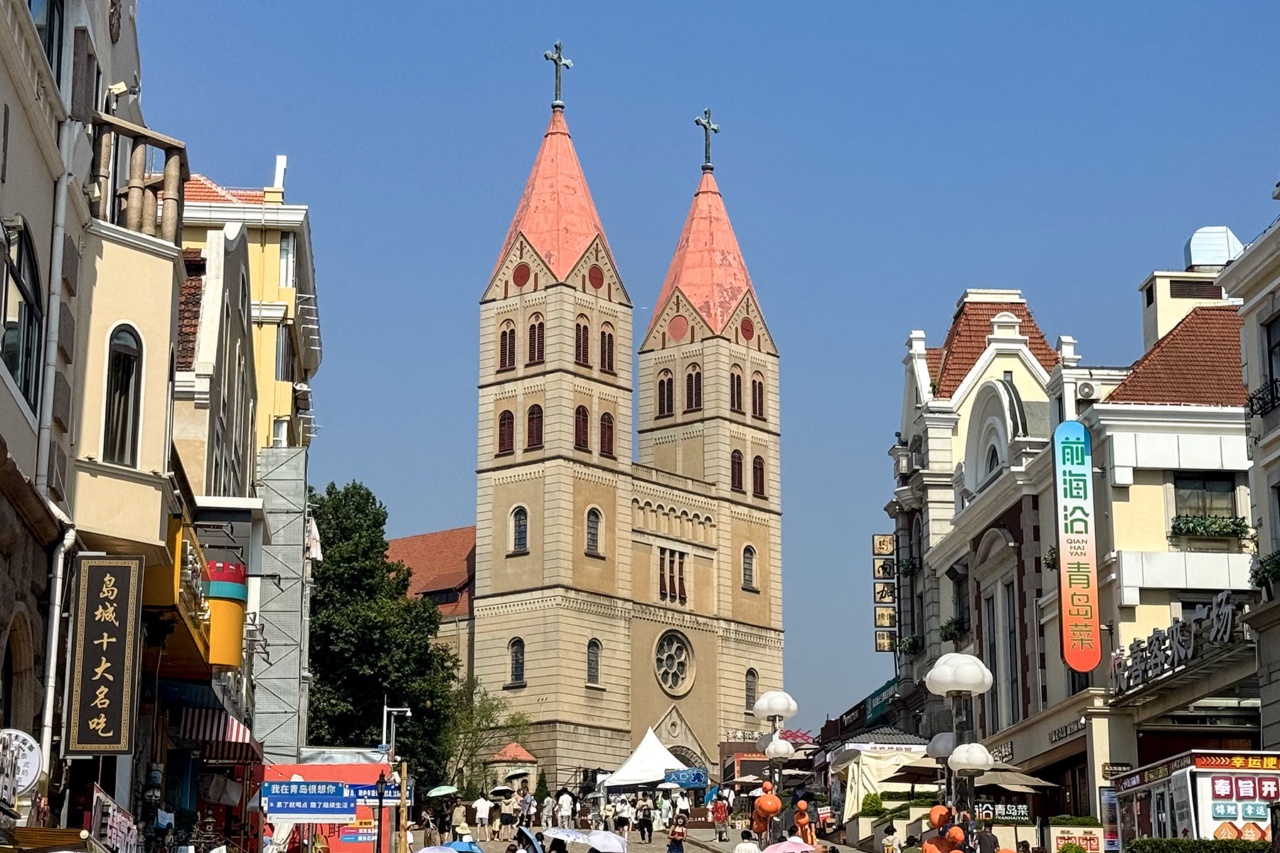
Old Town (Shinan West): This is the heart of the German heritage area. It is characterized by narrow streets, the St. Michael's Cathedral, and the iconic Zhan Qiao Pier. Stay here if you want historical charm and easy access to the main sightseeing spots on foot.
May Fourth Square & CBD (Shinan East): The modern face of the city. This area features skyscrapers, massive shopping malls, and the Olympic Sailing Center. It is the best place for upscale hotels and vibrant night views of the illuminated skyline.
Lao Shan District: Located further east, this area is quieter and closer to the mountains and Shilaoren Beach. It is ideal for families or those looking for a resort feel away from the city center.
Licheng and Shibei: These are more residential and industrial. Shibei is home to the Tsingtao Brewery Museum and the famous Beer Street, offering a more grit-and-glory local experience.
Things to Do
Offers are only loaded from GetYourGuide after you click. GetYourGuide can then process your IP address and set cookies. Privacy Policy
GetYourGuide partner offers. GoAsia may earn a commission if you book through these offers. Check whether tickets or transfers are included, and follow the attraction's official booking and admission rules.
Best Time to Visit
Qingdao has a temperate monsoon climate. Its coastal position means it stays cooler in summer and warmer in winter than the interior of Shandong province. Fog is common in late spring and early summer.
Season
Weather
Crowds
Prices
Spring (April-May)
Cool, blooming flowers
Moderate
Average
Summer (June-August)
Warm, humid, rainy
Very High
High
Autumn (Sept-Oct)
Crisp, clear, dry
Moderate
Average
Winter (Nov-March)
Cold, windy, dry
Low
Low
The peak season is summer, coinciding with the Qingdao International Beer Festival, which in 2026 was scheduled from 17 July to 15 August at Golden Beach Beer City in the West Coast New Area (Huangdao).[1] While the atmosphere is electric, hotel prices rise and beaches become extremely crowded. Late September is arguably the best time to visit, as the humidity drops, the skies clear, and the seafood is at its peak harvest.
Getting There and Getting Around
Arrival: Qingdao Jiaodong International Airport (TAO) is a major hub. Metro Line 8 entered full operation on 22 September 2026 and links the airport with May Fourth Square without a change of trains; express services cut the journey to about 40 minutes.[2] A taxi or Didi (ride-hailing) is the alternative, especially for late arrivals.
Public Transport: The Qingdao Metro is modern, clean, and expanding rapidly: with Line 8 complete, the network has eight lines, 365 kilometers of track and 176 stations.[2] It is the best way to avoid the city's notorious traffic jams. You can pay using the Alipay or WeChat Pay transport QR codes. Buses are also frequent, but they can be difficult to navigate without reading Chinese.
Taxis and Ride-Hailing: Didi is the preferred method for most expats and travelers. It is reliable and offers English interface options. Walking is excellent in the Old Town, but be prepared for steep hills.
Top Sights and Experiences
Badaguan
Known as the "Eight Passes," this area is a collection of villas built in the early 20th century. Each street is lined with different species of trees, from cherry blossoms to ginkgo. The highlight is the Flower Stone House (Huashi Lou), a castle-like structure on the edge of the sea. Plan a few hours to wander the foliage-heavy lanes.
Tsingtao Brewery Museum
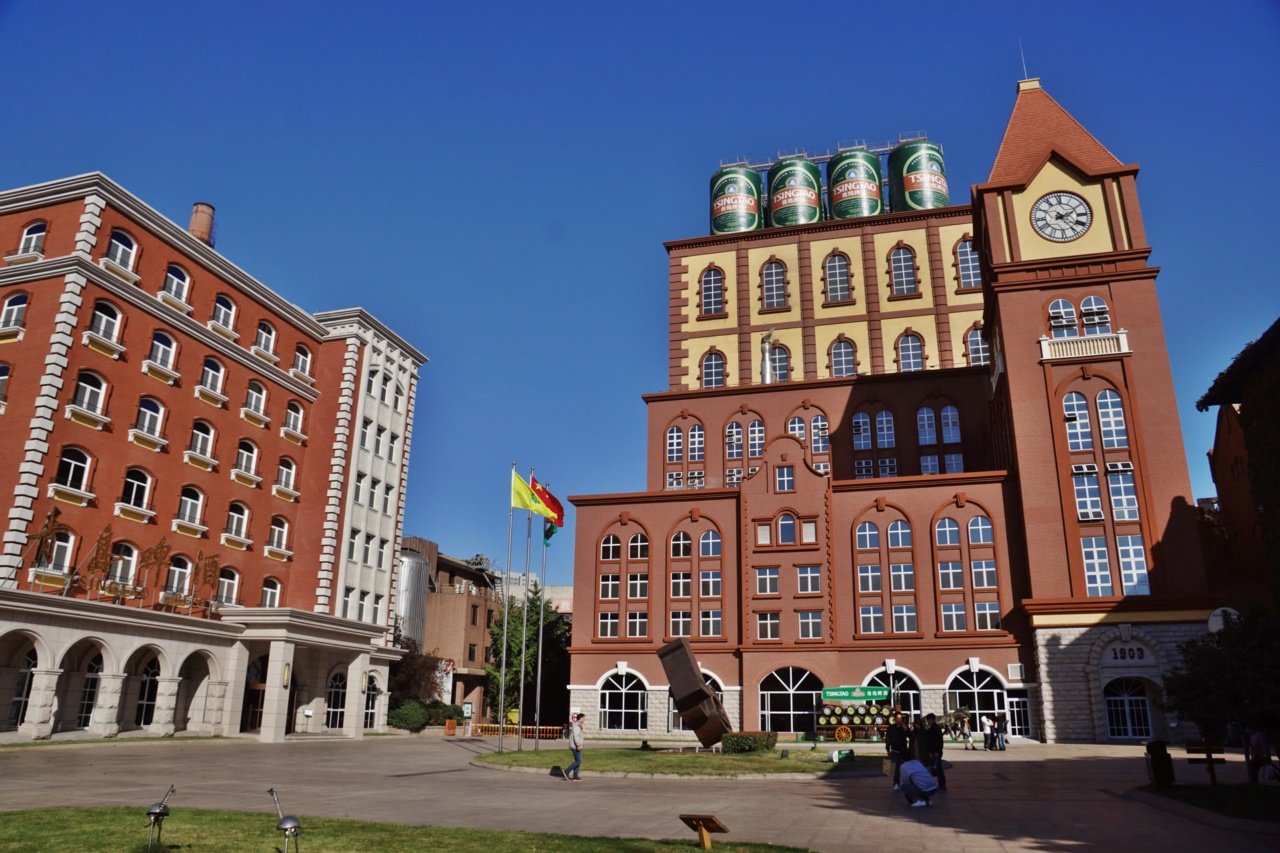
Located at 56 Dengzhou Road, the birthplace of the company, the museum combines Tsingtao's history with its brewing technology and modern production lines.[3] Check the current ticket terms, beer tasting offers and opening dates before you go, as the museum can close for maintenance. Visit in the morning to avoid the largest tour groups. The surrounding Beer Street is lively but overpriced for food.
Mount Lao (Laoshan)
This is the spiritual heart of Qingdao. There are multiple routes, but the Jufeng (Highest Peak) and Taiqing (Coastal Temple) routes are the most popular. Taiqing offers a stunning view of ancient Taoist temples set against the backdrop of the ocean. It is a full-day trip. Check the current metro and bus connections to the entrance of your chosen route before you set off.
Overrated: Zhan Qiao Pier
While it is the symbol of the city and appears on the Tsingtao beer label, the pier is often overwhelmingly crowded with domestic tourists and hawkers. You can get better coastal views and more peace by walking the wooden plank path (Binhai Lu) that stretches along the southern coast for kilometers.
Food and Drink
Qingdao's culinary scene revolves around seafood and beer. Prices in this guide are rough estimates in US dollars, not official rates, and vary by venue and season. The classic local pairing is clams and beer. Look for small restaurants where seafood is displayed live in tanks outside; you point to what you want, and they cook it to order.
Dish
Description
Where to Try
Typical Price
Spicy Clams (La Chao Ga La)
Small clams sautéed with ginger, garlic, and dried chilies.
Street stalls in Shibei
$3 - $5
Mackerel Dumplings
Large, juicy dumplings filled with minced mackerel and leeks.
Chuan Ge Yu Shui Jiao
$6 - $10
Sea Urchin Steamed Egg
Silky egg custard steamed inside a sea urchin shell.
Seafood restaurants
$4 - $7
Draft Beer in a Bag
Fresh Tsingtao beer served straight from the keg into a plastic bag.
Old Town corner shops
$1 - $2
For a high-end experience, head to the malls in the CBD, but for the most authentic flavor, find the "Pi Jiu Wu" (Beer Houses) in the Shibei district where locals gather on low stools.
Where to Stay
Budget ($20 - $40 per night): Look for youth hostels or local guesthouses in the Old Town (Shinan West). Many are housed in converted colonial buildings with high ceilings and garden courtyards.
Mid-Range ($50 - $90 per night): The area around May Fourth Square offers many international business hotels and well-rated local chains. This puts you close to the metro and modern dining options.
Upscale ($120+ per night): The Shilaoren Beach area and the Olympic Sailing Center host luxury hotels with expansive sea views.
Practical Tips
Payment: Cash is rarely used. Download Alipay or WeChat Pay and link your international card before arrival. Even the smallest street food stall uses QR codes.
Internet: Most Western sites (Google, Instagram, WhatsApp) are blocked. Purchase an eSim with a built-in roaming feature or use a reputable VPN.
Language: English is not widely spoken outside of major hotels. Have your destination addresses written in Chinese characters on your phone.
Tipping: Tipping is not expected and can sometimes be seen as confusing or offensive.
Safety: Qingdao is extremely safe for solo travelers. The main risk is "seafood scams" where prices are listed per piece rather than per weight; always clarify the price before the chef starts cooking.
Day Trips
Huangdao (West Coast): Accessible across Jiaozhou Bay by road or by sea. It features Golden Sands Beach, which is wider and cleaner than the city center beaches. Worth it for a dedicated beach day.
Weifang: High-speed trains take from 42 minutes for the fastest services on the 12306 search for 16 October 2026.[4] Known as the world's kite capital. Visit the Kite Museum and see traditional kite-making workshops. Great for families.
Yantai: Also reachable by train. Another coastal city famous for its wine culture and the Penglai Pavilion, often called "Fairyland" in Chinese mythology. Only worth it if you have extra days in the region.
Sample 3-Day Itinerary
Day 1: Colonial Heritage and Beer
Start at the St. Michael's Cathedral in the morning, then walk through the Old Town to the Signal Hill Park for a 360-degree view of the red-roofed houses. In the afternoon, head to the Tsingtao Brewery Museum for a history lesson and fresh samples. End the night with spicy clams and draft beer on Dengzhou Road.
Spend the morning wandering the villas of Badaguan and Third Beach. In the afternoon, take a taxi to the Olympic Sailing Center and May Fourth Square. As the sun sets, wait for the city light show, where the skyscrapers along the coast transform into giant LED screens.
Day 3: The Holy Mountain
Dedicate the full day to Mount Lao (Laoshan). Take the Taiqing Line to see the ancient Taoist temples and the massive statue of Laozi. Hike the coastal paths or take the cable car for views of the sea meeting the cliffs. Return to the city for a final seafood feast in the CBD.
Budget Overview
These daily budgets are rough own estimates in US dollars, not official prices.
Category
Budget
Mid-Range
Comfort
Accommodation
$25
$70
$150
Food
$15
$35
$80
Transport
$3
$10
$25
Activities
$10
$25
$50
Daily Total
$53
$140
$305
Frequently Asked Questions
Is Qingdao worth visiting?
Yes, Qingdao is one of China's most livable and unique cities. It offers a rare combination of European colonial history, world-class beer culture, and beautiful coastal scenery that you won't find elsewhere in the country.
How many days do you need in Qingdao?
Three days is the ideal amount of time to see the main sights. This allows one day for the Old Town and Brewery, one day for the modern coastline and beaches, and a full day for a trip to Mount Lao.
Is Qingdao safe for tourists?
Qingdao is incredibly safe, even at night. Violent crime is extremely rare. The most common issues are minor tourist scams at seafood restaurants or being overcharged by unlicensed taxis near the train station.
Can you drink tap water in Qingdao?
No, you should not drink tap water in Qingdao. Bottled water is cheap and available at every convenience store. Most hotels also provide an electric kettle and free bottled water daily.
What is the best neighborhood to stay in Qingdao?
For sightseeing and history, stay in the Old Town (Shinan District). For luxury hotels, shopping, and nightlife, choose the area around May Fourth Square or the Olympic Sailing Center.
Is English widely spoken in Qingdao?
English is not widely spoken by the general public. While staff at high-end hotels and the Brewery Museum will speak English, you should use translation apps and have your hotel address written in Chinese for taxi drivers.
When is the Qingdao International Beer Festival?
It takes place in summer. The 36th festival in 2026 was scheduled from 17 July to 15 August at Golden Beach Beer City in the Qingdao West Coast New Area (Huangdao). Check the dates for the year you travel.
How do I get from the airport to the city center?
The most efficient way is Metro Line 8, which since its full opening on 22 September 2026 links the airport directly with May Fourth Square, passing Qingdao North Railway Station where you can transfer to other lines. Express trains take about 40 minutes. It is cheap and avoids road traffic.
Sources and background
Numbers in the text such as [1] refer to these sources.