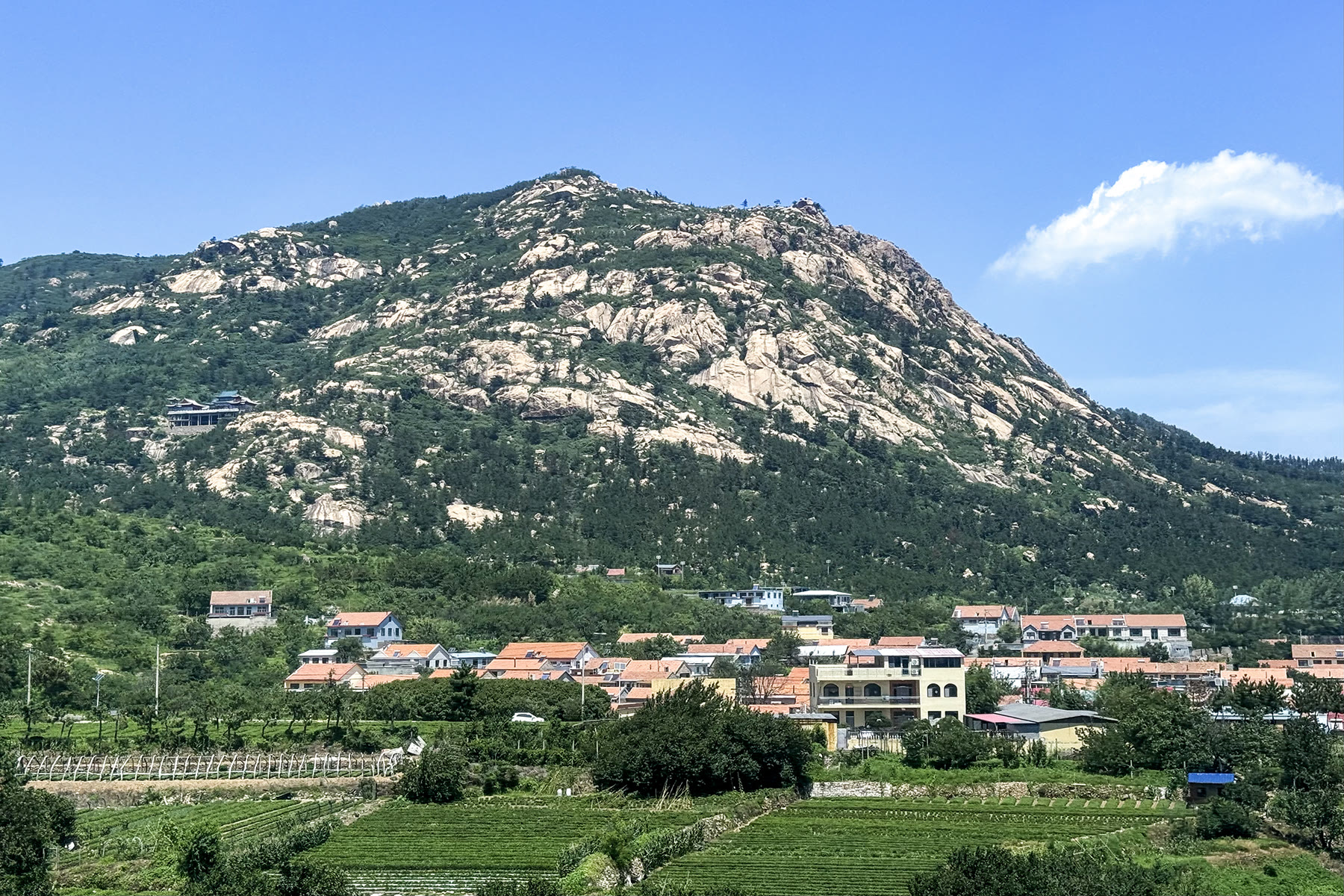
Most of China's sacred mountains rise far inland, surrounded by farmland and haze. Laoshan is the exception. It plunges directly into the Yellow Sea on the eastern edge of Qingdao, in Shandong province, creating a coastline of granite cliffs, pine slopes, and crashing surf that feels closer to a rugged Pacific shore than a Taoist pilgrimage site. Locals call it the highest coastal peak in China, and on a clear day you can stand among ancient temple courtyards and watch fishing boats work the water far below.
For independent travelers, Laoshan is one of the easiest day trips from a major Chinese city. It sits roughly 40 kilometers east of central Qingdao, reachable by public bus, taxi, or ride-hailing within an hour or so. The mountain is large and divided into separate scenic zones, each with its own entrance, ticket, and character, so the most common mistake is treating it as a single attraction. Choosing the right zone for your time and fitness level matters more than anything else.
This guide breaks down what Laoshan actually is, how the zones differ, how to get there from Qingdao, how much hiking each route demands, and how to fold it into a wider Qingdao itinerary that includes the city's beaches and the leafy colonial streets of Badaguan.
What Laoshan Is and Why It Matters
Laoshan is a granite massif that tops out at roughly 1,130 meters at its highest point, known as Jufeng. What makes it distinctive is geography: the range meets the sea directly, so instead of the usual inland temple climb, you get a blend of mountain scenery and coastline in a single visit. The combination of forested slopes, exposed rock, freshwater springs, and ocean views is genuinely rare in China.
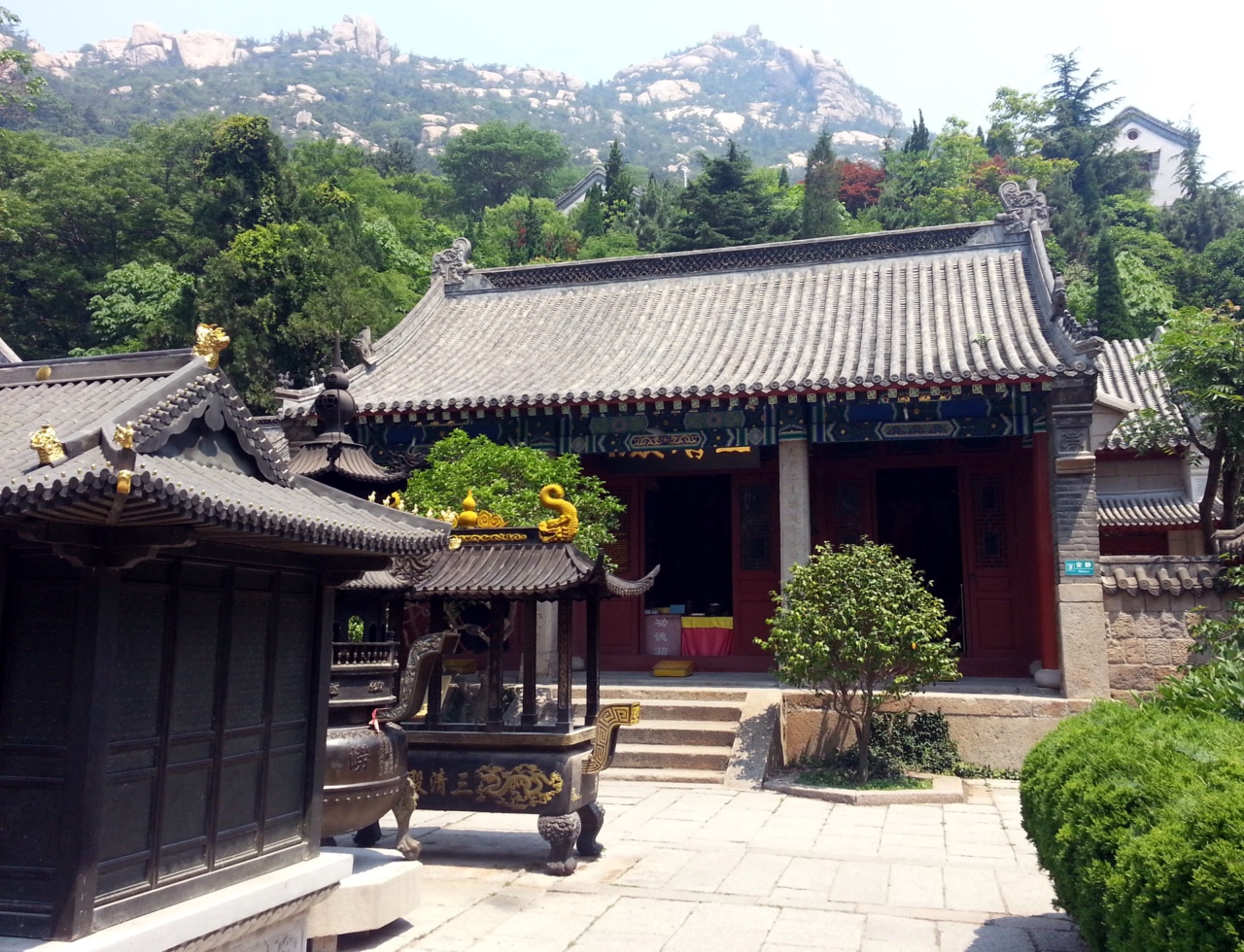
The mountain has been a center of Taoism for centuries and is considered one of the cradles of the religion's Quanzhen tradition. Numerous temples, shrines, and hermit caves are scattered across the slopes, the most famous being Taiqing Palace, a sprawling temple complex set close to the shore beneath towering peaks. Pilgrims, scholars, and emperors have visited over the centuries, and the site carries deep cultural weight for Chinese visitors. Laoshan is also famous nationwide for its spring water, which gives the well-known local beer and bottled water their name.
For an international traveler, the appeal is less about the religious detail and more about the setting: a half-day or full-day escape into dramatic coastal nature, with the option to add temple sightseeing or serious hiking depending on your interest.
Things to Do
Understanding the Scenic Zones
Laoshan is administered as a large scenic area split into several distinct zones. They are not all connected by easy walking paths, and each typically has its own gate. Knowing the differences before you arrive will save you time and confusion.
Liuqing (Taiqing) Zone
This is the most popular and most accessible zone, and the best choice for first-time visitors with limited time. It centers on Taiqing Palace, the largest and oldest Taoist temple complex on the mountain, set in a sheltered cove with peaks rising behind it and the sea in front. The walking here is relatively gentle along coastal paths, and a cable car can carry you partway up the slopes for elevated views. If you want the classic Laoshan image of temples against mountains and sea, this is the zone.
Yangkou Zone
North of Taiqing, the Yangkou zone offers more dramatic coastal cliffs, rock formations, and a longer network of trails that can connect toward higher ground. It tends to be quieter than Taiqing and rewards travelers who enjoy walking along the shore between rocky headlands. Some visitors combine Yangkou with a boat or shuttle segment depending on what is operating.
Jufeng Zone
Jufeng is the summit zone and the choice for serious hikers chasing the highest peak and the broadest panoramas. A cable car covers part of the ascent, but reaching the true high points still involves substantial stair climbing and steep sections. On clear days the views over the sea and surrounding ranges are the best on the mountain, but Jufeng is also the most weather-sensitive zone and is frequently shrouded in cloud and fog.
Beijiushui Zone
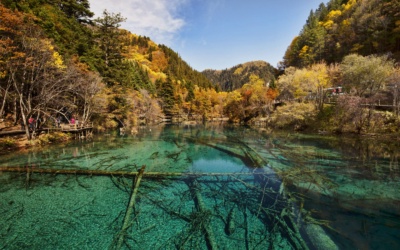
Beijiushui is the inland water-and-valley zone, known for streams, pools, small waterfalls, and a greener, more forested feel. It is less about sea views and more about a shaded valley walk, which can be a pleasant alternative in hot weather or for travelers who prefer gentle nature over coastal drama.
| Zone | Best for | Effort | Highlight |
|---|---|---|---|
| Liuqing / Taiqing | First-timers, temples, easy coast walk | Low to moderate | Taiqing Palace, sea-and-peak views |
| Yangkou | Quieter coastal trails, rock scenery | Moderate | Cliffs and shoreline walks |
| Jufeng | Summit views, fit hikers | High | Highest peak panoramas |
| Beijiushui | Forest, streams, hot-weather visits | Low to moderate | Valley pools and waterfalls |
Getting to Laoshan from Qingdao
Laoshan lies east of central Qingdao, and the journey depends on where you are staying. From the older waterfront districts near Zhongshan Park, Badaguan, and the main bathing beaches, you are looking at roughly an hour by road in normal traffic.
By public bus
Several city bus lines run east toward the Laoshan scenic gates. Routes connecting from central Qingdao to the main entrance areas are the budget option and are used heavily by domestic visitors. The downside is that buses can be slow, crowded on weekends and holidays, and confusing if you do not read Chinese, since stop announcements and signage are largely in Chinese. Confirm the current route and final stop with your accommodation before setting out, as line numbers and terminals can change.
By taxi or ride-hailing
The simplest option for most international travelers is a taxi or a ride-hailing app such as Didi. A one-way trip from central Qingdao to a Laoshan gate is reasonably priced by international standards and removes the navigation headache. If you are visiting a quieter zone, arrange your return in advance or confirm that cars are available for pickup, since ride-hailing coverage at remote gates can be thinner.
Tours and private drivers
Half-day and full-day tours from Qingdao bundle transport and entry logistics, which can be worthwhile if you want to hit multiple zones or avoid the language barrier. A private driver for the day gives the most flexibility, letting you combine a Laoshan zone with a coastal lunch and a city sight on the way back.
Inside the scenic area
Within the larger zones, official sightseeing shuttle buses typically connect the gate with the main attractions, since the distances are too great to walk in full. Cable cars operate in the Taiqing and Jufeng zones to reduce the climbing. Build the cost and time of these internal transport links into your plan, because the published gate is often not where the highlights actually are.
How Much Hiking to Expect
Laoshan can be as easy or as demanding as you make it. The mistake is assuming a temple visit means flat walking, or assuming the summit is a casual stroll.
In the Taiqing zone, you can keep things gentle: a stroll through the temple complex and along the coastal paths, with the cable car handling any significant elevation. This suits families, older travelers, and anyone short on time. Expect a few hours at an easy pace.
The Jufeng zone is a different proposition. Even with the cable car covering the lower section, reaching the upper viewpoints involves long flights of stone steps, steep gradients, and exposed ridges. Allow several hours, wear proper shoes, and carry water. If you want a real mountain hike with a payoff at the top, this is it, but treat it as exercise rather than sightseeing.
Yangkou and Beijiushui fall in between, offering trail walking of moderate length without the sustained climb of Jufeng. Across all zones, paths are generally well constructed with stone steps and railings, but they can be slick after rain and crowded on holidays.
Weather, Season, and Timing
Laoshan's coastal position makes its weather unpredictable, and cloud and sea fog are the defining challenge. The summit and higher viewpoints are frequently wrapped in mist even when the city below is clear, so panoramic views are never guaranteed. If you have a flexible schedule, watch the forecast and pick the clearest day available for the Jufeng or Yangkou zones.
Late spring and autumn are generally the most comfortable, with mild temperatures and a better chance of clear skies than the humid, foggy stretches of summer. Summer brings heat, humidity, and the heaviest domestic crowds, particularly during public holidays when the mountain can be packed and shuttle queues long. Beijiushui's shaded valley is a smart hot-weather choice. Winter is quiet and can be beautiful in clear conditions but cold and windy on the exposed peaks, and some services may run on reduced schedules.
Whatever the season, go early. Arriving near opening time means smaller crowds, easier shuttle and cable car access, and more daylight to work with. The full scenic area is large, and a late start often means a rushed visit.
Tickets and Practical Access
Laoshan uses zone-based admission, and tickets often bundle the gate entry with the internal sightseeing shuttle. Cable cars are usually charged separately. Because each zone has its own pricing and rules, and because policies and prices change, verify the current ticket structure before you go rather than relying on old figures.
A few practical points apply regardless of the exact prices:
- Bring your passport. Many Chinese scenic areas require ID for ticket purchase and entry, and foreign visitors should carry the actual document.
- Mobile payment dominates. WeChat Pay and Alipay are the norm, so set one up in advance if possible. Cash acceptance can be limited, and foreign cards rarely work at gates.
- Online or app booking may be required. Some Chinese attractions push timed reservations through Chinese-language platforms, which can be a hurdle. Check whether advance booking is needed and whether your accommodation can help.
- Combined tickets exist for visiting multiple zones, which can save money if you plan an ambitious day, but only buy them if you will realistically use them given travel time between gates.
For broader trip planning across China and the rest of the region, GoAsia.cc is a useful place to map out how a stop like Qingdao fits into a larger itinerary.
What to See on the Mountain
The single must-see is Taiqing Palace in the Liuqing zone. The complex of halls, courtyards, and ancient trees sits in a remarkable spot where the temple roofs frame views of both the peaks and the sea. Even visitors with no interest in Taoism appreciate the atmosphere and the setting. Take your time among the older trees and stone tablets, and follow the coastal path for the postcard angles.
Beyond the headline temple, the rewards are in the landscape itself: granite domes and boulders, pine forests clinging to slopes, freshwater springs, and the constant presence of the sea. In Jufeng, the draw is the summit panorama on a clear day. In Beijiushui, it is the chain of pools and small cascades along a green valley. Yangkou delivers shoreline drama and quieter trails. Pick the experience that matches your mood rather than trying to see everything.
Pairing Laoshan with Qingdao's Coast
One of Laoshan's strengths is how naturally it pairs with the rest of Qingdao. The city is famous for its beaches, its German colonial architecture, and its relaxed seaside character, and a Laoshan day fits neatly alongside.
Badaguan
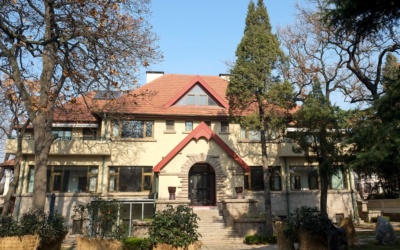
Badaguan is Qingdao's most charming district, a network of quiet, tree-lined streets named after historic mountain passes, dotted with early twentieth-century villas in varied European styles. It meets the sea at small rocky beaches and is ideal for an unhurried walk. Because Badaguan is gentle and central, it pairs well with a more strenuous Laoshan morning: hike or sightsee on the mountain, then return to stroll Badaguan in the softer late-afternoon light.
The bathing beaches
Qingdao's main bathing beaches stretch along the urban waterfront and are popular for swimming in the warmer months. After a hot day on the mountain, a beach stop is an easy reset. Keep in mind that summer weekends draw large local crowds, so early morning or evening visits are calmer.
The old town and pier
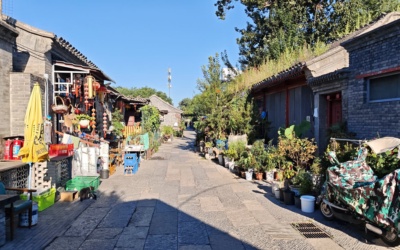
The historic core around the Zhanqiao Pier and the old town offers seafood, the famous local beer, and walkable streets. A common Qingdao rhythm is to spend one day on Laoshan and the surrounding coast and another in the old town and Badaguan, splitting the city's mountain and urban sides.
Tips for a Smooth Laoshan Visit
- Choose one or two zones, not all of them. The scenic area is too large to cover fully in a day. Decide between an easy temple-and-coast plan (Taiqing) and a serious hike (Jufeng), and resist trying to do both unless you have a private driver and an early start.
- Start early. Crowds, shuttle queues, and cable car lines all grow through the morning, especially on weekends and holidays. An early arrival transforms the experience.
- Check the forecast for fog. If your main goal is summit views, a foggy day wastes the effort. Swap to a coastal or valley zone where mist matters less, or shift the visit to a clearer day.
- Wear proper shoes and bring water. Even the gentler zones involve stone steps and uneven ground, and the higher routes are demanding. Stairs can be slippery after rain.
- Sort out mobile payment in advance. WeChat Pay or Alipay will make tickets, shuttles, snacks, and the return ride far easier. Carry your passport for entry.
- Save a translation app and screenshots. Bus stops, gate names, and signage are mostly in Chinese. Saved zone names and a translation tool help enormously, especially when arranging the return trip from a remote gate.
- Confirm your way back. Ride-hailing can be sparse at quieter gates. Note the shuttle and bus timings, or ask a driver to wait or return at an agreed time.
- Eat strategically. Food options inside the zones are limited and pricier. Consider eating well in the city beforehand or planning a seafood meal back in Qingdao afterward.
Realistic Downsides
Laoshan is rewarding, but it is not flawless. The weather can rob you of the views that draw people to the summit, and there is no way to guarantee clear skies. The zone system means logistics take planning, and an ill-chosen gate can leave you far from the highlights with a long internal shuttle ahead. On peak holidays the crowds are intense, with queues for shuttles and cable cars and packed paths around Taiqing. The language barrier is real for independent foreign travelers, particularly on public buses and at remote zones. And the sheer size of the area means rushing is easy and disappointing. Approached with a clear plan, an early start, and the right zone for your fitness and weather, though, Laoshan delivers one of the most distinctive coastal-mountain experiences in eastern China.
Frequently Asked Questions
Plan for at least a half day and ideally a full day, including travel from Qingdao. An easy temple-and-coast visit to the Taiqing zone takes a few hours, while a summit hike in the Jufeng zone needs most of the day. Trying to cover several zones in one visit usually leads to a rushed, frustrating trip.
Laoshan uses zone-based admission, with the gate ticket often including the internal sightseeing shuttle, while cable cars are charged separately. Combined tickets for multiple zones exist if you plan an ambitious day. Because prices and booking rules change, verify the current structure before you go, carry your passport, and have WeChat Pay or Alipay ready since foreign cards rarely work.
Laoshan sits about 40 kilometers east of central Qingdao, roughly an hour by road. City buses are the cheapest option but can be slow and are hard to navigate without Chinese. A taxi or Didi ride-hailing trip is far simpler for international visitors, and a private driver or tour adds flexibility for visiting multiple zones.
For first-timers wanting temples, easy walking, and the classic sea-and-peak views, choose the Liuqing or Taiqing zone with Taiqing Palace. Fit hikers chasing summit panoramas should pick Jufeng. Yangkou offers quieter coastal trails, and Beijiushui is a shaded valley with streams that works well in hot weather.
It depends entirely on the zone. The Taiqing area is gentle, especially with the cable car, and suits most visitors. The Jufeng summit zone involves long flights of stone steps and steep sections even after the cable car, so treat it as a real hike with proper shoes and water.
Yes, and it is a natural pairing. A common plan is to spend the morning on Laoshan, then return to the city to stroll the tree-lined streets and villas of Badaguan or relax on a bathing beach in the afternoon. Splitting your time between the mountain and the urban coast captures both sides of Qingdao.
Late spring and autumn offer mild weather and a better chance of clear skies. Summer is hot, humid, and crowded, with frequent sea fog that can hide summit views, while winter is quiet but cold and windy on the peaks. Whatever the season, start early to beat crowds and shuttle queues.