Goa Beaches: Your Guide to India's Best Coastal Paradise

Goa Beaches: Your Guide to India's Best Coastal Paradise

Last updated: March 16, 2026

Goa packs more variety into its 100-kilometer coastline than most countries manage in thousands. From the thumping bass of Baga's beach clubs to the silent crescent of Palolem where the only sound is waves meeting sand, every stretch of shore has its own personality. The trick is not finding a beach - it is finding the right one for you.

India's smallest state draws everyone from backpackers on shoestring budgets to luxury travelers seeking boutique villas, and the coast is divided neatly into two halves that could not be more different. North Goa is where the party lives: beach shacks with loud music, water sports operators shouting offers, and sunbeds packed tight from November through February. South Goa is the quiet sibling: long empty stretches, fishing villages, and the kind of peace that makes you forget your phone exists.

This guide breaks down the best beaches on both sides, what each one actually feels like when you arrive, and the practical details you need to choose wisely.

North Goa Beaches

North Goa runs from Sinquerim in the south to Arambol near the Maharashtra border. This is where most first-time visitors end up, and for good reason - the infrastructure is better, the restaurants are abundant, and the nightlife is legendary.

Baga Beach

Baga is the water sports capital of Goa. Jet skiing, parasailing, banana boats, and bumper rides line the shore, with operators competing for your attention from early morning. A jet ski ride costs around 1,000 rupees for 15 minutes, parasailing runs 800 to 1,500 rupees, and banana boat rides start at 400 rupees per person. The famous Tito's Lane nightclub strip sits just behind the beach. Baga works best for travelers who want action, noise, and easy access to everything.

Calangute Beach

Known as the Queen of Beaches, Calangute is the most commercialized stretch in Goa. The beach itself is wide and pleasant, but the density of hawkers, sunbed operators, and tour sellers can feel overwhelming. It connects seamlessly with Baga to the north and Candolim to the south, making it easy to walk between all three. Budget accommodation clusters around Calangute, so it remains popular with domestic tourists and first-time visitors.

Anjuna Beach

Anjuna built its reputation on the trance music scene of the 1990s, and traces of that bohemian spirit remain. The Wednesday flea market is one of Goa's most famous attractions, selling everything from hammocks and jewelry to spices and clothing. The rocky southern end of the beach is more atmospheric than the sandy north, with Curlies and Shiva Valley hosting full-moon parties during peak season. Anjuna suits travelers who want a mix of culture, nightlife, and beach without the pure commercialism of Calangute.

Vagator and Ozran (Little Vagator)

Vagator sits below the red laterite cliffs of Chapora Fort, and the views from the hilltop are among the best in Goa. The main beach is wide and popular, but walk south to Ozran (Little Vagator) for a smaller, more intimate cove framed by dramatic rocks. Dolphin-spotting boat trips depart from here for around 500 rupees per person. Vagator has good restaurants and a more relaxed vibe than Baga, making it a strong base for travelers who want nightlife nearby without sleeping in it.

Arambol Beach

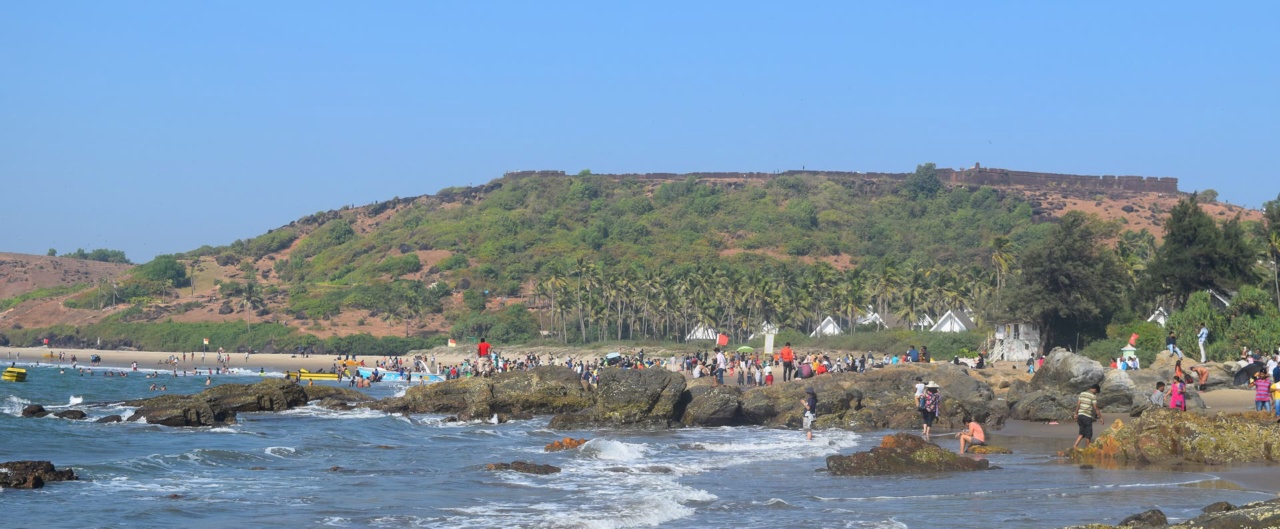
Arambol is the furthest north of Goa's popular beaches and still holds onto its hippie roots. Long-stay travelers, yoga practitioners, and musicians dominate the scene. The beach is long and uncrowded, with a freshwater lagoon (Sweet Lake) hidden behind the cliffs at the northern end. Drum circles happen at sunset most evenings during peak season. Accommodation is the cheapest in Goa, with basic rooms starting under 500 rupees a night. Arambol works for travelers who want community, simplicity, and time.

Things to Do

South Goa Beaches

South Goa moves at a different speed. The beaches are longer, the crowds are thinner, and the atmosphere shifts from party to peaceful. Getting around requires a scooter or taxi since public transport is sparse, but the trade-off is stretches of sand where you might be the only person for hundreds of meters.

Palolem Beach

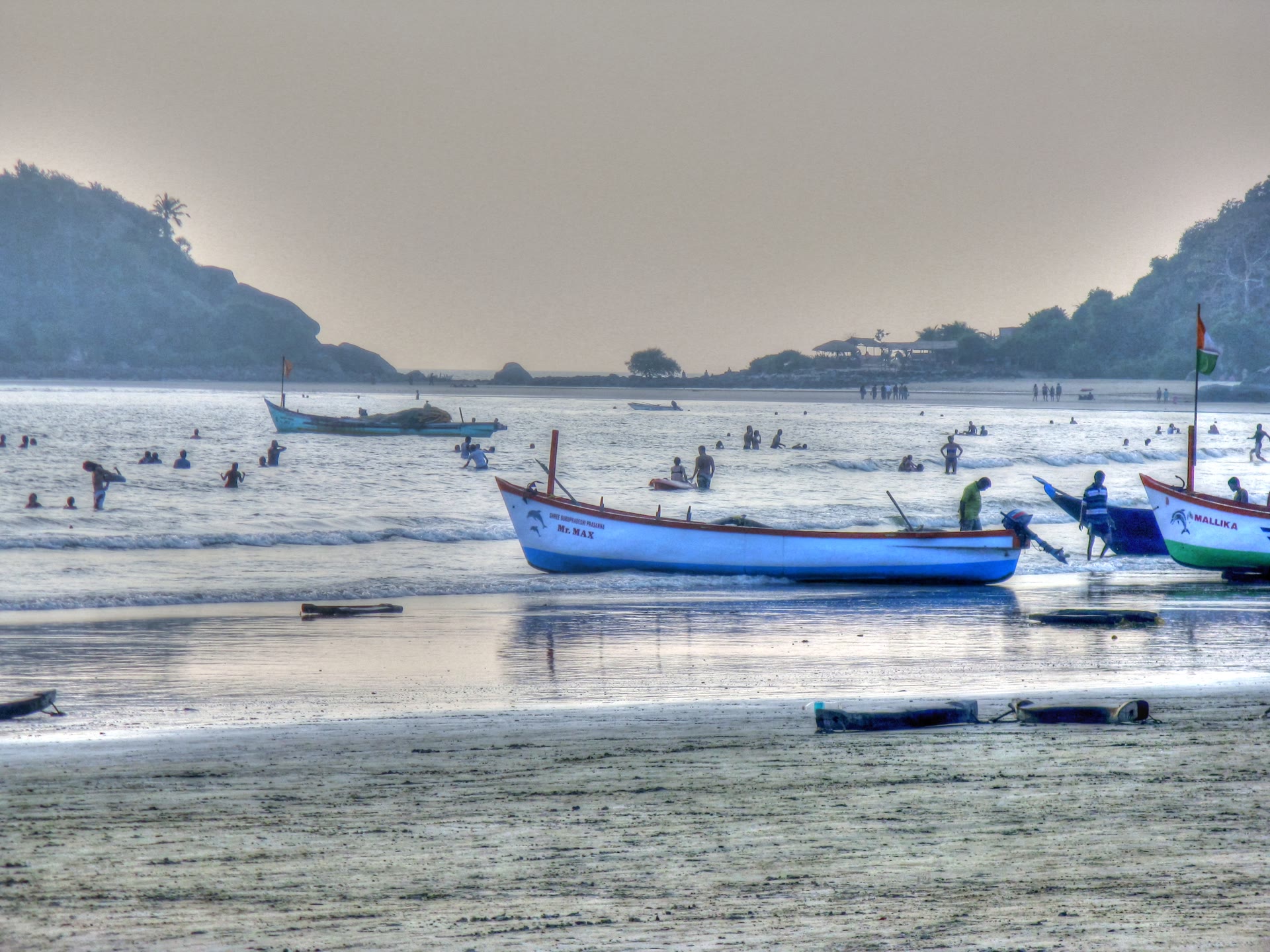
Palolem is arguably the most beautiful beach in all of Goa - a perfect crescent of golden sand lined with coconut palms, bookended by forested headlands. The water is calm and shallow, making it one of the safest swimming beaches on the coast. Colorful beach huts line the shore from November through April, ranging from basic bamboo structures at 800 rupees a night to air-conditioned cottages at 3,000 rupees or more. Kayaks are available for rent to paddle around the headland to nearby Butterfly Beach, a hidden cove accessible only by water. Silent noise parties, where everyone wears headphones and dances to one of three DJ channels, are a Palolem original.

Agonda Beach

Agonda offers everything Palolem does minus the crowds. This long, wide beach backed by palm trees and small guesthouses is a nesting site for Olive Ridley sea turtles, so development has been kept deliberately low. The surf is slightly rougher than Palolem, and there are fewer restaurants and activities, which is exactly the point. Yoga retreats and long-stay travelers have made Agonda their home. Beach huts here start at around 600 rupees for basic setups.

Benaulim Beach

Benaulim is a local's beach in the best sense. Fishing boats line the shore in the morning, shack owners know their regulars by name, and the sand stretches wide enough that it never feels crowded even during peak season. It sits just south of Colva but without the weekend rush. The seafood shacks here serve some of the freshest fish in Goa at lower prices than the tourist hotspots up north.

Cola Beach

Cola (also spelled Khola) is one of Goa's hidden gems. Accessible via a steep, rutted road that keeps the crowds away, this small beach sits below palm-covered cliffs with a freshwater lagoon separated from the sea by a narrow sand bar. A handful of luxury tent operators and small resorts have set up here, but it remains genuinely quiet. Cola is best visited as a day trip unless you have booked accommodation in advance.

Beach Shacks and Food

Goa's beach shack culture is unique in India. Temporary shacks go up in October and come down by May, following the monsoon cycle. These bamboo-and-palm structures serve everything from fresh grilled fish and prawn curry to wood-fired pizza and smoothie bowls.

Expect to pay 200 to 400 rupees for a main course at a standard shack, and 500 to 800 rupees at the more upscale ones. A Kingfisher beer costs 100 to 180 rupees depending on location. The further south you go, the cheaper the prices and the fresher the fish - shack owners in Benaulim and Agonda often buy directly from the morning catch on their own beach.

Some shacks offer free sunbeds if you order food and drinks, while others charge 200 to 300 rupees for a bed and umbrella. Always clarify before settling in.

Water Sports Across Goa

Water sports are concentrated in North Goa, primarily at Baga, Calangute, and Sinquerim beaches. Here is what to expect:

ActivityDurationPrice (approx.)Best Beach
Jet Skiing15 minutes1,000 rupeesBaga
Parasailing5-10 minutes800-1,500 rupeesCalangute
Banana Boat10 minutes400-800 rupeesBaga
Scuba Diving (try dive)1-2 hours2,000-4,500 rupeesGrande Island
Surfing Lesson60-90 minutes1,500-3,000 rupeesAshwem, Arambol
Kayaking1-2 hours500-1,200 rupeesPalolem

Always check that operators provide life jackets and that equipment looks well-maintained. Booking through your hotel sometimes gets a better rate than negotiating on the beach, but walk-in prices are negotiable during the shoulder season.

When to Visit Goa's Beaches

SeasonMonthsWhat to Expect
PeakNovember - FebruaryPerfect weather, cool evenings, highest prices, biggest crowds. All shacks open, full nightlife.
ShoulderOctober, March - AprilHot but manageable. Fewer tourists, good deals on accommodation. Most shacks open.
MonsoonJune - SeptemberHeavy rain, rough seas, most shacks closed. Lush green scenery, lowest prices. Swimming dangerous at most beaches.

The sweet spot is early November or late February - you get good weather with fewer people and slightly lower prices than the December-January peak.

Getting Around and Practical Tips

Renting a scooter is the Goa way. A standard Honda Activa costs 300 to 400 rupees per day and gives you freedom to beach-hop at your own pace. An international driving permit is technically required, but rarely checked. Petrol stations are easy to find across both North and South Goa.

  • Taxis are expensive - Goa taxis do not use meters. A ride from Dabolim Airport to North Goa costs 1,200 to 1,500 rupees, and to South Goa around 800 to 1,200 rupees. Use the prepaid taxi counter at the airport for fixed rates.
  • Sunburn is the top health risk - The tropical sun is intense even on cloudy days. Waterproof sunscreen, a hat, and a rash guard for water sports make a real difference.
  • Respect the sea - Goa's beaches have strong undertows, especially during shoulder and monsoon seasons. Swim where you see lifeguard flags and never swim after drinking. Drownings happen every season.
  • Carry cash - Beach shacks, scooter rentals, and water sports operators often do not accept cards. ATMs are plentiful in towns but scarce on remote beaches.
  • Negotiate everything - Water sports prices, taxi fares, and even shack sunbed charges are negotiable, especially outside peak season. Ask for package deals if booking multiple water sports activities.
  • Go early or late - The best beach hours are before 10 AM and after 4 PM. Midday heat drives most people to their rooms, and the golden hour light at sunset is when Goa looks its absolute best.

For more guides to beaches, temples, and hidden spots across India and Southeast Asia, explore GoAsia.cc.

Frequently Asked Questions

Which Goa beach is best for a first-time visitor?

Palolem in South Goa offers the best all-round experience for first-timers: safe swimming in calm water, beautiful scenery, a range of beach hut accommodation, and enough restaurants and activities without feeling overwhelming. For those who prefer more action and nightlife, Baga in North Goa is the classic choice with water sports, beach clubs, and restaurants packed along the shore.

How much does a day at the beach in Goa cost?

A budget day runs about 500 to 800 rupees covering a sunbed (200-300 rupees or free with food orders), a meal at a shack (200-400 rupees), and a couple of beers (200-360 rupees). Adding water sports pushes the total to 1,500-3,000 rupees. South Goa beaches are generally 20-30% cheaper than North Goa tourist hotspots.

How do I get to Goa and move between beaches?

Fly into Dabolim Airport (GOI), which receives direct flights from all major Indian cities and some international destinations. From the airport, take a prepaid taxi to your beach area. Once there, rent a scooter (300-400 rupees per day) for maximum flexibility - it is the most practical way to beach-hop between North and South Goa.

What is the difference between North Goa and South Goa beaches?

North Goa is livelier with more nightlife, water sports, restaurants, and crowds. Beaches like Baga, Calangute, and Anjuna are commercial and action-packed. South Goa is quieter and more scenic, with beaches like Palolem, Agonda, and Cola offering relaxation, natural beauty, and a slower pace. Budget travelers and party seekers tend toward the north, while couples and peace seekers head south.

When is the best time to visit Goa's beaches?

November through February offers ideal beach weather with warm days, cool evenings, and no rain. Early November and late February hit the sweet spot of good weather with smaller crowds and lower prices than the December-January peak. Avoid June through September when monsoon rains close most beach shacks and make swimming dangerous.

Is it safe to swim at Goa beaches?

Most beaches are safe for swimming during the peak season (November-February) in areas marked by lifeguard flags. Palolem and Baga have calm, shallow waters. However, several beaches have strong undertows, especially Calangute and Anjuna. Never swim during monsoon season, after dark, or after drinking alcohol. Drownings occur every season, so respect the sea conditions.

Are beach shacks in Goa worth eating at?

Absolutely. Beach shacks are a core part of the Goa experience, serving fresh seafood, Goan curries, and international dishes right on the sand. The food quality at many shacks rivals proper restaurants, especially for grilled fish and prawn preparations. Shacks in South Goa (Benaulim, Agonda) tend to serve the freshest catch at the best prices since they buy directly from fishermen on the same beach.

Can I visit Goa beaches on a tight budget?

Goa is one of India's most budget-friendly beach destinations. Basic rooms in Arambol start under 500 rupees a night, beach huts in Agonda from 600 rupees, and meals at local shacks cost 200-400 rupees. Skip water sports and taxis, rent a scooter instead, and eat where the locals eat. A comfortable daily budget of 1,500-2,000 rupees covers accommodation, food, and transport.