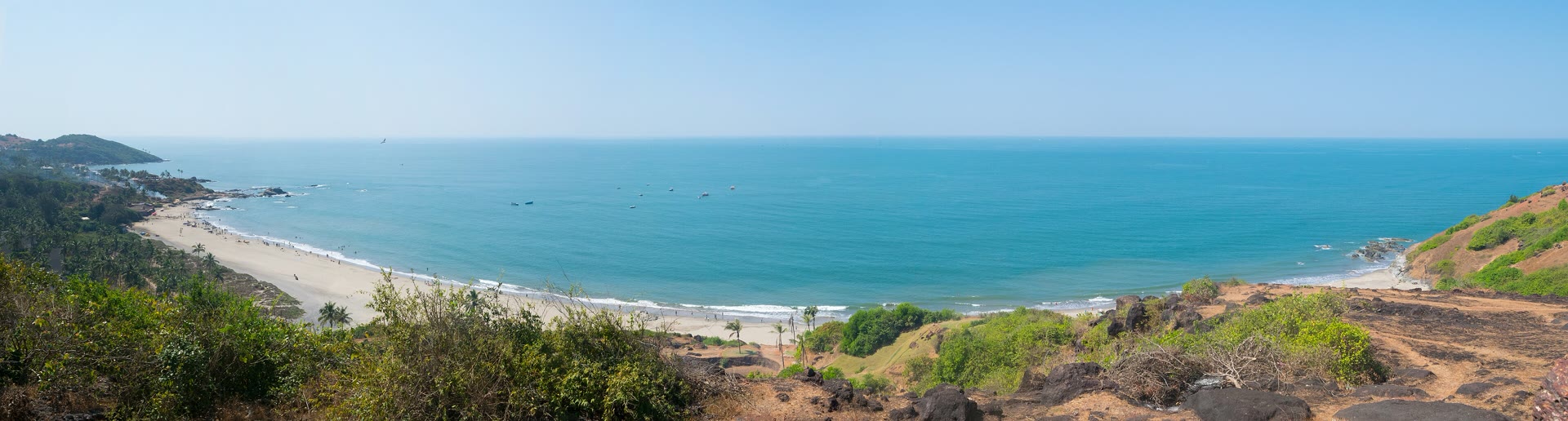
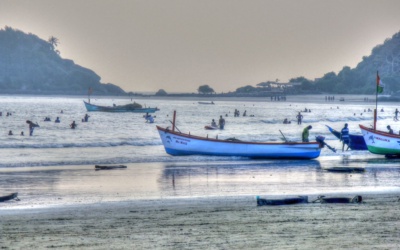
India's smallest state packs an outsized punch with its Portuguese-colonial heritage, palm-fringed beaches stretching over 100 kilometers, and a food scene that fuses Konkani spice with Iberian soul.
The scent of grilled fish and coconut oil drifts across a laterite road lined with bougainvillea-draped Portuguese mansions, their pastel facades fading gracefully in the tropical sun. A church bell rings somewhere in Old Goa, and down on the beach, a shack owner drags plastic chairs into the sand for the evening crowd. This is Goa - not quite the India of dusty plains and frantic cities, but a place where 450 years of Portuguese colonialism left behind Catholic churches, vindaloo, and an attitude toward life that locals call susegad: the art of contentment.[1]
Goa functions less like a single city and more like a constellation of beach towns, fishing villages, and inland hamlets spread across a compact state roughly 110 kilometers long and 65 kilometers wide. Most visitors stick to the coastal strip, but the interior hides spice plantations, wildlife sanctuaries, and some of the finest examples of Indo-Portuguese architecture in Asia. The vibe shifts dramatically depending on where you plant yourself - the north beaches pulse with nightlife and backpacker energy, while the south offers serenity and upscale retreats.
Goa works for almost every type of traveler. Solo backpackers find community in Arambol and Anjuna. Couples gravitate toward Palolem and Agonda in the south. Families do well in Baga or Candolim, where infrastructure is solid. And anyone interested in history, food, or architecture will find Goa far richer than its beach-party reputation suggests.
Orientation and Neighborhoods
Understanding Goa's layout is essential because the state is spread out with no single center. Think of it in three bands: North Goa beaches, South Goa beaches, and the inland capital region around Panjim (Panaji).
North Goa Beaches
Candolim and Sinquerim sit at the southern end of the north coast, relatively calm and popular with older travelers and families. Fort Aguada, a well-preserved Portuguese fortress, anchors the area. Calangute and Baga form the commercial heart of tourist Goa - packed with shops, restaurants, water sports operators, and Saturday night market energy. The beach itself gets extremely crowded in peak season. Anjuna retains traces of its hippie-trail heritage with its famous Wednesday flea market, trance clubs, and a more alternative crowd. Vagator offers dramatic red cliffs, smaller beaches, and some of Goa's best nightclubs. Morjim, Ashwem, and Mandrem are quieter, increasingly upscale, and popular with long-stay visitors and yoga practitioners. Arambol, at the northern tip, is the last bastion of budget backpacker culture with drum circles on the beach, cliff-top cafes, and a sweet freshwater lake behind the main beach.
South Goa Beaches
Colva and Benaulim are the most accessible south Goa beaches, relatively developed but far less hectic than Calangute. Agonda is a long, pristine crescent of sand with eco-friendly huts and a mellow vibe perfect for couples. Palolem is the south's liveliest beach - a gorgeous bay lined with colorful beach huts, kayak rentals, and silent noise headphone parties. Cola Beach is a hidden gem accessible by a steep dirt road, with a freshwater lagoon meeting the sea.
Panjim and Old Goa
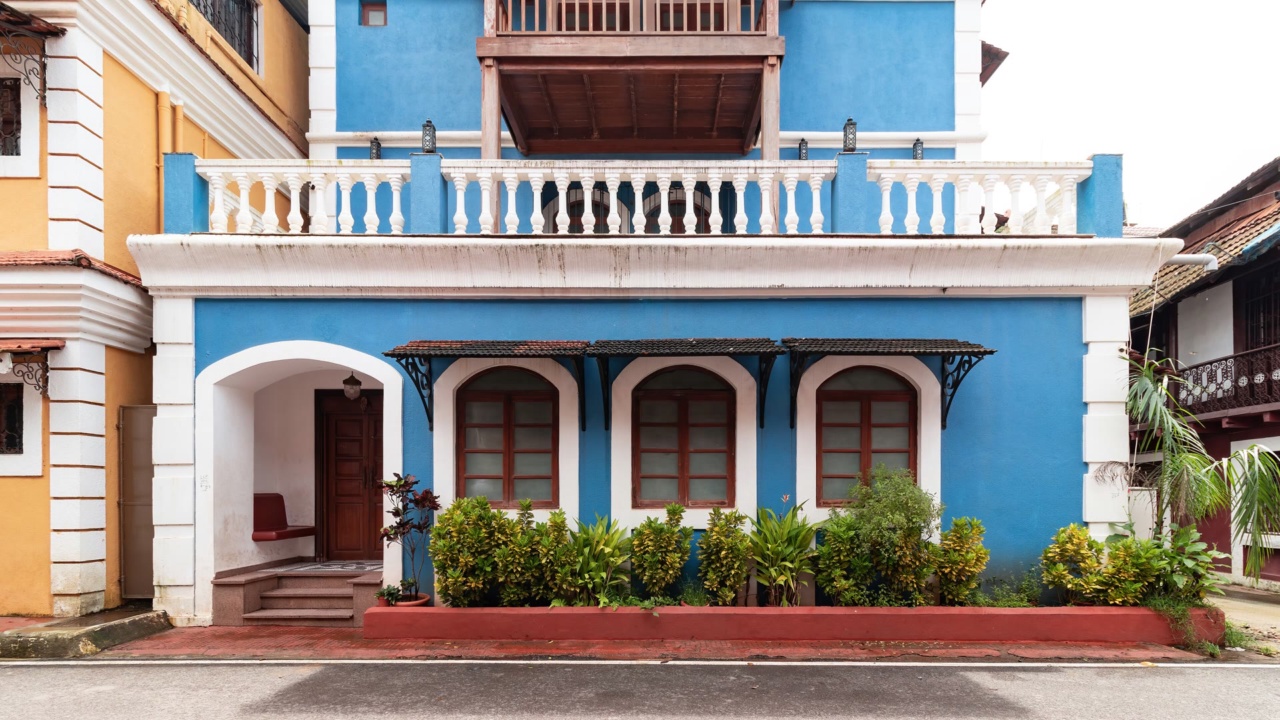
Panjim (Panaji), the state capital, is often overlooked by beach-bound visitors but rewards exploration. The Fontainhas quarter, also called the Latin Quarter, features narrow streets of brightly painted Portuguese-era houses, excellent bakeries, and some of Goa's best restaurants. Old Goa, about 10 kilometers east of Panjim, is home to seven UNESCO-listed churches and convents that stand among the most impressive colonial monuments in Asia.[1]
For nightlife and social energy, base yourself in North Goa between Anjuna and Vagator. For relaxation and natural beauty, choose South Goa. For culture, food, and a more urban experience, Panjim is unbeatable.
Things to Do
Offers are only loaded from GetYourGuide after you click. GetYourGuide can then process your IP address and set cookies. Privacy Policy
GetYourGuide partner offers. GoAsia may earn a commission if you book through these offers. Check whether tickets or transfers are included, and follow the attraction's official booking and admission rules.
Best Time to Visit
Goa has a tropical climate with three distinct seasons that dramatically affect the experience.
Season
Months
Weather
Crowds
Prices
Peak / Dry
November - February
Warm days (28-33C), cool evenings, no rain
High to very high
Highest, especially Dec-Jan
Shoulder / Hot
March - May
Very hot (35C+), humid, occasional pre-monsoon showers
The sweet spot is November or early December before the holiday rush, or February when the weather is perfect and the Christmas-New Year crowds have left. The monsoon transforms Goa into an emerald paradise with dramatic waterfalls at full force, but most beach shacks close and swimming is dangerous due to rough currents.
Key events worth timing around: The Goa Carnival (usually February) fills Panjim with parades, music, and street food. The Feast of St. Francis Xavier (early December) draws massive pilgrimages to Old Goa. Shigmo, the local version of Holi (usually March), features colorful float parades through major towns.
Getting There and Getting Around
Arriving in Goa
Dabolim Airport (GOI) sits about 30 kilometers from Panjim.[2]Manohar International Airport (GOX) at Mopa in North Goa serves domestic and international passengers and is the closer choice for the northern beaches.[3] Taxis wait outside both terminals, so agree or prepay the fare before you set off. Ride-hailing apps work but airport taxi unions sometimes resist them.
By train: Madgaon (Margao) is the main railway station in South Goa, and Thivim serves the north. Both connect to Mumbai (roughly 10-12 hours), Delhi, Bangalore, and other major Indian cities. The Konkan Railway route along the coast from Mumbai is one of India's most scenic train journeys. You can check transport connections and options on GoAsia.cc for detailed route planning.
Getting Around Goa
Scooter or motorcycle rental is the quintessential Goa transport mode. Expect to pay around $4 to $7 per day for a Honda Activa scooter. You will need an international driving permit technically, though enforcement is lax. Wear a helmet - police checkpoints are common and fines apply. Fuel is cheap at around $1.20 per liter.
Taxis in Goa are notoriously expensive relative to the rest of India, as a strong taxi union resists ride-hailing competition. A taxi from Calangute to Panjim might cost $8 to $12 for a 15-kilometer ride. Always negotiate the fare before getting in, as meters are rarely used.
Ride-hailing apps like Ola and occasional Uber service operate but face resistance from local taxi operators, so availability can be inconsistent. Some areas have local apps that work better.
Local buses run by Kadamba Transport Corporation connect most towns for very low fares (under $0.50 for most routes). They are slow, crowded, and not air-conditioned, but they work for budget travelers with patience. The Panjim bus stand (Kadamba Bus Terminal) is the main hub.
Goa is not particularly walkable between destinations due to the spread-out layout, but individual beaches, Panjim's Fontainhas, and Old Goa are all pleasant to explore on foot.
Top Sights and Experiences
Must-See Attractions
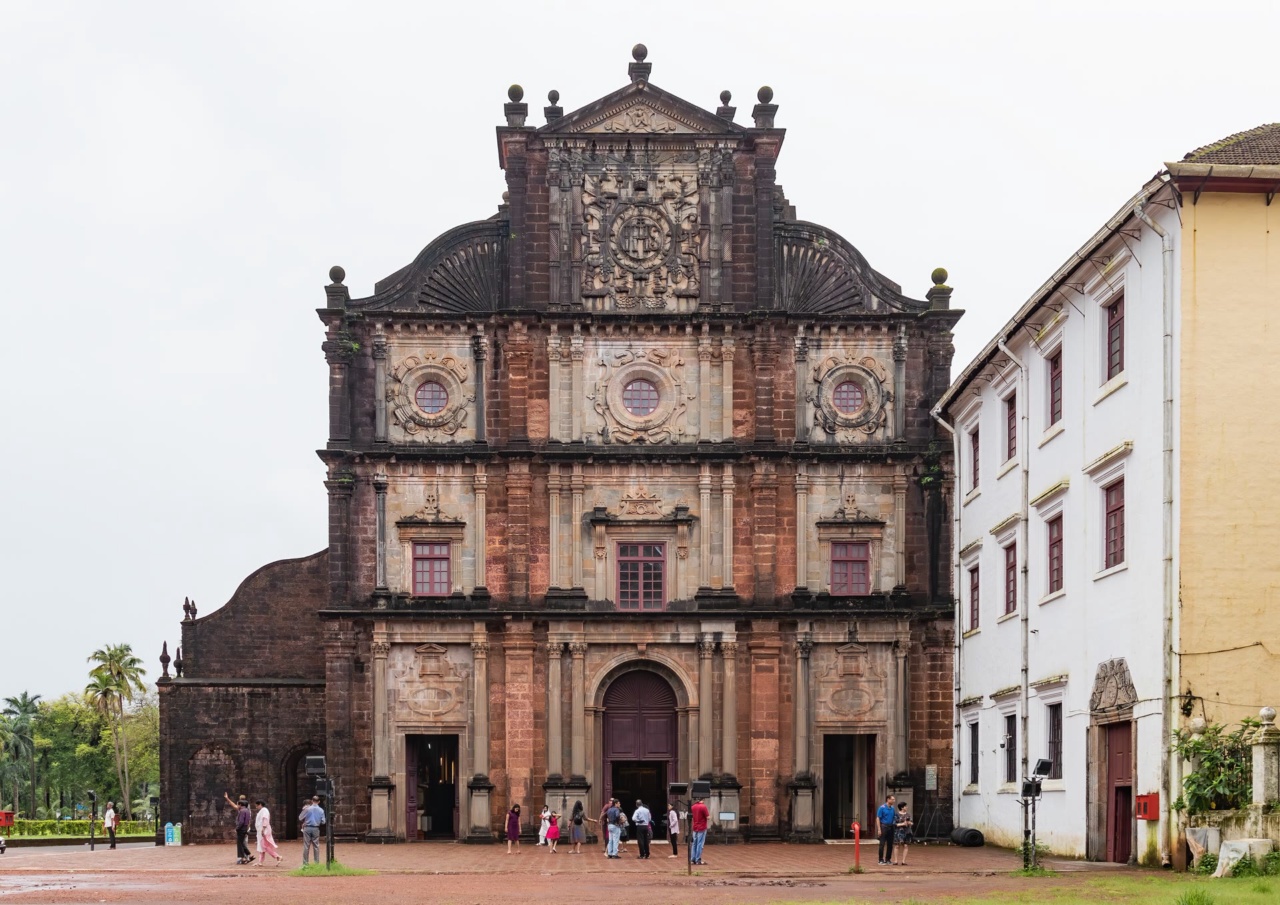
Basilica of Bom Jesus (Old Goa): This UNESCO World Heritage Site holds the remains of St. Francis Xavier in an ornate silver casket.[1] The baroque interior is stunning, and the church's laterite facade - deliberately left unplastered - gives it a distinctive rugged beauty. Free entry. Allow 30 to 45 minutes, and combine it with the other Old Goa churches nearby.
Se Cathedral (Old Goa): The largest church in Asia when it was built, Se Cathedral's towering white facade and gilded altarpiece are breathtaking. The remaining bell tower (one collapsed centuries ago) houses one of the largest bells in the world. Visit in the morning when light streams through the windows.
Fontainhas, Panjim: Wander the narrow lanes of this Latin Quarter to see pastel-colored Portuguese houses, tiny chapels, art galleries, and old-school bakeries selling bebinca and dodol. The 31st January Road area has excellent cafes and restaurants. This is the most photogenic neighborhood in Goa - come in the golden hour before sunset.
Dudhsagar Falls: One of India's tallest waterfalls, dropping 310 meters (1,017 feet) inside Bhagwan Mahavir Wildlife Sanctuary on the Goa-Karnataka border.[4] Best visited during or just after the monsoon (July to October) when the four-tiered cascade is at full power. Jeeps with a driver run from Collem through the forest, and the last stretch to the base is on foot.[4] Trekking slots are booked online, with a daily limit of 500 trekkers.[5] During peak monsoon, access may be closed.
Palolem Beach: The most photogenic beach in Goa - a perfect crescent of sand bookended by rocky headlands, with colorful wooden boats and palm trees completing the postcard. Kayak to nearby Butterfly Beach or take an early morning dolphin-spotting boat trip (around $8 to $10 per person).
Hidden Gems
Divar Island: A 10-minute free ferry ride from Old Goa brings you to this sleepy island where time seems frozen. Crumbling Portuguese mansions, a hilltop church with panoramic views, and virtually no tourists. Rent a scooter and explore for half a day.
Chandor Village: The Braganza House, a 400-year-old Portuguese mansion split between two branches of the same family, offers guided tours of its antique-filled rooms. Entry is by donation. Combine with lunch at a nearby Goan restaurant for a perfect inland half-day.
Chapora Fort: Made famous by the Bollywood film Dil Chahta Hai, this ruined fort above Vagator beach offers panoramic views of the coastline. Come at sunset but arrive early as it gets crowded. The fort itself is a ruin with no entry fee - the view is the attraction.
Spice Plantations: Several plantations in the Ponda area offer tours through groves of cardamom, vanilla, pepper, cinnamon, and nutmeg, usually followed by a traditional Goan lunch. Tours run around $8 to $15 per person including the meal. Sahakari Spice Farm and Tropical Spice Plantation are among the well-known options.
Overrated Attractions
Calangute Beach: Marketed as the "Queen of Beaches," it is actually Goa's most overcrowded and commercialized stretch of sand. Aggressive hawkers, jet ski touts, and wall-to-wall sunbeds make it hard to relax. Walk 15 minutes north to Candolim or south to quieter sections for a better experience.
Anjuna Flea Market: Once a legendary hippie bazaar, the Wednesday market now sells mostly mass-produced souvenirs, knockoff clothing, and overpriced trinkets. The Saturday Night Market at Arpora (when operating) offers a better atmosphere with live music, food stalls, and more interesting vendors.
Dona Paula Viewpoint: Heavily promoted in tourist brochures, this small jetty offers a mediocre view and is surrounded by concrete development. Skip it unless you are already in Panjim with nothing else to do.
Food and Drink
Goan cuisine is arguably India's most distinctive regional food tradition, shaped by Konkani, Portuguese, and broader Indian influences. Seafood dominates, coconut features in almost everything, and the use of vinegar (a Portuguese legacy) sets Goan cooking apart from the rest of India.
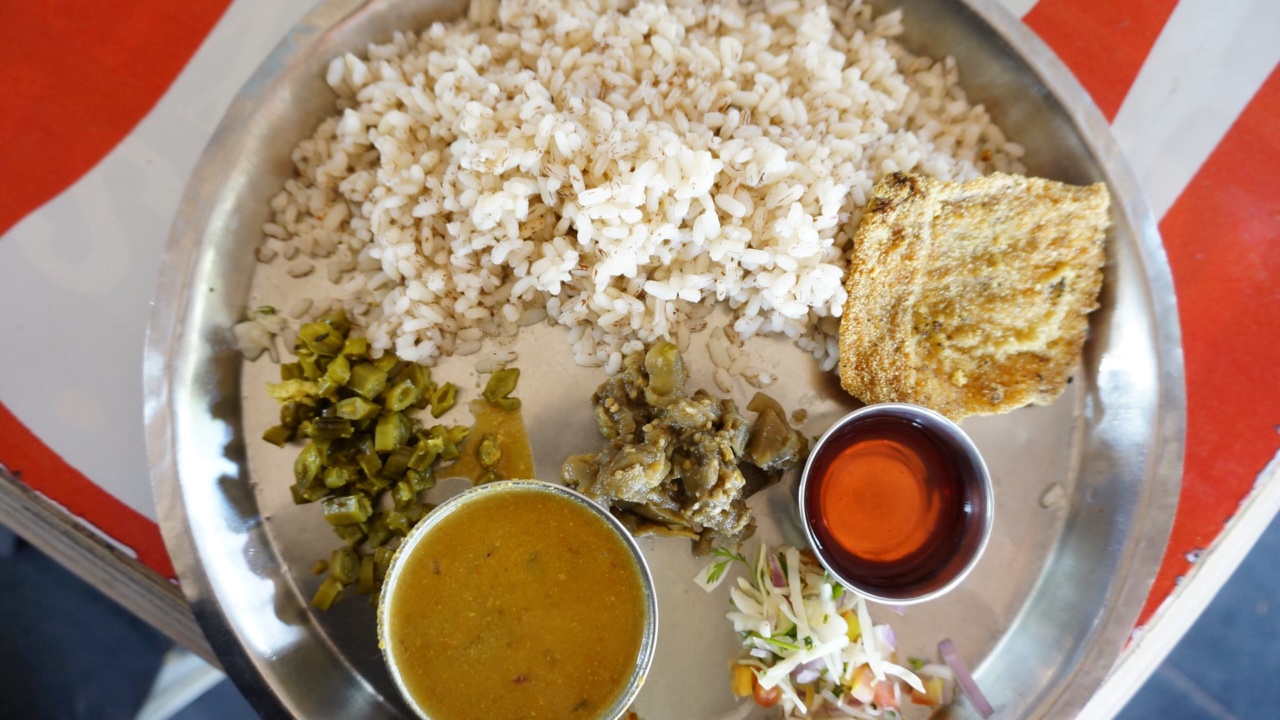
Goa's staple - fresh fish (often kingfish or pomfret) in a tangy coconut-based curry with red rice
Any local Goan restaurant or beach shack
$2 - $5
Pork Vindaloo
Not the British curry house version - the Goan original is a fiery, vinegar-marinated pork stew
Fontainhas restaurants in Panjim
$3 - $6
Prawn Balchao
Prawns in a spicy, sweet, and sour tomato-based pickle sauce
South Goa beach restaurants
$4 - $7
Chicken Cafreal
Spatchcocked chicken marinated in a green masala of cilantro, green chilies, and spices, then pan-fried
Local tavernas in Panjim or Mapusa
$3 - $5
Bebinca
A rich, layered pudding made from coconut milk, eggs, sugar, and ghee - Goa's signature dessert
Bakeries in Fontainhas or Margao
$1 - $2 per slice
Recheado Fish
Whole fish stuffed with a fiery red masala paste and shallow-fried
Beach shacks across Goa
$3 - $6
Ros Omelette
A fluffy omelette smothered in spicy coconut curry gravy - Goa's beloved street food
Street stalls in Panjim, Mapusa, or Margao
$0.50 - $1
Where to Eat
Panjim is the undisputed food capital of Goa. The streets around Fontainhas and the Mala area harbor family-run restaurants serving authentic Goan food at reasonable prices. Look for places with handwritten menus and locals eating inside.
Beach shacks are a Goan institution - temporary structures erected each season on the sand, serving fresh seafood, cold beers, and surprisingly good food. Quality varies wildly. The best shacks are in South Goa (Agonda, Palolem) and the quieter North Goa beaches (Ashwem, Morjim). Avoid the most touristy shacks in Calangute where prices are inflated and freshness is questionable.
Mapusa Market (Friday mornings) is the best place to taste local snacks, buy Goan sausages (choris), and sample local produce. The market is chaotic, colorful, and entirely authentic.
Drinks: Feni, distilled from cashew fruit or coconut palm sap, is Goa's signature spirit. Cashew feni has a funky, fruity kick and is best tried in a cocktail if you find it too intense neat. Kings Beer, brewed locally, is the default beach drink and costs around $1 to $1.50 at shacks. Goa also has a growing craft cocktail scene, particularly in Anjuna, Assagao, and Panjim.
Budget meal: A thali or fish curry rice at a local restaurant costs $1.50 to $3. Mid-range: A seafood dinner with drinks at a good beach shack or Panjim restaurant runs $10 to $20 per person. Upscale: Fine dining at boutique restaurants in Assagao or Vagator can cost $30 to $60 per person with drinks.
Where to Stay
Budget (Under $20 per night)
Arambol and Anjuna have the best concentration of budget accommodation - guesthouses, hostels, and basic beach huts. In Arambol, you can still find simple rooms for $8 to $15 per night. Hostels in Anjuna and Vagator offer dorm beds for $5 to $10. In the south, Palolem has seasonal beach huts starting around $10 to $15 for basic options. Prices spike sharply during Christmas and New Year, when even budget rooms can triple.
Mid-Range ($20 to $80 per night)
Boutique guesthouses and heritage homes are Goa's sweet spot. Panjim's Fontainhas has converted Portuguese houses operating as charming hotels. Assagao, an inland village between Anjuna and Mapusa, has become a hub for stylish mid-range stays surrounded by paddy fields. In South Goa, Agonda and Palolem offer comfortable beach huts with attached bathrooms and sea views for $30 to $60.
South Goa dominates the luxury segment. The stretch between Cavelossim and Mobor hosts several five-star resorts with private beaches. In North Goa, Sinquerim and Candolim have established luxury properties. Ashwem and Morjim increasingly offer boutique luxury with design-forward properties. For something unique, look for converted Portuguese heritage villas, particularly around Saligao and Aldona, where private pool villas rent for $100 to $250 per night.
Practical Tips
Safety: Goa is generally safe, but exercise standard precautions. Avoid isolated beaches after dark. Drowning is a real risk - respect red flags and swim only at lifeguard-patrolled beaches. Drug possession carries severe penalties in India regardless of how casual the atmosphere feels. Police raids on parties do happen.
Scams to watch for: Taxi drivers quoting wildly inflated prices (always agree on the fare before riding). Water sports operators adding hidden charges. Counterfeit goods at flea markets sold as genuine. Rental scooter agencies charging for pre-existing damage.
Payment: Cash is still king in Goa, especially at beach shacks, markets, and for scooter rentals. ATMs are widely available in tourist areas but can run dry during peak season. UPI (India's digital payment system) is increasingly accepted everywhere - if you have an Indian bank account or a compatible international app, it is the easiest way to pay. Credit cards work at hotels and upscale restaurants.
Tipping: Not mandatory but appreciated. Around 10% at sit-down restaurants is generous by local standards. Round up taxi fares. Tip beach shack staff who serve you over multiple visits.
SIM cards: Buy a prepaid Indian SIM at the airport or in Panjim. Jio and Airtel offer tourist SIM packages with data for around $5 to $10. You will need your passport and a photo. Data coverage is good across most of Goa.
Language: English is widely spoken in tourist areas. Konkani is the local language, Hindi is understood by most people. You will have no communication issues at hotels, restaurants, or shops.
Cultural notes: Goa is more liberal than much of India, but topless sunbathing is illegal and public nudity will attract police attention. Dress modestly when visiting churches. Remove shoes before entering temples. During religious festivals, be respectful of processions and ceremonies.
Mosquitoes: Dengue and malaria-carrying mosquitoes are present, especially during and after the monsoon. Use repellent, especially at dusk. Consider long sleeves in the evening.
Day Trips
Dudhsagar Falls
Located on the Goa-Karnataka border, this is one of India's most spectacular waterfalls. During the monsoon and just after (July to November), the falls are thundering. Access is via jeep from Collem village, followed by a walk to the base of the falls.[4] The journey through the forest is half the fun. Dry season visits (February onward) are disappointing as the falls reduce to a trickle. Allow a full day.
Old Goa
Technically just 10 kilometers from Panjim, Old Goa deserves a dedicated half-day. The cluster of churches and convents here formed the capital of Portuguese India. Beyond the Basilica of Bom Jesus and Se Cathedral, visit the Church of St. Francis of Assisi (which houses an excellent archaeological museum) and the ruins of St. Augustine Tower. Take a bus from Panjim for under $0.30 or a taxi for around $4.
The ruins of the Vijayanagara Empire, roughly 340 kilometers east of Goa, make for an unforgettable overnight trip. Buses run from Panjim and Margao (8 to 10 hours), or you can take a train to Hospet and auto-rickshaw to Hampi. The boulder-strewn landscape dotted with ancient temples is unlike anything else in India. Two nights is ideal, but a rushed overnight is possible.
Cotigao Wildlife Sanctuary
About 60 kilometers south of Margao, this quiet sanctuary offers forest walks, a treetop watchtower, and a chance to spot deer, monkeys, and birdlife. It is rarely crowded and makes a pleasant half-day escape from the beaches. Entry is around $1 for foreigners. Best combined with a visit to nearby Palolem or Agonda.
Chorla Ghat
The mountain pass on the Goa-Karnataka border, about 50 kilometers from Panjim, offers misty forests, waterfalls, and excellent birdwatching. Best during and just after the monsoon when everything is intensely green. Bring a scooter or hire a taxi for the day (around $25 to $35 round trip). There are a couple of eco-resorts in the area if you want to overnight.
Sample 3-Day Itinerary
Day 1: Panjim and Old Goa
Morning: Start in Old Goa. Visit the Basilica of Bom Jesus and Se Cathedral, then explore the Church of St. Francis of Assisi and its museum. Allow two to three hours for the full complex.
Afternoon: Head to Panjim and have lunch at a traditional Goan restaurant in the Fontainhas quarter. Spend the afternoon wandering the Latin Quarter's colorful streets, popping into galleries and the old chapel. Walk along the Mandovi River promenade.
Evening: Dinner at one of Panjim's excellent restaurants - try pork vindaloo or chicken cafreal. If you are up for it, catch a sunset cruise on the Mandovi River (around $5 to $8 per person) before dinner.
Day 2: North Goa Beaches and Markets
Morning: Ride a scooter to Anjuna and explore the area. If it is Wednesday, browse the flea market (go early before it gets hot and crowded). If not, head to Vagator's small beach or Ozran beach (Little Vagator) for a swim beneath the red cliffs.
Afternoon: Visit Chapora Fort for coastal views, then ride north to Ashwem or Morjim for a quieter beach lunch at a shack. Fresh grilled fish, a cold beer, and your feet in the sand.
Evening: Head back to the Anjuna-Vagator area for dinner and nightlife. Goa's club scene centers here, with several well-known venues hosting DJs and live music. Alternatively, check if the Saturday Night Market at Arpora is running for food, shopping, and live performances.
Day 3: South Goa
Morning: Make the 90-minute drive south to Palolem Beach. Rent a kayak and paddle to Butterfly Beach, a secluded cove accessible only by water. Alternatively, take a dolphin-spotting boat trip from the northern end of Palolem.
Afternoon: Have a long seafood lunch at a Palolem beach shack, then head to Agonda Beach (15 minutes north) for a quieter afternoon swim. Agonda's long, uncrowded stretch of sand is perfect for decompressing.
Evening: Return to Palolem for sunset drinks and dinner. If it is the right night, join one of Palolem's famous silent noise parties where everyone dances on the beach wearing wireless headphones - surreal and fun.
Budget Overview
Category
Budget
Mid-Range
Comfort
Accommodation
$8 - $15
$30 - $60
$80 - $200
Food
$5 - $10
$15 - $25
$30 - $50
Transport
$3 - $5 (bus + scooter fuel)
$8 - $15 (scooter rental + fuel)
$20 - $35 (taxis)
Activities
$2 - $5
$10 - $15
$20 - $40
Daily Total
$18 - $35
$63 - $115
$150 - $325
These estimates are for peak season. During the monsoon and shoulder months, accommodation prices drop by 30 to 60 percent, making Goa remarkably affordable. The biggest variable in your budget will be accommodation, which fluctuates wildly between mid-November and early January. Book well in advance for the Christmas-New Year period, when prices peak and availability evaporates.
Frequently Asked Questions
Is Goa worth visiting?
Absolutely. Goa offers a rare combination of beautiful beaches, fascinating Portuguese-colonial history, and one of India's most distinctive regional cuisines. It is also one of the most relaxed and accessible destinations in India, making it ideal for first-time visitors to the country. Even beyond the beaches, the churches of Old Goa, the spice plantations, and the vibrant food scene justify a trip.
How many days do you need in Goa?
Three to four days is enough to cover the highlights of one coastal stretch plus Old Goa. A full week lets you explore both north and south beaches, take a day trip to Dudhsagar Falls or a spice plantation, and truly settle into Goa's relaxed pace. Many travelers end up extending their stay once they arrive.
Is Goa safe for tourists?
Goa is one of the safest destinations in India for tourists. Petty theft can happen on busy beaches, and drink spiking has been reported at late-night parties, so keep an eye on your beverages. Avoid swimming at unguarded beaches due to strong currents. Solo female travelers generally feel comfortable here, though standard precautions apply at night.
What is the best time to visit Goa?
November through February offers the best weather with warm days, cool evenings, and no rain. This is peak season with higher prices and crowds. October and March are good shoulder months with fewer tourists and reasonable weather. Avoid June through September unless you enjoy dramatic monsoon scenery and empty beaches at bargain prices.
What food is Goa famous for?
Goa is famous for its seafood, especially fish curry rice (the unofficial state dish), prawn balchao, Goan fish recheado, pork vindaloo, and bebinca (a layered coconut cake). The cuisine blends Konkani and Portuguese influences heavily. Cashew feni, a locally distilled spirit, and king's beer are the drinks of choice.
Is Goa expensive compared to the rest of India?
Goa is pricier than most Indian destinations, especially during peak season from December to January when accommodation rates can double or triple. That said, it remains very affordable by international standards. Budget travelers can get by on roughly $25 to $35 per day, while mid-range travelers will spend around $60 to $100 comfortably.
Can you drink tap water in Goa?
No, do not drink tap water in Goa. Stick to sealed bottled water or use a portable water filter. Most restaurants use purified water for cooking and ice, but it is worth confirming at smaller establishments. Bottled water costs around $0.20 to $0.40 for a liter.
Do I need a visa to visit Goa?
Most foreign nationals need a visa to enter India. Citizens of many countries can apply online for an e-Tourist Visa, which is valid for 30 days, one year or five years and is requested on the Indian government's official e-Visa portal. Foreigners also complete an online e-Arrival card within 72 hours before arrival. Apply before you travel.
Is English widely spoken in Goa?
Yes, English is widely understood in Goa, especially in tourist areas, hotels, and restaurants. Konkani is the local language, and Hindi is also common. You will have very few communication problems compared to other parts of India. Menus, road signs, and transport information are generally available in English.
What is the best neighborhood to stay in Goa?
It depends on your style. Calangute and Baga suit families and first-timers with plenty of infrastructure. Anjuna and Vagator attract the bohemian and nightlife crowd. Arambol is best for budget backpackers and yoga seekers. For peace and beauty, head south to Palolem, Agonda, or Cola Beach. Panjim (Panaji) is ideal if you prioritize culture and food over beach time.
Sources and background
Numbers in the text such as [1] refer to these sources.