Delhi is a sprawling megalopolis where Mughal emperors, British colonizers, and modern India collide in a sensory overload of crumbling monuments, chaotic bazaars, and world-class cuisine.
The first thing Delhi does is overwhelm you. Step outside the airport and the warm air hits like a wall, thick with diesel, incense, and frying spices. Auto-rickshaws jostle for position, a cow might be blocking a lane of traffic, and somewhere behind a concrete overpass stands a 700-year-old tomb that most locals barely notice. This is a city that has been destroyed and rebuilt at least seven times across three millennia, and every layer is still visible if you know where to look.
Delhi is not a city you casually enjoy. It demands engagement. The pollution can sting your eyes, the traffic can test your patience, and the sheer density of humanity can feel claustrophobic. But within that chaos lies an astonishing richness: the geometric perfection of Humayun's Tomb, the electric energy of Chandni Chowk at dusk, the quiet grandeur of Lutyens' Delhi with its tree-lined boulevards, and some of the most extraordinary food you will eat anywhere on earth. Delhi is India's political capital, its culinary capital, and arguably its cultural capital too.
The city works best for travelers who are genuinely curious about history and culture, who eat adventurously, and who can find beauty in imperfection. First-time visitors to India will find Delhi a challenging but rewarding introduction. Repeat visitors keep coming back because this city never stops revealing new layers.
Orientation and Neighborhoods
Delhi is enormous, stretching roughly 50 kilometers across, but the areas most relevant to travelers cluster into a few distinct zones connected by the excellent Metro system.
Old Delhi (Shahjahanabad)
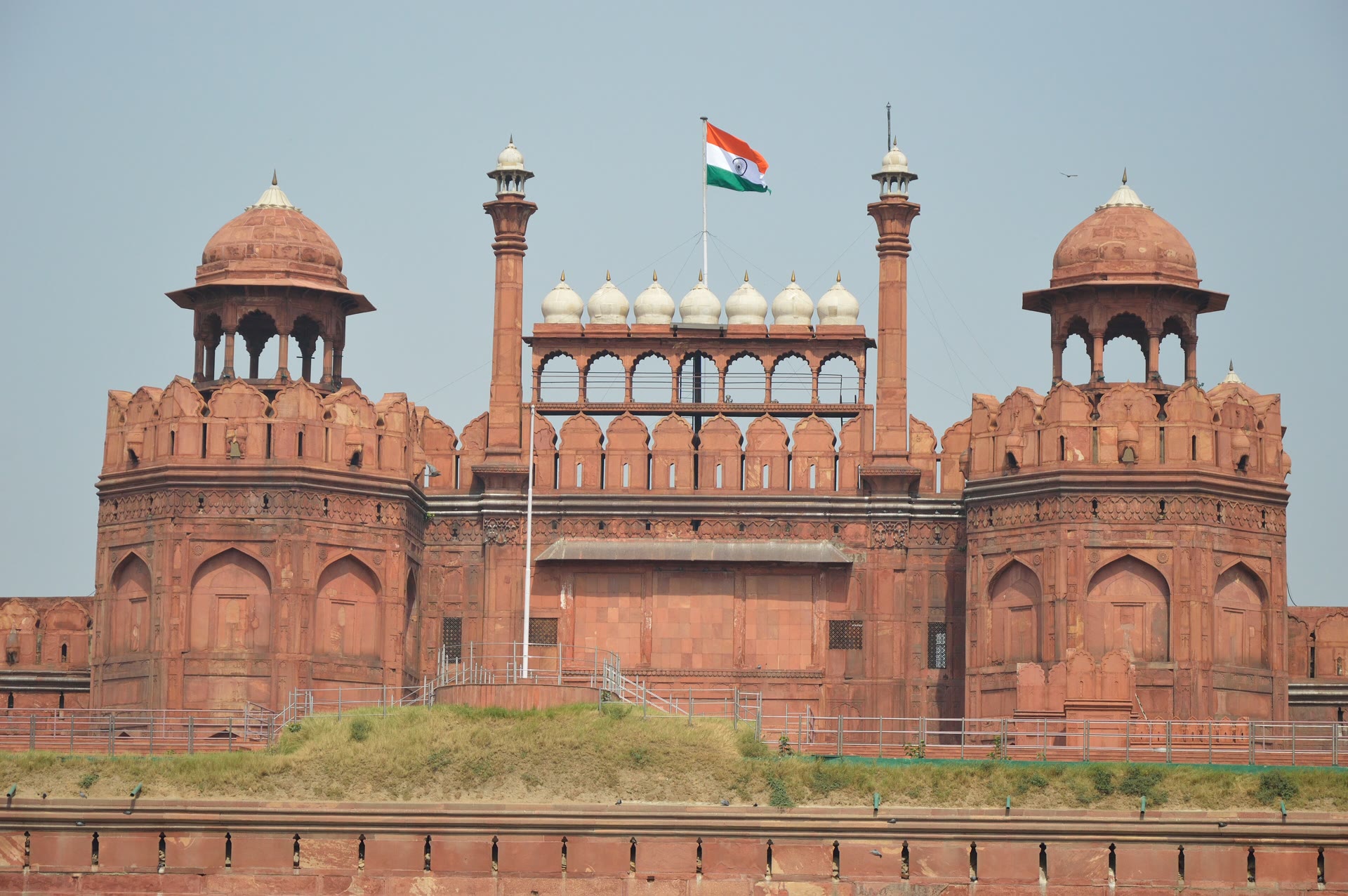
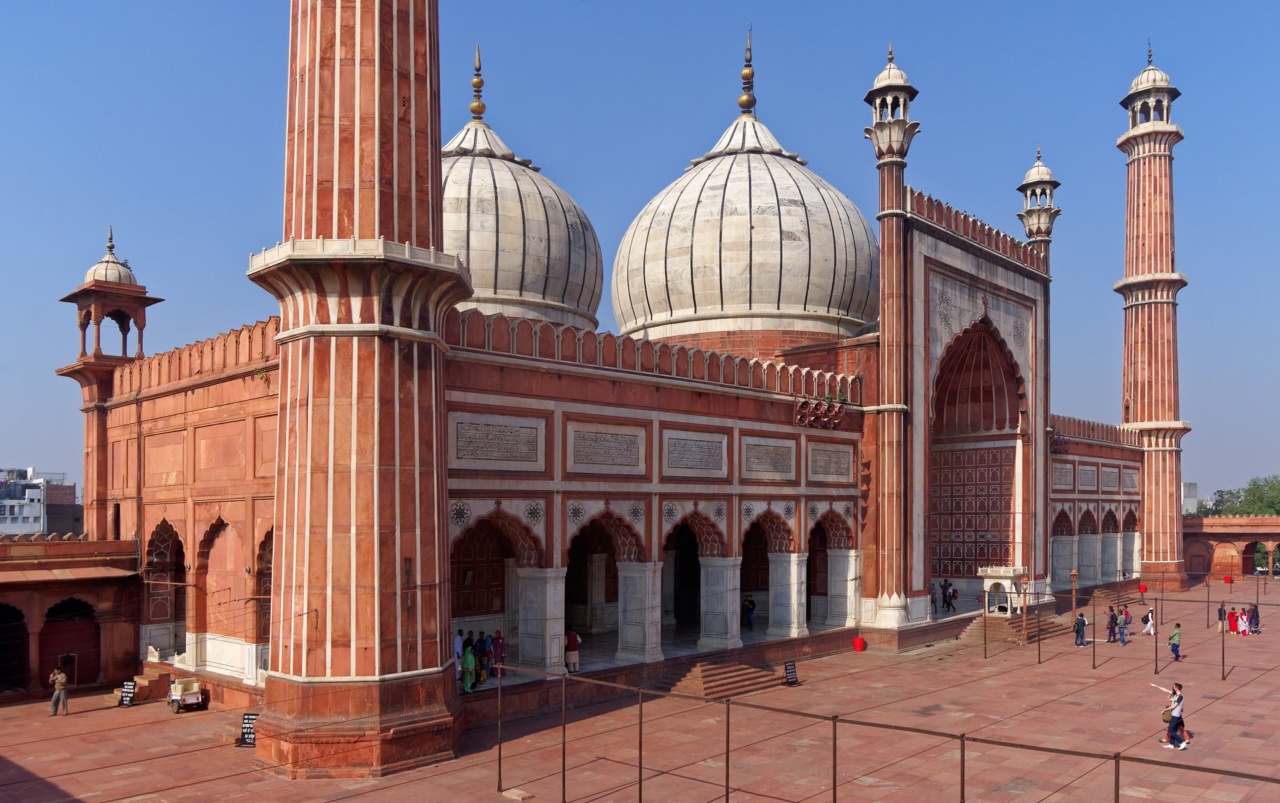
The walled city built by Mughal emperor Shah Jahan in the 17th century. This is Delhi at its most intense: narrow lanes packed with cycle-rickshaws, wholesale markets, centuries-old food stalls, the Red Fort, and Jama Masjid. Stay here if you want total immersion, but know that accommodation options are limited and the sensory overload is relentless.
The British-designed capital radiating outward from Connaught Place (CP), a circular colonnaded shopping district. Wide boulevards, government buildings, India Gate, and Humayun's Tomb are all here. This is the most convenient base for first-time visitors, with good Metro connections and a wide range of hotels.
Paharganj
The backpacker ghetto directly west of New Delhi Railway Station. Budget guesthouses, travel agents, and cheap eateries line the main bazaar. It is gritty, noisy, and not for everyone, but it remains the cheapest place to sleep in central Delhi. Be vigilant about scams in this area.
South Delhi
A sprawling, relatively affluent zone encompassing neighborhoods like Hauz Khas, Defence Colony, Greater Kailash, and Saket. This is where you find trendy cafes, upscale restaurants, boutique shopping, and leafy residential streets. Hauz Khas Village, built around a medieval reservoir and madrasa ruins, is the epicenter of Delhi's hip scene. South Delhi is a good base for mid-range and upscale travelers who want a calmer environment.
Karol Bagh
A busy commercial district west of CP with a strong concentration of mid-range hotels, street food, and shopping. It is well connected by Metro and offers more space and value than CP without Paharganj's roughness.
Aerocity
A purpose-built hotel district next to the airport, useful only for transit stays. It has international chain hotels and restaurants but zero character.
Things to Do
Offers are only loaded from GetYourGuide after you click. GetYourGuide can then process your IP address and set cookies. Privacy Policy
GetYourGuide partner offers. GoAsia may earn a commission if you book through these offers. Check whether tickets or transfers are included, and follow the attraction's official booking and admission rules.
Best Time to Visit
Delhi has three distinct seasons, and choosing the wrong one can genuinely ruin your trip.
Season
Months
Weather
Crowds
Prices
Winter (Best)
Oct - Mar
Cool to mild, 5-25C, dry
High (peak tourist season)
Higher
Summer
Apr - Jun
Extreme heat, 38-47C
Very low
Lowest
Monsoon
Jul - Sep
Hot, humid, heavy rain
Low
Low
The sweet spot is mid-October through mid-March. Days are sunny and pleasant, evenings are cool enough for a light jacket, and all outdoor sightseeing is comfortable. December and January mornings can be surprisingly cold and foggy, sometimes disrupting flights and trains. February and early March are arguably the best weeks: warm days, clear skies, and spring flowers blooming across the city's parks.
A serious caveat: late October through mid-November often brings severe air pollution from crop burning in neighboring states. Air quality can reach hazardous levels, turning the sky grey and making outdoor activity genuinely unhealthy. Check air quality forecasts before booking during this window. If you have respiratory issues, avoid this period entirely.
Diwali (October or November) transforms the city with lights and firecrackers, though the post-Diwali smog is brutal. Republic Day on January 26 features a spectacular military parade along Kartavya Path.[1] Holi in March is a riotous festival of color that is unforgettable to experience.
Getting There and Getting Around
Arriving by Air
Indira Gandhi International Airport (DEL) is India's busiest airport and a major international hub. Terminal 3 handles most international flights and is modern and efficient. The Airport Express Metro line runs every 10-15 minutes and reaches New Delhi station in about 20 minutes for roughly $3. Pre-paid taxi counters outside arrivals charge fixed rates (around $8-12 to central Delhi) and eliminate haggling. Uber and Ola both operate from the airport pickup zone and typically cost $5-10 to central areas, though surge pricing during late hours can double that.
Metro
The Delhi Metro is the single best thing to happen to this city. It is clean, air-conditioned, punctual, and covers most areas a tourist would visit. Fares range from roughly $0.15 to $0.50 per trip. Buy a rechargeable smart card at any station to avoid ticket queues. The Yellow Line connects many major sights. Women-only carriages are available at the front of each train. The Metro runs from about 6 AM to 11 PM.
Auto-Rickshaws
The iconic green-and-yellow three-wheelers are everywhere. Always insist on the meter or agree on a fare before getting in. A typical 3-4 kilometer ride should cost around $1-2. Many drivers will refuse the meter and quote inflated prices near tourist spots. Having Google Maps open on your phone helps prevent deliberate detours.
Ride-Hailing Apps
Uber and Ola are widely available and generally cheaper and more transparent than auto-rickshaws for longer distances. A cross-city ride of 15 kilometers might cost $3-5. These are the safest option for getting around at night.
Cycle-Rickshaws
Essential for navigating the narrow lanes of Old Delhi where cars cannot enter. Agree on a price beforehand; a short ride through Chandni Chowk should cost around $0.50-1.
Delhi is not a walkable city in the conventional sense. Distances between sights are large, sidewalks are often broken or nonexistent, and crossing major roads requires confidence. However, individual neighborhoods like Old Delhi, Connaught Place, and Hauz Khas are very walkable once you arrive. For detailed transport options and route planning across the region, GoAsia.cc has comprehensive guides to help you navigate.
Top Sights and Experiences
Must-See Attractions
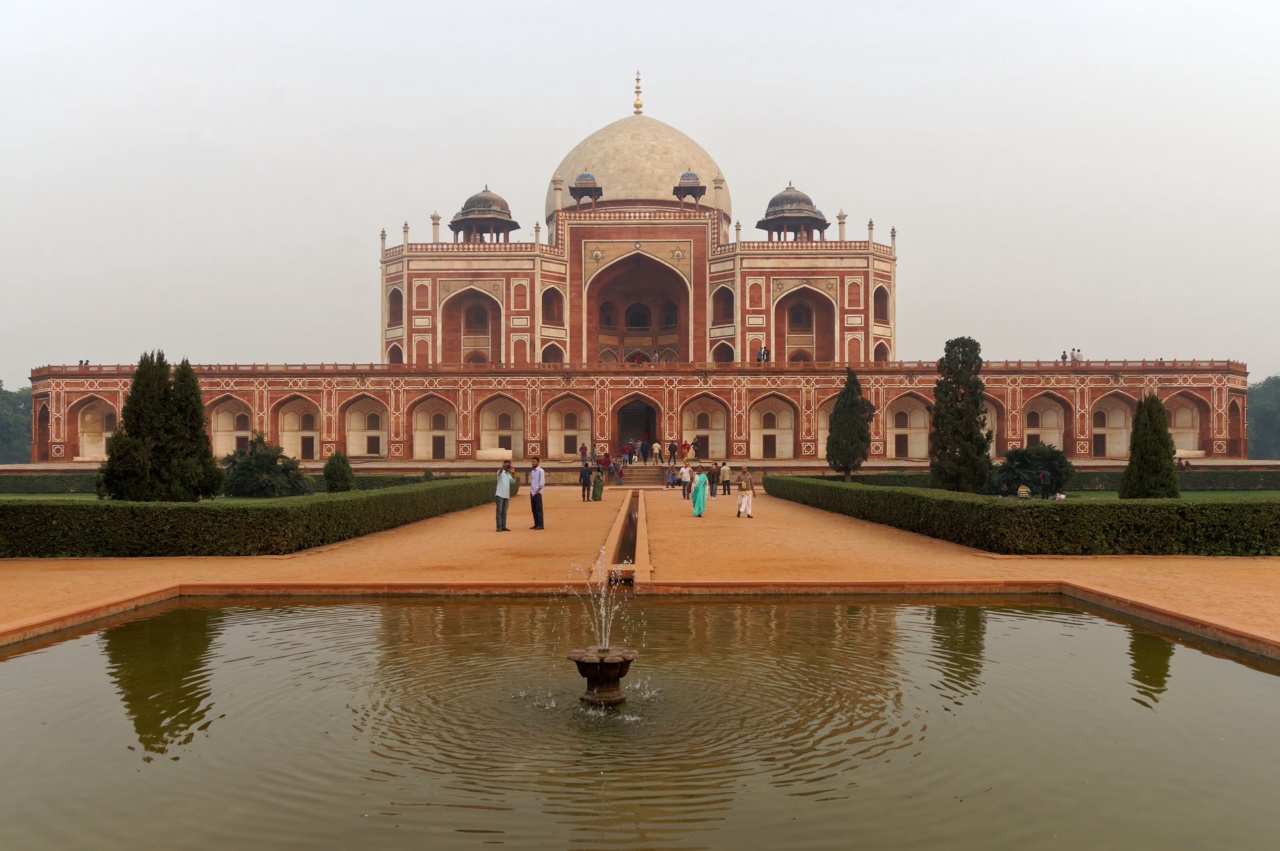
Humayun's Tomb: The prototype for the Taj Mahal, this 16th-century Mughal mausoleum set in formal Persian gardens is Delhi's most beautiful monument. The symmetry is breathtaking, the red sandstone and white marble glow differently at every hour, and the surrounding gardens are peaceful. Visit early morning for the best light and smallest crowds. Entry costs around $8 for foreigners. Allow 1.5-2 hours.
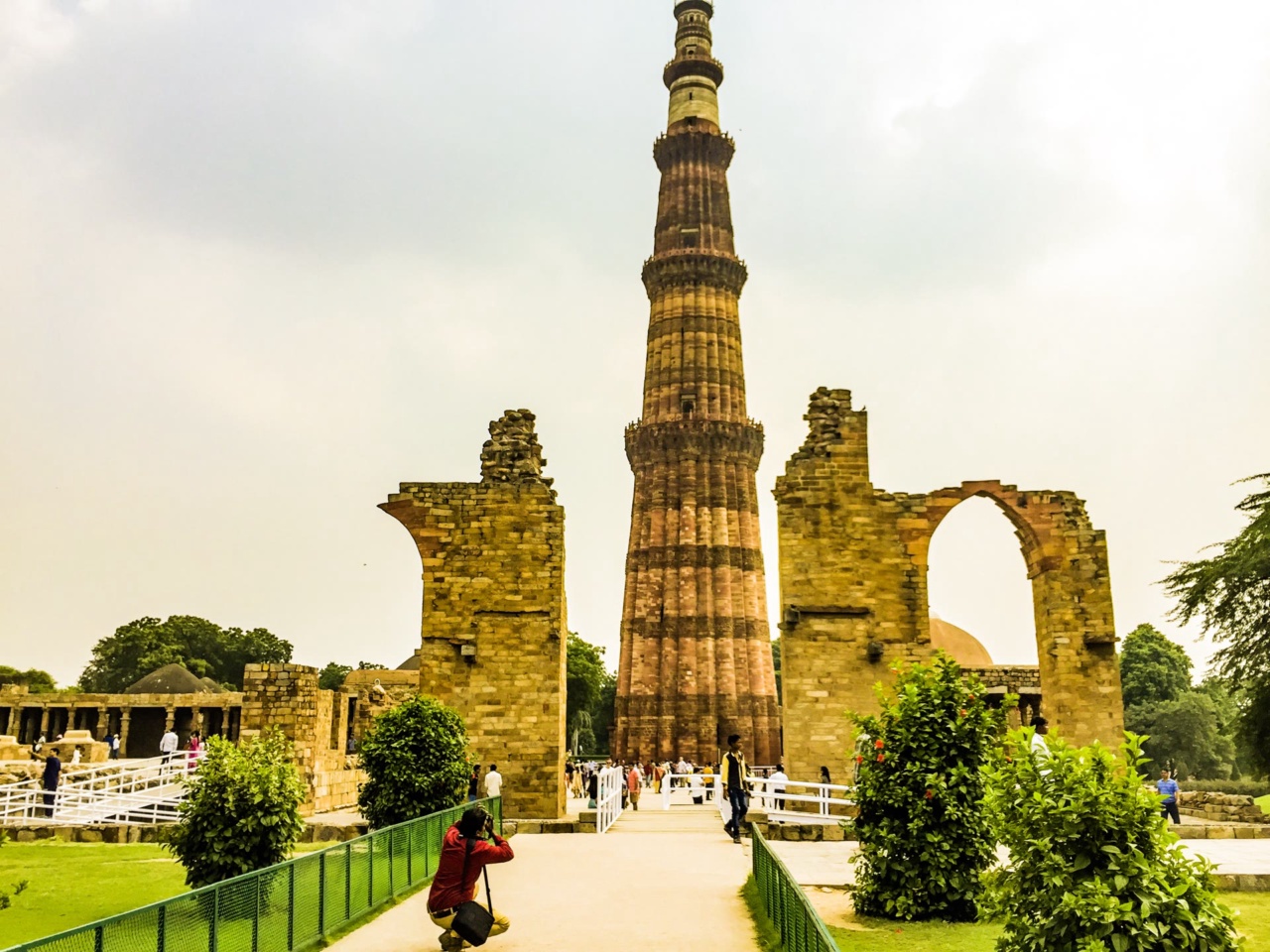
Qutub Minar Complex: A 73-meter-tall victory tower from the 12th century surrounded by ruins of India's first mosque. The intricate carvings on the tower are extraordinary, and the mysterious rust-free Iron Pillar nearby has baffled metallurgists for centuries. Located in South Delhi, it is best visited in the morning. Entry around $8 for foreigners. Allow 1-1.5 hours.
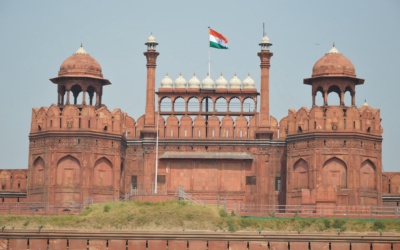
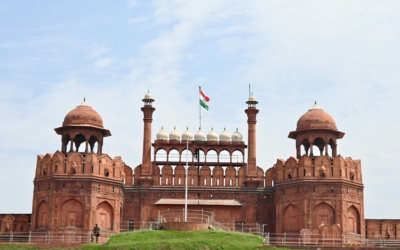
Red Fort (Lal Qila): Shah Jahan's massive sandstone fortress dominates the Old Delhi skyline. The exterior walls are magnificent, but honestly, the interior is somewhat bare compared to forts in Rajasthan. Still worth visiting for the scale, the Mughal history, and the experience of walking through the Lahori Gate. Entry around $8 for foreigners. The sound and light show in the evening is skippable. Allow 1.5 hours.
Jama Masjid: India's largest mosque, also built by Shah Jahan, with a courtyard that holds 25,000 worshippers. Climb the southern minaret for a panoramic view over Old Delhi's rooftops. Free entry to the mosque; the minaret climb costs a small fee. Remove shoes, dress modestly (robes are available for rent at the entrance), and avoid prayer times. Allow 45 minutes to 1 hour.
Chandni Chowk: Not a single sight but an entire sensory universe. This 17th-century market street and its labyrinthine side lanes sell everything from wedding decorations to automotive parts. The real draw is the food: generations-old shops serving paranthas, jalebis, chaat, and kebabs in narrow alleys. Visit in the late afternoon when the energy peaks. Allow at least 2-3 hours, more if you are eating your way through.
Gurudwara Bangla Sahib: A Sikh temple near Connaught Place that is one of Delhi's most serene and welcoming spaces. The golden dome reflects in a sacred pool, and the community kitchen (langar) serves free meals to thousands daily regardless of religion. Visitors are welcome to eat. Cover your head, remove shoes, and wash your feet before entering. Free. Allow 45 minutes.
Lesser-Known Gems
Nizamuddin Dargah: The Sufi shrine of the saint Nizamuddin Auliya, tucked into a medieval neighborhood that feels like a village within the city. On Thursday evenings, qawwali singers perform devotional music in the courtyard, and the atmosphere is electric and deeply spiritual. Free. Dress modestly and remove shoes. This is a living religious site, so be respectful with cameras.
Lodhi Garden: A lush park dotted with 15th-century tombs of the Sayyid and Lodhi dynasties. Joggers circle the paths at dawn, families picnic on weekends, and the tombs sit quietly among the trees like something from a dream. Free, open sunrise to sunset. Perfect for a morning walk before the heat builds.
Agrasen ki Baoli: A dramatic 14th-century stepwell hidden in the heart of commercial Delhi. The 108 steps descending into the earth create a striking geometric perspective. Free entry, minimal crowds. Takes just 20-30 minutes but is very photogenic.
Mehrauli Archaeological Park: Adjacent to the Qutub Minar, this park contains over 100 historically significant structures spanning 1,000 years, scattered through scrubby forest. Almost no tourists visit. The Jamali Kamali mosque and tomb are particularly beautiful. Free. Allow 1-2 hours with a guidebook or phone research.
Overrated Attractions
Lotus Temple: The Bahai House of Worship is architecturally striking from the outside, but the interior is a plain, empty hall. Long queues in tourist season, strict no-photography rules inside, and the surrounding area offers nothing else. Worth a quick look if you are nearby, but not worth a special trip across the city.
Akshardham Temple: A massive modern Hindu temple complex that is visually impressive but feels more like a religious theme park than a spiritual site. No phones, cameras, or bags are allowed inside, and the security screening is airport-level. The boat ride through animatronic displays of Indian history is kitschy. Skip it unless you have extra days.
Jantar Mantar: The astronomical instruments are historically interesting but poorly explained on-site. Most visitors wander around confused concrete structures for 15 minutes and leave. Only worthwhile if you are genuinely interested in pre-telescope astronomy and read up beforehand.
Food and Drink
Delhi is arguably the greatest food city in India, and that is saying something in a country obsessed with eating. The Mughal legacy, Partition-era Punjabi migration, and waves of immigration from across India have created a culinary landscape of staggering depth.
Signature Dishes
Dish
Description
Where to Try
Typical Price
Chole Bhature
Spicy chickpea curry with deep-fried puffed bread
Old Delhi or any local dhaba
$1-2
Butter Chicken
Creamy tomato-based chicken curry, invented in Delhi
Restaurants in Daryaganj or Pandara Road
$3-6
Paranthas
Stuffed flatbreads fried in ghee, dozens of varieties
Paranthe Wali Gali, Chandni Chowk
$0.50-1.50
Chaat
Tangy, spicy snacks like gol gappe, aloo tikki, dahi bhalla
Slow-cooked spiced meat stew, traditionally a breakfast dish
Old Delhi
$2-4
Jalebi
Crispy fried batter spirals soaked in sugar syrup
Old Delhi sweet shops
$0.50-1
Rajma Chawal
Kidney bean curry with rice, Delhi's comfort food
Any local eatery or canteen
$1-2
Where to Eat
Old Delhi is the undisputed street food capital. The lanes around Jama Masjid, Chandni Chowk, and the Matia Mahal area are dense with legendary food stalls, some operating for over a century. Paranthe Wali Gali (Parantha Lane) is touristy but still delivers excellent stuffed paranthas. For kebabs and nihari, the Muslim quarter around Matia Mahal is unbeatable.
Pandara Road Market near India Gate has a cluster of North Indian restaurants that are popular with locals for butter chicken and dal makhani in a sit-down setting. Not cheap by Delhi standards but excellent quality.
Sarojini Nagar Market and Bengali Market are great for chaat and quick snacks. Bengali Market's chaat vendors draw long lines of office workers every evening.
Hauz Khas and Khan Market cater to a more upscale crowd with global cuisines, craft cocktails, and trendy cafes. Khan Market is one of the most expensive retail areas in India, and restaurant prices reflect that.
South Delhi neighborhoods like Defence Colony, CR Park (for Bengali food), and Lajpat Nagar offer diverse regional cuisines in both street and restaurant settings.
Price Ranges
A street food meal in Old Delhi costs $1-3 and will likely be one of the best things you eat in India. A sit-down meal at a mid-range restaurant runs $5-12 per person. Upscale dining at a top hotel restaurant costs $25-50 per person. Delhi offers extraordinary value at every level, but the gap between street food and fine dining quality is smaller here than almost anywhere else in the world.
Alcohol is available widely in restaurants and bars but is relatively expensive due to state taxes. A domestic beer costs around $3-5 in a restaurant; cocktails at a trendy bar run $6-12. Delhi's craft beer scene has grown significantly, with several local breweries producing excellent IPAs and wheat beers.
Where to Stay
Budget (Under $20 per night)
Paharganj has the highest density of budget guesthouses, with basic but clean rooms starting around $8-15. The area is noisy and chaotic but unbeatable for price and proximity to New Delhi station. Some hostels in South Delhi and Karol Bagh offer dorm beds for $5-8. Expect basic amenities: fans or window AC, shared bathrooms at the lowest price points, and Wi-Fi that may be unreliable.
Mid-Range ($30-80 per night)
Karol Bagh and the Connaught Place area have numerous hotels in this range with air conditioning, private bathrooms, and decent restaurants. South Delhi neighborhoods like Hauz Khas and Safdarjung Enclave have boutique guesthouses and serviced apartments that offer more character and quieter surroundings. This is the sweet spot for comfort-to-value ratio.
Upscale ($100-300+ per night)
Delhi has some of India's finest luxury hotels. The Imperial near Janpath is a heritage property dripping with colonial grandeur and original art. The Oberoi and ITC Maurya in the diplomatic enclave are world-class. The Leela Palace and Taj Palace offer opulent rooms and exceptional restaurants. These properties often run at a fraction of what comparable luxury costs in Western capitals, making Delhi an excellent place to splurge.
A unique option: several heritage havelis (traditional mansions) in Old Delhi and the Nizamuddin area have been converted into boutique stays, offering an atmospheric alternative to standard hotels.
Practical Tips
Safety: Delhi has a reputation for being unsafe, and while caution is warranted, millions of tourists visit without incident. The biggest risks are scams, not violent crime. Common scams include touts at New Delhi Railway Station directing you to fake tourism offices, taxi drivers claiming your hotel has closed, and gem or carpet shop schemes. Trust your instincts and politely decline unsolicited help from strangers near tourist areas.
Solo female travelers should take extra precautions after dark: use Uber or Ola rather than auto-rickshaws, avoid poorly lit areas, and consider sharing your live location with someone you trust.
Keep a photocopy of your passport separate from the original.
Petty theft is common on crowded buses and in markets. Use a money belt or front pocket.
Payment: India has embraced digital payments aggressively. UPI-based apps are everywhere, but as a foreign tourist, you will mostly rely on cash and cards. International credit and debit cards work at hotels, upscale restaurants, and larger shops. Street vendors, auto-rickshaws, and smaller eateries are cash-only. ATMs are plentiful; withdraw rupees upon arrival. Tipping is not mandatory but appreciated: 10% at restaurants if service charge is not included, and small tips ($0.50-1) for hotel porters and drivers.
SIM Cards and Internet: Buy a local SIM card at the airport from Airtel or Jio. It costs around $5-10 for a plan with generous data (often 1-2 GB per day for a month). You will need your passport and a passport photo. Activation can take a few hours to a day. Free Wi-Fi is available in Metro stations and most hotels, but a local SIM is essential for ride-hailing apps and navigation.
Language: Hindi is the primary language, but English is widely spoken in the tourism and service industry. You can navigate hotels, restaurants, the Metro, and major attractions entirely in English. Learning a few Hindi words (dhanyavaad for thank you, kitna for how much) earns goodwill. Signage at tourist sites and the Metro is bilingual.
Remove shoes before entering any religious site: temples, mosques, gurudwaras.
Dress modestly at religious sites. Shoulders and knees should be covered.
Use your right hand for eating and exchanging money. The left hand is considered unclean.
Do not point your feet at people or religious images.
Haggling is expected in markets but not in fixed-price shops or restaurants.
Carry toilet paper or tissues. Many public restrooms do not provide it.
Air pollution is a serious health concern, particularly from November to January. Carry an N95 mask and check the Air Quality Index daily.
Day Trips
Agra and the Taj Mahal
The most popular day trip from Delhi, roughly 230 kilometers south. The fastest option is the Gatimaan Express train (about 1.5 hours) departing from Hazrat Nizamuddin station. Alternatively, hire a private car for around $60-80 round trip, which takes 3-4 hours each way depending on traffic. The Taj Mahal is everything the photos promise and more, but get there at sunrise to beat the crowds and the heat. Combine it with Agra Fort, a 10-minute drive away. Entry to the Taj Mahal is ₹1,100 for foreign visitors on weekdays, it opens 30 minutes before sunrise, and it is closed to general visitors on Fridays.[2] A long but absolutely worthwhile day.
Jaipur
The Pink City is roughly 270 kilometers southwest, reachable in about 4.5 hours by train or car. This is better as an overnight trip, but a very long day trip is possible if you leave at dawn. Amber Fort, Hawa Mahal, and the City Palace are the highlights. If you are heading to Rajasthan anyway, save Jaipur for a multi-day trip.
Neemrana Fort-Palace
A stunning 15th-century fort converted into a heritage hotel, about 120 kilometers southwest on the Jaipur highway. You can visit for lunch and a tour of the ramparts without staying overnight. The zip-lining across the fort walls is surprisingly fun. A good half-day trip combined with a leisurely drive.
Sultanpur Bird Sanctuary
About 50 kilometers southwest of Delhi, this wetland reserve is excellent for birdwatching, especially from November to February when migratory species arrive. A peaceful half-day escape from the city's chaos. Entry is minimal. Bring binoculars.
Surajkund
A 10th-century reservoir about 30 kilometers south in Haryana, best visited during the annual Surajkund Crafts Mela (typically in February), one of India's largest handicraft fairs with artisans from every state. Outside the fair period, the site itself is modest and not worth a special trip.
Sample 3-Day Itinerary
Day 1: Old Delhi and Mughal Heritage
Morning: Start early at Jama Masjid (opens around 7 AM). Climb the minaret for rooftop views over Old Delhi. Walk through the lanes of Chandni Chowk, stopping for a breakfast of chole bhature or paranthas at Paranthe Wali Gali.
Afternoon: Visit the Red Fort (allow 1.5 hours). Then take a cycle-rickshaw through the spice market (Khari Baoli, Asia's largest spice market) and explore the lanes around Matia Mahal for kebabs and jalebi. If energy allows, visit the peaceful Sis Ganj Sahib Gurudwara on Chandni Chowk.
Evening: Head to Nizamuddin Dargah for Thursday evening qawwali (if your visit aligns) or explore the Nizamuddin neighborhood for nihari and kulfi. Otherwise, have dinner at a restaurant near Pandara Road for butter chicken and dal makhani.
Day 2: New Delhi and South Delhi
Morning: Visit Humayun's Tomb at opening time (sunrise). Spend 1.5-2 hours here. Walk or take a short ride to Nizamuddin Basti if you missed it on Day 1, or head to Lodhi Garden for a stroll among the tombs.
Afternoon: Take the Metro to Rajiv Chowk and explore Connaught Place. Visit Gurudwara Bangla Sahib and eat in the free langar. Walk down Janpath for a look at India Gate. If interested, visit the National Museum nearby (entry around $5 for foreigners, allow 1.5 hours for highlights).
Evening: Head to Hauz Khas Village for the medieval ruins overlooking the lake, then dinner and drinks at one of the area's many restaurants. Alternatively, explore Khan Market for upscale dining.
Day 3: South Delhi and Deeper Exploration
Morning: Visit Qutub Minar Complex early. Spend an hour at the Minar, then walk to the adjacent Mehrauli Archaeological Park for a quieter, ruin-filled wander.
Afternoon: Visit Agrasen ki Baoli (20-30 minutes), then explore the Crafts Museum near Pragati Maidan, an underrated gem with traditional Indian architecture, crafts demonstrations, and a village-like setting. Have lunch at the museum's excellent cafeteria serving regional Indian food.
Evening: Spend your final evening at Dilli Haat, an open-air market near INA Metro station where artisans from across India sell handicrafts, textiles, and regional food at fixed (reasonable) prices. Entry is roughly $1. This is the best place in Delhi for souvenir shopping without the haggling stress of a bazaar. End with chaat at Bengali Market or a farewell dinner at a restaurant of your choice.
Budget Overview
Category
Budget
Mid-Range
Comfort
Accommodation
$8-15
$35-70
$120-250
Food
$5-10
$15-25
$35-60
Transport
$2-4
$5-10
$15-25
Activities
$5-8
$10-15
$15-25
Daily Total
$20-37
$65-120
$185-360
Delhi is remarkably affordable at every level. Budget travelers eating street food, using the Metro, and staying in Paharganj can manage comfortably on $25-35 per day. Mid-range travelers with air-conditioned hotels, sit-down restaurants, and occasional taxis will spend $65-120. Comfort seekers staying at luxury hotels and dining at top restaurants can live extremely well for $200-350 per day, a fraction of what similar quality costs in most world capitals. The biggest variable is accommodation; food, transport, and entry fees are cheap across the board.
Frequently Asked Questions
Is Delhi worth visiting?
Absolutely. Delhi offers one of the densest concentrations of historical monuments in Asia, from Mughal-era masterpieces to colonial-era architecture. Its food scene alone justifies a visit, with street food traditions that have been perfected over centuries. It can be intense and overwhelming, but that intensity is part of what makes it unforgettable.
How many days do you need in Delhi?
Three full days let you cover the major sights, explore Old Delhi, and eat your way through several neighborhoods. Four to five days allow a more relaxed pace with time for day trips to Agra or lesser-known sites within the city. Even a week is not too long if you dig into the food scene and cultural offerings.
Is Delhi safe for tourists?
Delhi is generally safe for tourists who exercise normal caution. Petty theft and scams targeting foreigners are the main concerns, particularly around tourist hubs like New Delhi Railway Station and Connaught Place. Solo female travelers should be more vigilant after dark and stick to pre-booked transport at night. Avoid isolated areas late at night and always use metered or app-based rides.
What is the best time to visit Delhi?
October through March offers the most comfortable weather, with cool, dry days ideal for sightseeing. November and February are particularly pleasant. Avoid May through July when temperatures regularly exceed 45 degrees Celsius, and note that July through September brings the monsoon with heavy rain and humidity.
What food is Delhi famous for?
Delhi is legendary for its Mughlai cuisine including butter chicken, kebabs, and biryanis. Street food staples like chole bhature, paranthas, chaat, and jalebis are iconic. The city is also the undisputed king of North Indian food, with everything from rich Punjabi curries to Rajasthani thalis widely available.
Is Delhi expensive?
Delhi offers excellent value for money by global standards. Budget travelers can manage on around $25-35 per day, while mid-range travelers will find comfortable hotels and good restaurants surprisingly affordable. Luxury options exist at a fraction of what they would cost in Western cities. Transport and street food are particularly cheap.
Can you drink tap water in Delhi?
No, do not drink tap water in Delhi. Stick to sealed bottled water or use a reliable water purifier. Be cautious with ice in drinks at street stalls, though most reputable restaurants use filtered water for ice. Carry a reusable bottle with a built-in filter to reduce plastic waste.
How do I get from Delhi airport to the city center?
The Airport Express Metro line connects the airport to New Delhi station in about 20 minutes for roughly $3. Pre-paid taxis are available outside arrivals and cost around $8-12 to central Delhi. App-based rides through Uber or Ola are usually cheaper and more convenient, typically running $5-10 depending on your destination and traffic.
Is English widely spoken in Delhi?
English is widely understood in tourist areas, hotels, restaurants, and by educated locals. Auto-rickshaw drivers and market vendors may have limited English, so having a translation app or learning a few Hindi phrases helps. Signage in the Metro and at major attractions is in both Hindi and English.
What should I avoid in Delhi?
Avoid touts near New Delhi Railway Station who claim your hotel is closed or your train is cancelled. Do not accept unsolicited offers to guide you to a travel agency. Skip the heavily polluted months of November and January when crop burning causes severe smog. Avoid eating raw salads or unpeeled fruit from street stalls until your stomach adjusts.
Sources and background
Numbers in the text such as [1] refer to these sources.