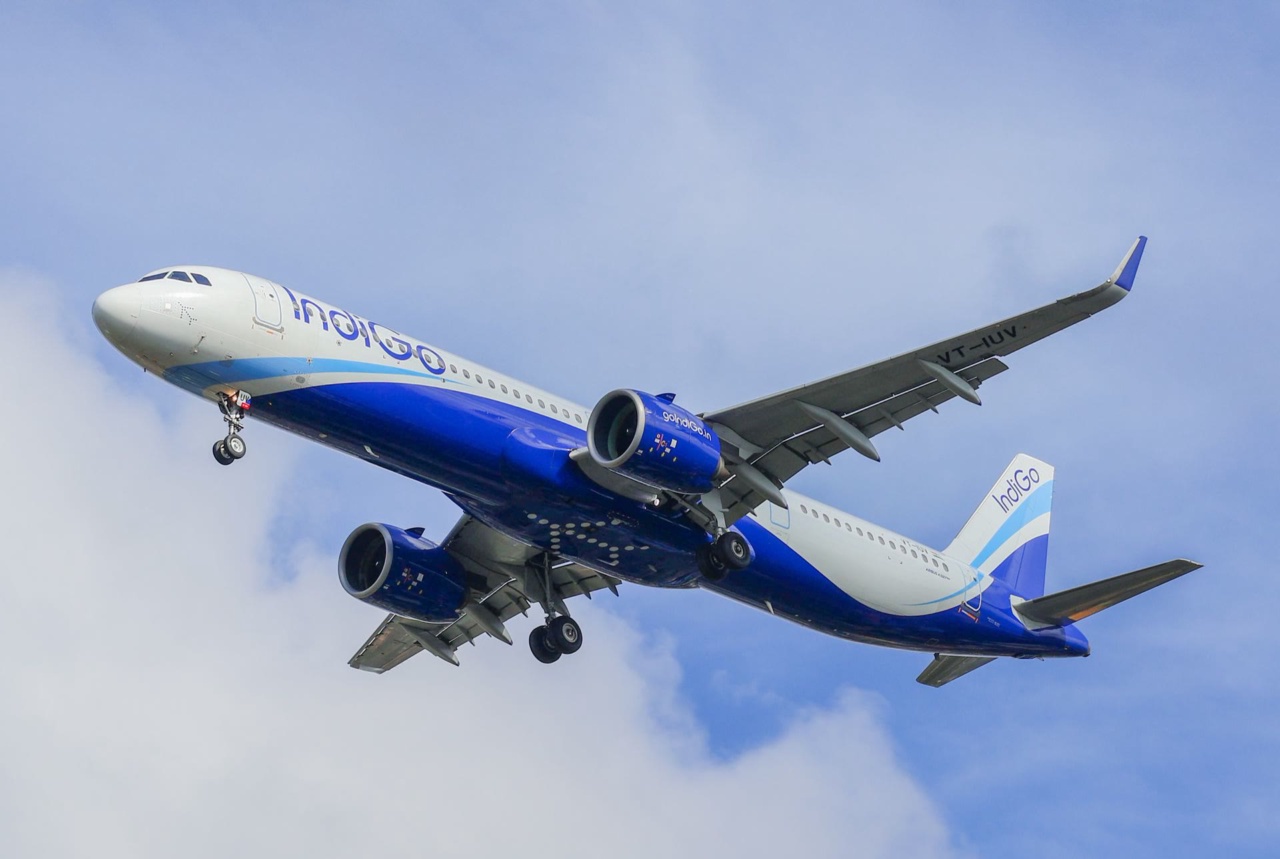
Plan your India trip by flight with this guide to domestic airlines, booking tips, classes, and what to expect on board across India's vast aviation network.
India is a subcontinent in every sense of the word, and the sheer scale of it hits you the moment you try to plan an itinerary. From the snow-dusted peaks of Ladakh to the tropical backwaters of Kerala, from the Thar Desert's golden dunes to the tea gardens of Assam, the distances between India's iconic destinations can be staggering. Domestic flights have transformed the way both locals and visitors navigate this vast country, turning what were once grueling multi-day train journeys into quick hops of a few hours. Low-cost carriers have made flying within India widely accessible.
The Flight Network in India
India's domestic aviation network is extensive and still expanding. The country had 165 operational airports as of 15 July 2026,[1] with major hubs at Delhi (Indira Gandhi International), Mumbai (Chhatrapati Shivaji Maharaj International), Bengaluru (Kempegowda International), Hyderabad (Rajiv Gandhi International), Chennai, and Kolkata. These six cities serve as the primary spokes from which routes fan out across the nation. Most state capitals and major tourist destinations can be reached by air, and IndiGo flies from Delhi to Goa,[2]Jaipur[3] and Varanasi,[4] among many others.
Key carriers include IndiGo and the Tata-owned Air India Group, which runs the full-service Air India and the low-cost Air India Express.[5] Vistara no longer exists as a separate airline: it merged into Air India on 12 November 2024, and former Vistara aircraft now fly as Air India with four-digit flight numbers starting with 2.[5] The government's UDAN regional connectivity scheme connects 95 airports, heliports and water aerodromes through 679 routes (as of 15 July 2026), including remote, hilly and island areas such as Tezpur, Pasighat, Diu, Pithoragarh and Rourkela.[1] In the northeast, Guwahati has IndiGo flights to Delhi,[6] though frequency on smaller routes can be limited.
Most domestic flights in India offer an economy cabin, and low-cost carriers sell economy only. For short flights of one to two hours, economy class is perfectly adequate.
Air India offers business class and premium economy on selected routes, so check the cabins offered for your flight when booking.[7] Air India lists an exclusive check-in and lounge access for business class,[7] and the free checked baggage allowance on domestic flights is 30 kg in Business (Value fare) against 15 kg in Economy (Value fare).[8]
For budget travelers, low-cost fares are often one of the cheapest ways to cover long distances quickly in India. Check what each fare includes, because baggage, meals and seat selection differ by carrier and fare type. IndiGo's domestic fares include 15 kg of checked baggage and 7 kg of hand baggage,[9] while on Air India's Basic Fare complimentary meals are not included.[7]
Booking and Tickets
Booking domestic flights in India is straightforward and almost entirely digital. Each airline has its own website and mobile app, and third-party platforms are widely used for comparing fares across carriers. GoAsia.cc is a handy option for comparing flights alongside other transport modes, helping you decide whether flying or taking a train makes more sense for a particular route. Most bookings generate an e-ticket sent via email and SMS, and you rarely need a printed copy - your booking reference or a digital boarding pass on your phone will suffice at most airports.
Advance booking is recommended for popular routes and peak travel periods such as Diwali, Holi, Christmas and the summer holidays. IndiGo advises booking at least two months ahead on busy routes such as Delhi-Goa.[2] Fares on trunk routes can change a lot, so compare a few dates and carriers.
Payment is usually easy for international travelers. International credit cards are generally accepted on airline websites, and some platforms also accept debit cards, UPI (India's digital payment system) and net banking. If you are booking through an Indian platform and encounter payment issues with a foreign card, try the airline's own website or an international aggregator instead.
What to Expect on Board
Domestic flights in India are generally efficient, though delays are not uncommon - particularly during the monsoon season (June to September)[10] and the winter fog season in northern India, when Delhi, Lucknow and other cities in the Indo-Gangetic plain can experience significant disruptions. Flight durations are manageable: IndiGo lists about 2 hours 10 minutes for Delhi to Mumbai[11] and around 2.5 hours for Delhi to Goa.[2] Delhi to Kochi, about 2,050 km by air, is at the longer end of the scale.[12]
Low-cost carriers generally sell food and drinks on board. Air India serves complimentary refreshments and meals on its own flights, except on Basic Fare, where meals may be available for purchase.[7]
Luggage policies vary between carriers. IndiGo includes 15 kg of checked baggage and 7 kg of hand baggage.[9] On Air India, checked baggage in Economy is 15 kg (Value), 20 kg (Classic) or 25 kg (Flex) depending on the fare,[8] and the free cabin allowance in Economy is one bag of up to 7 kg.[13] Always verify the baggage allowance before booking, as excess baggage fees at the airport can be steep.
One cultural note: Indian passengers tend to stand up and crowd the aisle the moment the seatbelt sign turns off after landing. It is a well-known phenomenon and a source of gentle humor. There is no need to rush - your bags are not going anywhere.
Tips for Flight Travel in India
Build in buffer time for connections. If you are connecting between a domestic and an international flight, allow generous time, especially at large airports such as Delhi and Mumbai where terminal transfers can be time-consuming.
Download the airline's app. On IndiGo, web check-in opens 48 hours before departure and closes 60 minutes before, and airport counters also close 60 minutes before domestic flights.[14] A digital boarding pass on your phone speeds up the airport experience. Airport entry usually involves a check of your ticket against your ID, so keep your passport and booking confirmation handy, ideally as a screenshot or printout for smaller airports.
Watch out for fog season. In winter, fog can delay or cancel flights to and from northern India, so leave a buffer before onward or international connections and check your flight status.
Consider the airport you fly into. Delhi is the usual gateway for the Taj Mahal and Rajasthan. Within Rajasthan, IndiGo flies from Delhi to Jaipur,[3] from Jodhpur to Delhi[15] and non-stop from Udaipur to Mumbai.[16]
Use flights strategically with trains. India's rail network is legendary, and for some routes - particularly scenic ones like the Konkan Railway along the coast or the UNESCO-listed mountain railways such as the Kalka-Shimla line[17] - the train is the experience itself. A smart approach is to fly for long-distance legs and take trains or buses for shorter, more scenic stretches.
Stay updated on flight status. Enable notifications from your airline or use a flight-tracking app so you hear about delays, gate changes and cancellations early.
Sources and background
Numbers in the text such as [1] refer to these sources.