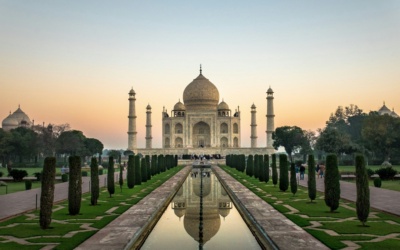
Sources and background
Numbers in the text such as [1] refer to these sources.
- [1] Government of Uttar Pradesh: Taj Mahal - Official Website of Taj Mahal, Government of Uttar Pradesh. Retrieved October 17, 2026.

Best months: February and March and September and October
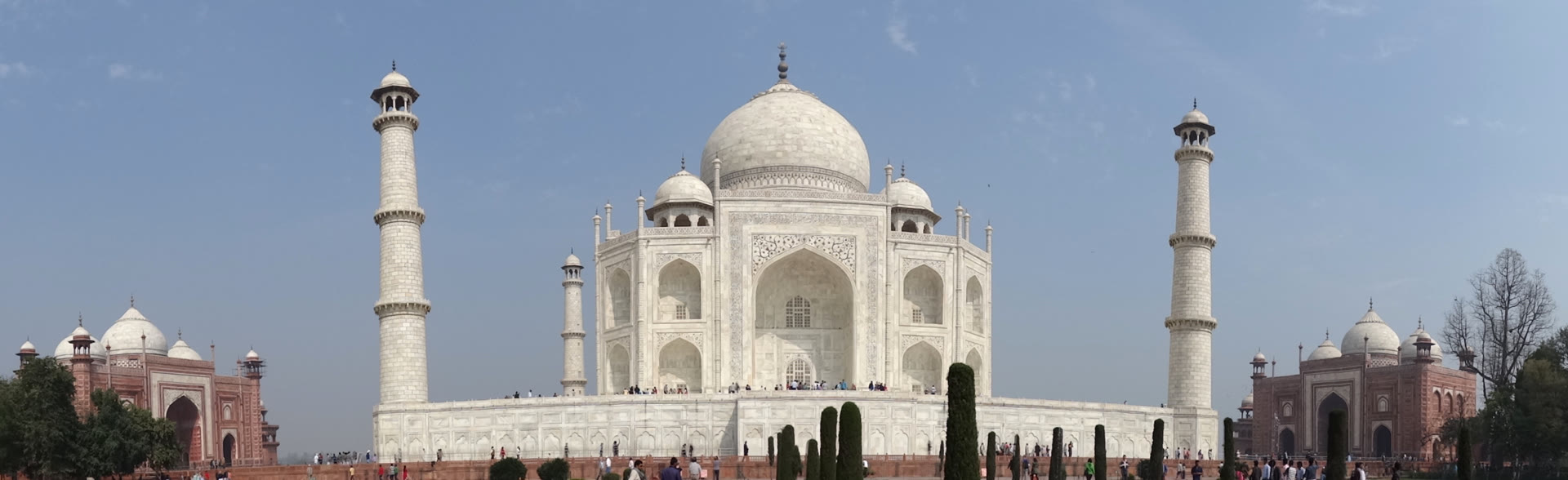
The first glimpse of the Taj Mahal through the red sandstone gateway hits harder than any photograph can prepare you for. The white marble dome seems to float above the gardens, shifting color with the light, and for a few seconds the noise and hustle of Agra simply vanishes. That moment alone justifies the trip. But Agra is not a one-monument city. It was the seat of Mughal power for over a century, and the emperors who ruled from here built obsessively and magnificently.
Agra is not a place most travelers fall in love with at street level. The traffic is relentless, touts are aggressive near tourist sites, and the pollution can sting your eyes. Accepting this upfront makes the experience far better. Come with realistic expectations, a plan to navigate the chaos, and enough time to see at least three or four Mughal sites, and you will leave genuinely moved by what humans can create when resources and artistic ambition collide.
The city sits on the banks of the Yamuna River in Uttar Pradesh, roughly 230 kilometers south of Delhi. Most visitors treat it as a day trip from the capital, but staying at least one night lets you see the Taj Mahal at sunrise, when the crowds are thinnest and the light is ethereal, and still have time for the fort, the tombs, and the food that rarely gets mentioned in guidebooks.
Agra is not large by Indian standards, but its traffic makes distances feel longer than they are. The city stretches along the western bank of the Yamuna, with the Taj Mahal at the eastern edge and Agra Fort about two kilometers upstream. Understanding the layout around these two anchors makes navigation simple.
The tight warren of lanes immediately south of the Taj Mahal is where most budget and mid-range travelers stay. Rooftop restaurants here offer Taj views (often partially obstructed but still magical at sunset). The streets are narrow, noisy, and full of souvenir shops, but the convenience of walking to the Taj's south gate in five minutes is hard to beat.
Fatehabad Road runs southwest from the Taj area and is lined with mid-range and upscale hotels. Sadar Bazaar, the main commercial district, sits along this corridor. This area is better for shopping, dining variety, and slightly less tourist-trap energy than Taj Ganj. It is about a 15-minute auto-rickshaw ride to the Taj.
The neighborhood around Agra Fort is more local and less touristy. A few heritage hotels operate in old havelis here. Staying near the fort puts you closer to the Kinari Bazaar, which is excellent for street food and marble inlay shopping at more honest prices than Taj Ganj.
The modern commercial hub of Agra, useful mainly for banks, pharmacies, and chain restaurants. Not a tourist base, but worth knowing about for practical errands.
Offers are only loaded from GetYourGuide after you click. GetYourGuide can then process your IP address and set cookies. Privacy Policy
GetYourGuide partner offers. GoAsia may earn a commission if you book through these offers. Check whether tickets or transfers are included, and follow the attraction's official booking and admission rules.
Agra has an extreme climate. Summers are brutal, monsoons are steamy, and winters are short but pleasant. Timing your visit correctly is one of the most important decisions you will make.
| Season | Months | Weather | Crowds | Prices |
|---|---|---|---|---|
| Winter (Best) | Nov - Feb | Cool, clear, 5-25C. Fog possible Dec-Jan mornings | High | Peak |
| Spring | Mar - Apr | Warm, rising to 35C+. Clear skies | Moderate | Moderate |
| Summer | May - Jun | Extreme heat, 40-47C. Harsh sun | Low | Low |
| Monsoon | Jul - Sep | Hot, humid, heavy rain. Yamuna floods occasionally | Low | Low |
| Post-Monsoon | Oct | Warm but cooling. Clear skies return | Rising | Moderate |
October through March is the ideal window. November and February offer the best balance of pleasant weather and slightly thinner crowds compared to the December-January peak. Be warned that dense fog in December and January can obscure Taj Mahal views at sunrise, sometimes until mid-morning. If sunrise views are your priority, late October, November, or February through early March are safer bets.
The Taj Mahotsav festival, typically held in February, brings ten days of crafts, music, and dance performances near the Taj Mahal. It is worth timing your visit around if dates align.
Most international travelers arrive via Delhi. Trains such as the Gatimaan Express from Delhi's Hazrat Nizamuddin station serve Agra and are popular with visitors. Book in advance through the IRCTC website or a travel agent and check the current timetable. You can check transport options and schedules on GoAsia.cc for route details.
Agra has a small airport (Kheria) with limited domestic flights, but most travelers find trains or road transport more practical. By road from Delhi, the drive takes a few hours depending on traffic. A private taxi is the most direct option, and shared shuttle services are cheaper. Agree the price before you set off.
From Jaipur, trains take 3.5-4 hours and buses around 5 hours, making Agra a natural stop on the Golden Triangle route (Delhi-Agra-Jaipur).
Auto-rickshaws are the workhorse of Agra transport. A ride between the Taj Mahal and Agra Fort costs roughly $1-2. Always negotiate the fare before getting in, or insist on the meter (though most drivers will refuse to use it). Pre-paid auto-rickshaw stands exist at the train station.
Cycle-rickshaws work well for short distances in Taj Ganj and around the bazaars. Expect to pay around $0.50-1 for short hops. Ola and Uber operate in Agra but availability is inconsistent outside the main tourist areas.
Battery-powered buses (e-rickshaws) run along fixed routes and cost just a few cents per ride. They are useful for getting between the Taj and the fort area.
Walking is feasible within Taj Ganj and around individual monuments, but the distances between major sites, combined with heat and chaotic traffic, make walking across the city impractical for most visitors.
Taj Mahal: No amount of hype diminishes the real thing. The Taj Mahal opens 30 minutes before sunrise and closes 30 minutes before sunset, so the hours change through the year.[1] Be at the gate before opening to beat the worst crowds. Sunrise light on the marble is extraordinary. Budget 2-3 hours to explore the mosque, the jawab, the gardens, and to sit and simply absorb the building from different angles. Entry costs ₹1,100 for foreign nationals on weekdays.[1] The interior tomb chamber is small and crowded; do not skip it, but manage expectations. The Taj Mahal is closed to general visitors on Fridays.[1] Shoe covers are provided, but the marble platform gets scorching hot in summer, so morning visits are essential in warm months.
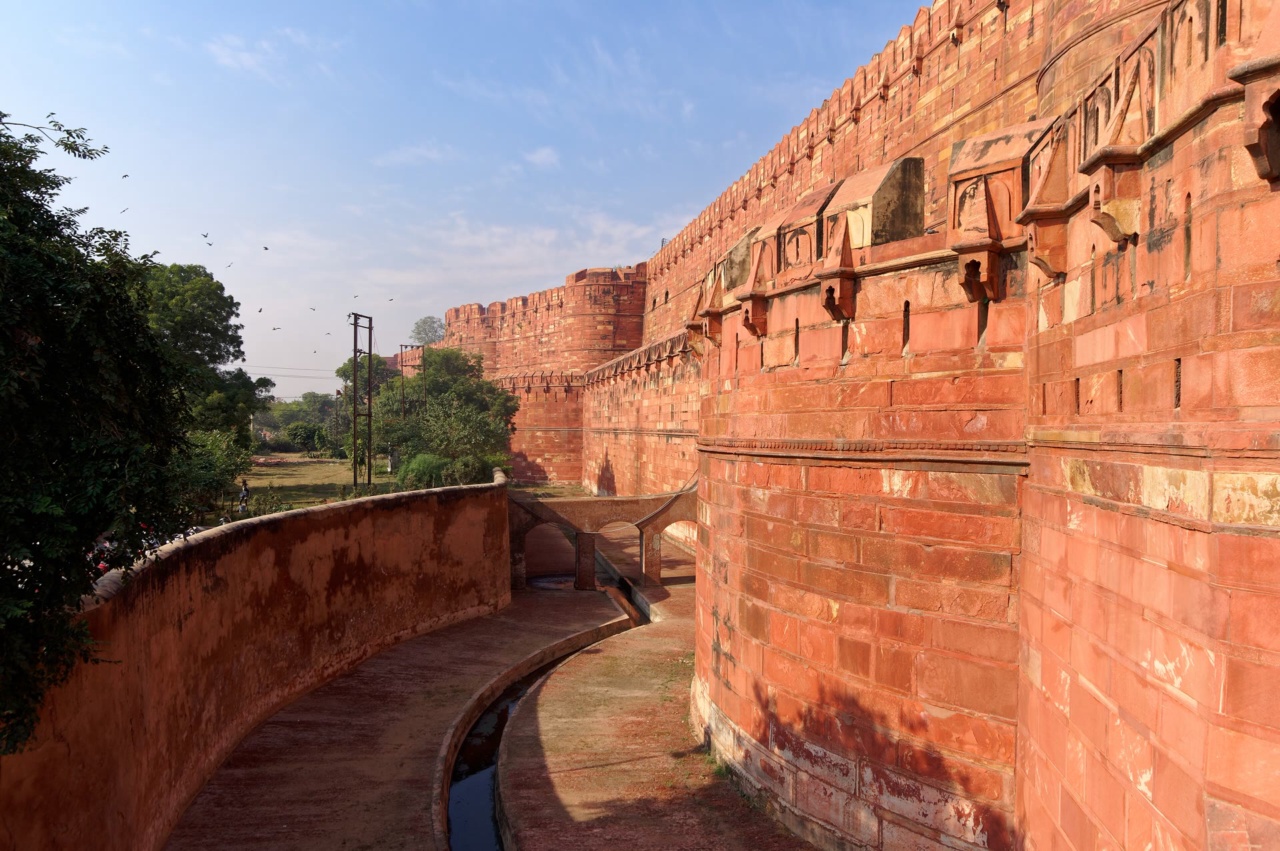
Agra Fort: This massive red sandstone fortress is arguably more interesting than the Taj for anyone who loves history. The Mughal emperors lived, governed, and sometimes imprisoned each other here. Highlights include the Diwan-i-Khas (Hall of Private Audience) with its intricate marble work, the Musamman Burj where Shah Jahan spent his final years gazing at the Taj, and the Jahangir Palace. Entry costs ₹650 for foreigners.[1] Allow 1.5-2 hours. Go in the late afternoon when the sandstone glows in golden light.
Itimad-ud-Daulah (Baby Taj): This exquisite tomb, built about 20 years before the Taj Mahal, is often called its prototype. The marble lattice screens and pietra dura inlay work here are arguably more refined than the Taj itself, and you will have far fewer people around you. Located across the Yamuna, it costs ₹310 for foreigners.[1] Spend 45 minutes to an hour.
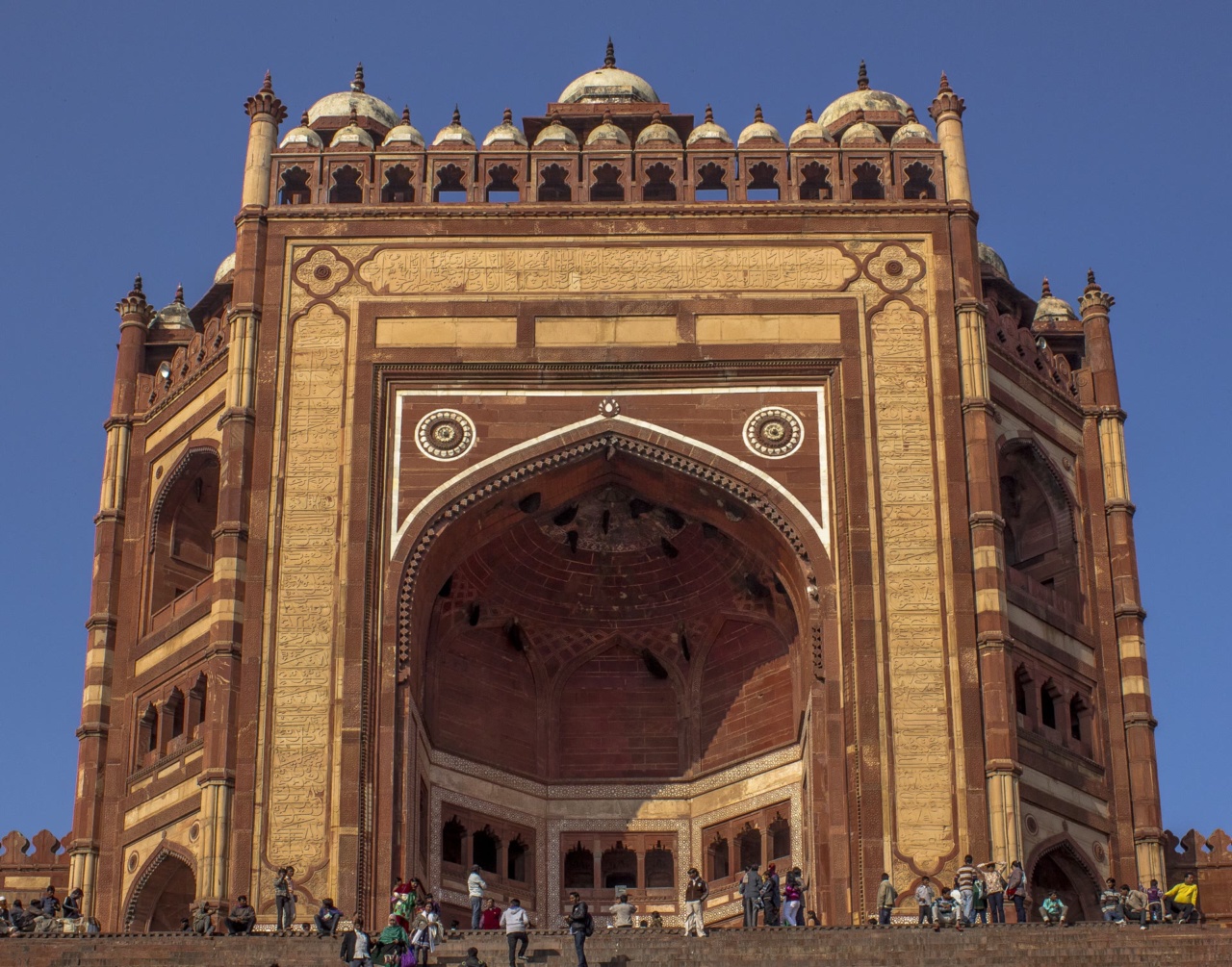
Fatehpur Sikri: Emperor Akbar's abandoned sandstone capital sits 37 kilometers west of Agra. The Buland Darwaza (Victory Gate) is staggeringly tall, and the Panch Mahal's tiered columns are unlike anything else in Mughal architecture. The site is vast, so wear comfortable shoes and bring water. Entry costs ₹610 for foreigners.[1] Half a day is ideal, including travel time. Hire a guide at the ticket office for around $5-8 to make sense of the complex. Touts outside are aggressive; walk past them firmly.
Mehtab Bagh: This garden directly across the Yamuna from the Taj Mahal offers the classic postcard view without the crowds inside the Taj complex. It is the best spot for sunset photography. Entry costs ₹300 for foreigners.[1] Come an hour before sunset and stay until the light fades.
Chini Ka Rauza: A Persian-style tomb covered in glazed tile work, located a short walk from Itimad-ud-Daulah. Most of the original tile has eroded, but what remains hints at how spectacular it once was. Free to enter and almost always deserted.
Akbar's Tomb at Sikandra: About 13 kilometers north of Agra, this grand tomb complex blends Hindu and Islamic architectural styles. The gardens are peaceful and populated by monkeys and deer. Entry costs ₹310 for foreigners.[1] Worth combining with a trip to or from Delhi.
Kinari Bazaar: Not a monument but an experience. This old market near Agra Fort sells everything from spices to marble inlay boxes. The petha (sweet) shops here are where locals actually buy, at a fraction of tourist-area prices.
Taj Mahal at full moon: Night viewing sessions are offered on five nights per month: the full moon night and the two nights before and after it, between 20:00 and 23:59 in eight batches of at most 50 people. Each batch gets 30 minutes in a tightly controlled group.[1] For most visitors the experience feels rushed and restrictive. Skip it unless the novelty alone appeals to you.
Marble factory tours: Touts and rickshaw drivers will relentlessly push you toward marble inlay workshops. Some are legitimate artisan studios, but many are high-pressure sales operations where you will be shown a brief demonstration and then subjected to an extended hard sell. If you want to see the craft, ask your hotel to recommend a reputable workshop rather than accepting a ride from a stranger.
Dolphin Water Park and similar commercial attractions: Occasionally recommended in local tourism materials, these are underwhelming and not worth your limited time in a city packed with world-class historical sites.
Agra's food scene is underrated. The city has a strong Mughlai culinary tradition, and the street food is excellent once you know where to look.
| Dish | Description | Where to Try | Typical Price |
|---|---|---|---|
| Petha | Translucent sweet made from ash gourd, in dozens of flavors. Agra's most famous edible export. | Shops near Kinari Bazaar or Noori Gate | $1-3 per box |
| Bedai with Jalebi | Puffed, spiced bread served with potato curry and syrup-soaked jalebi. The classic Agra breakfast. | Street stalls in Sadar Bazaar, especially early morning | Under $1 |
| Mughlai Paratha | Stuffed flatbread with minced meat, egg, and spices, pan-fried until crispy. | Restaurants along Taj East Gate Road | $1-2 |
| Dal Moth | Spiced lentil snack mix, crunchy and tangy. A local street snack specialty. | Vendors near Agra Fort | Under $0.50 |
| Mughlai Biryani | Fragrant rice layered with slow-cooked meat and aromatic spices. | Restaurants in Sadar Bazaar area | $2-5 |
Taj Ganj rooftop restaurants: These are tourist-oriented and prices are marked up, but the Taj views make them worthwhile for at least one meal. Food quality is generally acceptable rather than exceptional. Stick to Indian dishes rather than the inevitable banana pancakes and pasta.
Sadar Bazaar: Better variety and more honest pricing. Several well-established restaurants serve excellent Mughlai cuisine, tandoori dishes, and North Indian thalis. A filling meal at a good sit-down restaurant here costs $3-6 per person.
Kinari Bazaar and Chaat Gali: For street food, this is where locals eat. Chaat (savory snacks), samosas, and kachori are fresh and cost almost nothing. Hygiene standards vary, so choose stalls with high turnover.
Budget meals from street stalls cost under $1. A good restaurant meal runs $3-8. Upscale hotel dining, including the restaurants at heritage properties, costs $15-30 per person for a multi-course Mughlai feast.
Agra is largely vegetarian-friendly, reflecting the broader North Indian food culture, though Mughlai meat dishes are widely available. Alcohol is sold in licensed restaurants and hotels but is not part of the local food culture. Tap water is not safe to drink; stick to sealed bottles.
Taj Ganj has the densest concentration of budget guesthouses. Many offer basic rooms with fans, shared bathrooms, and rooftop areas with Taj views. Expect thin mattresses, intermittent hot water, and noise from the lanes below. The trade-off is unbeatable proximity to the Taj Mahal and a backpacker social scene.
Fatehabad Road and the area between Sadar Bazaar and the Taj have dozens of mid-range hotels with air conditioning, private bathrooms, and breakfast included. Some offer swimming pools. This tier gives you a comfortable base with easy rickshaw access to all sites. A few converted haveli (traditional mansion) guesthouses near the fort area offer more character than chain-style hotels.
Agra has several luxury heritage hotels, including properties from the Oberoi and ITC chains, that offer manicured gardens, Taj Mahal views from rooms, and excellent on-site restaurants. These are genuinely special in Agra because the best ones position you to see the Taj from your bed or poolside. If there is any city in India where splurging on a Taj-view room is justified, it is this one.
Cash is king in Agra. ATMs are widely available in Sadar Bazaar and near major hotels. Small denominations are essential for rickshaws and street food. Some mid-range and upscale restaurants accept cards, but do not rely on it. UPI digital payments are widespread among Indian users, but foreign cards rarely link to UPI apps. Tipping is not mandatory but appreciated: round up restaurant bills by 10%, and tip monument guides $2-3 for a good tour.
Purchase an Indian SIM card in Delhi if possible, as the process is faster there. Jio and Airtel offer tourist SIM plans with data for around $5-10. Hotel Wi-Fi in Agra ranges from adequate to frustratingly slow. Having mobile data is strongly recommended for maps and ride-hailing.
Hindi is the primary language. English is understood at hotels, monument ticket counters, and tourist restaurants, but auto-rickshaw drivers and street vendors often speak limited English. Learning a few Hindi phrases ("kitna" for "how much," "nahi chahiye" for "I don't want it") goes a long way. Google Translate's Hindi function works well offline if you download the language pack.
37 kilometers west, reachable by bus (around $0.50, 1 hour) or hired car ($15-20 round trip). Akbar's abandoned capital is a UNESCO World Heritage Site and one of the best-preserved Mughal complexes anywhere. The Jama Masjid and Salim Chishti's tomb are highlights. Half a day is sufficient. Absolutely worth it.
About 60 kilometers north, these twin cities are among Hinduism's holiest pilgrimage sites, celebrated as the birthplace and childhood home of Lord Krishna. The temples are vibrant and the atmosphere during evening aarti (prayer ceremony) along the ghats is electric. Reachable by train (1 hour) or car (1.5 hours). A full day trip, best during festival season (Holi here is legendary) but rewarding any time.
55 kilometers west, this former bird sanctuary is a UNESCO World Heritage Site and one of the world's most important wetland birding areas. Best visited October through February when migratory birds are present. Hire a cycle-rickshaw guide inside the park for around $5-8. Reachable by train (1 hour) or combined with a Fatehpur Sikri visit by car.
About 70 kilometers south, the Chambal River is one of India's cleanest rivers and home to gharials (fish-eating crocodiles), Gangetic dolphins, and diverse birdlife. Boat safaris operate from Dholpur or Bah and cost around $15-25 per person. A full day commitment but extraordinary for wildlife enthusiasts.
Roughly 195 kilometers toward Jaipur, this spectacular stepwell is one of India's most photogenic structures. It is best visited as a stop on the Agra-to-Jaipur drive rather than a dedicated day trip from Agra. If you are continuing to Jaipur, insist your driver stops here.
Morning: Wake before dawn and enter the Taj Mahal at opening time through the east gate. Spend 2-3 hours exploring as the light changes. The crowds build significantly after 09:00, so the early start pays off enormously.
Afternoon: Return to your hotel to rest during the midday heat. After lunch at a Taj Ganj rooftop restaurant, visit Itimad-ud-Daulah and Chini Ka Rauza, both across the river and easily combined in one auto-rickshaw trip (negotiate around $3-4 for the round trip with waiting time).
Evening: Head to Mehtab Bagh for sunset views of the Taj Mahal across the Yamuna. Dinner at a restaurant in the Sadar Bazaar area for better food quality than Taj Ganj.
Morning: Start with breakfast of bedai and jalebi from a street stall. Visit Agra Fort when it opens, spending 1.5-2 hours exploring the palaces, halls, and ramparts. Pay attention to the Musamman Burj and its heartbreaking view toward the Taj.
Afternoon: Hire a car or take a bus to Fatehpur Sikri. Explore the palace complex and the Jama Masjid. A knowledgeable guide transforms this visit from "nice buildings" to a vivid narrative of Akbar's reign.
Evening: Return to Agra. Browse Kinari Bazaar for spices, petha sweets, and marble inlay souvenirs. Dinner at a Mughlai restaurant.
Morning: Visit Akbar's Tomb at Sikandra, which is on the Delhi road and convenient if departing northward. The symmetrical gardens and the tomb's unusual multi-tiered design deserve an hour.
Late Morning: If time allows, explore the Ram Bagh gardens (one of the earliest Mughal gardens) or revisit the Taj Mahal for a different light experience. The Taj in late morning has a different, more luminous quality than at sunrise.
Afternoon: Depart for Delhi by train or continue to Jaipur. If driving to Jaipur, stop at Chand Baori en route.
| Category | Budget | Mid-Range | Comfort |
|---|---|---|---|
| Accommodation | $5-12 | $20-50 | $80-200 |
| Food | $3-5 | $8-15 | $20-40 |
| Transport | $2-4 | $5-10 | $15-30 |
| Activities | $15-20 | $20-30 | $25-40 |
| Daily Total | $25-40 | $55-105 | $140-310 |
Monument entry fees are the largest fixed cost for budget travelers, since foreign national pricing is significantly higher than Indian resident pricing. This is non-negotiable and should be factored in from the start. Beyond entrance fees, Agra is remarkably affordable. Street food is excellent and costs almost nothing, and transport within the city rarely exceeds a few dollars per ride.
Absolutely. The Taj Mahal alone justifies the trip, but Agra Fort, Itimad-ud-Daulah, and Fatehpur Sikri make it a destination with genuine depth. The city itself is chaotic and not conventionally charming, but the concentration of world-class Mughal architecture is unmatched anywhere on earth.
Two full days is ideal. This gives you a sunrise Taj Mahal visit, time for Agra Fort and Itimad-ud-Daulah, and a half-day trip to Fatehpur Sikri. One day is possible but rushed. Three days lets you explore at a relaxed pace and add a day trip to Mathura or Bharatpur.
Agra is generally safe. Violent crime against tourists is extremely rare. The main concerns are aggressive touts, overcharging rickshaw drivers, and scams designed to steer you into commission shops. Stay alert in crowds, keep valuables secure, and you will be fine.
October through March offers the most comfortable weather. November and February are the sweet spots with pleasant temperatures and manageable crowds. Avoid May and June when temperatures regularly exceed 45 degrees Celsius. December and January mornings can be foggy, occasionally obscuring Taj Mahal views at sunrise.
Petha, a translucent sweet made from ash gourd, is Agra's signature treat and comes in flavors from saffron to chocolate. The city is also known for bedai (spiced puffed bread with curry), Mughlai paratha, dal moth, and rich Mughlai biryani. Breakfast street food culture here is particularly strong.
No. Tap water in Agra is not safe for drinking. Always use sealed bottled water, including for brushing teeth. Check that bottle seals are intact before purchasing, as refilled bottles are occasionally sold by dishonest vendors.
Trains such as the Gatimaan Express run from Hazrat Nizamuddin station to Agra. Book in advance through IRCTC and check the current timetable. By car, the drive takes a few hours depending on traffic, and a private taxi is the most direct option.
Agra is very affordable by international standards. Monument entry fees for foreign nationals are the biggest expense, with the Taj Mahal costing ₹1,100. Beyond that, street food costs under a dollar, rickshaw rides are $1-2, and budget accommodation starts around $5-10 per night.
Avoid accepting rides from rickshaw drivers who offer suspiciously cheap fares, as they will take you to commission shops. Do not buy tickets from anyone outside official monument counters. Skip the full-moon Taj Mahal night viewing unless novelty alone appeals to you, as the experience is heavily restricted and underwhelming.
Agra works well for solo travelers. The monuments are easy to visit independently, budget accommodation in Taj Ganj has a social backpacker atmosphere, and the city is compact enough to navigate alone. Solo female travelers should take standard precautions, particularly avoiding isolated areas after dark and pre-booking transport when possible.
Numbers in the text such as [1] refer to these sources.