Step through the gates of Jaipur's walled Old City and the color hits you before anything else. Every building is washed in that famous terracotta-pink, a tradition dating back to 1876, when Maharaja Ram Singh had the city painted pink for the visiting Prince of Wales.[1] Rickshaws weave between camels and motorbikes, shopkeepers hawk gemstones from narrow storefronts, and the silhouette of Nahargarh Fort watches over everything from the Aravalli Hills. This is not a city that eases you in gently.
Jaipur works for almost every type of traveler. History buffs get UNESCO-listed observatories and 18th-century palace complexes.[1] Shoppers find some of India's best deals on handmade textiles, blue pottery, and precious stones. Foodies discover a Rajasthani cuisine built around ingenious desert cooking techniques. Budget backpackers and luxury seekers are equally well served, with heritage havelis converted into guesthouses at every price point.
As the capital and largest city of Rajasthan, Jaipur has modern infrastructure layered onto a meticulously planned 18th-century grid.[1] It is chaotic, yes, but by Indian standards it is navigable, and most major sights cluster within a surprisingly compact area. Three full days is the sweet spot for the city itself, with extra days justified by world-class day trips to places like the abandoned city of Bhangarh or the holy town of Pushkar.
Orientation and Neighborhoods
Jaipur divides neatly into the walled Old City (the Pink City) and the sprawling New City that surrounds it. Understanding this split is the key to navigating everything.
The Old City (Pink City)
The historic core is bounded by crenellated walls and entered through its historic gates. This is where you will find Hawa Mahal, the City Palace, Jantar Mantar, and the best bazaars. Jai Singh II founded the city in 1727, and architect Vidyadhar Bhattacharya laid out its strict street grid, which makes Jaipur the first planned city of India.[1] Staying here puts you in the thick of the action, though noise levels are intense and traffic is relentless. Best for travelers who want full immersion.
Just south of the Old City walls, this area around MI Road offers a more manageable pace with good restaurants, cafes, and mid-range hotels. MI Road itself is a useful landmark, a broad avenue with shops, banks, and some of the city's best street food stalls. This is the sweet spot for most travelers wanting proximity to sights without sleeping inside the chaos.
Bani Park
A quiet residential neighborhood northwest of the Old City, Bani Park is packed with budget guesthouses and heritage homestays. It is a short rickshaw ride to the main sights but significantly calmer at night. Popular with backpackers and families.
Civil Lines and Rambagh
South of the center, this upscale area hosts luxury properties including the Rambagh Palace and Jai Mahal Palace hotels. Tree-lined streets, less traffic, and a distinctly different vibe from the Old City. Best for travelers prioritizing comfort over convenience.
Amer (Amber)
About 11 kilometers from Jaipur, this small town sits below the famous Amber Fort.[1] A few boutique hotels here offer a quieter alternative base, but you will need transport to reach the rest of Jaipur's sights. Worth considering only if you plan to spend significant time exploring the fort complex and surrounding hills.
Things to Do
Offers are only loaded from GetYourGuide after you click. GetYourGuide can then process your IP address and set cookies. Privacy Policy
GetYourGuide partner offers. GoAsia may earn a commission if you book through these offers. Check whether tickets or transfers are included, and follow the attraction's official booking and admission rules.
Best Time to Visit
Jaipur sits on the edge of the Thar Desert, which means extreme heat in summer and surprisingly cool winter nights. Timing your visit correctly makes a dramatic difference to your experience.
Season
Months
Weather
Crowds
Prices
Cool/Peak
Oct - Feb
Mild days, cool nights
High
Highest
Hot
Mar - Jun
Very hot and dry, especially from April
Low
Lowest
Monsoon
Jul - Sep
Warm and humid, with intermittent heavy rain
Low-Medium
Low
The October to February window is the most popular time to visit, and for good reason: the days are mild enough for walking and fort-climbing. In winter you will want a jacket for early mornings and evenings.
Rajasthan Tourism lists the Kite Festival around 14 January, the Gangaur Festival in the month of Chaitra (March to April), the Rajasthan Festival in March and the Teej Festival among Jaipur's celebrations.[1] Book accommodation early if your visit overlaps with one of them.
Avoid April through June unless you have a high tolerance for extreme heat. The heat can make outdoor sightseeing genuinely difficult. The monsoon months of July through September bring welcome relief and lush green landscapes, but some attractions may be partially inaccessible and humidity is oppressive.
Getting There and Getting Around
Jaipur is well connected by air, rail and road. Rajasthan Tourism lists rail links from Delhi, Agra, Mumbai, Chennai, Kolkata, Bikaner, Jodhpur, Udaipur, Ahmedabad and Bangalore, and regular AC and deluxe bus services from all major cities in Rajasthan.[1]
Arriving
Jaipur International Airport (JAI), also called Sanganer Airport, has domestic flights to and from Delhi, Kolkata, Mumbai, Ahmedabad, Jodhpur, Udaipur and other cities, plus international flights to Dubai, Muscat, Singapore and Bangkok.[1] IndiGo flies non-stop to Mumbai, with listed flight times of 1 hour 35 minutes to 1 hour 50 minutes.[2] Use the prepaid taxi counter or a ride-hailing app so the fare is fixed in advance.
Among the trains, the Double Decker Express 12986 leaves Delhi Sarai Rohilla at 17:35 and arrives in Jaipur at 22:05, and the Jaipur-Agra Fort Shatabdi 12035 leaves Jaipur at 07:05 and reaches Agra Fort at 10:35.[3][4] Jaipur Junction railway station is close to the Old City. You can find detailed transport options and schedules on GoAsia.cc.
Getting Around
Auto-rickshaws are the default mode of transport. Always negotiate the fare before getting in or insist on the meter (most drivers will resist). Uber and Ola operate in Jaipur and remove the haggling entirely.
Cycle rickshaws are practical for short hops within the Old City where motorized traffic crawls anyway. Walking is feasible within specific neighborhoods but challenging as a primary mode of transport due to traffic, distances, and the heat. Renting a car with a driver for a day is the most efficient way to cover multiple sights, especially Amber Fort and the hilltop forts; agree on the price in advance.
Top Sights and Experiences
Must-See Attractions
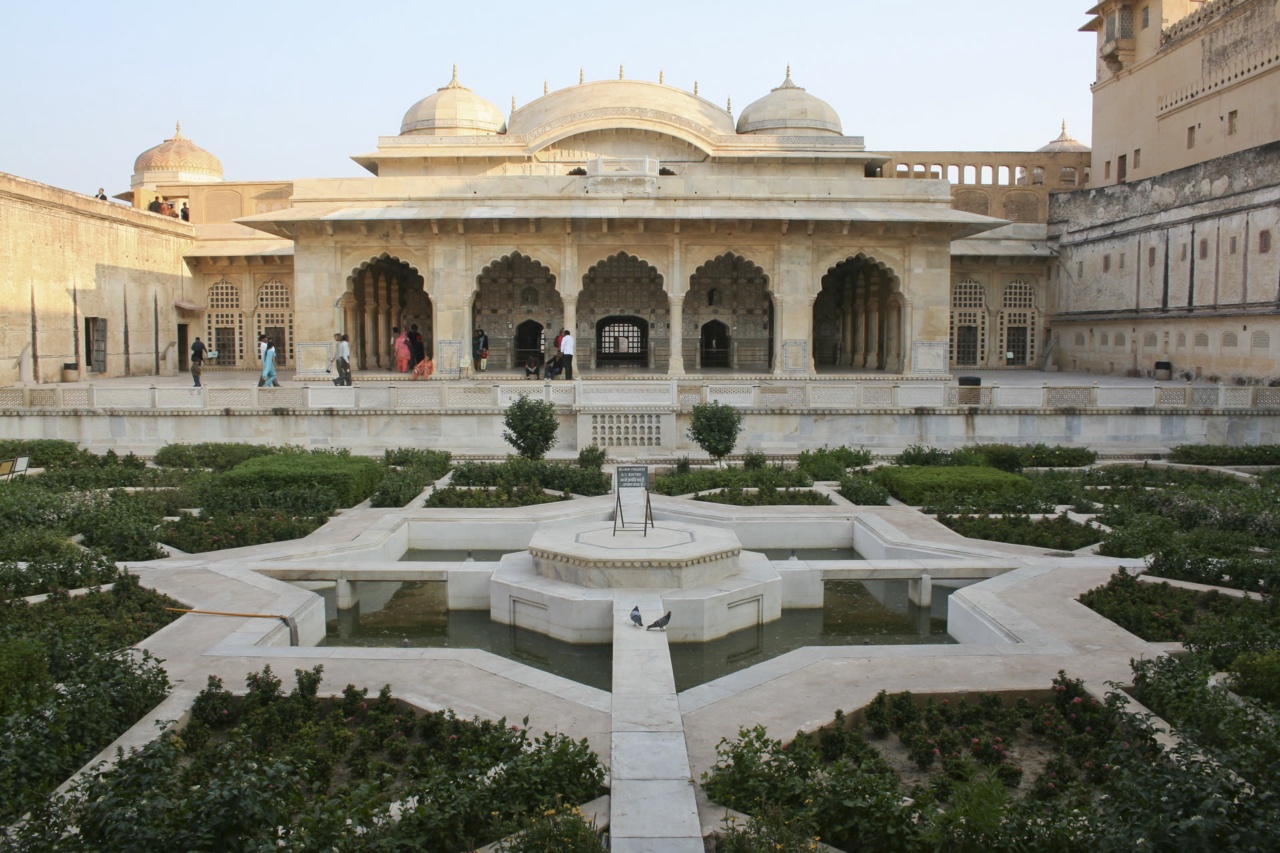
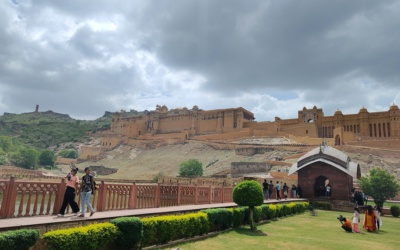
Amber Fort (Amer Fort) - Jaipur's crown jewel, this hilltop fort-palace of red sandstone and white marble is a melange of Hindu and Mughal styles, begun by Raja Man Singh I in 1592.[1] The Sheesh Mahal (Mirror Palace) is stunning, with mirrors covering walls and ceilings. Allow at least two to three hours and arrive early to beat the tour bus crowds. Check the current ticket price at the entrance. Many visitors skip the elephant rides up the hill because of animal welfare concerns; walk or take a jeep instead.
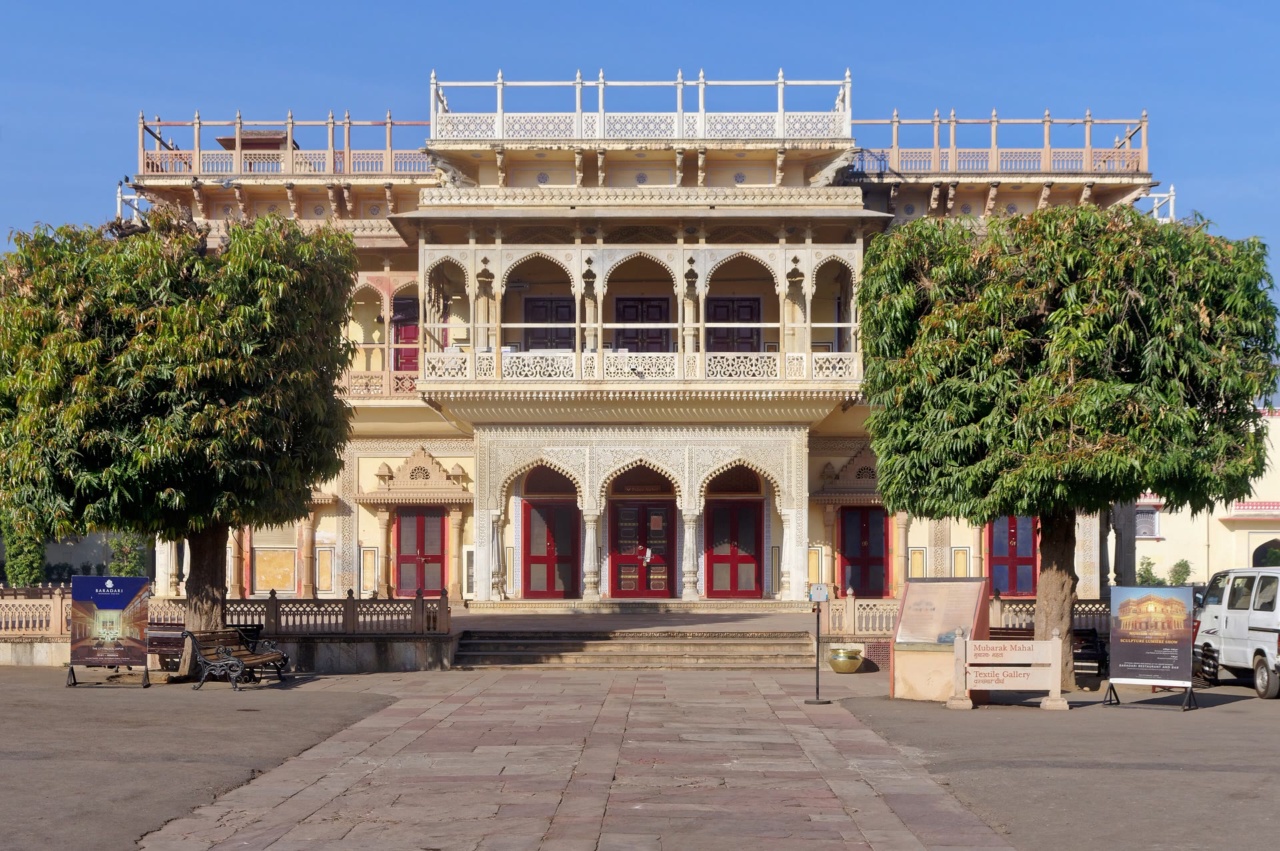
City Palace - Still partially occupied by the royal family, this sprawling complex in the heart of the Old City mixes Rajasthani and Mughal styles. The Mubarak Mahal courtyard and the armory collection are highlights. The Peacock Gate is one of the most photographed doorways in India. Budget 90 minutes to two hours, and check the current ticket and camera fees at the entrance.
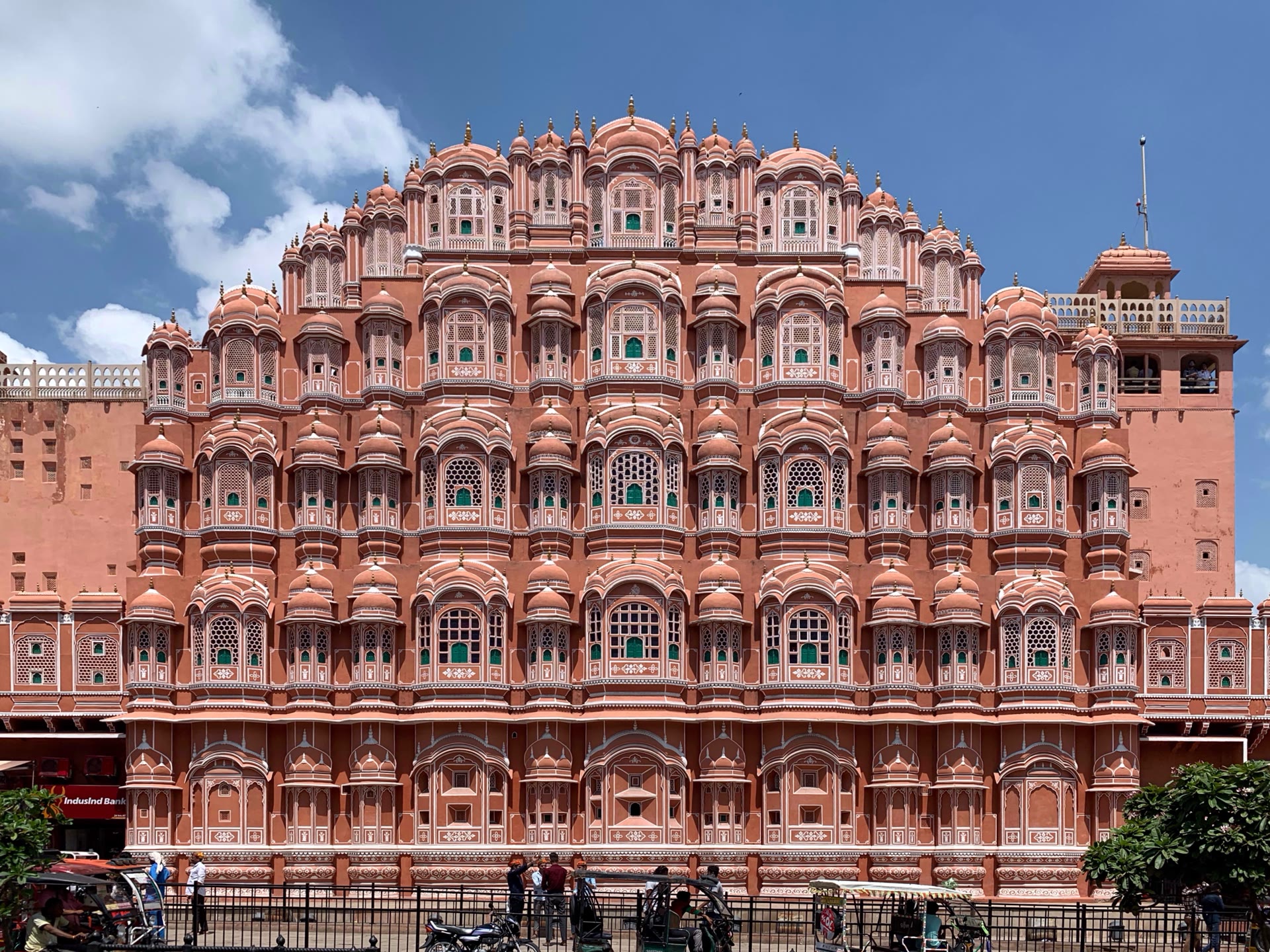
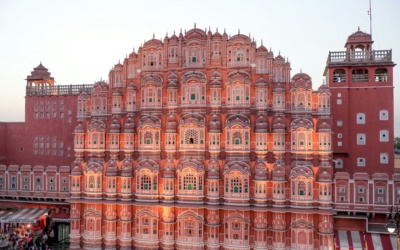
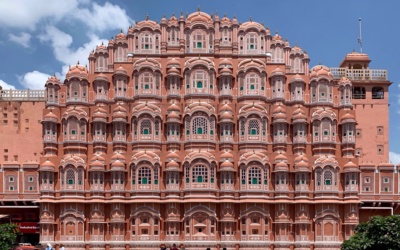
Hawa Mahal (Palace of Winds) - The iconic pink sandstone facade with its small latticed windows (jharokhas) was designed so royal women could observe street life without being seen. The interior is less impressive than the exterior, but climbing to the upper floors gives great views over the Old City.[1] Best photographed from across the street in the early morning light. 30 to 45 minutes is enough inside; check the current ticket price at the entrance.
Jantar Mantar - This UNESCO-listed astronomical observatory is the largest of the five built by Maharaja Sawai Jai Singh II and contains geometric instruments for measuring time and tracking celestial bodies.[1] It sounds dry but is genuinely fascinating, especially with a guide who can demonstrate how each instrument works. Hire one at the entrance and agree on the fee first. Allow one hour.
Nahargarh Fort - Perched on the Aravalli ridge above the city, Nahargarh offers the best panoramic views of Jaipur, especially at sunset. The fort itself is less architecturally impressive than Amber, but the vistas and the Madhavendra Bhawan palace within are worth the trip.[1] A cafe on the ramparts serves drinks with that view. Reach it by car or auto-rickshaw from the city center and agree on the fare first.
Lesser-Known Gems
Panna Meena Ka Kund - This stunning geometric stepwell near Amber Fort is far less crowded than Chand Baori and equally photogenic. The symmetrical zigzag staircases descending into the well are mesmerizing. You can combine it with your Amber Fort trip in a short stop.
Anokhi Museum of Hand Printing - Located in a restored haveli near Amber, this small museum showcases the art of Rajasthani block printing with live demonstrations. It is a perfect companion to an Amber Fort visit and helps you appreciate the textiles you will see in the bazaars.
Galta Ji (Monkey Temple) - A complex of temples tucked into a narrow gorge in the hills east of the city. Natural springs feed pools where locals bathe, and langur monkeys roam everywhere. It is atmospheric and largely tourist-free. Visit in the early morning for the best light and fewer monkeys competing for your snacks.
The Old City Bazaars - The real attraction of Jaipur is not any single monument but the bazaars themselves. Johari Bazaar specializes in jewelry and gemstones. Bapu Bazaar is the place for textiles, leather sandals (juttis), and souvenirs. Tripolia Bazaar sells lac bangles and brassware. Chandpole Bazaar is known for marble sculptures and handicrafts. Wandering these markets is a full sensory experience and free entertainment.
Overrated Attractions
Jal Mahal - The Water Palace sitting in Man Sagar Lake looks spectacular in photographs, but you cannot actually enter it. You stand on the shore, take a photo, and leave. Worth a five-minute stop if you are passing by on the way to Amber Fort, but do not make a special trip.
Birla Mandir - This white marble temple is pleasant but architecturally unremarkable compared to Jaipur's Rajput heritage sites. Unless you have a specific interest in modern Hindu temples, your time is better spent elsewhere.
Elephant rides at Amber Fort - Heavily marketed but widely criticized for animal welfare issues. The elephants show visible signs of distress, and the ride itself is a slow, short plod up a ramp. Walk or take a jeep.
Food and Drink
Rajasthani cuisine evolved in a desert environment with limited fresh vegetables and water, producing dishes that are rich, spiced, and built to last. Jaipur is the best place to experience this cuisine, from street stalls to royal-recipe restaurants.
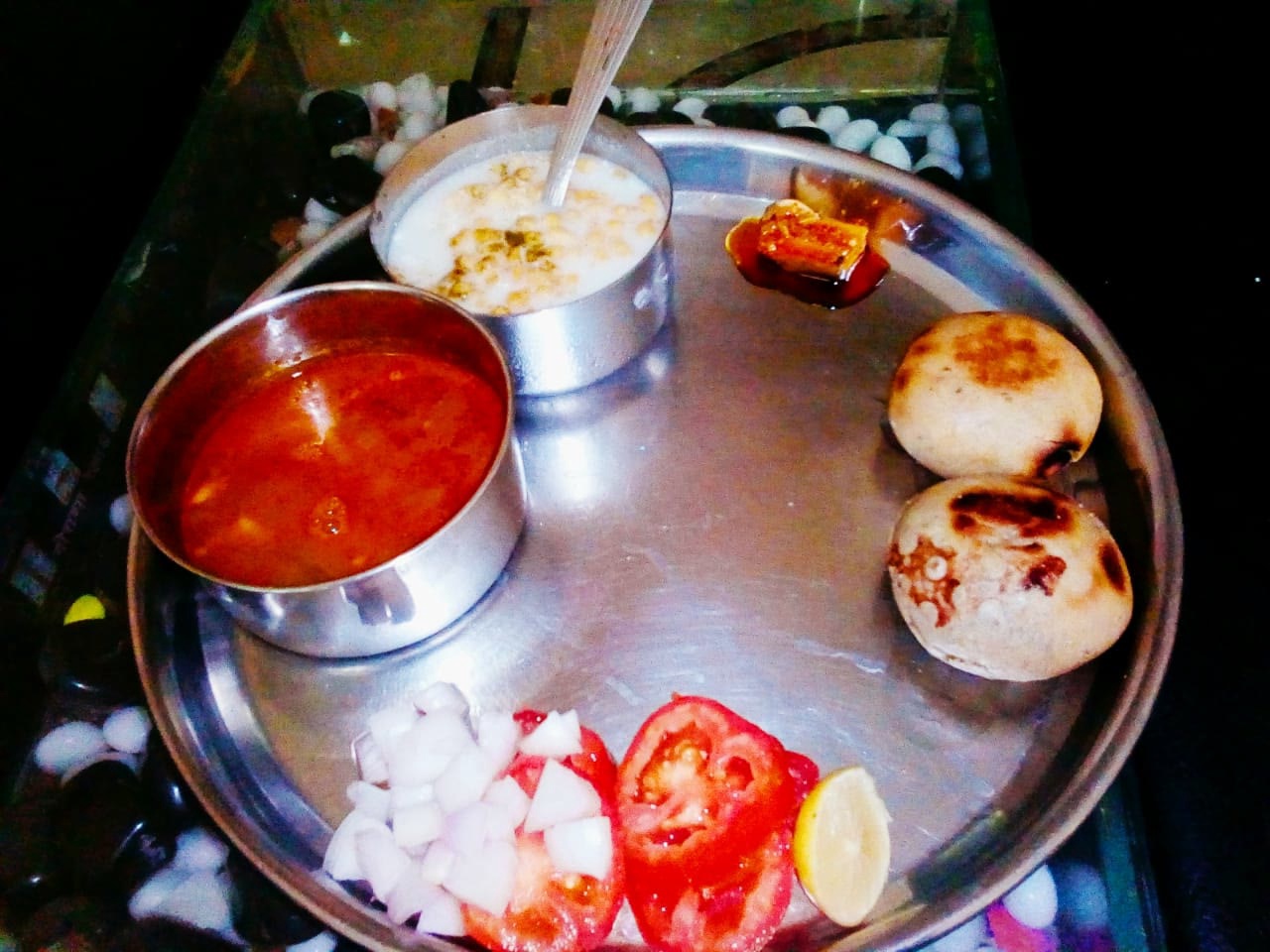
Hard wheat balls baked over coals, served with spiced lentils and a sweet crumbled wheat dessert
Traditional Rajasthani restaurants in the Old City
Laal Maas
Fiery red mutton curry made with dried red chilies and yogurt
Mid-range restaurants near MI Road
Pyaaz Ki Kachori
Deep-fried pastry stuffed with spiced onion, served with tamarind chutney
Street stalls around Johari Bazaar
Ghewar
Honeycomb-shaped disc-like sweet soaked in sugar syrup, sometimes topped with cream
Sweet shops across the Old City
Mirchi Vada
Large green chili stuffed with spiced potato, battered and fried
Street vendors near Badi Chaupar
Ker Sangri
Desert beans and berries cooked with spices, a quintessential Rajasthani side dish
Traditional thali restaurants
Where to Eat
The streets around Johari Bazaar and the Badi Chaupar intersection are ground zero for street food. Morning kachori stalls open early and draw long queues of locals, which is always a reliable quality indicator. MI Road has a cluster of well-known restaurants and sweet shops that have been operating for decades, offering reliable Rajasthani thalis in clean, sit-down environments.
For a splurge, several heritage hotels operate restaurants serving royal Rajasthani recipes in palatial settings. Rooftop restaurants overlooking the Old City are plentiful and offer atmosphere if not always the best food; choose ones with views of Hawa Mahal or Nahargarh Fort.
Jaipur is predominantly vegetarian by culture, though non-vegetarian restaurants are easily found. Laal maas is the signature non-veg dish and is widely available. The city has a growing cafe scene in C-Scheme and Civil Lines, with good coffee and Western-style brunch options if you need a break from heavy Rajasthani fare.
Alcohol is available but not ubiquitous; many traditional restaurants do not serve it, so hotel bars and licensed restaurants are your best bet for a drink.
Where to Stay
Budget
Bani Park is the budget accommodation hub, with dozens of family-run guesthouses and small hotels offering clean rooms with air conditioning. Several hostels in the Old City offer dorm beds. At this price point, expect basic but functional rooms, rooftop breakfast areas, and genuinely helpful owners who can arrange transport and guides.
Mid-Range
This is where Jaipur truly shines. Numerous heritage havelis (traditional courtyard mansions) have been converted into boutique hotels, offering carved sandstone architecture, courtyard gardens, and rooftop dining. The best concentration is in the Old City and Bani Park.
Upscale
Jaipur has some of India's most spectacular luxury hotels. Former royal palaces converted into five-star properties offer a taste of maharaja life, with manicured gardens, marble suites, and impeccable service. Even if you do not stay at the most famous palace hotels, many allow non-guests to dine or have afternoon tea, which is worth the experience.
Practical Tips
Safety: Jaipur is generally safe, but tourist-targeted scams are common. The most persistent is the gem scam, where a friendly local befriends you and steers you to a gem shop, claiming you can resell stones at huge profit back home. You cannot. Politely decline. Auto-rickshaw drivers routinely quote inflated prices or claim your hotel is closed/terrible to redirect you to commission-paying alternatives. Use ride-hailing apps to avoid this entirely.
Keep a close eye on belongings in crowded bazaars, where pickpocketing occurs.
Solo female travelers should avoid deserted areas after dark and consider using women-only ride options on Ola.
Drink only bottled or filtered water. Avoid salads and unpeeled fruit from street stalls.
Money: Cash is still king in Jaipur's bazaars and for rickshaws. ATMs are plentiful. Mid-range restaurants and hotels accept cards, but carry cash for street food, small shops, and entry tickets at some sites. UPI payments (via apps like Google Pay or PhonePe) are ubiquitous among locals, but require an Indian bank account to set up. Tipping is not mandatory but appreciated; round up restaurant bills and tip hotel staff and guides a small amount.
SIM Cards and Internet: Get a local SIM card from a Jio or Airtel store in the city and ask the shop which documents it needs. Most hotels and restaurants offer Wi-Fi, though speeds vary.
Language: Hindi is the primary language, with Rajasthani dialects also spoken. English is understood at hotels, tourist sites, and many shops, but not by rickshaw drivers or in local markets. Having a few Hindi phrases (or a translation app) helps enormously. Google Maps works well for navigating and showing drivers your destination.
Remove shoes before entering temples and some heritage sites.
Dress modestly, especially at religious sites. Shoulders and knees should be covered.
Ask permission before photographing people, especially women.
Bargaining is expected in bazaars. Start well below the asking price and work from there.
Day Trips
Abhaneri and Chand Baori
The village of Abhaneri, 88 kilometers from Jaipur, is home to Chand Baori, one of the oldest, largest and most attractive stepwells in the world, known for its exquisite geometry.[5] The adjacent temple, dedicated to the goddess Harshat Mata, dates from the 9th to 10th century.[5] You can hire a taxi in Jaipur or take a jeep or taxi from Sikandra; agree on the price first. Absolutely worth it for architecture and photography enthusiasts.
Ranthambore National Park
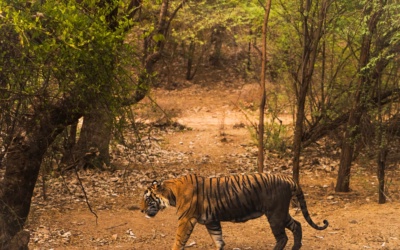
Ranthambore, 167 kilometers from Jaipur, is one of India's best-known places to spot wild tigers. The park is open from October to June, can be reached by rail and road from Jaipur, and Rajasthan Tourism advises making reservations in advance through the Forest Department's online booking.[6] A day trip is possible but exhausting; an overnight stay is strongly recommended.
Pushkar
About 146 kilometers from Jaipur airport, Pushkar is a small holy town built around a sacred lake, ringed by temples and ghats.[7] The Brahma Temple here is one of very few in the world dedicated to the Hindu creator god. The town has a laid-back, almost hippie vibe with vegetarian cafes and rooftop restaurants. The Pushkar Camel Fair is a spectacular event. Pushkar can be done as a day trip, though an overnight stay lets you enjoy the sunset and morning aarti ceremonies at the lake.
Bhangarh Fort
Bhangarh Fort lies between Jaipur and Alwar and was built in the 17th century by Raja Madho Singh. Rajasthan Tourism notes that it is considered a haunted place and is out of bounds for visitors before sunrise and after sunset.[8] Whether or not you believe in ghosts, the extensive ruins set against a barren landscape are genuinely atmospheric. Combine with Abhaneri for a full-day circuit.
Samode
North of Jaipur, the small town of Samode has a beautifully restored palace with painted interiors. You can visit for the day or splurge on a night at the palace hotel. The drive passes through rural Rajasthani countryside.
Sample 3-Day Itinerary
Day 1: The Old City
Morning: Start early at Hawa Mahal before the crowds build. Cross the street for the classic facade photo, then head inside for rooftop views. Walk to Jantar Mantar next door and hire a guide to explain the instruments. Continue to the City Palace, spending 90 minutes exploring the courtyards and museum.
Afternoon: Lunch at a traditional thali restaurant on MI Road. Then dive into the Old City bazaars: Johari Bazaar for jewelry and gemstones, Bapu Bazaar for textiles and juttis. Allow yourself to get happily lost in the side lanes.
Evening: Head to Nahargarh Fort for sunset views over the pink cityscape. Have a drink or snack at the fort cafe. Return to the city for dinner at a rooftop restaurant with Old City views.
Day 2: Amber Fort and Surroundings
Morning: Leave early to reach Amber Fort before the tour buses arrive. Spend two to three hours exploring the fort complex, including the Sheesh Mahal. Walk or take a jeep up the hill.
Afternoon: Visit Panna Meena Ka Kund stepwell (close to Amber Fort) and the Anokhi Museum of Hand Printing. If energy permits, drive up to Jaigarh Fort, which overlooks Amber. Return to the city for a late lunch.
Evening: Explore the quieter lanes of the Old City, visiting Chandpole Bazaar for handicrafts. Try street food around Badi Chaupar, including pyaaz ki kachori and mirchi vada. End with dinner at a heritage hotel restaurant for royal Rajasthani cuisine.
Day 3: Day Trip or Deeper Exploration
Option A - Abhaneri and Bhangarh: Hire a car for the day and visit Chand Baori stepwell and Bhangarh Fort. Leave early to make the most of the cooler morning hours. Return to Jaipur by mid-afternoon for final shopping or a visit to the Albert Hall Museum in Ram Niwas Garden.
Option B - Jaipur Deep Dive: Morning visit to Galta Ji (Monkey Temple) at sunrise. Mid-morning at the Albert Hall Museum, a stunning Indo-Saracenic building housing an eclectic collection. Afternoon at the textile and blue pottery workshops in the Sanganer area, south of the city. Evening free for last-minute shopping and a farewell dinner.
Frequently Asked Questions
Is Jaipur worth visiting?
Absolutely. Jaipur offers an extraordinary concentration of Rajput-era forts, palaces, and bazaars unlike anywhere else in India. The combination of Amber Fort, the City Palace, and the vibrant Old City markets makes it one of the country's most rewarding destinations. Even if you have limited time in India, Jaipur justifies at least a two-night stop.
How many days do you need in Jaipur?
Three full days is ideal for covering the main sights, exploring the bazaars, and taking one day trip. Two days works if you are efficient, but you will feel rushed. If you are a serious shopper or want to visit multiple day-trip destinations, four to five days is comfortable.
Is Jaipur safe for tourists?
Jaipur is generally safe for tourists, including solo female travelers, though standard precautions apply. Petty scams around tourist sites are the main concern, particularly gem shop schemes and overcharging rickshaw drivers. Stick to well-lit areas at night, use ride-hailing apps for reliable transport, and be firm with touts.
What is the best time to visit Jaipur?
October through March offers the most comfortable weather. November through February is peak season with the best temperatures but bigger crowds. Avoid May and June, when the heat can be extreme.
What food is Jaipur famous for?
Jaipur is known for dal baati churma (baked wheat balls with lentils and a sweet crumble), laal maas (fiery red mutton curry), pyaaz ki kachori (onion-stuffed fried pastry), and ghewar (a honeycomb-shaped dessert). The city's street food scene around Johari Bazaar and MI Road is legendary.
Can you drink tap water in Jaipur?
No, do not drink tap water in Jaipur. Stick to sealed bottled water or use a portable water purifier. Be cautious with ice in drinks at street stalls, though most established restaurants use filtered water for their ice. Carrying a reusable bottle with a built-in filter is the most practical solution.
Do I need a visa to visit Jaipur?
Most foreign nationals need a visa to enter India. Citizens of many countries can apply for an e-Tourist Visa online before departure. The Indian government's e-Visa portal lists a 30-day visa and one-year and five-year options; for the one-year and five-year visas the stay in a calendar year may not exceed 180 days. Check the portal for your nationality's requirements and apply well before travel.
How do I get from Jaipur airport to the city center?
Jaipur International Airport, also called Sanganer Airport, is south of the city center. Prepaid taxi counters and ride-hailing apps such as Uber and Ola serve the airport, and both give you a fare agreed in advance.
Is Jaipur good for solo travelers?
Jaipur is an excellent solo destination with a well-established tourist infrastructure, plenty of hostels, and easy navigation. The concentration of sights means you do not need to organize complex logistics. Solo female travelers should exercise normal caution, especially after dark, and may find women-only ride-hailing options on apps like Ola useful.
Sources and background
Numbers in the text such as [1] refer to these sources.