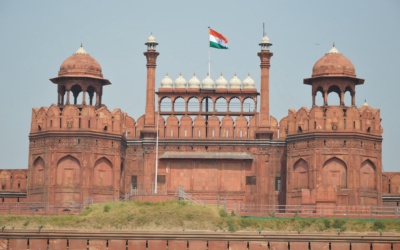
Kolkata is India's intellectual and cultural capital, a city of crumbling colonial grandeur, fiercely independent art, and some of the most extraordinary street food on the subcontinent.
The first thing you notice in Kolkata is the sound. Not just the honking and the rickshaw bells, but the arguments about politics in coffee houses, the clang of temple bells at dusk along the Hooghly River, and the sizzle of mustard oil hitting iron kadais at street-side stalls. This is a city that talks, debates, and feeds you simultaneously, and it does all three with extraordinary passion.
Once the capital of British India, Kolkata wears its history openly. Grand Victorian buildings stand shoulder to shoulder with crumbling art-deco facades, yellow Ambassador taxis still crawl through traffic alongside app-hailed rides, and hand-pulled rickshaws share lanes with modern metro trains. It is a city of contradictions that somehow cohere into something deeply compelling. Kolkata does not try to impress you. It simply is what it is, and that honesty is its greatest charm.
Kolkata suits a specific kind of traveler. If you want sanitized tourist infrastructure, this is not your city. But if you want to eat puchka (Kolkata's superior version of pani puri) from a street vendor at sunset, browse rare books on College Street, watch a Rabindra Sangeet performance, and have a philosophical conversation with a stranger over chai, Kolkata will give you one of the most memorable experiences in all of Asia.
Orientation and Neighborhoods
Kolkata stretches along the eastern bank of the Hooghly River, with most tourist activity concentrated in a roughly north-south corridor. The city is large and sprawling, but the areas you will spend time in are relatively well-connected.
Central Kolkata (BBD Bagh and Surroundings)
The old colonial heart of the city, BBD Bagh (formerly Dalhousie Square) is home to the Writers' Building, GPO, and St. John's Church. This area is best for architecture walks and historical exploration, though it empties out after business hours. Nearby Esplanade is a chaotic transit hub and shopping zone.
Park Street and Chowringhee
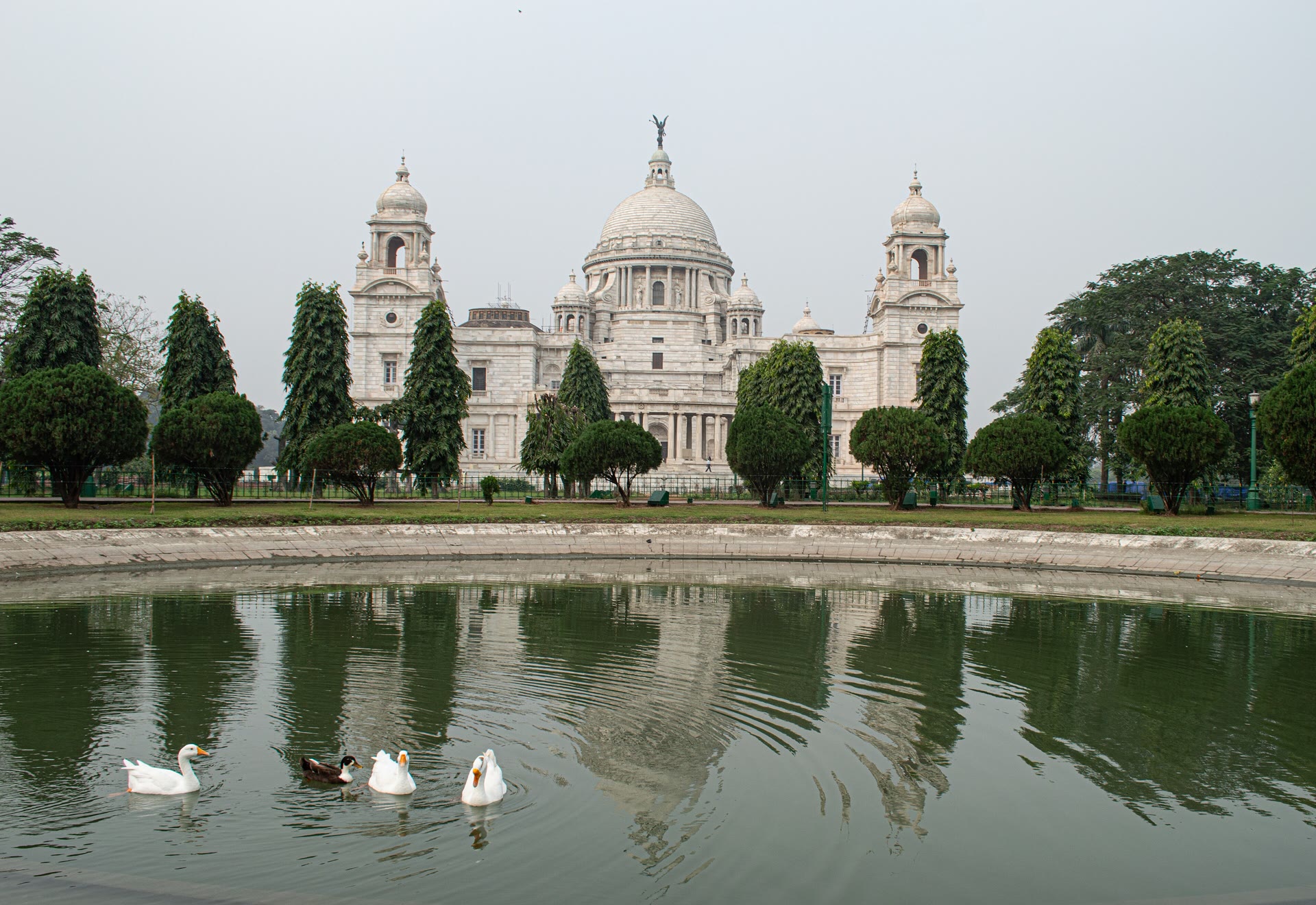
This is Kolkata's most tourist-friendly corridor. Park Street is lined with restaurants, bars, and colonial-era clubs, while Chowringhee Road runs alongside the Maidan, a massive urban green space. The Indian Museum and Victoria Memorial are both here. Stay in this area if you want easy access to dining, nightlife, and sights.
College Street and North Kolkata
The intellectual soul of the city. College Street has the largest second-hand book market in the world, and the Indian Coffee House here has hosted every major Bengali intellectual for over a century. North Kolkata is also where you will find Kumartuli, the potters' quarter, and some of the city's oldest mansions and temples. This area is atmospheric but gritty.
South Kolkata
More residential and upscale, South Kolkata neighborhoods like Ballygunge, Gariahat, and Kalighat offer excellent Bengali restaurants, the famous Kalighat Temple, and a calmer pace. The area around Southern Avenue and Lakes is pleasant for walks. Budget travelers will find good hostels around Sudder Street, closer to Park Street.
Howrah
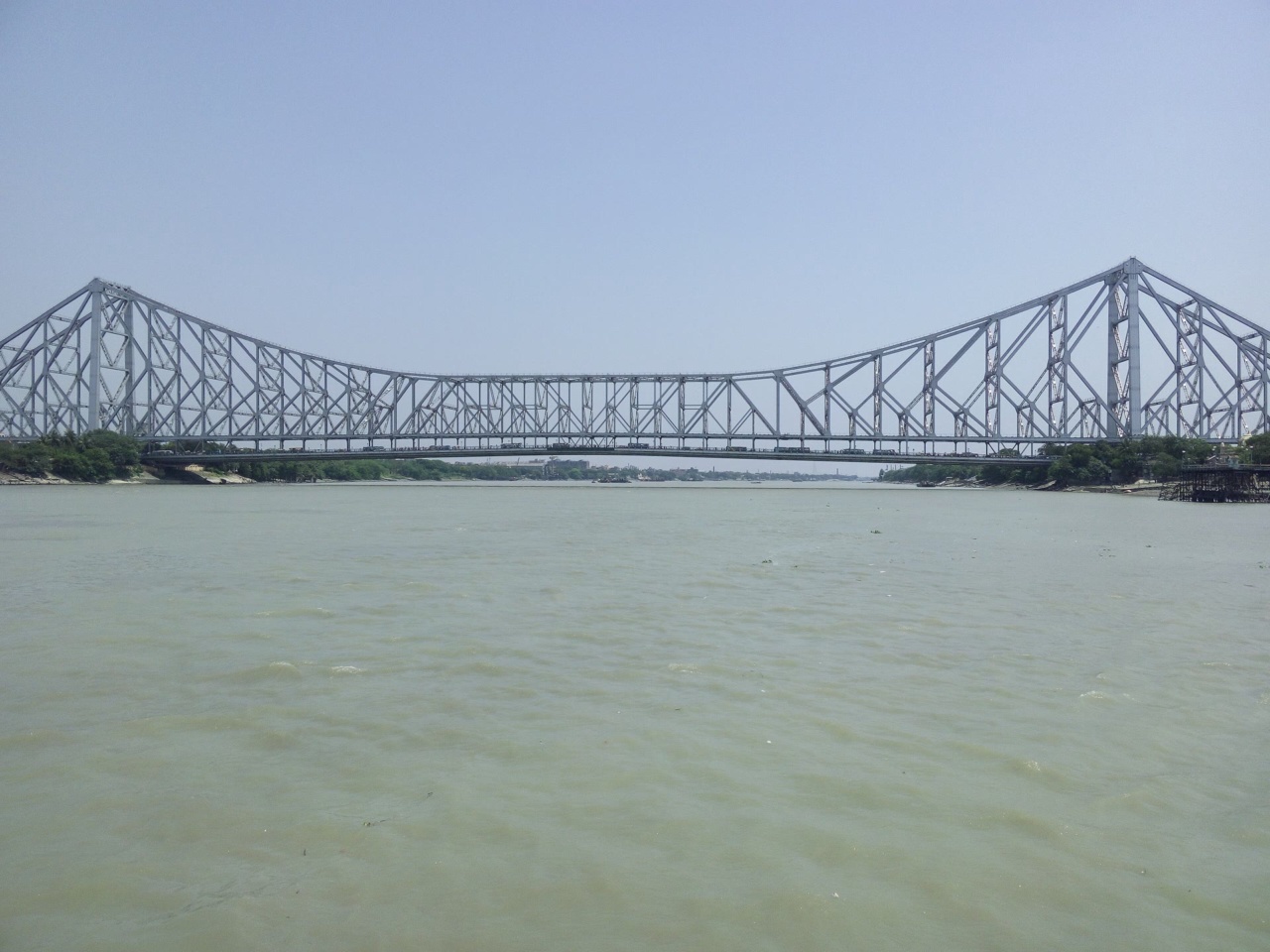
Technically across the river and a separate city, Howrah is home to the iconic Howrah Bridge and Howrah Junction, one of India's busiest railway stations. The Botanical Garden here is worth a visit, but most travelers will not stay on this side.
Offers are only loaded from GetYourGuide after you click. GetYourGuide can then process your IP address and set cookies. Privacy Policy
GetYourGuide partner offers. GoAsia may earn a commission if you book through these offers. Check whether tickets or transfers are included, and follow the attraction's official booking and admission rules.
Best Time to Visit
Kolkata has a tropical wet-and-dry climate with punishing summers, a long monsoon, and a glorious cool season. Timing your visit correctly makes a significant difference to your experience.
Season
Months
Weather
Crowds
Prices
Cool/Dry (Best)
October - February
Pleasant, 12-28C, low humidity
High (especially Durga Puja)
Moderate to High
Hot Season
March - May
Extremely hot, 30-42C, humid
Low
Low
Monsoon
June - September
Heavy rain, flooding common, 26-35C
Low
Low
The sweet spot is October through December. Durga Puja, usually in October, is Kolkata's defining festival and transforms the entire city into an open-air art gallery with thousands of themed pandals (temporary structures). If you can time your visit for this, do it. The city is electric, and there is nothing else like it in India. January and February are also excellent, with comfortable temperatures and the Kolkata Book Fair in late January or early February.
Avoid April and May unless you handle extreme heat well. The monsoon (June through September) brings atmospheric skies and fewer tourists, but streets flood regularly and getting around becomes difficult.
Getting There and Getting Around
Netaji Subhas Chandra Bose International Airport (CCU) is about 17 kilometers from central Kolkata. A prepaid taxi from the airport to Park Street or Sudder Street costs around $6-8, while app-based rides (Ola and Uber both work well) run roughly $4-6. The airport has a direct metro connection on the newer line, though it may require a transfer depending on your destination.
Kolkata's metro is India's oldest, and while the original north-south line is aging, it is clean, cheap (tickets cost around $0.10-0.25), and efficient for covering long distances. New lines are expanding coverage. Buses are extremely cheap but crowded and confusing for first-time visitors. The iconic yellow taxis are everywhere and use meters, though drivers sometimes need convincing to turn them on. Rides within central Kolkata typically cost $1-3. Ola and Uber are reliable and often cheaper than taxis.
Kolkata is also one of the last cities in the world where hand-pulled rickshaws still operate, mainly in the older northern parts of the city. You can also ride the heritage tram network, which has been running since the 1870s. It is painfully slow but wonderfully atmospheric. For more detailed transport options and routes across the region, GoAsia.cc has comprehensive guides.
Walkability varies dramatically by neighborhood. Park Street and the Maidan area are pleasant for walking. North Kolkata's narrow lanes are best explored on foot but require patience with traffic and crowds. The city is flat, which helps, but broken sidewalks and traffic make long walks tiring.
Top Sights and Experiences
Must-See Attractions
Victoria Memorial: This white marble monument is Kolkata's most photographed landmark, a grand Mughal-revival building set in manicured gardens. The museum inside covers the history of Calcutta and the British Raj with an impressive collection of paintings, manuscripts, and artifacts. Visit early morning to avoid crowds and heat. The galleries are open from 10:00 to 18:00 and closed on Mondays; a museum ticket costs Rs 500 for foreign visitors, and the gardens (open daily from 06:00) have a separate Rs 30 ticket.[1] Allow 2-3 hours.
Howrah Bridge: The cantilever bridge over the Hooghly River carries roughly 100,000 vehicles and countless pedestrians daily. Walk across it at dawn when the flower market (Mallick Ghat) below is in full swing. The views from Princep Ghat at sunset, looking back at the bridge, are spectacular. Free and always accessible.
Kumartuli (Potters' Quarter): In narrow lanes in North Kolkata, artisans sculpt thousands of clay idols for Durga Puja and other festivals year-round. Watching these craftsmen work is mesmerizing, and the half-finished deities stacked along alleyways make for extraordinary photographs. Visit in the months before Durga Puja for maximum activity. Free to wander, but be respectful and ask before photographing artisans at work.
College Street and Indian Coffee House: The world's largest second-hand book market stretches for blocks, with stalls selling everything from rare Bengali literature to pirated paperbacks. The Indian Coffee House upstairs in a nearby building is a living museum of intellectual Kolkata. Order a coffee (around $0.50) and soak in the atmosphere. Allow a full morning.
Kalighat Temple: One of the 51 Shakti Peethas, this temple dedicated to Goddess Kali is central to Kolkata's identity. It is crowded, intense, and not for the faint-hearted. Touts outside will try to guide you in for a fee. You do not need them. Remove shoes, follow the queue, and keep valuables close. Free entry, though donations are expected. Visit early morning.
Mother Teresa's Missionaries of Charity: Mother House on AJC Bose Road is where Mother Teresa lived and worked. Her tomb is here, along with a small museum. It is a quiet, moving experience regardless of your faith. Free entry. Visiting hours are 08:30 to 12:00 and 15:00 to 18:00, and it is closed on Thursdays.[2]
Hidden Gems
Marble Palace: A bizarre and wonderful private mansion in North Kolkata filled with European paintings, mirrors, statues, and a small zoo. You need a free permit from the West Bengal Tourism office (get it a day before), which keeps crowds minimal. One of Kolkata's most surreal experiences.
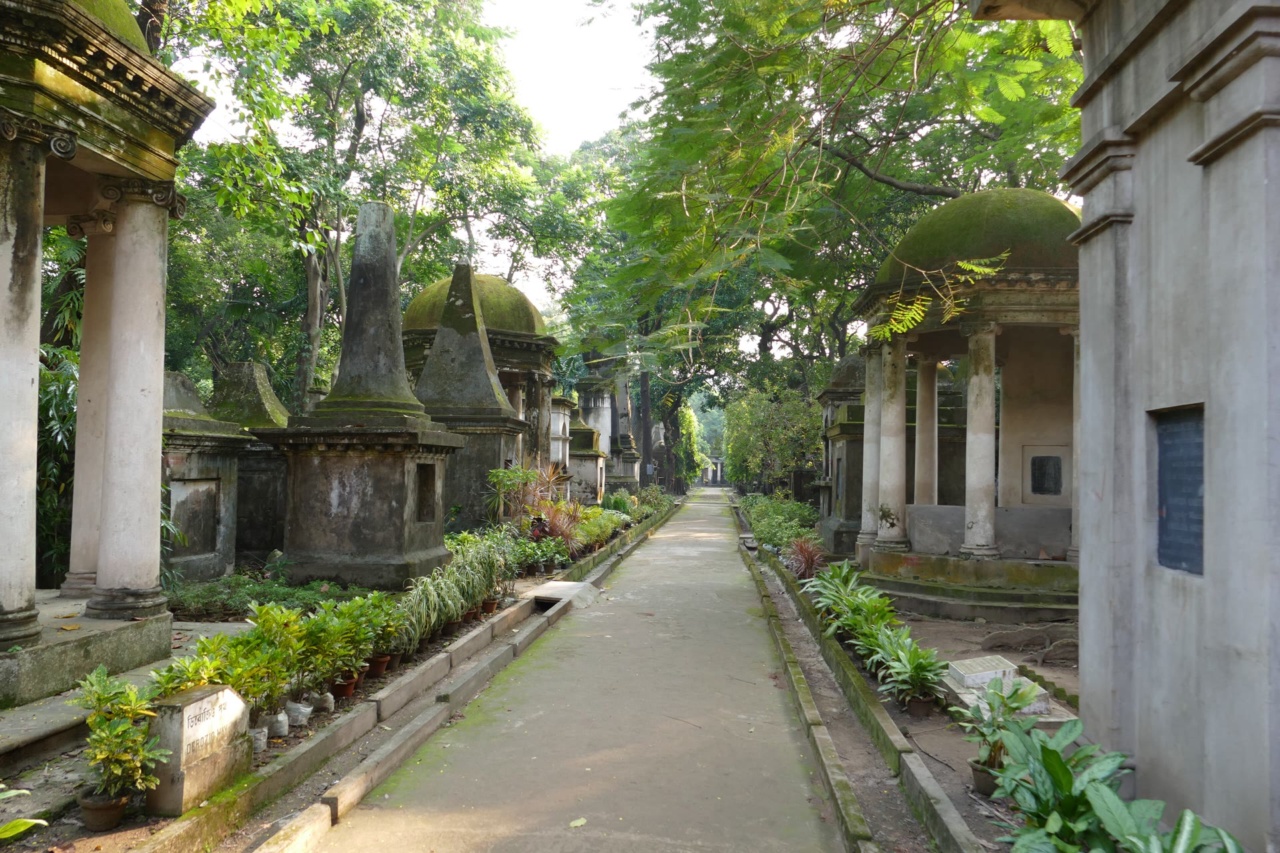
South Park Street Cemetery: A hauntingly beautiful colonial-era graveyard with crumbling Gothic tombs overgrown with banyan trees. It is one of the oldest non-church cemeteries in the world and feels like stepping into a different era. Free entry, best visited in the morning light.
Jorasanko Thakurbari (Tagore House): The ancestral home of Rabindranath Tagore, now a museum and part of Rabindra Bharati University. The red mansion is beautiful, and the exhibits on Tagore's life and the Bengal Renaissance are excellent. Entry is around $2 for foreigners.
Overrated Attractions
Science City: Marketed as a major attraction, it is dated and primarily aimed at school groups. Skip it unless you are traveling with children who need a break from temples and history.
Nicco Park: Kolkata's amusement park is underwhelming by international standards. The rides are old, and the entry fee (around $5-7) is not worth it for adult travelers.
Eco Park (New Town): A massive park on the city's outskirts that requires significant travel time. It is pleasant but generic and not worth the trip when the Maidan, Victoria Memorial gardens, and the Botanical Garden offer better green spaces with more character.
Food and Drink
Kolkata's food scene is one of the best reasons to visit the city. Bengali cuisine is refined, complex, and obsessed with freshness. Fish, mustard, and rice form the holy trinity, but the city's street food culture draws from across India and beyond.
Signature Dishes
Dish
Description
Where to Try
Typical Price
Puchka
Kolkata's pani puri: crispy shells filled with tamarind water, spiced potato, and chickpeas. Tangier and spicier than elsewhere in India.
Street vendors near Vivekananda Park, Gariahat
$0.30-0.50 per plate
Kathi Roll
Invented in Kolkata: paratha wrapped around spiced kebab, onions, and chutney. The original fast food.
Nizam's near New Market, or any roll shop on Park Street
$0.50-1.50
Kosha Mangsho
Slow-cooked mutton curry with a dark, deeply spiced gravy. Bengali comfort food at its finest.
Any traditional Bengali restaurant in South Kolkata
$2-5 per serving
Hilsa (Ilish) Fish
The king of Bengali fish, cooked in mustard sauce (shorshe ilish) or steamed in banana leaf. Seasonal, best during monsoon.
Traditional Bengali restaurants, especially around Gariahat and Ballygunge
$3-8 per serving
Mishti Doi
Sweetened yogurt set in clay pots. Creamy, caramelized, and addictive.
Sweet shops across the city
$0.30-0.60
Rosogolla and Sandesh
Kolkata's iconic sweets. Rosogolla is spongy cottage cheese balls in syrup. Sandesh is delicate milk fudge in many flavors.
Famous sweet shops on College Street and throughout the city
$0.20-1.00 per piece
Mughlai Paratha
Deep-fried stuffed paratha with minced meat and egg. Rich, indulgent, and uniquely Kolkata.
Old Chinatown area or traditional Muslim eateries near Zakaria Street
$1-2
Where to Eat
Street Food: Kolkata's street food is legendary and generally safe if you choose busy stalls with high turnover. The area around New Market and Dacres Lane is excellent for rolls, chowmein, and puchka. Tiretti Bazaar in old Chinatown has early-morning Chinese breakfast stalls (momos, soup, and noodles) run by the city's dwindling Chinese community. Go before 8 AM.
Bengali Restaurants: For a traditional Bengali thali (a multi-course meal with rice, dal, fish, vegetables, and sweets), head to South Kolkata. Several iconic restaurants near Gariahat and Ballygunge serve outstanding meals for $3-6 per person. Look for places with long queues at lunch.
Park Street: The city's main dining and nightlife strip has everything from colonial-era restaurants to modern cafes. Expect to pay $5-15 per person for a good meal with drinks. Several legendary establishments here have been serving Continental and Indian food since the mid-twentieth century.
Zakaria Street: Kolkata's Muslim quarter near Nakhoda Mosque is the place for biryani, kebabs, and Mughlai cuisine. The biryani here uses potatoes (a Kolkata signature that purists from Hyderabad and Lucknow mock, but locals swear by). A plate costs around $1-2.
Budget meals in Kolkata are extraordinarily cheap. A filling street food meal costs $0.50-1.50. A sit-down Bengali meal runs $2-5. Mid-range restaurants charge $5-12. Upscale dining, including some excellent modern Bengali restaurants, costs $15-30 per person.
Where to Stay
Budget (Under $20/night)
Sudder Street, just off Chowringhee Road, has been Kolkata's backpacker hub for decades. You will find basic guesthouses and hostels starting around $5-8 per night for a dorm bed, or $12-18 for a private room. The area is central, walkable to the Maidan and Park Street, and has plenty of cheap eateries. Quality varies widely, so check recent reviews. Several newer hostels in the area offer much better standards than the old-school guesthouses.
Mid-Range ($20-60/night)
Park Street and the surrounding area have good mid-range hotels with air conditioning, Wi-Fi, and decent service for $25-50 per night. Some heritage properties in central Kolkata offer atmospheric rooms in converted colonial buildings. South Kolkata around Gariahat and Ballygunge has quieter options with good restaurant access.
Upscale ($60-200+/night)
Kolkata has several grand heritage hotels, including properties that date back to the colonial era with sweeping staircases, period furniture, and old-world service. Expect to pay $80-200 per night for these. Modern five-star chains are also present, particularly around Park Street and the EM Bypass area, starting around $60-100 per night. For a unique experience, look for converted rajbaris (old aristocratic mansions) that now operate as boutique stays.
Practical Tips
Safety: Kolkata is generally one of India's safer major cities. Violent crime against tourists is rare. However, petty theft and pickpocketing occur in crowded areas like New Market, Howrah Station, and during festivals. Keep your phone and wallet secure in crowds.
Common scams: Touts at Kalighat Temple and around Sudder Street offering unsolicited guide services. Taxi drivers at the airport refusing to use the meter (use prepaid or app-based rides instead). Shops near New Market claiming to give you a special price that is actually inflated.
Women travelers: Kolkata is considered relatively safe for women compared to some other Indian cities, but standard precautions apply. Avoid deserted areas at night, and use ride-hailing apps rather than hailing random taxis after dark.
Money: Cash is still king in Kolkata, especially for street food, rickshaws, and smaller shops. ATMs are plentiful. UPI (India's digital payment system) is widely accepted at restaurants and shops if you have an Indian bank account. International credit cards work at hotels and larger restaurants but not at small eateries. Tipping is not obligatory but appreciated. Around 10% at restaurants is standard. Round up taxi fares.
SIM Cards and Internet: Get a local SIM card at the airport or an authorized store. Jio and Airtel offer tourist plans with generous data for around $3-5 for a month. The process requires your passport and a photo. Free Wi-Fi is unreliable. Having mobile data is essential for maps and ride-hailing.
Language: Bengali is the primary language, and Hindi is widely understood. English is spoken at hotels, tourist sites, and by educated locals, but street vendors, rickshaw pullers, and taxi drivers may have limited English. Learning a few Bengali phrases (dhonnobad for thank you, koto dam for how much) goes a long way and delights locals.
Remove shoes before entering temples and homes.
Use your right hand for eating and handing things to people.
Do not photograph people without permission, especially at religious sites and in Kumartuli.
Dress modestly at temples. Cover shoulders and knees.
Kolkata shuts down during bandhs (political strikes). Check local news if you see protests, and stay at your hotel if a bandh is called.
Day Trips
Sundarbans
The world's largest mangrove forest, home to Bengal tigers, is roughly 100 kilometers south of Kolkata. Day trips are possible but rushed. An overnight trip (2 days/1 night) is far better and costs around $40-80 per person through local tour operators. You take a boat through the mangrove channels, spotting crocodiles, deer, and birdlife. Tiger sightings are rare but possible. Book through a reputable operator, not a random tout.
Shantiniketan
Rabindranath Tagore's university town is about 160 kilometers northwest of Kolkata, reachable by train in roughly 2.5-3 hours. The Visva-Bharati University campus is beautiful, and the weekly Sonajhuri Saturday market (haat) is excellent for handicrafts. A day trip is feasible if you take an early train, but an overnight stay lets you enjoy the relaxed pace. Time your visit for the Poush Mela festival in December if possible.
Bishnupur
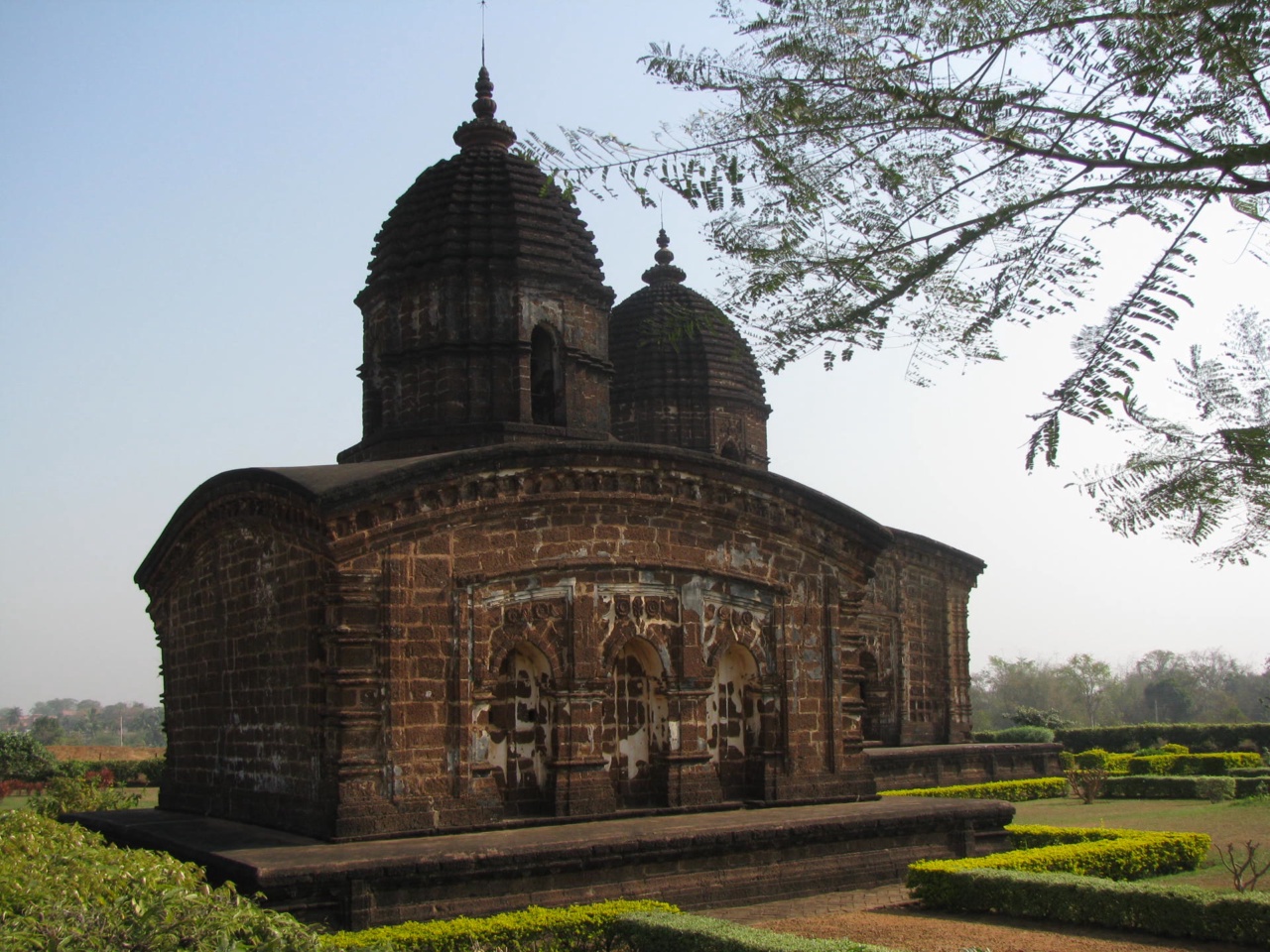
Famous for its terracotta temples built by the Malla kings, Bishnupur is about 150 kilometers west of Kolkata. The intricately carved temples are unique in India and well worth the journey. Reachable by train in about 3-4 hours. A long day trip works, but staying overnight is more comfortable. Entry to the main temples costs a nominal fee.
A quieter option about 50 kilometers south, where the Hooghly River widens dramatically. It is a pleasant half-day escape with river views and seafood restaurants, reachable by local train in about an hour. Not a must-do, but a nice break if you have extra time and want to see where the river meets the sea.
Chandannagar
A former French colony about 35 kilometers north, reachable by local train in under an hour. The riverside promenade (Strand) and the small museum in the old French administrative building are charming. It is a minor attraction but pairs well with a visit to the nearby Hooghly Imambara at Bandel. Best for history enthusiasts.
Sample 3-Day Itinerary
Day 1: Colonial Kolkata and the River
Morning: Start at the Victoria Memorial when it opens to beat the crowds. Spend 2 hours in the museum and gardens. Walk across the Maidan to St. Paul's Cathedral, then continue to BBD Bagh to see the Writers' Building, GPO, and surrounding colonial architecture.
Afternoon: Have lunch at a traditional restaurant near Esplanade. Then walk to Mallick Ghat flower market near Howrah Bridge. Cross Howrah Bridge on foot, taking in the chaos and the views. Return via ferry across the Hooghly (around $0.10).
Evening: Head to Park Street for dinner. Try a kathi roll from a street stall, then settle into a restaurant or rooftop bar. Walk through South Park Street Cemetery if it is still open, or save it for another day.
Day 2: North Kolkata - Culture and Soul
Morning: Take the metro to College Street. Browse the book market, then have coffee at the Indian Coffee House. Walk to Kumartuli to watch idol makers at work (allow at least an hour of wandering).
Afternoon: Visit Jorasanko Thakurbari (Tagore House). If you arranged a permit, visit Marble Palace nearby. Have lunch at a North Kolkata eatery - try luchi (fried bread) with alur dom (spiced potato curry).
Evening: Head to Zakaria Street for biryani and kebabs near Nakhoda Mosque. The area is atmospheric at dusk. End the evening with a tram ride if one is running your way, purely for the experience.
Day 3: South Kolkata and Deeper Exploration
Morning: Visit Kalighat Temple early to avoid the worst crowds. Walk through the surrounding neighborhood, which has excellent puchka vendors and small sweet shops. Visit the nearby Kalighat painting stalls for traditional Bengali folk art.
Afternoon: Head to Mother House to visit Mother Teresa's tomb and museum. Then explore the Gariahat area for shopping (textiles, sarees, handicrafts) and have a proper Bengali thali lunch.
Evening: If time permits, visit Princep Ghat at sunset for views of the Hooghly River and Howrah Bridge lit up. End with dinner at a modern Bengali restaurant in South Kolkata, trying dishes like chingri malai curry (prawns in coconut cream) and finishing with mishti doi.
Budget Overview
Category
Budget
Mid-Range
Comfort
Accommodation
$5-12
$25-50
$70-150
Food
$3-6
$8-15
$20-40
Transport
$1-3
$4-8
$10-20
Activities
$2-5
$5-12
$10-25
Daily Total
$11-26
$42-85
$110-235
Kolkata is one of the cheapest major cities in Asia for travelers. Budget travelers can live extremely well on $15-20 per day, eating incredible food and seeing major sights. Mid-range travelers enjoy considerable comfort for $50-70 daily. Even at the comfort level, Kolkata offers outstanding value compared to other Indian metros like Mumbai or Delhi.
Frequently Asked Questions
Is Kolkata worth visiting?
Absolutely. Kolkata offers an experience unlike any other Indian city, with world-class food, rich cultural institutions, colonial architecture, and a genuine local character that has not been smoothed over by mass tourism. It is not a polished destination, but travelers who embrace its rawness consistently rank it among their most memorable stops in Asia.
How many days do you need in Kolkata?
Three days is the minimum to cover the major sights, neighborhoods, and food experiences. Four to five days allows for a more relaxed pace, a day trip to the Sundarbans or Shantiniketan, and deeper exploration of neighborhoods like North Kolkata and Zakaria Street. If you visit during Durga Puja, add at least two extra days for pandal-hopping.
Is Kolkata safe for tourists?
Kolkata is generally considered one of India's safer large cities. Violent crime against tourists is uncommon. The main risks are petty theft in crowded areas, taxi scams, and temple touts. Women travelers should exercise standard precautions, especially at night, but the city has a reputation for being more respectful than some other Indian metros.
What is the best time to visit Kolkata?
October through February offers the most comfortable weather with cooler temperatures and low humidity. Durga Puja in October is the single best time to experience the city at its most vibrant. Avoid the intense heat of April and May, and be prepared for flooding if you visit during the monsoon months of June through September.
What food is Kolkata famous for?
Kolkata is famous for puchka (its tangy version of pani puri), kathi rolls (invented here), kosha mangsho (slow-cooked mutton), hilsa fish in mustard sauce, Kolkata-style biryani with potato, and an extraordinary range of sweets including rosogolla, sandesh, and mishti doi. The street food alone is worth the trip.
Is Kolkata expensive?
Kolkata is one of the most affordable major cities in India and Asia. Street food meals cost well under a dollar, decent accommodation starts around $10-15, and local transport is extremely cheap. Budget travelers can comfortably spend $15-25 per day while eating well and seeing major sights.
Can you drink tap water in Kolkata?
No. Tap water in Kolkata is not safe for tourists to drink. Stick to bottled or filtered water, and check that bottle seals are intact when purchasing. Most restaurants use filtered water, but street stalls may not. Avoid ice from unknown sources, though upscale restaurants generally use purified ice.
Is English widely spoken in Kolkata?
English is spoken at hotels, tourist attractions, and by many educated locals, but it is not widely understood among taxi drivers, street vendors, or in working-class neighborhoods. Bengali is the dominant language, with Hindi also commonly understood. Having a translation app and learning a few basic Bengali words will make daily interactions much easier.
What is Durga Puja and should I visit during it?
Durga Puja is Kolkata's biggest festival, a five-day celebration honoring Goddess Durga that typically falls in October. The entire city transforms with thousands of elaborately themed pandals (temporary art installations), cultural performances, and street food. It is an unforgettable experience, but hotels book up months in advance and prices spike. Plan and book early if you want to visit during this period.
How do I get from Kolkata airport to the city center?
The easiest options are prepaid taxis (around $6-8 to central Kolkata) available at the airport exit, or app-based rides through Ola or Uber (roughly $4-6). A metro line also connects the airport to the city network. The journey to Park Street or Sudder Street takes 45-90 minutes depending on traffic, which can be severe during rush hours.
Sources and background
Numbers in the text such as [1] refer to these sources.
[1]Victoria Memorial Hall: Visit Us. Retrieved October 23, 2026.