
Contents
- 1. Getting Around Kolkata by Metro
- 2. Getting Around Kolkata by Tram
- 3. Getting Around Kolkata by Yellow Taxi
- 3.1 App-Based Taxis (Ola and Uber)
- 4. Getting Around Kolkata by Auto-Rickshaw
- 5. Getting Around Kolkata by Bus
- 6. Getting Around Kolkata by Ferry
- 7. Getting Around Kolkata by Cycle Rickshaw and Hand-Pulled Rickshaw
- 8. Getting Around Kolkata on Foot
- 9. Comparing Your Options
- 10. Practical Tips for Getting Around Kolkata
- 11. Popular Routes and Destinations
- 12. Frequently Asked Questions
Kolkata moves at its own pace. The former capital of British India is a city of layered contradictions: horse-drawn carriages share roads with app-hailed cabs, a century-old tram network creaks alongside India's oldest metro, and hand-pulled rickshaws still navigate the narrow lanes of North Kolkata while Uber drivers zip across the Hooghly River bridges. It is a city that rewards patience and punishes rigidity. If you arrive expecting the clockwork efficiency of Singapore or Tokyo, recalibrate. Kolkata's transport is chaotic, affordable, and surprisingly effective once you understand how the pieces fit together.
The good news: Kolkata is one of the cheapest major cities in Asia to get around. A metro ride costs less than a dollar, a taxi across town rarely breaks $5, and you can ride a rattling tram for the price of a cup of chai. The city is also flatter than most Indian metropolises, making walking genuinely pleasant in the cooler months (November through February). The challenge is traffic. During rush hours, especially along the arterial roads of Central and South Kolkata, movement slows to a crawl. Plan accordingly, and you will find Kolkata remarkably navigable.
Most tourist attractions cluster in a few zones: the colonial core around BBD Bagh and the Maidan, the cultural heart of College Street and North Kolkata, the shopping and dining hub of Park Street and New Market, and the spiritual pull of Dakshineswar and Kalighat. The metro connects several of these, but for the rest, you will mix and match taxis, autos, and your own two feet.
Getting Around Kolkata by Metro
Kolkata Metro, inaugurated in 1984, holds the distinction of being India's first underground railway. The original north-south Line 1 (Blue Line) runs from Dakshineswar in the north to New Garia in the south, passing through key stations like Esplanade, Park Street, Kalighat, and Maidan. This single line is the backbone of the city's rapid transit and is the fastest way to traverse Kolkata's length.
Line 2 (Green Line), connecting Howrah on the west bank to Salt Lake in the east, has been opening in phases. Portions are operational, though full connectivity is still being completed. When finished, it will dramatically improve east-west travel, especially for reaching the IT hub of Salt Lake Sector V and crossing the Hooghly without battling bridge traffic.
Fares on the metro are remarkably low, starting at around 5 INR (under $0.10) for short hops and maxing out at roughly 25 INR (around $0.30) for end-to-end journeys. You buy tokens or rechargeable smart cards at station counters. Smart cards offer a small discount and save time queuing. Trains run from approximately 7:00 AM to 9:45 PM on weekdays, with slightly reduced hours on Sundays. Frequency is decent during peak hours (every 5-8 minutes) but stretches to 10-15 minutes during off-peak times.
The metro is clean by Indian standards, air-conditioned, and has dedicated coaches for women. It gets crushingly crowded during morning (8:30-10:00 AM) and evening (5:30-7:30 PM) rush hours. If you are carrying luggage or are claustrophobic, avoid these windows. Security checks at station entrances can also create bottlenecks, so factor in a few extra minutes.
Getting Around Kolkata by Tram
Kolkata is the only city in India that still operates a tram network, and riding one is as much a cultural experience as a mode of transport. The Calcutta Tramways Company has been running since 1902, and the wooden-bodied, open-windowed trams trundle through Central and North Kolkata at a pace that feels deliberately nostalgic.
Routes connect areas like Esplanade, Shyambazar, Gariahat, Ballygunge, and Rajabazar. Fares are negligible, typically around 5-10 INR. The trams are slow, often delayed by traffic, and not air-conditioned. They are not a practical choice if you are in a hurry. But for a short hop through the old city, or simply to absorb the streetscape of Kolkata at tram speed, they are irreplaceable. Board at designated stops, pay the conductor in cash, and enjoy the ride.
Getting Around Kolkata by Yellow Taxi
The iconic yellow Ambassador taxis are Kolkata's signature transport. Though the classic Ambassadors are gradually being replaced by smaller, modern vehicles (Maruti Dzires and similar), the yellow taxi remains the most common way to get around for both locals and visitors.
All yellow taxis are supposed to run on meters. The base fare is low (around 30 INR for the first two kilometers), and a conversion chart inside the taxi translates the meter reading to the actual fare. In practice, some drivers, especially near tourist spots like Victoria Memorial or Howrah Station, may refuse to use the meter or quote inflated prices. Insist on the meter. If a driver refuses, walk to the next taxi. There are always more.
Typical cross-city fares range from 100-300 INR (roughly $1-$4). Taxis are widely available, though hailing one during evening rush hour or in heavy rain can test your patience. Most drivers know the city well but may not speak much English. Having your destination written in Bengali, or at least showing it on a map app, helps enormously.
App-Based Taxis (Ola and Uber)
Ola and Uber both operate extensively in Kolkata and have largely solved the meter-refusal problem. You book through the app, the fare is calculated upfront, and payment can be made via cash, card, or digital wallet. Prices are competitive with or sometimes cheaper than yellow taxis, especially for longer distances. Surge pricing applies during rain and rush hours, but even then, fares remain reasonable by international standards.
Uber and Ola also offer auto-rickshaw bookings through their apps, which is convenient for shorter trips. Download both apps before arriving, as one may have better availability than the other depending on the area and time of day. GoAsia.cc is a useful resource for comparing transport options across Asian cities, including Kolkata.
Getting Around Kolkata by Auto-Rickshaw
Three-wheeled auto-rickshaws are ubiquitous in Kolkata, particularly in South Kolkata, Salt Lake, and the suburban fringes. They operate on two models: shared-route autos that follow fixed routes (like mini-buses) and private-hire autos that take you door to door.
Shared autos are incredibly cheap, typically 10-20 INR for a ride along their designated route. They are a local secret for getting between neighborhoods like Gariahat to Golpark, or Tollygunge to Rashbehari. Look for clusters of autos at intersections and ask the driver if they are going your way. They leave when full.
Private-hire autos should use meters, but negotiation is common. For a 3-5 km trip, expect to pay around 50-80 INR. Auto-rickshaws are nimble in traffic and often faster than taxis on congested roads, though the ride is noisier and less comfortable. They are perfect for short to medium distances.
Getting Around Kolkata by Bus
Kolkata's bus network is vast and bewilderingly complex. Government-run buses (CSTC, SBSTC, and WBSTC) and private buses cover virtually every corner of the city and its suburbs. Fares start at around 7-10 INR, making buses the cheapest motorized transport available.
For travelers, buses are challenging. Route numbers and destinations are often displayed only in Bengali. Buses are frequently overcrowded, especially during rush hours, and driving standards can be alarming. That said, some air-conditioned Volvo buses run on major routes (like the airport to the city center) and offer a more comfortable experience for around 40-60 INR.
If you are adventurous and want to travel like a local, ask your hotel or a friendly local to identify the right bus number for your destination. Otherwise, the metro, taxis, and ride-hailing apps are more practical choices for most visitors.
Getting Around Kolkata by Ferry
Ferries across the Hooghly River are one of Kolkata's most underrated transport options. Regular boat services connect ghats (jetties) on the east bank (Kolkata side) with Howrah on the west bank. The most popular route runs between Chandpal Ghat near BBD Bagh and Howrah Station, offering a quick and scenic alternative to the perpetually congested Howrah Bridge.
Fares are minimal, around 5-10 INR per crossing. The ride takes about 10-15 minutes and provides stunning views of the Howrah Bridge and the riverfront. Ferries run from early morning until evening. They can get crowded during commuter hours, but during midday, a ferry crossing is one of the most pleasant experiences in the city.
Getting Around Kolkata by Cycle Rickshaw and Hand-Pulled Rickshaw
Cycle rickshaws are common in North Kolkata and around market areas like New Market and Gariahat. They are ideal for covering short distances of 1-2 km through narrow lanes where cars and autos struggle. Negotiate the fare before boarding; expect to pay around 20-40 INR for a short trip.
Hand-pulled rickshaws, a controversial but still-existing mode of transport, operate in parts of North and Central Kolkata, particularly around Burrabazar and the older commercial districts. They are used mainly for navigating extremely narrow, congested lanes. If you choose to ride one, agree on a fare beforehand and tip generously. This is physically grueling work.
Getting Around Kolkata on Foot
Kolkata is more walkable than many Indian cities, thanks to its flat terrain and the presence of wide sidewalks in areas like the Maidan, Park Street, and parts of BBD Bagh. Walking is the best way to explore the colonial architecture around Dalhousie Square, browse the bookstalls of College Street, or stroll through the flower market near Howrah Bridge at dawn.
Sidewalks can be uneven, encroached upon by vendors, or simply nonexistent in older neighborhoods. Crossing major roads requires confidence and a willingness to wade into traffic (pedestrian signals are largely decorative). Comfortable shoes and a tolerance for sensory overload are essential. Avoid long walks during the summer months (April through June), when heat and humidity are punishing.
Comparing Your Options
| Mode | Typical Cost | Duration | Best For |
|---|---|---|---|
| Metro | 5-25 INR ($0.06-$0.30) | Varies; fast once aboard | North-south travel across the city; beating traffic |
| Tram | 5-10 INR ($0.06-$0.12) | Slow; depends on traffic | Short hops in Central/North Kolkata; cultural experience |
| Yellow Taxi | 100-300 INR ($1-$4) | 20-60 min depending on traffic | Door-to-door travel; carrying luggage |
| Ola/Uber | Similar to or less than yellow taxis | 20-60 min depending on traffic | Hassle-free booking; transparent pricing |
| Auto-Rickshaw (shared) | 10-20 INR ($0.12-$0.25) | 15-30 min | Cheap travel along fixed routes in South Kolkata |
| Auto-Rickshaw (private) | 50-80 INR ($0.60-$1) | 10-20 min | Short to medium trips; nimble in traffic |
| Bus | 7-60 INR ($0.08-$0.70) | Highly variable | Budget travel for adventurous visitors |
| Ferry | 5-10 INR ($0.06-$0.12) | 10-15 min per crossing | Crossing the Hooghly; scenic river views |
| Cycle Rickshaw | 20-40 INR ($0.25-$0.50) | 5-15 min | Short distances through narrow lanes and markets |
| Walking | Free | Varies | Exploring colonial core, markets, and the Maidan |
Practical Tips for Getting Around Kolkata
Apps to download:
- Uber and Ola for taxis and autos. Keep both installed since availability fluctuates.
- Google Maps works reasonably well for navigation and public transit directions in Kolkata. It will show metro routes and some bus options.
- Paytm or Google Pay for digital payments. Many drivers and small vendors accept UPI payments, and having a linked Indian bank account or international card on these apps can reduce the need for cash.
Cash is still king: Yellow taxis, auto-rickshaws, trams, buses, ferries, and cycle rickshaws all run on cash. Carry a supply of small denomination notes (10, 20, 50, and 100 INR). Drivers often claim not to have change for 500 INR notes. The metro accepts cash at token counters and also offers rechargeable smart cards.
Rush hours to avoid: Traffic peaks between 8:30-10:30 AM and 5:00-8:00 PM. The stretch around Howrah Bridge, Sealdah Station, and the Esplanade area becomes particularly gridlocked. If you must travel during these times, the metro is your best friend.
Common tourist mistakes:
- Taking a taxi from Howrah Station without insisting on the meter. The prepaid taxi counter inside the station is a safer option; you pay a fixed fare at the counter and hand the receipt to the driver.
- Assuming all auto-rickshaws will go anywhere. Many run fixed shared routes only. Ask before climbing in.
- Underestimating distances. Kolkata looks compact on a map, but traffic can turn a 5 km trip into a 45-minute ordeal.
Language tips: Bengali is the dominant language. English is understood at metro stations, by many taxi drivers in tourist areas, and by Ola/Uber drivers (who follow GPS anyway). For yellow taxis and autos, showing your destination on Google Maps or having it written in Bengali script dramatically reduces confusion. Useful phrases: "Ei jaygay jete hobe" (I need to go to this place) while pointing at a map works wonders.
Safety: Kolkata is generally considered one of the safer Indian cities for travelers. Public transport is safe during the day and reasonably so in the evening. Women should exercise standard caution on crowded buses and opt for the women's coach on the metro during rush hours. Late at night, app-based cabs are preferable to hailing random taxis on the street. Share your ride details with someone you trust.
Rain and flooding: Kolkata receives heavy monsoon rains from June to September. Streets flood regularly, and traffic grinds to a halt. During heavy rain, the metro is the only reliable option. Surge pricing on Ola and Uber can spike dramatically. Carry a compact umbrella and waterproof bag for your electronics.
Popular Routes and Destinations
Airport to the City Center: Netaji Subhas Chandra Bose International Airport is located about 17 km northeast of Central Kolkata. The most convenient option is a prepaid taxi or an app-based cab (Ola/Uber), which typically costs between $25 and $46 and takes 30 minutes to 1 hour depending on traffic and your exact destination. AC Volvo buses also run between the airport and key city points like Esplanade at a fraction of the cost. If you arrive during evening rush hour, budget closer to an hour for the journey.
Howrah Station to Central Kolkata: The ferry from Howrah to Chandpal Ghat is the fastest and most atmospheric option, taking about 10 minutes and costing almost nothing. Alternatively, walk or take a taxi across Howrah Bridge. Prepaid taxis are available inside the station.
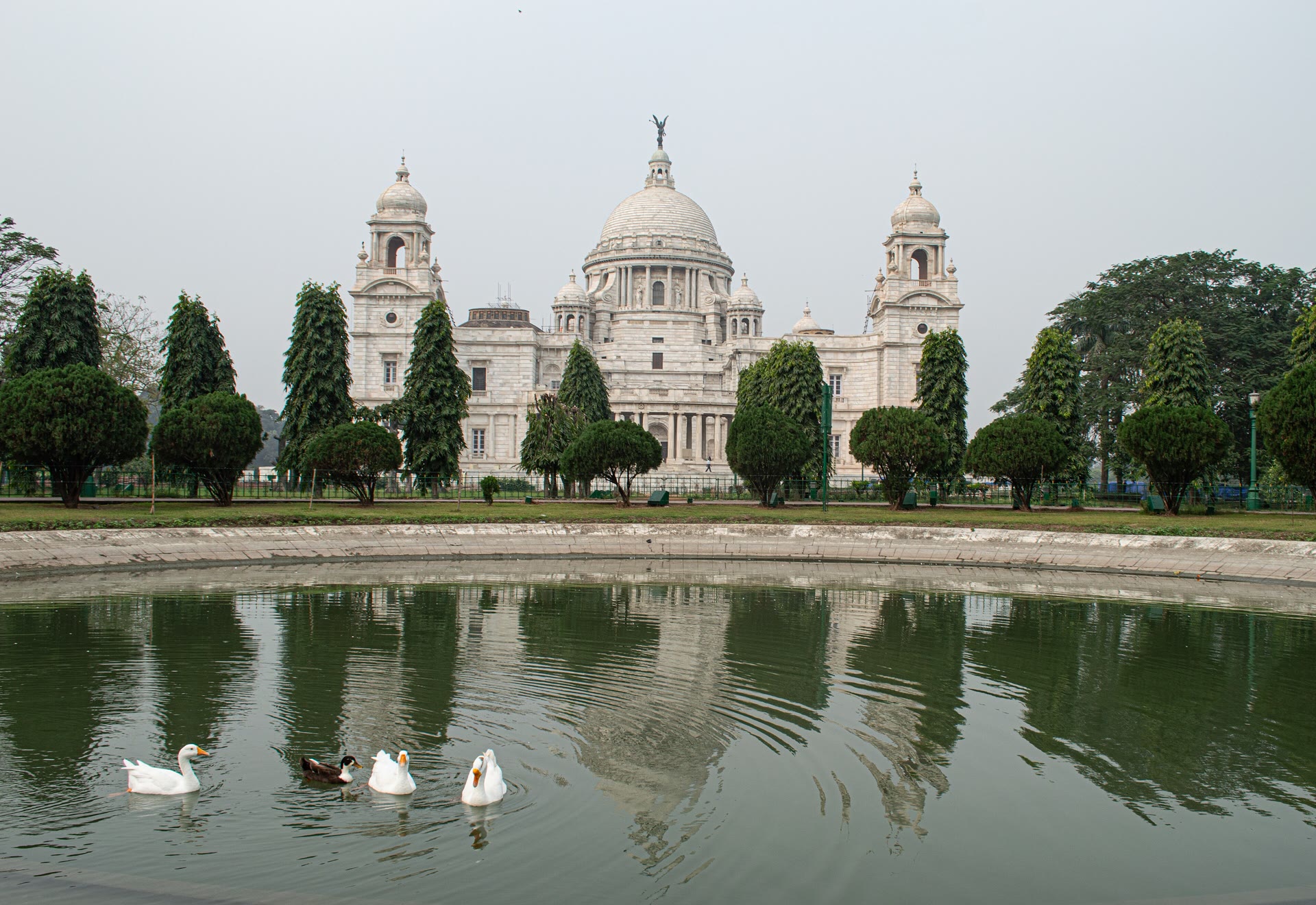
Park Street to Victoria Memorial: These are close enough to walk (about 1.5 km through the Maidan). Otherwise, a short taxi or auto ride will cost under 50 INR.
Esplanade to Dakshineswar Temple: The metro runs directly from Esplanade to Dakshineswar station (Line 1 terminus), making this a cheap and efficient trip of around 30-40 minutes.
South Kolkata to Salt Lake/Sector V: Currently best reached by taxi or ride-hailing app. Once the east-west metro line is fully operational, this will become a quick metro journey.
Frequently Asked Questions
Use this guide to compare local transport in Kolkata. When bookable tickets are available, the booking tool shows current options and prices.
For most travelers, a combination of the metro and ride-hailing apps (Ola and Uber) covers the city efficiently. The metro is the fastest option for north-south travel, while app-based taxis handle door-to-door trips without the hassle of fare negotiation. For short distances in congested areas, auto-rickshaws and cycle rickshaws are practical and cheap.
Kolkata is one of the cheapest cities in Asia for getting around. Metro fares range from 5 to 25 INR (under $0.30). A taxi ride across the city typically costs 100-300 INR ($1-$4). Auto-rickshaws, trams, buses, and ferries all cost well under a dollar per trip. Even with frequent taxi use, most travelers spend very little on daily transport.
Yes, Kolkata is generally considered one of the safer Indian cities for public transport. The metro is well-maintained and has dedicated women's coaches. Taxis and auto-rickshaws are safe during the day. At night, app-based cabs with tracked rides are a better choice than hailing taxis on the street. Exercise normal caution on crowded buses during rush hours.
Both Uber and Ola operate widely in Kolkata and are highly recommended. They offer transparent pricing, GPS-tracked rides, and cashless payment options. Both apps also allow you to book auto-rickshaws. Download both before arriving, as availability can vary by area and time.
Parts of Kolkata are very walkable, especially the colonial core around BBD Bagh, the Maidan, Park Street, and College Street. The city is flat, which helps. However, sidewalks can be uneven or obstructed, and crossing major roads requires confidence. Avoid long walks during the hot summer months from April to June.
You can buy single-journey tokens at metro station counters, so a card is not strictly necessary. However, rechargeable smart cards save time in queues and offer a small fare discount. If you plan to use the metro frequently during your stay, picking up a smart card is worthwhile.
The most common option is a prepaid taxi or an Ola/Uber ride, costing between $25 and $46 and taking 30 minutes to 1 hour depending on traffic. AC Volvo buses also connect the airport to Esplanade and other central points at a much lower cost. During evening rush hour, expect the journey to take closer to an hour.
Bengali is the primary language, and many taxi and auto drivers speak limited English. The most effective strategy is to show your destination on Google Maps or have it written in Bengali script. Ola and Uber bypass the language issue entirely since drivers follow GPS navigation. Metro stations have signage in both Bengali and English.
Guide prices and journey times are indicative, not live quotes. A booked package may include transfers and waiting time as well as the main journey. Check the selected offer, pickup point and current conditions before booking.