Plan your ferry trip across India with this guide to routes, booking and permits for Andaman, Lakshadweep, Kerala backwater, Majuli and Mumbai harbor ferries.
India has a long coastline, and its interior is laced with rivers, backwaters, and island archipelagos that have shaped centuries of waterborne trade and travel. From the legendary backwater cruises of Kerala to the vital lifeline ferries connecting the Andaman and Nicobar Islands to the mainland, ferry travel in India offers something no bus or train can replicate: the slow, immersive rhythm of watching a vast and varied country unfold from the water. It is not always the fastest way to get between two points, but it is often the most memorable.
Ferry services range from bare-bones government-operated vessels carrying commuters across rivers to ships traversing open ocean. Understanding where ferries operate, what to expect on board, and how to plan around them can unlock corners of India that remain blissfully off the beaten path.
The Ferry Network in India
India's ferry network is not a single unified system but rather a patchwork of regional services operated by state governments, port authorities, and private companies. The major segments break down by geography:
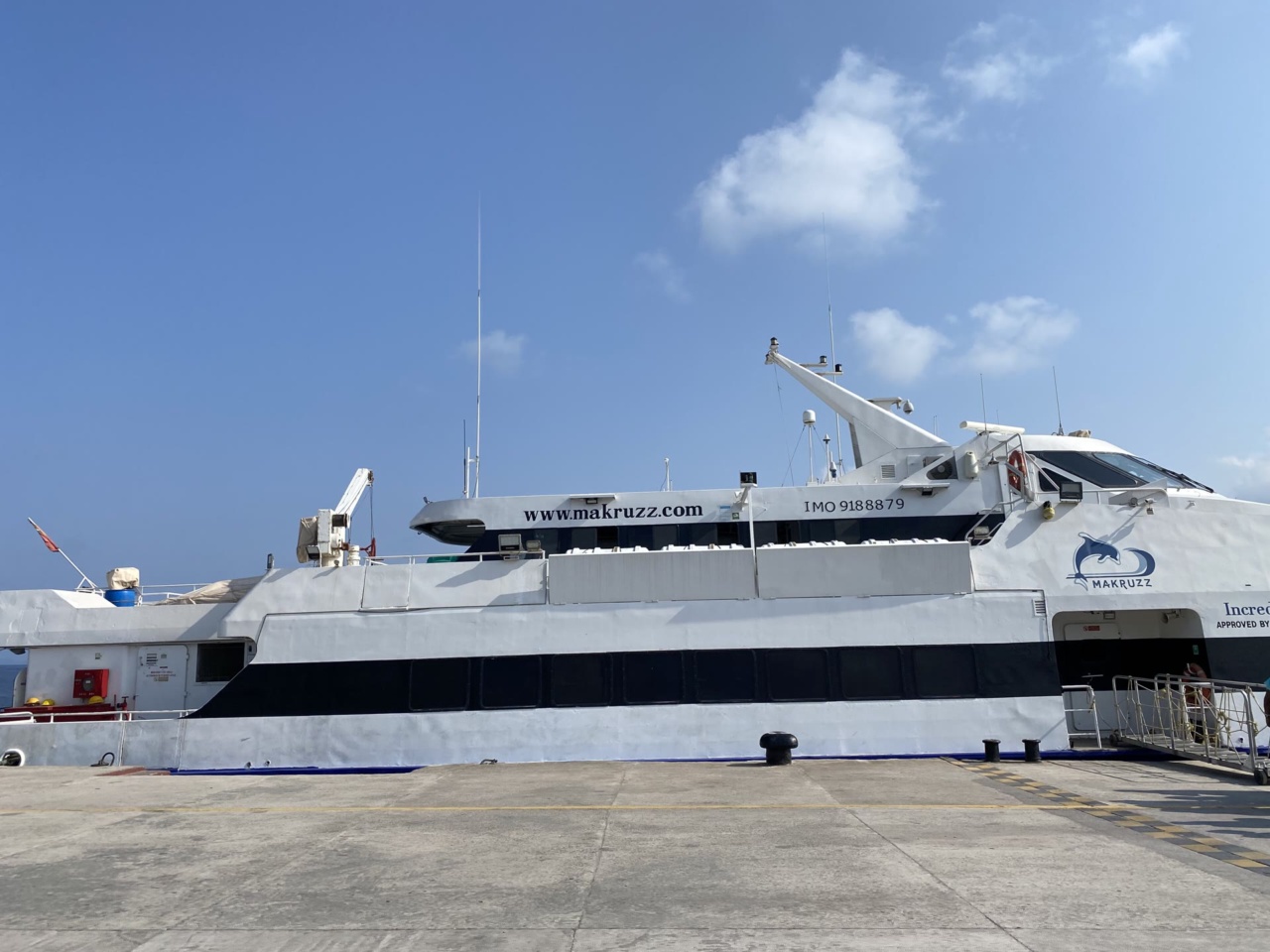
Andaman and Nicobar Islands: The most significant long-distance ferry routes in India connect Chennai, Kolkata, and Visakhapatnam on the mainland to Sri Vijaya Puram (formerly Port Blair), the capital of the Andaman Islands. The Shipping Corporation of India (SCI) manages the ships as the agent of the Andaman and Nicobar Administration, which sells the tickets through its Directorate of Shipping Services (DSS).[1] Inter-island and foreshore services then link the capital to islands such as Swaraj Dweep (Havelock) and Shaheed Dweep (Neil).[2] Private catamarans such as Makruzz also run between Port Blair and the islands of Havelock and Neil.[3]
Lakshadweep Islands: The remote Lakshadweep archipelago in the Arabian Sea is served by passenger ships owned by the Lakshadweep Administration. 5 all-weather ships run between the mainland and the islands, and 6 high-speed crafts run mainly between the islands during the fair-weather season from 15 September to 15 May.[4]
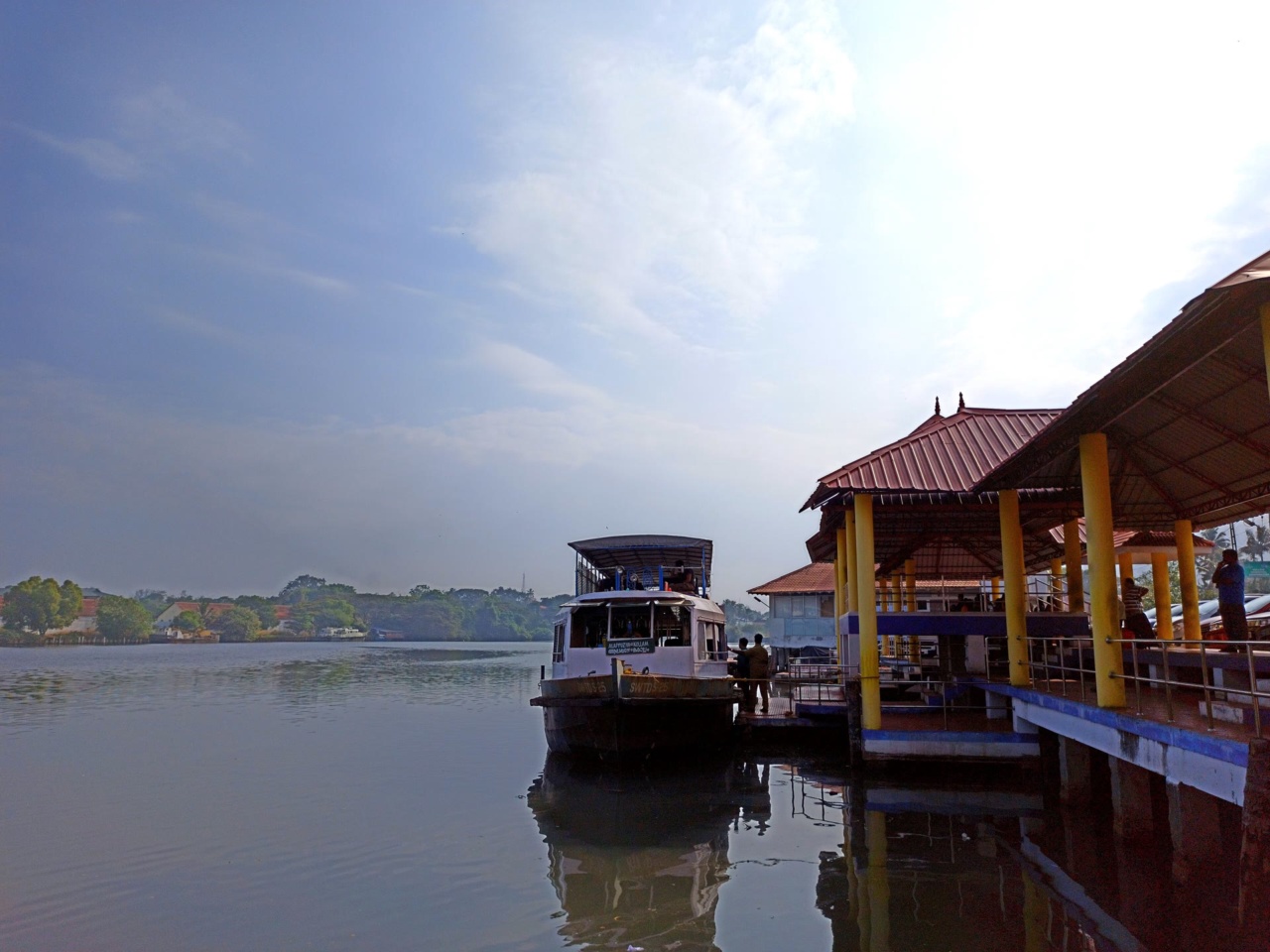
Kerala Backwaters: The Kerala State Water Transport Department runs public passenger boats in the backwater districts, including Alappuzha (Alleppey), Kottayam, Kollam and Ernakulam (Kochi).[5] These are among the most scenic and affordable ferry rides in all of Asia.
Goa: River ferries operated by the Goa government shuttle passengers and vehicles across the Mandovi and Zuari rivers, connecting areas where bridges are absent or distant. The Panaji to Betim crossing is a popular example.
Mumbai: Ferries link Mumbai's Gateway of India to Mandwa, the gateway to Alibaug, across the harbor. The Maldar Catamarans timetable shows a crossing of about 50 minutes from Jetty No. 2 at the Gateway of India, with a complimentary bus on to Alibaug.[6]
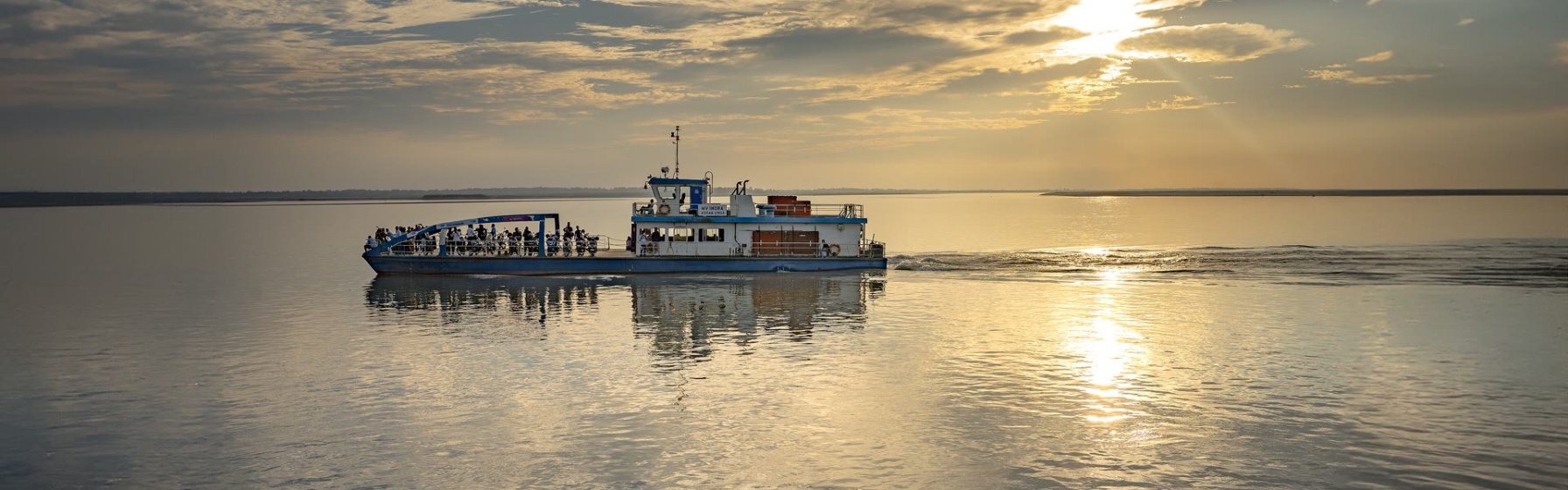
Northeast India and West Bengal: River ferries on the Brahmaputra in Assam connect Nimati Ghat near Jorhat with Majuli Island, one of the world's largest river islands. The Assam Inland Water Transport Department runs the service and sells tickets online.[7] In the Sundarbans delta of West Bengal, ferries are the primary mode of transport through the mangrove wilderness.
Coverage is strongest in coastal and island regions. Inland ferry services tend to be local and utilitarian rather than long-distance, filling gaps where road infrastructure is limited.
Classes and Comfort Levels
Comfort varies enormously depending on the route and operator. For Andaman voyages, the available classes and fares are listed in the Directorate of Shipping Services' passenger fare notification and shown when you book online.[2] On Kerala's backwater routes, you travel on simple commuter boats, and the scenery more than compensates for the lack of frills.
Booking and Tickets
Booking methods depend heavily on the route:
For Andaman ship voyages, tickets are sold through the STARS e-ticketing portal of the Directorate of Shipping Services, which is open from 00:30 to 23:30 every day. Counters sell tickets on weekdays from 09:00 to 16:00 and on Saturdays from 09:00 to 12:00. You must give valid ID details when booking and show the same original ID when boarding, and passengers must report 2 hours before sailing.[2] Demand often exceeds supply, so book as early as possible. For private catamarans, booking is done through the operator's website.
For Majuli ferries, the Assam Inland Water Transport Department offers online ferry ticket booking on its website and app.[7]
Travelers comparing routes and schedules across different Indian ferry operators can check options on GoAsia.cc to see what is available for their dates. Payment methods differ by operator, so check what is accepted before you travel.
What to Expect on Board
The experience of riding an Indian ferry is shaped almost entirely by the route. A voyage between the mainland and the Andaman Islands takes several days, and the DSS publishes the current sailing programme of the mainland ship month by month.[2] Bring your own snacks, water and motion sickness medication, as seasickness is common on open-sea crossings, particularly during the monsoon months.
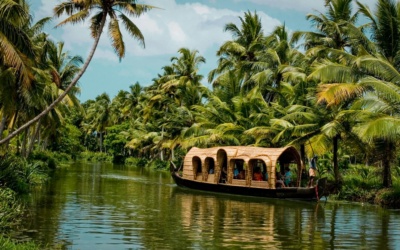
Kerala's backwater boats are an entirely different affair: you glide through narrow canals lined with coconut palms, past village temples and rice paddies, while local people board and alight at small jetties along the way.
Baggage rules vary by operator and ticket. Before booking, check the operator's permitted size and weight, possible extra charges, and declare special baggage in advance. Space can be tight. Keeping valuables close is standard practice.
Tips for Ferry Travel in India
Check the season and the weather. The Lakshadweep high-speed crafts only run in the fair-weather season from 15 September to 15 May,[4] and rough seas during the monsoon can delay sailings in general. The Andaman DSS offers a full refund if a voyage is delayed by more than 6 hours.[2]
Carry your own essentials. Toilet paper, hand sanitizer, a refillable water bottle, motion sickness tablets, and a light blanket or shawl are invaluable, especially on longer voyages where onboard supplies are basic.
Arrive early for government ferries. Andaman ships ask passengers to report 2 hours before sailing, and the embarkation gates close 30 minutes before departure.[2]
Check permit requirements. Everyone who is not a native of Lakshadweep needs an entry permit for the islands, which you apply for on the Lakshadweep e-Permit portal.[8] For the Andaman and Nicobar Islands, foreign visitors need a Restricted Area Permit, which the immigration officer at the port of arrival can issue after the usual checks. The permit covers a list of open islands such as Havelock, Neil and Long Island.[9] Rules change, so check the current requirements before travel.
Consider combining ferry and train travel. Some of India's best itineraries pair a coastal train journey with a ferry crossing, for example taking a train along the Konkan coast to Goa and then using local ferries to explore the rivers, or training to Alappuzha and then switching to backwater boats.
Respect local customs. On Sundarbans boats and Kerala ferries, you are sharing space with daily commuters, not just tourists. Keep noise levels reasonable, avoid blocking pathways with luggage, and be mindful of personal space in crowded conditions.
Sources and background
Numbers in the text such as [1] refer to these sources.