Mumbai is India's financial powerhouse and cultural engine, a city where colonial-era grandeur collides with Bollywood glitz and street-food genius on every corner.
The first thing Mumbai hits you with is sound. Taxi horns layer over temple bells, which compete with Bollywood playback blasting from a phone shop, which fades under the rhythmic call of a chai wallah. India's largest city operates at a frequency that can overwhelm in the first hour and feel completely natural by the second day. This is a metropolis of 20-plus million people squeezed onto a narrow peninsula, and that compression creates something electric.
Mumbai is the city that bankrolls India. The Bombay Stock Exchange, the Reserve Bank of India, and the headquarters of nearly every major Indian corporation sit here, but the wealth exists alongside staggering poverty in a way that is impossible to ignore. Dharavi, one of Asia's largest informal settlements, sits minutes from gleaming high-rises. Engaging honestly with this contrast, rather than looking away, is part of understanding what Mumbai actually is.
For travelers, Mumbai delivers world-class colonial architecture, arguably India's best street food scene, a thriving contemporary art circuit, and the closest thing the country has to a genuine nightlife culture. It is also the gateway to the cave temples of Elephanta and Ajanta-Ellora, the beaches of Alibaug, and the hill stations of the Western Ghats. Whether you have two days or two weeks, the city has layers to peel back.
A note on names: locals use "Mumbai" and "Bombay" interchangeably, and many iconic landmarks still carry their colonial-era names. Do not overthink it - both are understood everywhere.
Orientation and Neighborhoods
Mumbai stretches north-south along a peninsula, with the oldest and most tourist-relevant areas clustered at the southern tip. Think of it as three broad zones.
South Mumbai (Colaba to Fort)
This is where most first-time visitors base themselves, and for good reason. The Gateway of India, the Taj Mahal Palace Hotel, Chhatrapati Shivaji Maharaj Terminus (CST), and the main museum district are all here. Colaba Causeway is a buzzing strip of cafes, bookshops, and street stalls. Fort and Kala Ghoda form the cultural heart, with galleries, heritage buildings, and excellent restaurants packed into walkable lanes. Accommodation ranges from budget guesthouses in Colaba to five-star palaces along Marine Drive.
South-Central Mumbai (Bandra, Juhu, Andheri)
Bandra is Mumbai's hipster-meets-Bollywood neighborhood. Bandra West, specifically the Pali Hill and Carter Road areas, has the city's densest concentration of trendy cafes, cocktail bars, and boutiques. Juhu Beach is iconic more for its atmosphere and street food than for swimming. Andheri is a sprawling suburb with good mid-range hotels and easy airport access. If nightlife and contemporary culture matter more to you than colonial heritage, stay in Bandra.
Midtown (Dadar, Mahalaxmi, Lower Parel)
Lower Parel is Mumbai's reinvented mill district, now home to malls, brewpubs, and some of the city's best restaurants. Mahalaxmi has the famous Dhobi Ghat open-air laundry and the racecourse. Dadar is a major transit hub and the gateway to the Dadar Flower Market, one of Mumbai's most photogenic experiences. These areas are convenient for getting between south and north Mumbai.
Mostly residential and corporate. Unless you are visiting Sanjay Gandhi National Park in Borivali or have business in the tech parks, you will not spend much time here as a tourist.
Things to Do
Offers are only loaded from GetYourGuide after you click. GetYourGuide can then process your IP address and set cookies. Privacy Policy
GetYourGuide partner offers. GoAsia may earn a commission if you book through these offers. Check whether tickets or transfers are included, and follow the attraction's official booking and admission rules.
Best Time to Visit
Mumbai has a tropical climate with three distinct seasons, and the difference between them is dramatic.
Season
Months
Weather
Crowds
Prices
Winter (Best)
November - February
Warm days (25-33C), low humidity, almost no rain
High (peak tourist season)
Higher
Summer
March - May
Hot (33-40C), increasingly humid
Moderate
Moderate
Monsoon
June - September
Heavy rain, flooding common, 25-32C
Low
Lower
Post-Monsoon
October
Rain tapering off, humid but cooling
Moderate
Moderate
November through February is the clear winner for comfortable sightseeing. Evenings along Marine Drive are genuinely pleasant, and outdoor dining is enjoyable. The Kala Ghoda Arts Festival in early February transforms the Fort district into a massive open-air cultural event with installations, performances, and food stalls - worth timing your visit around.
The monsoon is polarizing. Flooding disrupts transport and can strand you for hours, but the city looks spectacular draped in rain, hotel prices drop significantly, and you get to see Mumbaikars at their most resilient and good-humored. If you are adventurous and flexible, a monsoon visit has a raw appeal. Just avoid July and August if you need reliability in your schedule.
Ganesh Chaturthi, usually in August or September, is Mumbai's most important festival. Enormous idols of Lord Ganesha are paraded through the streets and immersed in the sea over ten days. The energy is extraordinary, but transport grinds to a halt near procession routes. Diwali in October or November lights up the city with fireworks and decorations.
Getting There and Getting Around
Chhatrapati Shivaji Maharaj International Airport (BOM) is the main gateway, handling flights from across Asia, Europe, the Middle East, and beyond. Terminal 2 (international and some domestic) is a stunning building with an integrated art museum. Terminal 1 handles most domestic flights and is several kilometers away - allow extra time if connecting between terminals. Navi Mumbai International Airport (NMI) is a second airport serving the Mumbai region, with domestic and international terminals, prepaid taxis, app cabs and car rentals; check which airport your flight uses before you book a transfer.[1]
Airport to city center: A prepaid taxi from the airport counter costs roughly $8-12 to South Mumbai (Colaba/Fort) and takes 60-90 minutes depending on traffic. Uber and other ride-hailing apps typically cost $6-10 for the same trip. Metro Line 3 (the Aqua Line) runs underground from the airport, with stations at Terminal 2 and Terminal 1, through Dadar, Mahalaxmi, CSMT and Churchgate to Cuffe Parade near Colaba.[2] For detailed transport options and schedules, GoAsia.cc is a useful resource for planning connections.
Local trains: Mumbai's suburban railway is the circulatory system of the city, carrying over seven million passengers daily. The Western Line and Central Line run north-south. Trains are efficient and cheap (a single ride costs pennies) but infamously packed during rush hours (roughly 8-11 AM and 5-9 PM). Outside peak times, first-class compartments are comfortable and cost only around $0.50-1 per ride. Avoid rush hour unless you want a truly immersive (and physically demanding) experience.
Ride-hailing: Uber and other apps work well throughout Mumbai and are the most practical way to get around for tourists. Expect to pay $2-5 for most trips within a zone, though cross-city rides in traffic can hit $8-15. Auto-rickshaws are available north of Bandra (they are banned in South Mumbai) and are cheaper. The iconic black-and-yellow Kaali Peeli taxis operate on meters in South Mumbai - insist on the meter.
Walkability: South Mumbai, particularly the Colaba-to-Fort corridor, is genuinely walkable. Sidewalks are uneven and crowded but the density of sights makes walking the best way to explore. Bandra West is also walkable for cafe-hopping. Beyond these pockets, distances and traffic make walking impractical for getting between neighborhoods.
Top Sights and Experiences
Must-See Attractions
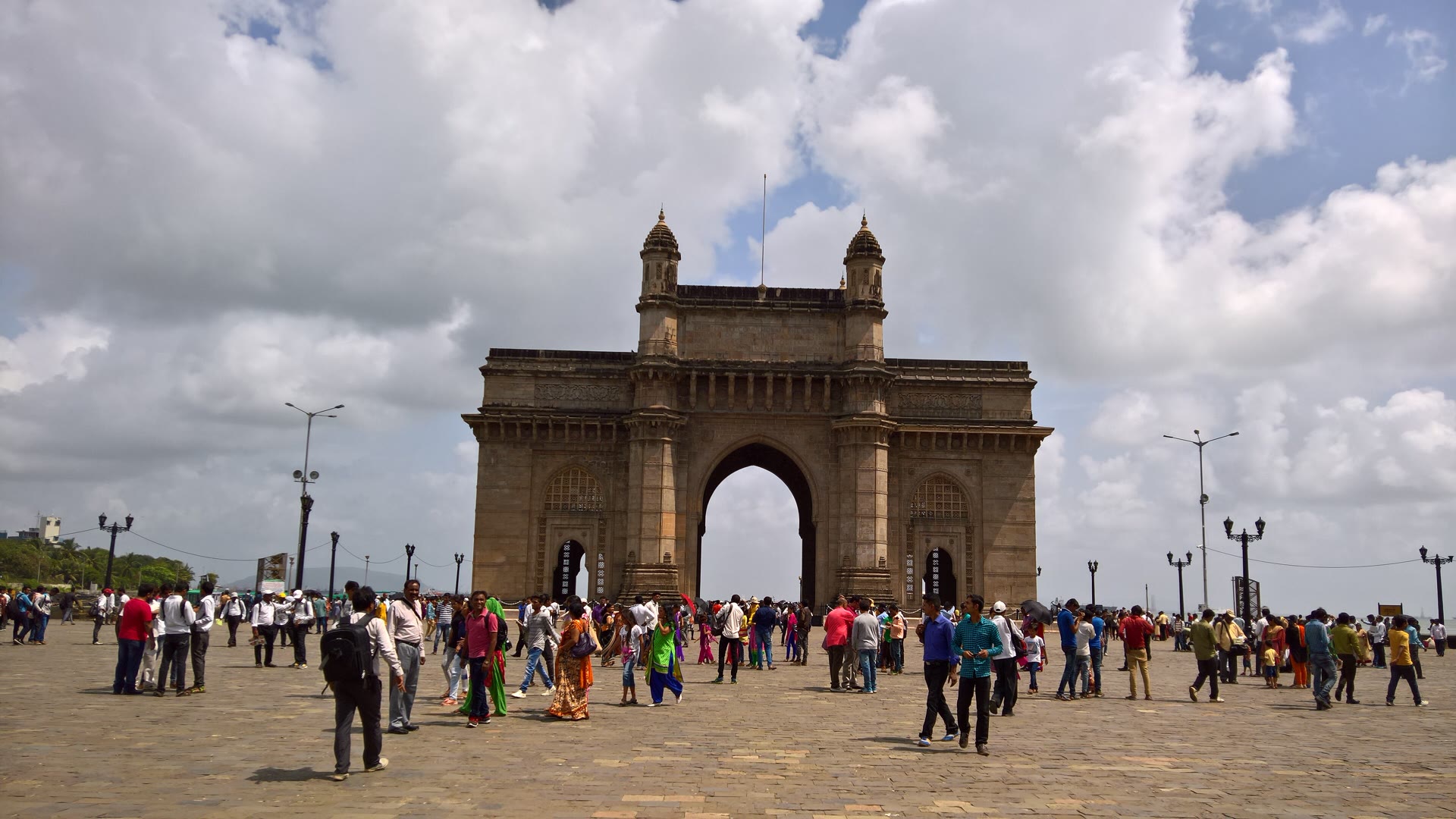
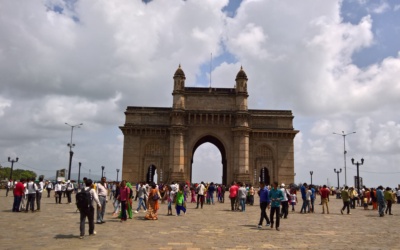
Gateway of India: Mumbai's most iconic landmark, this basalt arch on the waterfront was built to commemorate a royal visit in 1911. It is best visited early morning before the crowds and touts descend. The view across the harbor with the Taj Mahal Palace Hotel behind you is quintessential Mumbai. Budget 30 minutes.
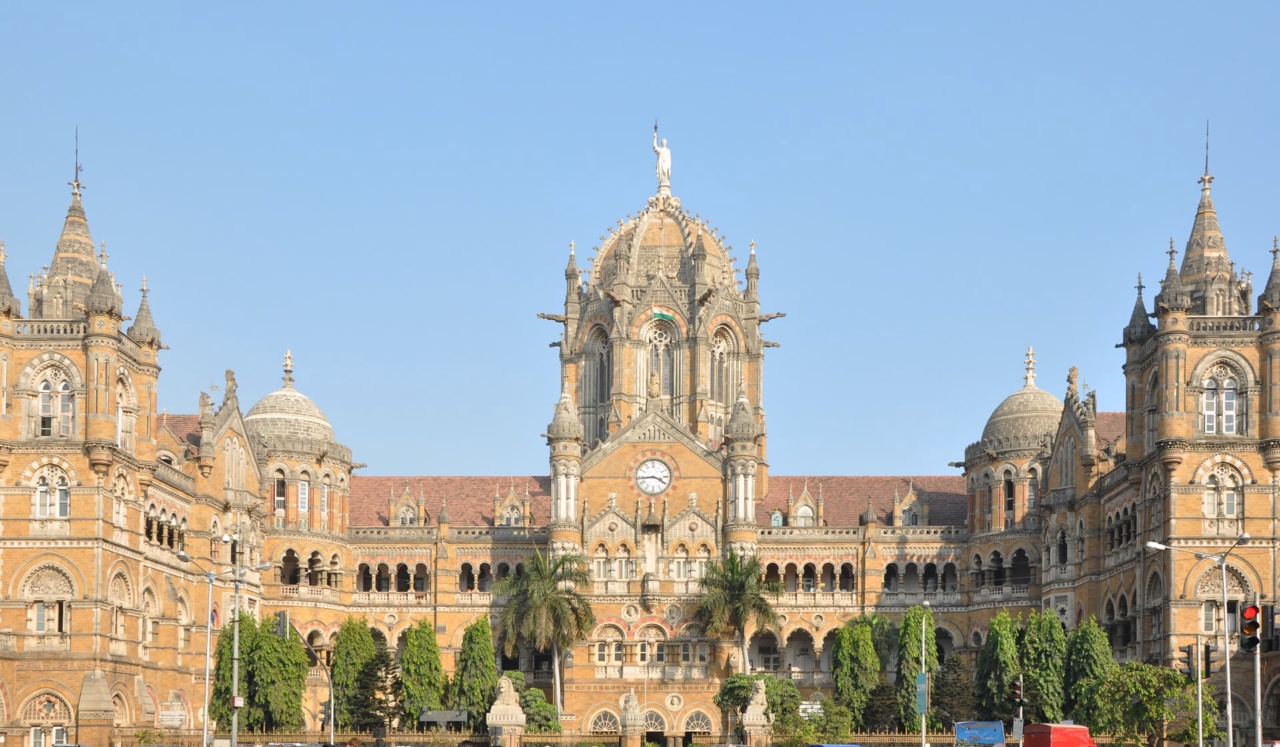
Chhatrapati Shivaji Maharaj Terminus (CST): This UNESCO-listed Victorian Gothic railway station is a functioning commuter hub, which makes it even more impressive. Built over ten years from 1878, it is used by more than three million commuters every day.[3] The exterior is best photographed from across the street. If you can get permission for an interior tour (ask at the station manager's office), the stained glass and tile work are extraordinary. Visit at dusk when the building is illuminated.
Chhatrapati Shivaji Maharaj Vastu Sangrahalaya (formerly Prince of Wales Museum): Mumbai's premier museum, housed in a gorgeous Indo-Saracenic building in the Kala Ghoda district. The collection spans Indus Valley artifacts, Mughal miniatures, and natural history. Allow two to three hours. Entry costs around $7 for foreigners.
Marine Drive and Girgaon Chowpatty: The 3.6-kilometer arc of Marine Drive, nicknamed the "Queen's Necklace" for its nighttime lights, is Mumbai's most beloved promenade. Walk it at sunset, ending at Chowpatty Beach where you should eat bhel puri from the vendors. Nobody swims here - it is about the atmosphere.
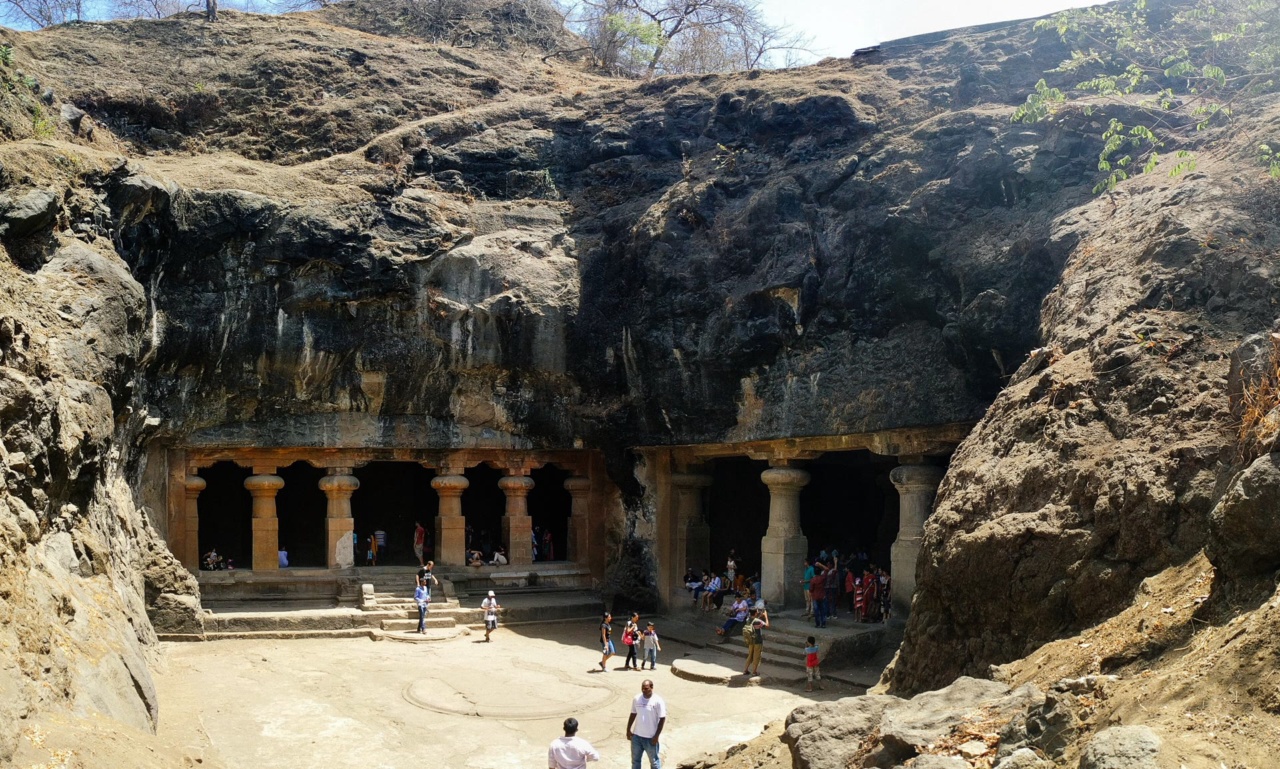
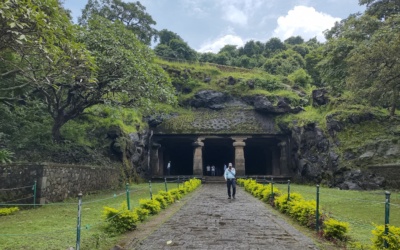
Elephanta Caves: A UNESCO World Heritage Site on an island in Mumbai Harbor, reachable by a one-hour ferry from the Gateway of India (roughly $3 round trip). The rock-cut caves date from about the mid-5th to the 6th century AD, and the 7-meter Sadashiva sculpture at the entrance of the main cave, which shows three aspects of Shiva, is breathtaking.[4] Go early on a weekday to avoid crowds. Budget a half day including travel. The ferry does not run during monsoon season.
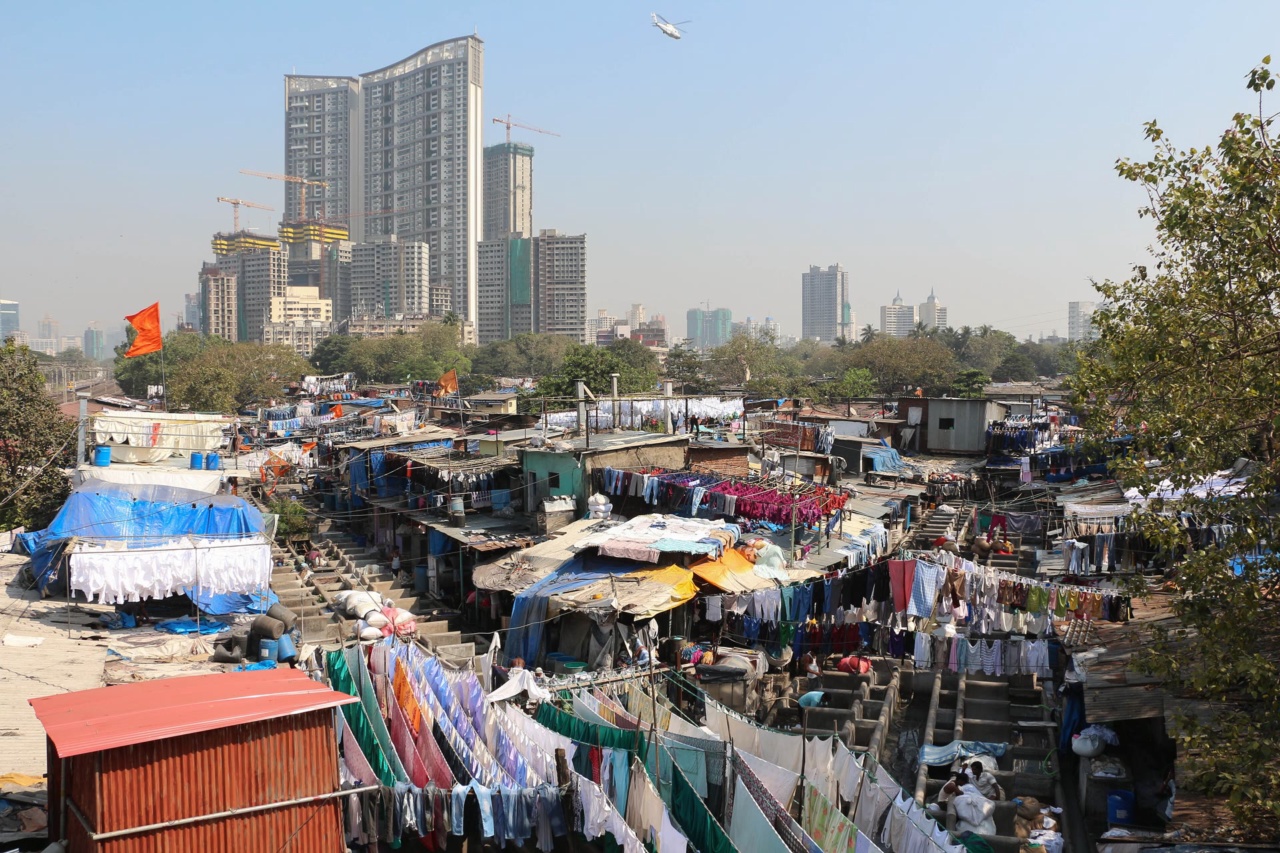
Dhobi Ghat: The world's largest open-air laundry, where thousands of washermen clean clothes in concrete troughs. You can view it from the Mahalaxmi railway bridge for free. Guided walking tours that take you inside and introduce you to the workers are available for around $10-15 and are far more meaningful than gawking from above.
Hidden Gems
Banganga Tank: A sacred freshwater tank in the upscale Malabar Hill neighborhood, surrounded by ancient temples and surprisingly serene despite being in the heart of the city. Virtually no tourists visit. Free entry.
Sassoon Docks: Mumbai's oldest dock, where the morning fish auction (5-7 AM) is a sensory explosion of color, smell, and commerce. The Sassoon Docks Art Project has also turned parts of the area into a street art gallery. Wear shoes you do not mind getting wet.
Chor Bazaar: The "Thieves' Market" in the Mohammed Ali Road area is a labyrinth of antique shops, vintage Bollywood posters, brass fittings, and old cameras. Bargain hard - opening prices are typically three to four times what sellers will accept. Friday mornings are the most active.
Dr. Bhau Daji Lad Museum: Tucked inside the Byculla Zoo gardens, this beautifully restored museum focuses on Mumbai's cultural history with exquisite displays of maps, photographs, and decorative arts. Far less crowded than the main museum and arguably more charming.
Overrated Attractions
Juhu Beach: Famous in Bollywood, but the beach itself is dirty and the water is not swimmable. The street food stalls are the only real draw, and you can find better food elsewhere. Worth a brief evening visit for the carnival atmosphere, but do not make a special trip.
Haji Ali Dargah: The mosque on a causeway in the sea is photogenic from a distance, but the walk out is crowded, lined with aggressive beggars, and the interior is underwhelming compared to the exterior view. Photograph it from Worli Sea Face instead.
Film City: Organized tours of Mumbai's Bollywood studios are sanitized and disappointing. You see empty sets and hear rehearsed commentary. Unless you are a die-hard Bollywood fan, skip it.
Food and Drink
Mumbai's food scene is arguably India's most diverse. The city draws migrants from every Indian state, and each community has brought its cuisine. Street food here is not just cheap eating - it is a culinary tradition taken seriously by everyone from office workers to billionaires.
Signature Dishes
Dish
Description
Where to Try
Typical Price
Vada Pav
Deep-fried spiced potato dumpling in a bread roll with chutneys - Mumbai's unofficial city food
Street stalls everywhere, especially near train stations
$0.15-0.30
Pav Bhaji
Spiced mashed vegetable curry served with buttered bread rolls
Juhu Beach stalls or Sardar Pav Bhaji in Tardeo
$0.50-1.50
Bhel Puri
Puffed rice mixed with chutneys, onions, and sev - tangy and crunchy
Girgaon Chowpatty Beach vendors
$0.20-0.50
Bombay Sandwich
Grilled sandwich with potato, beetroot, cucumber, cheese, and green chutney
Street carts in Fort and Churchgate areas
$0.30-0.75
Keema Pav
Spiced minced mutton served with bread rolls - a Muslim community specialty
Mohammed Ali Road restaurants
$1-2
Misal Pav
Spicy sprouted moth bean curry with farsan (crunchy toppings) and bread
Maharashtrian restaurants in Dadar
$0.75-1.50
Seafood (Bombay Duck, Pomfret)
Fresh fish fried, curried, or tandoori-style - the Koli fishing community's legacy
Seafood restaurants in Colaba or Bandra
$3-8
Where to Eat
Street food: Mohammad Ali Road is the undisputed king for Muslim street food, especially during Ramadan when the entire street becomes a night food market. Khau Galli (food lane) near CST station packs dozens of stalls into a narrow alley. Girgaon Chowpatty for chaat. Station areas like Churchgate and Andheri have excellent vada pav stalls.
Irani cafes: A dying breed unique to Mumbai, these Persian-influenced cafes serve brun maska (crusty bread with butter), chai, and simple egg dishes in gorgeous old interiors. A few legendary ones survive in Fort and South Mumbai - seek them out before they disappear.
Mid-range restaurants: Bandra West and Lower Parel have the highest concentration of good sit-down restaurants. Expect to pay $5-15 per person for a full meal with drinks. The cuisine ranges from regional Indian to Japanese, Italian, and everything between.
Upscale dining: Mumbai has India's most sophisticated fine dining scene. Expect to pay $30-80 per person at top restaurants, many located in five-star hotels. Reservations are essential on weekends.
Alcohol: Mumbai is one of the easier Indian cities for drinking. Bars and pubs are plentiful in Colaba, Bandra, and Lower Parel. A domestic beer costs around $2-3 at a bar, cocktails $4-8. Craft beer is booming, with several excellent brewpubs in Lower Parel and Andheri. Maharashtra state has relatively high alcohol taxes, so imported spirits are pricey.
Where to Stay
Budget (Under $30/night)
Colaba is the backpacker hub, with guesthouses and hostels clustered around Colaba Causeway. Dorm beds start around $8-12, and basic private rooms run $15-25. Expect small rooms, variable cleanliness, and noise from the street. Andheri also has budget options near the airport that are functional if charmless. Several well-run hostel chains have opened locations in Fort and Bandra with modern facilities and social atmospheres.
Mid-Range ($30-100/night)
Bandra West and Fort offer the best mid-range value. Boutique hotels and serviced apartments in these areas provide air conditioning, reliable Wi-Fi, and decent breakfasts for $40-80. Lower Parel has business hotels that drop rates on weekends. At this price point, you get a significant jump in comfort and can access rooftop pools and on-site restaurants.
Upscale ($100+/night)
Mumbai's luxury hotels are genuinely world-class. The Taj Mahal Palace at the Gateway of India is the city's most iconic hotel, with rooms starting around $250. Marine Drive has several heritage and modern luxury properties with sea views. Juhu and Bandra have boutique luxury options. During peak season (December-January), book well in advance as business and leisure travel converge.
Unique Stays
A few heritage properties in Fort have been converted into boutique hotels within restored Art Deco or Victorian buildings - these offer character that chain hotels cannot match. Homestays through platforms like Airbnb can give you a taste of residential Mumbai life, particularly in neighborhoods like Bandra or Dadar.
Practical Tips
Safety: Mumbai is generally safe for tourists, including solo female travelers, especially compared to many other large Indian cities. Violent crime against tourists is rare. That said, petty theft exists in crowded areas - keep your phone and wallet secure on trains and in markets. The biggest physical danger is traffic; crossing roads requires assertiveness and constant vigilance.
Common scams: Taxi drivers at the airport quoting flat rates far above the meter - always use the prepaid taxi counter or a ride-hailing app. "Guides" at the Gateway of India offering boat rides to Elephanta at inflated prices - buy ferry tickets at the official counter. Gem and carpet shop scams targeting tourists in Colaba.
Monsoon hazard: Flooding during heavy rain can be serious. Low-lying areas like Hindmata and Sion get waterlogged. Check weather forecasts and avoid unnecessary travel during heavy downpours.
Money: Cash is still important in Mumbai, especially for street food, auto-rickshaws, and smaller shops. ATMs are everywhere. UPI (Unified Payments Interface) is the dominant digital payment method for locals - tourists can sometimes use international cards at larger establishments, but do not rely on cards at smaller places. Tipping is appreciated but not obligatory: 10% at restaurants is standard, rounding up for taxi rides is sufficient.
SIM cards: Get a local SIM at the airport (Jio or Airtel are the best networks). It costs around $3-5 for a plan with ample data. Activation can take a few hours to a day. You will need your passport and a passport photo. Having mobile data makes navigating Mumbai infinitely easier.
Language: Hindi and Marathi are the primary languages. English is widely understood in South Mumbai, tourist areas, hotels, and restaurants. Taxi and auto-rickshaw drivers may have limited English - having your destination written down or using Google Maps to show them helps enormously. Learning "kitna" (how much) and "dhanyavaad" (thank you) goes a long way.
Dress code: Mumbai is India's most cosmopolitan city, and dress codes are relaxed compared to smaller towns. However, cover shoulders and knees when visiting temples and mosques. Beachwear is only appropriate at the beach.
Shoes off: Remove footwear before entering temples, mosques, and many homes.
Photography: Ask before photographing people, especially in Dharavi and Dhobi Ghat. Many residents are tired of being treated as spectacle.
Left hand: Use your right hand for eating and giving or receiving items. The left hand is considered unclean.
Day Trips
Elephanta Caves
Already mentioned above, but worth emphasizing: this is the most accessible and rewarding day trip from Mumbai. The one-hour ferry ride across the harbor is pleasant, and the 5th-8th century rock-cut temples dedicated to Shiva are genuinely impressive. Budget a half day. Ferries depart from the Gateway of India starting around 9 AM, with the last return around 5:30 PM. Closed Mondays.
A coastal town roughly 100 kilometers south of Mumbai, reachable by a combination of ferry to Mandwa (about an hour, around $3-5) and a short auto-rickshaw ride. Alibaug has cleaner beaches than Mumbai, a 17th-century sea fort you can walk to at low tide, and a laid-back vibe. It makes a great overnight trip, but a day trip is feasible if you catch an early ferry. Weekends get crowded with Mumbaikars escaping the city.
Khandala and Lonavala
Hill stations in the Western Ghats, about 80-100 kilometers from Mumbai and reachable by train (roughly two hours) or car. The journey through the ghats is scenic, especially during and just after monsoon when waterfalls cascade everywhere. The towns themselves are commercialized and not particularly charming, but the surrounding trails and viewpoints (Tiger Point, Rajmachi Fort) are worthwhile for hikers. Best visited on weekdays.
Matheran
A tiny, vehicle-free hill station about 80 kilometers from Mumbai. You reach the top by a charming toy train from Neral station or by walking/horseback. The lack of motorized traffic makes it uniquely peaceful. Red-earth paths wind through forest to viewpoints overlooking the plains. A full day trip is tight - an overnight stay is more relaxing. The toy train does not operate during monsoon.
Sanjay Gandhi National Park
Technically within Mumbai's city limits in Borivali, this 100-square-kilometer park contains the Kanheri Caves (over 100 Buddhist rock-cut caves dating from the 1st century BCE), hiking trails, and even leopards (rarely seen). The caves alone justify a half-day visit. Reachable by suburban train to Borivali station, then auto-rickshaw to the park entrance. Entry costs around $1-2.
Sample 3-Day Itinerary
Day 1: South Mumbai Heritage
Morning: Start at the Gateway of India early (by 8 AM) before crowds build. Walk to the nearby Taj Mahal Palace Hotel and peek inside the lobby - it is open to visitors. Continue north through Colaba Causeway, browsing the stalls and stopping for breakfast at an Irani cafe (brun maska and chai).
Afternoon: Walk to the Kala Ghoda district. Visit the Chhatrapati Shivaji Maharaj Vastu Sangrahalaya museum (allow two hours). Afterward, explore the street art and galleries of Kala Ghoda. Lunch at one of the excellent restaurants in the area.
Evening: Walk to CST station to admire the architecture at dusk when it is illuminated. Then head to Marine Drive for a sunset stroll ending at Girgaon Chowpatty, where you eat bhel puri and pav bhaji from the beach vendors. Dinner at a restaurant in Fort or Colaba.
Morning: Early start at Crawford Market (Mahatma Jyotiba Phule Mandai), a Victorian-era market building with fruit, spice, and pet sections. From there, walk to Chor Bazaar to browse antiques and vintage finds (best before noon). If it is a weekday, detour to Sassoon Docks for the fish market atmosphere.
Afternoon: Head to Mahalaxmi to see Dhobi Ghat from the bridge or join a guided tour. Then take a taxi or train to Bandra West. Explore the lanes around Pali Hill, visit Mount Mary Church, and walk Carter Road along the seafront.
Evening: Dinner and drinks in Bandra, which has the city's best concentration of bars and restaurants. Try a craft brewery or a rooftop bar.
Day 3: Elephanta Caves and Farewell
Morning: Catch the 9 AM ferry from the Gateway of India to Elephanta Island. Explore the caves (allow 1.5-2 hours on the island). Take the ferry back around noon.
Afternoon: Visit the Dr. Bhau Daji Lad Museum in Byculla, or explore Banganga Tank in Malabar Hill for something peaceful. If you prefer shopping, head to Linking Road in Bandra or the shops around Colaba Causeway for last-minute souvenirs.
Evening: End your trip with a seafood dinner in Colaba or a sundowner at a rooftop bar overlooking the Arabian Sea. If departing late, the drive to the airport from South Mumbai takes 60-90 minutes - leave plenty of buffer for traffic.
Budget Overview
Category
Budget
Mid-Range
Comfort
Accommodation
$10-20
$40-70
$120-250
Food
$5-8
$15-25
$35-60
Transport
$2-4
$8-15
$20-35
Activities
$3-5
$10-15
$20-40
Daily Total
$20-37
$73-125
$195-385
Mumbai is expensive by Indian standards but still affordable compared to most Asian capitals. The biggest variable is accommodation - South Mumbai hotel prices can rival Southeast Asian capitals. Food, however, is extraordinarily cheap at the street level, and transport costs are minimal if you use trains and auto-rickshaws. The budget tier assumes dorm beds or very basic rooms, street food meals, and public transport. Mid-range gets you a comfortable private room, sit-down restaurant meals, and ride-hailing taxis. Comfort includes boutique or luxury hotels, fine dining, and private transfers.
Frequently Asked Questions
Is Mumbai worth visiting?
Absolutely. Mumbai offers a combination of colonial architecture, world-class street food, vibrant nightlife, and cultural depth that no other Indian city matches. It is intense and chaotic, but that energy is precisely what makes it rewarding. If you only visit one Indian megacity, make it Mumbai.
How many days do you need in Mumbai?
Three days is the sweet spot for hitting the major sights, exploring key neighborhoods, and taking a half-day trip to Elephanta Caves. With four to five days, you can dig deeper into markets, museums, and the food scene in Bandra and Lower Parel. Two days feels rushed but covers the essentials.
Is Mumbai safe for tourists?
Mumbai is one of India's safer large cities for tourists, including solo female travelers. Violent crime against visitors is rare. The main risks are petty theft in crowded areas, taxi scams, and traffic. Exercise normal big-city awareness, especially on packed trains and in tourist hotspots like the Gateway of India.
What is the best time to visit Mumbai?
November through February offers the most comfortable weather with warm days, low humidity, and no rain. This is peak season, so expect higher hotel prices. Avoid June through September unless you are prepared for heavy monsoon rains and potential flooding that can disrupt transport.
What food is Mumbai famous for?
Vada pav (a spiced potato fritter in a bread roll) is the city's signature street food. Other must-try dishes include pav bhaji, bhel puri, Bombay sandwiches, and keema pav. Mumbai also has outstanding seafood, particularly Bombay duck and pomfret, reflecting its coastal heritage.
Is Mumbai expensive compared to the rest of India?
Mumbai is India's most expensive city, particularly for accommodation and nightlife. However, street food remains incredibly cheap (a full meal for under $1), and public transport costs are negligible. Budget travelers can manage on $20-35 per day, while mid-range travelers should expect $70-125 daily.
Can you drink tap water in Mumbai?
No. Tap water in Mumbai is not safe for tourists to drink. Stick to sealed bottled water or use a filtered water bottle. Ice in upscale restaurants is generally made from purified water, but avoid ice from street vendors. Brushing teeth with tap water is usually fine for short stays.
How do I get from Mumbai airport to the city center?
Use the prepaid taxi counter inside the arrivals hall (roughly $8-12 to South Mumbai) or book an Uber or other app ride for a similar price. The journey to Colaba or Fort takes 60-90 minutes depending on traffic. Avoid accepting rides from touts outside the terminal, as they charge inflated rates.
Is English widely spoken in Mumbai?
English is widely understood in tourist areas, hotels, restaurants, and by educated locals. Taxi and auto-rickshaw drivers may have limited English, so having your destination on Google Maps to show them is helpful. You will have very few communication problems in South Mumbai and Bandra.
What is the best neighborhood to stay in Mumbai?
Colaba and Fort in South Mumbai are best for first-time visitors due to proximity to major sights and walkability. Bandra West suits travelers prioritizing nightlife, cafes, and contemporary culture. For airport convenience and lower prices, Andheri is a practical if less exciting choice.
Sources and background
Numbers in the text such as [1] refer to these sources.