
Contents
- 1. Getting Around Mumbai by Local Train
- 2. Getting Around Mumbai by Metro
- 3. Getting Around Mumbai by Bus (BEST)
- 4. Getting Around Mumbai by Taxi
- 5. Getting Around Mumbai by Auto-Rickshaw
- 6. Getting Around Mumbai by Ride-Hailing Apps
- 7. Getting Around Mumbai by Ferry
- 8. Getting Around Mumbai on Foot
- 9. Comparing Your Options
- 10. Practical Tips for Getting Around Mumbai
- 11. Popular Routes and Destinations
- 12. Frequently Asked Questions
Mumbai hits you with its energy the moment you step outside. The city stretches along a narrow peninsula, hemmed in by the Arabian Sea on one side and a sprawling harbor on the other. This geography shapes everything about how people move: millions funnel through a handful of north-south corridors every day, and the local train network is the city's true circulatory system. Understanding this single fact will change how you experience Mumbai.
The good news is that Mumbai has more public transport options than almost any other Indian city. The local trains are legendary (and legendarily crowded), the black-and-yellow taxis are iconic, auto-rickshaws buzz through the suburbs, a growing metro system is easing congestion, and ride-hailing apps work reliably across the city. The less good news is that traffic in Mumbai can be punishing, especially during monsoon season or rush hour. Distances that look short on a map can take an hour by road. The savvy traveler learns quickly: take the train whenever possible, use taxis and rickshaws for the last mile, and never schedule anything tight during peak hours.
South Mumbai, where most tourist landmarks cluster, is reasonably walkable in cooler months. The stretch from Colaba to Fort to Marine Drive can be covered on foot, and doing so is one of the great pleasures of visiting the city. But to reach Bandra, Juhu, the airport, or anywhere in the northern suburbs, you will need motorized transport. Here is how each option works.
Getting Around Mumbai by Local Train
The Mumbai Suburban Railway is the backbone of the city. Over seven million people ride it daily, and it connects the southern tip of the city to far-flung suburbs in the north and east. Three main lines matter for travelers:
- Western Line: Churchgate to Virar, running along the western coast through stations like Mumbai Central, Dadar, Bandra, Andheri, Borivali, and beyond.
- Central Line: Chhatrapati Shivaji Maharaj Terminus (CSMT) to Kasara/Khopoli, passing through Dadar, Kurla, Thane, and onward.
- Harbour Line: CSMT to Panvel, useful for reaching Navi Mumbai and areas around the eastern harbor.
Trains run roughly every three to five minutes during peak hours and every ten to fifteen minutes off-peak. First and last trains are typically around 4:00 AM and 1:00 AM, giving you a wide operating window. Fares are extraordinarily cheap: a second-class ticket from Churchgate to Andheri costs just a few rupees (well under $1). First-class tickets cost roughly ten times more but are still a bargain by international standards, and the compartments are significantly less crowded.
A critical warning: Avoid the trains between 8:00 AM and 10:30 AM and again between 5:30 PM and 8:30 PM unless you are comfortable with extreme crowding. During rush hour, trains are packed far beyond their capacity. People hang from doorways, and boarding can be physically intense. If you must travel at these times, buy a first-class ticket, which reduces (but does not eliminate) the crush.
You can buy single-journey tickets or return tickets at station counters. The UTS (Unreserved Ticketing System) mobile app also lets you book suburban tickets digitally, though it can be finicky for foreign phone numbers. Women should look for the dedicated ladies' compartments, which are clearly marked and significantly less crowded. There are also designated compartments for senior citizens and differently-abled travelers.
Getting Around Mumbai by Metro
Mumbai's metro system is still expanding, but the operational lines already provide relief on some of the city's most congested corridors. Metro Line 1 (the Blue Line) runs from Versova to Andheri to Ghatkopar, cutting east-west across the suburbs in about 40 minutes - a journey that can take well over an hour by road during traffic. Newer lines, including the Aqua Line connecting key suburban nodes, are progressively opening.
The metro is air-conditioned, clean, and modern - a stark contrast to the local trains. Fares are modest, typically ranging from around 10 to 50 rupees (roughly $0.12 to $0.60) depending on distance. You can buy tokens at station counters or use a rechargeable metro smart card for quicker entry. Trains run from approximately 6:00 AM to 10:30 PM, with frequencies of about eight minutes during peak times.
For tourists, the metro is most useful if you are staying in the western suburbs (Andheri, Versova) and need to reach the eastern side of the city or connect to the Central Line local trains at Ghatkopar. As more lines open, the metro will become increasingly central to getting around Mumbai.
Getting Around Mumbai by Bus (BEST)
The BEST (Brihanmumbai Electric Supply and Transport) bus network blankets the city with hundreds of routes. Red single-decker and double-decker buses are a Mumbai institution, and they reach neighborhoods that trains and the metro do not. Fares start at around 5 rupees and rarely exceed 25 rupees for long routes.
For tourists, buses are most useful in South Mumbai, where the train network has fewer stations. Routes connecting Colaba, Nariman Point, Haji Ali, Worli, and Dadar are frequent and straightforward. The BEST app and Google Maps both show bus routes and approximate timings, though real-time accuracy can vary.
Air-conditioned buses (marked as AC BEST) run on select routes and cost more - typically 20 to 80 rupees - but offer a comfortable alternative to taxis for medium-distance trips. Payment is accepted in cash on board or via the Chalo app, which allows digital ticketing. The main downside of buses is that they are subject to the same road traffic as everything else, so journey times can be unpredictable.
Getting Around Mumbai by Taxi
Mumbai's iconic black-and-yellow Padmini taxis (and their modern replacements) are metered, which is a huge advantage over many other Indian cities. By law, drivers must use the meter. The base fare is around 28 rupees for the first 1.5 kilometers, with increments thereafter. A ride from Colaba to Bandra typically costs around 300 to 450 rupees (roughly $4 to $5). Blue and silver air-conditioned "cool cabs" charge a premium of about 25% more.
Taxis are available throughout the city, though they are most plentiful in South Mumbai and the western suburbs. In practice, some drivers will refuse trips during rush hour or to distant destinations - this is technically illegal but common. If a driver refuses, simply flag another one. Always ensure the meter is running; if a driver claims the meter is broken, decline the ride. At night (midnight to 5:00 AM), a 25% surcharge applies, which is legitimate.
One quirk: taxi meters in Mumbai display a reading that corresponds to a fare chart. The driver will show you a laminated tariff card at the end of the ride to convert the meter reading into the actual fare. This system is confusing but legitimate - the tariff card is government-issued.
Getting Around Mumbai by Auto-Rickshaw
Auto-rickshaws are the workhorses of Mumbai's suburbs. They are not permitted south of Bandra on the western side or south of Sion on the central side, so you will not find them in the core tourist areas of South Mumbai. But anywhere north of those boundaries, they are cheap, fast (they weave through traffic brilliantly), and plentiful.
Like taxis, auto-rickshaws run on meters. The base fare is around 23 rupees for the first 1.5 kilometers. A typical ride from Andheri station to Juhu Beach costs roughly 60 to 80 rupees. Most drivers are honest about using the meter, though at major transport hubs like airports or busy stations, some may try to negotiate a flat fare - insist on the meter.
Rickshaws are open-sided, which makes them refreshing in warm weather but less appealing during monsoon downpours. They are ideal for short hops between a train station and your hotel or a nearby restaurant.
Getting Around Mumbai by Ride-Hailing Apps
Uber and Ola both operate extensively in Mumbai and are often the most convenient option for tourists. You can book cars, auto-rickshaws, and even bike taxis through these apps. Pricing is transparent, upfront, and paid digitally (via card, UPI, or cash). This eliminates meter disputes and language barriers entirely.
Standard ride-hailing fares are competitive with or slightly higher than metered taxis. A car from the airport area to South Mumbai typically runs around $10 to $20 depending on traffic and vehicle type. Surge pricing applies during heavy rain and rush hours, sometimes doubling or tripling the fare. During monsoon season, surge pricing can be extreme - check the app before confirming.
One practical advantage of ride-hailing: you can share your trip details with someone for safety, and the GPS-based routing means you do not need to know local landmarks or give directions in Hindi or Marathi. For comparing transport options and planning your Mumbai itinerary, GoAsia.cc can help you weigh costs and travel times across different modes.
Getting Around Mumbai by Ferry
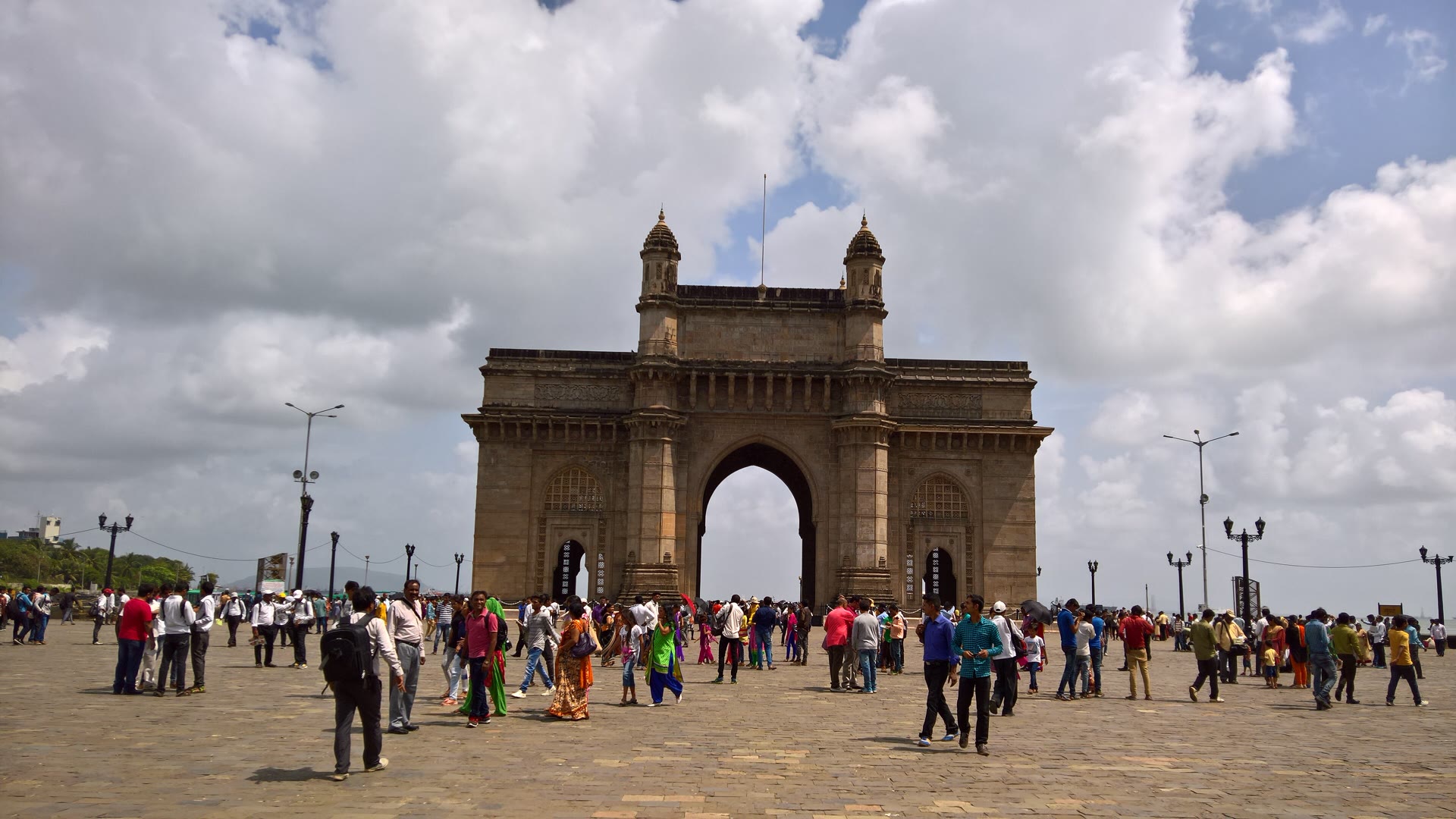
Mumbai's ferry services offer a scenic and traffic-free way to cross the harbor. The most popular route for tourists is the ferry from the Gateway of India to Elephanta Island, which takes about an hour and costs around 200 rupees for a round trip. But ferries also connect the city to Alibaug, Mandwa, and other coastal destinations.
Ro-Ro (roll-on, roll-off) ferry services between South Mumbai and Mandwa/Alibaug have significantly cut travel times to these popular weekend getaways. The catamaran service takes roughly 45 to 60 minutes compared to three-plus hours by road. Tickets can be booked online through operators like M2M Ferries.
Within the city, ferry routes along the coast are expanding, offering a way to bypass road traffic entirely. Check current schedules at the ferry terminals near the Gateway of India or online, as services can be suspended during rough monsoon seas.
Getting Around Mumbai on Foot
Walking is underrated in Mumbai - at least in certain neighborhoods. South Mumbai, from Colaba through Fort, Kala Ghoda, and along Marine Drive to Chowpatty Beach, is genuinely pleasant on foot, especially in the early morning or evening. The architecture alone makes it worthwhile: Victorian Gothic buildings stand alongside Art Deco facades, and the streetscape changes every few blocks.
Bandra's Bandstand promenade, the lanes of Bandra West, and the Juhu Beach stretch are also walkable. However, Mumbai's footpaths are notoriously uneven, often encroached upon by hawkers and parked vehicles, and can flood during monsoon. Wear sturdy, water-resistant footwear during the rains. Crossing major roads requires confidence and alertness - pedestrian signals exist but are widely ignored by motorists.
Comparing Your Options
| Mode | Typical Cost | Duration | Best For |
|---|---|---|---|
| Local Train | Under $1 (second class) | Fast (20-60 min for most routes) | Covering long north-south distances quickly, beating road traffic |
| Metro | Around $0.12-$0.60 | Fast (fixed schedule) | East-west suburban crossings, air-conditioned comfort |
| BEST Bus | $0.06-$1 (AC buses more) | Variable (traffic dependent) | Reaching areas not near train stations, South Mumbai short hops |
| Black-and-Yellow Taxi | Around $4-$8 for medium trips | Variable (traffic dependent) | Door-to-door travel in South Mumbai, late-night rides |
| Auto-Rickshaw | Around $0.70-$2 for short trips | Quick for short distances | Last-mile connections in the suburbs, station-to-hotel hops |
| Uber/Ola | $3-$20 depending on distance | Variable (traffic dependent) | Airport transfers, comfort in unfamiliar areas, rainy days |
| Ferry | Around $2-$10 | 45-60 min (harbor crossings) | Elephanta Island, Alibaug, avoiding road traffic entirely |
| Walking | Free | Depends on fitness and weather | South Mumbai sightseeing, Bandra exploration, Marine Drive strolls |
Practical Tips for Getting Around Mumbai
Apps to download before you arrive:
- Uber and Ola - Ride-hailing essentials. Both work well; having both lets you compare surge pricing.
- m-Indicator - The definitive app for Mumbai local train schedules, routes, and platform information. Indispensable.
- Google Maps - Reliable for bus routes, walking directions, and general navigation. Real-time traffic estimates are usually accurate.
- Chalo - For BEST bus tracking and digital tickets.
- UTS app - For booking suburban train tickets digitally (though it may require an Indian phone number for full functionality).
Payment tips: Mumbai is increasingly digital, but carry cash in small denominations (10, 20, 50, 100 rupee notes) for auto-rickshaws, taxis, buses, and train tickets. Many taxi and rickshaw drivers do not carry change for large notes. UPI (Unified Payments Interface) is ubiquitous among locals - if you can set up a UPI-linked account, it works almost everywhere. International credit cards are accepted by Uber and Ola but rarely by traditional taxis or rickshaws.
Rush hour survival: Mumbai's rush hours are brutal - roughly 8:00 AM to 10:30 AM and 5:30 PM to 8:30 PM on weekdays. Roads gridlock, trains overflow, and ride-hailing prices surge. Plan sightseeing to avoid traveling during these windows. Mid-morning (10:30 AM to noon) and early afternoon are the sweet spots for moving around.
Monsoon awareness: From June through September, heavy rains can flood roads and low-lying train tracks, sometimes shutting down services for hours. Waterlogging is worst in areas like Hindmata, Sion, Andheri subway, and King's Circle. On heavy rain days, check train status on m-Indicator before heading out. Carry a waterproof bag for your phone and documents.
Scam awareness: Mumbai is relatively safe and honest compared to some tourist cities, but watch for these:
- Taxi drivers at the airport who offer "flat rate" rides at inflated prices. Use the prepaid taxi counter inside the terminal or book via Uber/Ola instead.
- Drivers who claim the meter is broken - always insist on the meter or walk away.
- At Colaba and Gateway of India, touts may aggressively push boat rides at marked-up prices. Buy ferry tickets at official counters only.
Language tips: Hindi and Marathi are the primary languages. Most taxi and rickshaw drivers understand basic English destination names ("Bandra station," "Gateway of India"), but having your destination written in Hindi or Marathi on your phone helps enormously. Google Translate's camera feature works for reading signs. Station announcements on trains are in Marathi, Hindi, and English.
Safety: Public transport in Mumbai is generally safe, including late at night. Women should use the ladies' compartments on local trains, which are available on every service. Solo travelers of any gender can comfortably use taxis and ride-hailing apps after dark. The main risk is not crime but road safety - traffic is aggressive, and pedestrians must stay alert at crossings.
Popular Routes and Destinations
Airport to South Mumbai: The Chhatrapati Shivaji Maharaj International Airport sits in the northern suburbs. A prepaid taxi or ride-hailing car to South Mumbai (Colaba, Fort, Marine Drive) takes 60 to 90 minutes depending on traffic and costs roughly $10 to $20. During rush hour, this can stretch to two hours or more. A transfer service typically costs between $23 and $40 and takes anywhere from 5 to 20 minutes for shorter airport-area trips. Train connections from nearby Andheri or Vile Parle stations cost between $8 and $17 for reserved services taking around 20 minutes to reach central stations.
Mumbai (CSMT) to Panvel: The Harbour Line local train connects CSMT to Panvel (gateway to Navi Mumbai and onward to Alibaug by road). Train tickets range from $4 to $20 depending on class, with journey times between 57 minutes and 1 hour 21 minutes. Return trips from Panvel to Mumbai cost $4 to $14 and take between 1 hour 25 minutes and 2 hours 45 minutes depending on the service.
Panvel to Borivali: For travelers heading from Navi Mumbai to the far western suburbs (or onward to Sanjay Gandhi National Park), the train from Panvel to Borivali costs between $5 and $10 and takes approximately 3 hours 40 minutes - a long journey that reflects the geographical spread of Greater Mumbai.
Colaba to Bandra: This common tourist corridor (covering the Gateway of India area to trendy Bandra West) is best handled by taxi or ride-hailing during off-peak hours (around 40 minutes, roughly $5 to $8). During rush hour, take the train from Churchgate to Bandra station on the Western Line - it takes about 25 minutes and costs almost nothing.
Frequently Asked Questions
Use this guide to compare local transport in Mumbai. When bookable tickets are available, the booking tool shows current options and prices.
The local train network is the fastest and cheapest way to cover long distances in Mumbai, especially along the north-south corridors. For short trips and last-mile connections, use auto-rickshaws in the suburbs or metered taxis in South Mumbai. Ride-hailing apps like Uber and Ola are ideal when you want door-to-door convenience without negotiating fares.
Mumbai's public transport is very affordable. Local train tickets cost well under $1 for second class. Auto-rickshaw rides in the suburbs typically run $0.70 to $2 for short trips. Metered taxi rides across medium distances cost around $4 to $8. Ride-hailing apps charge $3 to $20 depending on distance, vehicle type, and surge pricing.
Yes, Mumbai's public transport is generally safe, even late at night. Local trains have dedicated ladies' compartments that are well-monitored. Taxis and ride-hailing services are reliable after dark. The main safety concern is road traffic rather than crime - always stay alert when crossing streets and at crowded stations.
Uber and Ola both operate extensively across Mumbai and are very popular. You can book cars, auto-rickshaws, and bike taxis through either app. Payment can be made by card, UPI, or cash. They are especially useful for airport transfers and navigating unfamiliar neighborhoods without language barriers.
Parts of Mumbai are very walkable. South Mumbai, from Colaba through Fort, Kala Ghoda, and along Marine Drive, is pleasant on foot, especially in the morning or evening. Bandra West is also enjoyable to explore by walking. However, footpaths can be uneven and crowded, and during monsoon season flooding makes walking impractical in many areas.
The most convenient option is a prepaid taxi from the counter inside the terminal or a ride-hailing app like Uber or Ola, costing roughly $10 to $20 to South Mumbai. Transfer services for shorter airport-area trips run between $23 and $40. You can also walk to nearby Andheri or Vile Parle stations and take a local train, though this is challenging with heavy luggage.
Absolutely, unless you are prepared for extreme crowding. Between 8:00 AM and 10:30 AM and 5:30 PM and 8:30 PM, trains are packed far beyond official capacity. If you must travel during these times, buy a first-class ticket for a less intense experience. Mid-morning and early afternoon are the best times to ride comfortably.
Heavy monsoon rains (June through September) can flood roads and railway tracks, sometimes halting train services for hours. Low-lying areas like Hindmata, Sion, and Andheri subway are especially vulnerable. Check the m-Indicator app for real-time train status before traveling, and expect surge pricing on ride-hailing apps during heavy downpours.
Guide prices and journey times are indicative, not live quotes. A booked package may include transfers and waiting time as well as the main journey. Check the selected offer, pickup point and current conditions before booking.