Plan your bus journey across India with this guide to routes, classes, booking platforms, and practical tips for navigating the country's vast bus network.
From the bone-rattling state transport vehicles that crawl through rural Rajasthan to the sleek Volvo coaches gliding along the Mumbai-Pune Expressway, bus travel is the connective tissue of Indian life. It is often the only way to reach remote hill stations, pilgrimage towns, and coastal villages that trains and planes simply do not serve. For travelers willing to embrace the experience, Indian bus journeys offer an unfiltered window into the country's staggering diversity - landscapes shift from desert to jungle to coastline, and the passengers beside you change from farmers to students to sadhus with every stop.
Buses are also the most democratic form of transport in India. They go everywhere, they run constantly, and they accommodate every budget. Understanding how this vast and sometimes chaotic network operates is the key to using it well.
The Bus Network in India
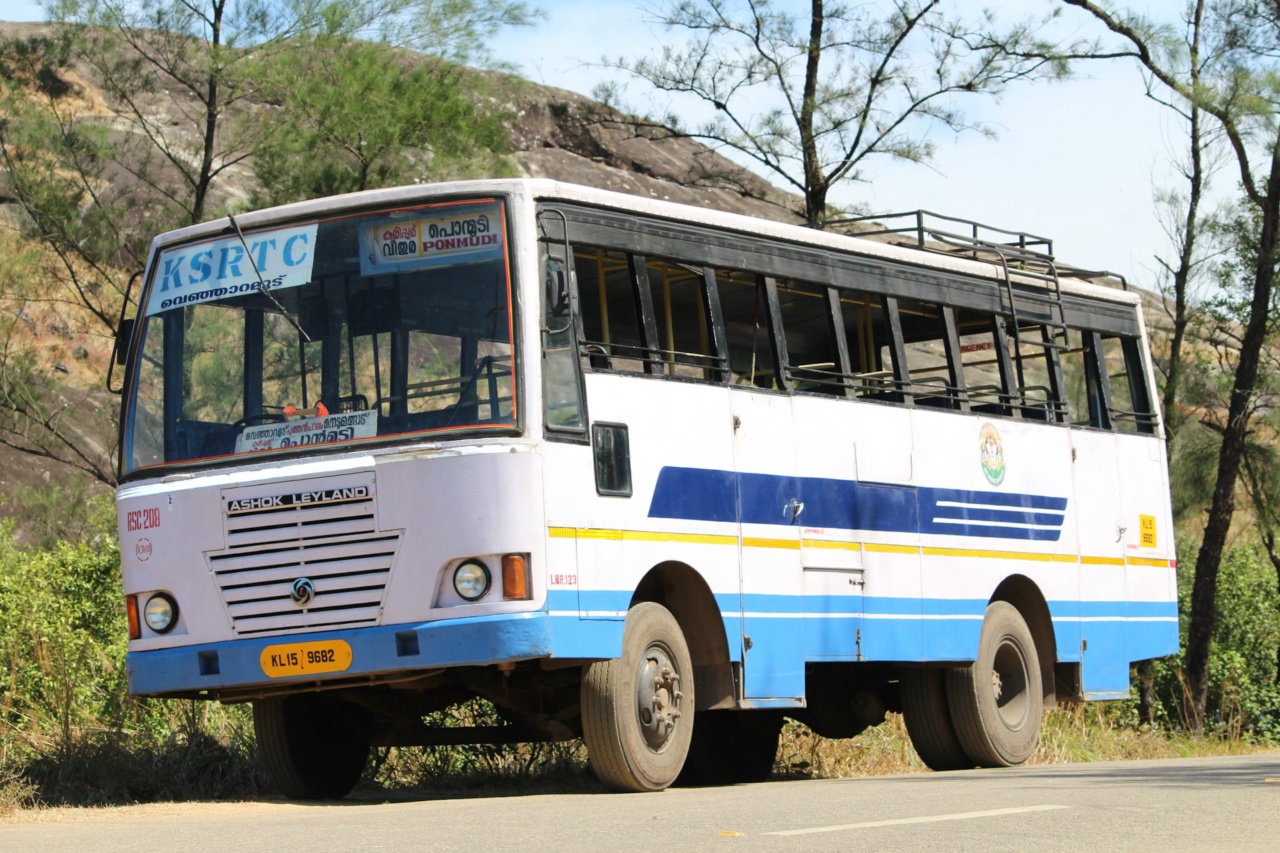
India's bus network reaches far more towns than the railway. Most states run their own State Road Transport Corporation (SRTC), and these government-run services form the backbone of intercity and rural connectivity. Examples include KSRTC (Karnataka and Kerala both use this acronym),[1][2] APSRTC in Andhra Pradesh,[3] HRTC in Himachal Pradesh[4] and RSRTC in Rajasthan.[5]
Layered on top of the state operators is a thriving private bus industry. Private operators run premium intercity coaches on high-demand routes, particularly in South and West India. In the northeast, where rail infrastructure is limited, buses are often the primary long-distance option.
Major hubs include Delhi, Mumbai, Bangalore, Chennai, Hyderabad, Pune, Ahmedabad, and Jaipur. Routes connecting these cities are frequent and competitive. Hill stations such as Manali and Munnar have no rail link of their own. The last stretch to Manali is by road, with deluxe, semi-deluxe, AC and Volvo buses running regularly,[6] and Munnar is served by buses from almost all major bus stations in Kerala, with the nearest railhead at Ernakulam Junction about 120 km away.[7]
One important gap: some remote areas in the northeast and parts of central India have infrequent services, and schedules can be unreliable during the monsoon when roads flood or landslides block mountain passes.
Classes and Comfort Levels
Indian buses span an extraordinary range of comfort, and choosing the right class can make the difference between an enjoyable journey and an endurance test.
Class
Description
Best For
Ordinary / Regular
Basic government buses with bench-style seating, often no AC, frequent stops
Short distances, budget travelers, rural routes
Semi-Deluxe / Express
Slightly better cushioning, fewer stops, may or may not have AC
Medium distances where no premium option exists
Deluxe / AC Seater
Air-conditioned coaches with reclining seats, curtains, and limited stops
Daytime intercity travel in comfort
AC Sleeper
Flat or semi-flat berths in a 2+1 configuration, curtains for privacy
Lower deck has sleeper berths, upper deck has seating
Flexible option on overnight routes
For most travelers, the AC Sleeper or Volvo AC Seater offers the best balance of comfort and value. The private operators tend to maintain their premium fleet better than government equivalents, though notable exceptions exist: the state corporations of Karnataka and Kerala (both KSRTC) also sell seats on their services online.[1][2] Ordinary government buses are an adventure unto themselves and perfectly fine for short hops, but they can be grueling over long distances.
Booking and Tickets
The digital revolution has transformed Indian bus booking. Online booking platforms aggregate government and private operators, and many state transport corporations have their own online booking portals, for example KSRTC in Karnataka,[1] KSRTC in Kerala,[2] HRTC in Himachal Pradesh,[4] RSRTC in Rajasthan[5] and Uttarakhand Transport Corporation.[8] Travelers can compare routes, operators, seat types, and departure times on platforms like GoAsia.cc before committing to a booking.
For government buses in smaller towns, walk-up booking at the bus stand is still the norm. Arrive at least 30 minutes before departure for popular routes, as seats fill quickly. On busy routes, advance booking is recommended, especially around festivals and long weekends when demand spikes. Himachal Tourism, for example, recommends booking AC and Volvo coaches in advance for Delhi to Manali.[6]
Payment is straightforward: online platforms accept credit cards, debit cards, UPI, and net banking. At bus stand counters, cash is king. E-tickets on your phone are accepted by virtually all private operators and most state services, though carrying a printout as backup never hurts. Some conductors on government buses still issue handwritten paper tickets on board.
What to Expect on Board
Indian bus journeys are sensory experiences. On a hill route to Manali or Munnar, you will wind through hairpin bends with jaw-dropping valley views, the driver honking rhythmically at every blind curve. On the flat highways of Tamil Nadu or Gujarat, the ride is smoother and faster, with the landscape stretching endlessly outside.
Most premium buses make one or two meal stops at highway dhabas (roadside restaurants) where you can grab fresh, hot food - typically thalis, biryani, dosas, or parathas depending on the region. Some Volvo services distribute water bottles and snack packs. Ordinary buses stop more frequently but at less predictable intervals; carrying your own snacks and water is wise.
Luggage is stored in under-bus compartments on premium coaches. On ordinary buses, bags go on the roof rack or are squeezed into overhead racks and the aisle. Keep valuables with you always. Most AC sleeper and Volvo buses now have charging points at each seat or berth, though they do not always work - a power bank is essential. Wi-Fi is advertised by some operators but is rarely functional.
Cultural norms to be aware of: seats near the front are often informally reserved for women and elderly passengers on government buses. On sleeper buses, lower berths are preferred and fill first. If you are traveling as a solo woman, some operators offer ladies-only seating sections. In Rajasthan, women get a 50% concession on all RSRTC services within the state.[5] Shoes are sometimes removed before climbing into sleeper berths - follow what other passengers do.
Tips for Bus Travel in India
Choose overnight sleepers for long routes. Long routes are best covered overnight while sleeping, saving both time and a night's accommodation cost.
Avoid the back rows. On Indian roads, the rear of the bus amplifies every bump and pothole. The middle section offers the smoothest ride.
Carry a light blanket or shawl. AC buses in India are often aggressively air-conditioned, and the temperature inside can feel arctic, especially at night.
Mountain routes require preparation. If you are prone to motion sickness, take medication before boarding. Routes to Ladakh, Spiti, or the hills of the northeast involve relentless switchbacks. Sit near the front and on the valley side for the best views.
Travel during festivals with caution. Diwali, Holi, Pongal, Durga Puja, and other major holidays cause massive surges in demand. Book well in advance or be prepared for packed buses and inflated fares from private operators.
Monsoon travel needs flexibility. During the monsoon (June to September),[9] landslides can block hill routes for days. Carry extra food, water, and patience. Lowland routes may also face delays from waterlogged roads.
Learn a few local phrases. English is widely understood at booking counters in cities, but in rural areas, knowing how to say your destination in Hindi or the local language helps enormously. Having your destination written in the local script on your phone is a useful trick.
Check operator ratings. Online platforms show user reviews and ratings. Pay attention to these - the gap between a well-run private operator and a poorly maintained one can be enormous in terms of safety and comfort.
Keep essentials accessible. Earplugs, an eye mask, a phone charger, toilet paper, and hand sanitizer should all be within reach, not buried in your luggage below.
Sources and background
Numbers in the text such as [1] refer to these sources.