Sources and background
Numbers in the text such as [1] refer to these sources.
- [1] UNESCO World Heritage Centre: Historic City of Ahmadabad. Retrieved October 20, 2026.

The first thing that hits you in Ahmedabad is the sound: auto-rickshaws honking through narrow pol lanes, vendors calling out prices for fresh khandvi, the muezzin's call drifting over the Sabarmati River. Gujarat's largest city is not a place that eases you in gently. It demands your attention, then rewards it with some of the most remarkable architecture, food, and living heritage anywhere in India.
Ahmedabad was inscribed as a UNESCO World Heritage City in 2017, a recognition earned by its walled Old City, founded by Sultan Ahmad Shah in 1411 on the eastern bank of the Sabarmati.[1] Intricately carved wooden havelis, stepwells, and communal courtyards (called pols) have survived there for centuries. This is also the city where Mahatma Gandhi established his ashram on the banks of the Sabarmati, launching the movements that would reshape a nation. The juxtaposition of ancient and modern is stark here: glass-fronted malls rise a few kilometers from crumbling Sultanate-era mosques, and the world-class design of IIM Ahmedabad by Louis Kahn sits alongside chaotic bazaars.
Ahmedabad is not a typical tourist city, and that is precisely its appeal. You will encounter few other foreign travelers, which means genuine interactions, honest prices, and an unfiltered slice of Indian life. The city is best suited for culturally curious travelers, architecture enthusiasts, textile lovers, and serious food explorers. If you want beaches or nightlife, look elsewhere. If you want depth, history, and flavor, Ahmedabad delivers in abundance.
One practical note: Gujarat is a dry state, meaning alcohol is officially prohibited. Licensed permits exist for hotel consumption, but do not come expecting bar-hopping. Instead, prepare for a city that runs on chai, buttermilk, and some of the best vegetarian food on the planet.
The Sabarmati River divides Ahmedabad roughly into two halves. The eastern bank holds the historic Old City (also called the Walled City), while the western side contains the newer, more affluent neighborhoods. Understanding this split is the key to navigating Ahmedabad.
This is where the UNESCO heritage designation applies. A dense labyrinth of pols (gated residential clusters), centuries-old mosques, Jain temples, and bustling markets. The neighborhoods of Khadia, Kalupur, and Manek Chowk are the beating heart of historic Ahmedabad. Stay here if you want immersion, but expect basic accommodation and constant sensory overload.
The commercial spine of western Ahmedabad, lined with restaurants, shops, and mid-range hotels. This area offers the best balance of comfort and access. CG Road (Chimanlal Girdharlal Road) is the main artery, and you will find reliable accommodation within walking distance of good food options.
The newer, more upscale western corridor with malls, chain hotels, and modern restaurants. Convenient if you are driving to day trip destinations, but far from the historic core and lacking character.
The area around Gandhi's ashram is quieter and residential. A few heritage guesthouses operate here, offering a peaceful base with easy access to the riverfront promenade.
Centrally located neighborhoods bridging old and new Ahmedabad. Good for mid-range stays, with easy access to both the Old City and western Ahmedabad. The Calico Museum of Textiles and several notable restaurants are in this zone.
Offers are only loaded from GetYourGuide after you click. GetYourGuide can then process your IP address and set cookies. Privacy Policy
GetYourGuide partner offers. GoAsia may earn a commission if you book through these offers. Check whether tickets or transfers are included, and follow the attraction's official booking and admission rules.
Ahmedabad has a semi-arid climate with scorching summers, a brief monsoon, and a pleasant but short winter. Timing your visit correctly makes a significant difference to your experience.
| Season | Months | Weather | Crowds | Prices |
|---|---|---|---|---|
| Winter (Best) | November - February | Warm days (25-30C), cool nights (10-15C), dry | Moderate | Standard |
| Summer | March - June | Extreme heat (40-47C), dry and dusty | Low | Low |
| Monsoon | July - September | Hot and humid, intermittent heavy rain | Low | Low |
| Post-Monsoon | October | Warm, humidity dropping | Low-Moderate | Standard |
November through February is the clear winner. Mornings are crisp enough for comfortable walking through the Old City, and evenings are pleasant for riverfront strolls. Avoid April through June unless you have a very high heat tolerance; at 45C, even locals retreat indoors.
The Uttarayan kite festival in mid-January transforms the city. Millions of kites fill the sky, rooftops become party venues, and the entire population seems to be outdoors. It is one of India's most spectacular and participatory festivals, and an extraordinary time to visit. The Navratri festival (September-October) brings nine nights of garba dancing that is unmatched anywhere else in India; Ahmedabad's garba celebrations are legendary.
Sardar Vallabhbhai Patel International Airport (AMD) sits about 10 kilometers north of the city center. A prepaid taxi to most central hotels costs around $5-8, while an auto-rickshaw runs roughly $3-4. Ride-hailing apps like Ola and Uber operate here and are usually the most hassle-free option. The airport handles domestic flights from all major Indian cities and limited international connections to Dubai, Singapore, and a few other hubs.
Ahmedabad Junction (Kalupur) is the main railway station, located in the Old City. Trains connect to Mumbai, Delhi, Jaipur, and Udaipur. For those researching train and bus connections across the region, GoAsia.cc has useful transport details for planning your route.
Within the city, auto-rickshaws are the default transport. They run on meters, though drivers sometimes resist using them; insist or agree on a fare beforehand. A typical cross-city ride costs $1-3. The BRTS (Bus Rapid Transit System) covers major corridors on the western side and is cheap (under $0.50) but less useful for tourist destinations in the Old City. Ola and Uber work well and are often cheaper than autos for longer distances.
The Old City is best explored on foot, but be prepared for narrow lanes, uneven surfaces, and heavy pedestrian traffic. Walking heritage tours (both guided and self-guided) are the best way to experience the pols. Western Ahmedabad is more spread out and requires motorized transport between points of interest.
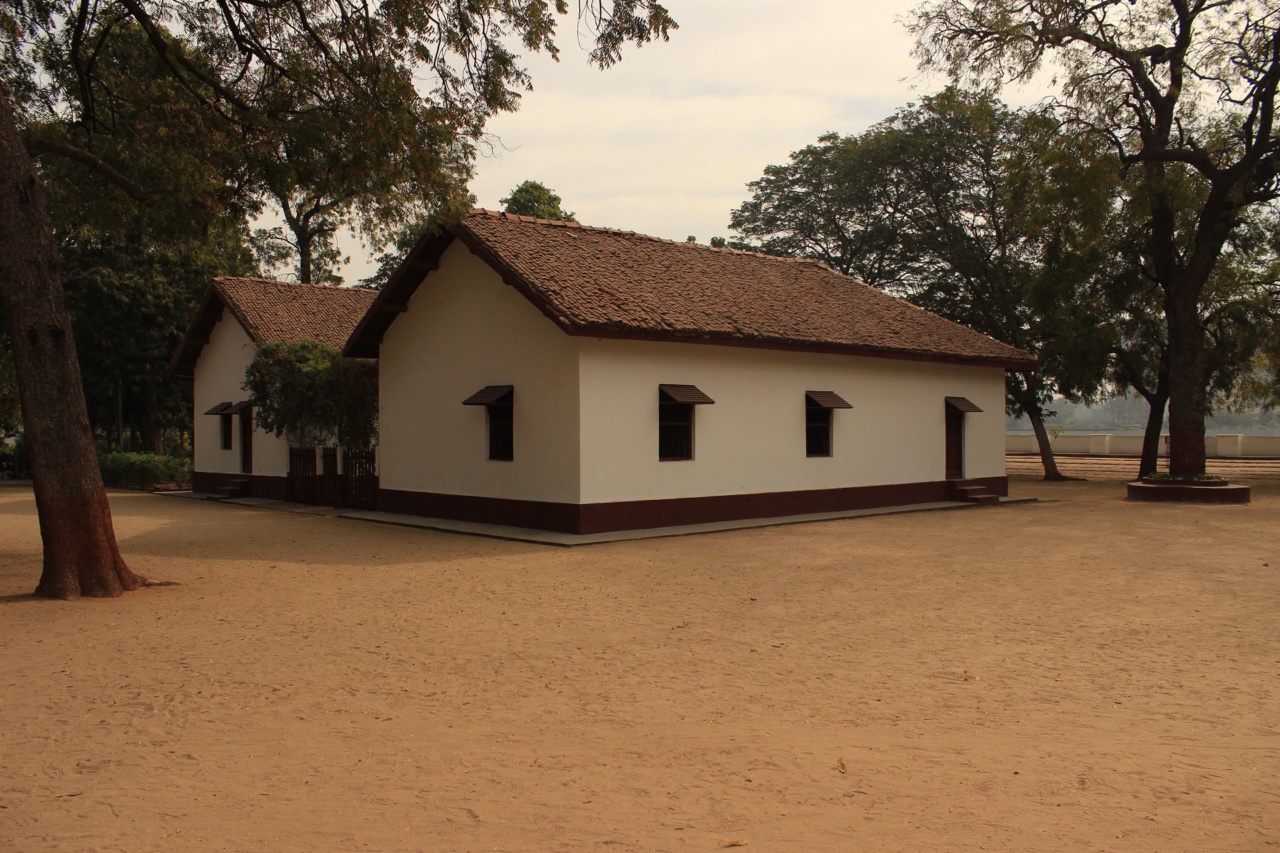
Sabarmati Ashram (Gandhi Ashram): The modest riverside compound where Mahatma Gandhi lived from 1917 to 1930 and from where he launched the famous Salt March. The museum displays his letters, personal effects, and photographs. Entry is free. Allow 1-2 hours. Go early morning for a contemplative atmosphere before tour groups arrive.
Old City Heritage Walk: The Heritage Walk organized by the Ahmedabad Municipal Corporation starts daily from Swaminarayan Temple in Kalupur, early in the morning. A guide leads you through hidden pols, ornate havelis, secret temples, and bird-feeding platforms. It is one of the best things to do in Ahmedabad, and it costs very little. Book the day before or show up early.
Adalaj Stepwell (Adalaj Vav): Located about 18 kilometers north of the city center, this five-story stepwell from the 15th century is an architectural marvel. Intricately carved pillars and galleries descend to the water level. The play of light through the structure is stunning in the morning. Free entry. Allow 45 minutes to an hour, plus travel time.
Calico Museum of Textiles: One of the finest textile museums in the world, housed in a beautiful haveli in the Shahibag area. The collection spans centuries of Indian textile art, including Mughal-era fabrics, block prints, and embroidery. Visits are by guided tour only (morning and afternoon sessions), and you must register in advance. Free entry but photography is restricted. This is essential for anyone with even a passing interest in textiles or craft.
Jama Masjid: Built in 1424, this is one of India's most beautiful mosques. The 260-pillar prayer hall and the yellow sandstone courtyard are stunning. Located in the heart of the Old City near Manek Chowk. Free entry. Visit during non-prayer times and dress modestly.
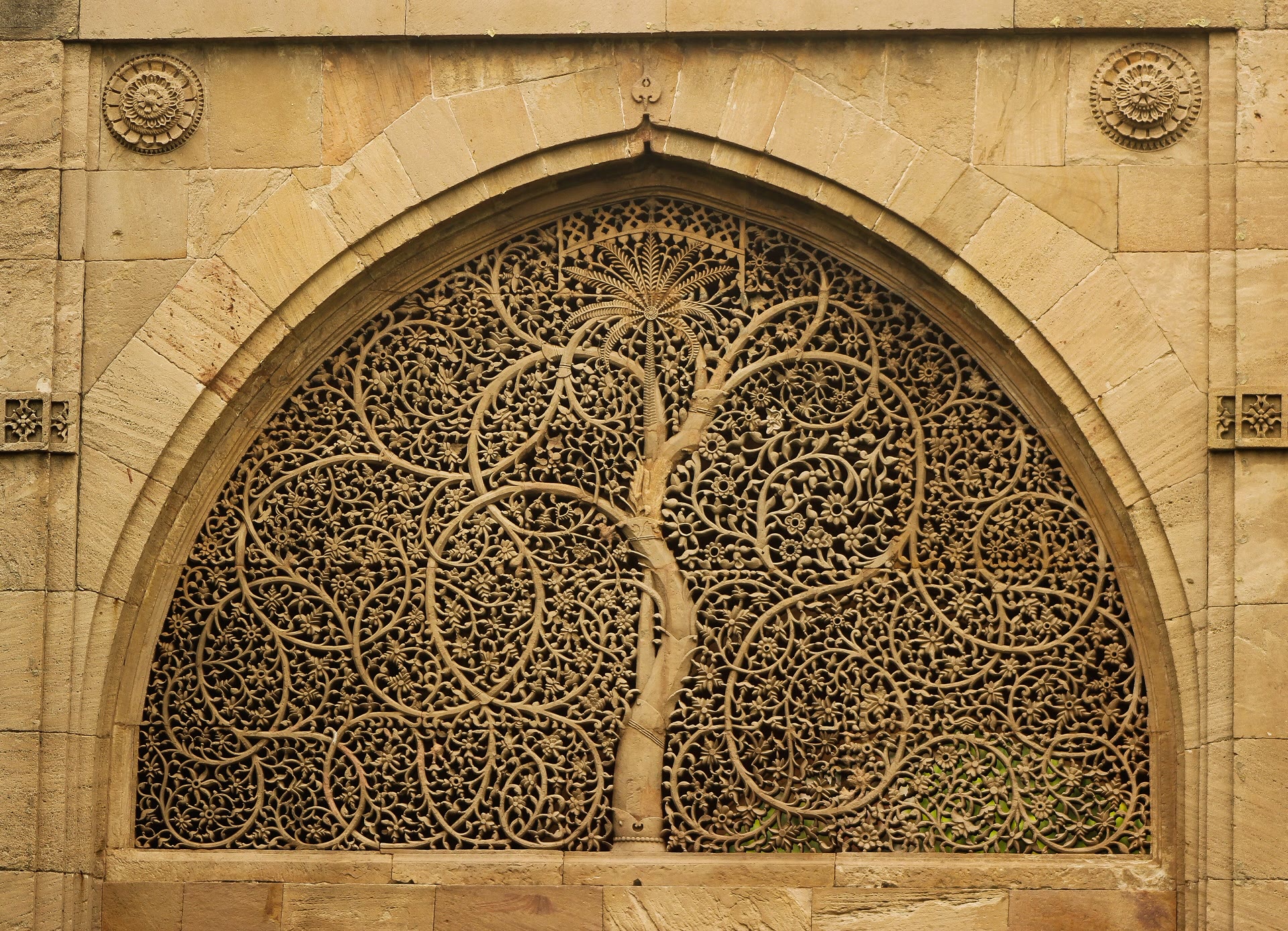
Sidi Saiyyed Mosque: Famous for its exquisite stone lattice windows (jali), particularly the Tree of Life design that has become Ahmedabad's unofficial symbol. Small and quick to visit, but the craftsmanship is extraordinary. Located near Lal Darwaza. Five to ten minutes is enough.
Hutheesing Jain Temple: An ornately carved white marble Jain temple built in the mid-19th century. Far less visited than the Old City mosques, it offers remarkable detail and a peaceful atmosphere. Located in the Shahibag area.
Sarkhej Roza: A sprawling mosque-tomb complex about 10 kilometers southwest of the city center, often called the Acropolis of Ahmedabad. The mix of Hindu and Islamic architectural elements around a large tank is hauntingly beautiful, especially at sunset. Few tourists visit, making it a meditative experience.
Dada Harir Stepwell: Closer to the city center than Adalaj and less visited, this stepwell offers a similar architectural experience without the crowds. The spiral descent is atmospheric, and the surrounding neighborhood gives a glimpse of everyday Ahmedabad.
Law Garden Night Market: Every evening, vendors set up stalls selling traditional Gujarati textiles, embroidered bags, mirror-work cushion covers, and chaniya cholis (traditional outfits). Prices are negotiable and far lower than in shops. A great place to buy souvenirs and soak in local energy.
Kankaria Lake: A popular local recreation spot with a zoo, amusement rides, and a lakefront promenade. It is pleasant enough for families but holds little interest for travelers seeking culture or history. The zoo is underwhelming by international standards.
Science City: A large science park on the SG Highway that appeals mainly to school groups. Unless you are traveling with children who need a break from heritage sites, skip it.
Sabarmati Riverfront (as a destination): The concrete promenade along the river is a fine place for an evening walk, but it is architecturally sterile and often empty during the day. It is worth strolling if you are nearby, but do not make a special trip.
Ahmedabad is arguably India's greatest vegetarian food city. Gujarat's culinary tradition is entirely vegetarian (even eggs are uncommon), and the flavors lean toward sweet-savory-spicy combinations that are unique in Indian cuisine. Prepare to eat very well and very cheaply.
| Dish | Description | Where to Try | Typical Price |
|---|---|---|---|
| Gujarati Thali | A complete meal with dal, kadhi, shaak (vegetable dishes), rotli, rice, pickles, and sweets. Unlimited refills. | Traditional thali restaurants across the city | $2-6 |
| Khaman and Dhokla | Steamed savory cakes made from gram flour, tempered with mustard seeds and curry leaves | Street stalls and snack shops everywhere | $0.30-0.75 |
| Khandvi | Thin, rolled gram flour sheets with coconut and mustard tempering; delicate and addictive | Sweet shops and snack counters | $0.50-1 |
| Fafda-Jalebi | Crispy gram flour strips paired with syrupy jalebis; a classic Sunday breakfast combo | Street vendors, especially on Sunday mornings | $0.50-1 |
| Undhiyu | A rich mixed vegetable dish cooked with fenugreek dumplings, seasonal in winter | Home-style restaurants and thali places | Included in thali or $1-3 standalone |
| Dabeli | Spiced potato filling in a pav bun with chutneys, pomegranate, and peanuts | Street carts across the city | $0.20-0.40 |
| Sev Usal | Spicy sprouted moth bean curry topped with crispy sev noodles | Street food stalls near Manek Chowk | $0.30-0.60 |
Manek Chowk: By day, a vegetable and gold jewelry market. By night, it transforms into Ahmedabad's most famous street food destination. Vendors line up selling pav bhaji, dosas, kulfi, sandwiches, and Gujarati snacks. Go around 9-10 PM when the energy peaks. Hygiene varies, so choose stalls with high turnover.
Lucky Restaurant area (Lal Darwaza): A cluster of legendary no-frills restaurants near the Old City gates serving superb Gujarati thalis at rock-bottom prices. The experience is fast, loud, and utterly satisfying.
Navrangpura and CG Road: The best area for sit-down restaurants ranging from traditional Gujarati to South Indian, Punjabi, and international options. Several well-known thali restaurants operate here with air-conditioned comfort.
SG Highway: Home to upscale dining options, including restaurants serving Rajasthani, Punjabi, and fusion cuisine. Expect to pay $8-15 per person at the higher end.
Budget meals (street food or basic restaurant) cost around $1-3. A proper Gujarati thali at a good restaurant runs $3-6. Upscale dining rarely exceeds $10-15 per person. Ahmedabad is one of the cheapest cities in India for eating out.
Remember: Gujarat is a dry state. Alcohol is not served in restaurants or available in shops without a permit. Some upscale hotels have permit rooms where guests can purchase drinks, but this is not a drinking city. Instead, embrace the chai culture; Ahmedabad's cutting chai (half-cup of strong, sweet tea) is a ritual, and chaas (spiced buttermilk) is the go-to refreshment.
Basic guesthouses and hostels are available in the Old City area near Kalupur and Lal Darwaza. Rooms are simple but functional, and the location puts you in the middle of the heritage zone. A few backpacker hostels have opened in recent years offering dorm beds for around $5-8. Expect basic amenities and noise.
The best value sits in the Navrangpura and Ellisbridge areas. Clean, air-conditioned rooms with modern bathrooms are available at business hotels and boutique properties. Some heritage properties in the Old City offer characterful rooms in restored havelis at this price point, which is the most memorable way to stay.
International chain hotels and premium Indian brands cluster along SG Highway and Ashram Road. These offer the expected amenities: pools, gyms, restaurants, and permit rooms for alcohol. A few heritage boutique hotels in restored Old City buildings offer a more atmospheric upscale experience, combining carved wooden interiors with modern comforts.
A unique option is the French haveli, a restored colonial-era mansion in the Old City that operates as a heritage guesthouse. Staying within the pols gives you access to the Old City's magic during the quiet early morning and late evening hours when the tour groups are gone.
Ahmedabad is generally safe for tourists, including solo women travelers, though the usual precautions for Indian cities apply. Petty theft is uncommon, and violent crime against tourists is rare. The biggest hazards are traffic (chaotic even by Indian standards) and the heat.
An 11th-century sun temple that rivals Konark in Odisha for its sculptural beauty. The stepped tank (Surya Kund) in front of the temple is breathtaking. The temple is no longer a place of active worship, so you can explore freely. Combine with a stop at Patan (see below) for a full day. Hire a car for around $30-40 round trip.
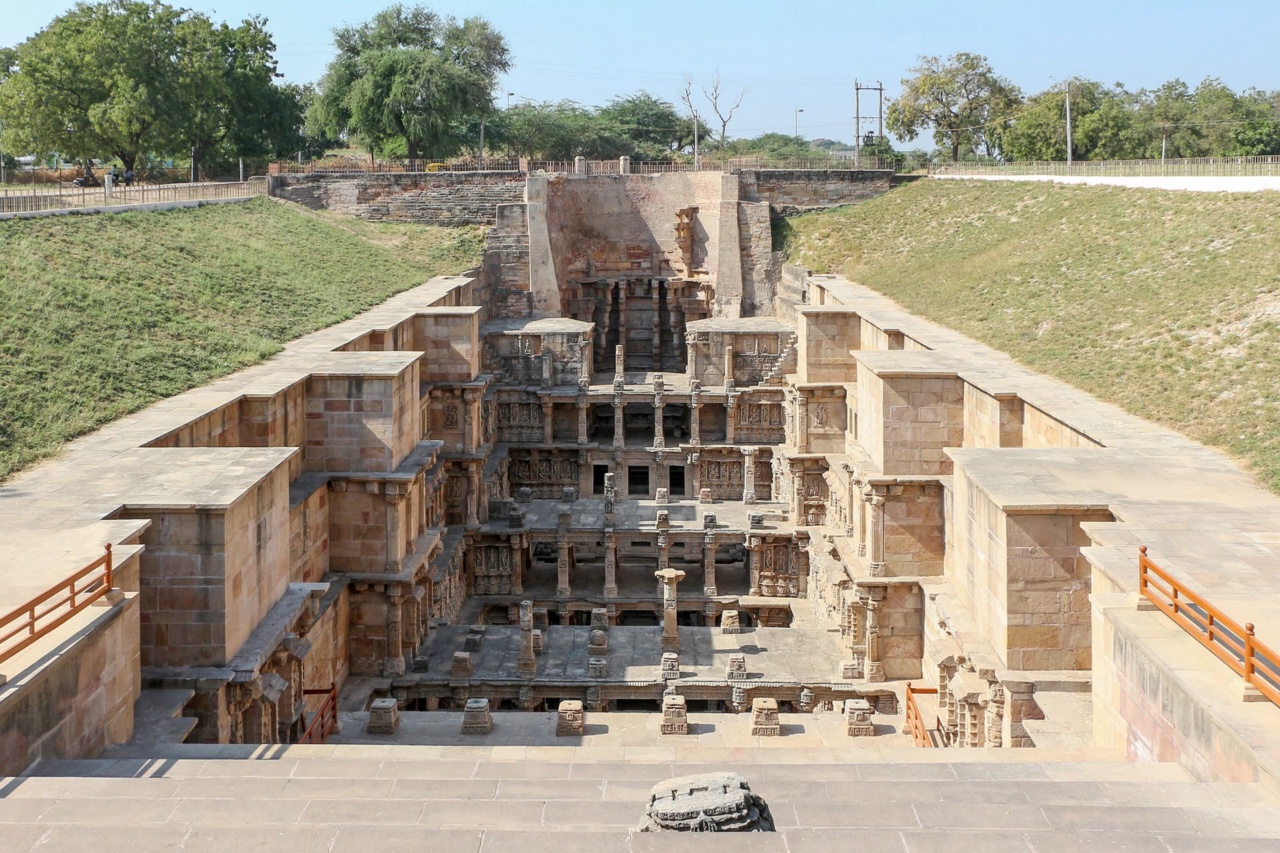
Rani ki Vav is a UNESCO World Heritage stepwell and arguably the most magnificent in India. Seven levels of intricately carved sculptures descend to the water table. Patan town also has the Patola silk weaving tradition; visit a weaver's home to see the painstaking double-ikat process. This pairs perfectly with Modhera for a long day trip. Expect to pay around $40-50 for a hired car covering both.
One of the most important sites of the Indus Valley Civilization, featuring the remains of a dockyard, bead-making workshop, and town planning from over 4,000 years ago. The on-site museum provides good context. The ruins themselves require imagination to appreciate, as they are mostly foundations and outlines. Worth it for history enthusiasts, but manage expectations if you are expecting grand structures. Car hire runs around $25-35 round trip.
A seasonal wetland that hosts migratory birds from November through February. Boat rides through the shallow lake offer sightings of flamingos, pelicans, and dozens of other species. Only worthwhile during winter months. A half-day trip is sufficient. Car and boat together cost around $20-30.
A UNESCO World Heritage Site featuring a stunning mix of Hindu and Islamic architecture spread across a hillside. The climb (or cable car ride) to the Kalika Mata Temple at the summit offers panoramic views. The 15th-century mosques at the base are remarkable. This is a full-day commitment but highly rewarding. Car hire costs around $45-55 round trip.
Morning: Start with the Heritage Walk early in the morning from Swaminarayan Temple. Wind through pols, havelis, and hidden temples. After the walk, visit Jama Masjid and Sidi Saiyyed Mosque nearby.
Afternoon: Lunch at a traditional Gujarati thali restaurant near Lal Darwaza. Then explore the Bhadra Fort area, Teen Darwaza (Triple Gateway), and browse the markets around Manek Chowk. If energy permits, visit Dada Harir Stepwell.
Evening: Return to Manek Chowk around 9 PM for the night street food market. Try pav bhaji, kulfi, and dabeli. Walk back through the illuminated Old City lanes.
Morning: Visit Sabarmati Ashram early (opens at 8:30 AM). Spend 1.5 hours in the museum and grounds. Then head to the Calico Museum of Textiles for the morning guided tour (book in advance; typically starts at 10:30 AM).
Afternoon: Lunch in the Navrangpura area. Visit IIM Ahmedabad campus to see Louis Kahn's iconic brutalist architecture (permission may be needed; check at the gate). Head to Sarkhej Roza for a late afternoon visit when the light is golden.
Evening: Browse the Law Garden Night Market for textiles and souvenirs. Dinner at a restaurant on CG Road.
Morning: Depart by 7 AM in a hired car. Reach Modhera Sun Temple by 9 AM. Spend an hour exploring the temple and Surya Kund.
Midday: Drive to Patan. Visit Rani ki Vav stepwell and spend time admiring the carvings. Find a Patola weaver's workshop for a demonstration.
Afternoon: Lunch in Patan (simple Gujarati food at a local restaurant). Begin the drive back to Ahmedabad.
Evening: Arrive back by 5-6 PM. Stroll the Sabarmati Riverfront at sunset. Final dinner at a beloved thali restaurant.
| Category | Budget | Mid-Range | Comfort |
|---|---|---|---|
| Accommodation | $8-15 | $25-50 | $60-120 |
| Food | $3-5 | $8-12 | $15-25 |
| Transport | $2-4 | $5-10 | $15-30 |
| Activities | $2-5 | $5-10 | $10-20 |
| Daily Total | $15-29 | $43-82 | $100-195 |
Ahmedabad is remarkably affordable even by Indian standards. Budget travelers can eat extraordinarily well for almost nothing, and most major attractions are free or nearly free. The biggest expense for day trips is car hire, which is still cheap compared to most destinations worldwide. Mid-range travelers will find Ahmedabad one of the best value cities in Asia.
Absolutely. Ahmedabad offers India's first UNESCO World Heritage City center, world-class textile heritage, Gandhian history, and arguably the best vegetarian street food in India. It is not a conventional tourist city, which means fewer crowds and more authentic experiences. If you appreciate architecture, food, and culture over beaches and nightlife, Ahmedabad is deeply rewarding.
Three days is ideal for covering the Old City, major museums, Gandhi Ashram, and one day trip to nearby heritage sites like Modhera or Rani ki Vav. Two days works if you focus only on the city itself. Add a fourth day if you want to explore multiple day trip destinations or dive deeper into the textile markets.
Ahmedabad is generally safe, including for solo women travelers. Violent crime against tourists is very rare. The main risks are traffic (be extremely cautious crossing roads) and heat exhaustion during summer months. Standard precautions like using ride-hailing apps and keeping valuables secure apply.
Ahmedabad is famous for its vegetarian cuisine, particularly the unlimited Gujarati thali, dhokla and khaman (steamed savory cakes), fafda-jalebi (a classic Sunday breakfast), dabeli (spiced potato buns), and khandvi. The Manek Chowk night market is the city's most iconic food destination. Expect sweet-savory flavor combinations unique to Gujarati cooking.
Gujarat is a dry state, so alcohol is officially prohibited. Tourists can technically obtain a liquor permit, but the process is cumbersome. Some upscale hotels have permit rooms where guests can purchase drinks. There are no bars or liquor shops. Embrace chai, buttermilk, and fresh juice instead.
November through February offers the most comfortable weather with warm days and cool evenings. Mid-January is especially exciting due to the Uttarayan kite festival. Avoid April through June when temperatures regularly exceed 45C. The monsoon months bring humidity and intermittent heavy rain.
English is spoken at hotels, tourist sites, and by many educated locals, but it is less prevalent than in cities like Mumbai or Bangalore. In the Old City, bazaars, and with auto-rickshaw drivers, Gujarati and Hindi dominate. A few basic Hindi phrases or a translation app will make daily interactions much smoother.
Navrangpura and CG Road offer the best balance of comfort, dining options, and access to both the Old City and western Ahmedabad. For heritage atmosphere, look for restored haveli guesthouses in the Old City. SG Highway suits those wanting modern chain hotels but is far from the main sights.
The airport is about 10 kilometers from the city center. Prepaid taxis at the terminal cost around $5-8, while ride-hailing apps like Ola and Uber typically charge slightly less. Auto-rickshaws are available for roughly $3-4 but are less comfortable with luggage. The ride takes 20-40 minutes depending on traffic.
Ahmedabad is one of the most affordable cities in India. Budget travelers can manage on $15-25 per day including food, accommodation, and transport. A full Gujarati thali meal costs $2-6, auto-rickshaw rides run $1-3, and most heritage attractions are free. Even mid-range travelers will find excellent value across the board.
Numbers in the text such as [1] refer to these sources.