Elephanta Caves: Mumbai's Ancient Rock-Cut Temples on the Harbor

Elephanta Caves: Mumbai's Ancient Rock-Cut Temples on the Harbor

Last updated: March 16, 2026

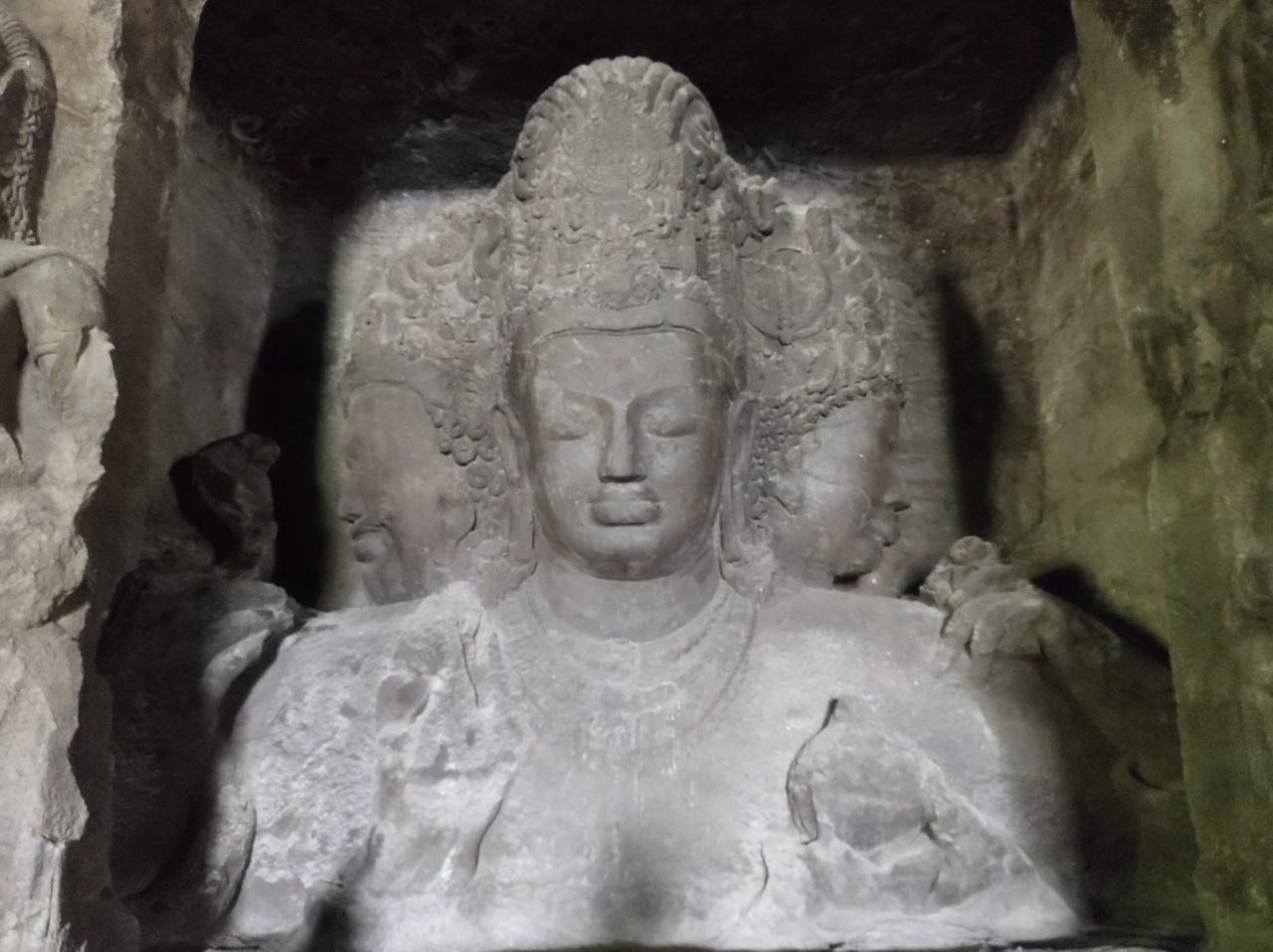
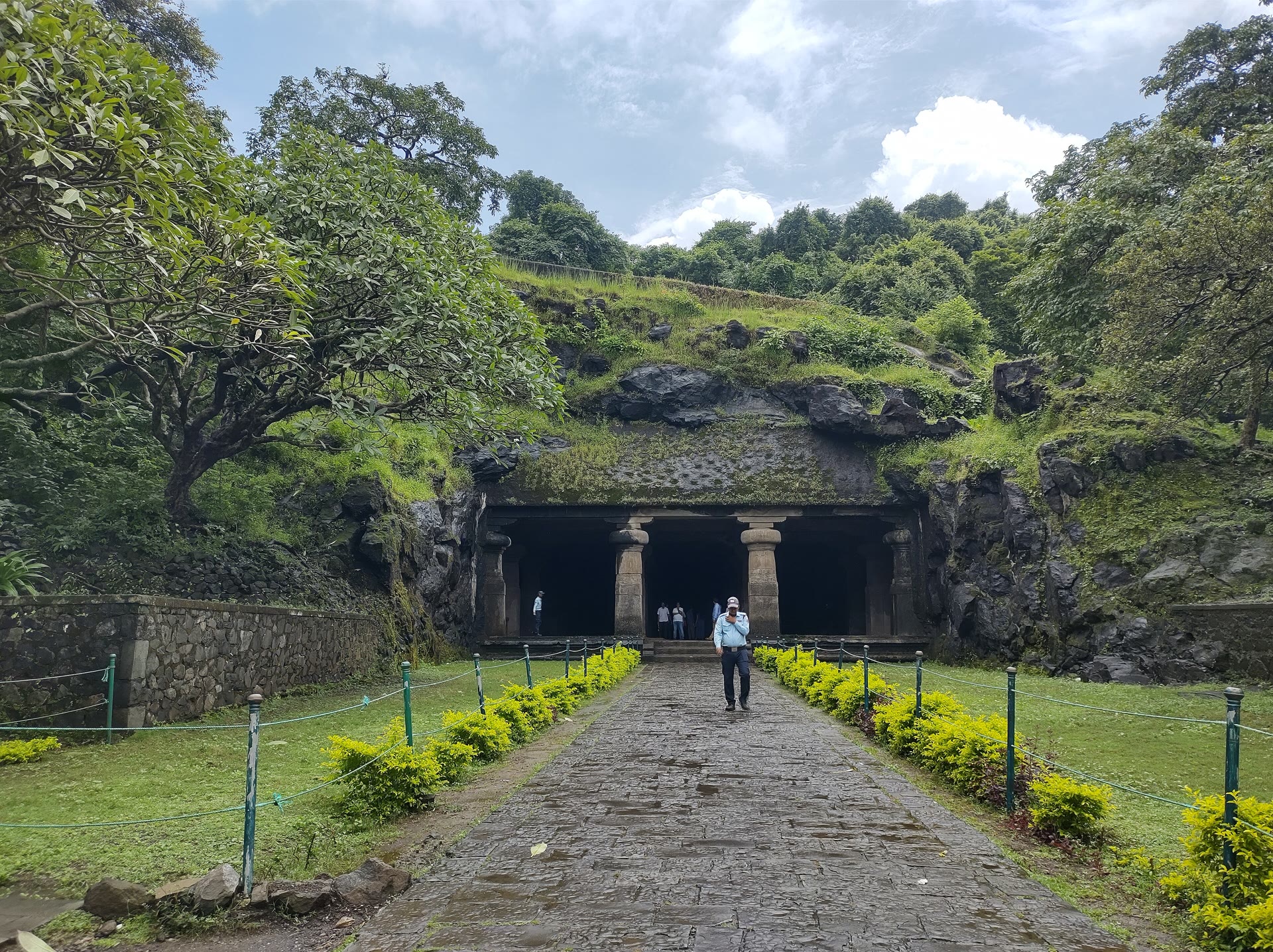
An hour's ferry ride from one of the world's most frenetic cities, a forested island hides cave temples carved from solid basalt over 1,500 years ago. The Elephanta Caves sit on Gharapuri Island in Mumbai Harbour, housing some of the finest examples of Hindu rock-cut sculpture ever created. The centerpiece - a 6-meter-tall three-faced Shiva known as the Trimurti - is regularly cited as one of the greatest sculptures in all of Indian art.

What makes Elephanta remarkable is the contrast. You board a ferry at the Gateway of India, Mumbai's grand colonial archway, and within an hour you are standing inside dark basalt chambers where 6th-century artisans turned raw rock into gods. The caves earned UNESCO World Heritage status, and despite some damage from Portuguese colonial-era vandalism, the surviving sculptures retain an emotional power that photographs cannot capture. Seeing the Trimurti in person, its three faces emerging from shadow as your eyes adjust to the darkness, is one of those rare travel moments that genuinely stops you in your tracks.

The entire visit - ferry, island, caves, and return - fits comfortably into a half-day trip from Mumbai, making it one of the most rewarding excursions in western India.

The Caves and Their Sculptures

Elephanta Island contains seven caves in total: five Hindu and two Buddhist. The main cave (Cave 1) is the one that draws virtually all visitors, and it alone justifies the trip.

Cave 1: The Great Cave

This is the masterpiece. Carved into the hillside sometime between the 5th and 6th centuries, the Great Cave is a pillared hall roughly 40 meters deep with multiple sculptural panels cut directly from the living rock. The cave is laid out as a temple to Shiva, with the central shrine (a lingam) flanked by four doorways guarded by massive dvarapala (guardian) figures.

The major sculptural panels around the hall depict different aspects of Shiva:

  • Trimurti (Sadashiva) - The cave's crown jewel. This 6.27-meter bust shows Shiva with three faces: the serene central face (Tatpurusha) representing preservation, the fierce left face (Aghora/Bhairava) representing destruction, and the gentle right face (Vamadeva/Uma) with feminine qualities representing creation. The sculpture sits directly opposite the main entrance, so it is the first thing you see as your eyes adjust to the cave's darkness.
  • Ardhanarishvara - Shiva depicted as half-male, half-female, representing the union of masculine and feminine energy. One of the most elegant renderings of this theme in Indian art.
  • Gangadhara - Shiva catching the river Ganges in his hair as it descends from heaven. The flowing lines and movement in this panel are exceptional.
  • Kalyanasundara - The marriage of Shiva and Parvati, with divine attendants and celestial beings crowding the scene.
  • Nataraja - Shiva as the cosmic dancer, though this panel has suffered significant damage.
  • Ravana Shaking Mount Kailasa - The demon king Ravana attempts to lift Shiva's mountain home, while Shiva calmly presses it down with his toe.

A local guide (available at the cave entrance for 300-500 rupees) brings these panels to life with the mythological stories behind each scene. Without context, you see impressive carvings; with a guide, you understand a complete theological narrative carved in stone.

Other Caves

Caves 2 through 5 are smaller Hindu caves in various states of preservation. Cave 2 has some intact pillars and a partially finished Shiva shrine. The two Buddhist caves (Caves 6 and 7) on the eastern hill are smaller and simpler, with plain meditation cells. Most visitors focus on Cave 1 and then explore the island rather than seeking out the minor caves.

Things to Do

Getting to Elephanta Island

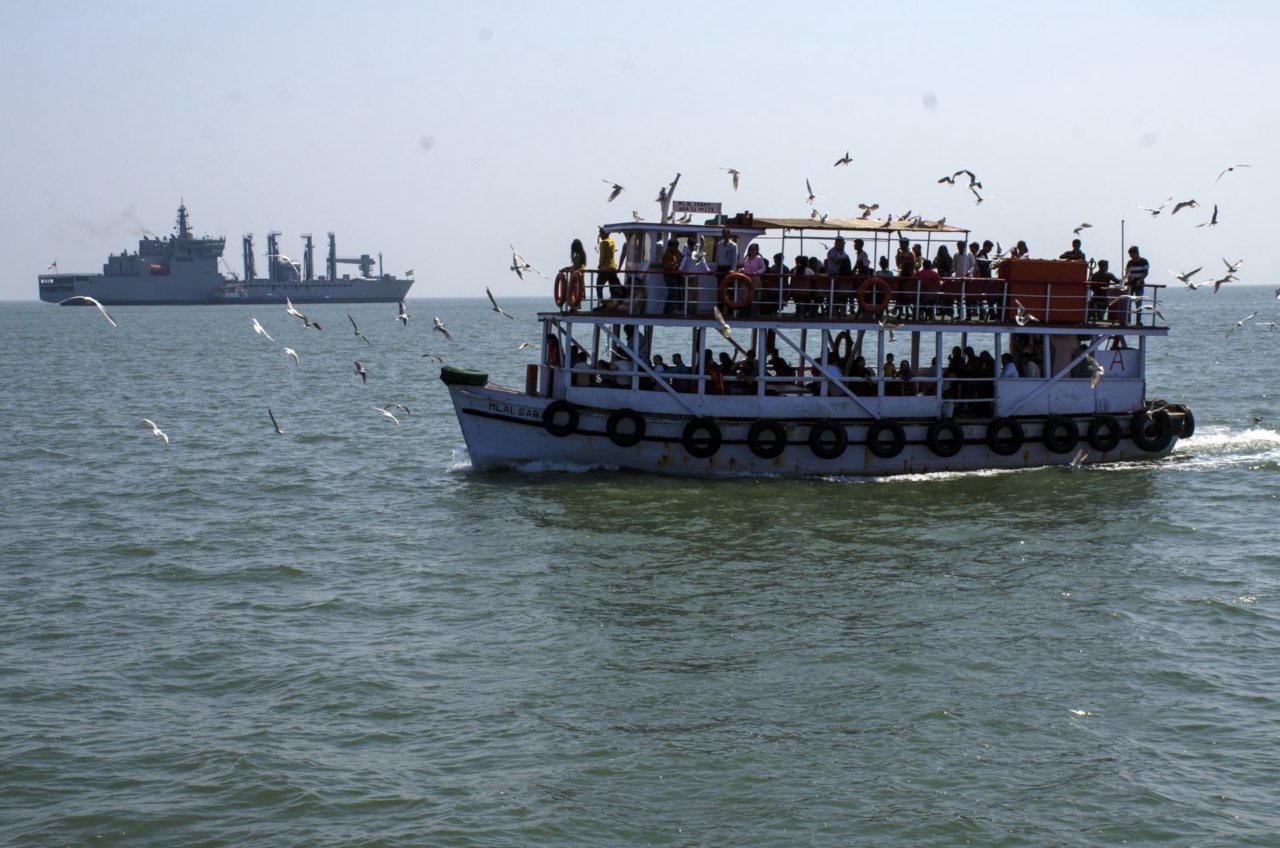
The only way to reach Elephanta is by ferry from the Gateway of India in Colaba, South Mumbai.

Ferry Details

DetailInformation
First ferry to island9:00 AM
Last ferry to island2:00 PM
Last ferry back5:30 PM
FrequencyEvery 30 minutes
Journey timeApproximately 1 hour
Ferry price (Indians)160 rupees return
Ferry price (foreigners)260 rupees return

Ferries are operated by the Maharashtra Tourism Development Corporation (MTDC) and private operators. The MTDC boats are slightly more comfortable. Buy tickets at the jetty near the Gateway of India - booking in advance is not necessary on weekdays but recommended on weekends and holidays when queues build up from early morning.

The ferry ride itself is pleasant, offering views of Mumbai's skyline, the Taj Mahal Palace hotel, and naval vessels in the harbor. Sit on the upper deck if available.

From Jetty to Caves

The ferry docks at a concrete jetty on the island's south shore. From here, you walk along a paved pathway lined with souvenir stalls and food vendors for about 1 kilometer to reach the cave entrance. The last stretch involves climbing approximately 120 stone steps up the hillside. A toy train covers part of the flat section for 10 rupees, useful if you want to save energy for the climb. Palanquins (sedan chairs) carried by porters are available for those unable to climb, though their use is increasingly rare.

Entry Fees and Timings

CategoryFee
Indian nationals (and SAARC countries)35 rupees
Foreign nationals550 rupees
Village entry fee10 rupees
Video camera25 rupees
Still photographyFree

The caves are open Tuesday through Sunday, 9:00 AM to 5:00 PM. Closed on Mondays. This is a common trip-planning mistake - do not arrive at the Gateway of India on a Monday expecting to visit Elephanta.

Planning Your Visit

How Much Time to Allow

The full excursion takes 4 to 5 hours:

  • Ferry to island: 1 hour
  • Walk from jetty to caves: 20-30 minutes
  • Exploring caves: 1-1.5 hours (more with a guide)
  • Walk back and optional island exploration: 30-45 minutes
  • Ferry return: 1 hour

Take the 9:00 AM or 9:30 AM ferry to have the caves relatively to yourself before the midday crowds arrive. This also gives you time to explore the island's trails and enjoy a fresh coconut water from the vendors near the jetty before catching a return ferry.

Best Time to Visit

October through March offers the best weather - clear skies, moderate humidity, and comfortable temperatures for the walk and climb. The caves can be visited during monsoon season (June-September), but the ferry service is occasionally disrupted by rough seas, and the stone steps become slippery. April and May are hot and humid but manageable if you go early.

The Island Beyond the Caves

Most visitors head straight to Cave 1 and back, but Elephanta Island (Gharapuri) has more to offer. The Cannon Hill viewpoint on the eastern side provides panoramic views of Mumbai's skyline across the harbor. The small village of Gharapuri, home to about 1,200 residents, has a quiet charm. Walking trails through the forested hillside offer a surprising pocket of greenery just kilometers from one of the world's most crowded cities.

The annual Elephanta Festival of classical music and dance, typically held in February, stages performances against the backdrop of the caves themselves. If your timing coincides, it is an extraordinary setting for Indian classical arts.

Tips for Visiting Elephanta Caves

  • Hire a guide at Cave 1 - The sculptures are far more meaningful with narrative context. Agree on the price (300-500 rupees) and language before starting. Guides stationed at the cave entrance are usually licensed and knowledgeable.
  • Watch out for monkeys - Macaques are bold and numerous along the pathway and near the caves. Do not carry visible food, secure your belongings, and do not make eye contact or show teeth (they interpret this as aggression).
  • Wear comfortable walking shoes - The 120-step climb is not extreme but can be tiring in heat and humidity. Flip-flops are risky on the sometimes wet stone steps.
  • Bring water and sunscreen - There is limited shade on the walk from the jetty. Vendors sell water and snacks along the path, but prices are marked up.
  • Avoid weekends and holidays - Elephanta is a hugely popular day trip for Mumbai residents. Weekday visits are dramatically quieter, giving you time to appreciate the sculptures without being jostled.
  • Combine with Gateway of India and Colaba - The ferry jetty is steps from the Gateway of India and the Taj Mahal Palace hotel. Colaba Causeway, with its street markets, cafes, and bookshops, is a natural complement to an Elephanta morning.
  • Do not rush Cave 1 - Spend time letting your eyes adjust to the darkness. The sculptures reveal more detail the longer you look, and the interplay of light and shadow changes throughout the day as sunlight angles shift through the entrance.

For more guides to India's UNESCO sites, temples, and hidden cultural gems, explore GoAsia.cc.

Frequently Asked Questions

What are the Elephanta Caves and why are they significant?

The Elephanta Caves are a group of rock-cut cave temples on Gharapuri Island in Mumbai Harbour, carved between the 5th and 6th centuries AD. They are a UNESCO World Heritage Site primarily dedicated to the Hindu god Shiva. The centerpiece is the 6.27-meter Trimurti sculpture showing three faces of Shiva, considered one of the masterpieces of Indian art.

How much does it cost to visit Elephanta Caves including the ferry?

For Indian nationals, the total cost is approximately 205 rupees (160 ferry return + 35 entry + 10 village fee). Foreign nationals pay around 820 rupees (260 ferry + 550 entry + 10 village fee). A guide at the caves costs an additional 300-500 rupees. Adding a toy train ride (10 rupees) and refreshments, budget roughly 250-300 rupees for Indians or 900-1,400 rupees for foreigners.

How do I get to Elephanta Caves from Mumbai?

Take a ferry from the Gateway of India jetty in Colaba, South Mumbai. Ferries depart every 30 minutes from 9:00 AM, with the last departure to the island at 2:00 PM. The journey takes about one hour. No advance booking is needed on weekdays, but arrive early on weekends to avoid long queues. The last return ferry leaves the island at 5:30 PM.

Are the Elephanta Caves open on Mondays?

No. The caves are closed every Monday. This is one of the most common mistakes visitors make. Ferries may still run to the island on Mondays, but the caves themselves will be locked. Plan your visit for Tuesday through Sunday, when the caves are open from 9:00 AM to 5:00 PM.

How long does the entire Elephanta Caves trip take?

Allow 4 to 5 hours for the complete round trip from Mumbai. This includes a 1-hour ferry each way, 20-30 minutes walking from the jetty to the caves (including 120 steps), 1-1.5 hours exploring the caves, and time for the return walk. Taking the first ferry at 9:00 AM gets you back to Mumbai by early afternoon.

Do I need a guide at Elephanta Caves?

A guide is not mandatory but highly recommended. The sculptures depict complex Hindu mythological narratives that are difficult to appreciate without context. Licensed guides wait at the Cave 1 entrance and charge 300-500 rupees for a 45-minute to 1-hour tour. Agree on price and language before starting. The investment transforms the visit from seeing old carvings to understanding a complete theological story in stone.

Is the climb to Elephanta Caves difficult?

The walk involves about 1 kilometer on a paved path followed by approximately 120 stone steps up the hillside. It is moderate and manageable for most visitors, including children and older adults at a slow pace. A toy train covers part of the flat section for 10 rupees. The climb can be tiring in hot and humid weather, so bring water and go early in the morning.

When is the best time to visit Elephanta Caves?

October through March offers the most comfortable weather with clear skies and moderate temperatures. Weekday mornings are ideal for avoiding crowds - take the 9:00 AM ferry. During monsoon season (June-September), ferries may be cancelled due to rough seas and the stone steps become slippery. February visitors may catch the annual Elephanta Festival of classical music and dance.