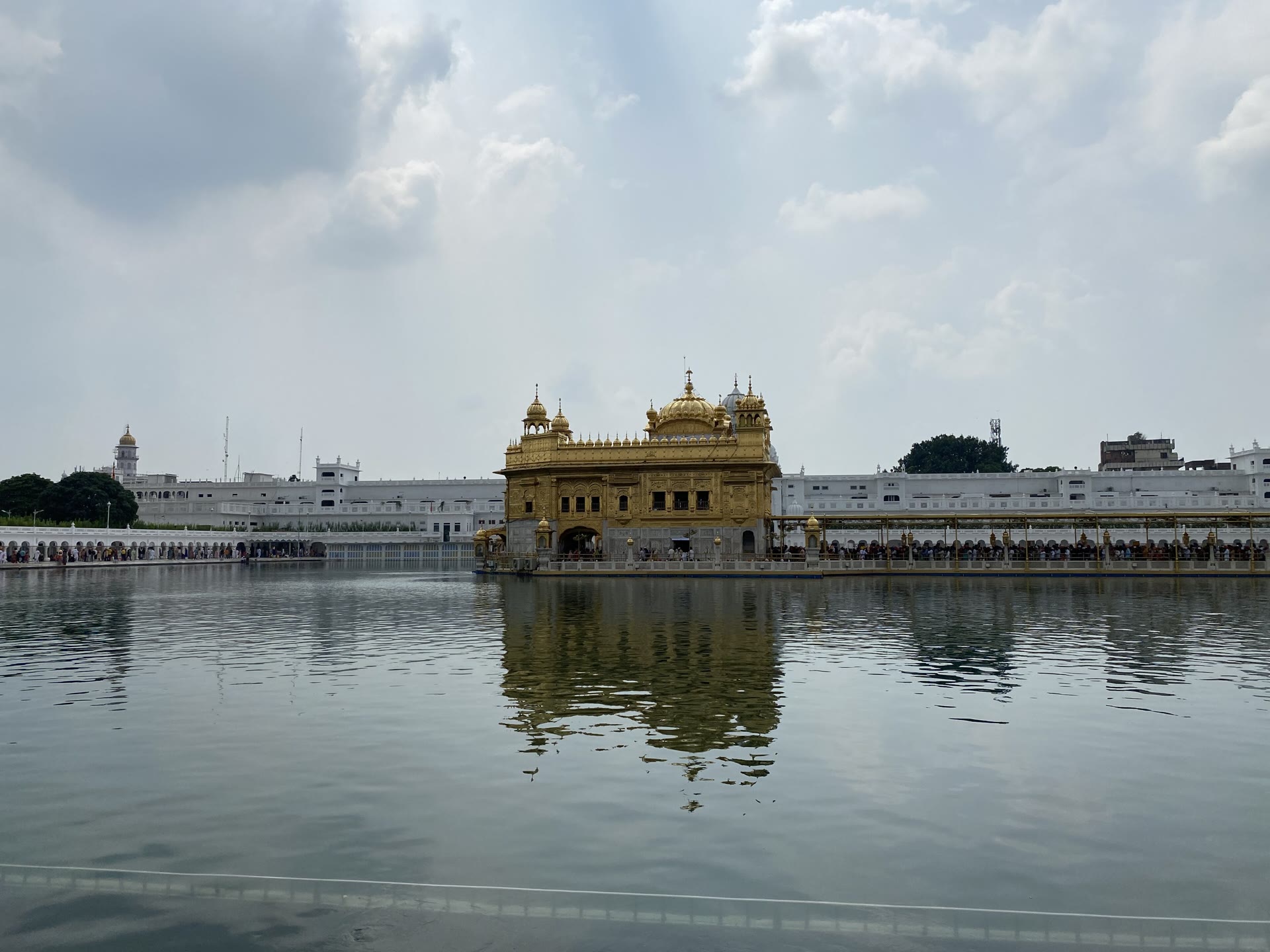
The Golden Temple feeds 100,000 people every single day. Not a restaurant, not a food bank, but a place of worship that operates the largest free community kitchen on earth as an expression of its core spiritual belief: that all people, regardless of religion, caste, or background, deserve to eat together as equals. This alone would make Harmandir Sahib (the temple's proper name) worth visiting. But it is also one of the most visually stunning religious buildings in the world, a gold-plated sanctuary rising from the center of a sacred pool that reflects its shimmering form in water so still it looks like a mirror.
Located in the heart of Amritsar in the Punjab region of northern India, the Golden Temple is the spiritual and administrative center of Sikhism. It is open 24 hours a day, every day of the year, and welcomes visitors of all faiths without any entry fee. Unlike many of India's great religious sites, there is no ticket counter, no VIP queue, no tiered pricing. Everyone enters through the same gates, covers their head, removes their shoes, and walks the same marble parikrama (circumambulation path) around the sacred pool. This radical egalitarianism is not a tourism strategy but the foundational principle of the Sikh faith, and experiencing it firsthand is what makes a visit to the Golden Temple profoundly different from visiting any other monument in India.
Understanding the Complex
The Golden Temple complex covers a large area in the old city of Amritsar and is formally known as the Darbar Sahib complex. At its center lies the Amrit Sarovar (Pool of Nectar), the sacred water tank that gives Amritsar its name. In the middle of this pool sits the Harmandir Sahib itself, connected to the surrounding parikrama by a 60-meter causeway.
The complex includes several other important structures:
- The Akal Takht: The supreme seat of Sikh temporal authority, directly opposite the causeway entrance. This is where the Sikh holy scripture, the Guru Granth Sahib, is brought to rest each night in an elaborate ceremony.
- The Langar Hall: The massive community kitchen and dining hall where free meals are served continuously.
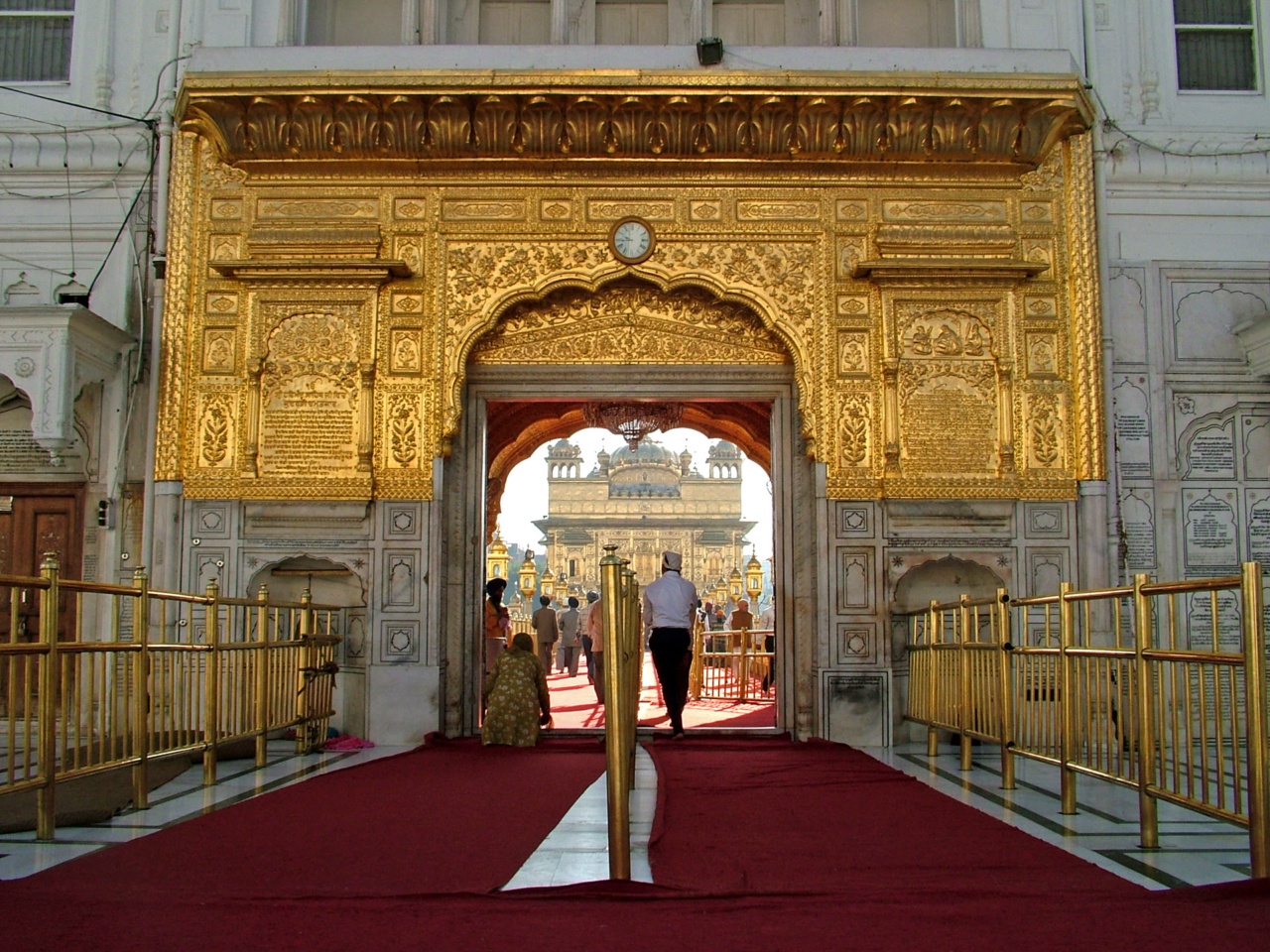
- The Central Sikh Museum: Located above the main entrance (Clock Tower), containing paintings and artifacts related to Sikh history.
- The Parikrama: The marble walkway encircling the entire pool, where pilgrims walk clockwise around the water.
Things to Do
The Harmandir Sahib
The central shrine is a three-story structure covered in approximately 750 kilograms of gold leaf, giving it the luminous appearance that earned its popular name. The architectural style blends Islamic and Hindu elements, with the lower levels built in white marble inlaid with semi-precious stones (pietra dura, similar to the Taj Mahal) and the upper levels clad in gilded copper panels.
Inside, the Guru Granth Sahib (the Sikh holy scripture) is installed each morning and read continuously by a relay of priests called granthis. The interior is intimate, with devotees sitting on the floor listening to kirtan (devotional music) performed by ragis (musicians). The atmosphere is contemplative and deeply moving, even for non-Sikh visitors. The queue to enter the inner sanctum can take 30 minutes to over two hours depending on the time and day, but the experience of standing inside this golden room, surrounded by scripture recitation and the scent of incense, is worth the wait.
The Langar: The World's Largest Free Kitchen
The langar is not a sideshow or a tourist attraction bolted onto a temple. It is a core expression of Sikh theology, specifically the principle of seva (selfless service) and the rejection of caste-based hierarchy. Every visitor, from heads of state to homeless pilgrims, sits on the floor in the same row and eats the same food. The meal is simple, nourishing, and vegetarian: dal (lentil stew), roti (flatbread), rice, a vegetable dish, and kheer (rice pudding) for dessert.
The kitchen operates 24 hours a day and serves an estimated 100,000 meals daily, staffed almost entirely by volunteers. The scale of the operation is industrial: massive vats of dal, conveyor-belt roti makers, and assembly-line dishwashing, all fueled by donations and volunteer labor. Visitors are welcome to eat (simply join the queue and sit where directed) and can also volunteer to help with preparation, serving, or cleaning. Even 30 minutes of washing dishes or peeling vegetables gives an insight into the community spirit that powers this remarkable institution.
Key Ceremonies
| Ceremony | Time | Description |
|---|---|---|
| Prakash (Opening) | 04:00 (summer) / 05:00 (winter) | The Guru Granth Sahib is carried in procession from the Akal Takht to the Harmandir Sahib |
| Kirtan (Devotional Music) | Throughout the day | Continuous live musical recitation of scripture inside the sanctum |
| Rehras Sahib (Evening Prayer) | 18:30 to 19:15 approximately | Evening prayer service, atmospheric with golden light on the temple |
| Palki Sahib (Closing) | 22:00 (summer) / 21:30 (winter) | The Guru Granth Sahib is carried back to the Akal Takht in a gold palanquin |
The Palki Sahib ceremony at night is the most memorable for visitors. A golden palanquin bearing the holy scripture is carried in slow procession across the causeway, accompanied by musicians and hundreds of devotees. The reflection of the illuminated temple in the sarovar during this ceremony is one of the most photographed scenes in India.
Dress Code and Etiquette
The Golden Temple welcomes all visitors but expects respectful behavior and appropriate dress:
- Head covering: All visitors must cover their heads before entering the complex. Free bandanas and scarves are available at the entrance if you do not have your own. A simple cotton scarf works perfectly.
- Footwear: Remove shoes at the designated cloakroom near the entrance (free storage). You will walk barefoot on marble, which can be hot in summer or cold in winter.
- Modest clothing: Cover your shoulders and legs. Shorts, miniskirts, and sleeveless tops are not permitted. Long trousers or a skirt reaching below the knee and a shirt covering the shoulders are sufficient.
- Foot washing: Before entering, all visitors walk through a shallow pool to wash their feet. This is a ritual cleansing and a practical hygiene measure.
- Walk clockwise: The parikrama is always walked in a clockwise direction around the sarovar.
- Photography: Cameras and phones are allowed in most of the complex, but photography is restricted inside the inner sanctum of the Harmandir Sahib. Keep phones silent throughout.
- No tobacco, alcohol, or intoxicants: These are strictly prohibited anywhere in the complex.
Practical Information
| Detail | Information |
|---|---|
| Opening hours | 24 hours, every day |
| Entry fee | Free |
| Langar meals | Free, 24 hours |
| Free accommodation | Available for up to 3 nights (sarai/guesthouse within complex) |
| Time needed | 3 to 4 hours (more if attending ceremonies) |
| Best visit time | Pre-dawn (04:00 to 06:00) or evening (18:00 to 22:00) |
Getting to Amritsar
- By air: Sri Guru Ram Dass Jee International Airport receives domestic flights from Delhi (1 hour), Mumbai, and Bangalore, plus some international flights. The airport is 11 kilometers from the Golden Temple, with taxis costing Rs. 300 to Rs. 500.
- By train: Amritsar Junction is a major railway hub with direct trains from Delhi (6 to 8 hours by Shatabdi Express), Kolkata, Mumbai, and Jaipur. The station is about 2 kilometers from the Golden Temple, easily reached by auto-rickshaw (Rs. 50 to Rs. 100).
- By bus: Regular buses connect Amritsar to Delhi (9 to 10 hours), Chandigarh (5 hours), and other Punjab cities. The bus stand is near the railway station.
Tips for Visiting the Golden Temple
- Visit at dawn and again at night. The temple is most atmospheric at these two times. The early morning Prakash ceremony offers a meditative start to the day with fewer crowds, while the illuminated temple reflecting in the sarovar after dark is unforgettable. Two visits give you both experiences.
- Eat in the langar. This is not optional tourism, it is the essence of what makes the Golden Temple unique. Sit on the floor, eat with everyone else, and experience the principle of equality in practice. The food is wholesome and the experience is humbling.
- Volunteer if you have time. The langar kitchen accepts volunteers for any duration. Peeling vegetables, washing dishes, or serving food alongside Sikh families from across the world is the most meaningful way to engage with the temple beyond sightseeing.
- Bring socks for the marble. In summer, the white marble parikrama gets extremely hot under bare feet. In winter, it becomes painfully cold. Socks provide comfort in both seasons and are permitted.
- Queue patiently for the inner sanctum. The line to enter the Harmandir Sahib varies from 30 minutes to over two hours. Early morning (before 06:00) and late evening offer the shortest waits. The queue moves steadily and the devotional atmosphere makes the wait part of the experience.
- Stay in the temple guesthouse. The Darbar Sahib complex offers free accommodation for up to three nights in its sarai (guesthouse). Rooms are basic but clean, and the location cannot be beaten. Register at the information office near the main entrance.
- Combine with the Wagah Border ceremony. The daily flag-lowering ceremony at the India-Pakistan border crossing, 28 kilometers from Amritsar, is a dramatic spectacle of competitive patriotism. Shared taxis from Amritsar cost Rs. 100 to Rs. 200 per person. Arrive early to secure a good seat. More India travel guides are available on GoAsia.cc.
Frequently Asked Questions
The Golden Temple (Harmandir Sahib) is the holiest shrine in Sikhism, located in Amritsar, Punjab. It is open to absolutely everyone regardless of religion, nationality, caste, or gender. There is no entry fee and no restrictions on who may enter, as long as visitors follow the dress code and etiquette rules.
Everything at the Golden Temple is free: entry, meals in the langar, and even accommodation for up to three nights in the temple guesthouse. The entire complex operates on donations and volunteer labor. There are no ticket counters, no VIP queues, and no charges of any kind.
Cover your head with a scarf or bandana (free ones are provided at the entrance), wear modest clothing covering shoulders and legs, and remove your shoes at the cloakroom. You will walk barefoot and wade through a shallow foot-washing pool before entering. Socks are permitted on the marble walkways.
The langar is the world's largest free community kitchen, serving around 100,000 vegetarian meals daily to anyone who comes. You sit on the floor in rows and eat dal, roti, rice, and kheer. Participating is strongly recommended as it embodies the core Sikh principle of equality and is a genuinely moving experience.
Pre-dawn (around 04:00 to 06:00) for the Prakash opening ceremony offers the most spiritual atmosphere with manageable crowds. Evening visits (18:00 to 22:00) let you see the illuminated temple reflecting in the sarovar and witness the Palki Sahib closing ceremony. Weekdays are quieter than weekends.
Plan for at least 3 to 4 hours to walk the parikrama, queue for and enter the inner sanctum, eat in the langar, and visit the museum. If you want to attend both the morning and evening ceremonies, two separate visits totaling 5 to 6 hours give the fullest experience.
Photography is allowed in most of the complex, including the parikrama, sarovar, and causeway. However, photography is restricted inside the inner sanctum of the Harmandir Sahib. Keep your phone on silent throughout, and be respectful when photographing devotees at prayer.
Yes, the langar kitchen welcomes volunteers for any duration. You can help peel vegetables, knead dough, serve meals, wash dishes, or sort utensils. No registration is needed for short volunteer stints. Simply ask at the langar entrance and you will be directed to where help is needed.