Hawa Mahal Jaipur: Inside the Palace of Winds

Hawa Mahal Jaipur: Inside the Palace of Winds

Last updated: March 19, 2026

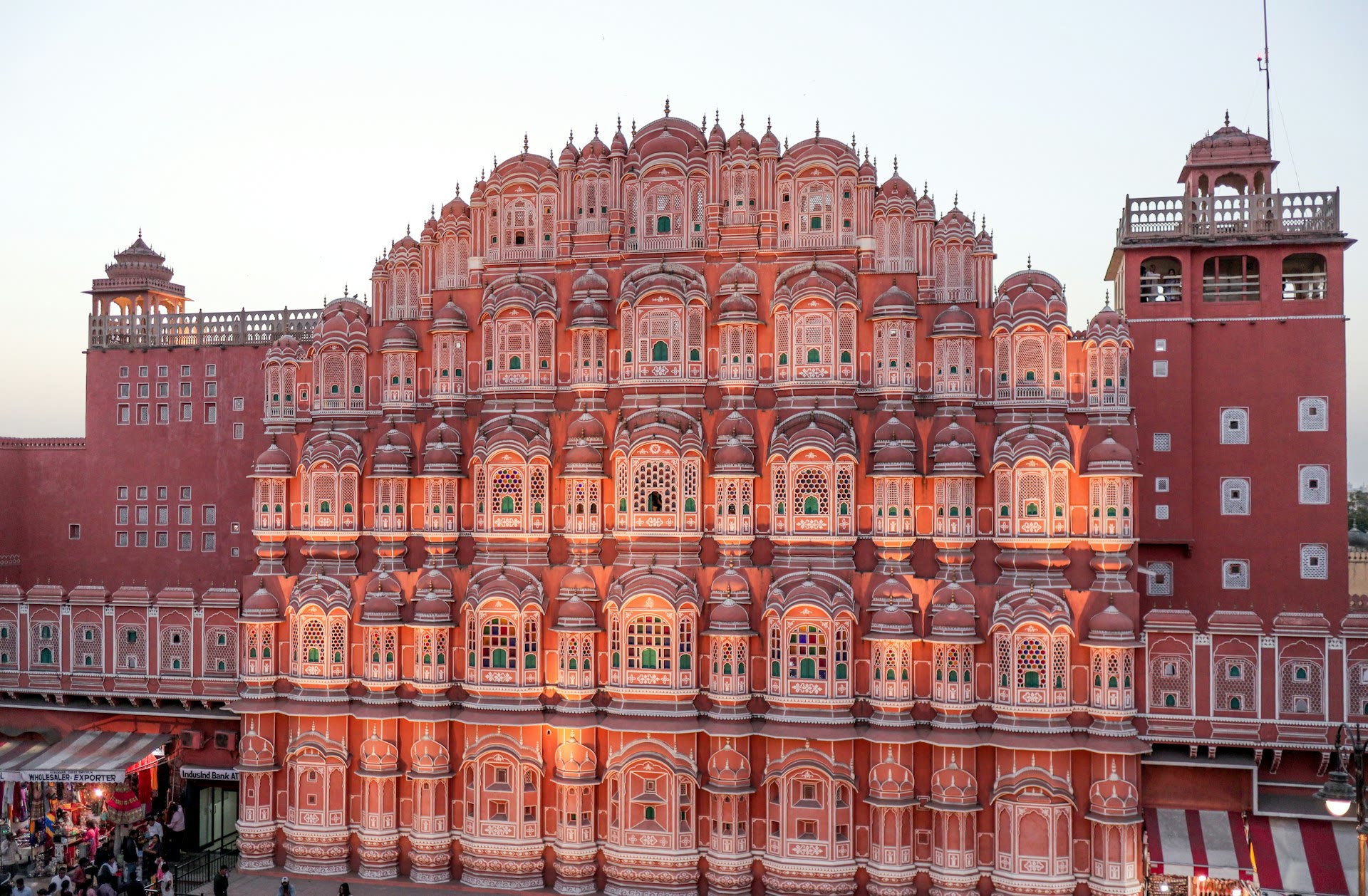
From the street, Hawa Mahal looks like the most photographed building in Rajasthan. Its pink sandstone facade rises five stories high, studded with 953 small latticed windows that give the structure its name: the Palace of Winds. But here is what most visitors do not realize until they arrive: the iconic honeycomb front is essentially a decorative screen, just one room deep in most places. The building was never meant to be lived in. It was designed so that the women of the royal household could watch street processions, markets, and daily life below without being seen, a function that shaped every detail of its remarkable architecture.

Built in the late 18th century by Maharaja Sawai Pratap Singh, Hawa Mahal sits on the edge of the City Palace complex in the heart of Jaipur's old walled city. The building was designed by architect Lal Chand Ustad in the shape of Lord Krishna's crown, blending Rajput building traditions with Mughal decorative influences. Despite being one of Jaipur's most recognized landmarks, the interior is surprisingly compact and can be explored in under an hour, making it an efficient stop in a city packed with monuments.

The Architecture

Hawa Mahal's facade is its masterpiece. The five stories taper from a wide base to a narrow top, creating a pyramidal silhouette that is instantly recognizable. Each of the 953 jharokha (small overhanging enclosed balcony) windows is fitted with intricate sandstone latticework (jali) that served a dual purpose: allowing women to observe the street without being visible from below, and channeling breezes through the narrow openings to create natural air conditioning, a crucial comfort in Rajasthan's scorching summers.

The building is constructed entirely from red and pink sandstone, highlighted with white lime borders that accentuate the geometric patterns. From the street, it appears to be a grand palace, but the structure is remarkably shallow. Most of the rooms behind the facade are small chambers connected by narrow passages and steep ramps rather than staircases. This unusual design allowed royal women in heavy garments and jewelry to move between floors without navigating steps.

The top two floors offer the best views: looking out through the same windows the royal women used, you can see the bustling Johari Bazaar below, the Jantar Mantar observatory, and the City Palace walls. On clear days, the Nahargarh Fort on the Aravalli Hills is visible to the north.

Things to Do

What to See Inside

The Facade Chambers

The main draw is climbing through the five stories of chambers behind the famous facade. Each floor has a different name: Sharad Mandir (ground), Ratan Mandir, Vichitra Mandir, Prakash Mandir, and Hawa Mandir (top). The rooms are small and connected by winding corridors and sloped ramps. The higher you climb, the better the views through the jali screens. The top floor (Hawa Mandir) is the most atmospheric, with the finest lattice work and panoramic sightlines across the old city.

The Small Museum

A modest museum on the ground floor displays historical artifacts including miniature paintings, ceremonial armor, and items related to the Jaipur royal family. It takes about 15 minutes to walk through and provides useful context about the building's construction and the lives of the women who used it.

The Courtyard

The rear of Hawa Mahal opens onto a courtyard that most street-side photographers never see. This side of the building reveals its true depth (or lack thereof) and includes a small fountain and garden area. The courtyard entrance on Hawa Mahal Road is where you actually enter the monument, not from the famous facade side on Badi Chaupar.

Practical Information

DetailInformation
Opening hours09:00 to 17:00 daily
Entry fee (foreigners)Rs. 200
Entry fee (Indians)Rs. 50
Composite ticketRs. 300 foreigners / Rs. 100 Indians (covers Hawa Mahal, Jantar Mantar, Amber Fort, Nahargarh Fort, Albert Hall)
Time needed30 minutes to 1 hour
LocationBadi Chaupar, Jaipur Old City

Photographing Hawa Mahal

The facade faces east, which means morning light is ideal for photography. The pink sandstone glows warmest in the first two hours after sunrise, and the street below is quieter before the shops open. By late morning, the facade falls into shadow and the light becomes flat.

The best external photo spot is from the rooftop of the Wind View Cafe or similar cafes directly opposite the facade on Badi Chaupar square. These rooftop terraces offer an elevated, unobstructed view of the full five-story facade and are free to access if you order a drink (Rs. 100 to Rs. 200 for a chai or lassi). The street-level view is also iconic but harder to capture cleanly due to traffic and power lines.

Inside, the view looking outward through the jali screens is just as photogenic. The lattice creates beautiful shadow patterns on the chamber walls, especially in morning light. Smartphone cameras handle the interiors well, as the natural light filtering through the screens provides even, diffused illumination.

The Jaipur Composite Ticket

If you plan to visit multiple monuments in Jaipur, the composite ticket offers significant savings. For Rs. 300 (foreigners) or Rs. 100 (Indians), it covers entry to Hawa Mahal, Jantar Mantar, Amber Fort, Nahargarh Fort, and Albert Hall Museum. Bought separately, these five sites would cost Rs. 1,300 for a foreign visitor. The composite ticket is valid for two consecutive days and can be purchased at any of the included monuments.

Exploring the Surrounding Area

Hawa Mahal sits at the intersection of some of Jaipur's most vibrant bazaar streets, making it a natural starting point for exploring the old city on foot.

  • Johari Bazaar: Directly in front of the Hawa Mahal facade, this is Jaipur's premier jewelry market, specializing in the gemstones and kundan work Rajasthan is famous for. Even if you are not buying, the shop fronts are worth browsing.
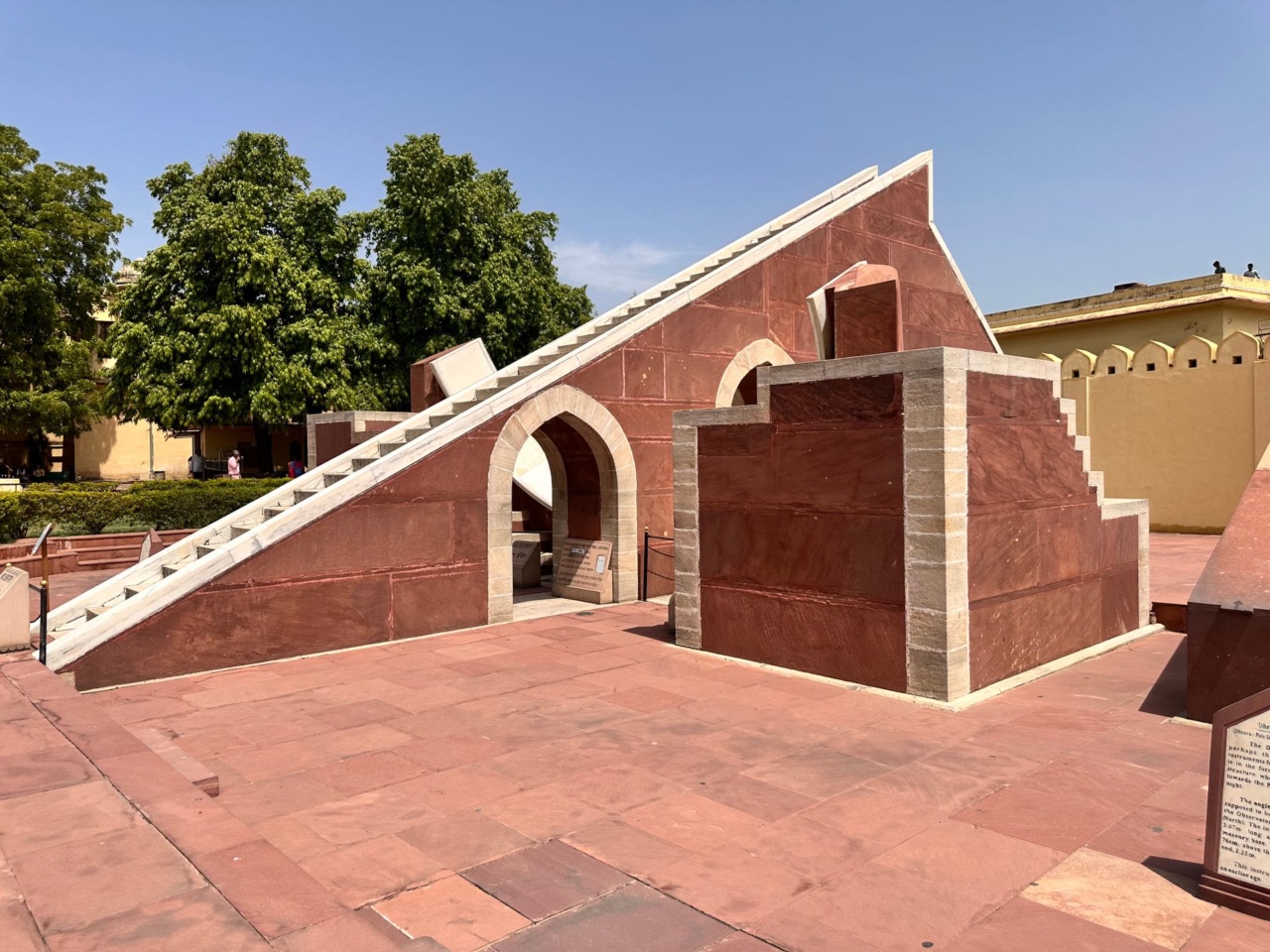
  • Jantar Mantar: The royal astronomical observatory is a five-minute walk from Hawa Mahal and contains the world's largest stone sundial. Entry is included in the composite ticket.
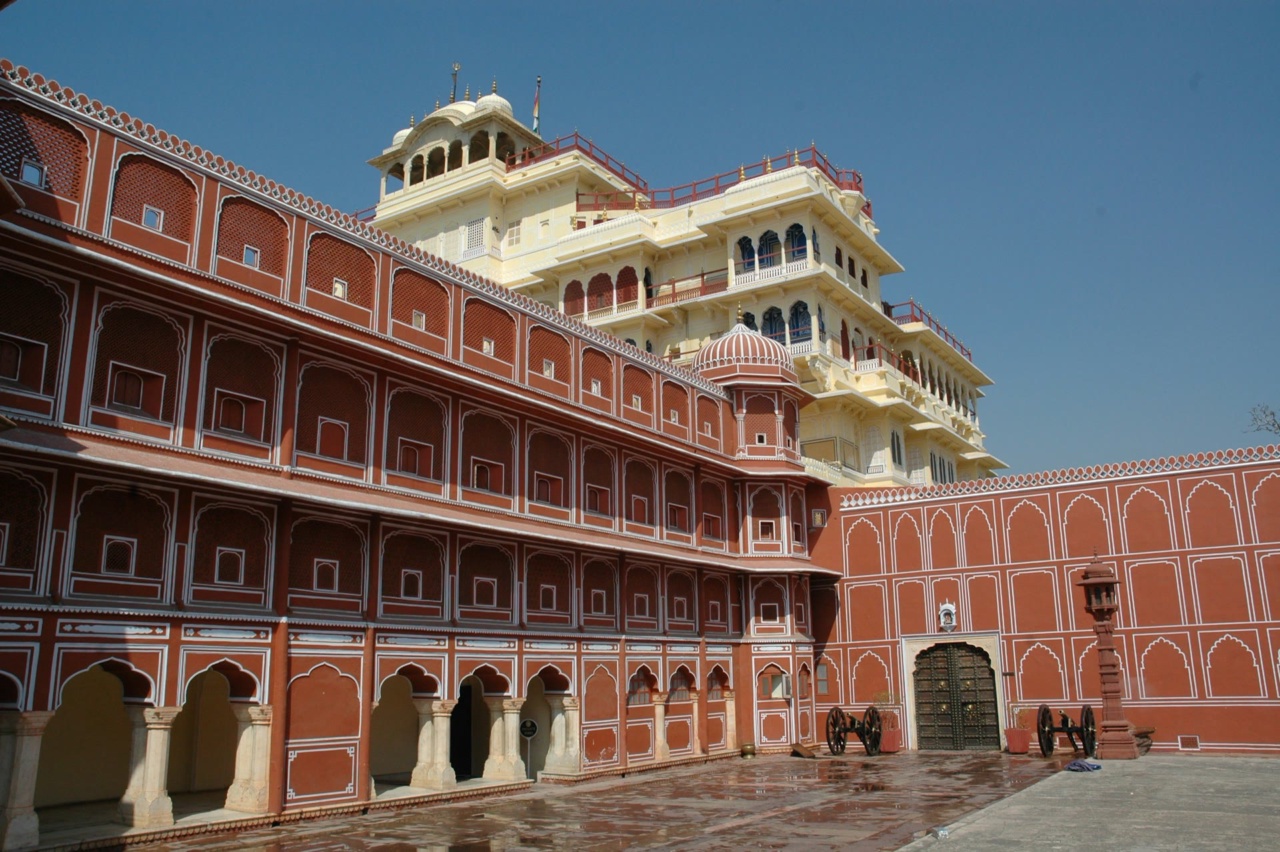
  • City Palace: The sprawling royal complex adjacent to Hawa Mahal contains museums, courtyards, and the Mubarak Mahal. A separate entry fee of Rs. 700 for foreigners applies.
  • Tripolia Bazaar and Bapu Bazaar: These parallel market streets running west from the Hawa Mahal area sell textiles, bangles, mojari shoes, and block-printed fabrics. Bargaining is expected and prices should start at roughly half the first asking price.

Getting to Hawa Mahal

Hawa Mahal is centrally located in Jaipur's walled old city, easily accessible from anywhere in the city.

  • By auto-rickshaw: From most hotels in the new city or MI Road area, an auto-rickshaw to Hawa Mahal costs Rs. 50 to Rs. 150. Use metered autos or negotiate before departing.
  • By metro: The Chandpole metro station is the closest stop, about a 10-minute walk from Hawa Mahal through the bazaar streets.
  • On foot: If you are staying in the old city or visiting other monuments in the area, Hawa Mahal is easily walkable from the City Palace (5 minutes), Jantar Mantar (5 minutes), or the Johari Bazaar area.

Tips for Visiting Hawa Mahal

  • Enter from the rear, not the front. The entrance is on Hawa Mahal Road behind the building, not from the famous facade side on Badi Chaupar. First-time visitors often spend time searching for a door on the wrong side.
  • Visit early morning for the best light. The east-facing facade catches sunrise light beautifully, and the interior chambers are most atmospheric before 10:00 when the sun streams through the jali screens. The cafes opposite also have morning seats available.
  • Buy the composite ticket. At Rs. 300 for foreigners, it saves over Rs. 1,000 compared to buying individual tickets for Jaipur's five main monuments. Purchase it at Hawa Mahal and use it over two days.
  • Combine with a bazaar walk. Hawa Mahal is surrounded by Jaipur's best shopping streets. Plan your visit for the morning (monument) followed by afternoon bazaar exploration when the shops are fully open and buzzing.
  • Watch your footing inside. The narrow ramps connecting the floors are steep and can be slippery. The passageways are tight in places, and the building gets congested during peak hours. Go early or late in the day for a more comfortable experience.
  • Photograph from across the street. The best facade photos come from the rooftop cafes on the opposite side of Badi Chaupar square. Order a drink, take your time, and shoot in morning light. More Jaipur and Rajasthan travel guides are available on GoAsia.cc.

Frequently Asked Questions

What is Hawa Mahal and why was it built?

Hawa Mahal (Palace of Winds) is a five-story pink sandstone building in Jaipur with 953 latticed windows. It was built in the late 18th century by Maharaja Sawai Pratap Singh so that royal women could observe street life, processions, and markets without being seen, in keeping with the purdah system of the time.

How much does it cost to visit Hawa Mahal?

Individual entry costs Rs. 200 ($2) for foreigners and Rs. 50 for Indians. The Jaipur composite ticket at Rs. 300 for foreigners covers Hawa Mahal plus Jantar Mantar, Amber Fort, Nahargarh Fort, and Albert Hall Museum, saving over Rs. 1,000 compared to individual tickets.

How do I get inside Hawa Mahal?

The entrance is on Hawa Mahal Road at the rear of the building, not from the famous facade side on Badi Chaupar square. Many visitors initially search for the door on the wrong side. The ticket counter is at the rear entrance, and from there you climb through five stories of chambers.

How long does a visit to Hawa Mahal take?

Most visitors spend 30 minutes to one hour exploring the five floors, museum, and courtyard. The building is compact and can be seen quickly, but taking time to look through the jali screens at the city views and appreciate the shadow patterns in morning light is worthwhile.

When is the best time to photograph Hawa Mahal?

Early morning provides the best light since the facade faces east and catches warm sunrise tones. The rooftop cafes directly opposite on Badi Chaupar square offer the best elevated angle. Inside, morning light streaming through the lattice screens creates beautiful shadow patterns in the chambers.

What is the Jaipur composite ticket?

For Rs. 300 (foreigners) or Rs. 100 (Indians), the composite ticket covers entry to five major Jaipur monuments: Hawa Mahal, Jantar Mantar, Amber Fort, Nahargarh Fort, and Albert Hall Museum. It is valid for two consecutive days and can be purchased at any of the included sites.

Is Hawa Mahal worth visiting or just worth photographing from outside?

Both. The facade is Jaipur's most iconic image and can be appreciated for free from the street or nearby cafes. But going inside adds a dimension that photos do not capture: climbing the narrow ramps, peering through the same jali screens the royal women used, and seeing the city views from five different levels. At Rs. 200, the entry fee is modest for the experience.

What else is near Hawa Mahal?

Hawa Mahal sits at the heart of Jaipur's old city. Jantar Mantar and City Palace are both a five-minute walk away. Johari Bazaar (jewelry), Tripolia Bazaar (textiles), and Bapu Bazaar (crafts and shoes) surround it on all sides, making it a natural anchor for a half-day walking tour of the walled city.