Mysore Palace: A Complete Guide to India's Most Visited Royal Residence
Mysore Palace draws over five million visitors each year, making it the most visited monument in India after the Taj Mahal. Sitting at the heart of Mysuru (formerly Mysore) in Karnataka, this Indo-Saracenic masterpiece tells a story of royal ambition, devastating fire, and meticulous reconstruction that spanned more than a decade.
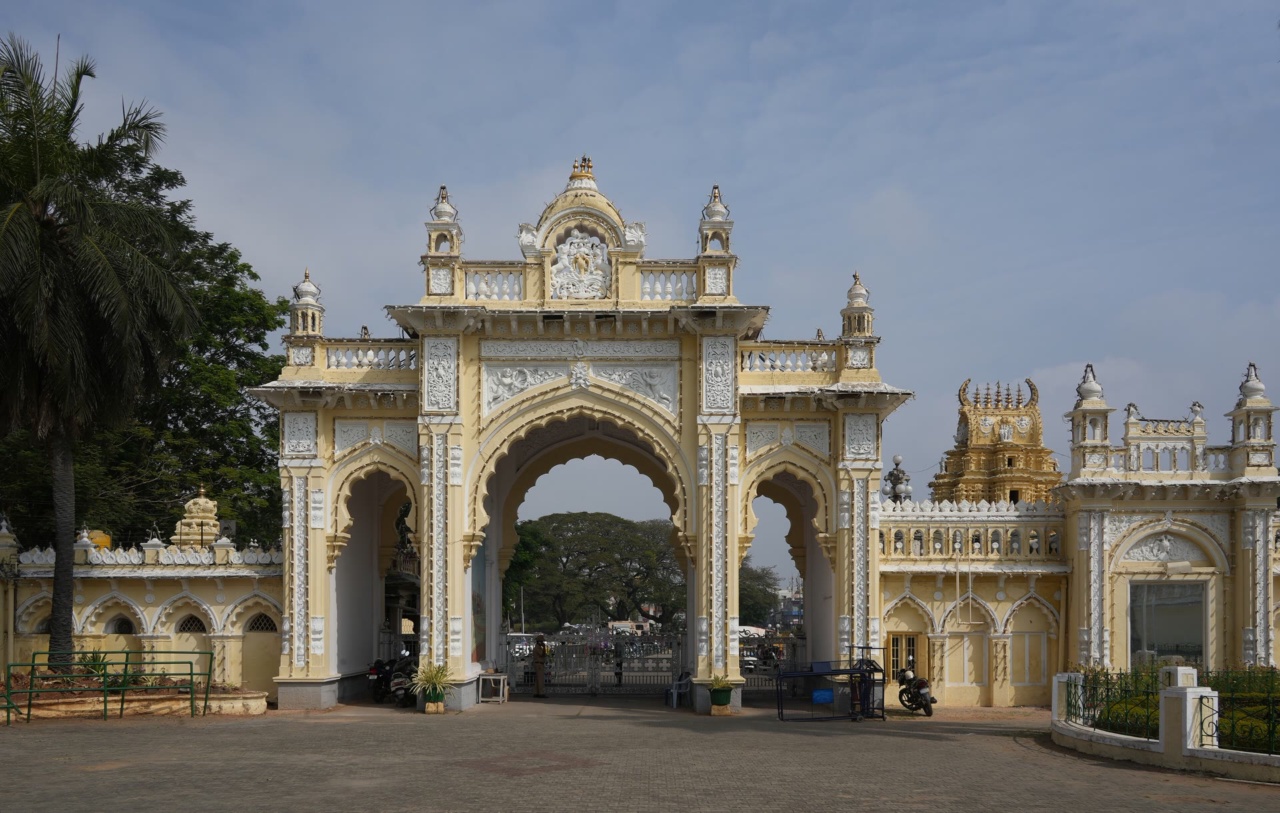
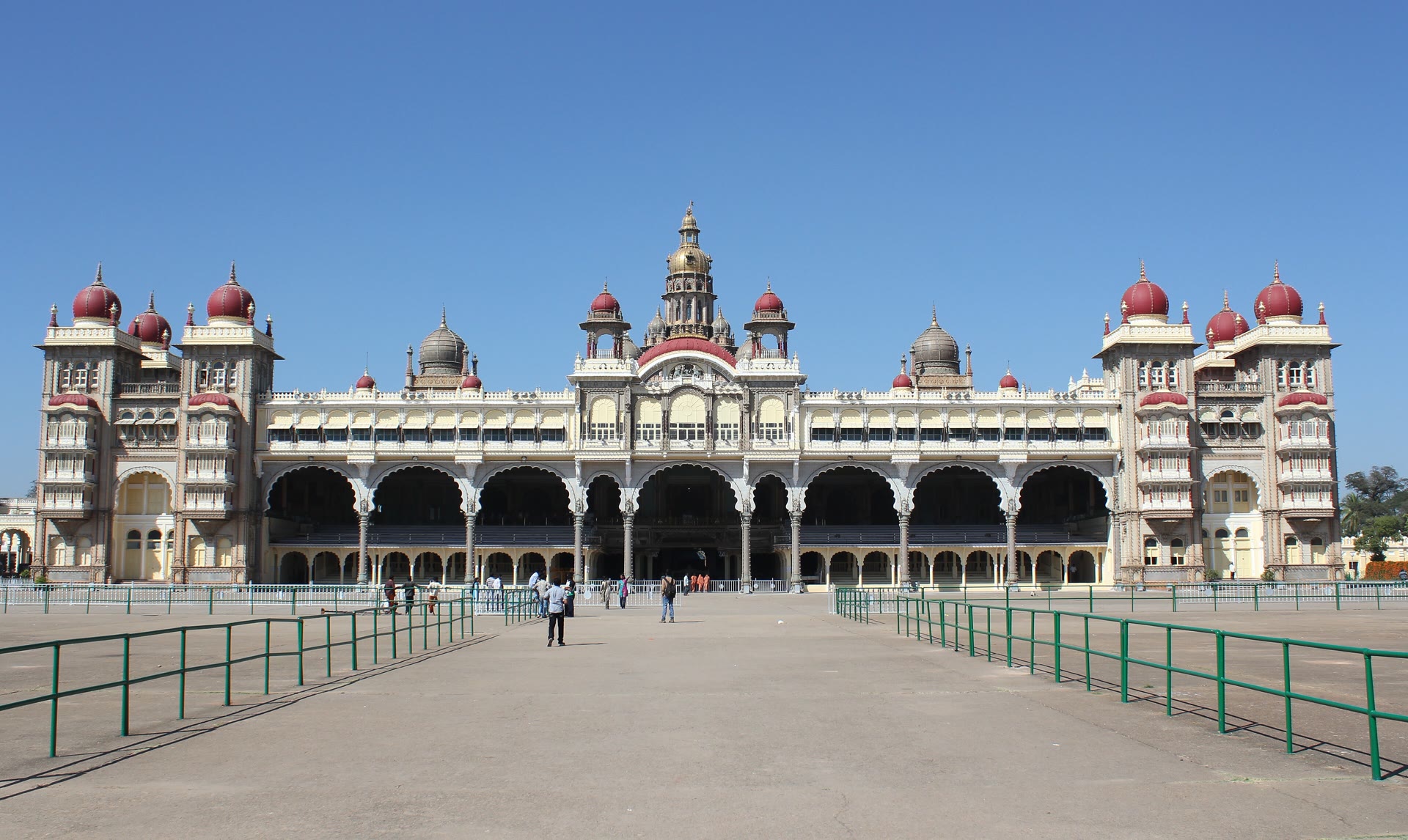
The palace you see today is actually the fourth structure on this site. The previous wooden palace burned down during a royal wedding celebration, and the current granite-and-marble incarnation was commissioned by Maharaja Krishnaraja Wadiyar IV. Designed by British architect Henry Irwin and completed after years of painstaking work, it blends Hindu, Islamic, Rajput, and Gothic styles into something entirely its own. Understanding this history transforms a casual visit into something far more meaningful.
This guide covers everything you need to plan your visit, from entry fees and timings to the spectacular Dasara illumination that turns the palace into a glowing landmark visible from across the city.
What Makes Mysore Palace Special
Mysore Palace is not just another Indian monument. It is a living symbol of the Wadiyar dynasty, which ruled the Kingdom of Mysore for over five centuries. The current structure sits on 72 acres of palace grounds, and its three-story stone building is crowned by a five-story tower. The blend of architectural styles reflects the cosmopolitan ambitions of the Wadiyar rulers, who drew inspiration from palaces across Asia and Europe.
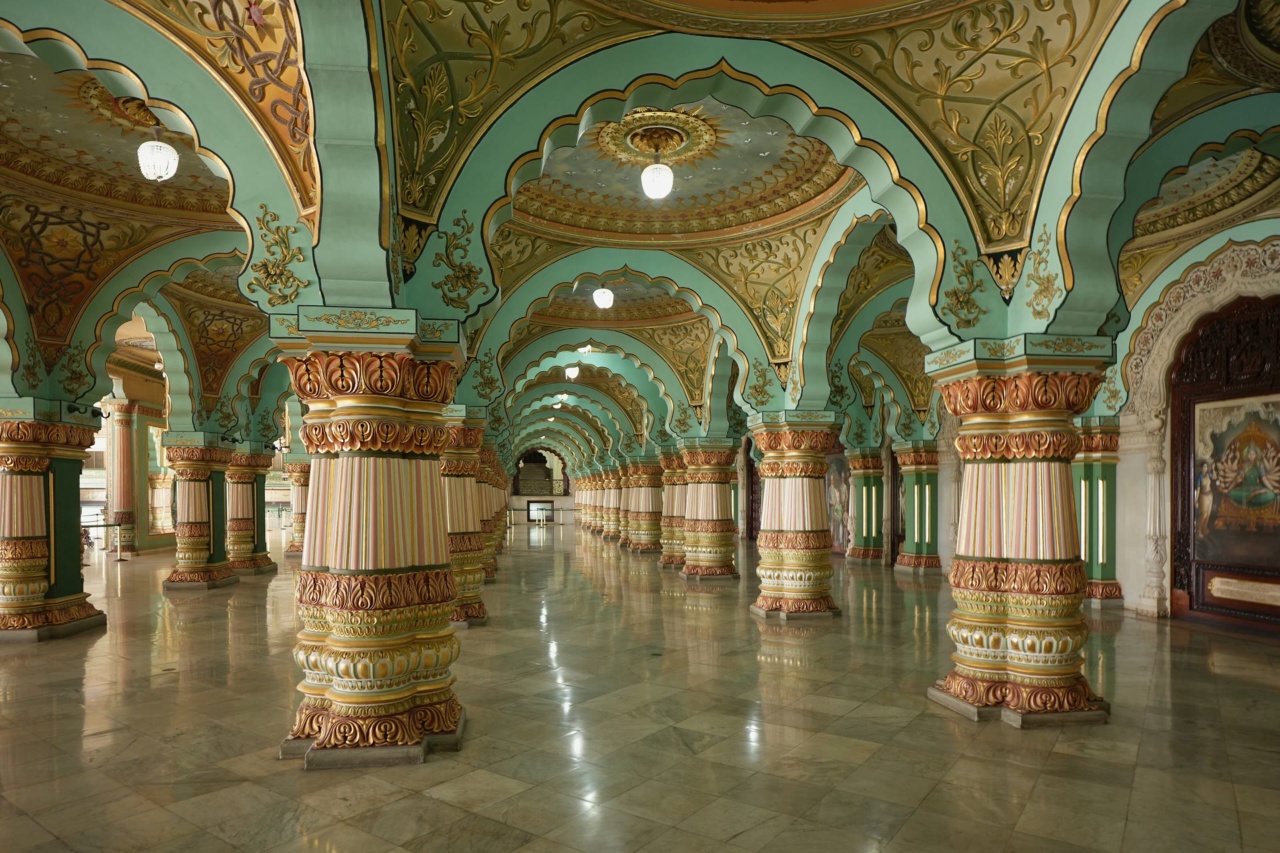
The palace complex includes twelve Hindu temples, the oldest dating back to the 14th century. The main palace building itself features carved pillars, stained glass ceilings, ornate doors, and mosaic floors that took hundreds of artisans years to complete. The sheer scale and detail of craftsmanship here rivals anything you will find in Rajasthan or elsewhere in India.
Things to Do
Key Halls and Rooms to See
Ambavilasa (Durbar Hall)
This is the palace's showpiece. The Durbar Hall features an ornate ceiling with stained glass panels, massive chandeliers, and a floor of polished granite. The ceiling paintings depict scenes from the Dasara procession and Mysore's royal history. The octagonal pavilion where the Maharaja held public audiences still contains the original golden throne, which is displayed during the Dasara festival each year.
Kalyana Mantapa (Marriage Hall)
The octagonal Marriage Hall features a domed, peacock-themed stained glass ceiling that floods the room with colored light. The floor is an intricate mosaic of tiles imported from England, and the walls display paintings by renowned Indian and European artists. Even if you have seen dozens of palace interiors across India, this room genuinely impresses.
Golden Throne
The Golden Throne is the palace's most famous artifact. Made of fig wood overlaid with gold, ivory, and precious stones, this throne dates back to the era of the Wadiyar kings and weighs over 200 kilograms. For most of the year, it is stored within the palace, but during Dasara it is assembled and displayed in the Durbar Hall for public viewing.
Doll's Pavilion (Gombe Thotti)
A unique feature of Mysore Palace is its collection of traditional dolls and figurines displayed during the Navarathri festival. The collection includes dolls from the 19th and early 20th centuries, depicting gods, goddesses, animals, and daily life scenes. This tradition, known as Gombe Habba, is a Mysore cultural practice that the royal family maintained for generations.
Entry Fees and Timings
| Category | Fee |
|---|---|
| Indian Adults | Rs 50 |
| Indian Children (7-12) | Rs 30 |
| Foreign Visitors | Rs 200 |
| Sound and Light Show (Kannada) | Rs 100 adults / Rs 40 children |
| Sound and Light Show (English) | Rs 120 adults / Rs 50 children |
The palace is open daily from 10:00 AM to 5:30 PM, with the last entry at 5:00 PM. The Sound and Light Show runs in Kannada on Monday through Wednesday and Saturday evenings, and in English on Thursday through Saturday evenings, typically starting at 7:00 PM. Photography is not permitted inside the palace, though you can photograph the exterior and grounds freely.
Shoes must be removed before entering the palace. Free shoe storage is available at the entrance. The palace provides cloth bags to carry your belongings, as large bags and backpacks are not allowed inside.
The Dasara Illumination
If you can time your visit to coincide with Dasara (usually September or October), you will witness Mysore Palace at its most spectacular. During the ten-day Dasara festival, the palace is illuminated with nearly 100,000 light bulbs every evening from 7:00 PM to 9:00 PM. On Vijayadashami, the final day, the illumination extends to 10:00 PM.
The moment all the lights switch on simultaneously is genuinely breathtaking. The entire palace transforms from a dark silhouette into a glowing golden structure against the night sky. Arrive by 6:30 PM to secure a good viewing spot, as thousands gather around the palace perimeter each evening.
Outside Dasara, the palace illumination happens every Sunday and on public holidays from 7:00 PM to 7:45 PM. There is no fee to watch the illumination from the palace grounds.
Getting to Mysore Palace
Mysore Palace sits in the center of Mysuru city, easily reachable from most parts of town. From the Mysuru railway station, it is roughly 3 kilometers, a quick auto-rickshaw ride costing around Rs 50-80. From the central bus stand, it is even closer at about 1 kilometer.
Most visitors reach Mysuru from Bangalore (about 150 kilometers). The options include:
- Train: Several daily trains connect Bangalore to Mysuru, taking about 2.5 to 3 hours. The Shatabdi Express is the fastest and most comfortable option.
- Bus: KSRTC operates frequent buses from Bangalore's Majestic Bus Station. Volvo AC buses take about 3 hours and cost Rs 400-800 depending on the service class.
- Car: The Bangalore-Mysore Expressway has reduced driving time to about 2.5 hours. The road is excellent and well-maintained.
For more travel connections and route options across India, check GoAsia.cc for detailed guides.
What Else to See Nearby
Mysuru is compact enough that you can combine the palace visit with several other attractions in a single day:
- Devaraja Market: A 10-minute walk from the palace, this vibrant 130-year-old market sells sandalwood products, spices, silk, and fresh flowers. The kumkum powder stalls are especially photogenic.
- Chamundi Hill: About 13 kilometers from the palace, this hilltop temple dedicated to Goddess Chamundeshwari offers panoramic views of Mysuru. You can drive up or climb the 1,000+ steps.
- St. Philomena's Cathedral: One of the tallest churches in Asia, built in Neo-Gothic style. Located about 3 kilometers north of the palace.
- Jaganmohan Palace Art Gallery: A short walk west of the main palace, this smaller royal residence now houses an impressive collection of paintings, musical instruments, and royal artifacts.
- Brindavan Gardens: About 20 kilometers from Mysuru, these terraced gardens at the KRS Dam feature musical fountains in the evening. Best combined with a half-day trip.
Practical Tips for Visiting Mysore Palace
A few things that will make your visit smoother and more enjoyable:
- Visit on weekdays if possible. Weekends and public holidays bring massive crowds, especially during the monsoon and winter tourist season. Early morning on a Tuesday or Wednesday is ideal for a relaxed visit.
- Hire an audio guide or local guide. The palace's history and architectural details are easy to miss without context. Audio guides are available at the entrance for a small fee, and local guides charge around Rs 200-500 for a thorough tour.
- Wear socks. Since shoes must be removed, the stone and marble floors can be cold in winter and hot in summer. Socks make the visit more comfortable and are allowed inside.
- Budget about 2 hours. Rushing through the palace in 30 minutes means missing most of what makes it special. Take time to study the ceiling paintings, stained glass, and carved details.
- Try Mysore Pak. This iconic sweet originated in the Mysore Palace kitchens. Guru Sweets near the palace entrance is a reliable spot, but the best versions come from shops in Devaraja Market.
- Combine with the Sound and Light Show. If you visit in the afternoon, stay for the evening show. It provides historical context through projections on the palace facade and is worth the modest ticket price.
- Carry small change. The shoe storage is free, but there are tip collectors. Having small notes ready avoids awkward moments.
Frequently Asked Questions
The ideal time is during the Dasara festival in September or October, when the palace is illuminated with nearly 100,000 bulbs every evening. For fewer crowds outside festival season, visit on a weekday morning between October and February when the weather is pleasant and comfortable.
Entry costs Rs 50 for Indian adults and Rs 200 for foreign visitors. Children aged 7 to 12 pay Rs 30. The Sound and Light Show costs an additional Rs 100-120 for adults depending on the language. Watching the Sunday evening illumination from the palace grounds is free.
The most popular option is a KSRTC Volvo bus from Majestic Bus Station, taking about 3 hours and costing Rs 400-800. Trains take 2.5 to 3 hours, with the Shatabdi Express being the fastest. Driving via the Bangalore-Mysore Expressway takes around 2.5 hours.
No, photography and videography are strictly prohibited inside the palace. You can photograph the exterior, gardens, and palace grounds freely. Guards actively enforce this rule, so leave your camera in the bag once you enter.
Plan at least 2 hours for a proper visit. This gives you time to explore the main halls, study the paintings and stained glass, and walk the grounds. If you are combining it with the Sound and Light Show, you will need the full afternoon and evening.
During Dasara (September-October), the palace is illuminated every evening from 7:00 PM to 9:00 PM for ten days. Outside the festival, illumination occurs every Sunday and on public holidays from 7:00 PM to 7:45 PM. There is no charge to view it from the grounds.
The Golden Throne is displayed publicly only during the Dasara festival when it is assembled in the Durbar Hall. During the rest of the year, it remains in storage within the palace. If seeing the throne is a priority, plan your visit during the Dasara celebrations.
There is no strict dress code, but you must remove shoes before entering. Wearing socks is recommended as the marble floors can be very cold in winter or hot in summer. Comfortable clothing suitable for walking is ideal, as you will cover a fair amount of ground.