Lucknow is the gracious capital of Uttar Pradesh, where Mughal-era monuments stand alongside bustling bazaars fragrant with slow-cooked kebabs and biryanis.
The scent of slow-roasted galawati kebabs drifts from a narrow lane in Chowk, mixing with the call to prayer echoing off 18th-century imambaras. A cycle rickshaw weaves past crumbling havelis whose carved facades hint at former grandeur, while a few kilometers away, modern malls and tech parks signal a city in transition. This is Lucknow, a place where the past is not preserved behind velvet ropes but lived in daily, where food is treated as high art, and where strangers still greet you with "pehle aap" (after you) as a matter of civic pride.
Lucknow sits on the banks of the Gomti River in the heart of Uttar Pradesh, roughly 500 kilometers southeast of Delhi. It served as the seat of the Nawabs of Awadh from the 18th century, and that Nawabi legacy defines everything from its architecture to its cuisine. Unlike the Rajput forts of Rajasthan or the Mughal monuments of Delhi, Lucknow's heritage has a distinctly refined, almost theatrical quality: think ornate stucco work, labyrinthine gateways, and buildings designed to impress through sheer audacity of scale.
For travelers, Lucknow is ideal as a two-to-four-day destination, either standalone or as a stop between Delhi and Varanasi. It is one of the most underrated food cities in all of Asia, and its historical sites are genuinely world-class yet blissfully uncrowded compared to the Golden Triangle circuit. Solo travelers, couples, and food-obsessed visitors will find the most to love here.
Orientation and Neighborhoods
Lucknow sprawls across both banks of the Gomti River, but nearly everything of interest to travelers sits on the southern bank. The city's layout roughly divides into the historic Old City in the west and the more modern developments stretching east and south.
Chowk and the Old City
This is the beating heart of Lucknow, a dense, chaotic, magnificent tangle of narrow lanes packed with food stalls, perfume shops, chikan embroidery vendors, and crumbling Nawabi-era architecture. The Bara Imambara and Chhota Imambara are here. Stay nearby if you want to walk to the major sights and eat legendary street food steps from your door. Accommodation options are limited and mostly budget-oriented.
Lucknow's main commercial boulevard, often compared to Delhi's Connaught Place. This is where you will find mid-range hotels, bookshops, cafes, brand-name stores, and a pleasant pedestrian-friendly stretch. It is the most convenient base for first-time visitors, offering easy access to both the Old City and modern Lucknow. A good balance of comfort and character.
Gomti Nagar
The modern face of Lucknow, located east of the river. Shopping malls, upscale restaurants, corporate offices, and several good hotels cluster here. It is clean and well-organized but lacks the atmosphere of the older neighborhoods. Choose this area if you prioritize comfort and modern amenities over heritage ambiance.
Aminabad
A bustling market district south of Hazratganj, famous for chikan embroidery shopping and street food. Not a typical place to stay, but an essential neighborhood to visit for shopping and eating. The lanes get extremely crowded on weekends.
Alambagh and the Station Area
The area around Lucknow Junction railway station has plenty of budget hotels but little charm. Useful for a one-night stopover if you are catching an early train, but not recommended as a base for sightseeing.
Things to Do
Offers are only loaded from GetYourGuide after you click. GetYourGuide can then process your IP address and set cookies. Privacy Policy
GetYourGuide partner offers. GoAsia may earn a commission if you book through these offers. Check whether tickets or transfers are included, and follow the attraction's official booking and admission rules.
Best Time to Visit
Lucknow has a classic North Indian climate with extreme summers and pleasant winters. Timing your visit correctly makes an enormous difference to your comfort.
Season
Months
Weather
Crowds
Notes
Winter (Best)
November - February
Cool and dry, 5-25C
Moderate
Ideal sightseeing weather, foggy mornings in December-January can delay flights and trains
Spring
March - April
Warm, 20-38C
Low
Still manageable, good for budget travelers
Summer
May - June
Extreme heat, 40-47C
Very low
Avoid unless you have a high heat tolerance
Monsoon
July - September
Hot and humid, heavy rain
Low
Streets can flood, but the city looks lush
Autumn
October
Warm, decreasing humidity
Low-Moderate
Good shoulder season, post-monsoon freshness
The Lucknow Mahotsav, a cultural festival typically held in late November or early December, features music, dance, food stalls, and craft exhibitions, and it is worth timing your visit around if possible. Muharram processions are also a significant cultural event given the city's Shia heritage, with the imambaras becoming especially atmospheric.
Getting There and Getting Around
Arriving in Lucknow
Chaudhary Charan Singh International Airport (LKO) receives direct flights from Delhi, Mumbai, Bangalore, Kolkata, and several Gulf cities. The airport is about 15 kilometers from Hazratganj. Pre-paid taxis from the airport counter cost around $5-8, while Ola and Uber rides are typically $4-6. The drive takes 30-50 minutes depending on traffic.
Lucknow Junction and Lucknow Charbagh railway stations are major hubs on the Indian rail network. The Shatabdi Express from Delhi takes about 6.5 hours and costs around $10-25 depending on class. Trains also connect to Varanasi (roughly 5-7 hours), Agra (roughly 6 hours), and Kolkata (roughly 14 hours). You can check specific train and bus connections on GoAsia.cc for detailed route planning.
Getting Around the City
Lucknow's metro system covers a north-south corridor and is clean, air-conditioned and cheap, with fares between ₹10 and ₹60 at present.[1] It is useful for getting between the railway station, Hazratganj, and parts of Gomti Nagar, but does not reach the Old City sights directly.
Auto-rickshaws are the default local transport. Always negotiate the fare before boarding. A typical cross-city ride costs $1-2. Many drivers will quote inflated prices to foreigners, so having a sense of the distance helps. Ola and Uber work well in Lucknow and are the easiest way to avoid haggling; most rides within the city cost $1-3.
Cycle rickshaws are plentiful in the Old City and Aminabad and are the best way to navigate narrow lanes where cars cannot go. Expect to pay around $0.30-0.60 for short hops. Walking is pleasant in Hazratganj but challenging in the Old City due to traffic, narrow sidewalks, and general chaos, so embrace the cycle rickshaw.
Top Sights and Experiences
Must-See Attractions
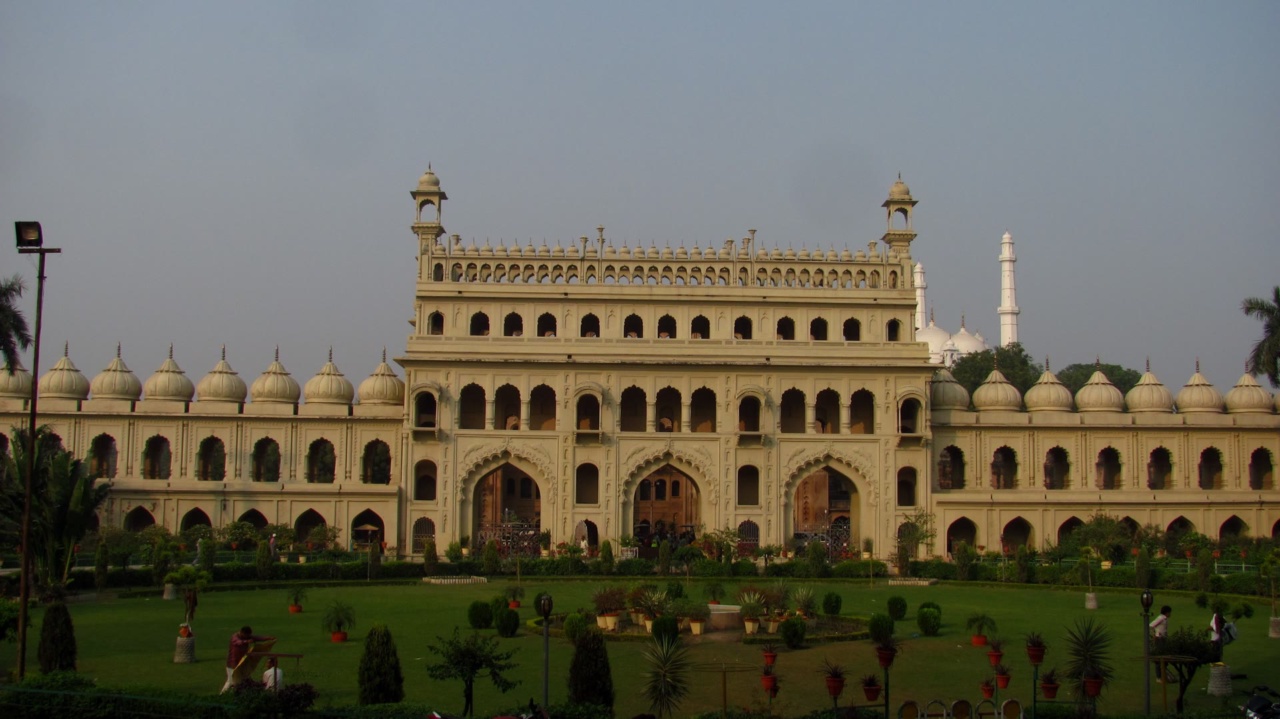
Bara Imambara: Lucknow's most iconic monument, built in 1784 by Nawab Asaf-ud-Daula. The central hall is one of the largest arched constructions in the world built without any European-style support beams, and the engineering is genuinely impressive. The real highlight is the Bhul Bhulaiya (labyrinth) on the upper level, a maze of narrow passages with over 1,000 corridors that is both disorienting and thrilling. Budget 1.5-2 hours. Entry costs around $3 for foreigners. Go early morning to avoid crowds and heat. A guide (around $3-5) is highly recommended for the labyrinth.
Chhota Imambara: Smaller but more ornate than its big sibling, with elaborate chandeliers, gilded interiors, and the tombs of the Nawabs. The exterior is particularly photogenic with its calligraphy-adorned facade. Located a short walk from the Bara Imambara, so visit both in one session. Budget 30-45 minutes. Included in the combined ticket.
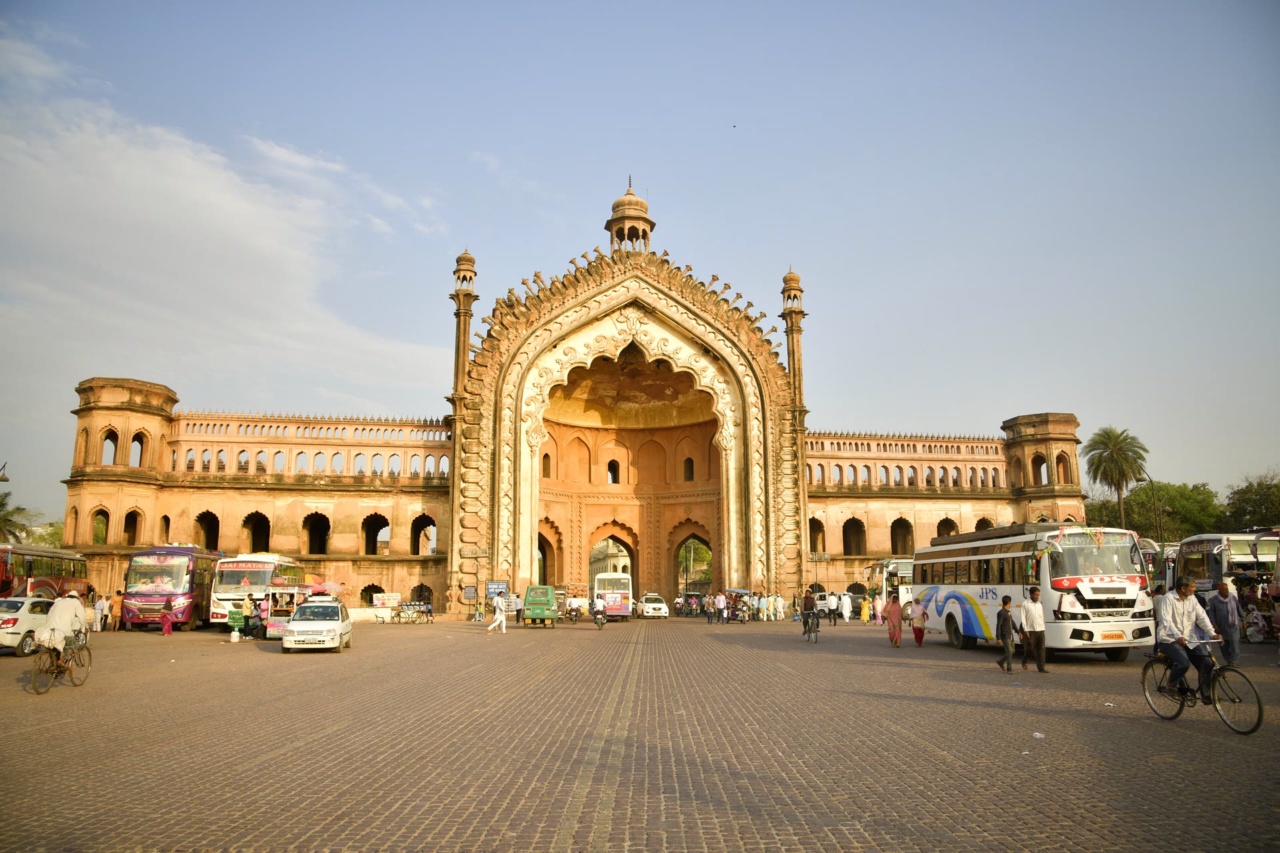
Rumi Darwaza: This monumental gateway beside the Bara Imambara is one of Lucknow's most recognizable landmarks. It is especially beautiful when lit up at night. No entry fee: you simply walk through or admire from the road.
The Residency: The haunting ruins of the British Residency complex, site of the famous siege during the 1857 uprising. Bullet holes and cannonball damage are still visible on the walls. A small museum provides historical context. The grounds are peaceful and green, making it a welcome respite from the city noise. Budget 1-1.5 hours. Entry around $2.50 for foreigners.
Chowk Food Walk: Not a single attraction but an essential experience. The lanes of Chowk contain some of India's most legendary food stalls, many operating for generations. An evening walk through these lanes, stopping for kebabs, nihari, kulfi, and paan, is arguably the single best thing you can do in Lucknow. Go with an empty stomach and an adventurous palate.
Lesser-Known Gems
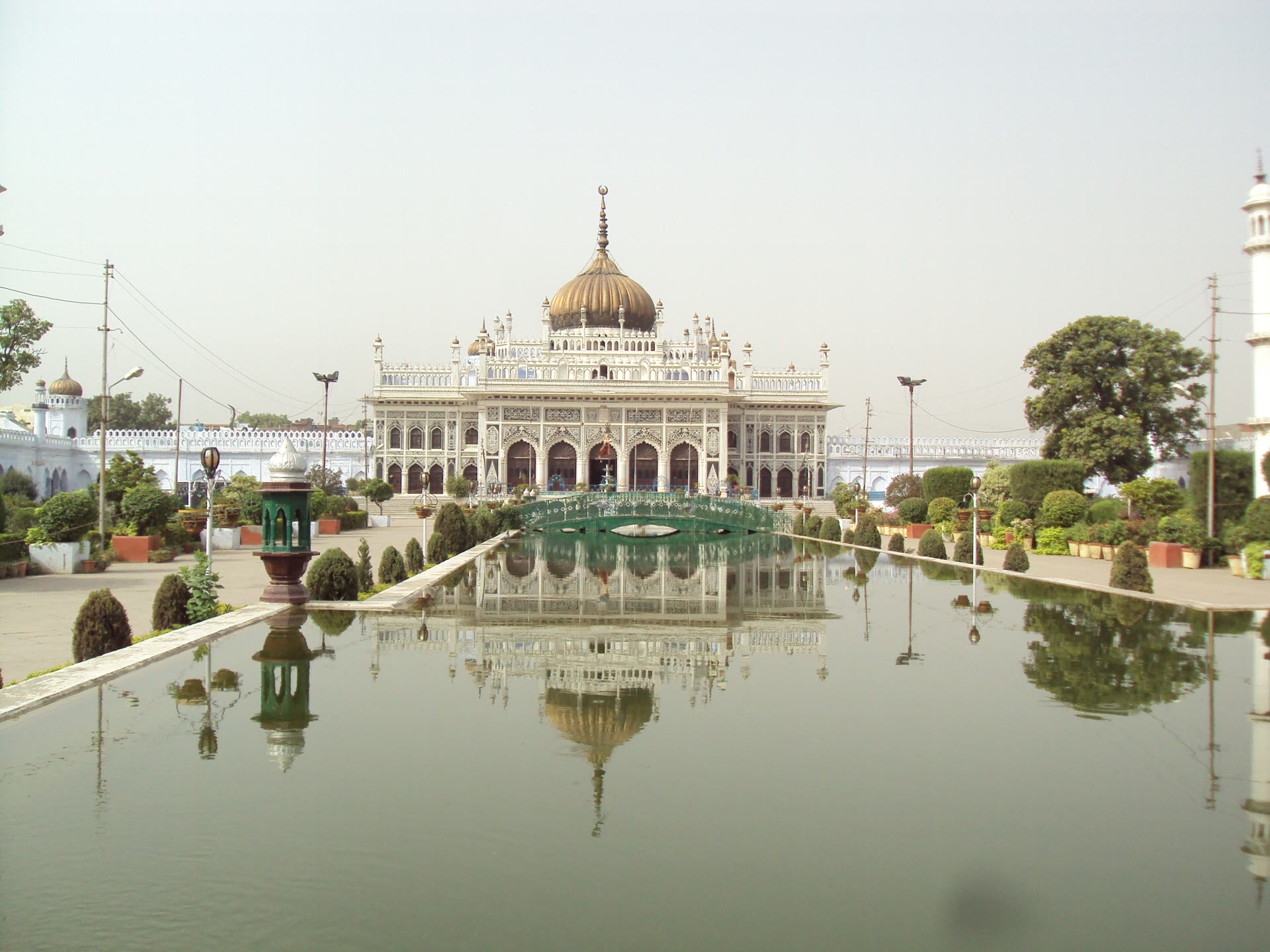
Chattar Manzil (Umbrella Palace): A striking riverside palace with a distinctive umbrella-shaped dome, once the residence of the Nawabs. The building itself is partially under restoration, but the riverside setting offers great photo opportunities and a sense of Lucknow's faded grandeur.
Constantia (La Martiniere College): An extraordinary Indo-European baroque building that serves as a functioning school. Built by the French adventurer Claude Martin in the late 18th century, it is one of the most architecturally bizarre and fascinating buildings in India. Visitors can sometimes gain access on weekends or holidays by asking at the gate, and be polite and respectful as it is an active school campus.
Husainabad Clock Tower: A Victorian-Gothic clock tower near the Chhota Imambara that feels oddly European against the Nawabi skyline. Best viewed from the nearby Husainabad Picture Gallery, which houses portraits of the Nawabs.
Ambedkar Memorial Park: A modern monument complex in Gomti Nagar built from Rajasthani sandstone. Opinions are divided: some find it impressive in scale, others see it as politically motivated. Architecturally it is striking, especially at dusk when the sandstone glows. Free entry.
Overrated Attractions
Lucknow Zoo: Often listed in guidebooks, but the facilities are dated and the animal enclosures are small by modern standards. Skip it unless you are traveling with young children who need a break from historical sites.
Janeshwar Mishra Park: Touted as one of Asia's largest parks, but it is essentially a large green space in Gomti Nagar with little of specific interest to tourists. Fine for a morning jog if your hotel is nearby, but not worth a dedicated trip.
Marine Drive (Gomti Riverfront): The name suggests something glamorous, but this is a modest waterfront promenade along the Gomti. It is pleasant enough for an evening stroll but should not be a priority over the Old City sights.
Food and Drink
Lucknow is, without exaggeration, one of the great food cities of the world. The Awadhi cuisine developed here under the Nawabs is characterized by slow cooking, aromatic spices, and a refinement that elevates street food to an art form. Eating is not just an activity in Lucknow, it is the primary reason to visit.
Signature Dishes
Dish
Description
Where to Try
Typical Price
Galawati Kebab
Minced meat patty so tender it literally melts on the tongue, spiced with over 100 ingredients according to legend
Chowk area stalls, Tunday Kababi
$0.50-1.50 per plate
Lucknowi Biryani
Dum-style biryani with layers of fragrant rice and slow-cooked meat, lighter and more aromatic than Hyderabadi biryani
Idris Biryani in Chowk area, various restaurants in Aminabad
$1-3 per plate
Nihari
Slow-cooked overnight meat stew, rich and deeply spiced, traditionally a breakfast dish
Old City stalls, Raheem's in Chowk
$1-2 per bowl
Kakori Kebab
Silky smooth seekh kebab made from finely minced meat, named after a town near Lucknow
Upscale Awadhi restaurants, Chowk vendors
$1-3
Sheermal
Saffron-flavored flatbread baked in a tandoor, the perfect accompaniment to kebabs
Any kebab stall in Chowk
$0.15-0.30
Kulfi-Faluda
Dense frozen milk dessert served with vermicelli noodles and rose syrup
Prakash Kulfi in Aminabad, Chowk vendors
$0.30-0.75
Basket Chaat
Crispy potato basket filled with yogurt, chutneys, and spiced chickpeas, a Lucknow original
Royal Cafe in Hazratganj
$0.50-1
Where to Eat
Chowk: The undisputed epicenter. Come here in the evening when the lanes are alive with smoke from tandoors and the sizzle of kebabs on griddles. The experience of eating here, standing at a counter and watching a third-generation kebab maker work, is as important as the food itself. Hygiene standards vary, so choose stalls that are busy (high turnover means fresh food) and where meat is cooked to order.
Aminabad: Another excellent food district, slightly less intense than Chowk. Famous for its chaat, sweets, and kulfi. The lanes are narrower and more confusing, so follow your nose and the crowds.
Hazratganj: More sit-down restaurants here, including some that serve Awadhi cuisine in air-conditioned comfort. Good for travelers who want the flavors without the sensory overload of the Old City. Several rooftop restaurants offer pleasant evening dining.
Gomti Nagar: Modern restaurants, cafes, and some good Awadhi fine-dining options. This is where you will find the best non-Indian food if you need a break from kebabs (though why would you?).
Price Ranges
A street food meal of kebabs, sheermal, and a drink costs around $1-2. A sit-down lunch at a mid-range restaurant runs $3-6. Upscale Awadhi dining at a heritage hotel or fine-dining restaurant costs $10-20 per person. Lucknow is remarkably affordable for the quality of food you get.
Note for vegetarians: while Lucknow is famous for its meat, there is a strong vegetarian tradition too. Look for paneer dishes, dahi vada, various chaats, and the excellent Lucknowi dum aloo. Most restaurants have vegetarian sections on their menus.
Where to Stay
Budget (Under $15 per night)
Budget options cluster around the railway station area and parts of the Old City. Expect basic rooms with fans or air-conditioning, attached bathrooms, and not much else. Cleanliness varies significantly, so check rooms before committing. Some decent guesthouses can be found near Hazratganj for slightly more.
Mid-Range ($15-50 per night)
Hazratganj is the sweet spot for mid-range travelers. Several well-maintained hotels offer clean air-conditioned rooms, Wi-Fi, and on-site restaurants. This price range gets you a comfortable base with easy access to both old and new Lucknow. Gomti Nagar also has good options in this range, often with more modern facilities.
Upscale ($50-150 per night)
Lucknow has a few heritage properties and upscale hotels that channel Nawabi elegance. Some are housed in restored colonial-era buildings with period furniture and Awadhi-inspired decor. The best upscale options are in Gomti Nagar and along the Hazratganj-Vidhan Sabha corridor. At the top end, expect beautifully appointed rooms, excellent in-house Awadhi restaurants, and attentive service that lives up to Lucknow's reputation for hospitality.
Unique Stays
A few heritage havelis have been converted into boutique guesthouses, offering an atmospheric alternative to standard hotels. These are rare and tend to book up in peak season, so plan ahead. Homestays are also emerging as an option and provide an excellent window into Lucknowi family life and home-cooked food.
Practical Tips
Safety: Lucknow is generally safe for tourists, including solo female travelers, though standard precautions apply. Avoid walking alone in poorly lit areas after dark, and keep valuables secure in crowded markets. The Old City lanes can be disorienting, so having Google Maps offline or a local guide helps.
Scams: The most common issue is auto-rickshaw drivers overcharging or taking longer routes. Use ride-hailing apps to avoid this. Some touts near the Bara Imambara may aggressively offer guide services, but official guides are available at the ticket counter for a fixed fee.
Payment: Cash is king in Lucknow's bazaars and street food stalls. UPI (India's digital payment system) is widely accepted, but international cards work mainly at hotels, upscale restaurants, and malls. Carry small denomination notes for auto-rickshaws and street food. ATMs are plentiful in Hazratganj and Gomti Nagar.
Tipping: Not mandatory but appreciated. Around 10% at sit-down restaurants is standard. Rounding up for auto-rickshaws is a kind gesture. Hotel porters appreciate $0.50-1.
SIM Cards: Airtel and Jio SIM cards can be purchased at the airport or in phone shops in Hazratganj. Bring your passport and a passport photo. Activation can take a few hours to a day. Data is extremely cheap, around $3-5 for a month of generous data.
Language: Hindi is the primary language, and Urdu is widely understood. English is spoken at hotels and by educated locals but is uncommon in bazaars and among rickshaw drivers. Learn basic Hindi phrases: "kitna" (how much), "dhanyavaad" (thank you), and "bhaiya" (brother, a friendly way to address male vendors and drivers).
Dress: Lucknow is relatively conservative. Both men and women should dress modestly, especially when visiting religious sites. Cover shoulders and knees at imambaras and mosques. Women may want to carry a scarf for covering their head at religious sites.
Water and Hygiene: Do not drink tap water. Bottled water is available everywhere for around $0.15-0.25. For street food, choose busy stalls where food is cooked fresh in front of you. Carry hand sanitizer.
Day Trips
Ayodhya (around 135 km, 3-4 hours by road)
One of Hinduism's seven sacred cities and the believed birthplace of Lord Rama. The Ram Mandir temple complex is now complete, and a flag-hoisting ceremony on 25 November 2025 marked its full completion.[2] Ayodhya is deeply significant for Hindu pilgrims, and the ghats along the Saryu River are atmospheric at sunset. Buses and trains run regularly from Lucknow. Worth it for those interested in Hindu heritage and contemporary Indian religious culture.
Dudhwa National Park (around 230 km, 5-6 hours by road)
A lesser-visited national park on the India-Nepal border, home to tigers, rhinos (reintroduced), swamp deer, and diverse birdlife. The park is open from November to June, with the best wildlife sighting season from February to May. Hiring a car from Lucknow is the most practical option. Budget for an overnight stay, because this is not a comfortable same-day round trip. Worth it for wildlife enthusiasts who want to avoid the crowds of more famous parks like Ranthambore.
Nawabganj Bird Sanctuary (around 45 km, 1-1.5 hours by road)
A small but rewarding wetland sanctuary that attracts migratory birds from November to March. Sarus cranes, painted storks, and kingfishers are commonly spotted. An easy half-day trip by hired car. Good for birdwatchers and anyone wanting a peaceful break from the city.
Kanpur (around 80 km, 2-3 hours by road or 1.5 hours by train)
Uttar Pradesh's largest city has some historical sites related to the 1857 uprising, including the memorial at Sati Chaura Ghat and the Allen Forest Zoo. Honestly, Kanpur is more of an industrial city than a tourist destination, and most travelers will find Lucknow itself more rewarding. Only visit if you have a specific interest in 1857 history.
Kakori (around 30 km, 45 minutes by road)
A small town famous for the Kakori Train Conspiracy of 1925 (a pivotal event in India's independence movement) and, more relevantly for food lovers, the origin of the Kakori kebab. Several local eateries serve the original version. A quick and easy half-day trip, best combined with a meal.
Sample 3-Day Itinerary
Day 1: Old City Heritage and Food
Morning: Start early at the Bara Imambara (opens around 06:00). Explore the main hall, then tackle the Bhul Bhulaiya labyrinth. Walk through the Rumi Darwaza to the Chhota Imambara. Budget 2.5-3 hours for both.
Afternoon: Visit the Husainabad Clock Tower and Picture Gallery, then take a cycle rickshaw through the Old City lanes to absorb the atmosphere. Stop for a late lunch of biryani at a traditional restaurant in the Chowk area.
Evening: Return to Chowk for the evening food scene. Work your way through galawati kebabs, sheermal, nihari, and finish with kulfi-faluda. The lanes come alive after sunset, and this is Lucknow at its most vibrant.
Day 2: Colonial History, Shopping, and Culture
Morning: Visit The Residency. Spend time in the museum to understand the 1857 siege context, then walk the atmospheric ruins. The morning light is best for photography.
Afternoon: Head to Aminabad for chikan embroidery shopping. Lucknow's hand-embroidered chikan work is a famous local craft and makes for excellent souvenirs. Bargain firmly but fairly. Stop for chaat and sweets in the market lanes.
Evening: Stroll along Hazratganj for a different side of Lucknow: bookshops, cafes, and a more cosmopolitan vibe. Have dinner at an upscale Awadhi restaurant for a refined take on the flavors you tasted in Chowk.
Day 3: Hidden Gems and Farewell Feast
Morning: Try to visit La Martiniere (Constantia) if access is possible, or head to Chattar Manzil and the riverfront area. Explore any neighborhoods you missed, because Lucknow rewards aimless wandering.
Afternoon: Visit the State Museum (decent collection of Nawabi-era artifacts and sculptures) or the Ambedkar Memorial Park. Alternatively, take the half-day trip to Kakori for kebabs at the source.
Evening: One final food pilgrimage. Return to your favorite stalls from Day 1 or explore a new area. Pick up a box of Lucknowi sweets (try the malai ki gilori or the shahi tukda from a reputable sweet shop) as edible souvenirs.
Budget Overview
Category
Budget
Mid-Range
Comfort
Accommodation
$8-15
$25-50
$60-120
Food
$5-8
$10-18
$20-35
Transport
$2-4
$5-10
$10-20
Activities
$3-5
$5-10
$10-15
Daily Total
$18-32
$45-88
$100-190
Lucknow is one of the best-value destinations in India. Even on a tight budget, you can eat extraordinarily well and see world-class monuments. The biggest expense for most travelers is getting to Lucknow rather than spending time in it. Splurging on food here is highly recommended, since even the most expensive Awadhi restaurant meal costs a fraction of what you would pay in Delhi or Mumbai for comparable quality.
Frequently Asked Questions
Is Lucknow worth visiting?
Absolutely. Lucknow offers some of North India's finest Mughal-era architecture, arguably the best kebabs and biryanis in the country, and a genuinely warm local culture without the intense tourist hustle of Agra or Jaipur. If you care about food and history, it is an essential stop.
How many days do you need in Lucknow?
Two full days cover the major sights and a solid food tour. Three days let you explore at a relaxed pace, visit lesser-known neighborhoods, and take a day trip. Four days is ideal if you want to go deep on the food scene and soak up the culture.
Is Lucknow safe for tourists?
Lucknow is generally safe and considered one of the more relaxed large cities in Uttar Pradesh. Petty crime is uncommon in tourist areas, and locals tend to be helpful. Women travelers should exercise standard precautions like avoiding poorly lit areas at night and using ride-hailing apps for transport after dark.
What food is Lucknow famous for?
Lucknow is legendary for galawati kebabs (melt-in-your-mouth minced meat patties), Lucknowi biryani (a fragrant dum-style rice dish), nihari (slow-cooked stew), and kulfi-faluda. The Old City area of Chowk and Aminabad are the epicenters of the food scene.
What is the best time to visit Lucknow?
October through March offers the most comfortable weather, with cool, dry days perfect for sightseeing. Avoid May and June when temperatures regularly exceed 45 degrees Celsius. The monsoon from July to September brings humidity but also lush greenery and fewer crowds.
Is Lucknow expensive?
Lucknow is very affordable by international standards. Budget travelers can manage on around $20-25 per day, mid-range travelers on $50-70, and even comfortable travel with good hotels and restaurants rarely exceeds $100-120 per day.
Can you drink tap water in Lucknow?
No, tap water in Lucknow is not safe for tourists to drink. Stick to sealed bottled water or use a reliable filter bottle. Avoid ice at street stalls, though upscale restaurants typically use filtered water for their ice.
Do I need a visa to visit Lucknow?
Most foreign nationals need a visa to enter India. Many nationalities are eligible for an e-Visa, which can be applied for online and is typically processed within a few days. Check India's official e-Visa portal for your specific nationality's requirements.
Is English widely spoken in Lucknow?
English is spoken in hotels, upscale restaurants, and by educated locals, but it is far less common in bazaars, street food stalls, and among auto-rickshaw drivers. Learning a few Hindi phrases will significantly improve your experience. Google Translate works well as a backup.
How do I get from the airport to Lucknow city center?
Chaudhary Charan Singh International Airport is about 15 kilometers from the city center. Pre-paid taxis from the airport counter cost around $5-8, and ride-hailing apps like Ola and Uber typically charge slightly less. The journey takes 30-50 minutes depending on traffic.
Sources and background
Numbers in the text such as [1] refer to these sources.
[1]Uttar Pradesh Metro Rail Corporation: FAQs, Lucknow Metro. Retrieved October 16, 2026.