Amber Palace in Jaipur: courtyards, tickets and the evening show
Contents
- 1. Choose a palace visit, a show or a longer excursion
- 2. Understand the courtyards before moving through them
- 3. History: several building phases, not an untouched original
- 4. Opening hours, tickets and the total visit cost
- 5. Getting there: agree the entrance and the return
- 6. The sound-and-light show has language-specific starts
- 7. Jaigarh and nearby stops: avoid a rushed circuit
- 8. Practical preparation for the palace visit
- 9. Sources and background
- 10. Frequently Asked Questions
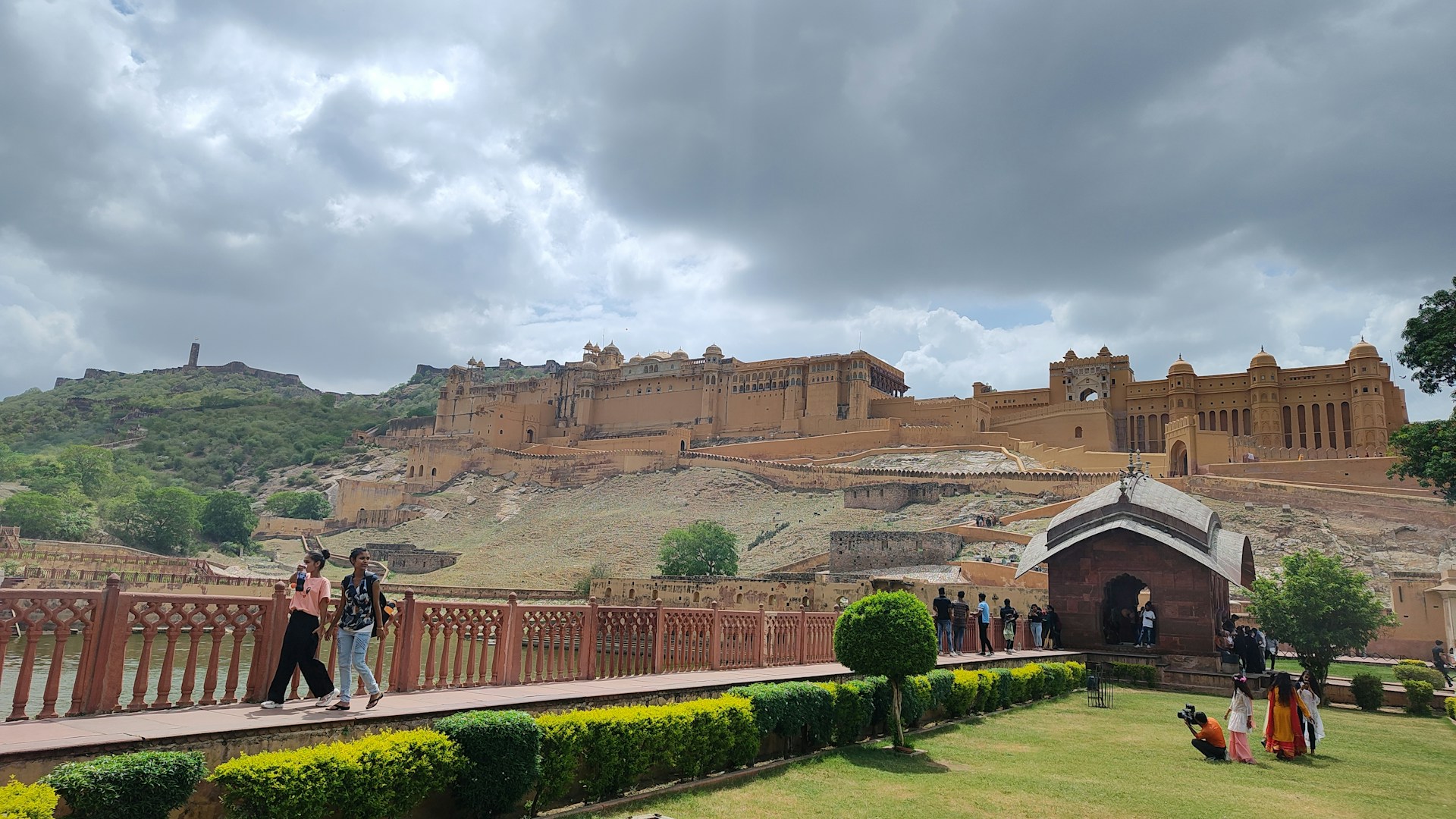
Amber Palace, also called Amer Palace or Amber Fort, crowns a small hill about 11 km from Jaipur’s main city area. The huge palace-fort complex is built of pale yellow and pink sandstone and white marble,[1] and it rewards a slow walk through its courtyards, royal rooms and gates. It is one of the six Hill Forts of Rajasthan on UNESCO’s World Heritage List, inscribed in 2013.[2]
Allow two to three hours on site for a first visit, and add time for the journey, the approach to the entrance, ticket queues, a guide and any evening event. You do not need to combine Amber with every nearby sight.
Choose a palace visit, a show or a longer excursion
| Plan | Best reason to choose it | What to arrange |
|---|---|---|
| Palace only | Time to compare the courtyards and named rooms | A ticket for your visitor category and an early start |
| Palace and sound-and-light show | Architecture by day, a presentation of Amber’s history and music at night[3] | The show language, the start time for the season and your ride home |
| Amber and Jaigarh | The separate fort above Amber, linked to it by underground tunnels[1] | Separate admission, opening times and a transfer |
Start with the palace and add one extra only if the day allows it. A driver reduces the number of transport arrangements, but each site keeps its own admission.
Things to Do
Offers are only loaded from GetYourGuide after you click. GetYourGuide can then process your IP address and set cookies. Privacy Policy
GetYourGuide partner offers. GoAsia may earn a commission if you book through these offers. Check whether tickets or transfers are included, and follow the attraction's official booking and admission rules.
Understand the courtyards before moving through them
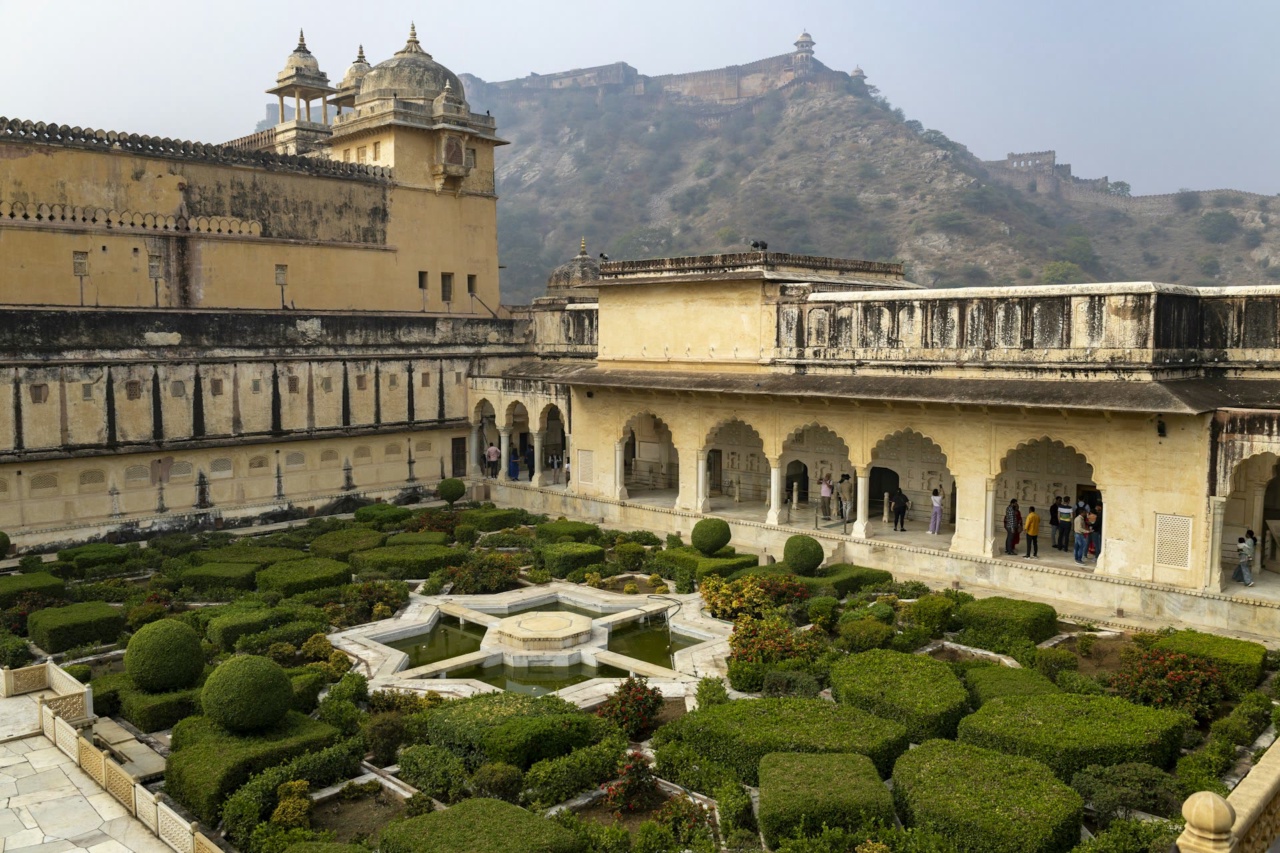
The fort is divided into four main sections, each with its own courtyard. Most visitors enter through the Suraj Pol, while those who arrive by car enter through the Chand Pol. Both gates open into Jaleb Chowk, the main courtyard, where returning armies once showed off their plunder to the people.[1] Use these gate names to agree where your driver drops you and where you meet again.
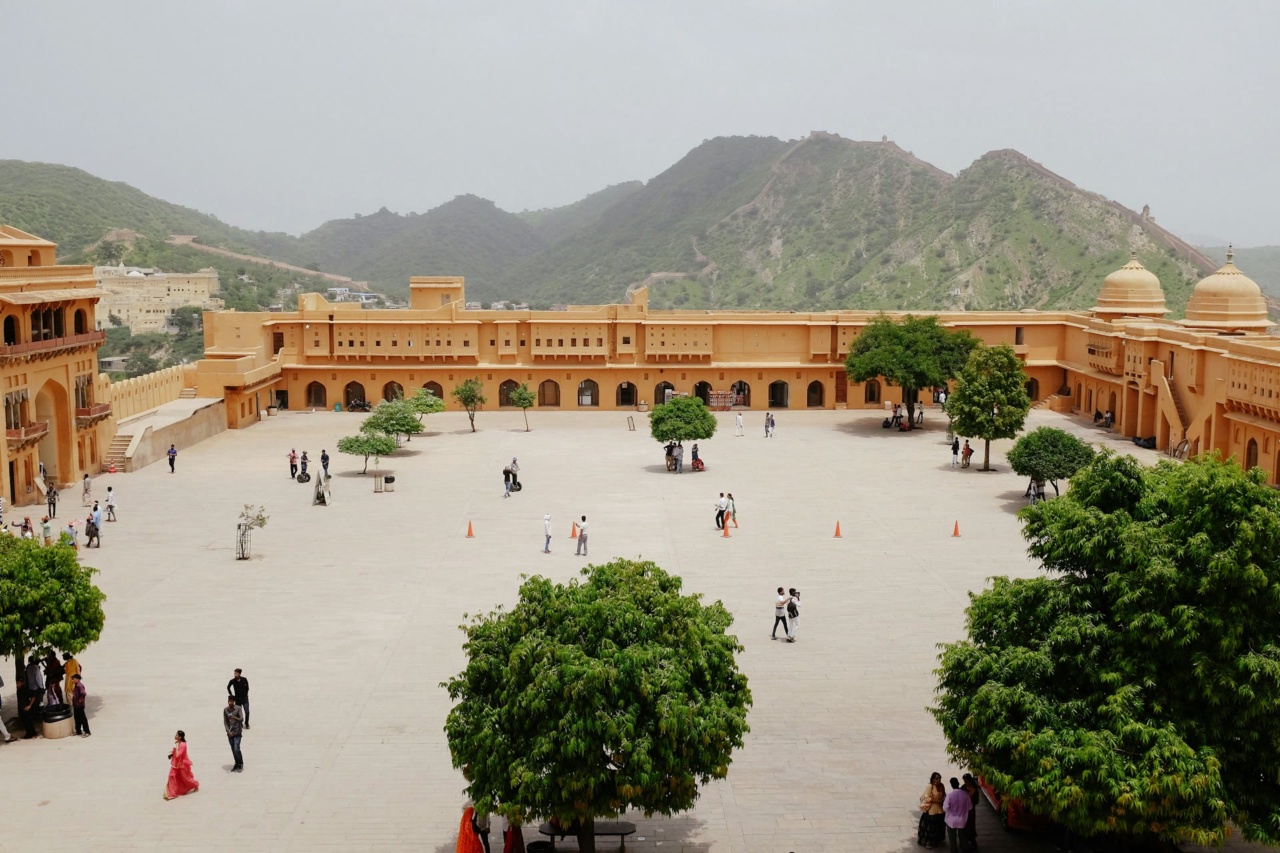
Look for the Diwan-e-Aam, the public audience hall, and the Sheesh Mahal, the mirrored palace, and compare the public courts with the private rooms behind them.[1] Follow staff instructions on photography and lighting in the historic rooms, and do not touch the delicate decoration.
A guide helps you connect names, rulers and architectural details. Agree on language, duration, route and the total price for your group before you start.
History: several building phases, not an untouched original
Amber was the capital of the Kachhwaha Rajputs before the capital moved to Jaipur. Raja Man Singh I started building the new palace complex at the end of the 16th century, and Mirza Raja Jai Singh I and Sawai Jai Singh II changed and extended it over time, including the interior decoration. The whole fort was built in four stages.[4]
UNESCO sees Amber as a key phase of the 17th century in the development of a common Rajput-Mughal court style, shown in the buildings and gardens that Mirza Raja Jai Singh I added.[2] The six hill forts protected not only garrisons for defence but also palaces, temples and urban centres.[2]
Opening hours, tickets and the total visit cost
The official booking portal lists daytime opening from 07:00 to 17:00 and Dhulandi as the holiday.[4] A separate night ticket exists for evening visits.[4]
| Ticket (rates in INR) | Adult, Indian | Adult, foreign | Student, Indian | Student, foreign |
|---|---|---|---|---|
| General | 100 | 500 | 20 | 150[4] |
| Night | 100 | 500 | 20 | 150[4] |
| Composite | 400 | 1,000 | 100 | 500[4] |
Children under 7 enter free, and student tickets need a valid ID card. Entry is also free on 30 March (Rajasthan Day), 18 April (World Heritage Day), 18 May (World Museum Day) and 27 September (World Tourism Day).[4] These are the prices shown on the official booking portal; check them when you book. Budget separately for the ticket, a guide, the ride and any show.
Getting there: agree the entrance and the return
Buses to Amber leave from Ajmeri Gate and MI Road and take around 40 minutes.[1] A taxi, app-booked car or auto-rickshaw is the other option. Agree the total fare, the drop-off point and the return before you set off, and tell the driver whether you want the palace alone, Jaigarh as well or the evening show. The approach to the courtyards includes some uphill walking, which matters with children, luggage or limited mobility, so ask where the vehicle can stop.
From Amber it is about 8.2 km to Jantar Mantar, 8.5 km to Hawa Mahal, 10 km to Nahargarh Fort and 10 km to the Albert Hall museum.[4] If someone offers an elephant ride, consider animal welfare before you decide.
The sound-and-light show has language-specific starts
The show tells Amber’s history and legends and celebrates Rajasthan’s folk music, with the palace complex in front of you, Jaigarh rising on the left and the hills behind.[3] It is an evening event in its own right, not a substitute for walking through the palace by day.
| Season | English start | Hindi start |
|---|---|---|
| October to February | 18:30 | 19:30[3] |
| March to April | 19:00 | 20:00[3] |
| May to September | 19:30 | 20:30[3] |
From 1 to 10 October only an English show runs, at 20:30.[3] Arrive early for seating, and arrange your ride home before the show starts.
Jaigarh and nearby stops: avoid a rushed circuit
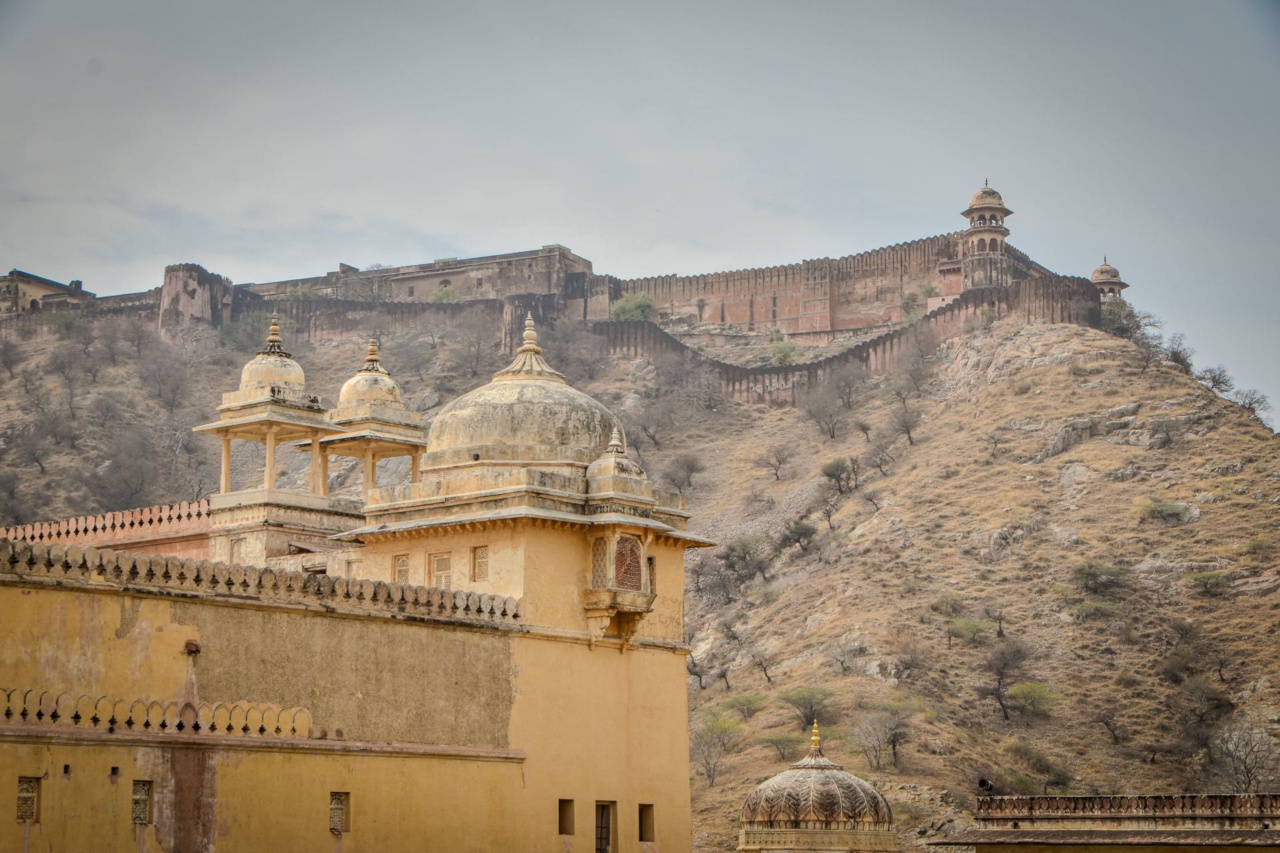
Underground tunnels connect Amber and Jaigarh Fort.[1] Before you add Jaigarh, ask about the open connection, its own ticket and its closing time. Each extra stop, such as a museum or Jantar Mantar, has its own admission and photography rules, so choose one that suits your interests rather than squeezing in everything.
Practical preparation for the palace visit
Wear shoes with secure footing, bring drinking water and check the forecast for heat or rain. Go early: the courtyards are calmer in the first hours. Save your ticket and pickup details offline and keep a second way to pay.
For onward planning use the India travel overview.
Sources and background
Numbers in the text such as [1] refer to these sources.
- [1] Government of Rajasthan, Rajasthan Tourism: Amber Palace: architecture, courtyards, gate orientation and transport overview. Retrieved October 21, 2026.
- [2] UNESCO World Heritage Centre: Hill Forts of Rajasthan: English description and complete Outstanding Universal Value. Retrieved October 21, 2026.
- [3] Government of Rajasthan, Rajasthan Tourism: Rajasthan Tourism: Amber sound and light show, undated seasonal schedule. Retrieved October 21, 2026.
- [4] Government of Rajasthan, Rajasthan Tourism: Amber Fort official booking portal: returned visitor main and displayed opening hours. Retrieved October 21, 2026.
Frequently Asked Questions
Two to three hours on site for a first visit. Add the approach, queues, a guide and travel, and give the evening show or Jaigarh their own time.
The official booking portal lists daytime opening from 07:00 to 17:00, with Dhulandi as the holiday. A separate night ticket exists for evening visits.
The general ticket costs INR 100 for Indian adults and INR 500 for foreign adults, with student tickets at INR 20 and INR 150. The composite ticket costs INR 400 and INR 1,000 for adults. Children under 7 enter free.
Not by default. Underground tunnels connect the two forts, but you should ask about Jaigarh’s own ticket and opening times.
Buses leave from Ajmeri Gate and MI Road and take around 40 minutes. You can also take a car, taxi or auto-rickshaw. Agree the fare, drop-off and return in advance.
18:30 from October to February, 19:00 in March and April and 19:30 from May to September. From 1 to 10 October there is only an English show, at 20:30.
The Suraj Pol is the usual way in, and the Chand Pol is used by those who arrive by car. Both open into Jaleb Chowk, the main courtyard.
Ask about the whole route from the drop-off to the rooms you want, including the uphill walk and steps, and confirm where your vehicle can stop.