Ranthambore National Park: India's Best Tiger Safari Experience
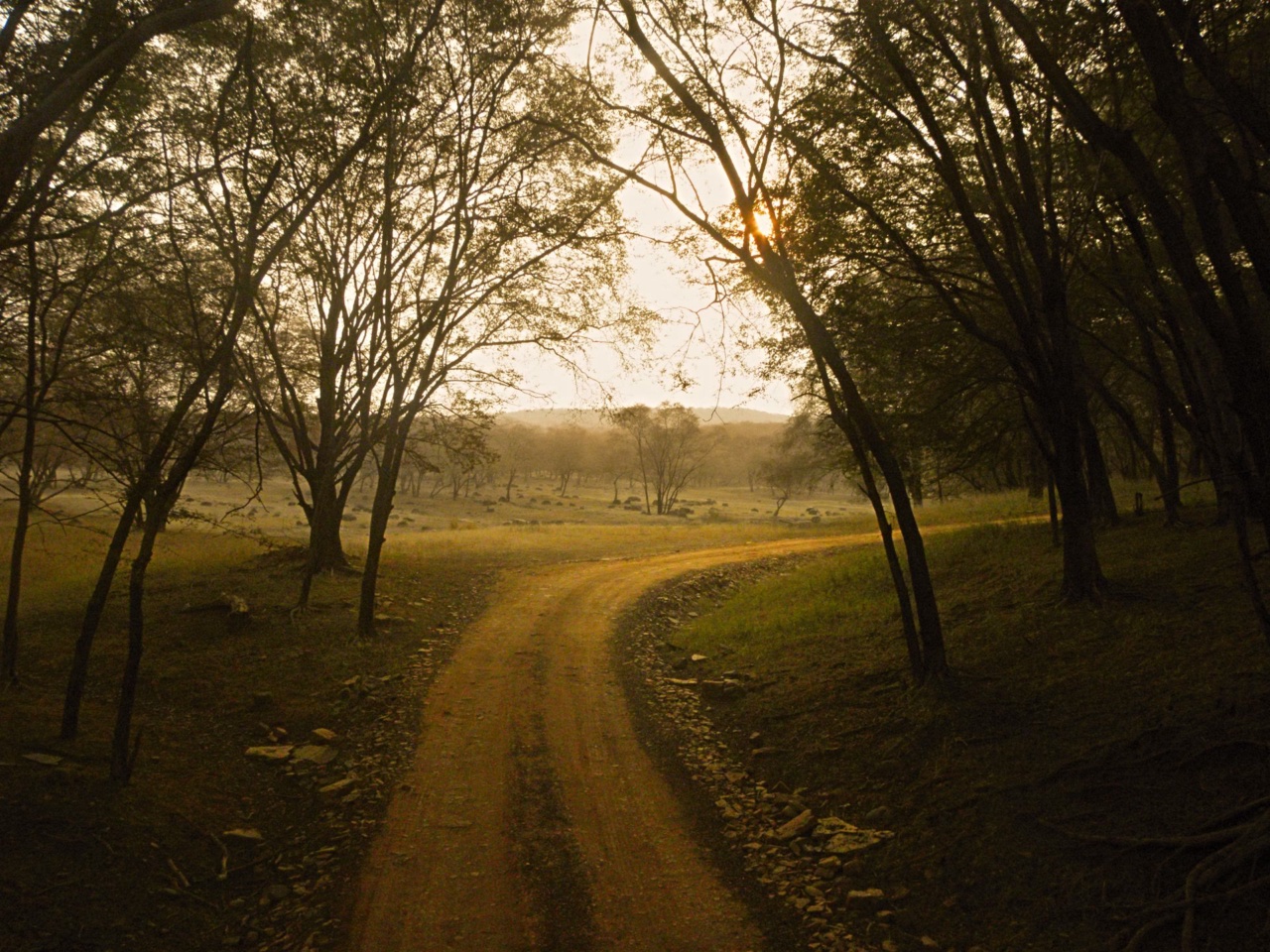
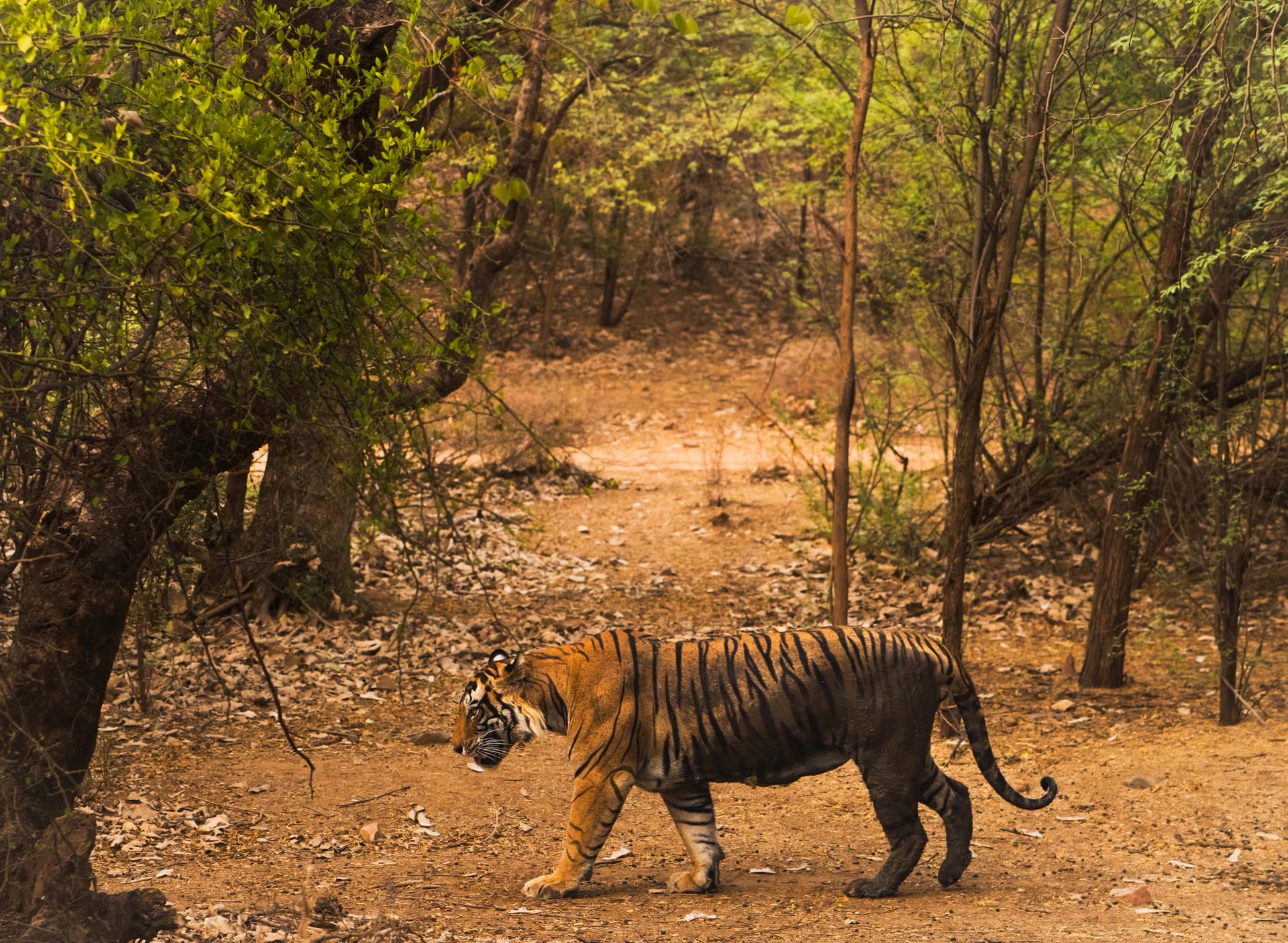
Ranthambore is where wild tigers walk past thousand-year-old ruins without flinching. Unlike most Indian wildlife reserves where the forest is dense and sightings are fleeting, Ranthambore's open dry deciduous landscape gives you clear lines of sight across lakes, meadows, and crumbling Rajput fortifications. Tigers here are famously relaxed around vehicles, padding along safari tracks in broad daylight, sometimes stopping to drink from a lake while twenty jeeps watch in stunned silence.
Located in southeastern Rajasthan near the town of Sawai Madhopur, the park covers 1,334 square kilometers of tiger habitat centered around a 10th-century fort. With a tiger population that has grown steadily thanks to conservation efforts, Ranthambore offers some of the highest tiger sighting rates of any reserve in India - particularly in the hot summer months when big cats congregate around the park's lakes and waterholes.
But seeing a tiger here is not just about luck. It is about choosing the right zone, the right season, and booking before the government quota sells out. This guide covers exactly how to do that.
Understanding the Safari Zones
Ranthambore is divided into 10 safari zones, each with its own character and wildlife concentration. Not all zones are equal, and understanding the differences dramatically improves your chances.
Premium Zones (1-5)
These are the core zones of the park and historically have the highest tiger density. They include the areas around the three main lakes - Padam Talao, Rajbagh Talao, and Malik Talao - where tigers come to drink and hunt, especially in summer.
- Zone 3 - Covers Padam Talao and the iconic Jogi Mahal (an old hunting lodge). One of the most photographed areas in all of Indian wildlife, where tigers are regularly seen walking along the lake shore with the Ranthambore Fort as a backdrop.
- Zone 4 - Includes Malik Talao and open grasslands. Excellent for tiger sightings and also good for sloth bears and marsh crocodiles.
- Zone 5 - Covers the area around Rajbagh and has good water sources that attract tigers year-round.
- Zones 1 and 2 - Zone 2 has numerous waterholes and is excellent for leopard sightings in addition to tigers. Zone 1 covers the fort area and surrounding forest.
Buffer Zones (6-10)
Added later to expand the safari area, these zones were once considered inferior. That has changed - tiger territories have expanded into the buffer, and zones 6 through 10 now produce regular sightings. Zone 6 (Kundal) is particularly notable for birdwatching, including endangered Red-headed Vultures. Buffer zone safaris are slightly cheaper and significantly easier to book during peak season.
Things to Do
Safari Types and Prices
| Vehicle Type | Indian Nationals | Foreign Nationals | Capacity |
|---|---|---|---|
| Gypsy (Jeep) | 2,000 rupees/person | 4,000 rupees/person | 6 passengers |
| Canter (Open Bus) | 1,200-1,500 rupees/person | 2,500-3,000 rupees/person | 20 passengers |
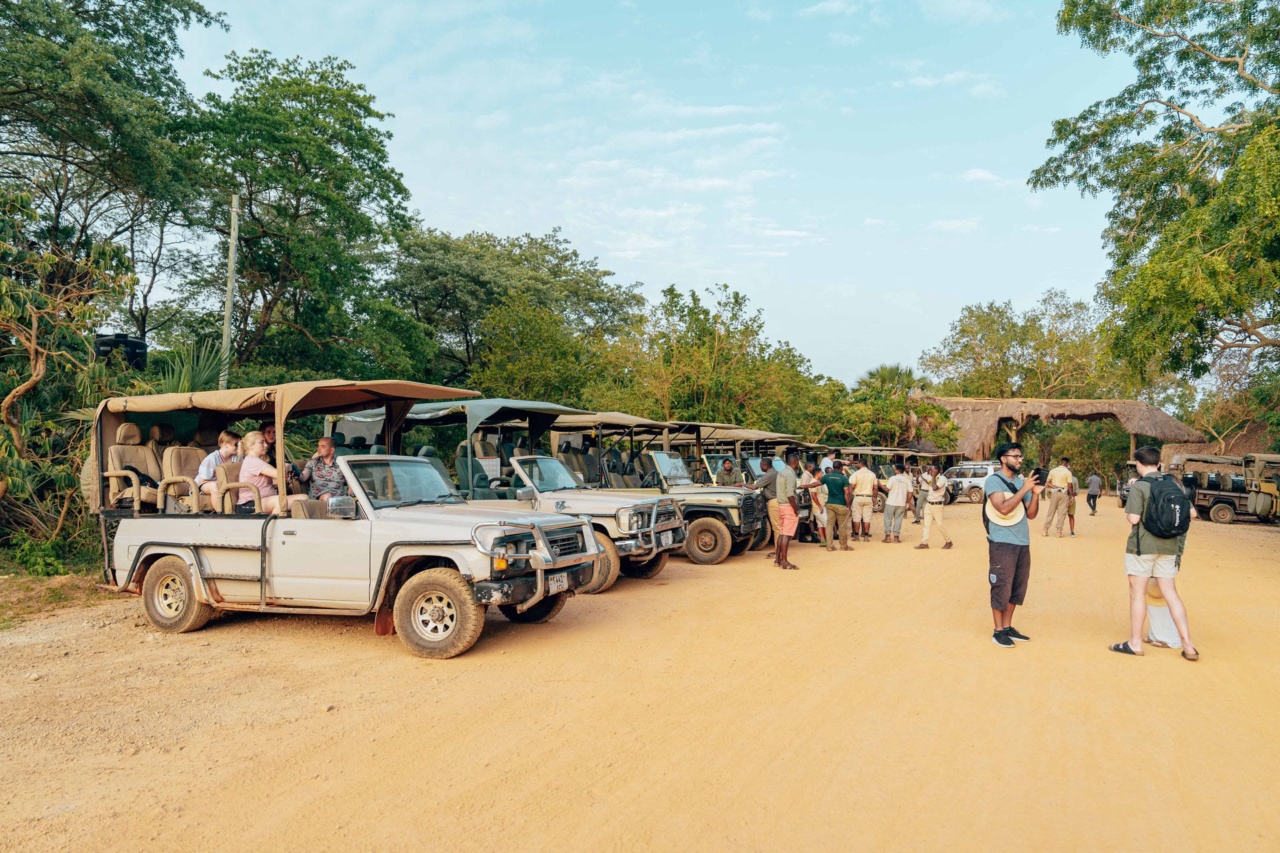
Gypsies are the clear winner for wildlife viewing. They are smaller, quieter, and can navigate narrow tracks that canters cannot access. Canters are permitted in all zones except zones 7 and 8 but offer a less intimate experience. If budget allows, always choose a gypsy.
Prices listed are base government rates. Travel agents and hotels typically charge a markup of 500 to 1,500 rupees per person for handling the booking. Private full-vehicle bookings cost more but guarantee you travel only with your group.
Safari Timings
| Season | Morning Safari | Afternoon Safari |
|---|---|---|
| October - February | 6:30 AM - 10:00 AM | 2:30 PM - 6:00 PM |
| March - June | 6:00 AM - 9:30 AM | 3:00 PM - 6:30 PM |
Morning safaris generally have better wildlife activity as animals are more active in cooler temperatures. Afternoon safaris offer beautiful golden light for photography, especially in winter.
How to Book a Safari
Booking a Ranthambore safari requires planning. Government-quota spots open exactly 30 days before the safari date at 10:00 AM IST on the official booking portal. During peak season (November-March), popular zones sell out within hours.
- Register on the portal - Create an account in advance with all traveler details (name, age, ID proof number for each person).
- Be ready at 10 AM - Log in early. When bookings open, select your date, preferred zone (list multiple options), shift (morning or afternoon), and vehicle type.
- Payment - Have your payment method ready. The window for completing a booking is short.
- Carry printed confirmations - ID checks happen at the park gate. Bring printed copies of your booking confirmation and the ID documents you used during registration.
If government quota is sold out, many hotels and travel agents hold separate allocations. These cost more (often double the government rate) but are easier to secure. Some agents can also arrange last-minute cancellation spots.
When to Visit
| Season | Months | Tiger Sighting Chance | Weather |
|---|---|---|---|
| Winter (Peak) | October - March | 60-70% | 10-25 degrees, pleasant |
| Summer | April - June | Up to 90% | 35-45 degrees, extremely hot |
| Monsoon (Closed) | July - September | Park closed | Heavy rain |
The trade-off is straightforward. Winter has comfortable weather but more tourists and lower sighting rates. Summer is punishingly hot but delivers the best tiger sightings because animals cluster around shrinking water sources. Serious wildlife photographers and those determined to see a tiger should target April or May, bringing sun protection, plenty of water, and patience for the heat.
November and February offer a good middle ground - reasonable weather, decent sighting chances, and slightly fewer visitors than the December-January peak.
Wildlife Beyond Tigers
Tigers get all the attention, but Ranthambore is rich with other species. Even on a safari where the tiger stays hidden, you are unlikely to leave disappointed.
- Leopards - More elusive than tigers but present in good numbers, particularly in Zone 2 and the rocky hillside areas near the fort.
- Sloth Bears - These shaggy, comical bears are a Ranthambore specialty. Sightings are unpredictable but thrilling when they happen.
- Marsh Crocodiles - Easily spotted basking on the banks of Padam Talao and Rajbagh Talao.
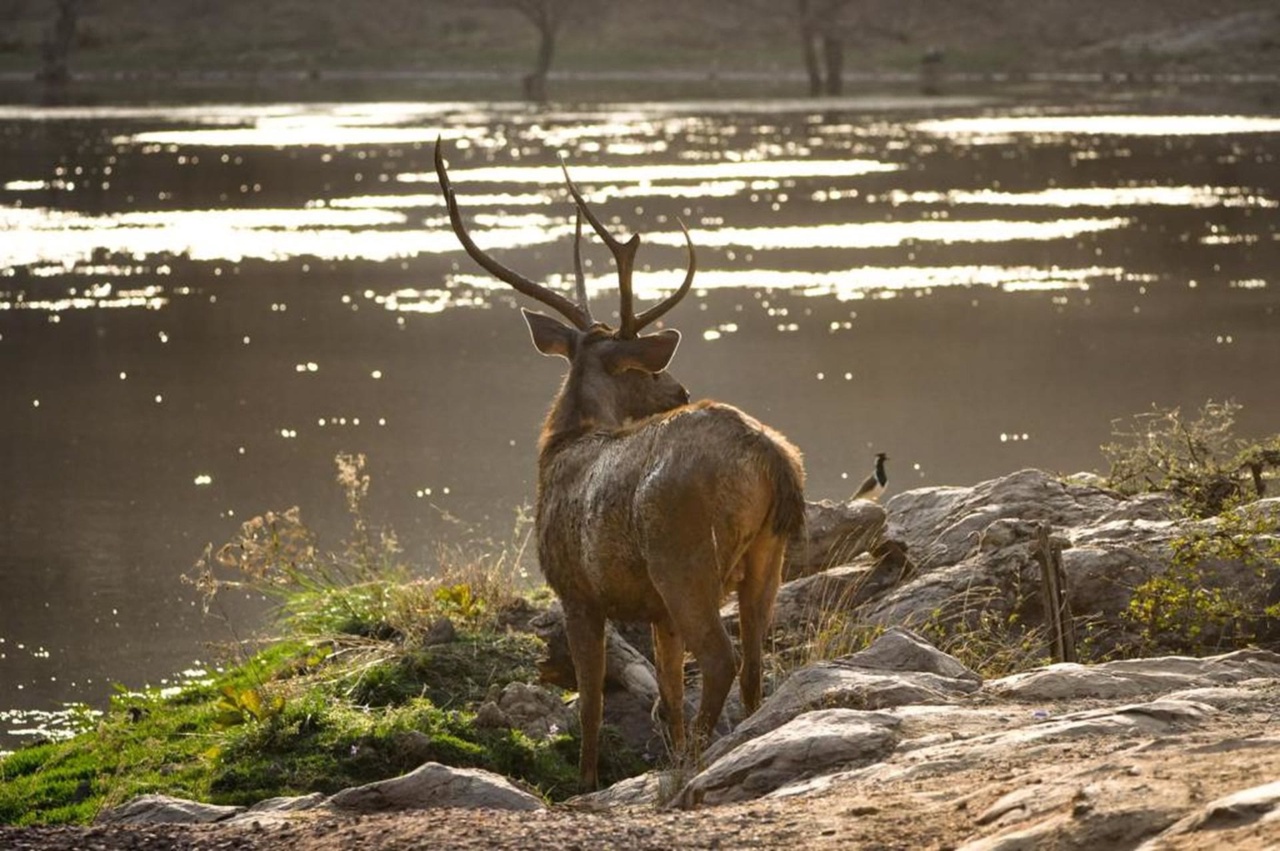
- Sambar Deer and Chital - Present everywhere in large numbers. Their alarm calls are your first clue that a predator is nearby.
- Birds - Over 270 species recorded, including Indian Grey Hornbills, Painted Storks, and the Crested Serpent Eagle. Winter migrants add to the diversity from November onward.
Ranthambore Fort
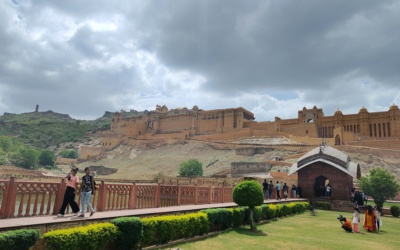
The 10th-century Ranthambore Fort is a UNESCO World Heritage Site that sits within the national park boundary. You can visit it independently (no safari ticket needed) by driving to the fort entrance and climbing the steep path. The fort offers panoramic views over the park and several Hindu and Jain temples within its walls. It is a worthwhile half-day excursion, especially on arrival day or a rest day between safaris.
Getting to Ranthambore
The gateway town is Sawai Madhopur, which has excellent rail connections across Rajasthan and beyond.
- From Jaipur - Trains take 2 to 2.5 hours. Multiple daily services make this the easiest connection. By road, it is about 3.5 hours.
- From Delhi - Direct trains take 5 to 6 hours. The Superfast Express is the most convenient option.
- From Agra - Trains take 3 to 4 hours, making a Ranthambore-Agra combination easy to plan.
Sawai Madhopur town is basic but functional. Most visitors stay at safari lodges and resorts clustered along the road between town and the park entrance, ranging from budget guesthouses at 1,000 rupees per night to luxury jungle lodges at 15,000 rupees and above.
Tips for Maximizing Your Ranthambore Experience
- Book multiple safaris in different zones - Two to three safaris across different zones dramatically increase your odds. If a tiger has been recently spotted in a specific zone, try to book there for your next drive.
- Ask your guide and driver - Local guides know individual tigers by name, their territories, and recent movements. They communicate with other guides via radio and can adjust your route based on real-time information. Tip them well - 300-500 rupees per safari is standard.
- Dress in earth tones - Avoid bright colors and white clothing. Khaki, olive, and brown blend with the landscape and are less likely to spook wildlife.
- Bring binoculars and a long lens - A 200-400mm zoom lens is ideal for wildlife photography. Even close sightings benefit from a telephoto for details and portraits.
- Stay silent - When your guide signals a sighting, switch phones to silent, avoid sudden movements, and speak in whispers. The best sightings happen when vehicles are quiet and still.
- Layer your clothing in winter - Open-top jeeps at 6:30 AM in December are bitterly cold. Bring a warm jacket, hat, and gloves for morning safaris, then shed layers as the sun rises.
- Do not skip the buffer zones - If core zones are fully booked, buffer zone safaris still deliver good wildlife encounters and are far less crowded.
For more wildlife and nature destinations across India and Asia, explore GoAsia.cc.
Frequently Asked Questions
Tiger sighting rates at Ranthambore are among the highest in India. During winter (October-March), the probability is around 60-70% per safari. In summer (April-June), when tigers gather at water sources, success rates climb to approximately 90%. Booking multiple safaris across different zones significantly improves your overall chances.
Government-rate gypsy (jeep) safaris cost 2,000 rupees per person for Indian nationals and 4,000 rupees for foreign nationals. Canter safaris are cheaper at 1,200-1,500 rupees for Indians. Travel agents and hotels add a markup of 500-1,500 rupees for handling bookings. Budget 6,000-12,000 rupees per person for two to three safaris over a visit.
Government-quota bookings open 30 days before the safari date at 10:00 AM IST on the official portal. Register in advance with all traveler details and ID proof numbers. Popular zones sell out within hours during peak season, so be online exactly when bookings open. Alternatively, book through your hotel or a travel agent who holds separate allocations, though at a higher price.
Zones 3, 4, and 5 are traditionally the best because they contain the main lakes where tigers come to drink and hunt. Zone 3 around Padam Talao is the most iconic, offering tigers with Ranthambore Fort as a backdrop. However, buffer zones 6-10 have improved significantly as tiger territories have expanded, and they are easier to book during peak season.
A gypsy (jeep) is strongly recommended over a canter. Gypsies carry only 6 passengers versus 20 on a canter, navigate narrower tracks, create less disturbance, and provide a far more intimate wildlife experience. Canters are significantly cheaper and fine for casual visitors, but serious wildlife enthusiasts should always choose the gypsy.
November and February offer the best balance of pleasant weather and decent tiger sighting rates (60-70%). April and May deliver the highest sighting rates (up to 90%) but temperatures exceed 40 degrees Celsius. December-January is peak tourist season with the most competition for bookings. The park closes entirely during monsoon (July-September).
Two to three safaris across different zones give you a strong probability of at least one tiger sighting, even in winter. Booking safaris in different shifts (one morning, one afternoon) and different zones spreads your chances. If you have a single safari, choose a morning drive in zones 3, 4, or 5 during the cooler months.
From Jaipur, trains reach Sawai Madhopur (the gateway town) in 2-2.5 hours with multiple daily services. From Delhi, direct trains take 5-6 hours. From Agra, the journey is 3-4 hours by train. Most visitors stay at lodges along the road between Sawai Madhopur and the park entrance, ranging from 1,000 to 15,000+ rupees per night.