जयपुर के दीवारों से घिरे पुराने शहर के द्वारों से गुज़रते ही सबसे पहले रंग आपका ध्यान खींचता है। हर इमारत उस मशहूर टेराकोटा-गुलाबी रंग में रंगी है, जिसकी परंपरा 1876 से चली आ रही है, जब महाराजा राम सिंह ने वेल्स के राजकुमार के दौरे के लिए शहर को गुलाबी रंग में रंगवाया था।[1] रिक्शे ऊँटों और मोटरसाइकिलों के बीच से रास्ता बनाते हैं, दुकानदार तंग दुकानों से रत्न बेचते हैं, और अरावली की पहाड़ियों से नाहरगढ़ किले की आकृति सब पर नज़र रखती है। यह ऐसा शहर नहीं है जो आपको धीरे से अपनाए।
जयपुर लगभग हर तरह के यात्री के लिए उपयुक्त है। इतिहास के शौकीनों को यूनेस्को की सूची में शामिल वेधशालाएँ और 18वीं सदी के महल-परिसर मिलते हैं।[1] खरीदारी के शौकीनों को हस्तनिर्मित वस्त्रों, नीली मिट्टी के बर्तनों और कीमती पत्थरों पर भारत के कुछ बेहतरीन सौदे मिलते हैं। खान-पान के शौकीन राजस्थानी व्यंजनों की खोज करते हैं, जो रेगिस्तान की चतुर पाक-विधियों पर आधारित हैं। बजट में घूमने वाले बैकपैकर और आलीशान ठहराव चाहने वाले, दोनों के लिए अच्छे विकल्प हैं, क्योंकि हर कीमत पर विरासती हवेलियाँ अतिथि-गृहों में बदल दी गई हैं।
राजस्थान की राजधानी और सबसे बड़े शहर के रूप में जयपुर के पास आधुनिक बुनियादी ढाँचा है, जो 18वीं सदी के सावधानी से बने ग्रिड पर बिछा है।[1] यह अव्यवस्थित ज़रूर है, पर भारतीय मानकों के हिसाब से यहाँ घूमना आसान है, और ज़्यादातर प्रमुख स्थल आश्चर्यजनक रूप से एक छोटे क्षेत्र में हैं। शहर के लिए तीन पूरे दिन सबसे उपयुक्त हैं, और भंगढ़ के वीरान शहर या पुष्कर जैसे पवित्र नगर तक के विश्वस्तरीय एक-दिवसीय भ्रमण के लिए अतिरिक्त दिन ठीक रहते हैं।
दिशा और इलाके
जयपुर साफ़ तौर पर दो हिस्सों में बँटा है: दीवारों से घिरा पुराना शहर (पिंक सिटी) और उसके चारों ओर फैला नया शहर। इस विभाजन को समझना हर जगह पहुँचने की कुंजी है।
पुराना शहर (पिंक सिटी)
ऐतिहासिक केंद्र कंगूरेदार दीवारों से घिरा है और उसके पुराने द्वारों से प्रवेश होता है। यहीं हवा महल, सिटी पैलेस, जंतर मंतर और सबसे अच्छे बाज़ार हैं। जय सिंह द्वितीय ने 1727 में शहर की स्थापना की थी, और वास्तुकार विद्याधर भट्टाचार्य ने इसका सख़्त सड़क-ग्रिड बनाया, जिससे जयपुर भारत का पहला सुनियोजित शहर बना।[1] यहाँ ठहरने से आप गतिविधियों के बीच रहते हैं, हालाँकि शोर तेज़ है और यातायात लगातार चलता रहता है। जो यात्री पूरी तरह डूबना चाहते हैं, उनके लिए सबसे अच्छा।
पुराने शहर की दीवारों के ठीक दक्षिण में, एमआई रोड के आसपास का यह इलाका अच्छे रेस्तराँ, कैफ़े और मध्यम-श्रेणी के होटलों के साथ आसान रफ़्तार देता है। एमआई रोड खुद एक उपयोगी पहचान है, एक चौड़ी सड़क जिसके दोनों ओर दुकानें, बैंक और शहर के कुछ बेहतरीन स्ट्रीट फ़ूड स्टॉल हैं। अधिकांश यात्रियों के लिए यह आदर्श जगह है, जो स्थलों के पास रहना चाहते हैं पर अव्यवस्था के बीच नहीं सोना चाहते।
बनी पार्क
पुराने शहर के उत्तर-पश्चिम में एक शांत आवासीय इलाका, बनी पार्क सस्ते अतिथि-गृहों और विरासती होमस्टे से भरा है। मुख्य स्थलों तक रिक्शे से कुछ ही मिनट लगते हैं, पर रात में यहाँ काफ़ी शांति रहती है। बैकपैकर और परिवारों में लोकप्रिय।
सिविल लाइंस और रामबाग
केंद्र के दक्षिण में यह उच्च-वर्गीय इलाका राम बाग पैलेस और जय महल पैलेस होटलों समेत आलीशान ठिकानों का घर है। पेड़ों से सजी सड़कें, कम यातायात और पुराने शहर से बिल्कुल अलग माहौल। उन यात्रियों के लिए सबसे अच्छा जो सुविधा से ज़्यादा आराम को प्राथमिकता देते हैं।
आमेर (अंबर)
जयपुर से लगभग 11 किलोमीटर दूर यह छोटा कस्बा मशहूर आमेर किले के नीचे बसा है।[1] यहाँ कुछ बुटीक होटल एक शांत विकल्प देते हैं, पर जयपुर के बाकी स्थलों तक पहुँचने के लिए आपको वाहन चाहिए होगा। तभी विचार करें जब आप किले के परिसर और आसपास की पहाड़ियों की खोज में काफ़ी समय बिताने वाले हों।
करने योग्य चीज़ें
ऑफ़र आपके क्लिक करने के बाद ही GetYourGuide से लोड होते हैं। इसके बाद GetYourGuide आपके IP पते को प्रोसेस कर सकता है और कुकीज़ सेट कर सकता है। गोपनीयता नीति
GetYourGuide के साझेदार ऑफ़र। इन ऑफ़र से बुकिंग करने पर GoAsia को कमीशन मिल सकता है। जांचें कि प्रवेश टिकट या परिवहन सेवा शामिल है या नहीं और पर्यटन स्थल के आधिकारिक बुकिंग तथा प्रवेश नियमों का पालन करें।
घूमने का सबसे अच्छा समय
जयपुर थार रेगिस्तान के किनारे पर है, जिसका मतलब है गर्मियों में तेज़ गर्मी और सर्दियों की रातों में आश्चर्यजनक ठंडक। सही समय चुनने से आपके अनुभव में बड़ा फ़र्क पड़ता है।
मौसम
महीने
मौसम का हाल
भीड़
कीमतें
ठंडा/चरम समय
अक्टूबर - फ़रवरी
सुहाने दिन, ठंडी रातें
अधिक
सबसे अधिक
गर्मी
मार्च - जून
बहुत गर्म और सूखा, खासकर अप्रैल से
कम
सबसे कम
मानसून
जुलाई - सितंबर
गर्म और उमस भरा, बीच-बीच में तेज़ बारिश
कम से मध्यम
कम
अक्टूबर से फ़रवरी का समय सबसे लोकप्रिय है, और इसकी वजह भी वाजिब है: दिन पैदल चलने और किलों पर चढ़ने के लिए पर्याप्त सुहाने रहते हैं। सर्दियों में सुबह और शाम के लिए जैकेट ज़रूर रखें।
राजस्थान पर्यटन विभाग जयपुर के उत्सवों में लगभग 14 जनवरी के आसपास का पतंग उत्सव, चैत्र माह (मार्च से अप्रैल) का गणगौर उत्सव, मार्च में राजस्थान महोत्सव और तीज उत्सव गिनाता है।[1] यदि आपकी यात्रा इनमें से किसी के साथ मेल खाती है, तो ठहरने की जगह पहले से बुक कर लें।
अप्रैल से जून तक से बचें, जब तक आप तेज़ गर्मी सह न सकें। गर्मी में बाहर घूमना सचमुच मुश्किल हो सकता है। जुलाई से सितंबर के मानसून महीने राहत और हरे-भरे नज़ारे लाते हैं, पर कुछ स्थल आंशिक रूप से बंद हो सकते हैं और उमस असहनीय होती है।
पहुँचना और आसपास घूमना
जयपुर हवाई, रेल और सड़क मार्ग से अच्छी तरह जुड़ा है। राजस्थान पर्यटन विभाग दिल्ली, आगरा, मुंबई, चेन्नई, कोलकाता, बीकानेर, जोधपुर, उदयपुर, अहमदाबाद और बेंगलुरु से रेल संपर्क गिनाता है, साथ ही राजस्थान के सभी बड़े शहरों से नियमित एसी और डीलक्स बस सेवाएँ।[1]
पहुँचना
जयपुर अंतरराष्ट्रीय हवाई अड्डा (JAI), जिसे सांगानेर एयरपोर्ट भी कहते हैं, दिल्ली, कोलकाता, मुंबई, अहमदाबाद, जोधपुर, उदयपुर और अन्य शहरों के लिए घरेलू उड़ानें देता है, साथ ही दुबई, मस्कट, सिंगापुर और बैंकॉक के लिए अंतरराष्ट्रीय उड़ानें।[1] इंडिगो मुंबई के लिए नॉन-स्टॉप उड़ान चलाती है, जिसका सूचीबद्ध उड़ान समय 1 घंटा 35 मिनट से 1 घंटा 50 मिनट है।[2] प्रीपेड टैक्सी काउंटर या राइड-हेलिंग ऐप का उपयोग करें, ताकि किराया पहले से तय रहे।
ट्रेनों में, डबल डेकर एक्सप्रेस 12986 दिल्ली सराय रोहिल्ला से 17:35 बजे चलती है और 22:05 बजे जयपुर पहुँचती है, और जयपुर-आगरा फोर्ट शताब्दी 12035 जयपुर से 07:05 बजे निकलती है और 10:35 बजे आगरा फोर्ट पहुँचती है।[3][4] जयपुर जंक्शन रेलवे स्टेशन पुराने शहर के पास है। विस्तृत परिवहन विकल्प और समय-सारणी आपको GoAsia.cc पर मिलेंगे।
शहर में घूमना
ऑटो-रिक्शा सबसे आम साधन है। बैठने से पहले हमेशा किराए पर मोलभाव करें या मीटर पर ज़ोर दें (ज़्यादातर चालक इसका विरोध करेंगे)। उबर और ओला जयपुर में चलते हैं और मोलभाव की झंझट पूरी तरह खत्म कर देते हैं।
साइकिल रिक्शा पुराने शहर के भीतर छोटी दूरी के लिए व्यावहारिक हैं, जहाँ मोटर यातायात वैसे भी रेंगता है। कुछ इलाकों में पैदल घूमना संभव है, पर यातायात, दूरियों और गर्मी के कारण मुख्य साधन के रूप में यह कठिन है। एक दिन के लिए ड्राइवर सहित कार किराए पर लेना कई स्थल देखने का सबसे कुशल तरीका है, खासकर आमेर किला और पहाड़ी किले; किराया पहले तय कर लें।
प्रमुख स्थल और अनुभव
ज़रूर देखने योग्य
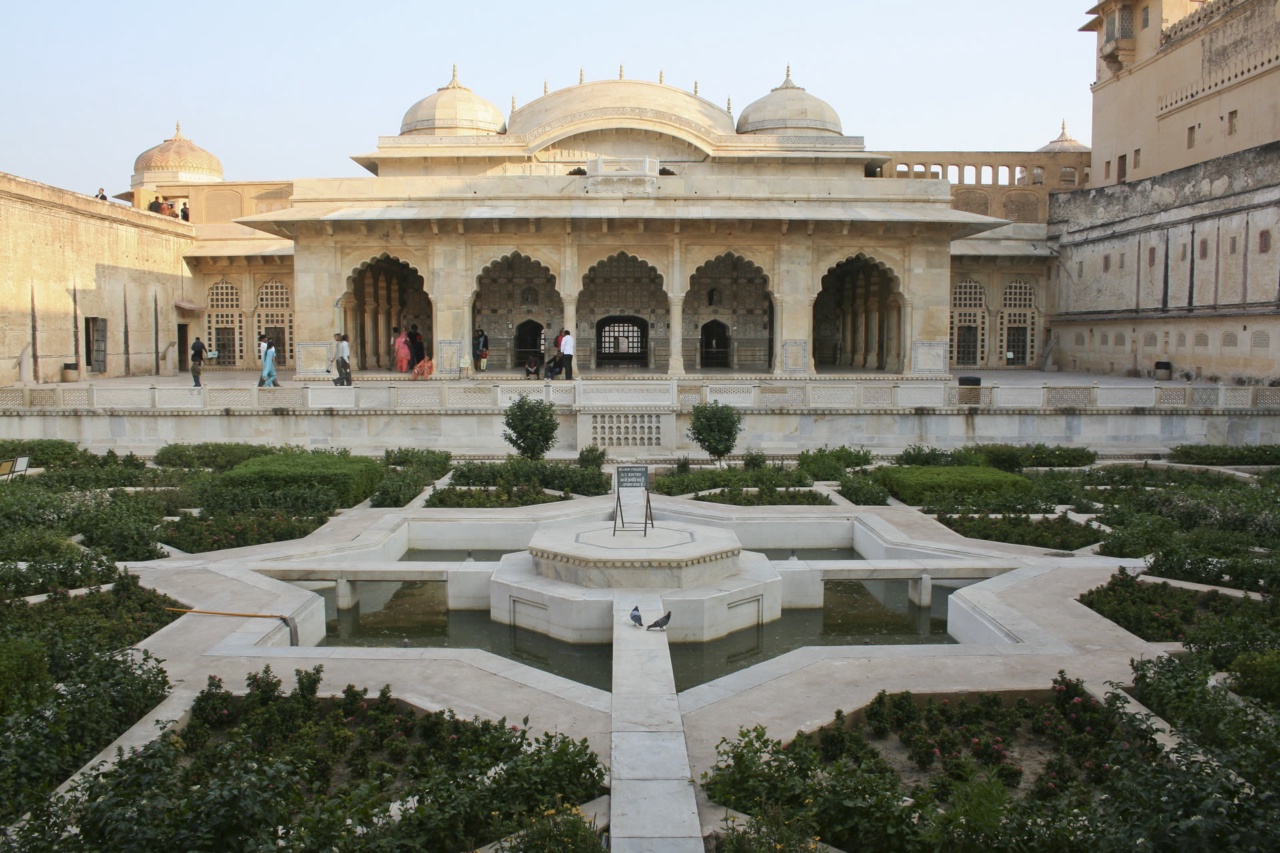
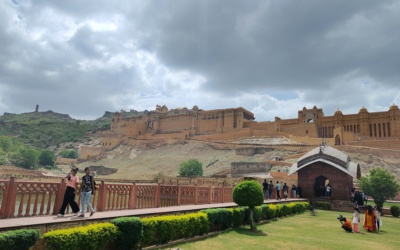
आमेर किला (आमेर फोर्ट) - जयपुर का सबसे शानदार नगीना, लाल बलुआ पत्थर और सफ़ेद संगमरमर से बना यह पहाड़ी किला-महल हिंदू और मुगल शैलियों का मेल है। इसका निर्माण राजा मान सिंह प्रथम ने 1592 में शुरू करवाया था। शीश महल (दर्पण महल) अद्भुत है, जिसकी दीवारें और छतें शीशों से ढकी हैं। कम से कम दो से तीन घंटे रखें और टूर बसों की भीड़ से पहले पहुँचें। वर्तमान टिकट कीमत प्रवेश द्वार पर देखें। कई पर्यटक पशु-कल्याण की चिंता के कारण पहाड़ी तक हाथी की सवारी छोड़ देते हैं; पैदल जाएँ या जीप लें।[1]
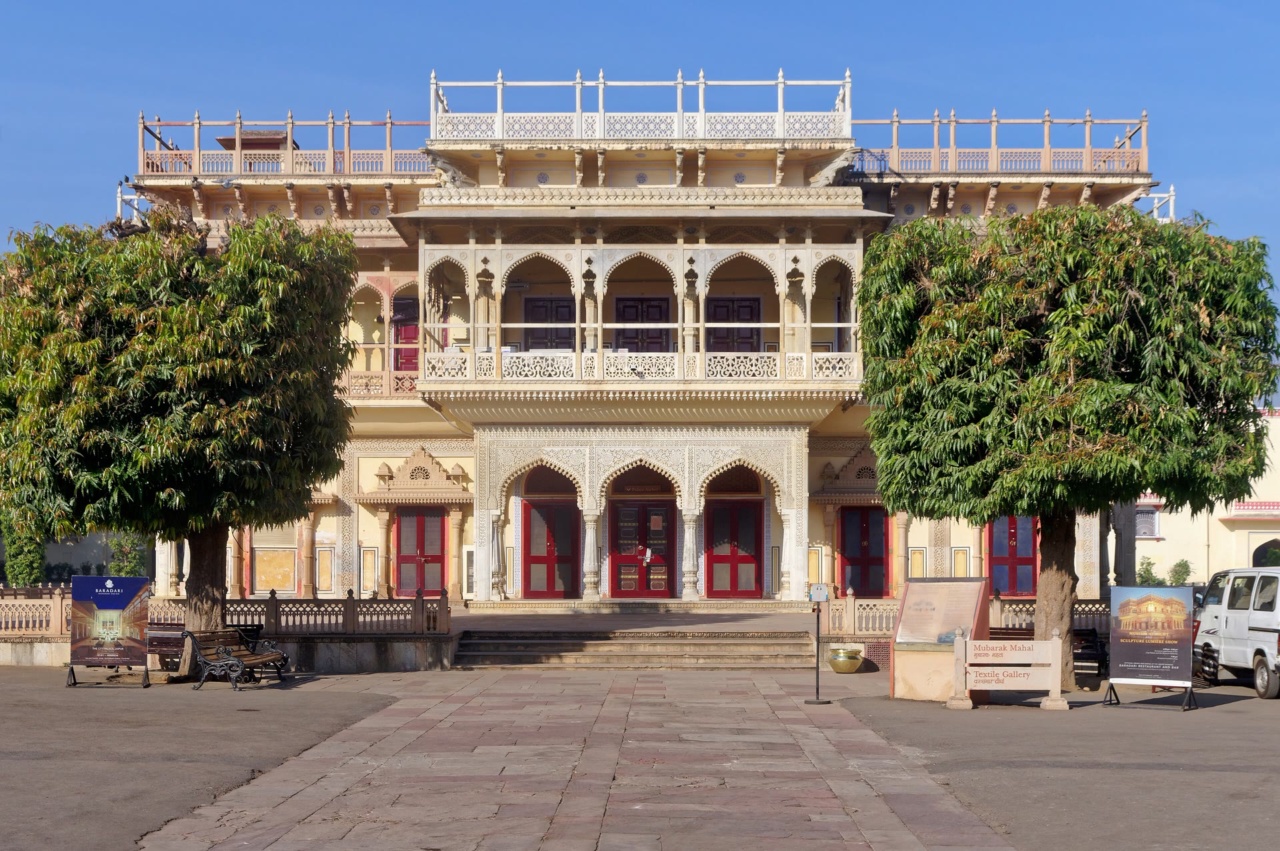
सिटी पैलेस - इस विशाल परिसर का एक हिस्सा आज भी राजपरिवार के पास है। यह पुराने शहर के बीचों-बीच है और राजस्थानी व मुगल शैलियों को जोड़ता है। मुबारक महल का आँगन और शस्त्रागार संग्रह इसके मुख्य आकर्षण हैं। मोर दरवाज़ा भारत के सबसे अधिक फ़ोटो खिंचे जाने वाले द्वारों में से एक है। 90 मिनट से दो घंटे रखें, और प्रवेश द्वार पर टिकट और कैमरा शुल्क की वर्तमान जानकारी लें।
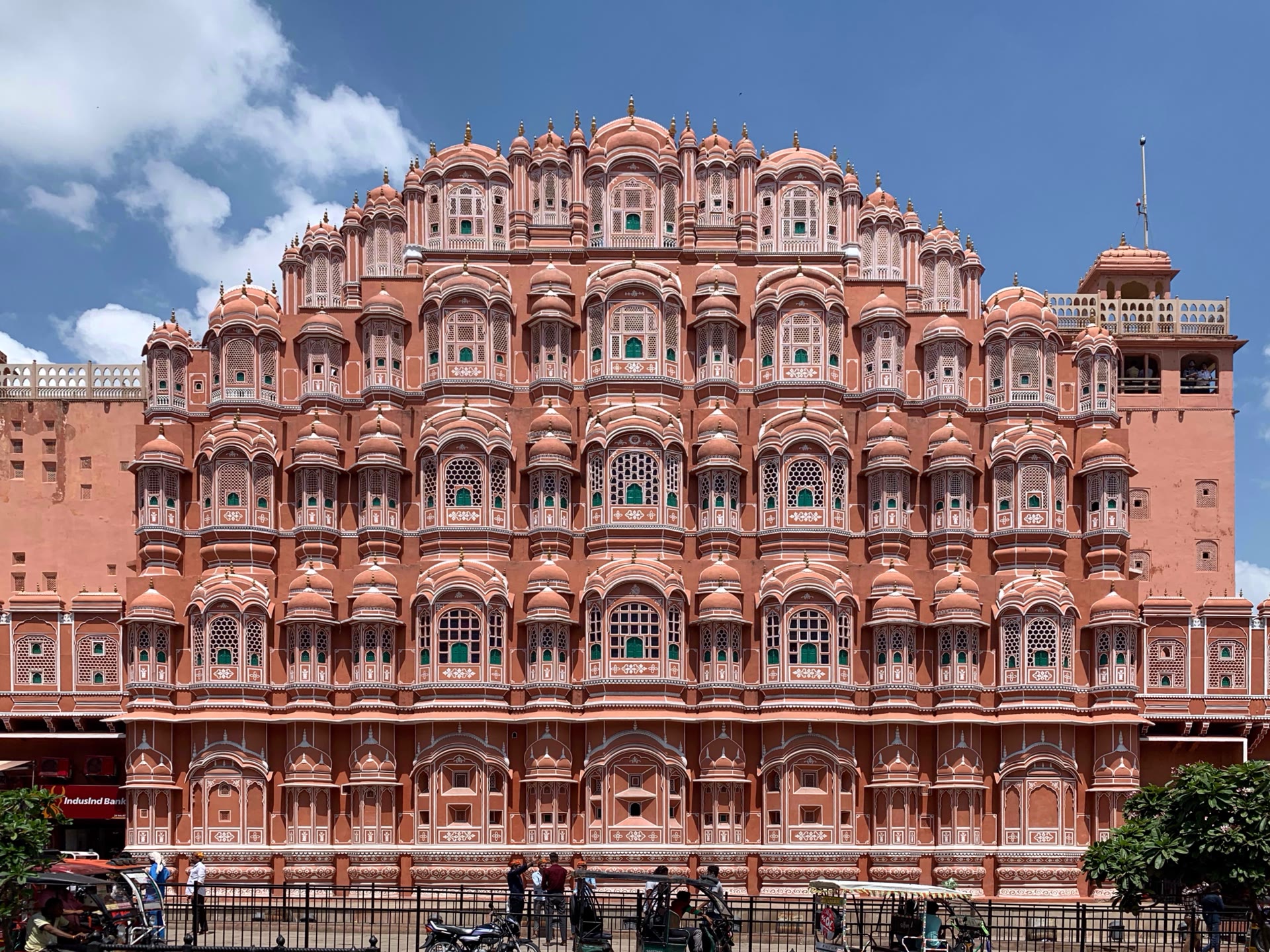
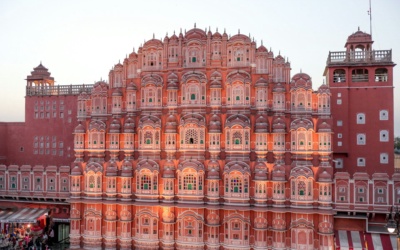
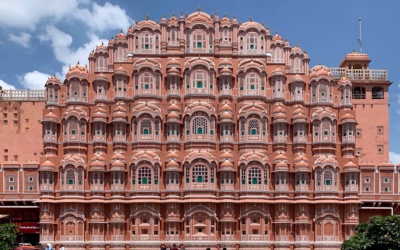
हवा महल (हवाओं का महल) - छोटी जालीदार खिड़कियों (झरोखों) वाला यह प्रसिद्ध गुलाबी बलुआ पत्थर का मुखौटा इस तरह बनाया गया था कि राजघराने की स्त्रियाँ बिना दिखे सड़क की हलचल देख सकें। अंदर का हिस्सा बाहर से कम प्रभावशाली है, पर ऊपरी मंज़िलों तक चढ़ने पर पुराने शहर का शानदार नज़ारा मिलता है।[1] सुबह की हल्की रोशनी में सामने वाली सड़क से इसकी फ़ोटो सबसे अच्छी आती है। अंदर के लिए 30 से 45 मिनट काफ़ी हैं; प्रवेश द्वार पर वर्तमान टिकट कीमत देखें।
जंतर मंतर - यूनेस्को की सूची में शामिल यह खगोलीय वेधशाला महाराजा सवाई जय सिंह द्वितीय द्वारा बनवाई गई पाँच में से सबसे बड़ी है, और इसमें समय मापने और आकाशीय पिंडों की गति देखने के ज्यामितीय यंत्र हैं।[1] सुनने में यह नीरस लगता है, पर सचमुच दिलचस्प है, खासकर किसी गाइड के साथ जो हर यंत्र का काम दिखा सके। प्रवेश द्वार पर गाइड लें और पहले शुल्क तय कर लें। एक घंटा रखें।
नाहरगढ़ किला - शहर के ऊपर अरावली की पर्वतश्रृंखला पर बसा नाहरगढ़ जयपुर का सबसे अच्छा पैनोरमिक नज़ारा देता है, खासकर सूर्यास्त के समय। किला स्वयं वास्तुकला में आमेर से कम प्रभावशाली है, पर वहाँ के नज़ारे और उसके भीतर स्थित माधवेंद्र भवन महल यात्रा के लायक हैं।[1] किले की प्राचीर पर एक कैफ़े इस नज़ारे के साथ पेय परोसता है। शहर के केंद्र से कार या ऑटो-रिक्शा से पहुँचें और किराया पहले तय कर लें।
कम जाने-माने रत्न
पन्ना मीना का कुंड - आमेर किले के पास यह शानदार ज्यामितीय बावड़ी चांद बावड़ी से कहीं कम भीड़ वाली है और उतनी ही फ़ोटोजेनिक। कुंड में उतरती सममित ज़िगज़ैग सीढ़ियाँ मोहित कर देती हैं। आप इसे आमेर यात्रा के साथ एक छोटे पड़ाव में जोड़ सकते हैं।
अनोखी हैंड प्रिंटिंग संग्रहालय - आमेर के पास एक पुनर्स्थापित हवेली में स्थित यह छोटा संग्रहालय लाइव प्रदर्शनों के साथ राजस्थानी ब्लॉक प्रिंटिंग की कला दिखाता है। यह आमेर किले की यात्रा का आदर्श साथी है और बाज़ारों में दिखने वाले वस्त्रों को समझने में मदद करता है।
गलता जी (बंदर मंदिर) - शहर के पूर्व की पहाड़ियों में एक संकरी घाटी में बसे मंदिरों का परिसर। प्राकृतिक झरने उन तालाबों को भरते हैं जहाँ स्थानीय लोग नहाते हैं, और लंगूर हर जगह घूमते हैं। यहाँ का माहौल बेहद खास है और पर्यटकों की भीड़ लगभग नहीं होती। सबसे अच्छी रोशनी और कम बंदरों के लिए सुबह-सुबह जाएँ, ताकि वे आपके स्नैक्स के लिए होड़ न करें।
पुराने शहर के बाज़ार - जयपुर की असली आकर्षण कोई एक स्मारक नहीं, बल्कि बाज़ार ख़ुद हैं। जौहरी बाज़ार आभूषणों और रत्नों के लिए मशहूर है। बापू बाज़ार कपड़ों, चमड़े की चप्पलों (जूतियों) और स्मृति-चिह्नों की जगह है। त्रिपोलिया बाज़ार में लाख की चूड़ियाँ और पीतल का सामान बिकता है। चांदपोल बाज़ार संगमरमर की मूर्तियों और हस्तशिल्प के लिए जाना जाता है। इन बाज़ारों में घूमना एक पूरा संवेदी अनुभव है और मुफ़्त मनोरंजन भी।
ज़्यादा प्रचारित स्थल
जल महल - मान सागर झील में खड़ा यह जल महल तस्वीरों में शानदार लगता है, पर आप इसके भीतर जा नहीं सकते। आप किनारे पर खड़े होते हैं, फ़ोटो लेते हैं और चले जाते हैं। आमेर किले की ओर जाते समय रास्ते में पाँच मिनट रुकना ठीक है, पर इसके लिए अलग से यात्रा न करें।
बिड़ला मंदिर - यह सफ़ेद संगमरमर का मंदिर सुंदर है, पर जयपुर के राजपूत विरासती स्थलों की तुलना में वास्तुकला में ख़ास नहीं है। जब तक आपकी आधुनिक हिंदू मंदिरों में ख़ास रुचि न हो, अपना समय कहीं और बेहतर बिताएँ।
आमेर किले पर हाथी की सवारी - इसका खूब प्रचार होता है, पर पशु-कल्याण की समस्याओं के लिए इसकी व्यापक आलोचना होती है। हाथी स्पष्ट तनाव के संकेत दिखाते हैं, और सवारी एक ढलान पर धीमी, छोटी चाल भर है। पैदल जाएँ या जीप लें।
खान-पान
राजस्थानी व्यंजन ऐसे रेगिस्तानी वातावरण में विकसित हुए जहाँ ताज़ी सब्ज़ियाँ और पानी सीमित थे, इसलिए इनके व्यंजन गाढ़े, मसालेदार और लंबे समय तक टिकने वाले बने। इस व्यंजन-परंपरा को अनुभव करने के लिए जयपुर सबसे अच्छी जगह है, स्ट्रीट स्टॉल से लेकर शाही नुस्खों वाले रेस्तराँ तक।
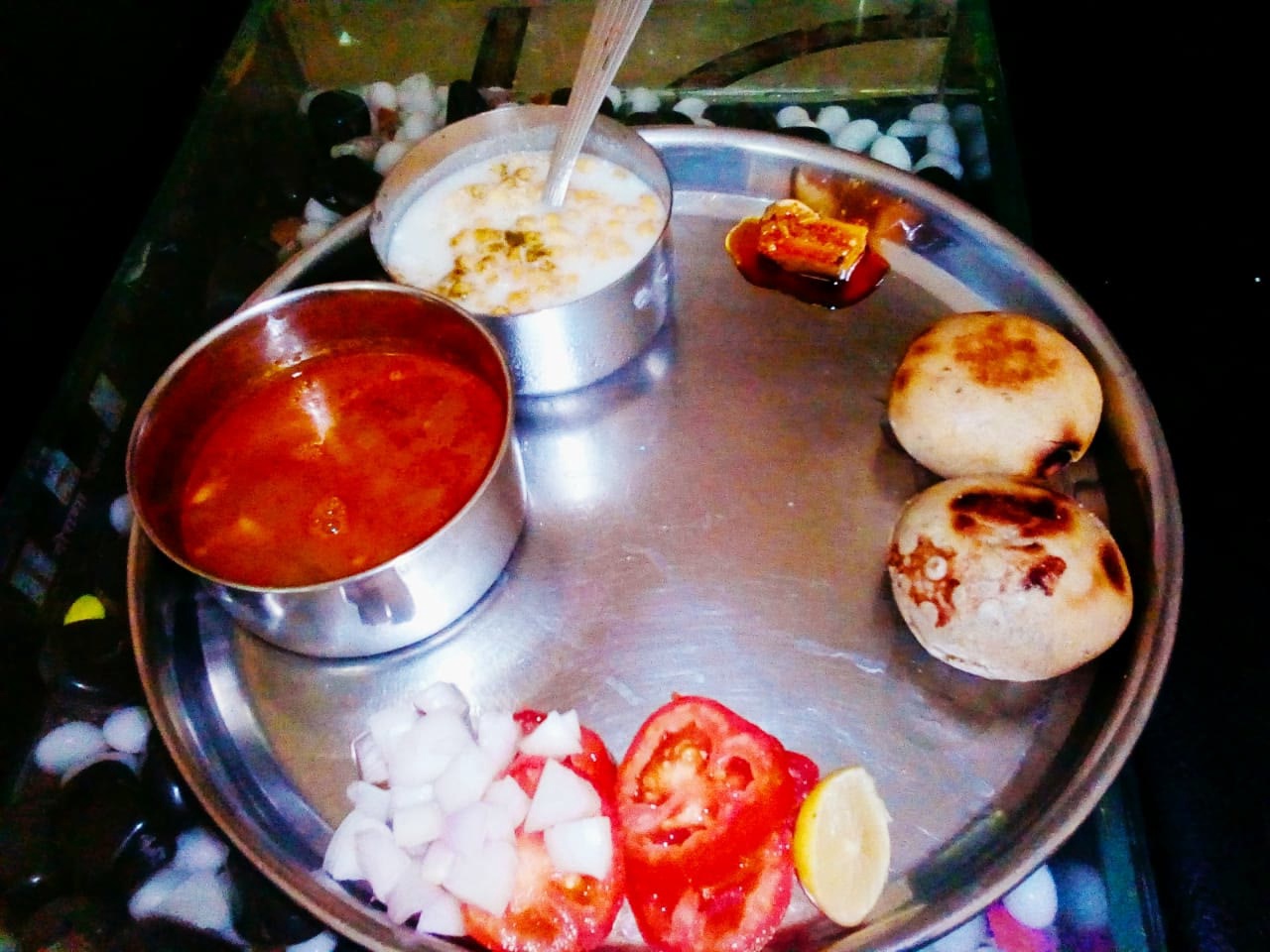
कोयलों पर सेंकी गई सख़्त गेहूँ की गोलियाँ, मसालेदार दाल और मीठे दरदरे गेहूँ के चूरमे के साथ परोसी जाती हैं
पुराने शहर के पारंपरिक राजस्थानी रेस्तराँ
लाल मांस
सूखी लाल मिर्च और दही से बनी तीखी लाल मटन करी
एमआई रोड के पास मध्यम-श्रेणी के रेस्तराँ
प्याज़ की कचौरी
मसालेदार प्याज़ भरी तली हुई पेस्ट्री, इमली की चटनी के साथ
जौहरी बाज़ार के आसपास के स्ट्रीट स्टॉल
घेवर
शहद के छत्ते जैसी आकृति की गोल मिठाई, चीनी की चाशनी में भीगी, कभी-कभी मलाई के साथ
पूरे पुराने शहर की मिठाई की दुकानें
मिर्ची वड़ा
मसालेदार आलू भरी बड़ी हरी मिर्च, बेसन में लपेटकर तली हुई
बड़ी चौपड़ के पास स्ट्रीट वेंडर
केर सांगरी
रेगिस्तानी फली और बेर मसालों के साथ पकाए गए, राजस्थानी साइड डिश का प्रतीक
पारंपरिक थाली रेस्तराँ
कहाँ खाएँ
जौहरी बाज़ार और बड़ी चौपड़ चौराहे के आसपास की गलियाँ स्ट्रीट फ़ूड का केंद्र हैं। सुबह की कचौरी की दुकानें जल्दी खुलती हैं और स्थानीय लोगों की लंबी कतारें लगती हैं, जो हमेशा गुणवत्ता का भरोसेमंद संकेत होता है। एमआई रोड पर कई प्रसिद्ध रेस्तराँ और मिठाई की दुकानें हैं जो दशकों से चल रही हैं और साफ़-सुथरे बैठने की जगहों में भरोसेमंद राजस्थानी थालियाँ परोसती हैं।
कुछ खास अनुभव के लिए, कई विरासती होटल अपने महलनुमा परिसरों में शाही राजस्थानी व्यंजन परोसते हैं। पुराने शहर को निहारती छत वाले रेस्तराँ भी बहुत हैं और माहौल देते हैं, भले ही खाना हमेशा सबसे अच्छा न हो; ऐसे चुनें जहाँ से हवा महल या नाहरगढ़ दिखता हो।
जयपुर संस्कृति में मुख्यतः शाकाहारी है, पर मांसाहारी रेस्तराँ आसानी से मिल जाते हैं। लाल मांस इसका प्रमुख मांसाहारी व्यंजन है और हर जगह मिलता है। सी-स्कीम और सिविल लाइंस में कैफ़े का चलन बढ़ रहा है, जहाँ अच्छी कॉफ़ी और पश्चिमी शैली का ब्रंच मिलता है, यदि भारी राजस्थानी भोजन से ब्रेक चाहिए।
शराब उपलब्ध है, पर हर जगह नहीं; कई पारंपरिक रेस्तराँ इसे नहीं परोसते, इसलिए पेय के लिए होटल के बार और लाइसेंस वाले रेस्तराँ सबसे अच्छे विकल्प हैं।
कहाँ ठहरें
बजट
बनी पार्क सस्ते ठहराव का केंद्र है, जहाँ दर्जनों पारिवारिक अतिथि-गृह और छोटे होटल एसी वाले साफ़ कमरे देते हैं। पुराने शहर में कुछ हॉस्टल डॉर्मिटरी बेड देते हैं। इस कीमत पर बुनियादी पर काम चलाऊ कमरे, छत पर नाश्ते की जगह और सच में मददगार मालिक मिलते हैं, जो परिवहन और गाइड का इंतज़ाम कर सकते हैं।
मध्यम श्रेणी
यहीं जयपुर सचमुच चमकता है। कई विरासती हवेलियाँ (पारंपरिक आँगन वाली हवेलियाँ) बुटीक होटलों में बदल दी गई हैं, जिनमें नक्काशीदार बलुआ पत्थर की वास्तुकला, आँगन के बगीचे और छत पर भोजन मिलता है। सबसे ज़्यादा ऐसे होटल पुराने शहर और बनी पार्क में हैं।
आलीशान
जयपुर में भारत के कुछ सबसे शानदार आलीशान होटल हैं। पूर्व राजसी महल, जो पंचतारा संपत्तियों में बदल दिए गए, महाराजा जीवन का स्वाद देते हैं, जिनमें सुव्यवस्थित बगीचे, संगमरमर के सुइट और बेदाग सेवा होती है। भले ही आप सबसे मशहूर महल होटलों में न ठहरें, फिर भी कई होटल बाहरी मेहमानों को भोजन या दोपहर की चाय की अनुमति देते हैं, जो अनुभव के लायक है।
व्यावहारिक सुझाव
सुरक्षा: जयपुर आम तौर पर सुरक्षित है, पर पर्यटकों को निशाना बनाने वाली ठगी आम है। सबसे लगातार ठगी रत्न की ठगी है, जहाँ कोई मित्रवत स्थानीय व्यक्ति आपसे दोस्ती करके आपको रत्न की दुकान तक ले जाता है और दावा करता है कि आप घर पर पत्थर बेचकर भारी मुनाफ़ा कमा सकते हैं। ऐसा नहीं हो सकता। विनम्रता से मना करें। ऑटो-रिक्शा चालक नियमित रूप से बढ़ा-चढ़ाकर किराया बताते हैं या दावा करते हैं कि आपका होटल बंद या ख़राब है, ताकि आपको कमीशन देने वाले विकल्पों की ओर मोड़ सकें। इससे पूरी तरह बचने के लिए राइड-हेलिंग ऐप इस्तेमाल करें।
भीड़भाड़ वाले बाज़ारों में अपने सामान पर नज़र रखें, जहाँ जेब कटने की घटनाएँ होती हैं।
अकेली महिला यात्री रात में सुनसान इलाकों से बचें और ओला पर केवल महिलाओं के लिए राइड विकल्प पर विचार करें।
केवल बोतलबंद या फ़िल्टर किया हुआ पानी पिएँ। स्ट्रीट स्टॉल से सलाद और बिना छिले फल न खाएँ।
पैसा: जयपुर के बाज़ारों और रिक्शों के लिए नकद अब भी सबसे चलन में है। एटीएम भरपूर हैं। मध्यम-श्रेणी के रेस्तराँ और होटल कार्ड लेते हैं, पर स्ट्रीट फ़ूड, छोटी दुकानों और कुछ स्थलों के प्रवेश टिकट के लिए नकद रखें। यूपीआई भुगतान (गूगल पे या फ़ोनपे जैसे ऐप से) स्थानीय लोगों में हर जगह चलता है, पर इसके लिए भारतीय बैंक खाता चाहिए। टिप देना अनिवार्य नहीं है पर सराहा जाता है; रेस्तराँ के बिल को पूरा कर दें और होटल कर्मचारियों व गाइड को थोड़ी टिप दें।
सिम कार्ड और इंटरनेट: शहर में जियो या एयरटेल की दुकान से स्थानीय सिम कार्ड लें और दुकान से पूछें कि कौन से दस्तावेज़ चाहिए। ज़्यादातर होटल और रेस्तराँ वाई-फ़ाई देते हैं, हालाँकि गति अलग-अलग होती है।
भाषा: मुख्य भाषा हिंदी है, साथ ही राजस्थानी बोलियाँ भी बोली जाती हैं। होटलों, पर्यटन स्थलों और कई दुकानों पर अंग्रेज़ी समझी जाती है, पर रिक्शा चालकों और स्थानीय बाज़ारों में नहीं। कुछ हिंदी वाक्य (या अनुवाद ऐप) बहुत मदद करते हैं। गूगल मैप्स रास्ता खोजने और ड्राइवरों को गंतव्य दिखाने के लिए अच्छा काम करता है।
मंदिरों और कुछ विरासती स्थलों में प्रवेश से पहले जूते उतार दें।
ख़ासकर धार्मिक स्थलों पर सादगीपूर्ण कपड़े पहनें। कंधे और घुटने ढके होने चाहिए।
लोगों की, ख़ासकर महिलाओं की, तस्वीर लेने से पहले अनुमति लें।
बाज़ारों में मोलभाव अपेक्षित है। माँगी गई कीमत से काफ़ी नीचे से शुरू करें और वहीं से बात आगे बढ़ाएँ।
एक-दिवसीय भ्रमण
अभानेरी और चांद बावड़ी
जयपुर से 88 किलोमीटर दूर अभानेरी गाँव में चांद बावड़ी है, जो दुनिया की सबसे पुरानी, सबसे बड़ी और सबसे आकर्षक बावड़ियों में से एक है, और अपनी सुंदर ज्यामिति के लिए जानी जाती है।[5] बगल का मंदिर देवी हर्षत माता को समर्पित है और 9वीं से 10वीं सदी का है।[5] आप जयपुर में टैक्सी किराए पर ले सकते हैं या सिकंदरा से जीप या टैक्सी ले सकते हैं; पहले कीमत तय कर लें। वास्तुकला और फ़ोटोग्राफ़ी के शौकीनों के लिए यह ज़रूर देखने लायक है।
रणथंभौर राष्ट्रीय उद्यान
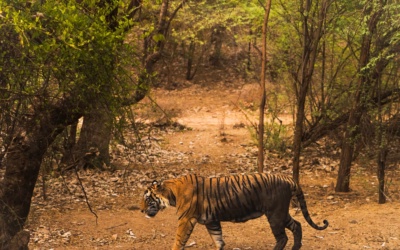
जयपुर से 167 किलोमीटर दूर रणथंभौर भारत की सबसे प्रसिद्ध जगहों में है जहाँ जंगली बाघ देखे जा सकते हैं। पार्क अक्टूबर से जून तक खुला रहता है, जयपुर से रेल और सड़क मार्ग से पहुँचा जा सकता है, और राजस्थान पर्यटन विभाग वन विभाग की ऑनलाइन बुकिंग के ज़रिए पहले से आरक्षण कराने की सलाह देता है।[6] एक-दिवसीय यात्रा संभव है पर थकाऊ है; रात भर रुकना दृढ़ता से सुझाया जाता है।
पुष्कर
जयपुर हवाई अड्डे से लगभग 146 किलोमीटर दूर पुष्कर एक छोटा पवित्र नगर है, जो एक पवित्र झील के चारों ओर बसा है और मंदिरों व घाटों से घिरा है।[7] यहाँ का ब्रह्मा मंदिर दुनिया के उन गिने-चुने मंदिरों में है जो हिंदू सृष्टिकर्ता देवता को समर्पित हैं। नगर में आराम का, लगभग हिप्पी-सा माहौल है, शाकाहारी कैफ़े और छत वाले रेस्तराँ के साथ। पुष्कर ऊँट मेला एक शानदार आयोजन है। पुष्कर एक-दिवसीय यात्रा में देखा जा सकता है, पर रात रुकने पर आप झील पर सूर्यास्त और सुबह की आरती का आनंद ले सकते हैं।
भानगढ़ किला
भानगढ़ किला जयपुर और अलवर के बीच स्थित है और इसे 17वीं सदी में राजा माधो सिंह ने बनवाया था। राजस्थान पर्यटन विभाग बताता है कि इसे भुतहा माना जाता है और सूर्योदय से पहले और सूर्यास्त के बाद आगंतुकों के लिए प्रतिबंधित है।[8] आप भूत मानें या न मानें, बंजर भूदृश्य के बीच फैले विशाल खंडहर सचमुच रहस्यमय माहौल देते हैं। पूरे दिन के चक्कर के लिए इसे अभानेरी के साथ जोड़ें।
सामोद
जयपुर के उत्तर में छोटे कस्बे सामोद में एक सुंदर पुनर्स्थापित महल है, जिसके भीतर चित्रकारी है। आप एक दिन के लिए जा सकते हैं या महल होटल में एक रात का शाही आनंद ले सकते हैं। रास्ता ग्रामीण राजस्थानी इलाकों से होकर जाता है।
3 दिन का नमूना कार्यक्रम
दिन 1: पुराना शहर
सुबह: भीड़ बढ़ने से पहले हवा महल से जल्दी शुरू करें। क्लासिक फ़ेसेड फ़ोटो के लिए सड़क पार करें, फिर छत से नज़ारे के लिए अंदर जाएँ। बगल के जंतर मंतर तक पैदल जाएँ और यंत्र समझाने के लिए गाइड लें। सिटी पैलेस की ओर बढ़ें और आँगनों व संग्रहालय में 90 मिनट बिताएँ।
दोपहर: एमआई रोड पर पारंपरिक थाली रेस्तराँ में दोपहर का भोजन करें। फिर पुराने शहर के बाज़ारों में उतरें: आभूषण और रत्नों के लिए जौहरी बाज़ार, कपड़ों और जूतियों के लिए बापू बाज़ार। गलियों में खुशी-खुशी खो जाने दें।
शाम: गुलाबी शहर के दृश्य पर सूर्यास्त देखने के लिए नाहरगढ़ किले जाएँ। किले के कैफ़े में कोई पेय या नाश्ता लें। पुराने शहर के नज़ारों वाले छत के रेस्तराँ में रात का खाना खाएँ।
दिन 2: आमेर किला और आसपास
सुबह: टूर बसों के आने से पहले आमेर किला पहुँचने के लिए जल्दी निकलें। शीश महल समेत किले के परिसर में दो से तीन घंटे बिताएँ। पहाड़ी तक पैदल जाएँ या जीप लें।
दोपहर: पन्ना मीना का कुंड बावड़ी (आमेर किले के पास) और अनोखी हैंड प्रिंटिंग संग्रहालय देखें। ऊर्जा बची हो तो आमेर के ऊपर स्थित जयगढ़ किले तक जाएँ। शहर लौटकर देर से दोपहर का भोजन करें।
शाम: पुराने शहर की शांत गलियाँ देखें, हस्तशिल्प के लिए चांदपोल बाज़ार जाएँ। बड़ी चौपड़ के आसपास स्ट्रीट फ़ूड चखें, जिसमें प्याज़ की कचौरी और मिर्ची वड़ा शामिल हैं। किसी विरासती होटल के रेस्तराँ में शाही राजस्थानी भोजन के साथ दिन समाप्त करें।
दिन 3: एक-दिवसीय भ्रमण या गहरी खोज
विकल्प A - अभानेरी और भानगढ़: पूरे दिन के लिए कार किराए पर लें और चांद बावड़ी और भानगढ़ किला देखें। ठंडे सुबह के घंटों का लाभ उठाने के लिए जल्दी निकलें। दोपहर तक जयपुर लौटें, आख़िरी खरीदारी के लिए या राम निवास बाग में अल्बर्ट हॉल संग्रहालय देखने के लिए।
विकल्प B - जयपुर की गहराई में: सूर्योदय के समय गलता जी (बंदर मंदिर) की सुबह की यात्रा। सुबह के मध्य में अल्बर्ट हॉल संग्रहालय, एक शानदार इंडो-सारासेनिक इमारत जिसमें विविध संग्रह है। दोपहर को शहर के दक्षिण में सांगानेर क्षेत्र की कपड़ा और नीली मिट्टी की कार्यशालाएँ। शाम आख़िरी समय की खरीदारी और विदाई भोज के लिए खाली है।
अक्सर पूछे जाने वाले प्रश्न
क्या जयपुर घूमने लायक है?
बिल्कुल। जयपुर में राजपूत काल के किलों, महलों और बाज़ारों का जैसा असाधारण संकेंद्रण है, वैसा भारत में और कहीं नहीं मिलता। आमेर किला, सिटी पैलेस और पुराने शहर के जीवंत बाज़ारों का मेल इसे देश के सबसे लाभदायक गंतव्यों में से एक बनाता है। भारत में आपके पास कम समय हो, तब भी जयपुर में कम से कम दो रातों का ठहराव उचित है।
जयपुर के लिए कितने दिन चाहिए?
मुख्य स्थल देखने, बाज़ारों में घूमने और एक एक-दिवसीय भ्रमण के लिए तीन पूरे दिन आदर्श हैं। यदि आप कुशलता से योजना बनाएँ तो दो दिन भी चल जाते हैं, पर आपको जल्दबाज़ी महसूस होगी। यदि आप गंभीर खरीदार हैं या कई एक-दिवसीय गंतव्य देखना चाहते हैं, तो चार से पाँच दिन आरामदेह रहेंगे।
क्या जयपुर पर्यटकों के लिए सुरक्षित है?
जयपुर पर्यटकों के लिए आम तौर पर सुरक्षित है, अकेली महिला यात्रियों के लिए भी, फिर भी सामान्य सावधानियाँ लागू होती हैं। पर्यटन स्थलों के आसपास छोटी ठगी मुख्य चिंता है, खासकर रत्न की दुकानों वाली योजनाएँ और ज़्यादा किराया माँगने वाले रिक्शा चालक। रात में रोशनी वाले इलाकों में रहें, भरोसेमंद परिवहन के लिए राइड-हेलिंग ऐप इस्तेमाल करें और दलालों के प्रति दृढ़ रहें।
जयपुर घूमने का सबसे अच्छा समय कौन सा है?
अक्टूबर से मार्च तक मौसम सबसे आरामदायक रहता है। नवंबर से फ़रवरी सबसे व्यस्त मौसम है, जिसमें सबसे अच्छा तापमान मिलता है पर भीड़ भी ज़्यादा होती है। मई और जून से बचें, जब गर्मी बहुत तेज़ हो सकती है।
जयपुर किस खाने के लिए मशहूर है?
जयपुर दाल बाटी चूरमा (दाल और मीठे चूरमे के साथ सिकी गेहूँ की गोलियाँ), लाल मांस (तीखी लाल मटन करी), प्याज़ की कचौरी (प्याज़ भरी तली हुई पेस्ट्री) और घेवर (शहद के छत्ते जैसी मिठाई) के लिए जाना जाता है। जौहरी बाज़ार और एमआई रोड के आसपास की स्ट्रीट फ़ूड संस्कृति प्रसिद्ध है।
क्या जयपुर में नल का पानी पिया जा सकता है?
नहीं, जयपुर में नल का पानी न पिएँ। सील्ड बोतलबंद पानी लें या पोर्टेबल वॉटर फ़िल्टर इस्तेमाल करें। स्ट्रीट स्टॉल के पेयों में बर्फ़ से सावधान रहें, हालाँकि ज़्यादातर अच्छे रेस्तराँ अपनी बर्फ़ के लिए फ़िल्टर किया हुआ पानी इस्तेमाल करते हैं। सबसे व्यावहारिक तरीका है अंदर फ़िल्टर वाली दोबारा इस्तेमाल होने वाली बोतल रखना।
जयपुर जाने के लिए वीज़ा चाहिए?
अधिकांश विदेशी नागरिकों को भारत में प्रवेश के लिए वीज़ा चाहिए। कई देशों के नागरिक यात्रा से पहले ऑनलाइन ई-टूरिस्ट वीज़ा के लिए आवेदन कर सकते हैं। भारत सरकार के ई-वीज़ा पोर्टल पर 30 दिन का वीज़ा तथा एक साल और पाँच साल के विकल्प सूचीबद्ध हैं; एक साल और पाँच साल के वीज़ा के लिए कैलेंडर वर्ष में ठहराव 180 दिनों से अधिक नहीं हो सकता। अपनी राष्ट्रीयता की आवश्यकताएँ पोर्टल पर देखें और यात्रा से पर्याप्त पहले आवेदन करें।
जयपुर हवाई अड्डे से शहर के केंद्र तक कैसे पहुँचें?
जयपुर अंतरराष्ट्रीय हवाई अड्डा, जिसे सांगानेर एयरपोर्ट भी कहते हैं, शहर के केंद्र के दक्षिण में है। हवाई अड्डे पर प्रीपेड टैक्सी काउंटर हैं, और उबर व ओला जैसे राइड-हेलिंग ऐप भी वहाँ सेवा देते हैं; दोनों में पहले से तय किराया मिलता है।
क्या जयपुर अकेले यात्रियों के लिए अच्छा है?
जयपुर अकेले यात्रियों के लिए उत्कृष्ट गंतव्य है, जहाँ अच्छी तरह विकसित पर्यटन सुविधाएँ, कई हॉस्टल और आसान रास्ते हैं। स्थलों के पास-पास होने से आपको जटिल व्यवस्था नहीं करनी पड़ती। अकेली महिला यात्रियों को, खासकर रात में, सामान्य सावधानी बरतनी चाहिए और ओला जैसे ऐप पर केवल महिलाओं के लिए राइड विकल्प उपयोगी लग सकता है।