
Contents
- 1. Getting Around Agra by Auto-Rickshaw
- 1.1 The Commission Scam to Watch For
- 2. Getting Around Agra by Cycle Rickshaw
- 3. Getting Around Agra by E-Rickshaw (Battery Rickshaw)
- 4. Getting Around Agra by Taxi and Private Car
- 5. Getting Around Agra by Ride-Hailing Apps (Ola and Uber)
- 6. Getting Around Agra on Foot
- 7. Getting Around Agra by Tempo (Shared Minivan)
- 8. Comparing Your Options
- 9. Practical Tips for Getting Around Agra
- 10. Popular Routes and Destinations
- 11. Frequently Asked Questions
- 12. Sources and background
Agra is a city that runs on diesel fumes, bicycle bells, and the relentless honking of auto-rickshaws. The moment you step outside your hotel, you will be immersed in a sensory overload of traffic that seems chaotic but somehow flows. Cows share the road with cycle rickshaws, electric rickshaws weave between trucks, and pedestrians cross wherever they please. It is thrilling, occasionally maddening, and entirely part of the Agra experience.
The good news is that the key sights - the Taj Mahal, Agra Fort, Mehtab Bagh, the local bazaars - sit within a relatively compact area south of the Yamuna River, so you can cross from one major landmark to another in a short ride depending on traffic. Agra's first metro section, from Taj East Gate to Mankameshwar, opened on 6 March 2024,[1] but most visitors still get around by rickshaw, taxi, ride-hailing app and on foot. Understanding how each option works, and agreeing a fair price before you ride, will save you time, money, and a good deal of frustration.
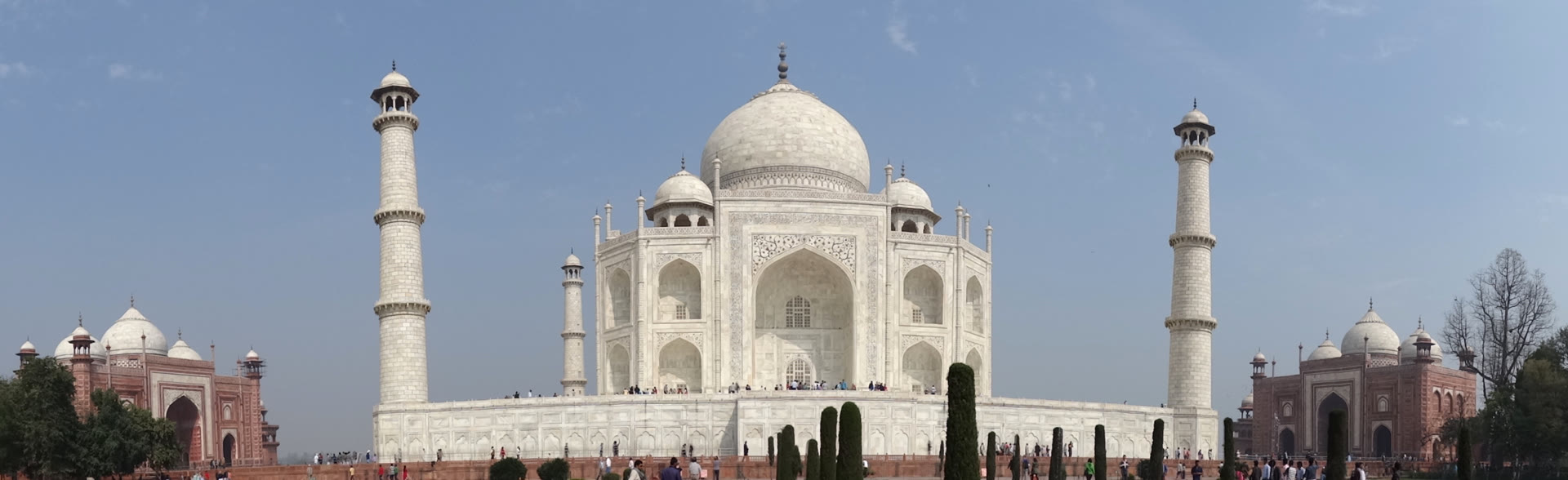
Polluting vehicles are not allowed within 500 metres of the Taj Mahal. Parking is at Shilpgram for the east gate and at Amrood ka Teela for the west gate, and battery buses and golf carts run from the parking areas to the gates.[2] You will therefore likely use more than one transport mode even on a single outing. Embrace it. The variety is part of what makes moving through Agra memorable.
Getting Around Agra by Auto-Rickshaw
The auto-rickshaw is the workhorse of Agra transport and the vehicle you will use most often. These three-wheelers are everywhere, and flagging one down takes seconds on any main road. They are open-sided, loud, and surprisingly nimble in traffic.
Auto-rickshaws in Agra often do not use their meters in practice, so every ride is a negotiation. Before you climb in, agree on a price, and ask your hotel what a fair fare to your destination looks like. Drivers will often quote tourists a higher starting price, so counter and settle somewhere in between.
The Commission Scam to Watch For
Many auto-rickshaw drivers in Agra will offer you an impossibly cheap fare on the condition that you visit a marble shop, leather store, or handicraft emporium along the way. The driver earns a commission from the shop for bringing you in, and you will face high-pressure sales tactics. If you do not want this, insist on a direct ride and pay a fair fare. Be firm but polite. This is the most common tourist hassle in Agra's transport scene.
Getting Around Agra by Cycle Rickshaw
For short distances, especially in the narrow lanes of the old city, cycle rickshaws are a charming and practical option. These pedal-powered three-wheelers move slowly, which is actually an advantage in congested areas where auto-rickshaws cannot easily maneuver.
Near the Taj Mahal you will likely switch to a different mode for the final stretch from the parking area or the nearest drop-off point. Again, agree on the price before you sit down. Cycle rickshaws are best for short distances; over longer ones, the slow pace becomes impractical.
Getting Around Agra by E-Rickshaw (Battery Rickshaw)
Electric rickshaws, locally called e-rickshaws or battery rickshaws, have become increasingly common in Agra. They look like enclosed cycle rickshaws with a small electric motor and carry several passengers. They are quieter and faster than cycle rickshaws.
E-rickshaws often operate on a shared-ride basis along popular routes, picking up and dropping off passengers along the way, much like a very informal minibus. You can also hire one privately. They are a good budget option for getting between the Taj Mahal area, Agra Fort, and the main bazaars. As with every rickshaw, agree on the fare before you board.
Getting Around Agra by Taxi and Private Car
For longer distances, air-conditioned comfort, or full-day sightseeing, hiring a taxi or private car is the most comfortable option. You can arrange a car through your hotel or a local travel agent, or find one at the railway station or the airport on arrival.
A full-day car hire with a driver suits visits to several spread-out attractions like Fatehpur Sikri, Akbar's Tomb at Sikandra, and Itmad-ud-Daulah. Make sure to clarify the price and whether fuel, tolls, and parking fees are included before you agree. On booking platforms, a private transfer within Agra is listed at about $22 to $32 for a 15 to 20 minute ride (October 2026).[3]
A fixed-rate ride arranged at the station or through a booking service costs a little more than a negotiated street fare but is far less stressful, especially if you have just arrived after a long train journey.
Getting Around Agra by Ride-Hailing Apps (Ola and Uber)
Ride-hailing apps such as Ola and Uber can be a big help for tourists wherever drivers are available. The apps remove the negotiation element, give you a fare estimate upfront, and track your route via GPS, which makes overcharging and detours to commission shops much less likely. You can usually book auto-rickshaws, mini cars, and sedans through them. Surge pricing may apply during peak hours and after train arrivals.
One practical note: drivers sometimes call to confirm the pickup location, and the conversation will be in Hindi. If you do not speak Hindi, it helps to have your hotel staff or a nearby shopkeeper assist with the call. Alternatively, share your live location pin via the app, which usually works well enough.
Getting Around Agra on Foot
Walking in Agra is rewarding in specific areas and inadvisable in others. The lanes around the Taj Mahal's south gate, the Kinari Bazaar near Agra Fort, and the Sadar Bazaar area are all worth exploring on foot. The atmosphere of the old city - spice sellers, street food stalls, marble inlay workshops - is best absorbed at walking pace.
However, the main roads connecting major sights are not pedestrian-friendly. Sidewalks are inconsistent, traffic does not yield to walkers, and the walk between the Taj Mahal and Agra Fort is manageable but hot and dusty, especially from March through October. Carry water, wear sun protection, and use a rickshaw or taxi for anything beyond a short walk on main roads. Early mornings, before the heat sets in, are the best time for walking.
Getting Around Agra by Tempo (Shared Minivan)
Tempos are large shared auto-rickshaws or minivans that run fixed routes through the city. They are the closest thing Agra has to a local bus system. Tempos are extremely cheap, but they are crowded, slow, have no fixed schedule, and the routes are not signed in English. Unless you speak some Hindi and are comfortable with very local travel, tempos are more of an adventure than a practical transport option. That said, if you are on a tight budget and enjoy immersive experiences, hopping on a tempo along the main Agra Cantt to Taj Mahal corridor gives you an authentic slice of daily life.
Comparing Your Options
| Mode | Pricing | Best For |
|---|---|---|
| Auto-Rickshaw | Negotiated before the ride | Most trips across the city; flexible and widely available |
| Cycle Rickshaw | Negotiated before the ride | Short hops in the old city |
| E-Rickshaw | Shared or private hire, agreed in advance | Budget-friendly rides in the central area and near the Taj |
| Taxi / Private Car | Agreed in advance; about $22 to $32 for a private transfer within Agra[3] | Full-day sightseeing, Fatehpur Sikri, comfort in summer heat |
| Ola / Uber | Fare estimate shown in the app | Hassle-free rides with upfront pricing; avoiding scams |
| Walking | Free | Exploring bazaars, old city lanes, and areas near monuments |
| Tempo (Shared) | Very cheap | Ultra-budget travel if you are comfortable with local transit |
Practical Tips for Getting Around Agra
Apps to download: Install Ola and Uber before you arrive. Google Maps works well for navigation and gives you a rough idea of rickshaw and taxi distances, which helps with price negotiations. If you are arriving by train, the IRCTC Rail Connect app is useful for checking schedules.
Cash is king: Carry small denominations of Indian rupees. Rickshaw drivers rarely have change for large notes, and some will claim they have no change as a way to pocket the extra. ATMs are widely available near Sadar Bazaar and Agra Cantt station.
Negotiate before you ride: This cannot be overstated. Never get into an auto-rickshaw or cycle rickshaw without agreeing on the fare first. Ask your hotel what a fair price should be for your destination so you have a benchmark.
- Avoid rickshaw drivers who approach you aggressively outside the Taj Mahal or Agra Fort. Walk a short distance away from the tourist cluster, and you will find drivers willing to charge more reasonable rates.
- Traffic is heaviest in the morning and evening rush hours, and near the Taj Mahal's east and west gates it can be gridlocked on weekends and holidays. Plan visits early in the morning.
- If a driver insists on taking you to a shop, firmly say "no shopping" before you agree on the fare. Repeat it if needed. Do not feel guilty - this is standard practice and drivers understand.
- For safety, solo travelers (especially women) should use app-based rides after dark rather than flagging down random rickshaws. Agra is generally safe, but the GPS tracking provides peace of mind.
- Because polluting vehicles must stay back from the Taj Mahal, your taxi or auto-rickshaw will drop you at a parking area and you continue by battery bus, golf cart or on foot. The battery bus and golf cart service is free with the foreigner entry ticket.[2] Allow extra time for this transfer.
- Learn a few Hindi phrases: "Kitna?" (How much?), "Bahut zyada" (Too much), and "Seedha chalo" (Go straight). Showing your destination on Google Maps to the driver also works well.
You can compare transport options and plan your Agra itinerary on GoAsia.cc to get a sense of costs and travel times before you arrive.
Popular Routes and Destinations
Agra Cantt Station to the Taj Mahal or City Center: The most common arrival point for train travelers is Agra Cantt (Agra Cantonment) railway station. From here, a taxi or private transfer to the Taj Mahal area or central hotels is the easiest option after a long journey, and booking platforms list private transfers within Agra at about $22 to $32 (October 2026).[3] An Ola or Uber ride or an auto-rickshaw from outside the station is usually cheaper, but expect the usual negotiation for the auto-rickshaw.
Tundla Junction to Agra: Some trains stop at Tundla Junction rather than Agra Cantt. If you find yourself at Tundla, you can take a connecting train to Agra or to Shahganj Agra station, or hire a cab to central Agra.
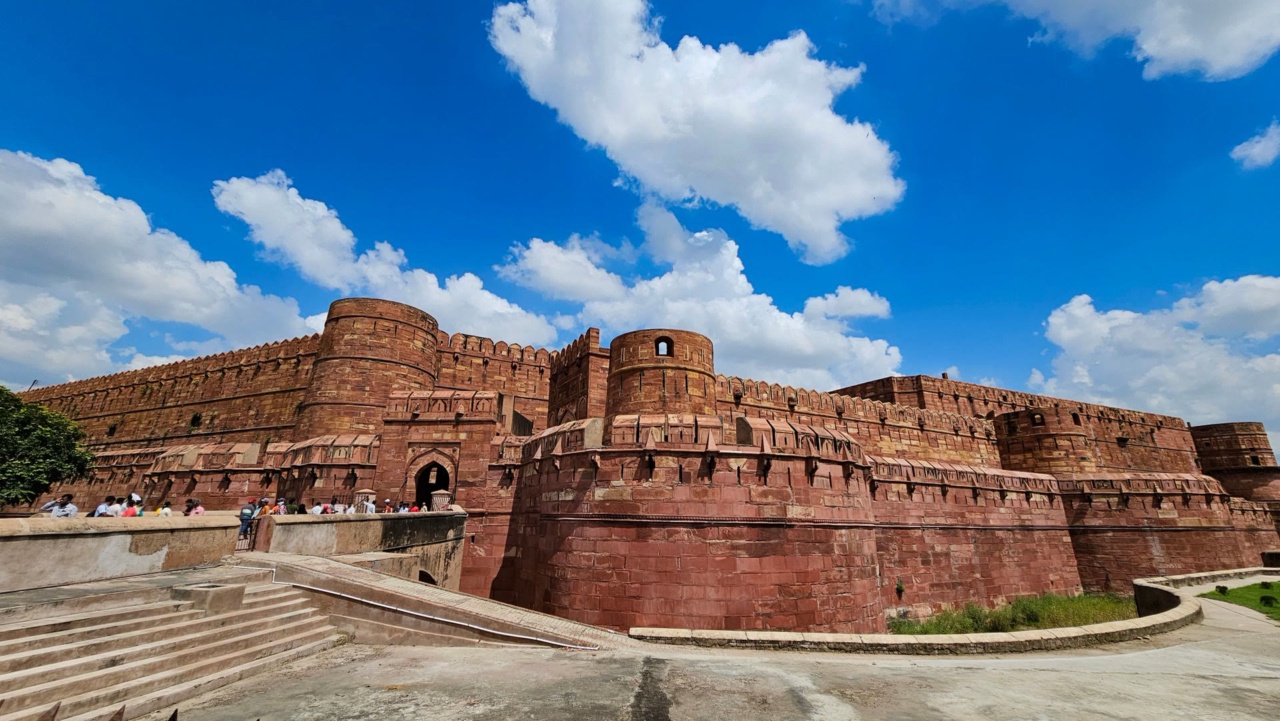
Taj Mahal to Agra Fort: These two iconic sites are close enough that an auto-rickshaw covers the distance in a short ride. Walking is possible but tiring in warm weather due to the lack of shade and heavy traffic on the main road.
Agra to Fatehpur Sikri: This UNESCO World Heritage Site lies southwest of Agra. The best option is a hired car for the day (often combined with other stops), or you can take a local bus from the Idgah Bus Stand, which is slower and less comfortable.
Frequently Asked Questions
Use this guide to compare local transport in Agra. When bookable tickets are available, the booking tool shows current options and prices.
Auto-rickshaws are the most practical and widely available transport for getting between Agra's main sights. For hassle-free rides with an upfront fare estimate, use the Ola or Uber apps. If you plan to visit multiple attractions in one day, hiring a private car with a driver offers the best comfort.
Rickshaw fares are not metered in practice, so agree the price before you ride and ask your hotel for a benchmark. Booking platforms list a private transfer within Agra at about $22 to $32 (October 2026). Ride-hailing apps show a fare estimate before you book.
Agra's transport options are generally safe for tourists during the day. Auto-rickshaws and cycle rickshaws are used by locals every day. After dark, solo travelers should prefer app-based rides (Ola or Uber) for the GPS tracking and fare transparency. The main risk is not safety but overcharging and commission scams at shops.
Yes, Ola and Uber can be used in Agra where drivers are available. You can book auto-rickshaws or cars through the apps with a fare estimate upfront, which reduces haggling. Drivers may call to confirm pickup in Hindi, so having your hotel name ready or sharing a GPS pin helps.
Agra is walkable in specific areas like the old city bazaars and lanes near the Taj Mahal gates. However, the main roads lack proper sidewalks and traffic is heavy, making longer walks uncomfortable. The heat from March through October also makes longer walks impractical.
Always agree on the fare before getting in, and ask your hotel for a benchmark price to your destination. Decline any offer of an extremely cheap ride that includes a stop at a shop. Walk away from drivers clustered at tourist hotspots and find one on a nearby street for better rates. Using Ola or Uber reduces the issue.
The easiest option is a taxi or private transfer, which booking platforms list at about $22 to $32 within Agra (October 2026). You can also book an Ola or Uber, or take an auto-rickshaw from outside the station and agree on the fare first.
Polluting vehicles are not allowed within 500 metres of the Taj Mahal. Parking is at Shilpgram for the east gate and at Amrood ka Teela for the west gate, and battery buses and golf carts run from the parking areas to the gates. Allow extra time for this final transfer.
Sources and background
Numbers in the text such as [1] refer to these sources.
- [1] Uttar Pradesh Metro Rail Corporation: About UPMRCL (Agra Metro Rail Project). Retrieved October 15, 2026.
- [2] Taj Mahal, Department of Tourism, Government of Uttar Pradesh: Dos and Donts. Retrieved October 15, 2026.
- [3] 12Go: Agra - Agra timetable. Retrieved October 15, 2026.
Guide prices and journey times are indicative, not live quotes. A booked package may include transfers and waiting time as well as the main journey. Check the selected offer, pickup point and current conditions before booking.