Ladakh Monasteries and Pangong Lake: A Journey Through India's High-Altitude Wonderland

Ladakh Monasteries and Pangong Lake: A Journey Through India's High-Altitude Wonderland

Last updated: March 16, 2026

Ladakh sits at the top of India like a different planet. At 3,500 meters above sea level, the capital Leh is higher than most European ski resorts, and the landscape around it - barren mountains streaked with rust and ochre, turquoise rivers cutting through desert valleys - looks nothing like the rest of the subcontinent. Scattered across this stark terrain, ancient Buddhist monasteries cling to cliffsides and hilltops, their white walls and crimson prayer halls standing in vivid contrast to the brown earth.

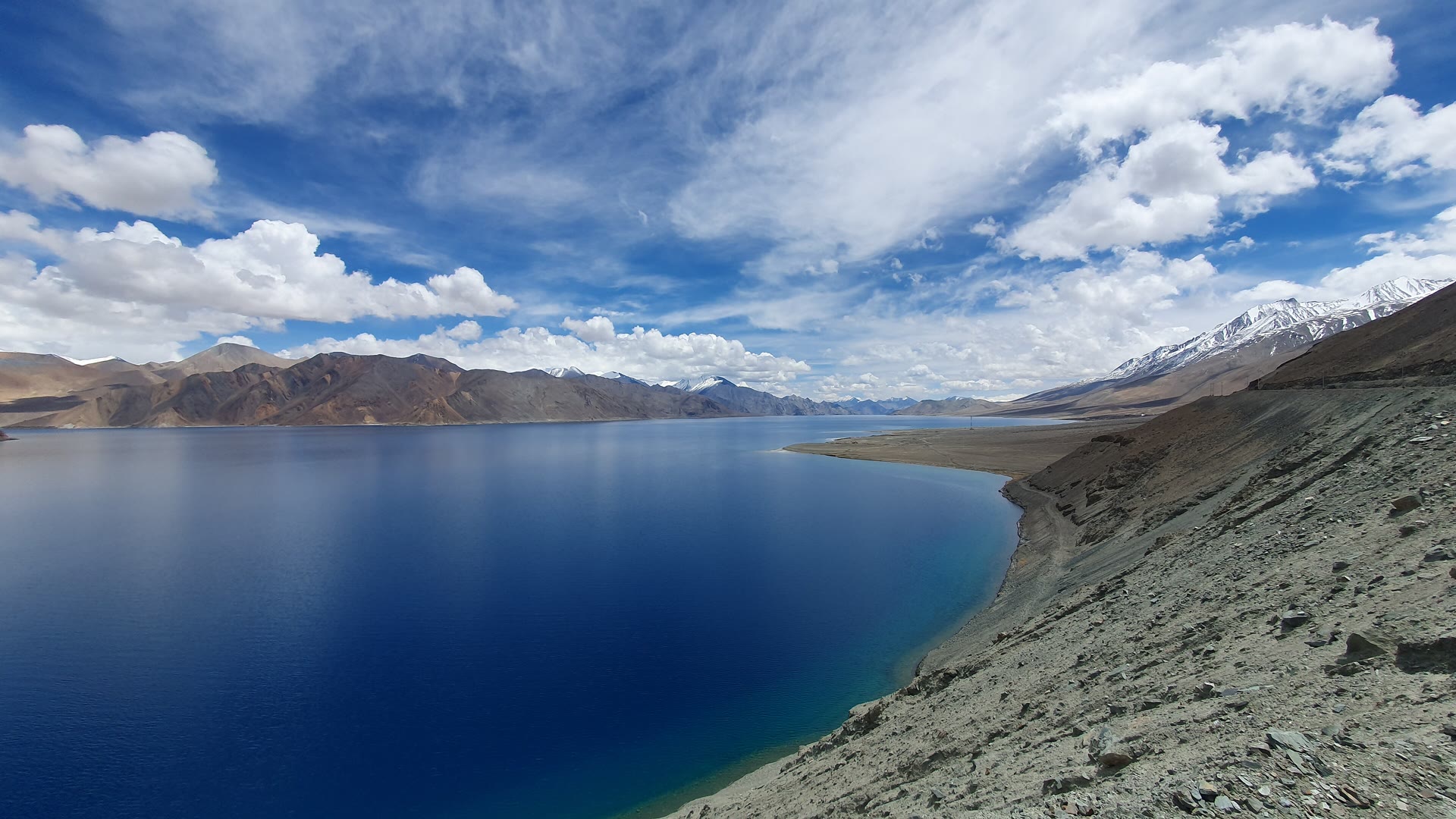
Then there is Pangong Lake. Stretching 134 kilometers across the India-China border at 4,350 meters, this high-altitude lake shifts between impossible shades of blue, from deep cobalt to electric turquoise, depending on the sunlight and season. Getting there is half the adventure - the drive from Leh crosses Chang La, one of the highest motorable passes in the world at 5,360 meters.

Combining Ladakh's monasteries with Pangong Lake makes for one of the most extraordinary road trips in Asia. Here is how to plan it, what to see, and how to handle the altitude that makes this region both magical and challenging.

The Essential Monasteries

Ladakh has over 30 active Buddhist monasteries, most belonging to the Gelugpa (Yellow Hat) or Drugpa sects of Tibetan Buddhism. You do not need to visit all of them - these five deliver the most rewarding experiences and are all reachable as day trips from Leh.

Thiksey Monastery

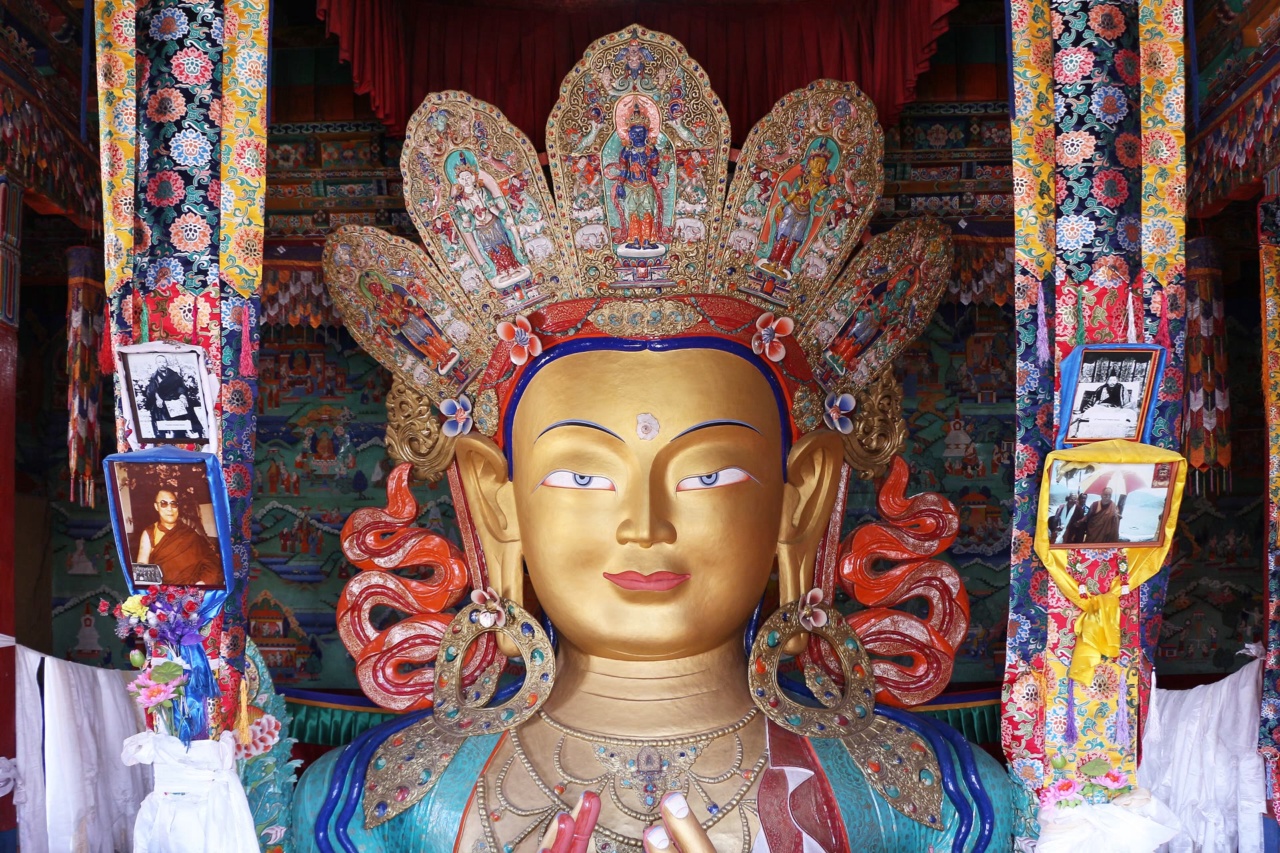
Thiksey is the monastery that appears on every Ladakh postcard, and for good reason. This 12-story complex rises from a hilltop 19 kilometers east of Leh, its white-washed walls and stacked buildings earning it the nickname "Mini Potala" for its resemblance to the Potala Palace in Lhasa. The star attraction is a 15-meter Maitreya (Future Buddha) statue, the largest of its kind in Ladakh, housed in a dedicated temple at the top of the complex.

Arrive before 7 AM to witness the morning puja. Monks blow long copper horns from the rooftop as dawn light hits the Indus Valley below, then gather in the assembly hall for chanting. Visitors are welcome to sit quietly in the back. Afterward, monks often offer cups of butter tea - accept it, even if the salty, oily flavor takes getting used to. Entry costs 50 rupees.

Hemis Monastery

Hemis is the largest and wealthiest monastery in Ladakh, tucked into a gorge 40 kilometers southeast of Leh. It houses an extraordinary collection of gold statues, jewel-encrusted stupas, and ancient thangka paintings. The monastery's museum alone is worth the drive, with artifacts dating back centuries.

The Hemis Festival, held in June or July (dates follow the Tibetan calendar), is Ladakh's most famous religious celebration. Monks perform masked dances called Cham in the monastery courtyard, depicting the victory of good over evil. The festival draws huge crowds, so book accommodation in Leh well in advance if your timing aligns. Entry is 50 rupees on normal days; festival days may have higher charges.

Diskit Monastery

Reaching Diskit requires crossing Khardung La pass (5,359 meters) into the Nubra Valley - a 3.5-hour drive from Leh that is itself a highlight. The 14th-century monastery perches on a hilltop with sweeping views of the Shyok River valley and the sand dunes below. A 32-meter Maitreya Buddha statue, inaugurated by the Dalai Lama, sits beside the monastery overlooking the valley. The combination of desert dunes, snow-capped peaks, and an ancient monastery creates one of Ladakh's most surreal panoramas.

Lamayuru Monastery

Lamayuru lies 127 kilometers west of Leh on the road to Kargil, making it the most remote of the essential monasteries. It is also the oldest, believed to date back to the 10th century. The monastery sits on an eroded lunar landscape of clay formations that locals call "moonland" - the geological backdrop alone justifies the trip. The drive from Leh takes about 2.5 hours through dramatic gorges along the Indus River.

Spituk Monastery

Just 8 kilometers from Leh, Spituk is the most accessible monastery and a good first visit while acclimatizing. Founded in the 11th century, it offers panoramic views of the Leh airport and the Indus Valley from its hilltop position. The monastery houses a fearsome statue of Kali in a dark chamber at the top, unveiled only during the annual Gustor festival.

Things to Do

Pangong Lake

Pangong Tso ("tso" means lake in Tibetan) became internationally famous after appearing in a Bollywood film, and its popularity has exploded since. The lake extends 134 kilometers, with roughly 60% lying on the Chinese side of the border. The Indian shore offers several viewpoints and camping areas, with the main tourist zone near Spangmik village.

Getting There

The drive from Leh to Pangong takes 5 to 6 hours one way, crossing Chang La pass at 5,360 meters. The road is paved for most of the route but rough in sections. Most visitors either do a long day trip or spend one night at Pangong in a temporary camp. Camps operate from June through September and offer heated tents with basic bedding and meals for 2,000 to 5,000 rupees per night. Bring warm clothes regardless of the season - temperatures at 4,350 meters drop sharply after sunset, even in July.

Permits

Pangong Lake lies in a restricted border area. Indian nationals need an Inner Line Permit (ILP), obtainable online or through the District Commissioner's office in Leh for a nominal fee. Foreign nationals require a Protected Area Permit (PAP), which must be arranged through a registered travel agent in Leh. The process takes one to two days, and you will need to travel in a group of at least two people (agents can pair solo travelers). Carry printed copies of your permit - checkpoints on the route will ask for them.

What to Expect

The lake's color shifts are real and dramatic. In morning light, the water can appear almost white; by midday, it turns deep blue; and in afternoon sun, it glows turquoise. The changes result from the lake's extreme depth, mineral content, and the angle of sunlight at this altitude. There is no swimming - the water is bracingly cold year-round, and the altitude makes any physical exertion risky.

Facilities at Pangong are basic. There are no permanent buildings, no ATMs, and phone coverage is patchy at best. Bring cash, snacks, water, and fully charged devices. The camps provide meals, but options are limited to dal, rice, and basic noodle dishes.

Handling the Altitude

Altitude is the single biggest challenge in Ladakh, and ignoring it can turn a dream trip into a medical emergency. Leh sits at 3,500 meters, and destinations like Pangong and Khardung La push above 5,000 meters. Acute Mountain Sickness (AMS) affects roughly half of all travelers who fly directly into Leh.

Acclimatization Plan

The recommended approach:

  1. Day 1: Arrive in Leh. Do nothing. Rest in your hotel, drink water, eat light meals. Do not walk uphill or exert yourself. Headaches are normal - take paracetamol, not aspirin.
  2. Day 2: Light sightseeing in Leh town. Visit the Leh Palace and Shanti Stupa, but take it slowly. Drink at least 3-4 liters of water throughout the day.
  3. Day 3: Drive to nearby monasteries (Thiksey, Hemis) in the Indus Valley, which are at roughly the same altitude as Leh.
  4. Day 4-5: Attempt higher-altitude excursions like Nubra Valley or Pangong Lake only after two full days of acclimatization.

Warning Signs

Mild AMS symptoms include headache, nausea, fatigue, and shortness of breath. These are normal in the first 24-48 hours. Severe symptoms - confusion, inability to walk straight, persistent vomiting, or a gurgling sound when breathing - require immediate descent to lower altitude. Do not push through severe symptoms. Pharmacies in Leh sell Diamox (acetazolamide), which helps the body adjust faster, but consult a doctor about dosage before your trip.

Planning Your Itinerary

DayActivityAltitude
1Arrive in Leh, rest and acclimatize3,500 m
2Leh Palace, Shanti Stupa, Leh Market3,500 m
3Thiksey, Hemis, and Stok Monastery3,500-3,700 m
4Drive to Nubra Valley via Khardung La, visit Diskit Monastery5,359 m pass, 3,100 m valley
5Nubra Valley sand dunes, drive to Pangong Lake4,350 m
6Pangong Lake sunrise, drive back to Leh4,350-3,500 m
7Lamayuru Monastery day trip or departure3,500-3,800 m

This seven-day itinerary covers all the essentials. Travelers with more time can add the Tso Moriri lake, Zanskar Valley, or trekking routes. For more destination guides across India and Asia, check out GoAsia.cc.

Tips for Visiting Ladakh

  • Season matters - Ladakh is accessible by road from mid-June to mid-October only. Flights to Leh operate year-round but are frequently disrupted by weather. The Manali-Leh and Srinagar-Leh highways close during winter.
  • Book permits early - Especially for foreign nationals, PAP processing takes 1-2 days. Sort this out on your first day in Leh while acclimatizing.
  • Dress modestly at monasteries - Cover shoulders and knees. Remove shoes before entering prayer halls. Walk clockwise around stupas and mani walls (stone walls inscribed with mantras).
  • Carry cash everywhere - ATMs exist in Leh but nowhere else in the region. Card payments are rare outside hotels. Carry enough cash for your entire trip beyond Leh.
  • Fuel up in Leh - Petrol stations outside Leh are unreliable. Fill your tank completely before heading to Nubra Valley or Pangong.
  • Hire a local driver - Roads are challenging, passes are high, and knowing the terrain matters. A taxi with driver for a 5-day circuit costs 18,000 to 25,000 rupees, which is safer and often cheaper than self-driving a rented SUV.
  • Pack for all seasons - A single day in Ladakh can range from 30 degrees Celsius in direct sun to below freezing after dark. Layers, a warm jacket, sunglasses, and high-SPF sunscreen are non-negotiable.
  • Do not litter - Ladakh's fragile ecosystem is under pressure from increasing tourism. Carry trash out with you, especially at Pangong where waste management is minimal.

Frequently Asked Questions

Do I need permits to visit Ladakh's monasteries and Pangong Lake?

Monasteries around Leh require no permits. Pangong Lake, Nubra Valley, and other border areas require an Inner Line Permit (ILP) for Indian nationals or a Protected Area Permit (PAP) for foreign nationals. ILPs can be obtained online; PAPs must be arranged through a registered travel agent in Leh and require traveling in pairs or groups. Processing takes 1-2 working days.

How much does a Ladakh trip covering monasteries and Pangong Lake cost?

A 7-day trip from Leh costs roughly 15,000 to 30,000 rupees per person excluding flights. This covers a hired taxi with driver (18,000-25,000 rupees split between passengers), monastery entry fees (30-50 rupees each), Pangong camping (2,000-5,000 rupees per night), permits (nominal for ILP, around 600 rupees for PAP), and meals. Budget guesthouses in Leh start at 800 rupees per night.

How do I get to Leh to start exploring Ladakh?

The fastest option is flying directly to Kushok Bakula Rimpochee Airport in Leh from Delhi, Mumbai, or Srinagar. Flights take about 90 minutes from Delhi. Alternatively, drive the Manali-Leh Highway (473 km, 2 days) or Srinagar-Leh Highway (434 km, 2 days) - both are scenic but only open mid-June through October. Flying saves time but means more altitude adjustment since you go from sea level to 3,500 meters instantly.

How serious is altitude sickness in Ladakh?

Very serious if ignored. About half of travelers who fly into Leh experience mild AMS symptoms - headaches, nausea, and fatigue. These are manageable with rest and hydration. Severe AMS, which includes confusion and breathing difficulties, is a medical emergency requiring immediate descent. Spending two full days acclimatizing in Leh before heading to higher-altitude destinations like Pangong dramatically reduces your risk.

What is the best time of year to visit Ladakh?

July and August offer the warmest weather and all roads open, but this is peak tourist season with higher prices and crowded campsites at Pangong. June and September hit the sweet spot of good weather with thinner crowds. The Hemis Festival falls in June or July, making it the best time for cultural experiences. October is cold but stunningly clear; November through May, most passes are snowed in.

Can I visit Pangong Lake as a day trip from Leh?

Technically yes, but it is not recommended. The drive is 5-6 hours each way over a 5,360-meter pass, making for an exhausting 12-hour round trip. Spending one night at a lakeside camp lets you see the color changes across sunset and sunrise, which are Pangong's most spectacular moments. If time is extremely limited, leave Leh by 4 AM to maximize time at the lake.

Which Ladakh monastery should I visit if I only have time for one?

Thiksey Monastery offers the best overall experience. Its dramatic hilltop setting, the 15-meter Maitreya Buddha statue, panoramic Indus Valley views, and accessible morning puja ceremony make it the most rewarding single visit. It is also close to Leh at just 19 kilometers, requiring minimal travel time. Arrive before 7 AM for the morning rituals.

Is Ladakh safe for solo travelers?

Ladakh is one of the safest regions in India for solo travelers. Crime is extremely low, and the local Ladakhi and Tibetan communities are welcoming. The main practical constraint is that foreign nationals need a PAP for restricted areas like Pangong, which requires traveling in pairs - travel agents in Leh routinely pair solo travelers together. Always inform your guesthouse of your daily plans when heading to remote areas.