Red Fort, Delhi: palace visit, museums and evening show
Photo: Jayanth Muppaneni / Unsplash
Contents
- 1. Which visit should you choose?
- 2. Tickets, museums and the real visit budget
- 3. How to reach the entrance
- 4. Read the palace through its buildings
- 5. Which museums can you visit?
- 6. Jai Hind: book the show separately
- 7. Build an Old Delhi visit around it
- 8. Sources and background
- 9. Frequently Asked Questions
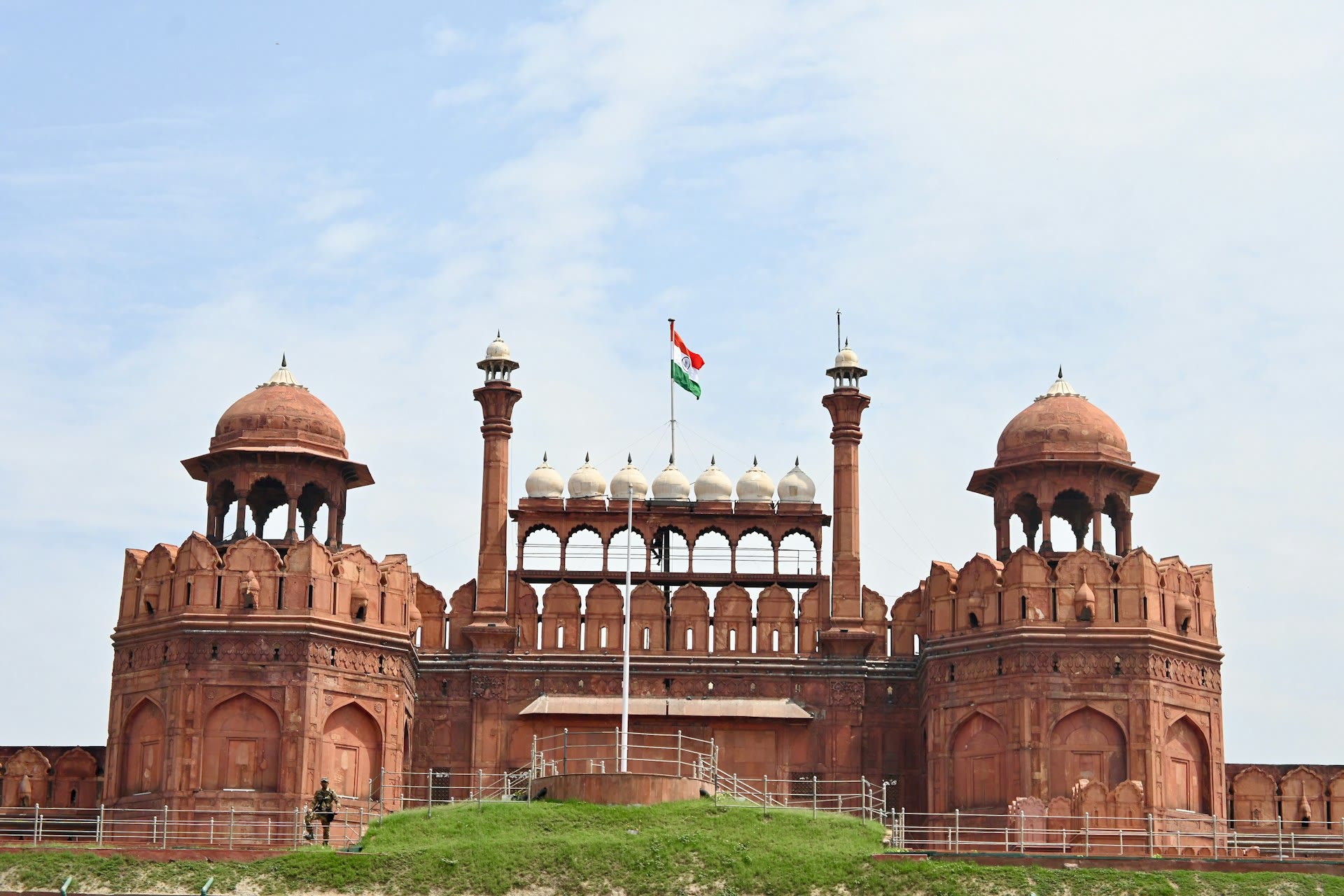
The Red Fort, or Lal Qila, is a palace-fortress in Old Delhi, and its red sandstone walls hide marble halls, water channels and gardens. Visit by day for the Mughal architecture, add the museums if their exhibitions interest you, or book the separate Jai Hind evening production. These are different experiences with different tickets.
Allow two to three hours for the palace grounds, plus extra time for museum galleries, queues, security and the journey. The show lasts one hour, and you need to be at the fort an hour before it starts.[1]
Which visit should you choose?
| Option | Why choose it? | What to check |
|---|---|---|
| Daytime fort visit | Palace layout, audience halls, stone decoration and gardens | Your admission category and the areas open on the day |
| Fort with museums | Additional exhibitions rather than only the architecture | Which galleries are open and their opening times |
| Jai Hind evening show | A theatrical interpretation using projections, performers and puppets | Performance date, language, arrival time and seating category; daytime admission is separate |
If you have time for only one option and want to understand the historic palace, start with the daytime visit. The show tells the story on a stage, but it does not replace seeing the buildings in daylight. A guide can explain the surviving rooms and later changes; agree the language, route, duration and fee before you hire one.
Things to Do
Offers are only loaded from GetYourGuide after you click. GetYourGuide can then process your IP address and set cookies. Privacy Policy
GetYourGuide partner offers. GoAsia may earn a commission if you book through these offers. Check whether tickets or transfers are included, and follow the attraction's official booking and admission rules.
Tickets, museums and the real visit budget
Fort tickets are sold online and at the counter. Foreign visitors pay 550 INR online or 600 INR in cash. Visitors from Bangladesh, Nepal, Bhutan, Sri Lanka, Pakistan, the Maldives and Afghanistan, and from the BIMSTEC countries Thailand and Myanmar, pay 35 INR online or 50 INR in cash. Children under 15 enter free.[2]
The fort is open from sunrise to 21:00.[2] The museums keep their own hours, so ask at the gate which galleries are open on your day.
Budget for admission per person, the journey to and from your accommodation, a guide if you want one, and the separate show ticket. If you travel by taxi or motorised rickshaw, agree whether the price is per vehicle, includes waiting and covers the return.
How to reach the entrance
Lal Qila station on the Violet Line is the easiest metro stop for the fort. Take exit Gate 4 and walk about 1 km to the security gate near Lahori Gate.[1] The station has lifts near Gate 3, close to the fort, and between Gates 1 and 2.[3]
Leave room for the walk and the security queue after the metro ride. Visitors in the show should expect a lot of walking inside the fort.[1] If you need help with mobility, ask about the whole route and the seating before you book, not only whether the station has a lift.
Read the palace through its buildings
Shah Jahan began the fort in 1639 as part of his new capital, Shahjahanabad, and it took nine years to finish. Red sandstone forms the walls and gates, and marble is used mostly in the palaces.[2] The design blends Islamic, Persian, Timurid and Hindu traditions and influenced palaces and gardens as far as Rajasthan and Agra.[4]
From the western Lahori Gate, the vaulted Chhatta Chowk arcade leads towards Naubat Khana, where musicians once announced the approach to the public audience hall. The sequence shows how entry to an imperial court was staged.
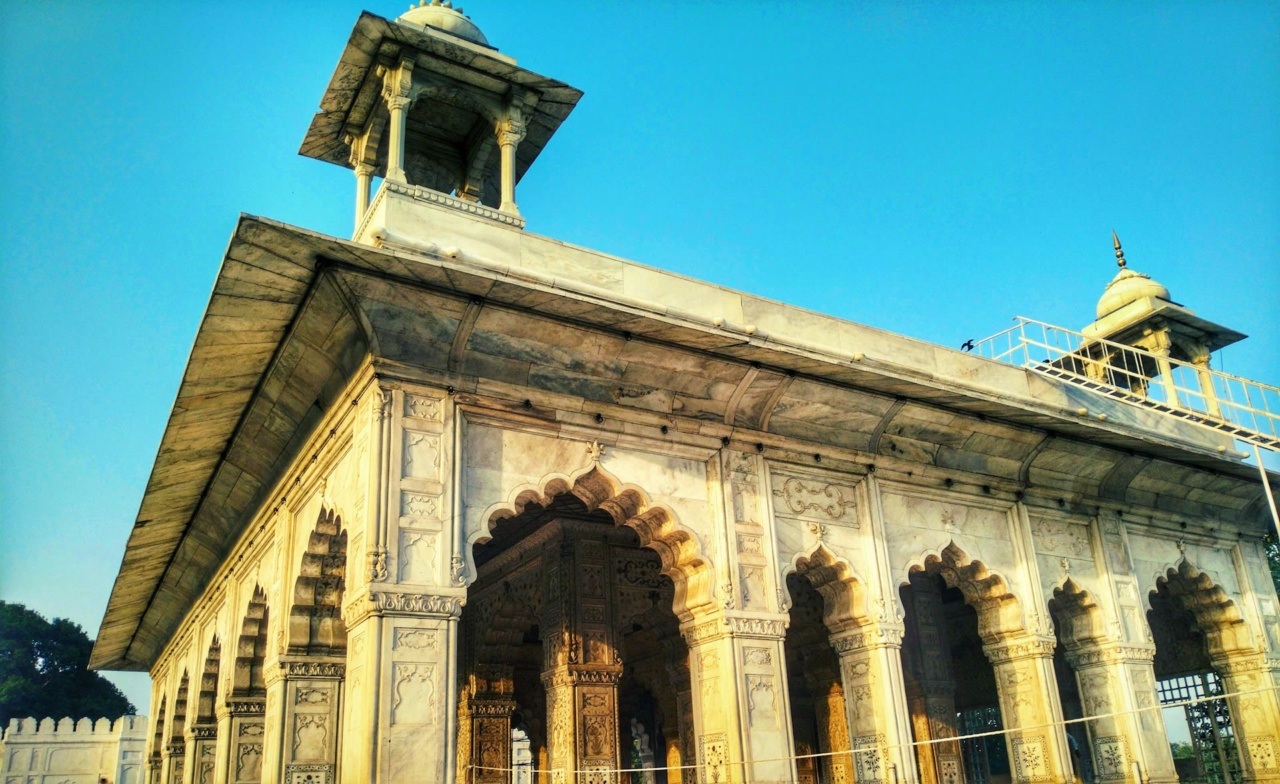
In Diwan-i-Am, the Hall of Public Audience, look for the nine-arched front and the marble canopy over the throne alcove. The wall behind it carries panels of pietra dura, the fine inlay of coloured stone.[2] Then step into Diwan-i-Khas, the ornate Hall of Private Audience, and notice how much more intimate it feels.
Floral inlay covers the lower part of the piers in Diwan-i-Khas, and the upper part was once gilded and painted. Its marble dais is said to have held the Peacock Throne, later carried off by Nadir Shah.[2] A famous Persian couplet is inscribed in the hall: "If paradise be on the face of the earth, it is this, even this, it is this."[5]
Rang Mahal, the Painted Palace, takes its name from its coloured interior. A water channel, the Nahr-i-Bihisht or Stream of Paradise, once ran through it into a central marble basin with an ivory fountain.[2] The Khwabgah, the sleeping chamber, lies behind the prayer rooms of Tasbih Khana, whose northern screen shows the Scales of Justice above a crescent among stars and clouds.[2]
The Hammam has three apartments with marble floors inlaid with coloured stones. Nearby, Moti Masjid, the Pearl Mosque, was added later by Aurangzeb. North of it lies the Hayat-Bakhsh Bagh garden, much altered over the years, with the red sandstone Zafar Mahal pavilion that Bahadur Shah II built around 1842 in the middle of its tank.[2] Some interiors may be closed on your day, so treat these buildings as things to spot.
The fort also carries later layers: the British military occupation added new buildings and functions over the Mughal ones. It is where Indian independence was first celebrated, and it is still the setting for the Independence Day celebrations.[4] Seeing the fort as a place that kept changing is more rewarding than looking for one perfect Mughal moment.
Which museums can you visit?
The Indian War Memorial Museum fills the upper storey of Naubat Khana, and the Delhi Fort Museum is housed in Mumtaz Mahal, once part of the imperial residential quarters.[2] Ask at the ticket counter which galleries are open on your visit.
Jai Hind: book the show separately
The Sabhyata Foundation's Jai Hind combines projections, live performance and puppets in a walking show from Naubat Khana towards Diwan-i-Khas. The Hindi version is narrated by Amitabh Bachchan and the English version by Kabir Bedi. The first show starts at 18:00 in Hindi. The second starts at 19:15 in English on Tuesday, Wednesday and Thursday and in Hindi on Friday, Saturday and Sunday. Tickets start at 500 INR.[1]
Daytime fort admission is separate. After 17:30 your Jai Hind ticket gets you into the fort, but it does not cover a daytime palace visit.[1]
Bring a government-issued ID and your e-ticket, and collect your seat band at the Red Fort Centre ticket counter. Wear comfortable shoes and arrive an hour early.[1] Arrange your journey home before the performance, especially if you need mobility assistance or a waiting vehicle.
Build an Old Delhi visit around it
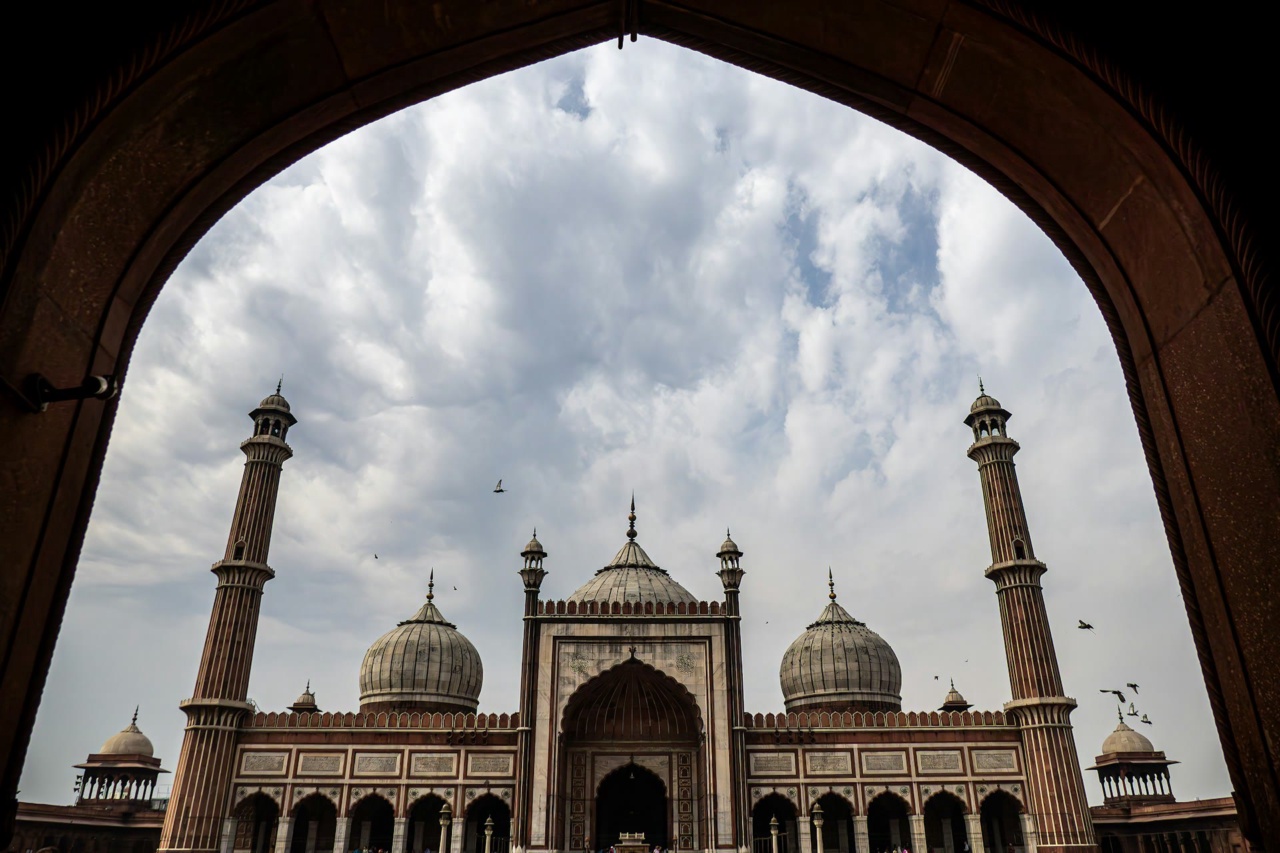
Pair a daytime palace visit with food or a walk in Chandni Chowk, the old bazaar district where Shahjahanabad's markets still thrive.[5] Jama Masjid makes a separate stop, and the fort ticket does not cover its prayer areas or a minaret climb. Allow time for breaks and the weather.
For onward travel, use the India overview to connect this Delhi visit with the rest of your journey.
Sources and background
Numbers in the text such as [1] refer to these sources.
- [1] Sabhyata Foundation: Jai Hind: official show booking and visitor instructions. Retrieved October 22, 2026.
- [2] Archaeological Survey of India: Red Fort: palace architecture and visitor information. Retrieved October 22, 2026.
- [3] Delhi Metro Rail Corporation: Station access list: Lal Quila on the Violet Line. Retrieved October 22, 2026.
- [4] UNESCO World Heritage Centre: Red Fort Complex: heritage description and significance. Retrieved October 22, 2026.
- [5] Delhi Tourism and Transportation Development Corporation: Shahjahanabad: palace and Old Delhi cultural setting. Retrieved October 22, 2026.
Frequently Asked Questions
Choose a daytime visit for palace architecture and gardens. Jai Hind is a separately booked evening production, and it does not replace a daylight visit or form part of the ordinary fort ticket.
Foreign visitors pay 550 INR online or 600 INR in cash. Visitors from Bangladesh, Nepal, Bhutan, Sri Lanka, Pakistan, the Maldives, Afghanistan, Thailand and Myanmar pay 35 INR online or 50 INR in cash. Children under 15 enter free.
The fort is open from sunrise to 21:00. The show ticket lets you in after 17:30 but does not cover daytime admission, and it does not tell you when the show starts.
Take the Violet Line to Lal Qila station, leave by Gate 4 and walk about 1 km to the security gate near Lahori Gate. Allow time for security, and ask about the whole route if you need mobility assistance.
Two to three hours for the palace grounds. Add time for museums, travel, queues and breaks. Jai Hind lasts one hour, and you arrive an hour before it starts.
Compare the public Diwan-i-Am with the ornate private Diwan-i-Khas, follow the approach through Chhatta Chowk and Naubat Khana, and look for the water channel in Rang Mahal, the bathing rooms and the gardens.
No. Jai Hind is sold separately and daytime fort admission is not included. Ask at the counter which galleries your ticket covers.
Chandni Chowk and Jama Masjid are good Old Delhi stops. Allow time for food, weather and walking. A fort ticket does not include a guide, transport or entry to the mosque.