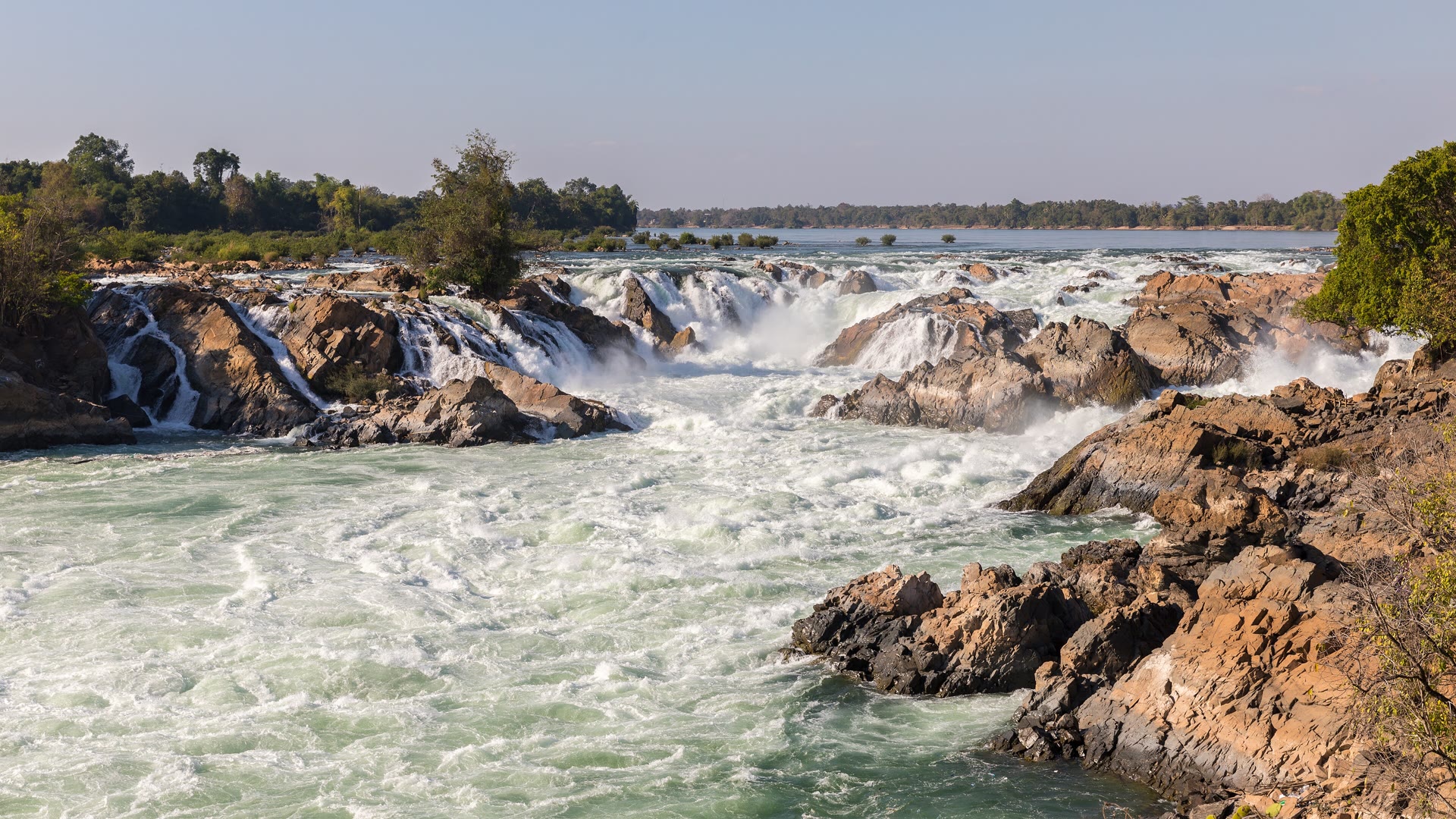
Khone Phapheng Falls: Southeast Asia's Largest Waterfall

Khone Phapheng Falls: Southeast Asia's Largest Waterfall

Last updated: March 18, 2026

The Mekong River flows nearly 4,400 kilometers from the Tibetan Plateau to the South China Sea, and for almost all of that distance it is navigable. Almost all. In southern Laos, just before the Cambodian border, the river drops over a series of rapids and cascades that stretch nearly 10 kilometers and span over 10 kilometers in width across countless channels. This is Khone Phapheng - the widest waterfall system in the world and the single reason the Mekong was never turned into a continuous trade highway between China and the sea.

The falls sit within Si Phan Don, the "Four Thousand Islands" region where the Mekong fractures into a braided maze of channels around thousands of islets and sandbars. Most travelers come to Si Phan Don for the laid-back island life on Don Det or Don Khon, but Khone Phapheng is the area's most powerful natural spectacle. At peak flow, nearly 11,000 cubic meters of water per second crash through the falls - a volume that dwarfs Niagara and makes the ground tremble beneath your feet.

Despite its scale, Khone Phapheng remains relatively unknown outside Laos. There are no crowds, no souvenir megastores, and no viewing platforms packed ten deep. This guide covers how to get there, what to expect, and when to visit for the most impressive experience.

Understanding the Falls

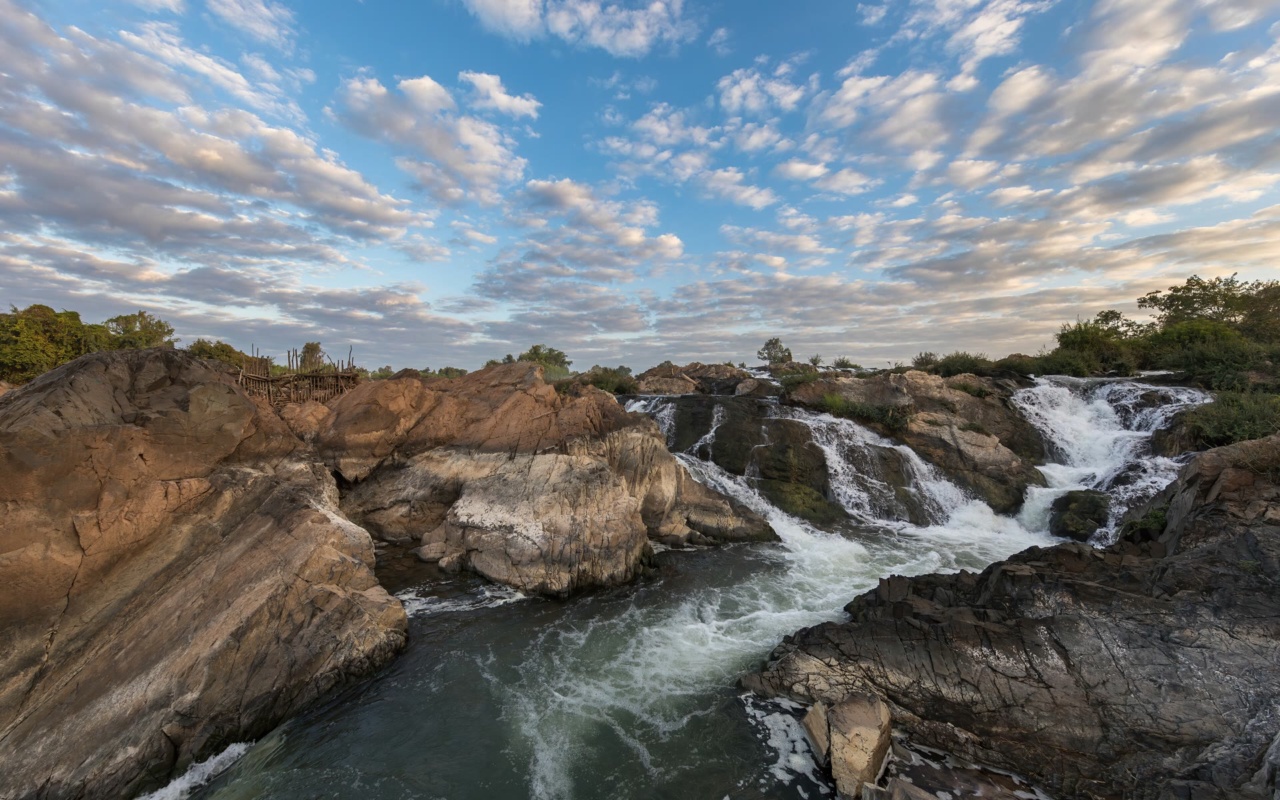
Khone Phapheng is not a single dramatic drop like Victoria Falls or Iguazu. Instead, it is a vast system of cascades, rapids, and waterfalls spread across the full width of the Mekong as it tumbles through a maze of rocky channels. The highest individual drop reaches about 21 meters, but the succession of rapids extends across 9.7 kilometers of the river's length and over 10 kilometers in total width - making it the widest waterfall system on Earth.

The name "Khone Phapheng" specifically refers to the largest and most accessible cascade within this system. Other named falls in the broader complex include Somphamit Falls (also called Li Phi Falls) on Don Khon island, which is smaller but more easily visited from the backpacker islands.

Dry Season vs. Wet Season

The character of the falls changes dramatically between seasons, and this directly affects your visit:

SeasonMonthsWhat You See
Dry SeasonNovember - MarchIndividual cascades clearly visible, exposed rock formations, easier access. The falls look their most photogenic with distinct channels and drops.
TransitionApril - May, OctoberWater levels rising or falling. Good balance of volume and visibility.
Wet SeasonJune - SeptemberMassive water volume, many individual falls submerged by rising river levels. A wall of white mist envelops the area. Raw power at maximum, but less visually defined.

The dry season (November to March) is generally recommended for a first visit. The individual cascades are most clearly visible, the weather is pleasant, and access is easier. However, the wet season has its own appeal - the sheer volume of water creates an almost apocalyptic atmosphere of mist and thunder that dry-season visitors never experience.

Things to Do

Getting to Khone Phapheng Falls

From Don Det or Don Khon

Most travelers visiting Khone Phapheng are based on the backpacker islands of Don Det or Don Khon in Si Phan Don. The route requires:

  1. Take a boat from the northern tip of Don Det across to Nakasong on the mainland (included in most island transport arrangements, or around 20,000 kip)
  2. From Nakasong, hire a tuk-tuk heading south to Khone Phapheng. The ride takes 20 to 30 minutes along a dusty highway.
  3. Tuk-tuk prices vary by negotiation but expect around 60,000 to 80,000 kip for a return trip including waiting time, or less if you share with other travelers.

Some guesthouses on Don Det organize group trips to the falls, which can reduce the per-person transport cost. Ask at your accommodation the evening before.

From Pakse

Pakse, the capital of Champasak Province, is the nearest major town. The drive takes 2.5 to 3 hours heading south on Route 13. Options include:

  • Hired car or taxi - $50 to $80 for a day trip including the falls and other Si Phan Don stops
  • Organized day tour - Available through Pakse travel agencies, typically combining Khone Phapheng with Don Khon and Somphamit Falls. Prices start around $30 to $40 per person
  • Public transport - Songthaews (shared trucks) run from Pakse's southern bus station to Nakasong, taking about 3 hours. From Nakasong, arrange a tuk-tuk to the falls. This is the cheapest option but requires more time and flexibility.

Visiting the Falls

The Visitor Center and Entrance

The falls have a proper visitor center with a ticket booth, basic facilities, and a small exhibition space. The entrance fee is 55,000 kip (approximately $3). You receive an admission sticker to wear during your visit.

The visitor center houses an interesting display about the Manikhoth tree, a massive tree trunk recovered from the Mekong that features in local legend and the Sanskrit epic Ramayana. Worth a quick look before heading to the falls themselves.

Viewing Areas

From the visitor center, a paved path leads to the main viewing areas along the riverbank. The path is well-maintained and takes about 5 to 10 minutes to walk. Several viewpoints are positioned along the bank, each offering a slightly different angle on the cascades.

The closest viewpoint puts you remarkably near the falling water - close enough to feel the spray on your face during higher water levels. The sound is constant and overwhelming, a deep roar that makes conversation difficult. Guardrails exist but the rocks can be slippery, so watch your footing.

During the dry season, you can walk further along the rocky riverbank to get different perspectives. In the wet season, high water levels restrict access to the main viewing platforms.

How Long to Spend

Most visitors spend 30 minutes to an hour at the falls. There is no hiking trail or circuit - you walk to the viewpoints, take in the spectacle, and return. The experience is about the raw power of the water rather than extended exploration. That said, the falls reward patience. Sitting by the river as the light changes, watching the patterns in the cascading water, is a meditative experience that improves the longer you stay.

Combining Khone Phapheng with Si Phan Don

Khone Phapheng works best as part of a broader Si Phan Don itinerary rather than a standalone destination. A typical approach:

  • Day 1 - Arrive in Si Phan Don, settle into Don Det or Don Khon. Explore the island, swim, watch sunset over the Mekong.
  • Day 2 - Morning trip to Khone Phapheng Falls. Afternoon visit to Somphamit (Li Phi) Falls on Don Khon, which is walkable or a short bicycle ride from most guesthouses. Spot Irrawaddy dolphins from the southern tip of Don Khon (best chances December to May).
  • Day 3 - Relax, rent a bicycle, explore the French colonial railway bridge ruins on Don Khon, or kayak between the islands.

For travelers heading south toward Cambodia, Si Phan Don is a natural stopping point. Boats and buses connect Don Det to the Cambodian border, from where you can reach Stung Treng and onward to Phnom Penh or Siem Reap. GoAsia.cc has additional guides covering these border crossing routes and southern Laos destinations.

Tips for Visiting Khone Phapheng Falls

  • Go in the morning - The falls are quietest and most pleasant before 10:00 AM. Tour groups from Pakse tend to arrive around midday. Early light also produces better photographs.
  • Bring sun protection - The viewing areas are mostly exposed with limited shade. A hat, sunscreen, and water are essential, particularly during the hot season from March to May.
  • Expect to get damp - Even in the dry season, spray from the falls can reach the closer viewing areas. Keep cameras and phones in waterproof cases or ziplock bags if you venture close.
  • Carry cash in kip - The entrance fee and any tuk-tuk arrangements require Lao kip. There are no ATMs at the falls. Withdraw cash in Pakse or on Don Det before heading out.
  • Negotiate tuk-tuk prices in advance - Agree on a return fare including waiting time before departing Nakasong. Drivers may try to charge extra for waiting if not agreed upfront. Having your guesthouse help arrange transport often gets better rates.
  • Wear sturdy footwear - The paths are paved but the rocks near the viewpoints are uneven and wet. Flip-flops are risky. Sport sandals or shoes with grip work well.
  • Manage expectations on scale - Khone Phapheng's width is its defining feature, but the individual drops are not towering vertical plunges. The impact comes from the sheer volume of water and the knowledge that you are seeing the Mekong at its most untameable. Visitors expecting a single massive curtain of water may be initially surprised by the more distributed cascade system.
  • Consider the dolphins - If visiting between December and May, combine your falls trip with an Irrawaddy dolphin spotting excursion from the southern tip of Don Khon. Only a handful of these critically endangered freshwater dolphins remain in this stretch of the Mekong.

Frequently Asked Questions

Why is Khone Phapheng Falls considered Southeast Asia's largest waterfall?

Khone Phapheng is part of a cascade system stretching over 10 kilometers in width and 9.7 kilometers in length along the Mekong River, making it the widest waterfall system in the world. Its average discharge of nearly 11,000 cubic meters per second also makes it one of the highest-volume waterfalls globally. The sheer scale prevented the Mekong from ever being navigable through this section.

How much does it cost to visit Khone Phapheng Falls?

The entrance fee is 55,000 kip (about $3). Transport costs vary depending on your starting point. From Don Det, a return tuk-tuk from Nakasong costs 60,000 to 80,000 kip. From Pakse, a day trip by hired car runs $50 to $80, or organized tours cost $30 to $40 per person including other stops.

How do I get to Khone Phapheng Falls from the 4000 Islands?

From Don Det, take a boat to Nakasong on the mainland, then hire a tuk-tuk for the 20 to 30 minute drive south to the falls. Agree on a return fare with waiting time before departing. Many guesthouses on the islands can arrange group transport, which brings down the cost per person.

When is the best time to visit Khone Phapheng Falls?

The dry season from November to March offers the best overall experience with clear visibility of individual cascades, pleasant weather, and easier access. The wet season from June to September brings maximum water volume and dramatic mist, but many individual falls become submerged by rising river levels. Morning visits before 10:00 AM avoid tour groups.

How long should I spend at the falls?

Most visitors spend 30 minutes to an hour. There is no hiking trail or circuit - the experience centers on the viewing areas along the riverbank. The spectacle rewards lingering, but the site itself is compact. Plan additional time for the visitor center exhibition and the drive from your accommodation.

Can I swim at Khone Phapheng Falls?

Swimming at Khone Phapheng itself is extremely dangerous and not permitted. The currents are powerful enough to be fatal. For swimming near waterfalls in Si Phan Don, visit Somphamit (Li Phi) Falls on Don Khon, where designated swimming areas exist in calmer pools away from the main cascades.

How does Khone Phapheng compare to Somphamit (Li Phi) Falls?

Khone Phapheng is far larger and more powerful but requires a tuk-tuk trip from the islands. Somphamit Falls on Don Khon is smaller and more intimate, walkable from island guesthouses, and has swimming areas. Most visitors see both. Khone Phapheng impresses with raw scale; Somphamit offers a more accessible and leisurely waterfall experience.