Taal Volcano: Tagaytay Viewpoints and Safety Advice
Photo: Romin Tabuada / Pexels
Contents
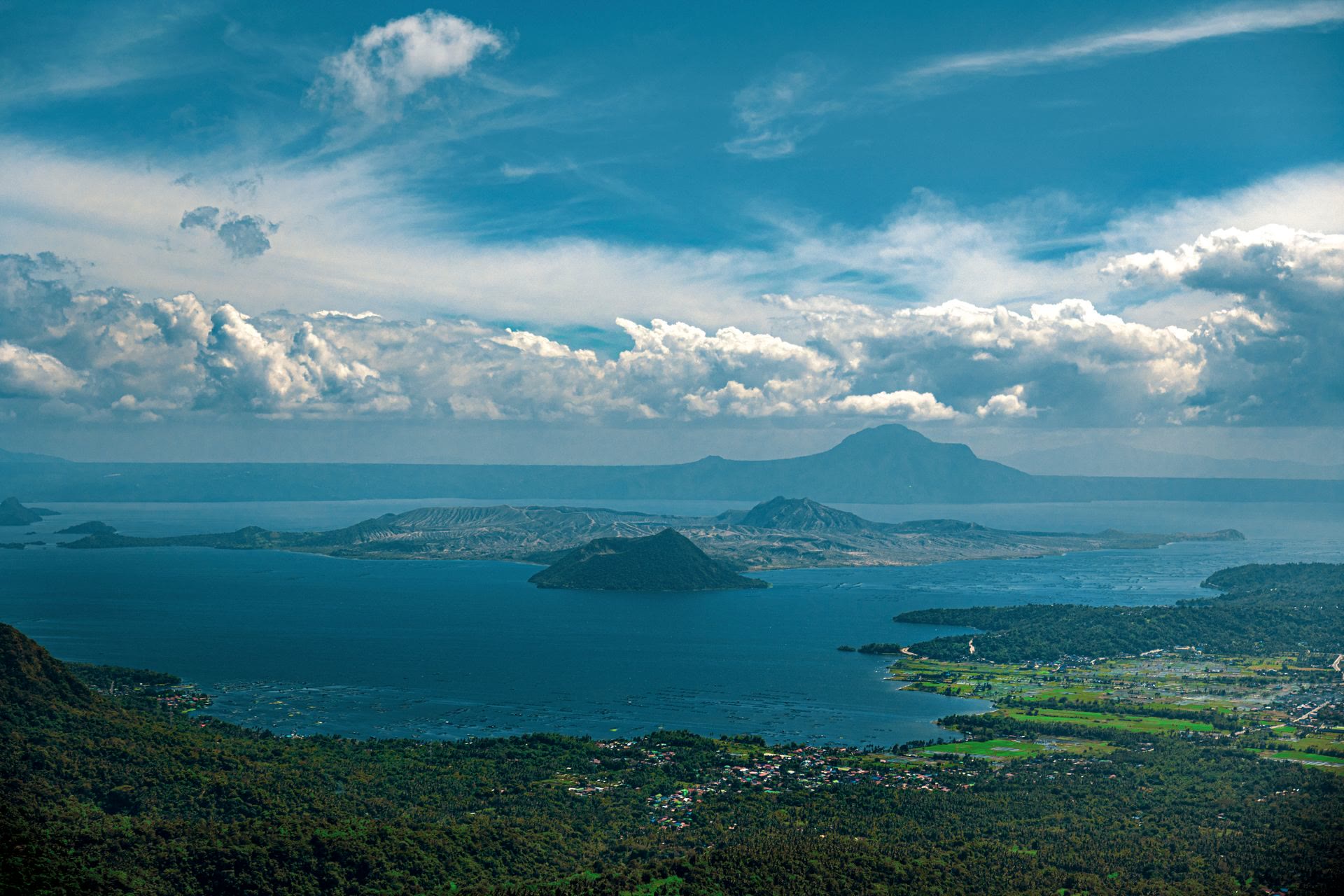
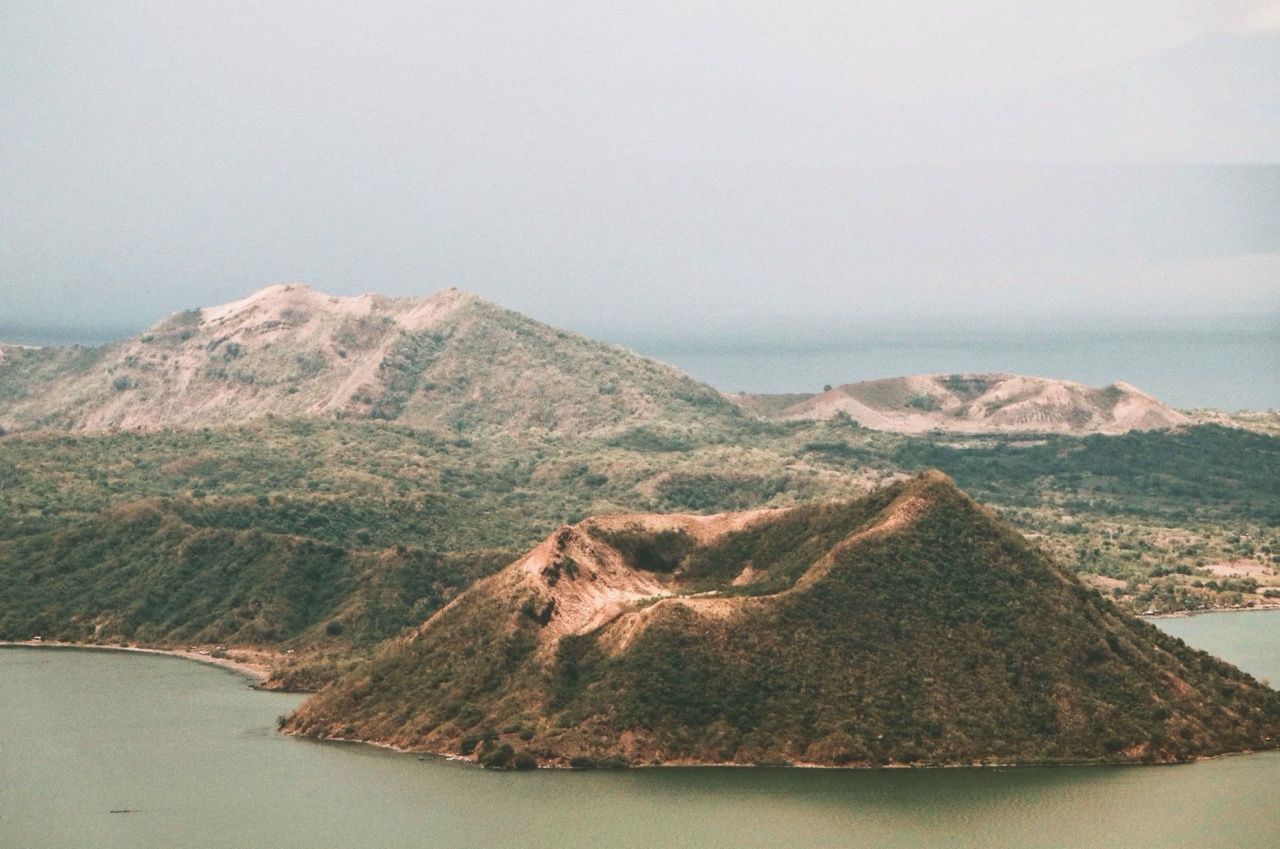
Taal is one of the most active volcanoes in the Philippines. Its 15 by 20 kilometre caldera is largely filled by Lake Taal, and Volcano Island, 5 kilometres wide, sits in the middle of the lake. The island is not a single cone but a cluster of small stratovolcanoes, tuff rings and scoria cones, and all observed eruptions have come from it.[1] Tagaytay offers views of all this from the caldera rim on Luzon, well away from Volcano Island. This guide covers those land-based viewpoints and trip planning, not a crater visit.
Check the safety status before travelling
PHIVOLCS kept Taal at Alert Level 1, low-level unrest, in its bulletin of 21 October 2026. The previous 24 hours brought 1 minor phreatic eruption, 2 volcanic earthquakes including a tremor that had run since 20 October, and a weak 600-metre plume drifting southeast.[2] Entry into Taal Volcano Island, the Permanent Danger Zone, especially the Main Crater and Daang Kastila fissures, and occupancy and boating on Taal Lake should not be allowed. Flying any aircraft close to the volcano is also advised against.[2]
Alert Level 1 is not a visitor clearance. While this recommendation applies, plan no crater hike, horse ride, boat crossing or other visit to Volcano Island, whatever an old tour page or price list says. Read the latest PHIVOLCS bulletins and advisories and local notices on the day you travel.[3]
The bulletin lists steam-driven or gas-driven explosions, volcanic earthquakes, minor ashfall and potentially lethal accumulations of volcanic gas as possible hazards.[2] A viewpoint on Luzon is not automatically risk-free, and an open restaurant or park is not a volcanic safety clearance. Follow current local warnings, and change or postpone the trip if they affect your area.
Things to Do
Offers are only loaded from GetYourGuide after you click. GetYourGuide can then process your IP address and set cookies. Privacy Policy
GetYourGuide partner offers. GoAsia may earn a commission if you book through these offers. Check whether tickets or transfers are included, and follow the attraction's official booking and admission rules.
See Taal from Luzon
Tagaytay sits on the caldera rim above the lake. From the ridge, clear weather reveals Taal Lake, Volcano Island and the Batangas landscape around it. Viewpoints, restaurants and parks are on the mainland, but each venue sets its own opening rules and can close in bad weather, so check before you set out.
People's Park in the Sky
This high ridge viewpoint is one of the classic places to look across the caldera. Entry costs 50 PHP per person, with a 20 percent discount for seniors and visitors with disabilities. Parking costs 20 PHP for a motorcycle, 50 PHP for a car, 75 PHP for a van, coaster or jeep and 150 PHP for a bus.[4]
Tagaytay Picnic Grove
The park has elevated viewing areas and space to pause with a view toward the lake. Ask at the gate which charges apply for entry, huts and tables.
Sky Ranch and other ridge viewpoints
Amusement and restaurant areas along the ridge give you elevated views when they are open. Cloud, rain and haze often hide the volcano. Allow flexibility, and do not take a cloudy view as a reason to approach the restricted island.
Fees are from Tagaytay's 2025 Citizen's Charter, so compare them with the posted prices when you arrive.[4]
Getting to Tagaytay from Manila
Compare the Manila departure point, the Tagaytay arrival stop and the onward journey to your chosen venue. For a bus, confirm the operator, the date and the return departure rather than relying on an old terminal listing. For a private transfer, agree the pickup, the waiting time and the return destination. Allow a traffic buffer, and do not treat a map estimate as a guaranteed journey time.
For a simple day plan, go directly to your chosen Tagaytay viewpoint, allow time for weather and traffic, and return from the ridge. Keep this itinerary separate from lake crossings and island tours while the PHIVOLCS recommendation stands.
Plan a responsible visit
Plan around the current official advice rather than an old package itinerary, because a mainland location alone is no safety guarantee.
- Read the current PHIVOLCS Taal bulletin before you leave Manila, and again if weather or local conditions change.
- Stay outside the Permanent Danger Zone. Do not enter Volcano Island or go onto Taal Lake in a boat while the official recommendation advises against it.
- Ignore offers that promise a crater hike, a horseback ride, a boat crossing or a fixed activity fee.
- Bring water, sun protection and rain protection for the exposed ridge, and wear shoes suited to ordinary walking.
- Keep a flexible alternative, such as a Tagaytay meal, a museum or another mainland stop, in case cloud hides the view.
If the status changes
A lower alert level does not automatically reopen every route or activity. Wait for a current PHIVOLCS statement and local instructions, then confirm any operator service separately before you book.
Sources and background
Numbers in the text such as [1] refer to these sources.
- [1] Smithsonian Institution, Global Volcanism Program: Taal volcanic system: geological summary and landforms. Retrieved October 21, 2026.
- [2] DOST-PHIVOLCS: Taal Volcano 24-hour observation bulletin, 21 October 2026: Alert Level 1, exclusion recommendations and hazards. Retrieved October 21, 2026.
- [3] DOST-PHIVOLCS: Latest volcano bulletins and advisories. Retrieved October 21, 2026.
- [4] City Government of Tagaytay: 2025 Tagaytay Citizen's Charter: People's Park in the Sky entrance and parking fees. Retrieved October 21, 2026.
Frequently Asked Questions
No. In its 21 October 2026 bulletin PHIVOLCS kept Alert Level 1 and said entry into the Volcano Island Permanent Danger Zone should not be allowed. Check the latest bulletin before any trip.
No. PHIVOLCS says entry into Volcano Island, especially the Main Crater and Daang Kastila fissures, and occupancy and boating on Taal Lake should not be allowed. Skip any crater hike, horse ride or boat crossing.
Yes. Tagaytay sits on the caldera rim and looks across Taal Lake to Volcano Island when the weather is clear. People's Park in the Sky, Tagaytay Picnic Grove and Sky Ranch are the usual viewpoints.
Take a bus or a private car to Tagaytay and plan for traffic. Confirm the return departure and the pickup point in advance. A viewpoint itinerary needs no lake crossing and no access to Volcano Island.
No. Do not rely on old prices or packages. The current safety recommendation comes first, and any service that is allowed again must be confirmed with the operator and the authorities.