Hundred Islands National Park: Plan Your Visit
Photo: jules a. / Unsplash
Contents
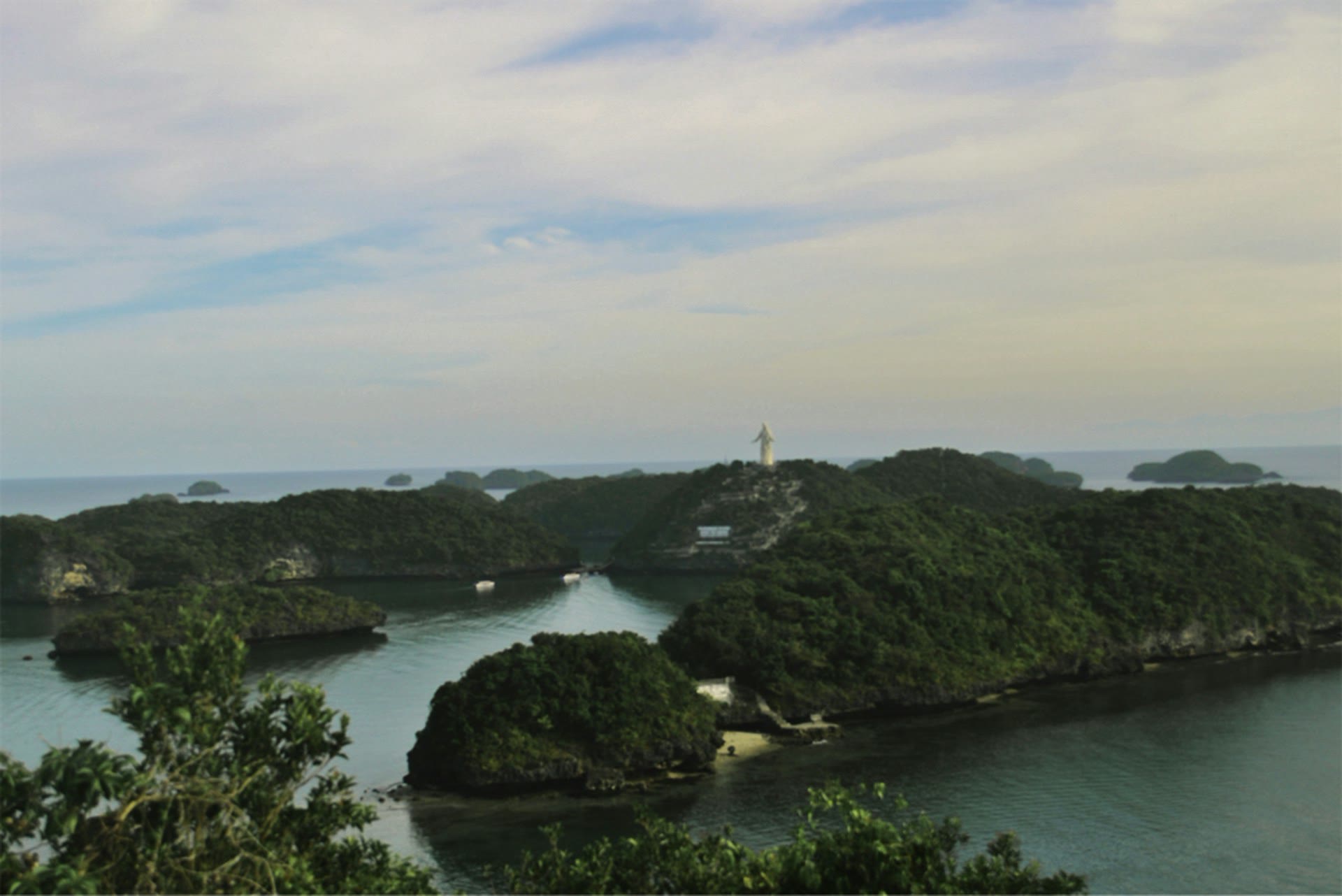
Hundred Islands National Park is in Alaminos City, Pangasinan, in Lingayen Gulf. It counts 124 islands at low tide and 123 at high tide, scattered over 16.76 square kilometres. Four are developed for tourism: Marcos, Governor, Quezon and Children’s Island.[1] Pick a few stops, then ask the boat operator to name them in your route.
Choose your island stops
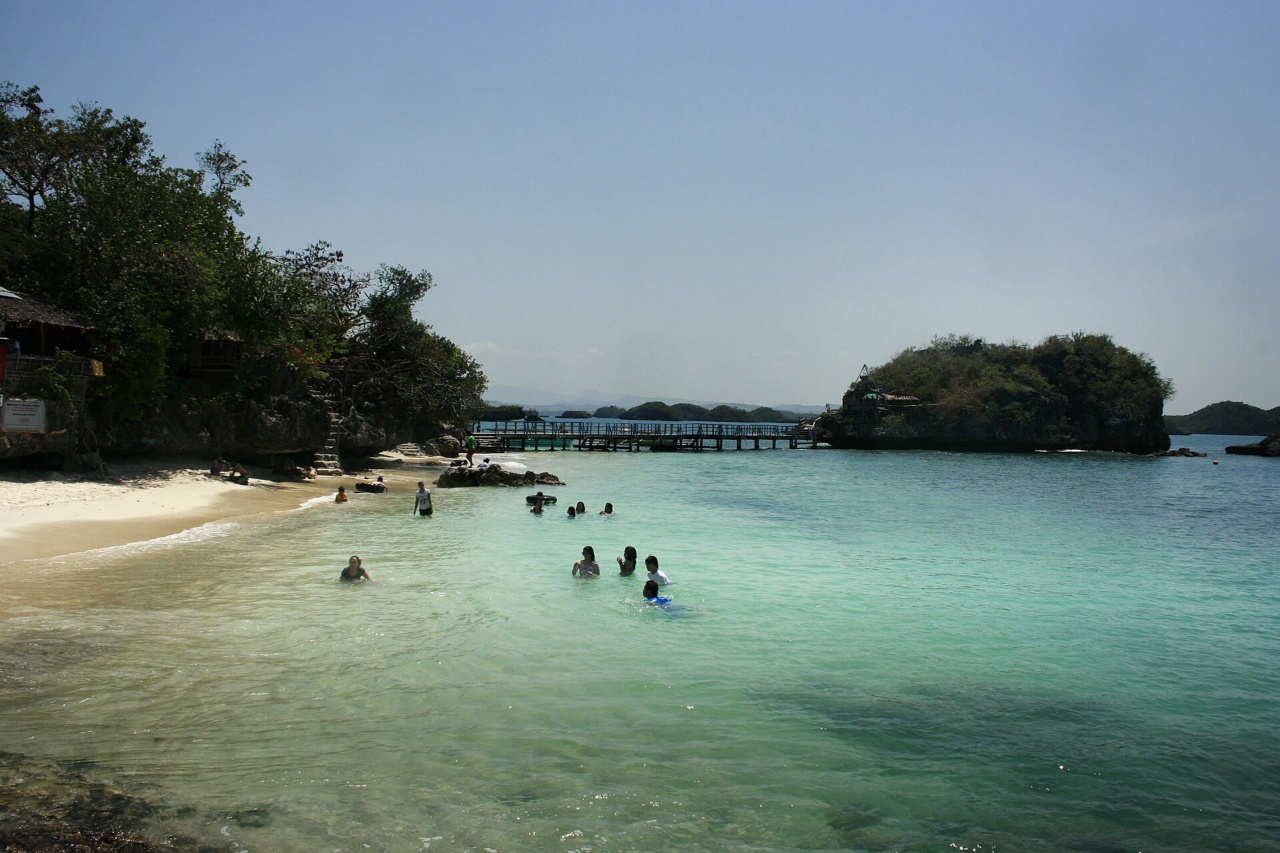
Quezon is the most developed island, with a guest house, gazebos, an open pavilion for lunch and picnic tables. Kayaking and ziplining start here.[2] Governor’s Island rewards you with a climb of about 180 steps to the park’s highest view deck and a 360-degree panorama, and the 546-metre zipline to Virgin Island starts from the top.[2][3] Children’s Island has shallow, calm water that suits families and children learning to swim, plus picnic sheds and tables, and it is a good starting point for kayaking tours.[2] Snorkelling has its designated area at Old Scout Island.[3]
Things to Do
Offers are only loaded from GetYourGuide after you click. GetYourGuide can then process your IP address and set cookies. Privacy Policy
GetYourGuide partner offers. GoAsia may earn a commission if you book through these offers. Check whether tickets or transfers are included, and follow the attraction's official booking and admission rules.
Visitor fees and boat rental
The official guide rates effective 1 September 2026 list these per-person registration fees.[4]
| Visit type | Environmental fee | Entrance fee | Coverage fee | Per-person total |
|---|---|---|---|---|
| Day tour | PHP 80 | PHP 30 | PHP 20 | PHP 130[4] |
| Overnight | PHP 160 | PHP 30 | PHP 20 | PHP 210[4] |
Children aged 5 and under are free. Senior citizens, persons with disabilities and Pangasinan residents get 20 percent off the environmental and entrance fees, and Alaminos City residents pay no environmental fee.[4]
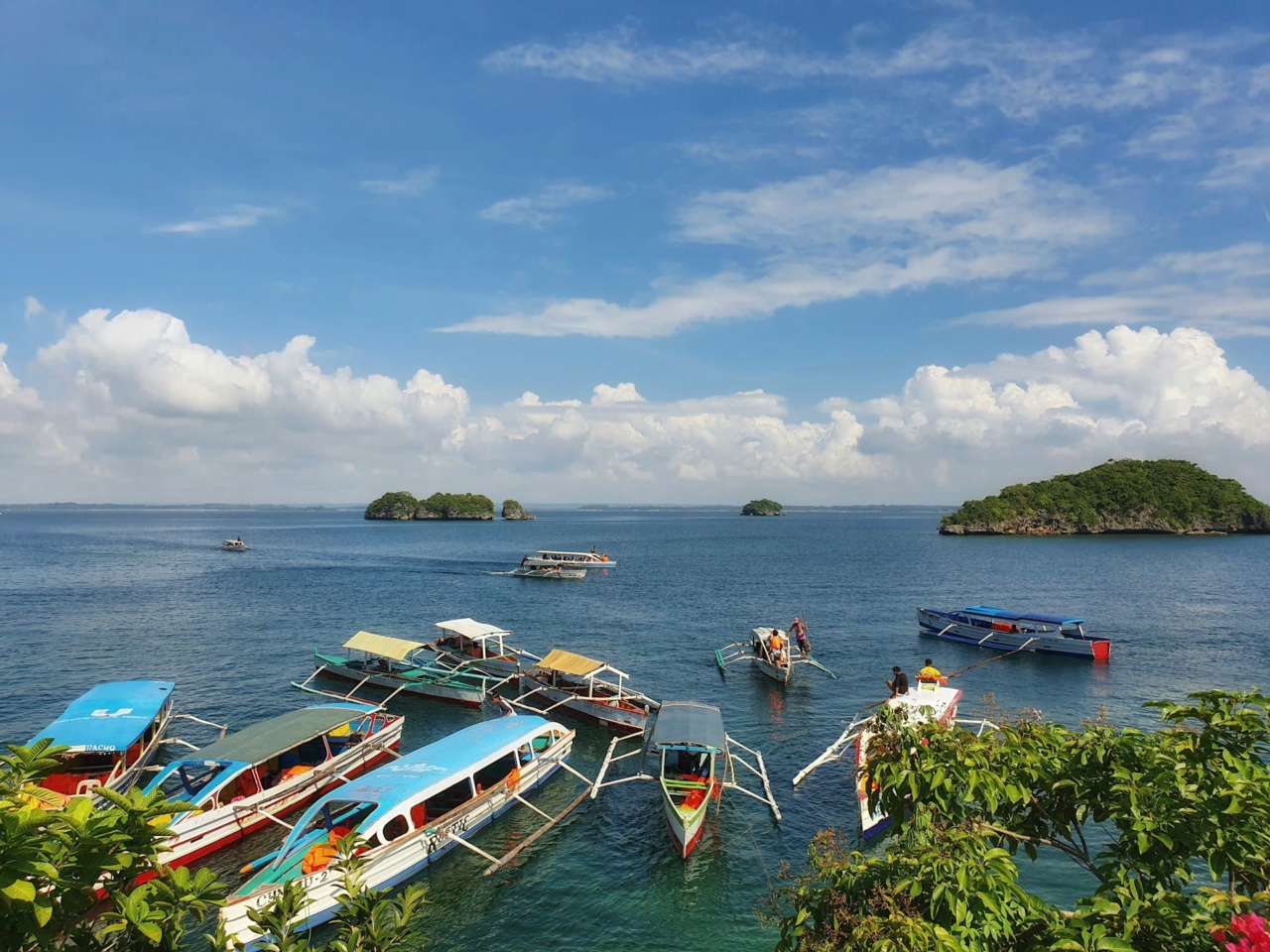
The motorboat is a separate charge per boat, not per person. A day tour by service boat costs PHP 1,920 for a small boat (1 to 5 passengers), PHP 2,400 for a medium boat (6 to 10), PHP 2,880 for a large boat (11 to 15) and PHP 5,000 for a de luxe boat. A two-day tour with an overnight service boat costs PHP 3,600, PHP 4,560, PHP 5,400 and PHP 7,000 for the same sizes.[4] A simple drop-off and pick-up on three islands costs less, but it is offered only during Holy Week, on long weekends and on holidays, when many guests use motorboat services.[4]
Gear and island facilities carry their own charges. A life vest costs PHP 50 for a day tour and PHP 75 overnight, and a snorkelling set with vest costs PHP 150 and PHP 175. A gazebo costs PHP 800 for the day and PHP 1,000 overnight. Pitching a tent costs PHP 200 (small), PHP 250 (medium) or PHP 300 (large), and renting one costs PHP 500, PHP 750 or PHP 1,000 per set.[4] The rates carry the note that they are subject to change, so check at the counter.
Activities and overnight plans
The park lists kayaking, ziplining, banana boat, jet ski, scuba diving, helmet diving, snorkelling and the Hurricane Ride, along with boodle fights and food bilao for the picnic.[3] Priced per ride, a banana boat costs PHP 300 per person, helmet diving PHP 500 for 15 minutes, a kayak for two people PHP 350 for an hour, and a jet ski PHP 1,800 for 15 minutes. Ziplines cost PHP 100 per jump from Quezon Island (120 metres), PHP 350 at Lopez Island (345 metres) and PHP 500 from Governor’s Island (546 metres).[4]
Overnight stays are possible: the rate card lists tent spaces and tent rental, a gazebo overnight, and a guest house and pavilions on Quezon Island (the guest house costs PHP 10,000 overnight).[4] Ask the park office what water, power and toilets are available on your island before you book.
Make the most of the day
- Choose a short list of stops before you reach the counter.
- Split the boat charge by the number of people in your group, and match the boat size to it.
- Ask how long your tour lasts and whether drop-off and pick-up are included.
- Bring cash for small charges such as gear, tables and activities, and keep your receipts.
- Follow the boat operator’s instructions at each landing.
For broader connections around the country, see GoAsia’s Philippines travel guides.
Sources and background
Numbers in the text such as [1] refer to these sources.
- [1] Hundred Islands National Park Management System: About the park: islands, area and developed islands. Retrieved October 21, 2026.
- [2] City Government of Alaminos: Hundred Islands National Park: island descriptions. Retrieved October 21, 2026.
- [3] Hundred Islands National Park Management System: Explore activities. Retrieved October 21, 2026.
- [4] Hundred Islands National Park Management System: Official guide rates effective 1 September 2026. Retrieved October 21, 2026.
Frequently Asked Questions
The park counts 124 islands at low tide and 123 at high tide. Four are developed for tourism: Marcos, Governor, Quezon and Children’s Island.
Quezon has gazebos, a pavilion and picnic tables, Governor’s has the highest view deck and a zipline, and Children’s has shallow, calm water for families. Snorkelling has its designated area at Old Scout Island.
The rates effective 1 September 2026 are PHP 130 per person for a day tour (PHP 80 environmental, PHP 30 entrance, PHP 20 coverage fee) and PHP 210 for an overnight stay. Children aged 5 and under are free, and senior citizens, persons with disabilities and Pangasinan residents get 20 percent off the environmental and entrance fees.
A day tour by service boat costs PHP 1,920 for a small boat (1 to 5 passengers), PHP 2,400 for medium (6 to 10), PHP 2,880 for large (11 to 15) and PHP 5,000 for de luxe. A two-day overnight tour costs PHP 3,600, PHP 4,560, PHP 5,400 and PHP 7,000. The charge is per boat, not per person.
The rate card lists tent space (PHP 200 to PHP 300) and tent rental (PHP 500 to PHP 1,000 per set), and the overnight registration fee is PHP 210 per person. Ask the park office which facilities your island offers.
Take a bus to Alaminos, then continue to the boat departure point and register for your tour there. Ask your bus operator for the last-mile drop-off and plan your return ride before you set out.
The park offers kayaking, ziplining, banana boat, jet ski, scuba diving, helmet diving, snorkelling and the Hurricane Ride. A banana boat costs PHP 300 per person, helmet diving PHP 500 for 15 minutes and the Governor’s Island zipline PHP 500 per jump.