Kalanggaman Island Leyte: The Philippines' Most Spectacular Sandbar
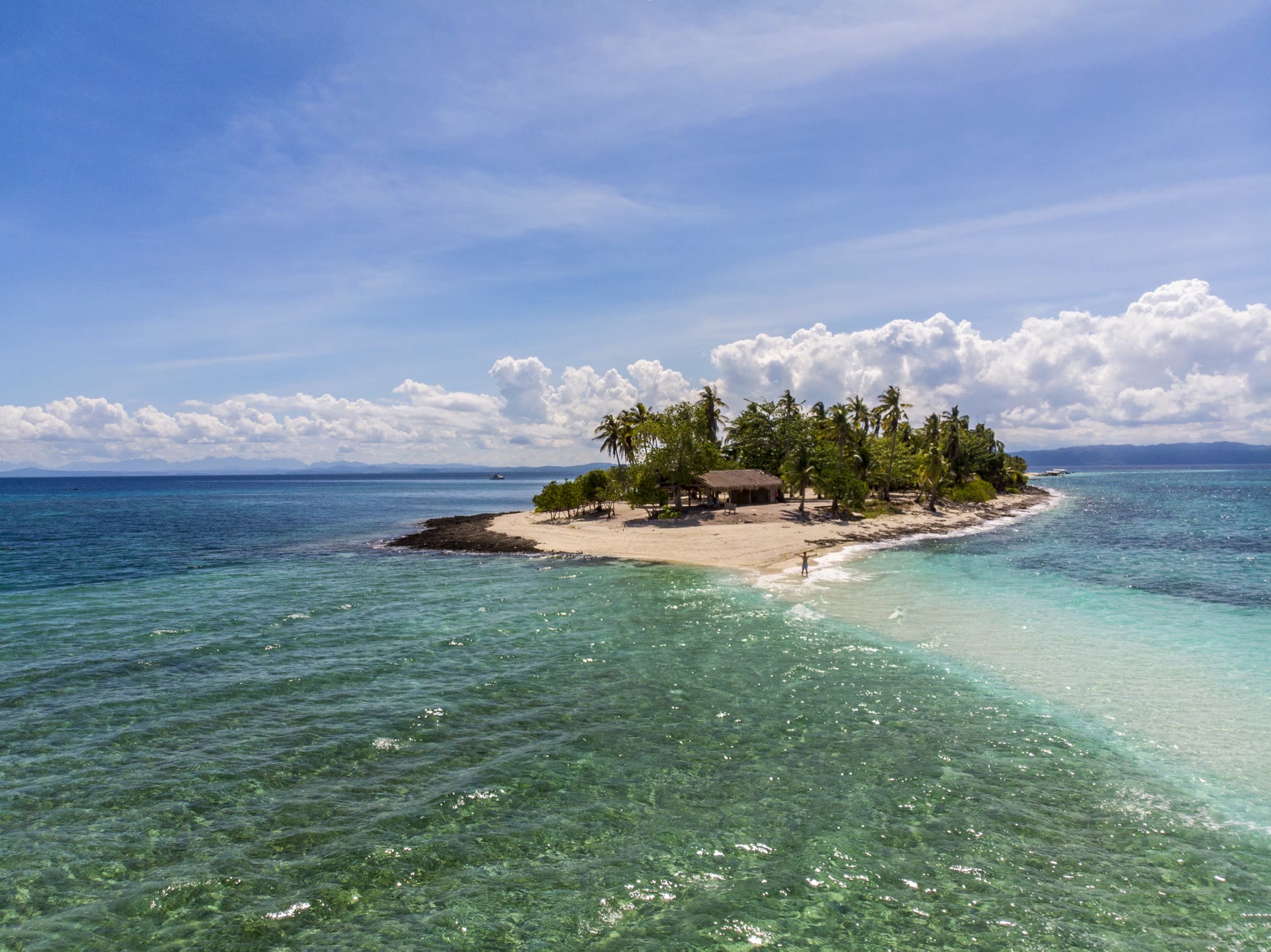
Most Philippine islands have beaches. Kalanggaman Island has sandbars - two of them - stretching like white ribbons from opposite ends of a tiny, uninhabited island into the turquoise Camotes Sea. The longer sandbar extends several hundred meters at low tide, tapering to a point so narrow you can stand with water on both sides. It is one of the most photographed natural formations in the Visayas, and seeing it in person makes clear why: the contrast between the blinding white sand, the shallow turquoise shallows, and the deep blue beyond is almost surreal.
Kalanggaman sits about 12 kilometers off the coast of Palompon, a quiet municipality in western Leyte. The island is completely uninhabited - no hotels, no restaurants, no permanent structures beyond a few picnic shelters and basic facilities maintained by the local government. Visiting requires a boat ride from Palompon port, and the entire experience feels like arriving at a private island that happens to be open to the public.
The remoteness is part of the appeal, but it also means planning ahead matters. This guide covers how to get to Kalanggaman, what the experience is actually like, costs, and everything you need to know before making the trip.
What Kalanggaman Looks Like
The island is roughly 750 meters long and very narrow, covered with coconut palms and low tropical vegetation. The two sandbars extend from the northern and southern tips. The northern sandbar is the famous one - it curves gracefully and stretches far enough that at low tide you can walk for several minutes along it with water barely reaching your ankles on either side. The southern sandbar is shorter and wider but equally photogenic.
The beaches along the main body of the island are white sand with a gentle slope into clear water. The eastern side tends to have calmer water, while the western side catches more wind and current. Coral formations sit just offshore, particularly on the eastern side, providing decent snorkeling territory with tropical fish, small reef formations, and occasional sea turtles in the deeper water beyond the reef edge.
There is essentially no development. A handful of open-air picnic shelters with thatched roofs dot the tree line, and basic comfort rooms (restrooms) are maintained by caretakers who live on the island. That is the extent of human infrastructure.
Things to Do
Getting to Kalanggaman Island
All visits to Kalanggaman originate from Palompon, Leyte. There is no other official departure point. Getting to Palompon is the first challenge, and there are several routes depending on where you are coming from.
From Cebu City
This is the most popular route for international travelers. Fast ferries operated by Ocean Jet run from Cebu City to Palompon, with a travel time of about 2.5 hours. Tickets cost around PHP 1,200. Slower roll-on/roll-off ferries also make the crossing in about 5 hours for around PHP 320. The fast ferry is worth the premium for the time saved.
From Tacloban
If you fly into Leyte via Tacloban (the main airport), take a van from Tacloban to Palompon. The ride takes 4 to 5 hours through the mountains and along the western coast. Van fare is around PHP 250 to 350.
From Ormoc City
Ormoc is the nearest city with regular ferry connections to Cebu. From Ormoc, vans and buses run to Palompon in about 1.5 hours. Fare is PHP 100 to 150. This is a good route if you are combining Kalanggaman with other Leyte destinations.
From Palompon to the Island
Boats depart from Palompon Port to Kalanggaman at scheduled times: 6:00 AM, 8:00 AM, 2:00 PM, and 4:00 PM. The crossing takes approximately 45 minutes by motorized bangka. Return boats follow a similar schedule, with the last boat typically departing the island around 4:00 PM for day visitors.
Registration and Fees
Kalanggaman operates under strict visitor management by the Palompon Eco-Tourism Office. All visitors must register in advance, either online or at the tourism office in Palompon town before heading to the port. This system limits daily visitor numbers to protect the island's ecosystem.
Fee Breakdown
| Fee Type | Filipino Residents | International Visitors |
|---|---|---|
| Day tour entrance | PHP 150 | PHP 500 |
| Overnight entrance | PHP 225 | PHP 750 |
| Environmental fee | Included | Included |
Boat Rental Rates
| Boat Capacity | Rate (Round Trip) |
|---|---|
| Up to 15 passengers | PHP 3,000 |
| Up to 25 passengers | PHP 3,500 |
| Up to 30 passengers | PHP 4,000 |
| Up to 40 passengers | PHP 5,000 |
Boat rates are per vessel, not per person. For solo travelers or couples, the cost is steep unless you join a group. The tourism office can sometimes help match small groups together, or you can ask at guesthouses in Palompon if other travelers are looking to share a boat.
Activities on the Island
- Sandbar walking: The main attraction. Time your visit with low tide for the longest sandbar extension. The northern sandbar at low tide is the iconic photo spot. Check tide tables before your trip - the difference between high and low tide can be dramatic.
- Snorkeling: Bring your own gear or rent on the island for PHP 100 to 150. The best spots are along the eastern shoreline where coral formations begin just a few meters from shore. Fish diversity is moderate but the water clarity is excellent.
- Kayaking: Kayak rentals are available for PHP 150 per hour. Paddling around the island takes about an hour and gives perspectives of the sandbars that you cannot get from shore.
- Banana boat rides: PHP 500 for a group of up to 5 people. A short, fun ride along the coastline.
- Swimming: The calm, shallow water on the eastern side is excellent for swimming. The water stays shallow for a good distance, making it safe for less confident swimmers.
- Camping overnight: The real magic of Kalanggaman happens after the day-trippers leave. Watching the sunset from the sandbar with the island nearly empty, then stargazing with no light pollution, is worth the logistical effort of an overnight stay.
Camping Overnight
Since there are no hotels or resorts, overnight visitors must camp. You have two options:
- Bring your own tent: Set up anywhere in the designated camping area along the tree line. Pay the overnight entrance fee.
- Rent a tent on-site: Two-person tents are available for about PHP 250 per night, and four-person tents for PHP 300 to 400. Availability is limited, so arriving early or booking through the tourism office is wise.
There is no electricity on the island. Charge all devices before departing Palompon. Bring a flashlight or headlamp for nighttime. Fresh water is limited - the caretakers have a supply for basic needs, but bring your own drinking water.
Overnight stays give you the sunset, the night sky, and the sunrise - three experiences that day visitors miss entirely. The pre-dawn light on the sandbar, before the first boats arrive from Palompon, is arguably more beautiful than the midday postcard shots.
What to Bring
Since Kalanggaman has no shops, restaurants, or stores, you must bring everything you need:
- Food and water: Pack all meals and at least 3 liters of water per person per day. Buy supplies at the Palompon public market the evening before - cooked rice, grilled chicken or pork, fruit, and snacks.
- Sun protection: Reef-safe sunscreen, a hat, sunglasses, and a rash guard. There is limited shade on the sandbars and the sun is intense.
- Snorkel gear: Rental is available but bringing your own ensures a better fit and saves hassle.
- Trash bags: The island enforces a strict carry-in, carry-out waste policy. Bring bags for all your garbage and take it back to the mainland.
- Cash: All payments on and around the island are cash only.
- Waterproof bag: For the boat crossing and keeping electronics safe on the beach.
Best Time to Visit Kalanggaman
The dry season from December through May offers the best conditions. Seas are calmest, skies clearest, and the sandbars are most photogenic under bright sun. March through May tends to be hottest but also driest.
The wet season from June through November brings rougher seas that can cancel boat crossings entirely. The Camotes Sea can get choppy during the southwest monsoon (habagat) from June to September. Boat cancellations during this period are common and sometimes last several days.
For the best sandbar photos, check tide schedules and aim for a low-tide visit during the late morning. The combination of overhead sun and exposed sandbar creates the classic Kalanggaman image. GoAsia.cc has more detailed seasonal guides for planning trips across the Philippines.
Tips for Visiting Kalanggaman Island
- Register early. The island has daily visitor caps. During peak season and holidays, spots fill up days in advance. Register online through the Palompon Eco-Tourism Office as soon as your dates are confirmed.
- Take the 6:00 AM boat. The earliest departure gets you to the island before the crowds. You will have the sandbars nearly to yourself for the first hour or two before the 8:00 AM boat arrives.
- Stay overnight if possible. The logistical hassle of camping is repaid many times over by the sunset, stargazing, and sunrise experiences. Most visitors only do day trips, so overnighters get the island to themselves from late afternoon until mid-morning.
- Share boat costs. Solo travelers and couples should ask at guesthouses or the tourism office about joining existing groups. The boat fee is the biggest single expense, and splitting it makes the trip much more affordable.
- Respect the waste policy. Everything you bring to the island must leave with you. This includes food packaging, bottles, and any other trash. The island stays pristine because this rule is enforced and respected.
- Do not step on coral. When snorkeling or wading in shallow areas with coral, float over it rather than standing on it. Coral takes years to grow and seconds to destroy.
- Bring motion sickness medication. The 45-minute boat crossing on a small bangka can be rough, especially in the afternoon when seas pick up. Take medication before boarding if you are prone to seasickness.
Frequently Asked Questions
Kalanggaman consistently ranks among the most beautiful islands in the Philippines specifically because of its twin sandbars and pristine, undeveloped state. The journey requires effort - particularly the multi-hour land transfer to Palompon - but travelers who make the trip almost universally consider it a highlight. The island rewards those who plan ahead and especially those who stay overnight.
International visitors pay PHP 500 entrance for a day tour or PHP 750 for overnight. Boat rental ranges from PHP 3,000 to 5,000 per vessel depending on size, split among passengers. Budget roughly PHP 1,000 to 1,500 per person for a day trip (entrance, shared boat, food) or PHP 1,500 to 2,500 for an overnight stay including tent rental. Transport to Palompon is additional.
Take an Ocean Jet fast ferry from Cebu City to Palompon (2.5 hours, around PHP 1,200). From Palompon port, scheduled boats depart to the island at 6 AM, 8 AM, 2 PM, and 4 PM. The island crossing takes about 45 minutes. Many travelers arrive in Palompon the evening before and take the 6 AM boat for maximum island time.
Yes, overnight camping is the only accommodation option since the island has no hotels or resorts. Bring your own tent or rent one on-site (PHP 250-400 per night). There is no electricity, so charge devices beforehand and bring flashlights. The overnight experience is highly recommended for the sunset, night sky, and uncrowded sunrise on the sandbar.
Pre-registration through the Palompon Eco-Tourism Office is required for all visitors. During peak season (March-May) and holidays, the daily visitor cap means spots can fill up days ahead. Register online as soon as your travel dates are set. During off-peak weekdays, same-day registration at the tourism office in Palompon is usually possible.
Bring all food, water (3+ liters per person), sun protection, trash bags (carry-in carry-out policy), cash, and a waterproof bag. There are no shops or restaurants on the island. Snorkel gear, reef-safe sunscreen, and water shoes are recommended. For overnight stays, add a flashlight, warm layer for evening, and extra water.
The sandbar is most spectacular at low tide under bright midday sun, when it extends furthest and the turquoise water contrast is strongest. Check tide tables for your visit date and plan to be on the island during low tide. The dry season months of December through May offer the most reliable weather and calmest seas for the boat crossing.