

Cebu
The Queen City of the South blends Spanish colonial history, world-class diving, and a street-food scene that rivals Manila's.
Last updated: March 12, 2026
When to go
Climate and best time for CebuBest months: January to May
- January: Great. 31 °C by day, 23 °C at night, 114 mm of rain
- February: Great. 32 °C by day, 23 °C at night, 93 mm of rain
- March: Great. 33 °C by day, 23 °C at night, 75 mm of rain
- April: Great. 34 °C by day, 24 °C at night, 45 mm of rain
- May: Great. 34 °C by day, 25 °C at night, 106 mm of rain
- June: Good (a lot of rain). 33 °C by day, 25 °C at night, 175 mm of rain
- July: Good (a lot of rain). 32 °C by day, 24 °C at night, 208 mm of rain
- August: Good (a lot of rain). 33 °C by day, 24 °C at night, 172 mm of rain
- September: Good (a lot of rain). 33 °C by day, 24 °C at night, 194 mm of rain
- October: Good (a lot of rain). 32 °C by day, 24 °C at night, 198 mm of rain
- November: Mixed (a lot of rain and typhoon risk). 32 °C by day, 24 °C at night, 177 mm of rain
- December: Mixed (a lot of rain and typhoon risk). 32 °C by day, 24 °C at night, 148 mm of rain
- Great
- Good
- Mixed
- Poor
Contents
- 1. Orientation and Neighborhoods
- 1.1 Downtown Cebu (Colon and Carbon)
- 1.2 Uptown Cebu (IT Park and Cebu Business Park)
- 1.3 Lahug and Banilad
- 1.4 Mactan Island
- 1.5 South Road Properties (SRP)
- 2. Best Time to Visit
- 3. Getting There and Getting Around
- 4. Top Sights and Experiences
- 4.1 Must-See Attractions
- 4.2 Lesser-Known Gems
- 4.3 Overrated Attractions
- 5. Food and Drink
- 5.1 Signature Dishes
- 5.2 Where to Eat
- 6. Where to Stay
- 6.1 Budget (Under $20 per night)
- 6.2 Mid-Range ($20 to $60 per night)
- 6.3 Upscale ($60 to $200+ per night)
- 7. Practical Tips
- 8. Day Trips
- 8.1 Moalboal (3 hours southwest)
- 8.2 Kawasan Falls
- 8.3 Bantayan Island (4-5 hours northwest)
- 8.4 Bohol (2 hours by fast ferry)
- 8.5 Camotes Islands (3-4 hours)
- 9. Sample 3-Day Itinerary
- 9.1 Day 1 - Cebu City Heritage and Food
- 9.2 Day 2 - Moalboal and Kawasan Falls
- 9.3 Day 3 - Mactan Island and Departure
- 10. Budget Overview
- 11. Frequently Asked Questions
The smell of lechon fat crackling over charcoal hits you before you even see the stall. In Cebu, roast pig is not just food but civic identity, and the way locals debate whose lechon reigns supreme tells you everything about this city's fierce regional pride. Cebu is the Philippines' oldest city, the place where Christianity first took root in Southeast Asia, and yet it feels nothing like a museum piece. Glass towers crowd around 16th-century basilicas, jeepneys painted in electric colors squeeze past modern transit lanes, and a five-minute boat ride from the port drops you onto islands with visibility that makes scuba instructors weep with joy.
This is a city for travelers who want depth without sacrificing convenience. Cebu City and its adjacent areas, including Mandaue, Lapu-Lapu, and the Mactan resort strip, form a metro of roughly three million people with direct international flights, reliable hospitals, fast internet, and enough restaurants to eat somewhere new every meal for months. But the real magic is proximity: sardine runs in Moalboal, whale sharks in Oslob, the postcard canyons of Kawasan Falls, and the sugar-white sandbars of Bantayan Island are all reachable in a few hours.
Cebu suits almost everyone. Budget backpackers find cheap guesthouses and dollar meals downtown. Couples book beachfront resorts on Mactan. Families appreciate the gentle pace and kid-friendly snorkeling. Solo travelers plug into a friendly hostel scene and easy group tours. Digital nomads increasingly base themselves in the IT Park area, drawn by coworking spaces and a cost of living that stretches remote salaries far.
Orientation and Neighborhoods
Cebu's urban sprawl can feel confusing at first, but the areas that matter to visitors are fairly compact. Think of the metro as three zones: Cebu City proper (the historical and commercial core), Mandaue (the industrial buffer), and Mactan Island (airport, resorts, and beaches), all connected by bridges and a steady stream of traffic.
Downtown Cebu (Colon and Carbon)
The oldest streets in the Philippines live here. Colon Street, the country's first road, is a narrow, chaotic strip lined with budget shops and fast-food joints. Carbon Market sprawls nearby with fresh produce, dried fish, and cookware. This zone is gritty, loud, and authentic. Stay here only if you want maximum immersion on a shoestring budget; safety requires street smarts after dark.
Uptown Cebu (IT Park and Cebu Business Park)
The modern face of Cebu. IT Park is a former airstrip turned into a gleaming enclave of call centers, restaurants, bars, and coworking spaces. Cebu Business Park, anchored by Ayala Center Cebu mall, is the upscale commercial district. This is where you will find craft cocktail bars, Korean BBQ joints, and reliable fast Wi-Fi. Mid-range to upscale travelers should base themselves here for convenience and nightlife.
Lahug and Banilad
Residential neighborhoods between uptown and the Taoist Temple hills. Lahug has a growing cafe scene and several boutique hotels. Banilad is quieter, with malls (Country Mall, Banilad Town Centre) and easy access to both downtown and uptown. Good for families or anyone wanting a calmer base.
Mactan Island
Connected to the mainland by two bridges (and a third expressway), Mactan is home to the international airport and a string of beach resorts along its eastern coast. Punta Engano and Maribago are the main resort clusters. If your priority is beach time, pool days, and resort diving, stay on Mactan. The trade-off is that reaching Cebu City's restaurants and nightlife takes 30 to 60 minutes depending on traffic.
South Road Properties (SRP)
A reclaimed coastal area south of downtown with a growing entertainment strip, including SM Seaside City, one of the largest malls in the Visayas. It is not a neighborhood to stay in but worth knowing for shopping and dining options.
Things to Do
Offers are only loaded from GetYourGuide after you click. GetYourGuide can then process your IP address and set cookies. Privacy Policy
GetYourGuide partner offers. GoAsia may earn a commission if you book through these offers. Check whether tickets or transfers are included, and follow the attraction's official booking and admission rules.
Best Time to Visit
Cebu sits in the central Visayas, which gives it a slightly drier climate than Manila or eastern Leyte. There are really two seasons: dry (roughly January to May) and wet (June to December), though rain patterns are less extreme than in Luzon.
| Period | Weather | Crowds | Prices |
|---|---|---|---|
| January - February | Warm, mostly dry, occasional showers. Sinulog festival in January. | Peak during Sinulog week | Higher around festival |
| March - May | Hottest months, 33-36 C. Driest period ideal for diving and beaches. | Moderate to high (Holy Week spike in March/April) | Moderate |
| June - September | Rainy season begins. Afternoon storms common but mornings often clear. | Low | Lower, good deals on resorts |
| October - December | Wettest stretch, occasional typhoon fringe effects. Christmas season brings local tourism. | Low, rising in December | Low, rising in December |
The single biggest event is the Sinulog Festival, held on the third Sunday of January. It is a massive street-dancing celebration honoring the Santo Nino, drawing millions. If you visit during Sinulog, book accommodation weeks in advance and expect packed streets, incredible energy, and higher prices. Outside of that, March to May is the sweet spot for beach weather, while June to September rewards budget-conscious travelers with lower rates and fewer crowds at dive sites.
Getting There and Getting Around
Mactan-Cebu International Airport (CEB) is the country's second-busiest airport, with direct flights from Singapore, Hong Kong, Tokyo, Seoul, Taipei, Kuala Lumpur, and dozens of domestic cities. Terminal 2 handles international flights and is modern and efficient. Terminal 1 serves domestic routes and is more basic.
Airport to City: Grab (the region's dominant ride-hailing app) is the easiest option, costing roughly $4 to $7 to downtown Cebu City. White metered taxis cost slightly less but require you to insist the meter is used. Yellow airport taxis have a higher flagdown rate. The MyBus shuttle runs from the airport to SM City Cebu for under $1 and is air-conditioned and reliable, though it only goes to that one destination.
Getting around the city: Jeepneys are the cheapest way to move (around $0.15 to $0.20 per ride) but require knowing the route codes. Grab is the most practical option for visitors, with rides across the city rarely exceeding $3 to $5. Motorcycle taxis via apps like Angkas are fast and cheap but riskier. For day trips to the south (Moalboal, Oslob, Kawasan), you can take Ceres Liner buses from the South Bus Terminal, or rent a car with driver for around $50 to $70 per day. For more details on inter-city transport options, GoAsia.cc has route-specific information.
Walking is manageable within individual neighborhoods (IT Park, the heritage downtown loop) but not practical for getting between zones due to distances, heat, and uneven sidewalks.
Top Sights and Experiences
Must-See Attractions
Basilica Minore del Santo Nino: The oldest Roman Catholic parish in the Philippines, housing the Santo Nino de Cebu statue that dates to Magellan's arrival. The church itself is a beautiful blend of Baroque and Romanesque styles. Visit on a Friday morning to see devotees lighting candles in the courtyard. Free entry; spend 30 to 45 minutes.
Magellan's Cross: Housed in a small chapel next to the Basilica, this wooden cross marks the spot where Ferdinand Magellan planted a cross upon arriving in Cebu. The original cross is said to be encased inside the visible one. It takes five minutes to see but is historically significant. Free.
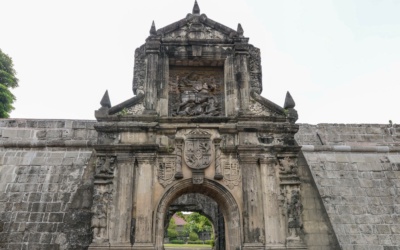
Fort San Pedro: The smallest and oldest triangular fort in the Philippines, built by the Spanish in the late 1500s. The small museum inside covers the colonial period. Entry is around $1.50. Worth 30 minutes. Best visited in the morning before the heat peaks.
Tops Lookout (Busay): A hilltop viewpoint about 30 minutes from downtown offering panoramic views of Cebu City, Mactan Island, and the surrounding sea. Go at sunset for the best experience. Entry is around $2. Combine with a visit to Temple of Leah or the Sirao Flower Garden nearby.
Moalboal Sardine Run: Technically a day trip (covered below), but this is Cebu's single most spectacular natural experience. Millions of sardines swirl in a massive bait ball just meters offshore. You can snorkel right into it. This alone justifies a trip to Cebu.
Lesser-Known Gems
Yap-Sandiego Ancestral House: One of the oldest residential structures in the Philippines, tucked on a quiet street near Colon. The interior is packed with antiques, santos figures, and Chinese trade porcelain. Entry is around $1. Most visitors walk right past it.
Taboan Public Market: A small, pungent market specializing in dried fish and dried mangoes. This is where locals buy pasalubong (take-home gifts). Prices are lower than airport shops, and the atmosphere is wonderfully chaotic. Go in the morning.
10,000 Roses Cafe (Cordova, Mactan): A field of LED roses on the Cordova waterfront that lights up at dusk. It is undeniably Instagram-bait, but the sunset views across to Cebu City are genuinely lovely, and there are seafood stalls nearby. Free entry; best visited at golden hour.
Heritage of Cebu Monument: A detailed tableau sculpture on a quiet corner in Parian depicting scenes from Cebu's history. It is free, takes ten minutes, and provides a visual crash course in the city's past.
Overrated Attractions
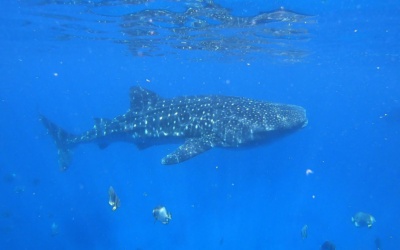
Oslob Whale Shark Watching: Hugely popular but controversial. The whale sharks are lured with feed, altering their natural behavior. The experience itself involves a crowded, rushed 30-minute swim with strict rules that many visitors find underwhelming for the three-hour drive each way. Moalboal's sardine run and wild turtle sightings offer a more authentic marine encounter.
Sirao Flower Garden: Often marketed as the "Little Amsterdam" of Cebu, this hillside garden has artificial-looking flower beds and feels overproduced for the entrance fee (around $2). The views are nice, but Tops Lookout nearby is better.
Lapu-Lapu Shrine (Mactan Shrine): A bronze statue of the chieftain who killed Magellan. The monument is small, the surrounding park is unremarkable, and the nearby souvenir stalls are pushy. Worth a quick photo if you are already on Mactan, but do not make a special trip.
Food and Drink
Cebu's food identity is built on pork, seafood, and a fierce belief that Cebuano lechon is the best in the archipelago. Anthony Bourdain famously called it the "best pig ever," and locals have not stopped quoting him since.
Signature Dishes
| Dish | Description | Where to Try | Typical Price |
|---|---|---|---|
| Lechon | Whole roast pig with shattering crispy skin and juicy, herb-stuffed meat | Dedicated lechon restaurants in Talisay or Carcar; famous chains in IT Park area | Around $3-5 per plate |
| Ngohiong | Deep-fried spring rolls filled with five-spice seasoned pork and vegetables | Street stalls near Carbon Market or Colon Street | Around $0.20-0.40 per piece |
| Puso (Hanging Rice) | Rice wrapped and boiled in woven coconut leaves, shaped like a diamond | Sold alongside any grilled food stall | Around $0.10-0.15 each |
| Sutukil | A portmanteau for sugba (grill), tula (soup), kilaw (ceviche) - choose your seafood and cooking style | Mactan seafood market or Pasil fish market | Around $5-10 per person for a full spread |
| Ginabot | Deep-fried pork intestines, crispy and served with vinegar dip | Street stalls near Carbon Market | Around $0.50-1 per serving |
| Dried Mangoes | Cebu's most famous export - sweet, chewy, and dangerously addictive | Taboan Market for bulk buying | Around $2-4 per pack |
Where to Eat
Budget: Carbon Market and the streets around Colon are ground zero for cheap eats. A full meal of puso, grilled pork skewers, and ngohiong costs under $2. Larsian BBQ, an open-air food stall complex near Fuente Osmena Circle, serves grilled meats and seafood until late at night and is a quintessential Cebu experience.
Mid-range: IT Park has a dense cluster of restaurants covering Filipino, Korean, Japanese, and Western cuisines, with meals typically running $5 to $12. Cebu Business Park and the streets around Ayala Center offer slightly more upscale Filipino restaurants where a generous meal with drinks costs $10 to $20.
Upscale: Mactan resort restaurants and a handful of fine-dining spots in the business district serve international cuisine at $25 to $50 per person. Several rooftop restaurants with harbor views have emerged in recent years, offering cocktails at $5 to $8 each.
Street food culture is vibrant and generally safe if you choose stalls with high turnover. The local beer, San Miguel Pale Pilsen, costs around $0.80 to $1.50 depending on venue. Craft beer bars have appeared in IT Park and Mango Avenue, with pints at $3 to $5.
Where to Stay
Budget (Under $20 per night)
Downtown Cebu near Colon Street and Fuente Osmena has the cheapest options. Expect basic fan rooms or simple air-conditioned rooms in guesthouses and budget hotels. Hostels with dorm beds run $6 to $12 per night and cluster around the Mango Avenue and IT Park areas. Cleanliness varies widely; check recent reviews.
Mid-Range ($20 to $60 per night)
The sweet spot in Cebu. Hotels in IT Park, Lahug, and Cebu Business Park offer clean, modern rooms with air conditioning, Wi-Fi, and sometimes pools. A well-located three-star hotel typically costs $30 to $50. Aparthotels and serviced apartments are excellent value for longer stays, especially around IT Park.
Upscale ($60 to $200+ per night)
Mactan Island's eastern coast is lined with international resort brands offering private beaches, infinity pools, and dive centers. Rates start around $80 for a solid four-star resort and climb above $200 for luxury properties. In the city itself, five-star hotels near Cebu Business Park offer urban luxury at $80 to $150, a fraction of what comparable rooms cost in Singapore or Hong Kong.
A unique option worth considering: some travelers stay in a budget-friendly city hotel for the first few nights to explore Cebu City, then move to a Mactan resort for the final days to decompress on the beach.
Practical Tips
Safety: Cebu is generally safe for tourists. Petty theft is the main concern, particularly in crowded areas like Carbon Market and on jeepneys. Keep phones in front pockets and avoid flashing expensive jewelry. Downtown streets around Colon can feel sketchy after 10 PM; stick to well-lit, populated areas or use Grab. Mango Avenue's bar strip is lively but attracts touts and occasional pickpockets late at night.
- Payment: Cash is king in Cebu. Many restaurants, all street food stalls, and most jeepneys are cash-only. ATMs are widespread (look for BDO, BPI, and Metrobank). Credit cards work at malls, hotels, and upscale restaurants. GCash (a local e-wallet) is increasingly accepted and useful if you can set up an account.
- Tipping: Not mandatory but appreciated. Rounding up restaurant bills or leaving 5-10% is common at sit-down restaurants. Porters and hotel staff appreciate $0.50 to $1. Tour guides and boat operators appreciate tips of $2 to $5 per person.
- SIM Cards and Internet: Buy a local SIM at the airport from Globe or Smart for around $2 to $5, then load data packages. Unlimited data for a week costs roughly $3 to $5. Wi-Fi in hotels and cafes is generally decent in uptown areas but patchy downtown.
- Language: English is widely spoken and understood. Cebuano (Bisaya) is the local language. Knowing a few phrases like "salamat" (thank you) and "palihog" (please) goes a long way. Menus, signs, and transport apps are all in English.
- Cultural Tips: Filipinos are exceptionally warm and hospitable. Remove shoes when entering homes. Dress modestly when visiting churches (cover shoulders and knees). The "po" and "opo" honorifics are more of a Tagalog thing, but respect for elders is universal. Pointing with your lips instead of your finger is a local quirk you will notice.
- Electricity: 220V with Type A and Type B plugs (flat two-prong, same as the US). Power outages are rare in the city but can happen during heavy storms.
Day Trips
Moalboal (3 hours southwest)
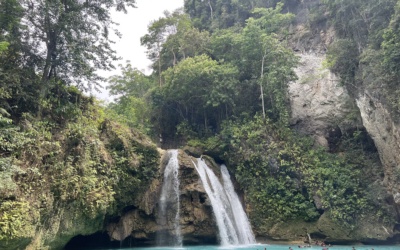
The crown jewel of Cebu day trips. The sardine run at Panagsama Beach is accessible right from shore - just wade in and snorkel. Sea turtles are almost guaranteed. Combine with Kawasan Falls (30 minutes further south), where you can canyoneer through a series of turquoise canyon pools. Ceres buses from the South Bus Terminal cost around $3 each way. Private car hire runs $50 to $70 for the day. Absolutely worth it and arguably the highlight of any Cebu trip.
Kawasan Falls
Often combined with Moalboal. The main waterfall is a stunning multi-tiered cascade with bright blue water. Swimming at the base is free (small entrance fee of around $1). The canyoneering experience, which involves jumping off cliffs and swimming through canyons to reach the falls, costs around $15 to $25 with a guide and is one of the most thrilling outdoor activities in the Philippines.
Bantayan Island (4-5 hours northwest)
A laid-back island with powdery white sand beaches and crystal-clear water. Less developed than Boracay, with a sleepy, backpacker-friendly vibe. Take a Ceres bus to Hagnaya Port (3 hours), then a ferry (1 hour, around $3). Best as an overnight trip rather than a rushed day trip. Sugar Beach and Virgin Island are the highlights.
Bohol (2 hours by fast ferry)
Technically a separate province, but so close that many visitors combine it with Cebu. The Chocolate Hills, tiny tarsier primates, centuries-old Baclayon Church, and the Loboc River cruise are the main draws. Fast ferries from Pier 1 in Cebu City to Tagbilaran cost around $10 to $20. Doable as a long day trip with a hired van on the Bohol side (around $40 to $60), but an overnight stay is more relaxing.
Camotes Islands (3-4 hours)
A cluster of islands northeast of Cebu with caves, lake swimming, and empty beaches. Far less touristy than Bantayan or Bohol. Ferries depart from Danao Port (1.5 hours north of Cebu City). Best as an overnight trip. Facilities are basic, which is part of the charm.
Sample 3-Day Itinerary
Day 1 - Cebu City Heritage and Food
Morning: Start at Magellan's Cross and the Basilica del Santo Nino (they are adjacent). Walk to Fort San Pedro, ten minutes away. Continue to the Heritage of Cebu Monument and the Yap-Sandiego Ancestral House, all within walking distance in the Parian-Colon area.
Afternoon: Lunch at a famous lechon restaurant - order the belly cut for maximum crispy skin. After lunch, explore Carbon Market for dried mangoes and local snacks. If you still have energy, grab a Grab to the Taoist Temple in Beverly Hills for ornate Chinese architecture and city views.
Evening: Head to Larsian BBQ near Fuente Osmena for a smoky, open-air dinner of grilled seafood and puso. Afterward, walk to nearby Mango Avenue or IT Park for drinks. IT Park's container-bar scene (The Neighborhood) is lively and safe.
Day 2 - Moalboal and Kawasan Falls
Early Morning: Depart by 5:30 AM via hired car or Ceres bus to Moalboal (arrive by 8:30 AM). Head straight to Panagsama Beach and snorkel the sardine run and turtle area. Gear rental is around $3 to $5.
Late Morning: Drive 30 minutes south to Kawasan Falls. If you booked canyoneering in advance, the activity takes about 3 to 4 hours and ends at the falls. Otherwise, hike to the falls directly and swim in the turquoise pools.
Afternoon/Evening: Lunch at a local eatery in Badian or Moalboal (grilled fish and rice for under $3). Head back to Cebu City, arriving by early evening. Dinner at a mid-range restaurant in Cebu Business Park.
Day 3 - Mactan Island and Departure
Morning: Head to Mactan Island. Visit the Mactan Shrine for a quick photo, then head to one of the public beach resorts or day-use resort pools along the eastern coast. Day-use fees at resort beaches range from $10 to $30 and typically include a pool, beach access, and sometimes a food credit.
Afternoon: Try sutukil at a Mactan seafood market - choose your fish, pick your cooking style, and eat it fresh. Alternatively, island-hop to Hilutungan or Nalusuan marine sanctuaries via a bangka boat tour (around $15 to $25 per person for a half-day group tour including snorkeling).
Evening: If your flight is late, catch the sunset from a Mactan waterfront restaurant. Otherwise, head to the airport, which is conveniently located on the island.
Budget Overview
| Category | Budget | Mid-Range | Comfort |
|---|---|---|---|
| Accommodation | $8-15 | $30-50 | $80-150 |
| Food | $5-10 | $15-25 | $30-50 |
| Transport | $2-5 | $8-15 | $15-30 |
| Activities | $5-10 | $15-25 | $25-50 |
| Daily Total | $20-40 | $68-115 | $150-280 |
Cebu is one of the best-value destinations in Southeast Asia. Budget travelers eating street food and using jeepneys can get by on $25 to $35 a day. Mid-range travelers staying in clean hotels, eating at good restaurants, and taking Grab rides will spend $70 to $100. Comfort travelers in resort hotels with private tours and fine dining should budget $150 to $250. The biggest variable is accommodation: a Mactan beachfront resort can cost ten times what a downtown guesthouse charges, so your choice of base shapes your entire budget.
Frequently Asked Questions
Is Cebu worth visiting?
Absolutely. Cebu offers a rare combination of urban culture, colonial history, and easy access to some of the Philippines' best marine life and beaches. You can explore centuries-old churches in the morning and snorkel over coral gardens by afternoon. It is one of the most well-rounded destinations in Southeast Asia.
How many days do you need in Cebu?
Three to four days lets you cover the city's historical sights, enjoy the food scene, and fit in one major day trip like Moalboal or Kawasan Falls. A full week is ideal if you want to add island-hopping to Bantayan or Camotes, plus a couple of lazy beach days on Mactan.
Is Cebu safe for tourists?
Cebu is generally safe for tourists who exercise normal precautions. Petty theft like pickpocketing can occur in crowded markets such as Carbon Market, so keep valuables secure. Avoid poorly lit areas downtown late at night and use registered taxis or Grab. Violent crime targeting tourists is rare.
What food is Cebu famous for?
Lechon (whole roast pig with impossibly crispy skin) is the star, and Cebu's version is considered the best in the Philippines. Other local favorites include puso (hanging rice), dried mangoes, ngohiong (spring rolls with five-spice pork), and sutukil-style seafood grilled right at the market.
What is the best time to visit Cebu?
The dry season from January through May offers the most reliable weather for beach trips and diving. January is festival season with the vibrant Sinulog celebration. June through December is wetter, but rain usually comes in short bursts rather than all-day downpours, and prices drop noticeably.
Is Cebu expensive?
Cebu is very affordable by international standards. Budget travelers can manage on roughly $30 to $40 per day including a basic room, local food, and transport. Mid-range travelers spending $60 to $100 daily will eat well, stay comfortably, and cover activities. Only beachfront Mactan resorts push costs toward Southeast Asian averages.
Can you drink tap water in Cebu?
No, tap water in Cebu is not safe to drink. Stick to sealed bottled water or use a refillable bottle with a filter. Most restaurants and hotels use purified water for cooking and ice, but it is wise to confirm at smaller local eateries.
How do I get from Mactan-Cebu International Airport to the city center?
The airport is on Mactan Island, roughly 30 to 45 minutes from downtown Cebu City depending on traffic. Grab rides cost around $4 to $7, while metered white taxis run roughly $3 to $5. The yellow airport taxis charge a higher flagdown rate of around $5 to $8. The MyBus airport shuttle to SM City Cebu costs under $1.
Is English widely spoken in Cebu?
Yes. English is an official language of the Philippines and is widely spoken in Cebu, especially in tourist areas, hotels, and restaurants. Locals also speak Cebuano (Bisaya) among themselves. You will rarely face a language barrier, though learning a few Cebuano phrases earns big smiles.
Is the Oslob whale shark experience ethical?
This is debated. The whale sharks in Oslob are fed by fishermen, which alters their natural behavior and migration patterns. Many marine biologists advise against it. If you still choose to go, follow all rules about distance and do not touch the animals. Moalboal's sardine run and wild turtle encounters are widely considered more ethical marine alternatives.
Guides & Tips
Routes
🗺️ Getting Around Cebu - Local Transport Guide for Travelers
→ Routes from Cebu (22)