Sources and background
Numbers in the text such as [1] refer to these sources.
- [1] 12Go: Puerto Princesa - El Nido timetable. Retrieved October 19, 2026.

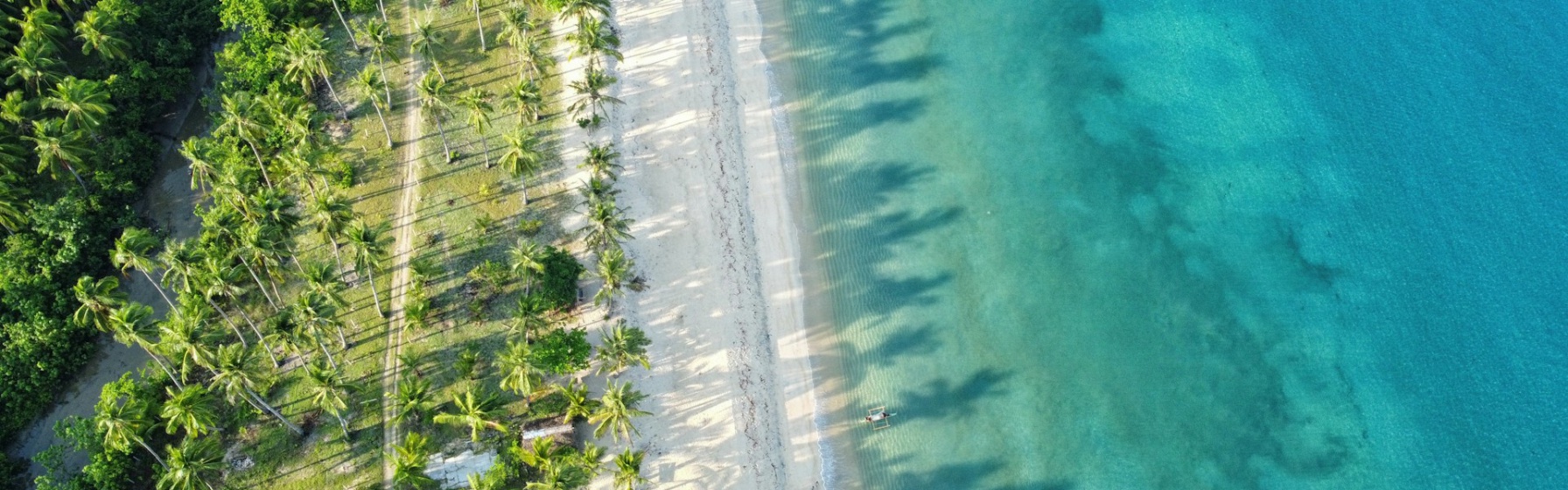
Everything you need to know about van travel in the Philippines - routes, booking tips, comfort levels, and practical advice for navigating the UV Express network.
A white Toyota HiAce rumbles to life at a dusty terminal, its sliding door still open as the last passenger squeezes into the final seat. The driver's assistant slaps the side panel twice - the universal Filipino signal for "full, let's go" - and the van lurches forward into traffic. This is the rhythm of van travel in the Philippines, a transport mode that has become the backbone of medium-distance travel across the archipelago. Often quicker than buses, cheaper than flying, and reaching places that larger vehicles cannot, vans fill a critical gap in the Philippine transport ecosystem and have become the preferred choice for millions of Filipino commuters and savvy travelers alike.
Van services in the Philippines largely run under what is commonly known as the UV Express (Utility Vehicle Express) system. These point-to-point services connect cities, provinces, and municipalities across the main islands.
In Metro Manila, van terminals are scattered across several hubs, often at malls and transport exchanges, with routes heading to provinces in Calabarzon and Central Luzon. In the Visayas, vans typically start from Cebu City towards towns along the island's coasts, and Mindanao's larger cities have their own van networks.
Vans typically cover corridors between a regional hub and nearby provinces, as well as inter-city routes within provinces. They are especially common on short and medium-distance routes. In more remote areas - think the mountain roads of the Cordillera, the coastal routes of Palawan, or the winding paths through Siargao - vans and their smaller cousins, multicabs, are often the only motorized public transport available.
Unlike Philippine buses, vans do not typically offer formal class distinctions. However, there are meaningful differences in comfort depending on the type of service and vehicle.
The standard UV Express van is a Toyota HiAce or similar model. Seating is tight, with rows of bench-style seats and limited legroom. Air conditioning is standard and usually cranked to near-freezing levels - a point of pride for Filipino drivers and a shock to unprepared travelers.
On premium or point-to-point (P2P) routes, particularly those serving airports or tourist corridors, you may find newer vehicles with more comfortable seating, better suspension, and slightly more space. Some private operators running tourist-oriented routes in places like Palawan or Bohol offer modern vans with individual reclining seats, though these come at a higher fare.
For the budget-conscious traveler who does not mind close quarters, the standard van offers excellent value. The seats closest to the door and the front passenger seat tend to offer the most legroom. The rear row, while offering a window on both sides, can feel cramped and requires climbing over other passengers to exit.
Van travel in the Philippines is largely a walk-up affair. At most terminals, you approach a dispatcher's booth, state your destination, pay the fare, and receive a numbered ticket or seat assignment. The van departs once all seats are filled - not on a fixed schedule. During peak hours and holidays, this means quick departures; during off-peak times, you might have to wait a while for the van to fill up.
For popular tourist routes and P2P airport transfers, advance booking is increasingly available through online platforms. GoAsia.cc allows travelers to compare van services and book seats ahead of time on select routes, which can save considerable waiting at terminals. Some private operators also accept bookings through their own websites or social media pages.
Payment at terminals is almost exclusively cash-based, so always carry small bills in Philippine pesos. The more modern P2P services and online-booked transfers may accept card payments or e-wallets like GCash and Maya, but this is not universal. Keep your ticket or receipt until you reach your destination, as inspectors occasionally board to check.
Van rides in the Philippines are an exercise in efficiency and, occasionally, endurance. Departures are swift once the van fills, and drivers tend to move fast - sometimes alarmingly so on mountain roads. The Philippine van driver is a breed apart: skilled at navigating narrow provincial roads, overtaking trucks on two-lane highways, and often making a long bus journey noticeably shorter.
Scenic rewards are plentiful. The route from Manila to Baguio climbs into the Cordillera with views of misty pine forests. Vans heading south from Cebu City trace the coastline past turquoise waters and white sand. In Palawan, the ride from Puerto Princesa to El Nido runs through jungle, limestone karst landscapes, and tiny barangays and feels like a nature documentary unfolding outside your window. Vans take from about 5 hours, longer with traffic, weather or delays.[1]
There are typically no onboard restrooms, so vans make occasional stops at gas stations or roadside eateries. These breaks are brief, so move quickly if you need to use the facilities or grab a snack. Vendors sometimes approach the van at stops selling water, chips, or local treats like chicharon or banana cue.
Luggage is stored in the rear cargo area behind the last row of seats. Space is limited, so a backpack or small suitcase is ideal. Larger bags may need to be placed on your lap or at your feet, which gets uncomfortable on longer rides. There is no dedicated overhead storage in most vans.
Wi-Fi is rare on standard UV Express vans, though some premium P2P services offer it. Charging outlets are similarly uncommon, so bring a fully charged power bank. Most passengers pass the time sleeping, scrolling their phones, or watching the scenery - conversations between strangers are common and Filipinos are famously friendly travel companions.
Numbers in the text such as [1] refer to these sources.