The Philippines is an archipelago of thousands of islands, and while ferries and flights connect the scattered landmasses, the humble bus remains the backbone of overland travel on the country's larger islands. Step onto a provincial bus in Luzon or Mindanao and you step into a world of colorful curtains fluttering in warm air, vendors passing snacks through open windows at every stop, and landscapes that shift from emerald rice terraces to volcanic coastlines. Bus travel here is not just a way to get from point A to point B. It is a full immersion into Filipino life, culture, and hospitality.
From the terminals of Metro Manila to the mountain roads of the Cordillera, buses carry large numbers of Filipinos every day and remain one of the most affordable ways for travelers to explore the country's diverse terrain.
The Bus Network in the Philippines
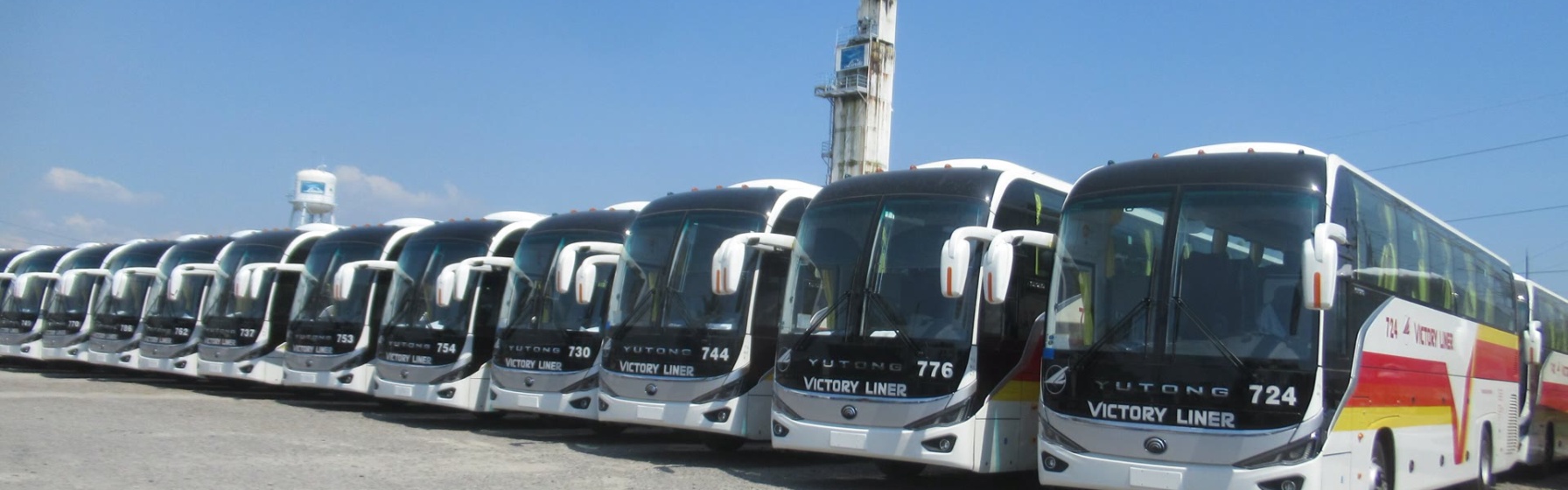
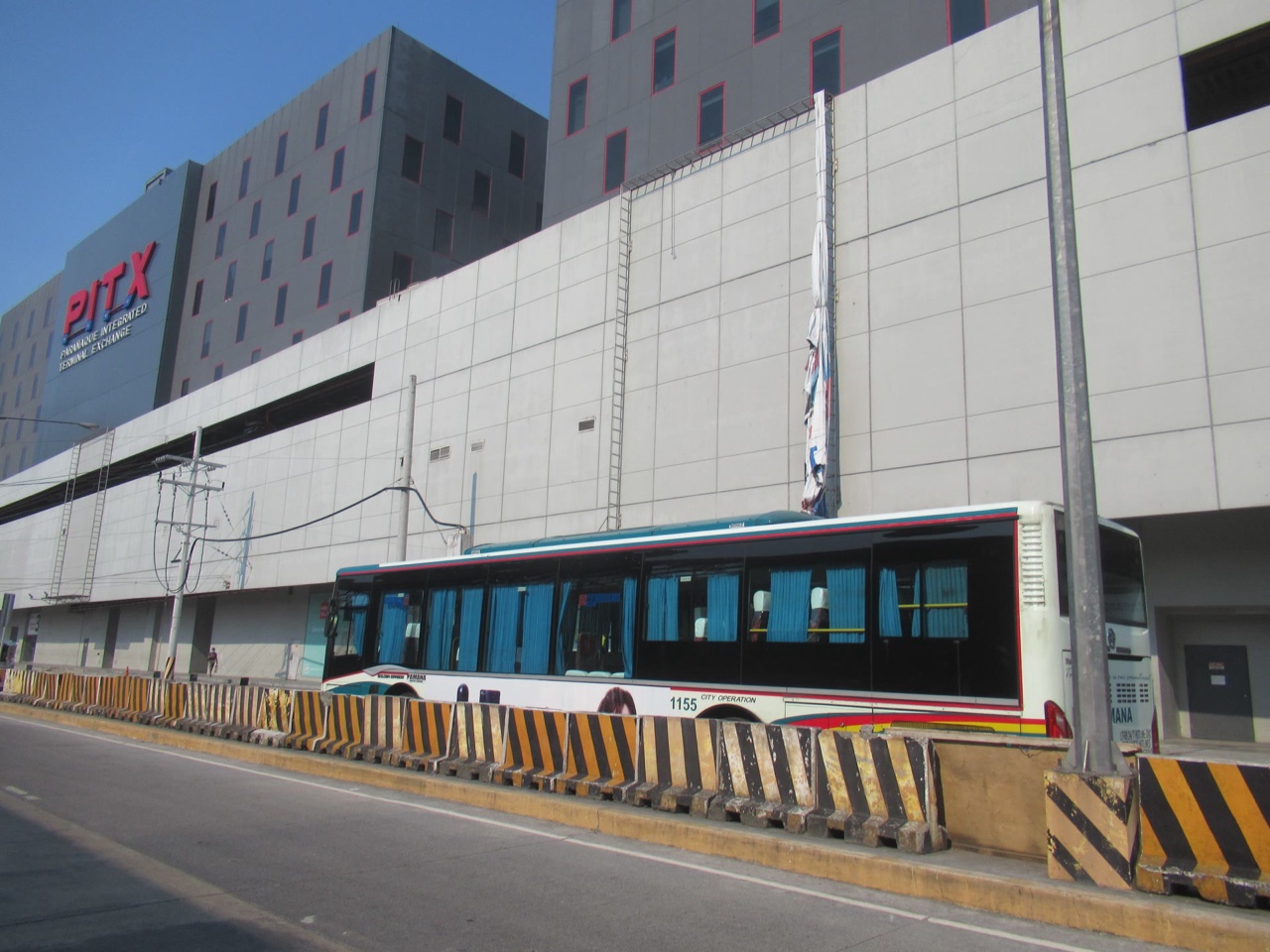
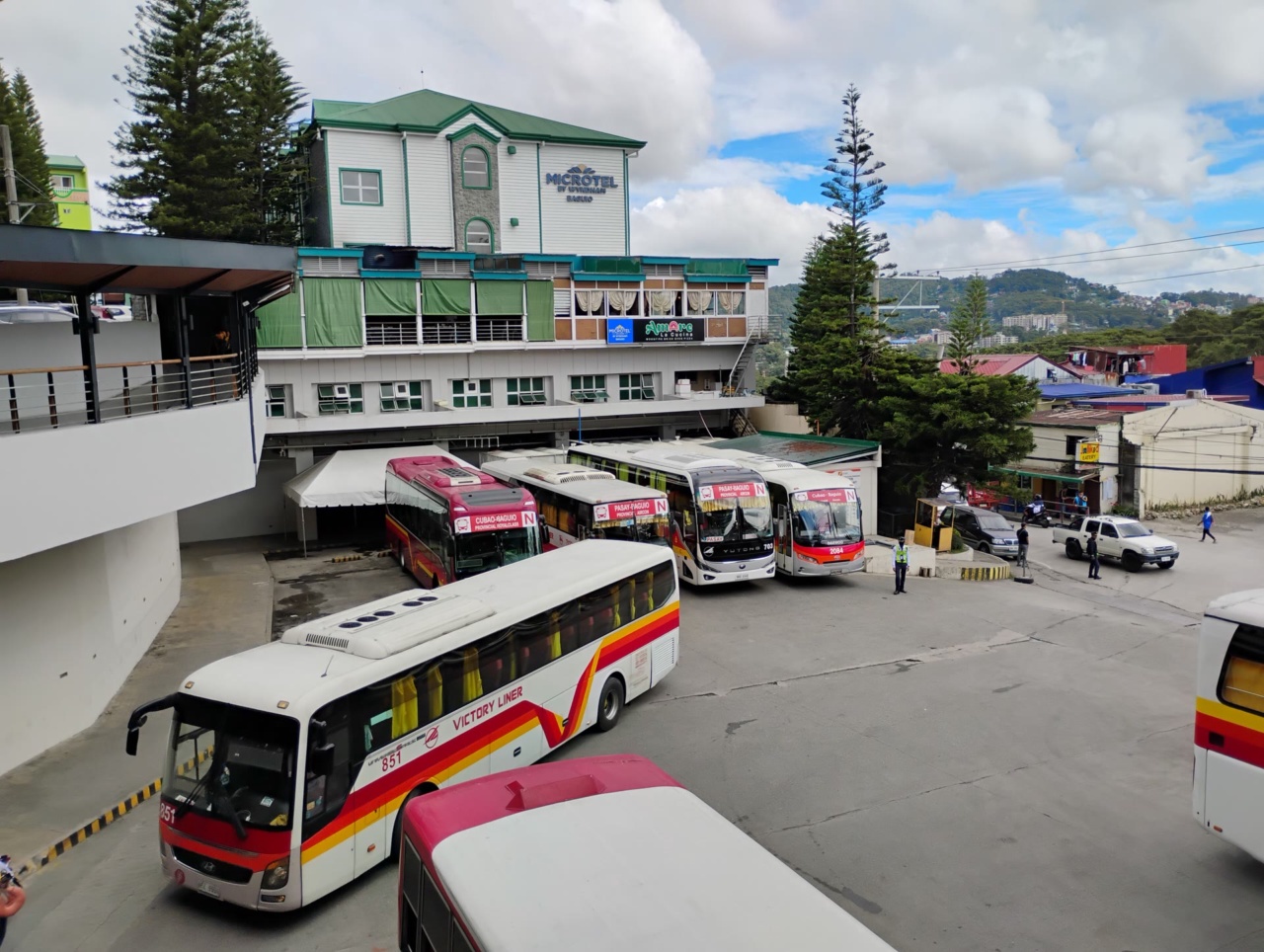
Bus networks are most extensive on the island of Luzon, where long-distance routes radiate outward from Metro Manila in every direction. Operators use several terminals in the capital. Victory Liner, for example, runs its Baguio buses from Cubao, Pasay and Sampaloc,[1] while the Parañaque Integrated Terminal Exchange (PITX) lists provincial routes to Batangas, Bicol (Naga, Legazpi, Tabaco), Baguio, Laguna and Quezon.[2]
On the Visayas islands, bus networks are more fragmented. Ceres Liner links Cubao in Metro Manila with Cebu City, Dumaguete and Iloilo, and its Cebu terminal also lists Northern Cebu routes.[3][4] In Mindanao, Ceres Liner lists long-distance services from Cubao to Butuan, Cagayan de Oro, General Santos and Zamboanga.[3] Check current government travel advice for the areas your route crosses, especially in Mindanao.
Key operators vary by region. Victory Liner serves northern Luzon routes such as Baguio, Olongapo, Dagupan and Tuguegarao.[1] Genesis Transport, which also runs the executive coach brand JoyBus, connects Metro Manila with Central and Northern Luzon, including routes from Cubao and Pasay to Baguio City.[5] DLTB and JAM Liner are among the companies selling Batangas tickets at PITX.[2] Each operator maintains its own fleet, pricing and level of service, so the experience can differ significantly depending on which company you ride with.
Classes and Comfort Levels
Philippine buses come in several tiers, and choosing the right one can make the difference between an enjoyable journey and an exhausting ordeal.
Class
Features
Best For
Ordinary (non-aircon)
Open windows, basic seating, frequent stops, vendors board at towns
Budget travelers on short routes; experiencing local culture up close
Air-conditioned (regular)
Closed windows, air conditioning, fewer stops
Mid-range comfort on routes of a few hours
Deluxe / Premium
Reclining seats, wider legroom, air conditioning, fewer stops
Longer hauls where comfort matters
Sleeper / Luxury
Fully reclining seats or pods, blankets, curtains
Overnight trips; travelers who want to arrive rested
Fares depend on the operator and the class. Victory Liner sells Regular AC and First Class on its Baguio routes: from Cubao the fare is PHP 485 in Regular AC and PHP 800 in First Class, and the ride takes 5 to 6 hours.[6][1] Air-conditioned buses are the standard choice for most travelers, and deluxe and sleeper services cost more but add comfort. For overnight journeys, a sleeper bus can save you a night's accommodation.
For many routes you can simply show up at the terminal and buy a ticket at the counter. Victory Liner publishes fixed departure times, for example 15 trips a day from Cubao to Baguio, the first at 02:00, and notes that trip schedules may change without prior notice.[1]
For premium and sleeper services, or during holiday periods like Holy Week, Christmas and long weekends, seats fill up fast, and booking ahead is strongly recommended. Victory Liner and Ceres Liner both sell tickets online through their own websites.[1][3] You can also compare routes and operators on platforms like GoAsia.cc before heading to the terminal.
Payment at terminal counters is mostly in cash (Philippine pesos). Online bookings usually produce an e-ticket or confirmation by email or SMS that you show at the boarding gate, while for many standard services you receive a paper ticket at the counter.
What to Expect on Board
The Philippine bus experience varies widely depending on the route and class. On a deluxe bus from Manila to Baguio, you might enjoy a smooth ride up the winding mountain roads with the air conditioning set to near-freezing temperatures (bring a jacket, because Filipino buses are notorious for aggressive air conditioning). On an ordinary bus through the countryside, expect a slower pace, frequent stops in small towns, and vendors hopping aboard to sell boiled peanuts, bottled water, chicharon and kakanin (rice cakes).
The Cordillera offers some of the most scenic rides. CODA Lines buses travel straight from Cubao to Sagada via Nueva Vizcaya, Ifugao and Mountain Province with a stop at Banaue, and the classic alternative is a GL Trans bus from Baguio, which takes about 6 hours along the Halsema Highway and is bought at the bus station without advance booking.[7]
Luggage is typically stored in compartments beneath the bus for larger bags, while smaller bags can be kept on your lap or in overhead racks. Keep valuables with you at all times. Rest stops are common on longer routes, usually at roadside restaurants or gas stations.
Tips for Bus Travel in the Philippines
Dress in layers. Air-conditioned buses can feel like refrigerators. Bring a hoodie, scarf, or light blanket even in tropical heat. You will need it.
Arrive early at terminals. Major terminals like Cubao and Pasay can be chaotic. Arriving early gives you time to find the right counter, buy your ticket, and locate your bus bay without stress.
Watch your belongings. Petty theft can occur at busy terminals. Keep bags zipped and in sight, especially in crowded areas.
Prepare for delays. Traffic leaving Metro Manila can add hours to your journey, particularly on Friday evenings. If possible, depart very early in the morning or late at night to avoid the worst congestion.
Carry cash in small denominations. Ticket counters and roadside vendors may not have change for large bills.
Download offline maps. GPS tracking on your phone helps you know where you are, especially on unfamiliar routes where stops may not be announced clearly.
Be flexible during typhoon season. Heavy rains and typhoons can cause road closures, landslides and cancellations, particularly on mountain routes in the Cordillera and coastal roads in Bicol. Always check weather and road conditions before traveling.
Learn a few Filipino phrases. While English is widely spoken, bus conductors and terminal staff in provincial areas may be more comfortable in Filipino or local dialects. Simple phrases like "Magkano po?" (How much?) and "Saan po bababa?" (Where do I get off?) go a long way.
Holiday travel requires planning. During Holy Week and the Christmas season, many Filipinos travel to their home provinces. Book premium seats well in advance, or be prepared for very long waits at terminals.
Sources and background
Numbers in the text such as [1] refer to these sources.
[1]Victory Liner: Bus Schedules. Retrieved October 15, 2026.
[2]Parañaque Integrated Terminal Exchange (PITX): Transport. Retrieved October 15, 2026.