Banaue Rice Terraces: Batad, Bangaan and Ifugao Heritage
Photo: Jairus Abiasen / Pexels
Contents
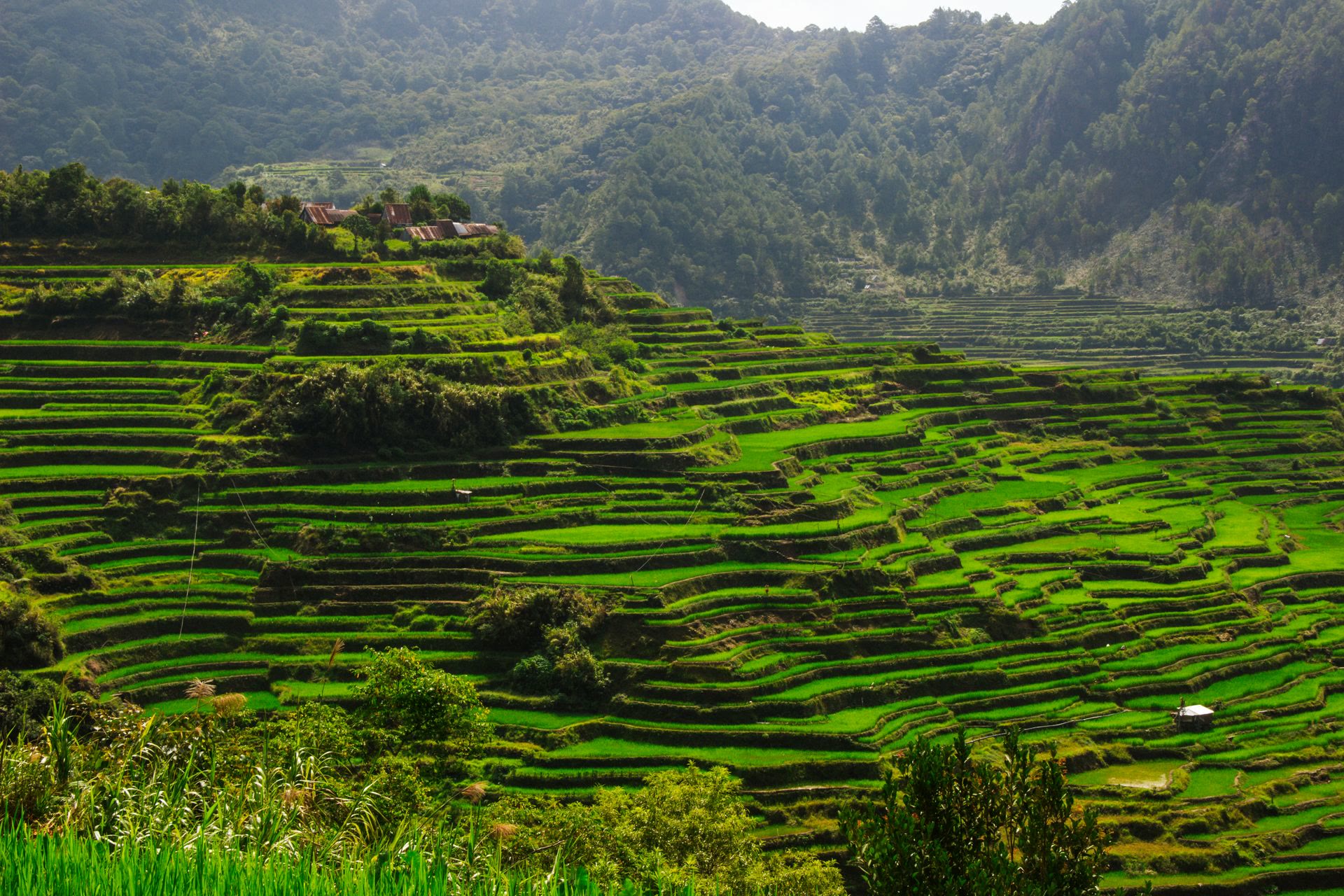
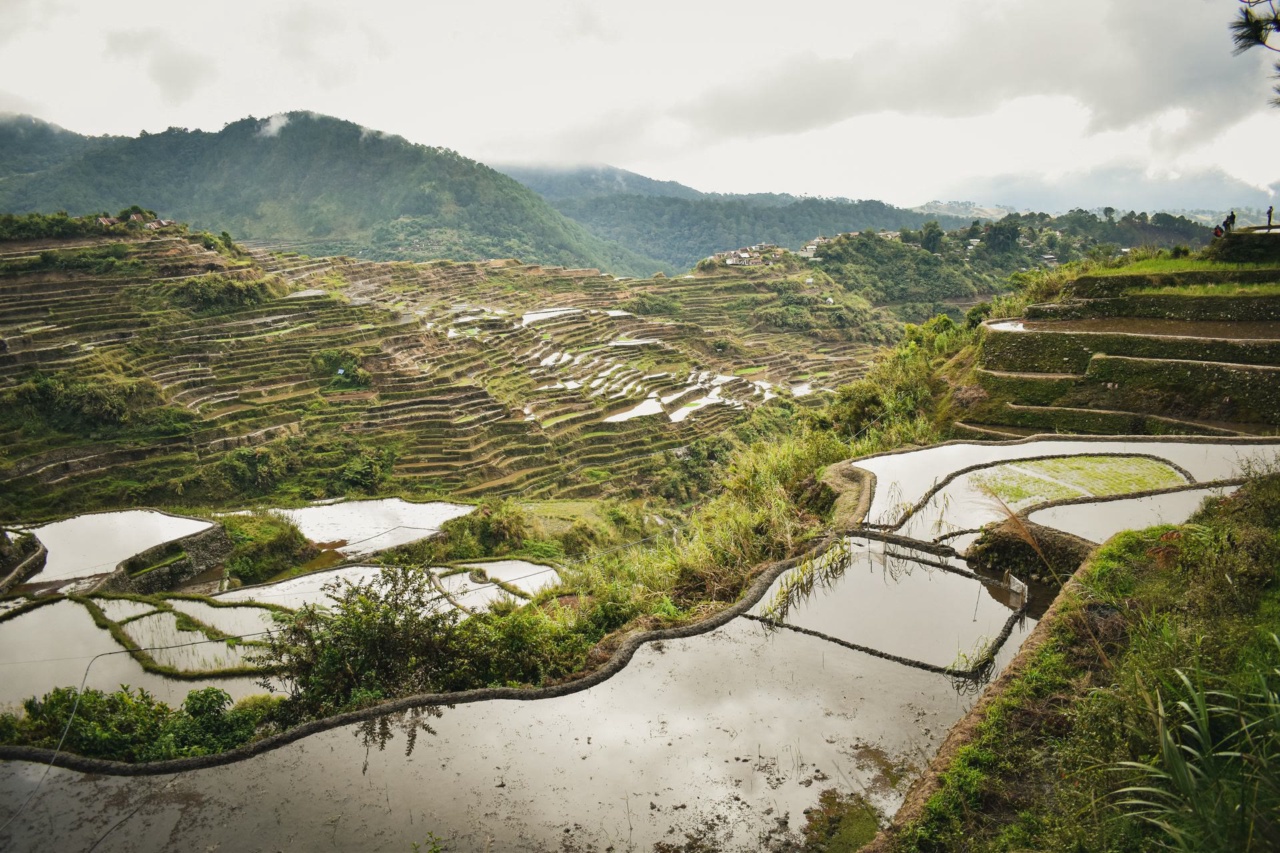
"Banaue Rice Terraces" is often used for the whole terraced landscape of Ifugao, not just one viewpoint. UNESCO's World Heritage property is more specific: five clusters of the most intact and impressive terraces in four municipalities, including Batad and Bangaan in Banaue.[1] Ifugao communities still shape and farm them, so pick the cluster you want to see rather than treating every lookout as the same place.
Know which terraces are on the UNESCO list
The five clusters are Nagacadan in Kiangan, where two rows of terraces climb either side of a river; the Hungduan cluster, which unfolds like a spider web; the central Mayoyao cluster, with terraces dotted with farmers' houses and granaries; Bangaan in Banaue, a backdrop to a typical Ifugao village; and Batad in Banaue, nestled in amphitheatre-like semi-circular terraces with a village at the base.[1] A trip sold simply as "Banaue" does not tell you which cluster or viewpoint you will see, so confirm the place name with your driver or guide.
Things to Do
Offers are only loaded from GetYourGuide after you click. GetYourGuide can then process your IP address and set cookies. Privacy Policy
GetYourGuide partner offers. GoAsia may earn a commission if you book through these offers. Check whether tickets or transfers are included, and follow the attraction's official booking and admission rules.
Choose a visit that matches your time
A viewpoint stop, a walk around Batad and the Pula-Cambulo-Batad trek are three different outings, so settle your starting point and destination before you agree on transport or a guide. Super Typhoon Uwan struck Banaue on 9 and 10 November 2025. The mayor's Executive Order No. 71 suspended all outdoor tourism from 21 November 2025, including hiking on the View Point to Bocos trail and the Pula-Cambulo-Batad trail, which were unsafe because of landslides.[2] By 31 May 2026 trekking at Batad was under way again: more than 100 trekkers hiked its steep uphill and downhill paths during the Batad rice harvest festival, and parts of the Batad terraces damaged by the typhoon were still awaiting restoration.[3] Check current trail conditions with Banaue Municipal Tourism before you set out, and ask how far vehicles can go and which local guides are available.
If Batad and another cluster are both on your plan, treat them as separate stops and arrange local transfers for each. Stay overnight if you want time to walk without a deadline.
Plan the Manila to Banaue leg first
The overnight bus is the usual way from Manila. Ohayami Trans leaves Sampaloc, Manila, at 10:00 PM for Banaue, and the Banaue-Manila bus leaves at 6:00 PM.[4] Buses between Baguio and Banaue leave Baguio at 7:30 PM and Banaue at 5:00 PM.[4] The Aircon 2x2 coach is a 49-seater with reclining seats and charging ports, and you can book online on the Ohayami website.[4] Banaue is only the first leg if you continue to Batad or another cluster.
Understand the age debate
UNESCO describes the high rice fields of the Ifugao as following the mountain contours for 2,000 years.[1] Archaeologists dispute that. A 2019 State of Conservation report hosted by UNESCO says the dominant local narrative puts the origin of the terraces 2,000 to 3,000 years ago, but archaeobotanical, ethnohistoric and ethnographic evidence points to wet-rice cultivation in Ifugao arriving around contact with the Spanish.[5] The exact age is still debated.
Visit with care for a living landscape
The inscribed clusters are still worked and maintained in the traditional manner.[1] Keep to established paths rather than stepping on paddies or terrace walls, ask before taking close photographs of residents, and follow local guidance on access, registration and guides. The terraces change colour with planting, growth and harvest, so ask local tourism staff or your guide about the crop stage shortly before you go.
For the property boundaries and cultural context, read UNESCO's Rice Terraces of the Philippine Cordilleras entry.
Sources and background
Numbers in the text such as [1] refer to these sources.
- [1] UNESCO World Heritage Centre: Rice Terraces of the Philippine Cordilleras. Retrieved October 21, 2026.
- [2] Philippine Information Agency: Outdoor tourism activities in Banaue, Ifugao town temporarily suspended. Retrieved October 21, 2026.
- [3] Philippine Information Agency: Cordillerans show support for West Philippine Sea with advocacy trek at Batad rice terraces. Retrieved October 21, 2026.
- [4] Ohayami Trans: Ohayami bus schedule and booking. Retrieved October 21, 2026.
- [5] UNESCO World Heritage Centre: Rice Terraces of the Philippine Cordilleras: 2019 State of Conservation Report. Retrieved October 21, 2026.
Frequently Asked Questions
No. The UNESCO property consists of five clusters of the most intact terraces, in four municipalities: Nagacadan in Kiangan, Hungduan, central Mayoyao, and Bangaan and Batad in Banaue. Confirm which cluster or lookout your trip actually visits.
Nagacadan in Kiangan, the Hungduan cluster, the central Mayoyao cluster, and Bangaan and Batad in Banaue municipality. Batad lies in amphitheatre-like semi-circular terraces with a village at its base, while Bangaan forms the backdrop of a traditional Ifugao village.
UNESCO describes them as 2,000 years old. A 2019 State of Conservation report hosted by UNESCO notes that the dominant local narrative says 2,000 to 3,000 years, while archaeological evidence suggests wet-rice cultivation in Ifugao began around contact with the Spanish. The exact age is still debated.
Take the overnight bus. Ohayami Trans leaves Sampaloc, Manila, at 10:00 PM for Banaue, and the Banaue-Manila bus leaves at 6:00 PM. You need a separate plan to continue to Batad or other clusters.
Super Typhoon Uwan damaged trails and terraces in November 2025, and Banaue suspended outdoor tourism on 21 November 2025. By 31 May 2026 more than 100 trekkers hiked at Batad during its harvest festival. Check current trail conditions, how far vehicles can go and guide arrangements with Banaue Municipal Tourism before you go.
It depends on the cluster and route. A roadside viewpoint stop, a walk around Batad and the Pula-Cambulo-Batad trek are different outings. Allow time for transfers and the climb back out of Batad, and stay overnight if you do not want to hurry.
The colour changes with planting, growth, harvest and weather, and it differs by cluster. Ask local tourism staff or your guide about the expected crop stage shortly before your visit.