Bohol is a lush island province in the Central Visayas where surreal geological formations, ancient churches, and one of the world's smallest primates coexist within a compact, road-trippable landscape.
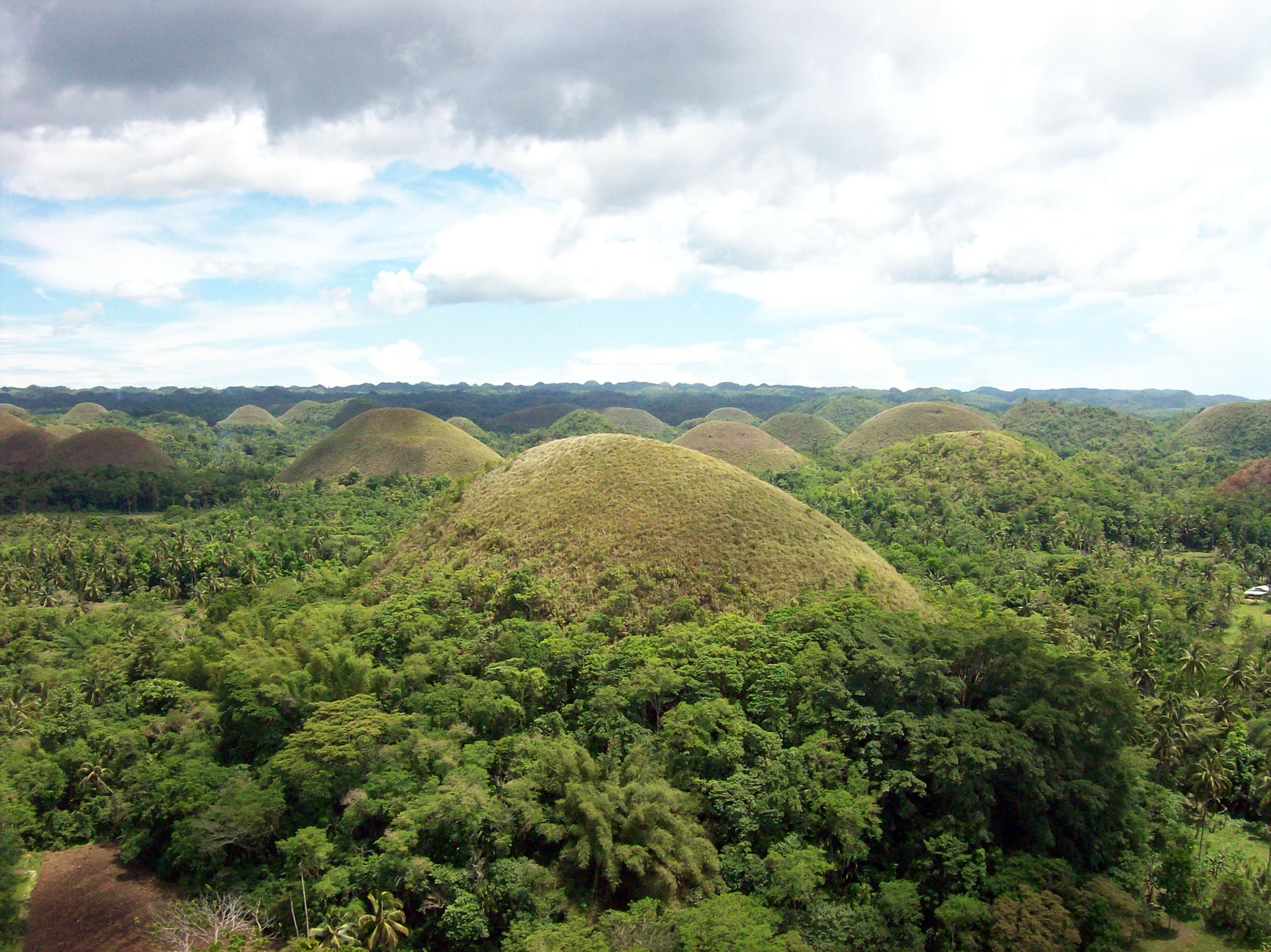
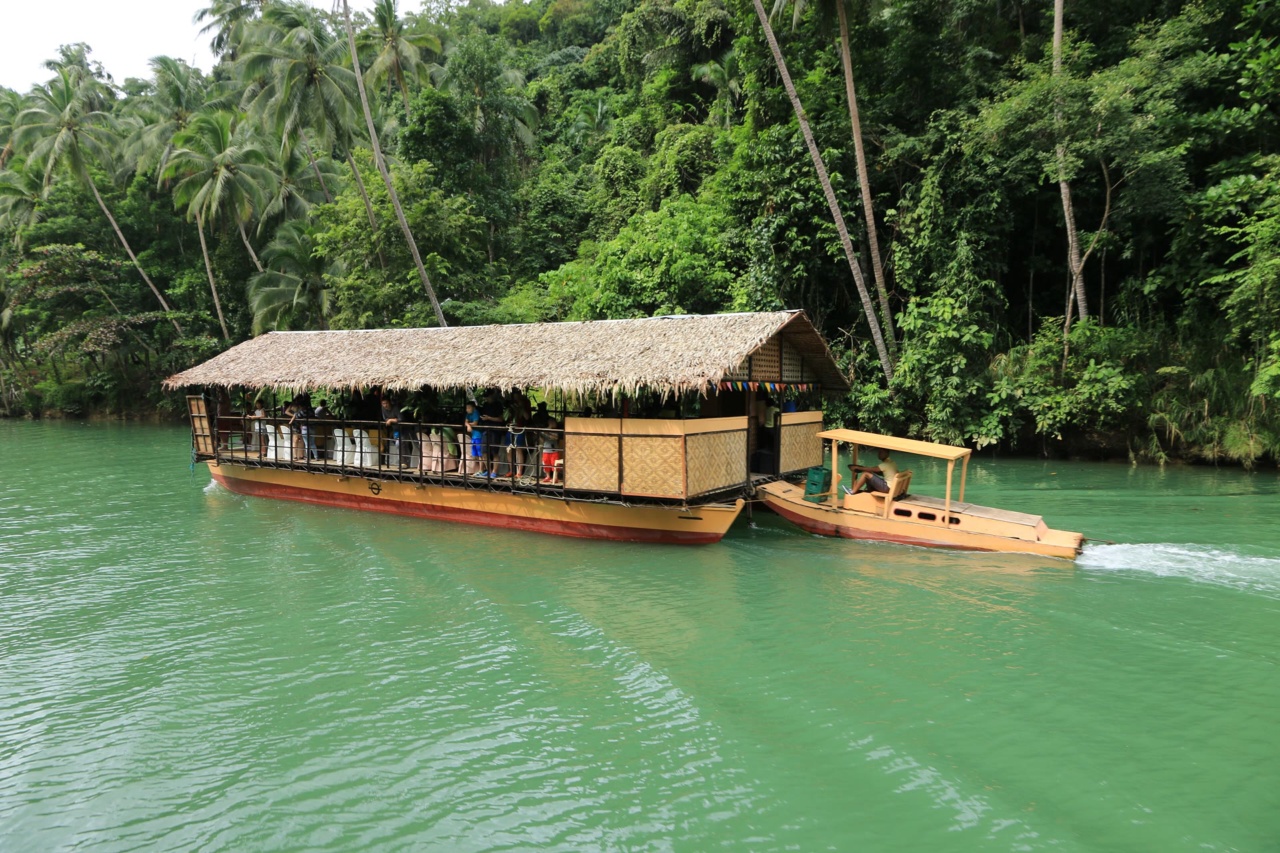
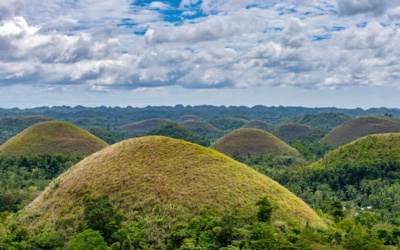
The first thing that strikes you about Bohol is how green everything is. Not the manicured green of a resort lawn, but the deep, tangled green of jungle-draped limestone hills rolling toward a coastline fringed with white sand and coral. This is an island province where you can stand on a hilltop overlooking a landscape of more than a thousand near-identical grass-covered mounds in the morning, lock eyes with a tarsier no bigger than your fist by noon, and float down a palm-canopied river with a plate of grilled fish in your lap by afternoon.
Bohol sits in the heart of the Visayas, connected to Cebu by fast ferry and increasingly by direct flights from Manila. While the beach resort strip on neighboring Panglao Island (linked to the Bohol mainland by two bridges) draws sun-seekers, the interior holds the real magic: centuries-old stone churches, rice terraces, underground rivers, and communities that still move at a pace dictated by tides and harvests rather than tourism seasons.
It suits couples, families, and solo adventurers equally well. Divers come for Balicasag Island's wall dives, history buffs for the Blood Compact shrine and Baclayon Church, and nature lovers for everything in between. A week is ideal, but even three days deliver an unforgettable highlight reel.
Orientation and Neighborhoods
Bohol is a province, not a single city, so thinking in zones rather than neighborhoods will help you navigate. The key areas break down like this:
Panglao Island
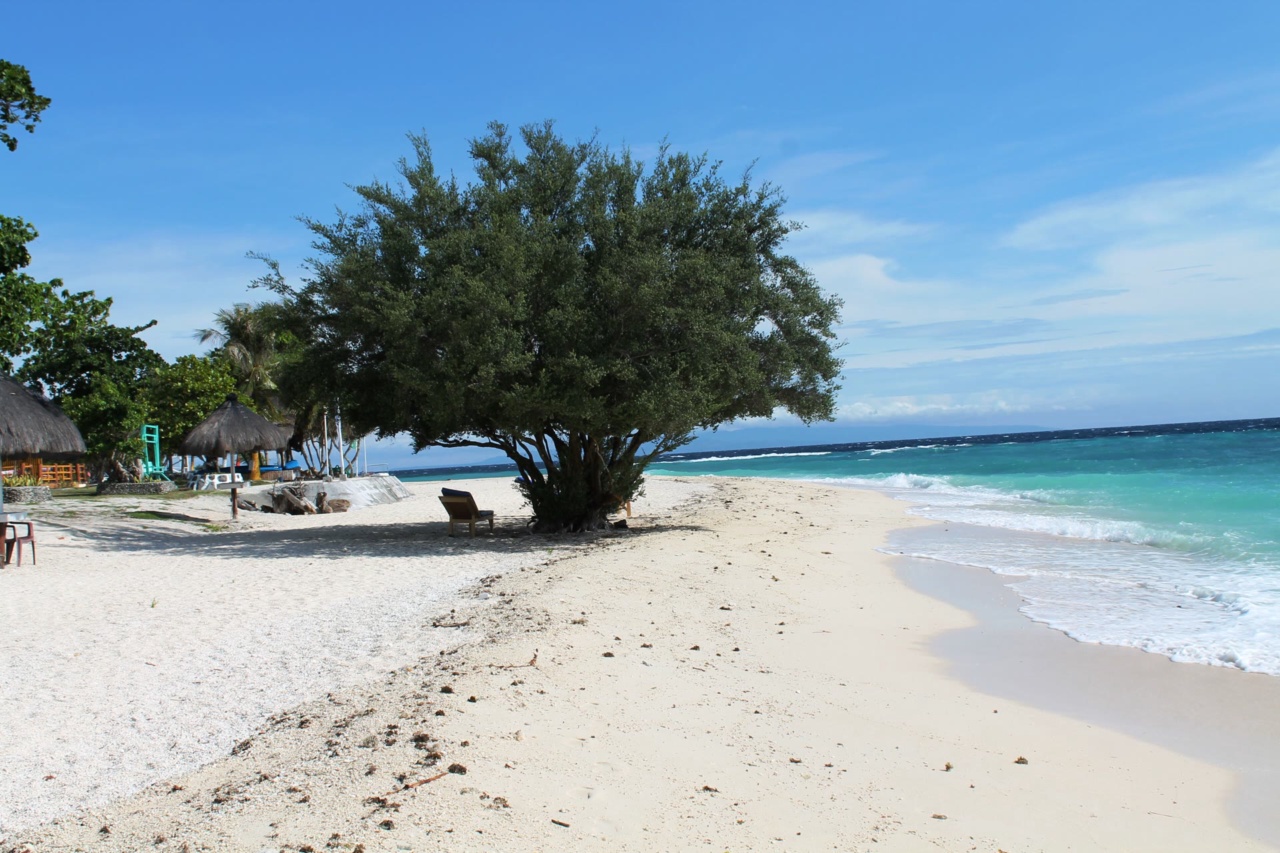
Connected to the Bohol mainland by bridges, Panglao is where most tourists sleep. Alona Beach is the main strip, packed with dive shops, restaurants, bars, and accommodation ranging from backpacker hostels to boutique resorts. It is compact and walkable but gets crowded. For a quieter beach experience, head to Dumaluan Beach or Doljo Beach on Panglao's north side, where resorts are more spread out and the sand is just as good.
Tagbilaran City
The provincial capital is a working Filipino city with little tourist charm but useful infrastructure: the main ferry terminal, banks, pharmacies, malls (Island City Mall and BQ Mall), and budget accommodation. You will likely pass through but have little reason to linger.
Loboc and the Interior
The town of Loboc, about 24 kilometers from Tagbilaran, is the gateway to the Loboc River cruises and the adventure parks. The surrounding interior is lush countryside dotted with small towns, each with a Spanish-era church and a slow rhythm of life.
The town of Carmen, roughly 55 kilometers northeast of Tagbilaran, is home to the main Chocolate Hills viewing complex. The road between Tagbilaran and Carmen passes through most of the countryside attractions, making it a natural touring corridor.
Anda
On Bohol's eastern coast, Anda is a quieter alternative to Panglao with its own white sand beaches, caves, and a more off-the-beaten-path feel. It requires more effort to reach (about two hours from Tagbilaran) but rewards with solitude.
Where to base yourself: Panglao (Alona Beach area) is the default and most practical base for first-timers. Couples seeking romance should look at boutique resorts on Panglao's quieter stretches. Budget travelers will find the best hostel options on Alona Beach. Families do well at the mid-range resorts along Dumaluan Beach.
Things to Do
Offers are only loaded from GetYourGuide after you click. GetYourGuide can then process your IP address and set cookies. Privacy Policy
GetYourGuide partner offers. GoAsia may earn a commission if you book through these offers. Check whether tickets or transfers are included, and follow the attraction's official booking and admission rules.
Best Time to Visit
Bohol has a tropical climate with temperatures hovering between 25 and 33 degrees Celsius year-round. The main variable is rain.
Season
Months
Weather
Crowds
Prices
Dry (Peak)
Dec - May
Hot, sunny, low humidity. March to May hottest.
High, especially Dec-Jan and Easter
Highest
Wet (Shoulder)
Jun - Aug
Occasional rain, mostly afternoon showers. Still plenty of sun.
Moderate
Moderate
Wet (Low)
Sep - Nov
Heaviest rainfall, occasional typhoons possible
Low
Lowest
The Chocolate Hills earn their name during the dry season when the grass covering them turns brown, creating that iconic chocolate truffle landscape. During the wet months, they are green and lush, which is beautiful but less distinctive. For the classic postcard shot, visit between February and May.
The Sandugo Festival in July celebrates the historic blood compact between Spanish explorer Legazpi and local chieftain Sikatuna with street dancing, parades, and cultural shows. It is worth timing your visit around if you enjoy festivals. The Panglao Island Festival in May is smaller but features lively beach events.
Getting There and Getting Around
Getting There
Bohol-Panglao International Airport (TAG) is on Panglao Island. Philippine Airlines flies Manila to Tagbilaran several times a day, with a scheduled flight time of about 1 hour 30 minutes.[1] Compare current fares on the airline websites.
Ferries link Cebu City and Tagbilaran. Lite Ferries sails from Cebu City Pier 1 to the Port of Tagbilaran every night at 22:00, arriving at 02:00, and on some days also at 13:00, a crossing of about 4 hours.[2] OceanJet also sells Cebu-Tagbilaran tickets.[3] The ferry terminal is in Tagbilaran, so you need a tricycle or van to reach Panglao. You can check ferry schedules and book transport options on GoAsia.cc for the latest routes.
Getting Around
Bohol's attractions are spread across the island, so you need wheels. Your main options:
Motorbike rental: Around $7 to $12 per day. The most popular and flexible option. Roads are generally decent, but watch for potholes, dogs, and trucks on the main highway. An international driving permit is technically required.
Scooter with driver: Around $15 to $25 per day including fuel. A good compromise if you are not confident riding.
Organized countryside tour: Full-day tours hitting the main sights (Chocolate Hills, tarsier sanctuary, Loboc River, Baclayon Church, man-made forest) cost around $25 to $40 per person in a group van, or $50 to $70 for a private car with driver-guide.
Car rental with driver: Around $40 to $60 per day. Best for families or groups wanting flexibility.
Tricycles: The local short-distance transport. Useful in Tagbilaran and around Panglao. Expect to pay around $1 to $3 for short hops. Always agree on the price before getting in.
There is no Grab or ride-hailing service operating reliably in Bohol. Public jeepneys and buses run between major towns but are slow and infrequent. For the countryside tour, renting transport is practically essential.
Panglao's Alona Beach strip is walkable end to end in about 15 minutes. Beyond that, you will want a tricycle or motorbike.
Top Sights and Experiences
Must-See Attractions
Chocolate Hills: Bohol's signature landmark is a geological oddity of more than a thousand symmetrical, grass-covered limestone mounds. The main viewing deck in Carmen charges a small entrance fee (around $1 to $2) and offers a panoramic view from a hilltop staircase. Go early in the morning for the best light and fewer crowds. Budget 30 to 45 minutes. For a more adventurous perspective, the Chocolate Hills Adventure Park nearby offers ziplines and ATV rides across the hills for around $10 to $20.
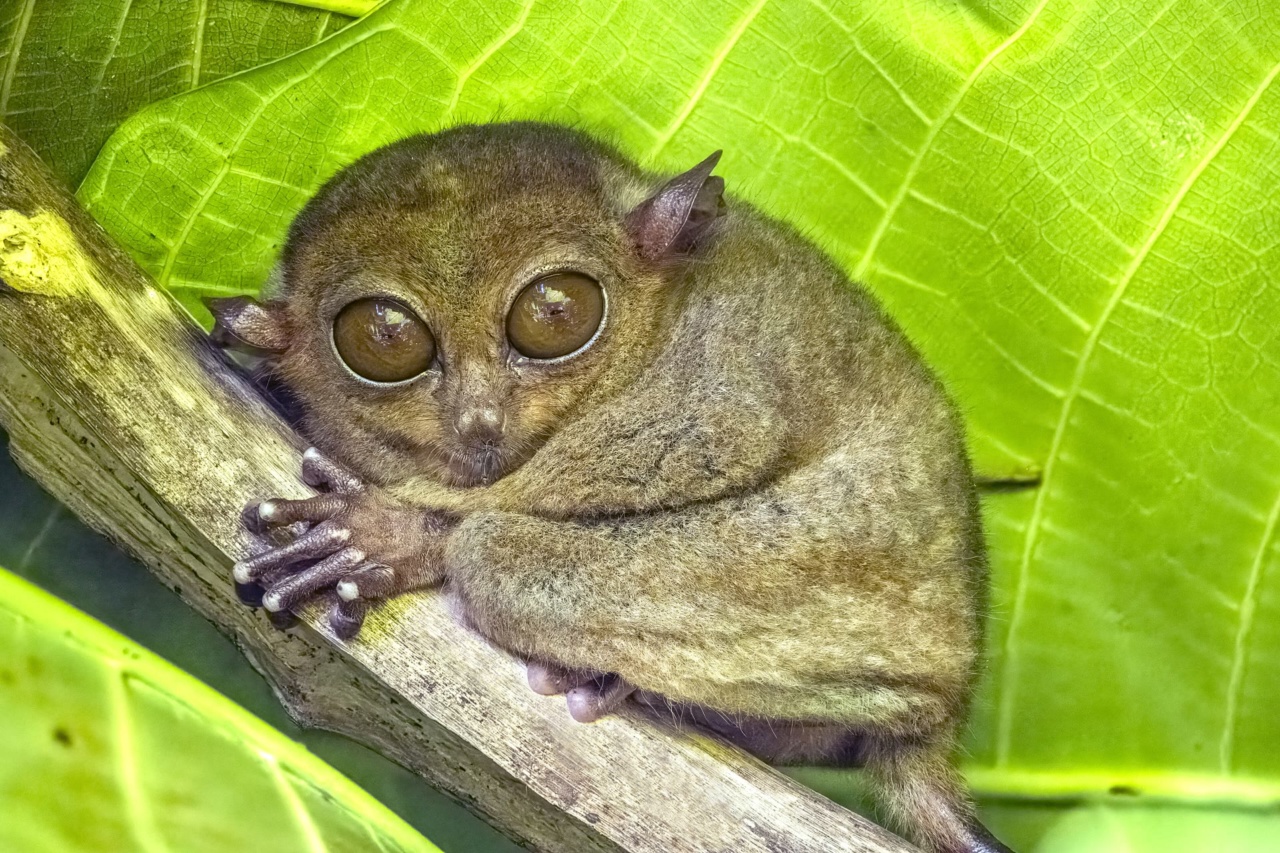
Philippine Tarsier Sanctuary (Corella): The Philippine Tarsier Foundation in Corella runs a conservation-focused sanctuary where you can see these tiny, bug-eyed primates in a semi-wild forested setting. Guides lead you quietly along boardwalks to spot tarsiers clinging to branches. Entry is around $2 to $3. Keep your voice low, do not use flash photography, and avoid the roadside tarsier exhibits elsewhere on the island, which are exploitative and stressful for the animals. Allow 30 to 45 minutes.
Loboc River Cruise: Floating restaurants glide up the emerald Loboc River while a buffet lunch of Filipino dishes is served and local musicians perform. It is touristy but genuinely scenic. Cruises cost around $8 to $12 per person including the meal. The food is decent, not spectacular. Go on a weekday to avoid the weekend rush. The cruise lasts about an hour.
Baclayon Church: One of the oldest stone churches in the Philippines, built by the Jesuits in the late 1500s. It suffered damage in the earthquake of recent years but has been partially restored. The adjacent museum houses religious artifacts and colonial-era relics. Entry to the museum is around $1. Worth 20 to 30 minutes.
Balicasag Island: A marine sanctuary about 30 minutes by boat from Panglao. The wall dive here is world-class, with sea turtles, barracuda, and vibrant coral. Snorkelers can see turtles from the surface. Island-hopping tours from Alona Beach cost around $15 to $25 per person and typically include Balicasag, Virgin Island (a sandbar), and sometimes Pamilacan Island. Go early to beat the boat crowds at the snorkeling area.
Man-Made Forest: A two-kilometer stretch of densely planted mahogany trees forming a dramatic green tunnel over the road between Loboc and Bilar. It is a quick photo stop on the countryside tour. Best visited in the morning when light filters through the canopy. Five to ten minutes is enough.
Lesser-Known Gems
Cadapdapan Rice Terraces and Can-umantad Falls: Near the town of Candijay in eastern Bohol, these terraces are a miniature version of the Banaue rice terraces. A short hike from the terraces leads to Can-umantad Falls, a stunning 60-meter cascade you can swim beneath. Few tourists make the trip, which is part of the appeal. Allow half a day including travel from Panglao.
Anda Beaches and Caves: The town of Anda on the eastern coast has powder-white beaches without the resort density of Panglao. Cabagnow Cave Pool is a crystal-clear underground swimming hole that costs around $1 to enter. Lamanok Island nearby has ancient cave paintings and a mystical, mangrove-lined atmosphere.
Dimiao Twin Falls: A pair of waterfalls near the town of Dimiao, reachable by a short jungle hike. The pool at the base is deep enough for swimming. Entry is minimal, and you will likely have the place to yourself on weekdays.
Abatan River Firefly Watching: After dark, boats glide along the Abatan River near the town of Cortes to see thousands of fireflies lighting up the mangrove trees like natural Christmas lights. Tours run in the evening and cost around $10 to $15. It is a magical experience, especially for families.
Overrated Attractions
Blood Compact Monument: A concrete sculpture depicting the 1565 blood compact between Legazpi and Sikatuna. Historically significant but visually underwhelming. It is a five-minute roadside stop at best, not a destination in itself.
Butterfly Conservation Center: Small and often underwhelming compared to expectations. The tarsier sanctuary is a much better use of your wildlife-viewing time.
Python Sanctuary: A roadside attraction where large pythons are draped on tourists for photos. It is uncomfortable for the animals and not a genuine conservation effort. Skip it.
Food and Drink
Bohol's food scene leans heavily on fresh seafood, coconut-based dishes, and regional specialties you will not find elsewhere in the Philippines.
Signature Dishes
Dish
Description
Where to Try
Typical Price
Peanut Kisses
Crunchy peanut meringue cookies shaped like the Chocolate Hills
Souvenir shops across the island, especially along the countryside tour route
Around $1-2 per box
Calamay
Sweet, sticky rice cake made with coconut milk, served in coconut shell halves. Jagna town is the origin.
Jagna market or roadside vendors
Around $1-2 per shell
Kinilaw
Filipino ceviche: raw fish cured in vinegar and calamansi with onions, ginger, and chili
Seafood restaurants on Alona Beach or Tagbilaran wet market
Around $2-4
Grilled Squid (Inihaw na Pusit)
Whole squid stuffed with tomato and onion, grilled over charcoal
Beachfront grills on Alona Beach
Around $3-5
Lechon
Whole roasted pig with crackling skin, a celebration staple
Local carinderias or order for groups at specialty lechon shops in Tagbilaran
Around $2-3 per plate
Sikwate and Puto
Traditional hot chocolate drink made from local cacao, paired with steamed rice cakes
Local cafes and morning markets
Around $1
Where to Eat
Alona Beach: The main restaurant strip. Expect a mix of Filipino, Italian, and international cuisine. Seafood barbecue stalls along the beachfront offer the best value, with grilled fish, squid, and prawns sold by weight. A full seafood dinner for two runs around $10 to $20.
Tagbilaran: The Dao Market is the best place for cheap, authentic local food. Carinderias (small eateries) serve rice-and-viand meals for around $1 to $2. The area around Island City Mall has fast food and casual restaurants.
Loboc: Beyond the river cruise, Loboc town has a few local eateries serving simple Filipino meals at rock-bottom prices.
Budget meal: $1 to $3 at a carinderia. Mid-range: $5 to $12 at a sit-down restaurant on Alona Beach. Upscale: $15 to $30 at a resort restaurant with cocktails.
Bohol's cacao industry is growing, and several small farms offer tours and tastings. If you are a chocolate lover, seek out a cacao farm tour near Loboc or Loay for a unique half-day experience.
Where to Stay
Budget (Under $20 per night)
Alona Beach has a handful of hostels and basic guesthouses with dorm beds from around $6 to $10 and private rooms from $12 to $20. Expect fans rather than air conditioning at the lowest prices. Tagbilaran has the cheapest rooms on the island but is not where you want to be based.
Mid-Range ($20 to $80 per night)
This is Bohol's sweet spot. Clean, air-conditioned rooms with pools are available along Alona Beach and Dumaluan Beach in this range. Many mid-range resorts include breakfast. You will find good value boutique properties slightly inland from the beach, often with better pools and quieter settings than the beachfront places.
Upscale ($80 to $250+ per night)
Panglao has several high-end resorts with private beach access, infinity pools, spa facilities, and dive centers. Some of the best are located on the island's quieter northern and western coasts, away from Alona Beach. A few eco-resorts in the Bohol interior offer jungle-lodge experiences with views of the countryside.
Unique to Bohol: some resorts are built on stilts over mangrove areas or offer treehouse-style accommodation in the jungle interior, giving a distinctive experience you will not find in typical Philippine beach destinations.
Practical Tips
Safety: Bohol is very safe by Philippine standards. Petty theft is uncommon but lock your belongings at the beach. The biggest physical risk is motorbike accidents. Wear a helmet, drive slowly, and avoid riding at night on unlit rural roads. Jellyfish stings occasionally occur; ask locals about current conditions before swimming.
Payment: Cash is king. Many restaurants, tour operators, and smaller hotels do not accept cards. ATMs are available in Tagbilaran, Panglao, and at the airport, but they sometimes run out of cash on busy weekends. Bring enough pesos for a few days at a time. Tipping is appreciated but not obligatory; rounding up or leaving 5 to 10 percent at restaurants is generous by local standards.
SIM cards and internet: Buy a local SIM card (Globe or Smart) at the airport or any sari-sari store for around $2 to $3 with data. Globe tends to have better coverage in rural Bohol. Wi-Fi at hotels and restaurants ranges from decent to painfully slow.
Language: The local language is Cebuano (Bisaya), but English is widely understood in tourist areas. You will have no trouble communicating at hotels, restaurants, and tour operators. In rural villages, a few Cebuano phrases (like "salamat" for thank you) go a long way and earn big smiles.
Electricity: Outlets use Type A and B plugs (same as the US). Power outages happen occasionally in rural areas but are rare in resort zones.
Sun protection: The tropical sun is fierce. Reef-safe sunscreen is strongly encouraged, especially before snorkeling at Balicasag and other marine sanctuaries.
Cultural etiquette: Boholanos are warm and hospitable. Remove shoes before entering homes. When visiting churches, cover shoulders and knees. Pointing with fingers is considered rude; Filipinos gesture with their lips instead. Avoid loud complaints or confrontational behavior, as losing your temper publicly causes loss of face for everyone involved.
Day Trips
Balicasag Island
Distance: 30 minutes by boat from Panglao. This is the premier snorkeling and diving spot, with a protected marine sanctuary, sea turtles, and a dramatic drop-off. Most visitors combine it with a stop at Virgin Island sandbar. Book through your hotel or a tour operator on Alona Beach. Go as early as possible to avoid the mid-morning boat traffic at the snorkeling area. Full island-hopping trips run around $15 to $25 per person.
Distance: 45 minutes by boat from Panglao. Known for dolphin watching (best chances in the early morning) and whale shark sightings in season. The island itself is a quiet fishing community with a small beach. Tours cost around $20 to $35 per person. Dolphin sightings are common but not guaranteed.
Anda
Distance: About 2 to 2.5 hours by road from Panglao. Worth a full day or overnight trip. Highlights include Cabagnow Cave Pool, Combento Cave, Quinale Beach, and Lamanok Island. The journey itself passes through scenic countryside. Rent a motorbike or hire a driver for the day.
Danao Adventure Park
Distance: About 1.5 hours from Tagbilaran, near the town of Danao. This eco-adventure park offers ziplines, rappelling, kayaking, caving, and a terrifying "plunge" (a controlled freefall into a canyon). It is more adventurous and less crowded than the Loboc-area adventure parks. Activities are priced individually, ranging from around $5 to $20 each.
Camiguin Island
Distance: Reachable by ferry from Jagna port (about 2 to 3 hours). Camiguin is a volcanic island with hot springs, waterfalls, and a sunken cemetery you can snorkel over. It deserves at least an overnight stay rather than a rushed day trip, but the ferry connection from Bohol makes it accessible.
Sample 3-Day Itinerary
Day 1: Countryside Tour
Morning: Start early from Panglao. Drive to the Philippine Tarsier Sanctuary in Corella (arrive by 8:30 AM to see tarsiers at their most active). Continue to the Man-Made Forest for a quick photo stop, then on to the Chocolate Hills viewing complex in Carmen. Climb the stairs for the panoramic view.
Afternoon: Head back toward Loboc for a river cruise lunch. After the cruise, stop at Baclayon Church and its museum. If time and energy allow, add the Abatan River firefly tour in the evening (boats depart around 6 to 7 PM from Cortes).
Evening: Return to Panglao. Dinner at a beachfront seafood grill on Alona Beach.
Day 2: Island Hopping
Morning: Depart Alona Beach by 6:30 to 7:00 AM for an island-hopping tour. First stop: Balicasag Island for snorkeling with sea turtles and exploring the marine sanctuary. Spend about 1.5 to 2 hours here.
Midday: Head to Virgin Island sandbar. Wade in the shallow turquoise water, buy fresh sea urchin from local vendors (around $1 to $2 per piece, eaten raw with vinegar), and enjoy the surreal sandspit.
Afternoon: Return to Panglao by early afternoon. Rent a motorbike and explore Panglao's quieter beaches: Dumaluan Beach for swimming or Doljo Beach for a local village feel. Stop at a cacao farm if one is open for visits.
Evening: Watch the sunset from Alona Beach. Try a Filipino-style barbecue dinner at one of the beachfront restaurants.
Day 3: Adventure and Culture
Morning: Choose your adventure: either a two-tank dive at Balicasag (for certified divers) or head to the Loboc Eco-Tourism Adventure Park for SUP paddleboarding, ziplining, or kayaking on the Loboc River.
Afternoon: Visit the Bohol Bee Farm for a late lunch of organic dishes and their famous honey ice cream. Browse the gardens and shop for local products. Alternatively, drive to Dimiao Twin Falls for a jungle swim.
Evening: Final dinner on Alona Beach. Pick up peanut kisses and calamay as souvenirs from a roadside shop on the way back.
Budget Overview
Category
Budget
Mid-Range
Comfort
Accommodation
$8-15
$30-60
$80-150
Food
$5-10
$15-25
$30-50
Transport
$5-8
$10-20
$25-50
Activities
$5-10
$15-30
$30-60
Daily Total
$23-43
$70-135
$165-310
Bohol remains one of the best-value destinations in the Philippines. Budget travelers who eat at carinderias, rent a motorbike, and stay in fan rooms can get by comfortably on $30 to $40 per day. Mid-range travelers staying in air-conditioned resort rooms with pool access, eating well, and joining organized tours will spend around $80 to $120 per day. At the comfort level, high-end resorts, private tours, and multiple dive trips push the daily spend to $200 or more, which still represents excellent value compared to similar tropical destinations worldwide.
Frequently Asked Questions
Is Bohol worth visiting?
Absolutely. Bohol offers a concentration of unique natural attractions you simply cannot find elsewhere, from the Chocolate Hills to the Philippine tarsier. It combines beach relaxation on Panglao with genuine cultural and ecological experiences in the interior, making it one of the most rewarding destinations in the Philippines.
How many days do you need in Bohol?
Three full days is the minimum to cover the countryside tour, a beach or island-hopping day, and a day for diving or relaxation. Five to seven days lets you explore at a comfortable pace, adding river adventures, lesser-known waterfalls, and a proper dive schedule at Balicasag.
Is Bohol safe for tourists?
Bohol is considered one of the safest provinces in the Philippines for tourists. Violent crime against visitors is extremely rare. The main risks are road accidents on motorbikes (wear a helmet and drive cautiously) and petty overcharging by unlicensed tour operators. Exercise normal precautions and you will be fine.
What is the best time to visit Bohol?
The dry season from December through May offers the best weather, with March to May being the hottest but driest months. The Chocolate Hills are at their most photogenic brown color from February to May. June through November brings more rain, but showers are often brief and prices drop significantly.
What food is Bohol famous for?
Bohol is known for peanut kisses (a sweet cookie shaped like the Chocolate Hills), calamay (a sticky rice and coconut delicacy from Jagna), and fresh seafood. The Loboc River cruise lunch is iconic, and local eateries serve excellent grilled fish, kinilaw (Filipino ceviche), and lechon.
Can you drink tap water in Bohol?
No, do not drink tap water in Bohol. Stick to bottled or purified water, which is cheap and widely available. Most restaurants use purified water for cooking and ice, but if in doubt at very small local eateries, ask or stick to sealed bottles.
How do I get from the airport to my hotel in Bohol?
Bohol-Panglao International Airport is on Panglao Island itself, so beach resort transfers are typically 15 to 30 minutes. Hotels often provide airport pickup. Alternatively, vans and tricycles wait outside the terminal. Expect to pay around $5 to $10 for a van transfer to Alona Beach or Tagbilaran.
Is Bohol good for diving?
Bohol is excellent for diving. Balicasag Island features stunning wall dives with sea turtles and schools of jacks, while Pamilacan Island offers occasional dolphin and whale shark encounters. Panglao itself has numerous dive sites suitable for beginners. A two-dive trip typically costs around $50 to $80 with gear rental.
Do I need a visa to visit Bohol?
If your nationality is covered by the Philippines visa-waiver rules, the Philippine Bureau of Immigration says that non-visa-required tourists are initially admitted for 30 days. This is visa-free admission, not a visa on arrival. If your passport is not covered, arrange the required visa before travel. Before booking, check the Bureau of Immigration's current requirements for your nationality.
Is it better to stay in Panglao or Tagbilaran?
Panglao is the better base for most travelers, offering beach access, dive shops, restaurants, and nightlife along Alona Beach. Tagbilaran is more of a transit hub with cheaper accommodation but little tourist appeal. Stay in Panglao unless you are catching an early morning ferry from Tagbilaran port.
Sources and background
Numbers in the text such as [1] refer to these sources.