
Tagbilaran
Tagbilaran is the compact, unhurried capital of Bohol province, serving as the gateway to the Chocolate Hills, pristine dive sites, and some of the Philippines' most iconic wildlife.
Last updated: October 15, 2026
Contents
- 1. Orientation and Neighborhoods
- 1.1 City Center and Port Area
- 1.2 Dao District
- 1.3 Bool District
- 1.4 Panglao Bridge Corridor
- 2. Best Time to Visit
- 3. Getting There and Getting Around
- 3.1 Arriving by Air
- 3.2 Arriving by Ferry
- 3.3 Getting Around Tagbilaran
- 4. Top Sights and Experiences
- 4.1 Must-See Attractions
- 4.2 Lesser-Known Gems
- 4.3 Overrated Attractions
- 5. Food and Drink
- 5.1 Signature Dishes
- 5.2 Where to Eat
- 5.3 Price Ranges
- 6. Where to Stay
- 6.1 Budget (Under $20 per night)
- 6.2 Mid-Range ($20 to $60 per night)
- 6.3 Upscale ($60 and above)
- 6.4 Unique Options
- 7. Practical Tips
- 8. Day Trips
- 8.1 Chocolate Hills (Carmen) - 55 km, about 2 hours
- 8.2 Panglao Island - 18 km, about 30 minutes
- 8.3 Loboc and the Loboc River - 24 km, about 45 minutes
- 8.4 Anda - 100 km, about 2.5 hours
- 8.5 Dimiao and Twin Falls - 40 km, about 1.5 hours
- 9. Sample 3-Day Itinerary
- 9.1 Day 1: Arrive and Explore Tagbilaran
- 9.2 Day 2: Bohol Countryside Tour
- 9.3 Day 3: Panglao Island and Balicasag
- 10. Budget Overview
- 11. Frequently Asked Questions
The ferry from Cebu glides into Tagbilaran port and the first thing you notice is the pace. Tricycles idle in the shade, vendors fan grilled bananas on the roadside, and the cathedral bell tower rises above low-slung buildings as if nothing here has ever been in a hurry. Tagbilaran is not a place that tries to impress you. It simply exists as Bohol's civic heart, a small city of roughly 100,000 people where government offices, markets, and churches cluster within walking distance of the sea.
Most visitors treat Tagbilaran as a transit point, catching a van to Panglao's beaches or the Chocolate Hills within an hour of arrival. That is a perfectly valid strategy, but spending a night or two in the city itself has its own rewards: cheaper accommodation, better local food, and a window into everyday Visayan life that beach resorts deliberately filter out. It is also the most practical base for arranging countryside tours, renting motorbikes, and stocking up on supplies.
Tagbilaran suits budget travelers, culture-curious visitors, and anyone who prefers a real town over a resort bubble. If you want white-sand lounging, head straight to Alona Beach on Panglao. If you want to understand Bohol before you explore it, start here.
Orientation and Neighborhoods
Tagbilaran is small enough that you can walk across the central area in about 30 minutes. The city hugs the southwestern coast of Bohol island, facing the Bohol Strait with Cebu visible on clear days.
City Center and Port Area
The commercial core radiates outward from the Tagbilaran City Port (also called the Tagbilaran Pier). Within a few blocks you will find the public market, Island City Mall (the main shopping center), the cathedral, and most budget to mid-range hotels. This is where the action is, such as it is. Stay here if you want walkability and proximity to ferries.
Dao District
About two kilometers north of the port, Dao is home to the integrated bus terminal where vans and buses depart for the Chocolate Hills, Loboc, and other inland destinations. A handful of guesthouses sit nearby, convenient if you plan an early countryside departure.
Bool District
South of the center, Bool is where the famous Blood Compact Shrine stands. It is a quieter residential area with a few heritage houses and a pleasant waterfront stretch. A good pick for travelers who want peace without leaving the city.
Panglao Bridge Corridor
The road leading to the two bridges connecting Tagbilaran to Panglao Island has seen newer hotels and restaurants pop up. Staying along this corridor splits the difference between city convenience and beach proximity, though you will need a tricycle or motorbike to reach either comfortably.
Things to Do
Offers are only loaded from GetYourGuide after you click. GetYourGuide can then process your IP address and set cookies. Privacy Policy
GetYourGuide partner offers. GoAsia may earn a commission if you book through these offers. Check whether tickets or transfers are included, and follow the attraction's official booking and admission rules.
Best Time to Visit
Bohol has a tropical climate with two loose seasons: dry (roughly January to May) and wet (June to December). The distinction is not as sharp as in some Philippine regions, and brief afternoon showers can occur year-round.
| Period | Weather | Crowds | Prices |
|---|---|---|---|
| January - May | Hot and mostly dry, March to May hottest (32-35C) | Peak season, especially Easter week | Higher, book ahead for Holy Week |
| June - October | Warm with frequent rain, occasional typhoons | Low season, fewer tourists | Lower, good deals on accommodation |
| November - December | Transitional, can be wet, typhoon risk | Moderate, picks up for Christmas | Moderate |
The Sandugo Festival in July commemorates the historic blood compact between Spanish explorer Legazpi and Boholano chieftain Sikatuna. Expect street dancing, parades, and a lively atmosphere throughout Tagbilaran. It is the single best time to experience the city with energy and color, though accommodation fills up fast.
For diving around Panglao and Balicasag, visibility peaks from March to June. If the countryside tour is your main goal, the dry months keep unpaved roads passable and the Chocolate Hills at their most photogenic brown (they turn green in the rainy season, which is still beautiful but less iconic).
Getting There and Getting Around
Arriving by Air
Panglao International Airport (TAG) sits on Panglao Island, roughly 20 minutes by car from central Tagbilaran. Airlines including Cebu Pacific and Philippine Airlines operate daily flights from Manila (about 1.5 hours) and occasional routes from other cities. From the airport, metered taxis and vans charge around $4 to $7 to reach Tagbilaran center. Grab is available but drivers can be scarce; having cash for a taxi is safer.
Arriving by Ferry
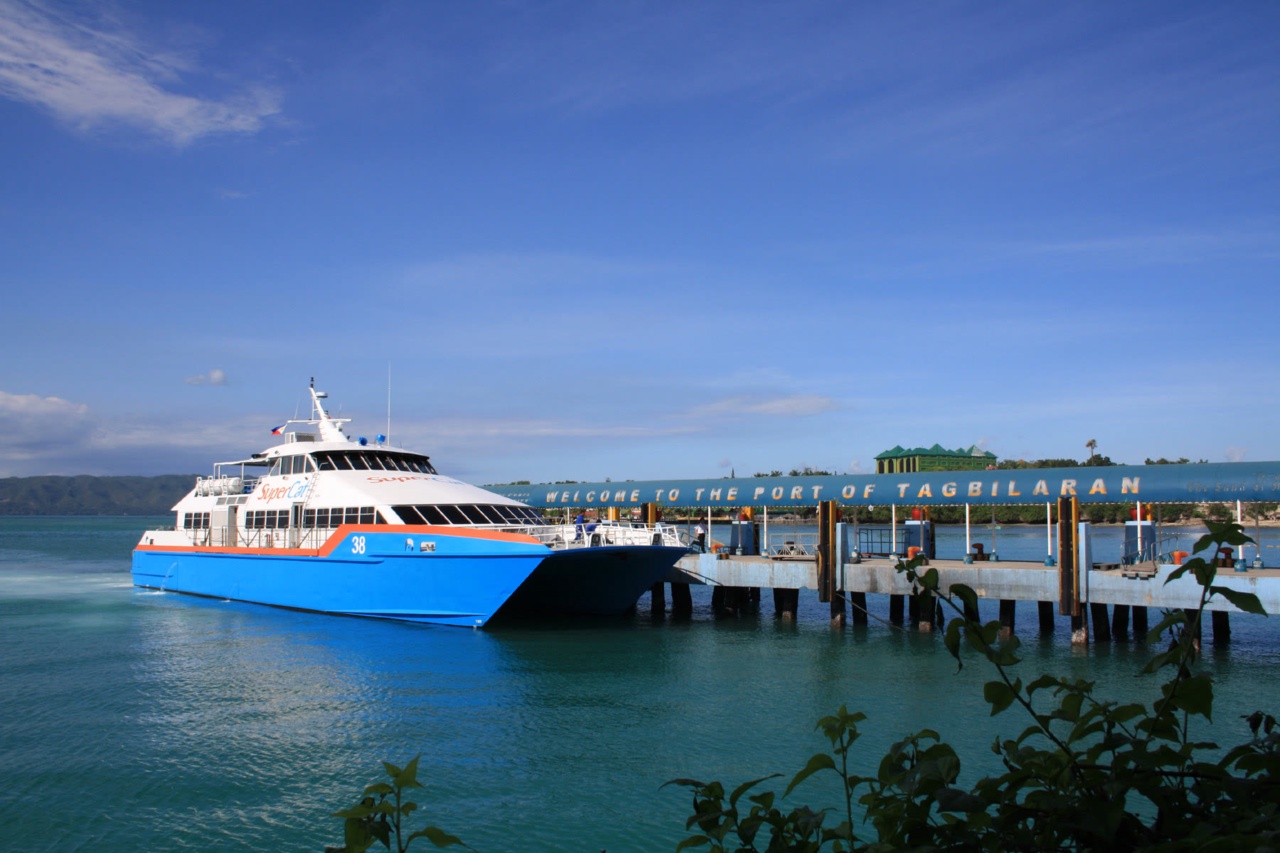
Fast ferries from Cebu City (Pier 1) take about two hours and cost roughly $10 to $15 for economy, $18 to $25 for business class. OceanJet and Lite Ferries are the main operators, with multiple daily departures. The Tagbilaran port is right in the city center, so you can walk to most hotels. Ferries also connect to Dumaguete (Negros Oriental), useful for island-hopping itineraries. You can check ferry schedules and book transport options on GoAsia.cc for the latest routes.
Getting Around Tagbilaran
Tricycles are the primary transport within the city. A short ride costs around $0.40 to $0.80 (PHP 20-40), but always agree on the fare before hopping in. For longer distances or chartered trips, expect $2 to $4.
Motorbike rental is the best way to explore Bohol independently. Shops near the port and along the main roads rent scooters for roughly $8 to $12 per day. You will need a valid license (international driving permit recommended) and should check brakes and tires before riding. Helmets are required by law.
Vans and buses depart from the Dao integrated terminal for countryside destinations. A van to Carmen (Chocolate Hills) costs around $2 to $3 and takes about two hours. Buses are cheaper but slower.
Grab exists in Tagbilaran but coverage is thin. It works better for airport transfers than spontaneous city rides. For anything else, flag a tricycle.
Walking is practical within the city center, though sidewalks are uneven and shade is limited during midday heat. Carry water and sunscreen.
Top Sights and Experiences
Must-See Attractions
Bohol Countryside Tour: This is the single most popular activity booked from Tagbilaran. The standard loop covers the Chocolate Hills viewpoint in Carmen, the Philippine Tarsier Sanctuary in Corella, the Baclayon Church (one of the oldest stone churches in the Philippines), the Loboc River cruise, and the man-made forest along the highway. You can hire a driver for the full day for around $35 to $50 for the vehicle, or join a group tour for roughly $15 to $25 per person. Start early (7 AM departure) to beat tour bus crowds at the Chocolate Hills. The tarsier sanctuary deserves genuine reverence: these tiny primates are extremely sensitive to noise and flash photography, so follow the rules strictly.
Baclayon Church: Located about six kilometers from Tagbilaran, this coral-stone church dates to the late 16th century and is one of the oldest in the Philippines. The adjacent museum houses religious artifacts and colonial-era relics. Earthquake damage from a major tremor in the past has been partially restored, and scaffolding may still be visible on parts of the structure. Worth a 30-minute stop even if you are not religious.
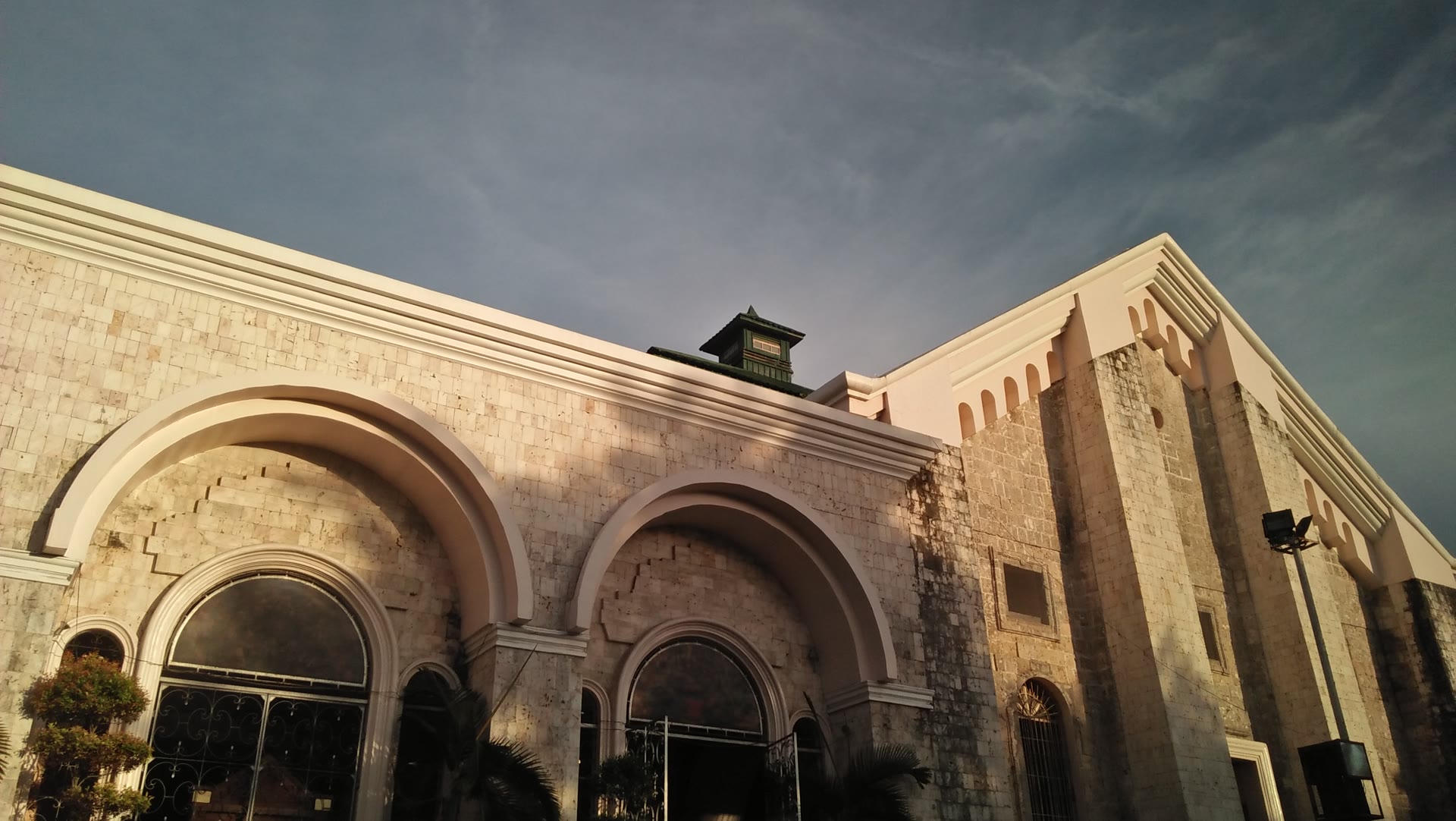
Tagbilaran Cathedral (St. Joseph the Worker Cathedral): The city's main church sits in the center and is a pleasant, modest structure. Sunday morning mass is a cultural experience in itself, with the community dressed in their best. Free to visit, 15 minutes is enough unless you attend a service.
Blood Compact Shrine (Bool): A bronze sculpture set in a small park commemorates the 1565 blood compact between Legazpi and Sikatuna, considered the first treaty of friendship between Filipinos and Spaniards. It is more historically significant than visually spectacular, but it is free and takes only 10 minutes. The waterfront nearby is pleasant for a stroll.
Lesser-Known Gems
Tagbilaran City Public Market: Skip the souvenir shops and head here for the real Bohol experience. The ground floor sells fresh fish, produce, and meat, while the upper level has cooked-food stalls serving local dishes at rock-bottom prices. Go in the morning when the selection is best. Calamay (a sticky sweet made from glutinous rice, coconut milk, and peanuts) is sold in coconut-shell containers and makes a great edible souvenir.
Carlos P. Garcia Heritage House: The ancestral home of the eighth president of the Philippines, located in the Poblacion area, offers a quiet look at early 20th-century Filipino domestic life. It is sometimes closed for maintenance, so check locally before visiting.
Waterfront Promenade: The stretch of seawall near the port area comes alive in the late afternoon as locals jog, fish, and eat street food. Sunset views toward Cebu are genuinely lovely. Grab a cup of sikwate from a nearby vendor and watch the sky change color.
Overrated Attractions
Loboc River Cruise: Included on nearly every countryside tour, this floating lunch buffet on a barge sounds idyllic but the food is mediocre, the river section is short, and the live music can feel forced. It is fine as part of a package tour but not worth going out of your way for. The river itself is beautiful; consider kayaking or paddleboarding instead if operators are available.
Butterfly Conservation Center: Marketed heavily on tour circuits, this small facility near the man-made forest has a limited collection and feels overpriced for what it offers (around $2 to $3 entry). If you have time on the countryside loop, a quick stop is harmless, but do not rearrange your schedule for it.
Python and Wildlife Display Centers: Several roadside attractions along the countryside tour route charge small fees to hold snakes or see caged animals in poor conditions. Skip these entirely. The tarsier sanctuary is the only wildlife stop that deserves your time and money.
Food and Drink
Boholano cuisine is hearty, coconut-rich, and unpretentious. Tagbilaran is the best place to eat it before resort prices take over on Panglao.
Signature Dishes
| Dish | Description | Where to Try | Typical Price |
|---|---|---|---|
| Peanut Kisses | Crunchy dome-shaped peanut cookies, Bohol's most famous pasalubong (souvenir snack) | Public market, souvenir shops | Around $1-2 per box |
| Calamay | Sticky, sweet coconut and rice paste served in coconut shells | Public market, roadside vendors | Around $0.50-1 per shell |
| Sikwate with Puto Maya | Thick hot chocolate drink paired with sticky rice cooked in coconut milk and ginger | Market stalls, local cafes | Around $0.50-1 |
| Chicken Binakol | Chicken soup cooked inside a young coconut with lemongrass | Local restaurants (carinderias) | Around $1.50-3 |
| Fresh Seafood | Grilled fish, shrimp, squid - whatever was caught that morning | Market eateries, waterfront restaurants | Around $2-5 per dish |
| Lechon | Whole roasted pig, crispy skin, Bohol's version rivals Cebu's | Lechon stalls near the market | Around $2-3 per plate portion |
Where to Eat
Public Market area: The cheapest and most authentic meals in the city. Carinderias (turo-turo eateries) serve rice with two to three viands for under $1.50. Hygiene varies, so look for stalls with high turnover.
Along CPG Avenue and Gallares Street: The main commercial streets have a mix of local restaurants, bakeries, and fast-food chains. Mid-range restaurants here serve Filipino dishes and some Western options for $3 to $7 per meal.
Near Island City Mall: A cluster of restaurants and cafes cater to a mix of locals and visitors. The mall's food court offers air-conditioned dining for $2 to $4 per meal, useful when the midday heat is brutal.
Waterfront and Bool area: A few open-air restaurants serve grilled seafood with views. Prices are slightly higher (around $5 to $10 for a seafood spread for two) but the atmosphere makes it worthwhile at sunset.
Price Ranges
A budget meal at a carinderia runs $1 to $2. A mid-range sit-down restaurant meal costs $3 to $7. An upscale dinner (by Tagbilaran standards) with seafood and drinks tops out around $10 to $15 per person. Alcohol is cheap: a local beer (San Miguel or Red Horse) costs about $0.60 to $1 in a store, $1 to $2 in a restaurant.
Where to Stay
Budget (Under $20 per night)
Tagbilaran has numerous guesthouses and budget hotels within walking distance of the port. Expect basic rooms with air conditioning, private bathrooms, and wifi that works most of the time. The area around the public market and CPG Avenue has the densest cluster. Rooms in this range typically cost $8 to $18 per night. Do not expect luxury, but cleanliness is generally acceptable.
Mid-Range ($20 to $60 per night)
Several well-maintained hotels along the main roads and near the Panglao bridge corridor offer comfortable rooms with hot showers, decent breakfast, and swimming pools. This tier represents the best value in Tagbilaran, with rooms that would cost twice as much on Panglao. Expect to pay $25 to $50 for a clean double room with reliable air conditioning and a restaurant on-site.
Upscale ($60 and above)
Tagbilaran itself does not have true luxury resorts; those are on Panglao. The nicest hotels in the city top out around $60 to $90 per night and offer business-hotel-level comfort with good restaurants and event spaces. If you want resort-quality accommodation, plan to stay on Panglao Island, where options range from $80 boutique hotels to $300-plus luxury resorts.
Unique Options
A few heritage-style guesthouses in the Bool and Poblacion areas occupy renovated old houses with wooden floors and period furniture. These are rare and not always listed on major booking platforms, so ask locally or check Philippine travel forums. Homestays arranged through community tourism programs offer immersive experiences in nearby barangays for very low rates.
Practical Tips
Safety: Tagbilaran is a safe city. Petty theft can happen in crowded market areas, so keep phones and wallets secure. Walking alone at night in the center is generally fine, though poorly lit side streets warrant normal caution. There are no significant scams targeting tourists here, though tricycle drivers may quote higher fares to obvious foreigners.
- Currency and Payment: Cash is king in Tagbilaran. ATMs are available at BDO, Metrobank, and Landbank branches in the city center and inside Island City Mall. Credit cards are accepted at larger hotels and some restaurants but not at markets, tricycles, or small eateries. Carry small bills (PHP 20, 50, 100) as change can be scarce.
- Tipping: Not expected at carinderias or street food stalls. At sit-down restaurants, rounding up or leaving 5-10% is appreciated but not obligatory. Tip tour drivers PHP 200-300 ($4-6) for a full countryside tour if service was good.
- SIM Cards and Internet: Buy a local SIM card (Globe or Smart) at the airport or any sari-sari store for under $2. Data packages offering several gigabytes cost $3 to $5 and last a week. Wifi in hotels ranges from adequate to frustrating. Mobile data is more reliable for navigation and messaging.
- Language: The local language is Cebuano (Bisaya), but English is widely understood. Menus, signs, and official documents are in English. You will have no communication problems. Learning a few Bisaya phrases (salamat for thank you, pila for how much) earns genuine smiles.
- Cultural Notes: Boholanos are warm and hospitable. Remove shoes before entering homes. Dress modestly when visiting churches (cover shoulders and knees). Pointing with a finger is considered rude; locals use their lips to gesture direction, which you will find charming once you notice it. Do not touch or attempt to hold tarsiers at the sanctuary, no matter what anyone offers.
- Health: Dengue is present in the Philippines, so use insect repellent, especially during dusk. Tap water is not potable; drink bottled or purified water. Pharmacies are well-stocked for basic medications. The Governor Celestino Gallares Memorial Hospital is the main medical facility.
Day Trips
Chocolate Hills (Carmen) - 55 km, about 2 hours
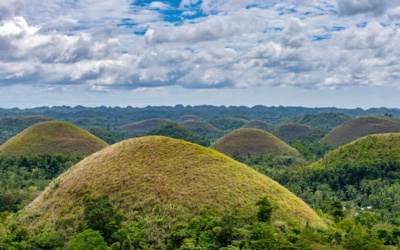
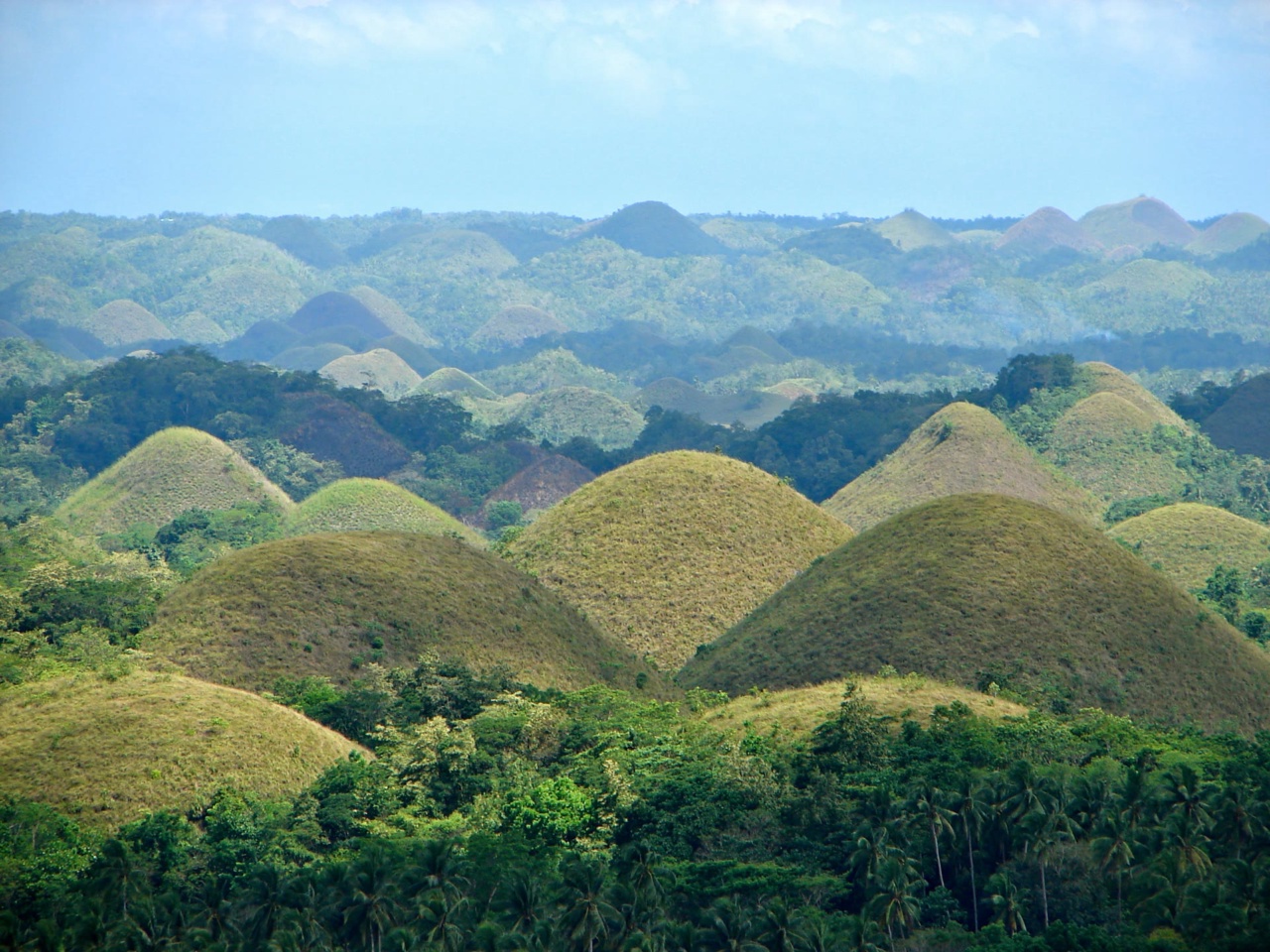
The iconic geological formation of over 1,200 conical hills is Bohol's top attraction. The main viewpoint has a staircase to an observation deck with panoramic views. Go early morning for cooler temperatures and fewer crowds. The hills are most photogenic in the dry season when they turn brown (hence the name). Combine with the tarsier sanctuary and Loboc River for the classic countryside loop. A hired car for the full day costs around $35 to $50.
Panglao Island - 18 km, about 30 minutes
Connected to Bohol by two bridges, Panglao is where the beaches are. Alona Beach is the most developed strip with dive shops, restaurants, and nightlife. Dumaluan Beach is wider and less crowded. Balicasag Island, a 30-minute boat ride from Panglao, offers world-class snorkeling and diving with sea turtles and a dramatic reef wall. A Balicasag boat trip costs roughly $15 to $25 per person through tour operators. Panglao is an essential complement to Tagbilaran, not a day trip so much as a logical next stop.
Loboc and the Loboc River - 24 km, about 45 minutes
Beyond the tourist river cruises, Loboc town has a beautiful old church and access to more adventurous river activities. Stand-up paddleboarding and kayaking trips offer a quieter way to experience the river. The Loboc Eco-Tourism Adventure Park has a zipline crossing the river gorge for around $5 to $8. Worth combining with other countryside stops rather than visiting alone.
Anda - 100 km, about 2.5 hours
This quiet coastal town on Bohol's eastern side has white-sand beaches that see a fraction of Panglao's visitors, plus freshwater caves and natural pools. Cabagnow Cave Pool is a surreal swimming spot inside a limestone cave. The journey is long on winding roads, so this works best as an overnight trip or a long day trip with an early start. Genuinely worth the effort if you want uncrowded beaches.
Dimiao and Twin Falls - 40 km, about 1.5 hours
South of Tagbilaran, the municipality of Dimiao hides several waterfalls in its hilly interior. Pahangog Twin Falls involves a steep descent on concrete stairs but rewards you with a powerful double cascade and a natural pool. Go on a weekday to have it nearly to yourself. Bring water shoes and be prepared for a workout on the return climb. Entry is around $1.
Sample 3-Day Itinerary
Day 1: Arrive and Explore Tagbilaran
Morning: Arrive by ferry from Cebu. Check into your hotel near the city center. Walk to the public market for sikwate and puto maya breakfast. Browse the stalls for calamay and peanut kisses.
Afternoon: Visit Tagbilaran Cathedral, then take a tricycle to the Blood Compact Shrine in Bool. Walk along the waterfront promenade. If time allows, visit the Carlos P. Garcia Heritage House.
Evening: Dinner at a local restaurant along CPG Avenue. Try chicken binakol or grilled seafood. Stroll the waterfront at sunset with a cold San Miguel.
Day 2: Bohol Countryside Tour
Morning (7 AM departure): Hire a driver or join a group tour. First stop: Philippine Tarsier Sanctuary in Corella. Observe these tiny primates in their natural habitat. Continue to the man-made forest for a photo stop among towering mahogany trees.
Midday: Arrive at the Chocolate Hills viewpoint in Carmen. Climb the 214 steps to the observation deck. Take in the view, then head back toward Loboc for lunch. Skip the river cruise and eat at a local carinderia in town instead for better food at a quarter of the price.
Afternoon: Visit Baclayon Church and its museum. Return to Tagbilaran by late afternoon. If energy permits, stop at a roadside stand for fresh buko (young coconut) juice.
Evening: Splurge on a seafood dinner near the waterfront. Pack your bag for tomorrow's move to Panglao.
Day 3: Panglao Island and Balicasag
Morning: Check out and take a tricycle or motorbike to Panglao (30 minutes). Join an early morning boat trip to Balicasag Island for snorkeling with sea turtles and reef fish. Trips typically depart around 7 to 8 AM and return by noon.
Afternoon: Settle into accommodation on Panglao. Relax on Alona Beach or the quieter Dumaluan Beach. Try a beachside restaurant for grilled fish and mango shakes.
Evening: Explore Alona Beach's bar strip for drinks and live music, or enjoy a quiet dinner watching the sun set over the Bohol Sea.
Budget Overview
| Category | Budget | Mid-Range | Comfort |
|---|---|---|---|
| Accommodation | $8-15 | $25-45 | $60-90 |
| Food | $5-8 | $10-18 | $20-30 |
| Transport | $3-5 | $8-15 | $15-25 |
| Activities | $5-10 | $15-25 | $25-40 |
| Daily Total | $21-38 | $58-103 | $120-185 |
Tagbilaran is remarkably affordable. Budget travelers eating at markets and sharing tricycles can get by on under $30 per day. Mid-range travelers enjoying private transport and sit-down restaurants will spend $60 to $100. The comfort tier includes the best hotels in the city, hired vehicles, and restaurant dining without watching the bill. Note that costs increase significantly once you move to Panglao's resort zone.
Frequently Asked Questions
Is Tagbilaran worth visiting?
Tagbilaran is worth visiting as a practical base for exploring Bohol rather than as a standalone destination. It offers affordable accommodation, authentic local food, and easy access to the Chocolate Hills, tarsier sanctuaries, and Panglao Island. Spending a night here gives you a genuine feel for provincial Filipino life that resort areas lack.
How many days do you need in Tagbilaran?
One to two nights in Tagbilaran is enough for most travelers. Use one day for the countryside tour (Chocolate Hills, tarsier sanctuary, Loboc River) and another to explore the city's churches, market, and waterfront. Most people then move on to Panglao for beach time.
Is Tagbilaran safe for tourists?
Tagbilaran is very safe by Philippine standards. Violent crime against tourists is extremely rare. The main concerns are petty theft in crowded market areas and tricycle drivers occasionally quoting inflated fares. Use common sense with your belongings and agree on fares before riding.
How do I get from Cebu to Tagbilaran?
Fast ferries from Cebu City's Pier 1 reach Tagbilaran port in roughly two hours and cost around $10 to $15 for economy class. Multiple operators run several daily departures. You can also fly from Manila to the Panglao International Airport, which is about 20 minutes from Tagbilaran by car.
What food is Tagbilaran famous for?
Boholano cuisine highlights include peanut kisses (crunchy peanut cookies), calamay (sticky rice and coconut sweet), and sikwate (thick local hot chocolate paired with sticky rice puto maya). For meals, try fresh seafood, chicken binakol, and the lechon that rivals Cebu's version.
Is Tagbilaran expensive?
Tagbilaran is one of the more affordable cities in the Philippines. Budget travelers can get by on roughly $25 to $35 per day including a basic room, local meals, and transport. It is noticeably cheaper than Panglao's beachfront area for both accommodation and dining.
Can you drink tap water in Tagbilaran?
No, do not drink tap water in Tagbilaran. Buy sealed bottled water or use a refillable bottle with a filter. Most restaurants serve purified water, and refill stations selling filtered water for a few cents per liter are found throughout the city.
What is the best time to visit Tagbilaran?
The dry season from January through May offers the best weather, with March to May being hottest. The Sandugo Festival in July is worth timing your visit around despite occasional rain. Avoid November through January if possible, as typhoon-season rains can disrupt ferry schedules and countryside tours.
Is English widely spoken in Tagbilaran?
Yes, English is widely understood throughout Tagbilaran. Most locals speak Cebuano (Bisaya) as their first language, but signs, menus, and government services are in English. You will have no trouble communicating in hotels, restaurants, and with tour operators.
Should I stay in Tagbilaran or Panglao?
Stay in Tagbilaran if you want budget-friendly lodging, local food, and easy access to the countryside tour. Stay in Panglao if beach access, diving, and resort amenities are your priority. Many travelers split their time, spending one or two nights in Tagbilaran before moving to Panglao.
Guides & Tips
1/1
Routes
🗺️ Getting Around Tagbilaran - Local Transport Guide
→ Routes from Tagbilaran (7)
Routes to Tagbilaran (6)