
Dumaguete
A laid-back university city on the southeastern coast of Negros Island, Dumaguete draws travelers with its walkable waterfront boulevard, exceptional marine life, and genuinely warm local culture.
Last updated: October 15, 2026
When to go
Climate and best time for DumagueteBest months: January to August
- January: Great. 31 °C by day, 24 °C at night, 101 mm of rain
- February: Great. 31 °C by day, 24 °C at night, 81 mm of rain
- March: Great. 32 °C by day, 24 °C at night, 68 mm of rain
- April: Great. 33 °C by day, 25 °C at night, 59 mm of rain
- May: Great. 33 °C by day, 25 °C at night, 97 mm of rain
- June: Great. 33 °C by day, 25 °C at night, 124 mm of rain
- July: Great. 32 °C by day, 25 °C at night, 129 mm of rain
- August: Great. 32 °C by day, 25 °C at night, 123 mm of rain
- September: Good (a lot of rain). 32 °C by day, 24 °C at night, 148 mm of rain
- October: Good (a lot of rain). 32 °C by day, 24 °C at night, 207 mm of rain
- November: Good (a lot of rain). 32 °C by day, 25 °C at night, 161 mm of rain
- December: Mixed (a lot of rain and typhoon risk). 31 °C by day, 25 °C at night, 137 mm of rain
- Great
- Good
- Mixed
- Poor
Contents
- 1. Orientation and Neighborhoods
- 1.1 Rizal Boulevard and City Center
- 1.2 Silliman University Area
- 1.3 Bantayan and Piapi
- 1.4 Dauin (South of Dumaguete)
- 2. Best Time to Visit
- 3. Getting There and Getting Around
- 3.1 Getting There
- 3.2 Getting Around
- 4. Top Sights and Experiences
- 4.1 Must-See Attractions
- 4.2 Lesser-Known Gems
- 4.3 Overrated Attractions
- 5. Food and Drink
- 5.1 Signature Dishes and Local Specialties
- 5.2 Where to Eat
- 6. Where to Stay
- 6.1 Budget (Under $15 per night)
- 6.2 Mid-Range ($15 to $50 per night)
- 6.3 Upscale ($50 to $120 per night)
- 7. Practical Tips
- 8. Day Trips
- 8.1 Apo Island
- 8.2 Siquijor Island
- 8.3 Oslob (Whale Shark Watching)
- 8.4 Bais City (Dolphin Watching)
- 8.5 Valencia and the Mountain Interior
- 9. Sample 3-Day Itinerary
- 9.1 Day 1: City and Boulevard
- 9.2 Day 2: Mountains and Waterfalls
- 9.3 Day 3: Apo Island
- 10. Budget Overview
- 11. Frequently Asked Questions
The first thing you notice in Dumaguete is the pace. Tricycles putter along Rizal Boulevard at a speed that suggests nobody is in a particular hurry, students from Silliman University spill out of campus gates clutching iced coffee, and the afternoon light turns the Bohol Sea a shade of copper that makes you forget whatever schedule you thought you had. This is not a place that demands your attention with spectacle. It earns it quietly, through a combination of cheap seafood, accessible marine sanctuaries, and a friendliness that feels unperformed.
Dumaguete works beautifully as a base for exploring the southern Visayas. Apo Island, one of the Philippines' premier snorkeling and diving spots, is a short boat ride away. Twin Lakes Balinsasayao and Casaroro Falls sit in the lush mountains behind the city. Yet the city itself deserves time too, especially along the boulevard at dusk when food stalls fire up and families gather on the seawall.
The city suits a wide range of travelers. Budget backpackers find it remarkably cheap. Divers use it as a launchpad for some of Southeast Asia's best reef systems. Digital nomads and retirees have built a small but visible expat community, drawn by the low cost of living and reliable internet. Families appreciate the safe, walkable core and the absence of hard-sell tourism. If you are looking for nightclubs and shopping malls, Dumaguete will disappoint. If you want a genuine Filipino town that happens to sit next to extraordinary nature, it will exceed expectations.
Orientation and Neighborhoods
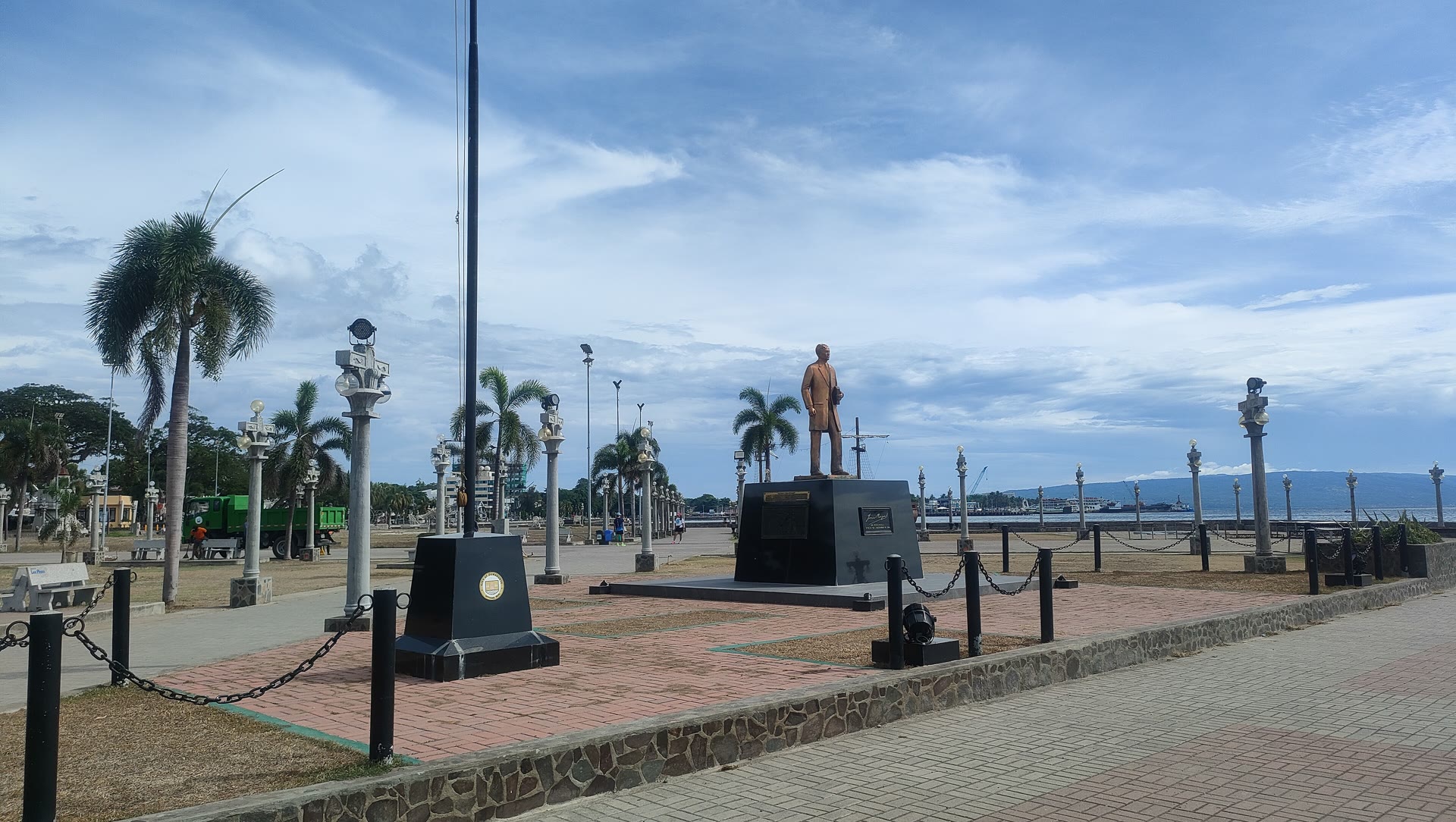
Dumaguete is compact. The entire city center can be walked in about 30 minutes end to end, and most of what matters to travelers sits along or within a few blocks of Rizal Boulevard, the seafront promenade that runs along the eastern edge of the city.
Rizal Boulevard and City Center
This is the heart of Dumaguete. The boulevard stretches roughly one kilometer along the waterfront and is lined with restaurants, cafes, and the evening food stalls that define the city's social life. The public market, cathedral, and Silliman University campus are all within a five-minute walk. Stay here if you want to be in the middle of everything and prefer walking over riding.
Silliman University Area
Just inland from the boulevard, the leafy Silliman campus and its surrounding streets have a quieter, more residential feel. You will find coffee shops, budget guesthouses, and the Silliman Anthropological Museum here. It is a good area for longer stays, with a more local vibe.
Bantayan and Piapi
North of the city center, these barangays (neighborhoods) are more residential but have a growing number of guesthouses and restaurants. Bantayan is home to the old Dumaguete Belfry, one of the city's few historical landmarks. Piapi Beach, while not a swimming destination, offers a pleasant stretch for sunset walks.
Dauin (South of Dumaguete)
Technically a separate municipality about 15 kilometers south, Dauin is where most dive resorts are located. If diving is your primary goal, staying in Dauin puts you right on the water with house reefs and easy boat access to Apo Island. The trade-off is that you are removed from Dumaguete's restaurants and nightlife, such as it is. A tricycle ride between Dauin and Dumaguete takes about 30 minutes and costs around $2 to $3.
Things to Do
Offers are only loaded from GetYourGuide after you click. GetYourGuide can then process your IP address and set cookies. Privacy Policy
GetYourGuide partner offers. GoAsia may earn a commission if you book through these offers. Check whether tickets or transfers are included, and follow the attraction's official booking and admission rules.
Best Time to Visit
Dumaguete has a tropical climate with relatively consistent temperatures year-round, hovering between 25 and 33 degrees Celsius. The key variable is rain.
| Season | Months | Weather | Crowds | Prices |
|---|---|---|---|---|
| Dry Season | December - May | Hot, sunny, low humidity. March to May is the hottest period. | Moderate to high, peaking around Christmas, Easter, and Sinulog (January) | Higher, especially around holidays |
| Wet Season | June - November | Afternoon showers common, occasional typhoons (though Dumaguete is less exposed than eastern Visayas). Still plenty of sunshine. | Low | Lower, good deals on accommodation |
Diving visibility tends to be best from March through June. The Buglasan Festival in October is Dumaguete's biggest cultural event, featuring street dancing, live music, and agricultural fairs. It is worth timing a visit around if you enjoy local festivals. The wet season is not a dealbreaker here. Rain usually comes in short, intense bursts rather than all-day downpours, and you can still enjoy most activities.
Getting There and Getting Around
Getting There
Dumaguete-Sibulan Airport (DGT) receives daily flights from Manila and Cebu, primarily on Cebu Pacific and Philippine Airlines. Flight time from Manila is about 1.5 hours. The airport is tiny and transfers are simple: tricycles wait outside and charge roughly $1 to $2 for the 15-minute ride to the city center.
An alternative route is flying into Cebu and taking a bus south to the Liloan port, then a short ferry across to Sibulan (just north of Dumaguete). This journey takes about five to six hours total but is scenic and cheap (around $8 to $12 for bus and ferry combined). Fast ferries also connect Dumaguete directly to Cebu City, Tagbilaran (Bohol), and Siquijor, with crossings ranging from one to four hours. You can check ferry schedules and transport options on GoAsia.cc for the most current routes.
Getting Around
Tricycles are the primary transport within Dumaguete. Short hops within the city center cost around $0.30 to $0.50, while longer rides to the outskirts run $1 to $2. Always agree on the fare before getting in. Multicabs (small jeepney-style vehicles) run fixed routes and cost just a few cents per ride, though figuring out routes requires asking locals.
Grab is available but the supply of drivers is limited compared to larger cities. For day trips to waterfalls, Twin Lakes, or Dauin, renting a motorbike is the most practical option at around $6 to $10 per day. Make sure you have an international driving permit and wear a helmet. The city center itself is very walkable, and most travelers find they can cover the main area on foot without issue.
Top Sights and Experiences
Must-See Attractions
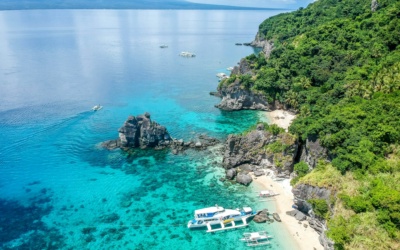
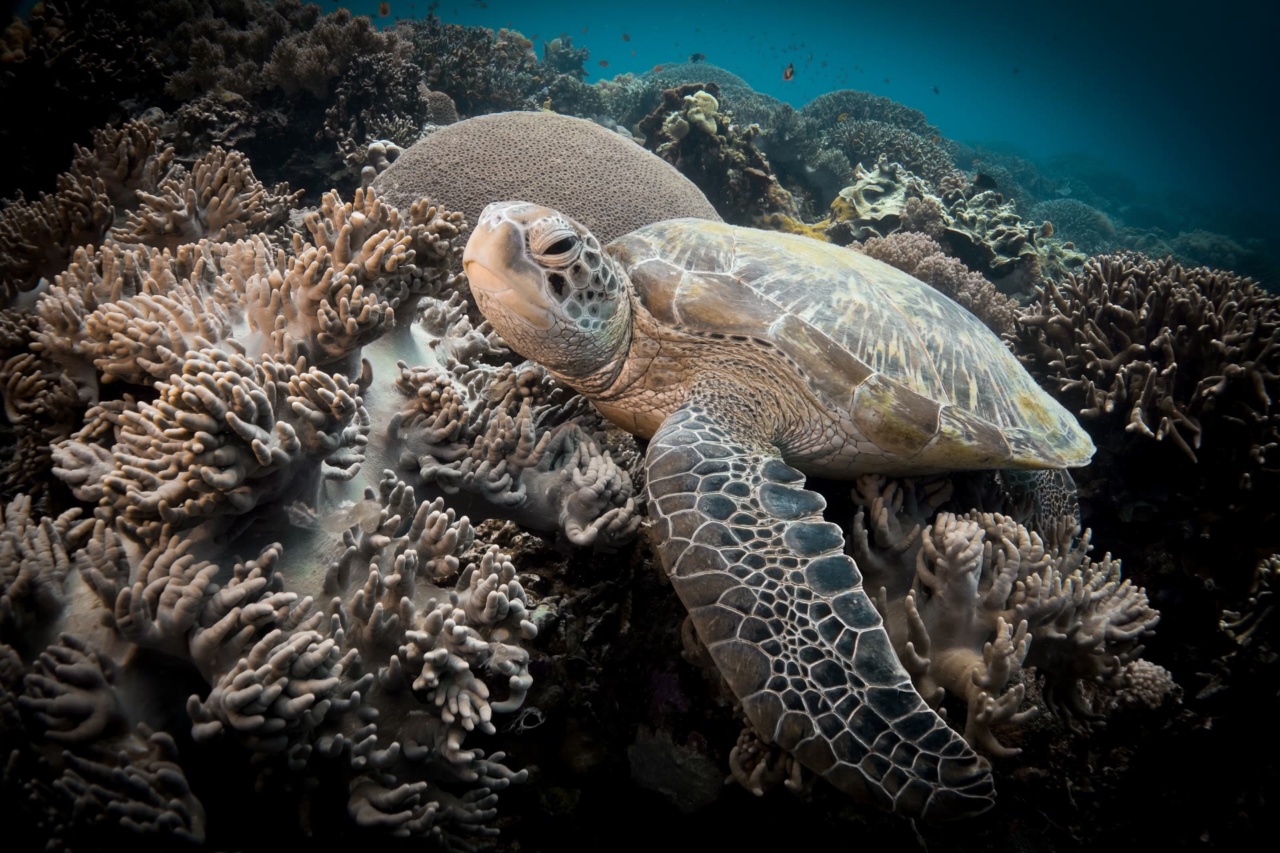
Apo Island - The crown jewel of the Dumaguete area. This tiny volcanic island, about 30 minutes by boat from Malatapay (south of Dauin), is a marine sanctuary teeming with sea turtles, clownfish, and healthy coral. Snorkelers and divers alike are virtually guaranteed turtle encounters. The island charges an environmental fee of around $3 to $5. You can visit as a day trip (boats from Malatapay cost roughly $15 to $20 per person round trip for a group) or book through a dive shop. Go early in the morning for calmer seas and fewer people. Spending a night on the island in a basic homestay is possible and rewarding if you want the place to yourself at dawn.
Casaroro Falls - A dramatic single-drop waterfall plunging about 30 meters into a narrow canyon, located in Valencia about 30 minutes from Dumaguete by motorbike. The hike down involves over 300 concrete steps, so bring water and decent shoes. The pool at the base is swimmable and refreshingly cold. Arrive before 10 AM to beat tour groups. Entry is around $1.
Twin Lakes (Balinsasayao and Danao) - Two crater lakes nestled in the mountains about 45 minutes west of the city. The setting is lush and misty, with kayak rentals available for around $2 to $3 per hour. Birdwatchers will enjoy the surrounding forest. Entry fee is roughly $1 to $2. Combine this with Casaroro Falls for a full mountain day trip.
Rizal Boulevard at Sunset - Free and unmissable. Grab a spot on the seawall or at one of the boulevard restaurants as the sun drops behind the mountains of southern Negros. The evening food stalls open around 5 PM, and the atmosphere is quintessentially Dumaguete: relaxed, social, and unpretentious.
Dauin Muck Diving - Less famous than Apo Island but equally impressive for the right audience. The black sand slopes off Dauin are a macro photographer's paradise, with blue-ringed octopus, frogfish, flamboyant cuttlefish, and mimic octopus among the regular sightings. Multiple dive shops in Dauin offer guided dives for around $25 to $35 per dive including equipment.
Lesser-Known Gems
Malatapay Wednesday Market - Every Wednesday, the coastal town of Malatapay (about 30 minutes south) hosts a vibrant livestock and produce market. Locals trade carabao (water buffalo), goats, and fish in a scene that feels completely untouched by tourism. It is also the main departure point for Apo Island boats, so you can combine both in one trip.
Silliman University Anthropological Museum - A small but well-curated museum showcasing pre-colonial artifacts, traditional weaving, and ethnographic exhibits from the Negros and Siquijor regions. Entry is around $1. Worth an hour if you are interested in local culture.
Pulangbato Falls - Less visited than Casaroro, this waterfall near Valencia features striking reddish-orange rocks caused by sulfur deposits. The pool is warm due to volcanic activity. It is a pleasant half-day trip combined with a stop at the nearby Red Rock hot springs.
Overrated Attractions
Dumaguete Cathedral (St. Catherine of Alexandria) - Frequently listed as a top sight, but it is a modest parish church that takes about five minutes to see. Worth a glance if you are walking past, but do not plan your day around it.
The Belfry - A squat stone watchtower from the Spanish era. It is historically interesting in context but visually underwhelming. Again, a quick look as you pass through Bantayan is sufficient.
Manjuyod Sandbar - Often marketed as the "Maldives of the Philippines," this sandbar north of Dumaguete requires a long boat ride and is only visible at low tide. The reality rarely matches the Instagram photos, and the logistics are cumbersome. Your time is better spent at Apo Island.
Food and Drink
Dumaguete punches above its weight for a city its size when it comes to food. The combination of a university population, a small expat community, and abundant fresh seafood creates a dining scene that is both cheap and genuinely good.
Signature Dishes and Local Specialties
| Dish | Description | Where to Try | Typical Price |
|---|---|---|---|
| Silvanas | Frozen buttercream sandwiched between cashew-meringue wafers, dusted with cookie crumbs. The city's most famous export. | Sans Rival Bistro or any pasalubong shop | Around $3 to $5 per box |
| Tempura (Dumaguete style) | Not Japanese tempura. Deep-fried squid or shrimp balls served with a sweet-spicy vinegar dip. A beloved street snack. | Tempura strip near the port area | Around $0.50 to $1 per serving |
| Grilled Seafood | Fresh fish, squid, and prawns grilled over charcoal, served with rice and dipping sauces. | Boulevard food stalls or Hayahay Treehouse | Around $2 to $5 per plate |
| Sans Rival | A layered cashew-meringue cake with buttercream, related to silvanas but served as a full dessert. | Sans Rival Bistro | Around $2 to $3 per slice |
| Budbud | Sticky rice wrapped in banana leaves, often paired with ripe mango or chocolate porridge for breakfast. | Public market or street vendors in the morning | Around $0.20 to $0.50 |
Where to Eat
Rizal Boulevard is the default evening destination. The stretch of food stalls near the eastern end serves grilled seafood, barbecue skewers, and local dishes at rock-bottom prices. Sit on plastic chairs, point at what looks good, and expect to pay around $2 to $4 for a full meal with drinks.
The Tempura strip near the port is a Dumaguete institution. Locals queue for deep-fried squid balls and shrimp served in paper bags. It is messy, delicious, and costs almost nothing.
For sit-down meals, the streets around Silliman University have a good concentration of affordable restaurants serving Filipino, Korean, and Western food. The expat community has spawned several decent coffee shops and brunch spots, particularly along Perdices Street and near the university gates.
Mid-range restaurants along the boulevard serve seafood platters, pasta, and Filipino fusion dishes for around $5 to $12 per person. For a splurge, a few resort restaurants in Dauin offer upscale dining with ocean views, though you are still unlikely to spend more than $20 to $30 per person.
Street food culture is strong here. Beyond the tempura strip, look for barbecue stands selling chicken intestines (isaw), pork belly skewers, and banana cue (deep-fried caramelized bananas) throughout the city center. Budget travelers can eat extremely well for under $5 a day if they stick to street food and market meals.
Where to Stay
Budget (Under $15 per night)
Dumaguete has a solid selection of guesthouses and hostels, particularly around Silliman University and the city center. Fan rooms in basic guesthouses start around $6 to $8 per night. Air-conditioned rooms with private bathrooms run $10 to $15. Quality varies, so check recent reviews. The area around Perdices Street and the university offers the best concentration of budget options within walking distance of the boulevard.
Mid-Range ($15 to $50 per night)
This bracket gets you a clean hotel room with air conditioning, hot water, Wi-Fi, and often a pool. Several well-maintained hotels sit along or near Rizal Boulevard, offering sea views at surprisingly reasonable rates. In Dauin, mid-range dive resorts with beachfront locations fall into this range during low season. Expect to pay around $25 to $40 for a comfortable double room in the city center.
Upscale ($50 to $120 per night)
The nicest accommodations are in Dauin rather than Dumaguete proper. Boutique dive resorts with private beach areas, pools, on-site restaurants, and professional dive centers charge roughly $60 to $120 per night. These represent excellent value compared to similar quality resorts elsewhere in Southeast Asia. In the city itself, the top-end hotels are comfortable but not luxurious, topping out around $50 to $70.
A unique option is staying overnight on Apo Island in a basic homestay or cottage. Facilities are simple (sometimes no air conditioning or hot water), but waking up on the island before the day-trippers arrive is a memorable experience. Expect to pay around $10 to $25 per night.
Practical Tips
Safety: Dumaguete is genuinely safe by Philippine and Southeast Asian standards. Petty theft is uncommon, and the city center feels comfortable to walk at night. Exercise normal caution with valuables and be careful on motorbikes, as road conditions outside the city can be rough.
- Scams: Very few scams target tourists here. The main annoyance is tricycle drivers quoting inflated fares to foreigners. Know the going rates (around $0.30 to $0.50 for short city hops) and negotiate before riding.
- Payment: Dumaguete is still largely a cash economy. ATMs are available at malls and banks along Perdices Street, but many restaurants, guesthouses, and all street food vendors are cash only. Bring enough pesos for daily expenses. Credit cards are accepted at larger hotels and some restaurants.
- Tipping: Not expected but appreciated. Rounding up a restaurant bill or leaving 5 to 10 percent for good service is generous by local standards. Tip dive guides and boat operators around $2 to $5 if they did a good job.
- SIM cards: Globe and Smart SIM cards are available at the airport, malls, and convenience stores for around $1 to $2. Data packages of 5 to 10 GB cost roughly $3 to $5 and last a week. Wi-Fi in hotels and cafes is generally reliable, with speeds adequate for video calls in most places.
- Language: English is widely spoken, more so than in many Philippine cities, thanks to Silliman University's American heritage. You will have no trouble communicating in English anywhere. Learning a few Bisaya (Cebuano) phrases like "salamat" (thank you) earns big smiles.
- Cultural tips: Filipinos are warm and hospitable. Smile often, accept food when offered, and avoid raising your voice in public. When visiting churches or homes, dress modestly. If invited to eat, it is polite to accept even a small portion.
- Electricity: Power outlets use Type A and B plugs (same as the US). Voltage is 220V, so US travelers need a voltage converter for non-dual-voltage devices.
Day Trips
Apo Island
Distance: About 25 kilometers south, then a 30-minute boat ride from Malatapay. The top day trip from Dumaguete by a wide margin. Budget around $20 to $30 per person for transport, snorkel rental, and fees. Combine with the Malatapay Wednesday Market if your timing works. Covered in detail above.
Siquijor Island
Distance: About 1 to 1.5 hours by fast ferry. This small, mystical island is famous for its folk healing traditions, beautiful waterfalls (Cambugahay Falls is the highlight), and quiet beaches. It works as a day trip but is better with an overnight stay. Ferry tickets cost around $5 to $8 each way. Rent a motorbike on the island for about $6 to $8 per day to explore at your own pace.
Oslob (Whale Shark Watching)
Distance: About 3 to 4 hours by bus and ferry via Liloan-Santander. This is a controversial attraction where whale sharks are fed to keep them near shore for tourist encounters. While popular, the practice raises significant ethical concerns about disrupting the animals' natural behavior. If you do go, follow all guidelines strictly. Many travelers choose to skip Oslob in favor of Apo Island, which offers a more natural marine experience.
Bais City (Dolphin Watching)
Distance: About 45 minutes north by bus. Boat trips from Bais go out to the Tanon Strait to spot spinner dolphins, and sometimes include a stop at a sandbar for swimming. Tours cost around $15 to $25 per person depending on group size. Success rates for dolphin sightings are high, especially in the morning. It is a pleasant half-day trip.
Valencia and the Mountain Interior
Distance: About 20 minutes west by motorbike. Valencia is the gateway to Casaroro Falls, Pulangbato Falls, Red Rock hot springs, and the Forest Camp (a camping and glamping spot with natural pools). You can easily fill a full day exploring this area. The mountain roads are scenic, winding through coconut groves and small farming villages.
Sample 3-Day Itinerary
Day 1: City and Boulevard
Morning: Arrive and settle into your accommodation. Walk through the Silliman University campus and visit the Anthropological Museum. Grab coffee at one of the cafes near the university gates.
Afternoon: Explore the Dumaguete Public Market for local produce, dried fish, and people-watching. Pick up a box of silvanas from a pasalubong shop. Walk along Rizal Boulevard and check out the cathedral and belfry in passing.
Evening: Head to the boulevard food stalls for grilled seafood and barbecue as the sun sets. Try the tempura strip near the port for a post-dinner snack. End the night with a beer at one of the boulevard bars.
Day 2: Mountains and Waterfalls
Morning: Rent a motorbike or hire a tricycle for the day (around $15 to $20 for a full-day tricycle charter). Head to Casaroro Falls early, before the heat and crowds. Tackle the 300-plus steps down and enjoy a swim in the pool.
Afternoon: Drive to Twin Lakes Balinsasayao. Rent a kayak and paddle across the serene crater lake. If time permits, stop at Pulangbato Falls or the Red Rock hot springs on the way back.
Evening: Return to Dumaguete for dinner at a mid-range restaurant on the boulevard. You will have earned a cold San Miguel after all those stairs.
Day 3: Apo Island
Morning: Leave early (by 7 AM) and head south to Malatapay. If it is a Wednesday, browse the market before boarding a boat to Apo Island. Spend the morning snorkeling the marine sanctuary. Sea turtles are almost guaranteed.
Afternoon: Continue snorkeling or explore the island on foot. The island is small and can be walked around in about an hour. Have a simple lunch at one of the island eateries.
Evening: Return to Dumaguete by late afternoon. Shower off the salt and head to the boulevard one last time for farewell tempura and sunset views.
Budget Overview
| Category | Budget | Mid-Range | Comfort |
|---|---|---|---|
| Accommodation | $6 - $12 | $20 - $40 | $50 - $100 |
| Food | $5 - $8 | $10 - $18 | $20 - $35 |
| Transport | $2 - $4 | $5 - $10 | $10 - $20 |
| Activities | $5 - $10 | $15 - $30 | $30 - $60 |
| Daily Total | $18 - $34 | $50 - $98 | $110 - $215 |
Dumaguete is remarkably affordable even by Philippine standards. Budget travelers eating street food, staying in fan rooms, and using tricycles can comfortably get by on $25 to $30 per day. Mid-range travelers with air-conditioned hotels, restaurant meals, and organized day trips will spend around $50 to $80. Even at the comfort level, including dive resort stays and multiple dive trips, you are unlikely to exceed $150 per day unless you are actively trying. The biggest variable expense is diving: a package of multiple dives with a reputable shop represents the best value if you plan to dive frequently.
Frequently Asked Questions
Is Dumaguete worth visiting?
Absolutely. Dumaguete offers world-class marine experiences at Apo Island, beautiful waterfalls in the nearby mountains, and a relaxed university-town atmosphere that feels authentically Filipino rather than tourist-manufactured. It is especially worthwhile if you enjoy diving, snorkeling, or simply slowing down in an affordable, friendly city.
How many days do you need in Dumaguete?
Three to four days is ideal. This gives you a full day for Apo Island, a day for the mountain attractions like Casaroro Falls and Twin Lakes, and a day or two to enjoy the city itself, including the boulevard, markets, and local food scene. Divers often stay a week or more.
Is Dumaguete safe for tourists?
Dumaguete is considered one of the safest cities in the Philippines. Violent crime against tourists is extremely rare, and the walkable city center feels comfortable even at night. Standard precautions apply: watch your belongings in crowded markets and avoid unlit areas late at night.
What food is Dumaguete famous for?
Dumaguete is known for silvanas, a frozen buttercream cookie sandwich that locals bring home as pasalubong (gifts). The city also has excellent fresh seafood, particularly at the Tempura strip near the waterfront, and the local sans rival is another beloved dessert. Cheap grilled fish along Rizal Boulevard is a nightly ritual.
Is Dumaguete expensive?
Not at all. Dumaguete is one of the more affordable destinations in the Philippines. Budget travelers can get by on roughly $25 to $35 per day including accommodation, food, and local transport. Even mid-range travelers will find it very reasonable compared to Cebu or Manila.
How do I get from the airport to the city center?
Dumaguete-Sibulan Airport is only about 4 kilometers from the city center. Tricycles wait outside the terminal and charge around $1 to $2 for the ride, which takes roughly 15 minutes. Some hotels offer free airport pickup if you arrange it in advance.
What is the best time to visit Dumaguete?
The dry season from December to May offers the best weather, with March to May being the hottest months. Visibility for diving is typically best from March to June. The wet season brings afternoon showers but rarely all-day rain, and prices drop noticeably.
Can you drink tap water in Dumaguete?
No, do not drink tap water in Dumaguete. Stick to bottled or purified water, which is cheap and available everywhere. Most restaurants use purified water for cooking and ice, but confirm at smaller eateries if you are concerned.
Is English widely spoken in Dumaguete?
Yes, English is widely spoken thanks to the large student population and the influence of Silliman University, which was founded by American missionaries. You will have no trouble communicating in English at hotels, restaurants, dive shops, and with tricycle drivers.
Is Dumaguete good for diving?
Dumaguete is one of the best diving bases in the Philippines. Apo Island offers sea turtle encounters and vibrant coral walls, Dauin has exceptional muck diving for macro photography, and several other dive sites are within easy reach. Dive shops are professional and affordable, with fun dives costing around $25 to $35 each.
Guides & Tips
1/1
Routes
🗺️ Getting Around Dumaguete - Local Transport Guide for the City of Gentle People
→ Routes from Dumaguete (4)
Routes to Dumaguete (5)