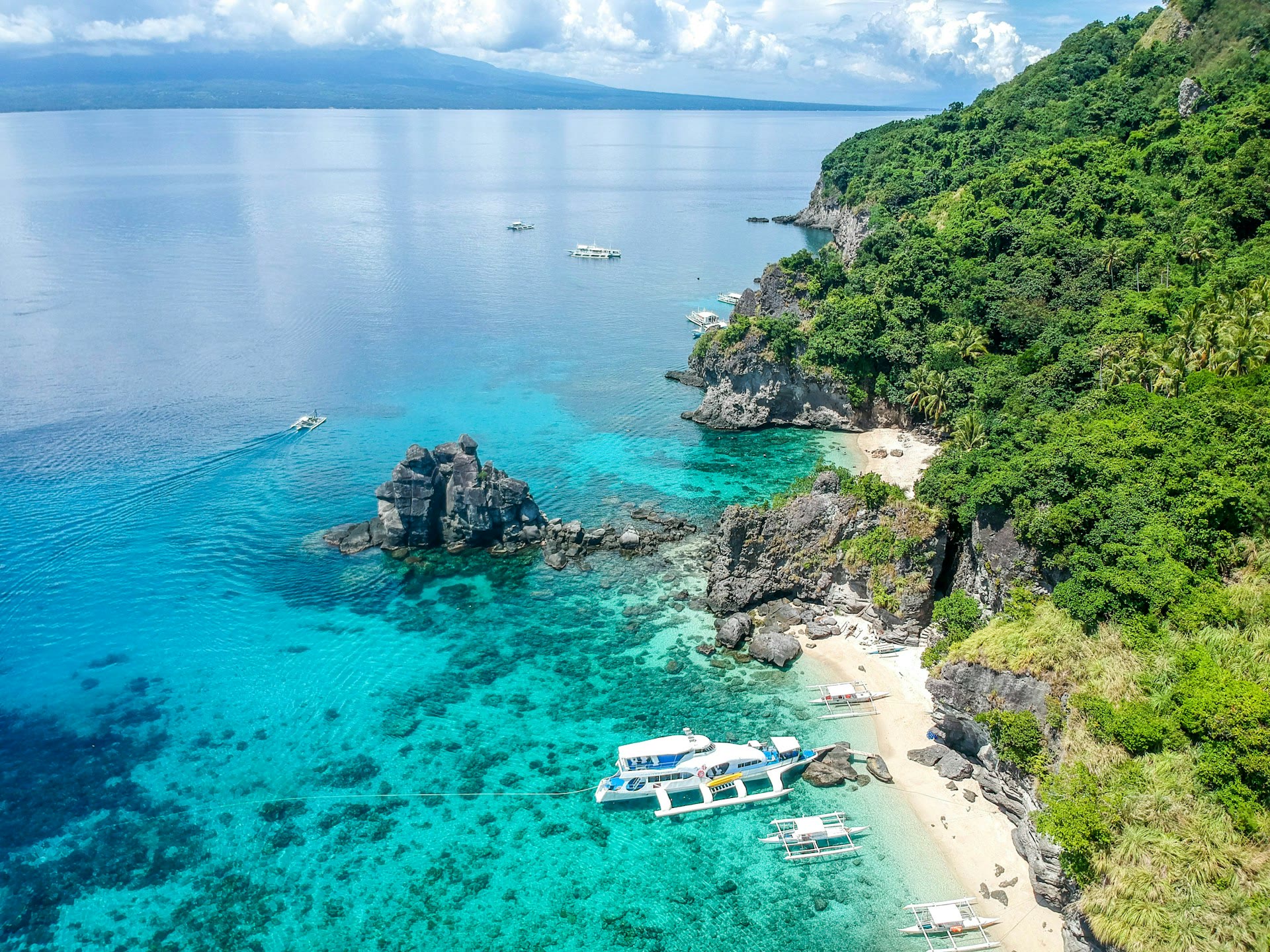
Apo Island Diving: Swimming with Turtles at the Philippines' First Marine Sanctuary
Apo Island became the Philippines' first community-managed marine sanctuary in the early 1980s, and more than four decades of protection have turned this tiny volcanic island into one of the best diving and snorkeling destinations in Southeast Asia. The coral reefs surrounding Apo host over 650 fish species and 400 species of hard coral, numbers that rival sites many times its size.
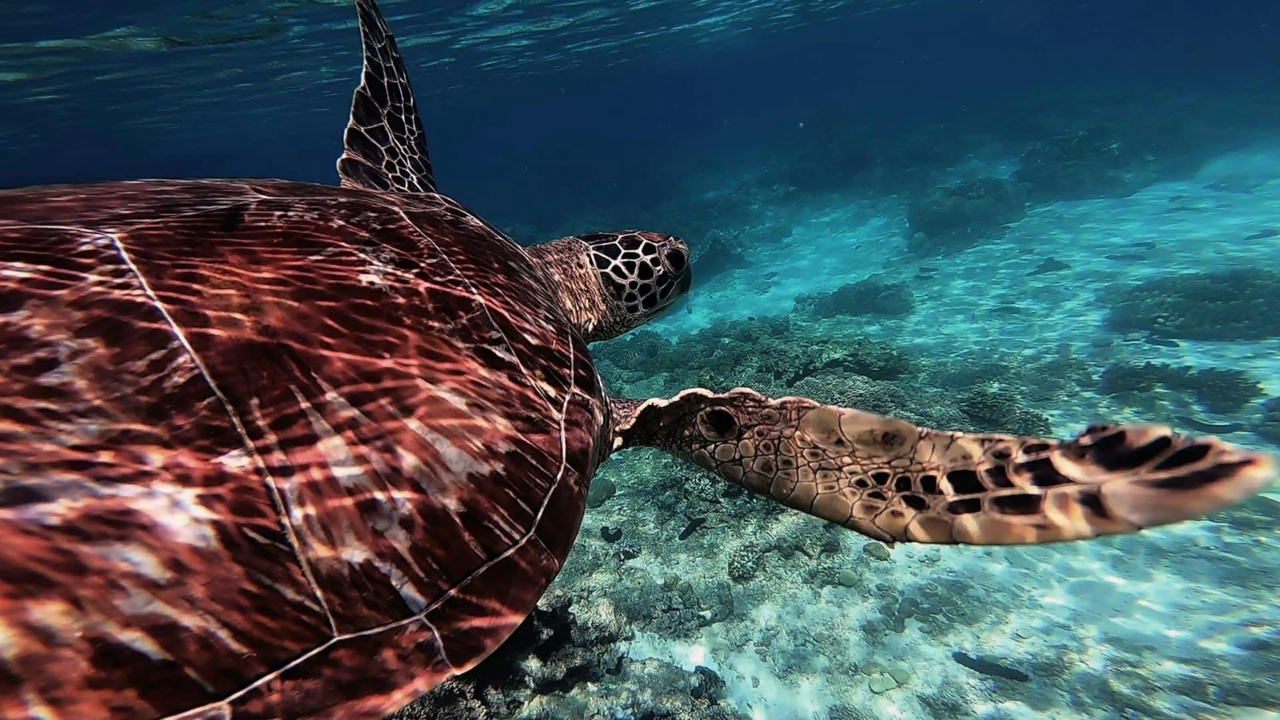
The island's biggest draw is its resident population of green and hawksbill sea turtles. Decades of conservation have made these turtles remarkably calm around humans - they graze on seagrass just meters from shore, unbothered by snorkelers floating above them. Swimming alongside a sea turtle in crystal-clear water, watching it feed on the reef, is the kind of encounter that stays with you long after you leave.
Apo Island sits about 30 kilometers south of Dumaguete in Negros Oriental, making it an easy day trip or overnight stay. This guide covers the dive sites, the turtle sanctuary, how to get there, and what to expect both above and below the water.
The Turtle Sanctuary
The marine sanctuary on Apo Island's eastern shore is where most turtle encounters happen. The shallow reef here, ranging from 2 to 8 meters deep, is covered in seagrass beds where green sea turtles feed throughout the day. On a typical visit, you can expect to see anywhere from 5 to 20 turtles during a single snorkeling session.
A few important rules apply at the sanctuary:
- A licensed guide is mandatory and costs PHP 300 per group (not per person).
- Touching turtles is strictly prohibited and carries a fine. Maintain at least 3 meters distance.
- No fins are allowed in the shallow sanctuary area to prevent coral damage. You snorkel with just a mask.
- Flash photography is not permitted.
The turtles are present year-round, but mornings tend to offer the most sightings as the animals feed actively before the afternoon currents pick up. The water clarity in the sanctuary is usually excellent, with visibility of 10 to 20 meters even on average days.
Things to Do
Dive Sites
Apo Island has over a dozen dive sites ringing the island, suitable for all experience levels. The reef starts in shallow water and drops off dramatically on several sides, creating walls and slopes teeming with marine life.
Chapel Point
The island's most popular dive site features a dramatic wall dropping to over 30 meters. The wall is covered in soft corals, sponges, and sea fans. Electric clams (disco clams) are a highlight - their bioluminescent flashing is mesmerizing. Schools of fusiliers, surgeonfish, and occasional reef sharks patrol the deeper sections. Suitable for all certification levels, with the best action between 12 and 25 meters.
Coconut Point
Located on the northwest side, Coconut Point is known for its strong currents that attract pelagic species. Large schools of jacks, barracudas, and trevallies swirl in the blue water off the reef edge. White-tip reef sharks rest on the sandy bottom at deeper depths. This site is best for experienced divers comfortable with current diving, as conditions can be challenging.
Marine Sanctuary Wall
Adjacent to the turtle sanctuary, this wall starts at about 5 meters and drops to 25 meters. The coral coverage here is among the healthiest in the Visayas, with massive table corals, staghorn formations, and dense schools of anthias creating a kaleidoscope of color. Turtles frequently swim along the wall, and the site is calm enough for beginner divers.
Rock Point West
A sloping reef on the western side with large boulder formations creating swim-throughs and overhangs. Nudibranch hunters love this site for its variety of small, colorful sea slugs. Cuttlefish, octopus, and frogfish are regularly spotted among the rocks. Best dived in the morning when the western side is sheltered from currents.
Largo
A deeper site on the southern tip where the reef drops into a sandy slope. Known for encounters with larger marine life including occasional whale sharks (rare but documented), eagle rays, and large groupers. Strong currents make this an advanced dive site.
Snorkeling at Apo Island
Non-divers can have an equally incredible experience at Apo Island. Beyond the turtle sanctuary, several areas around the island offer excellent snorkeling directly from shore:
- The main beach reef: Coral starts just meters from the sand and is home to clownfish, parrotfish, and damselfish. Snorkel gear can be rented on the island for PHP 150 to 200.
- Rock Point shallows: The boulders on the western shore create sheltered pools with good coral and fish diversity.
- Sanctuary area: The guided snorkel in the turtle sanctuary is the main attraction for most visitors and lasts about 45 minutes to an hour.
Water visibility typically ranges from 15 to 30 meters during the dry season, dropping to 8 to 15 meters in the wet season. Even on lower-visibility days, turtle encounters in the sanctuary remain reliable due to the shallow depth.
Getting to Apo Island
From Dumaguete
The standard route starts with a ride from Dumaguete to the coastal town of Malatapay or Zamboanguita. Jeepneys depart from the Dumaguete public market and take about 45 minutes to an hour, costing PHP 40 to 60. From the coast, motorized outrigger boats (bangkas) cross to Apo Island in about 30 to 45 minutes.
| Transport Option | Duration | Cost |
|---|---|---|
| Jeepney Dumaguete to Malatapay | 45 - 60 min | PHP 40 - 60 |
| Public boat Malatapay to Apo | 30 - 45 min | PHP 50 - 80 per person |
| Private boat charter | 30 min | PHP 2,500 - 3,500 (up to 6 people) |
| Dive shop boat (with dive package) | 30 - 45 min | Included in dive package |
Public boats from Malatapay to Apo Island run on a schedule, typically departing when full (usually 6 to 10 passengers). On weekdays, boats may be less frequent, so arriving early helps. The Malatapay Wednesday market is a popular local attraction you can combine with your trip.
From Siquijor
Day trips from Siquijor Island are also common. Boats take about 45 minutes to an hour. Most Siquijor-based tour operators offer Apo Island packages that include transport, guide, and lunch for around PHP 1,500 to 2,500 per person.
From Dauin
The beach town of Dauin, about 15 kilometers south of Dumaguete, is the closest mainland point to Apo Island. Several dive resorts in Dauin run daily boat trips to Apo, and the crossing takes just 20 to 30 minutes. If you are combining Apo Island with muck diving in Dauin (another world-class dive destination), basing yourself here makes the most sense. For travel connections to Dumaguete and surrounding areas, GoAsia.cc has detailed route guides.
Fees and Costs
| Fee | Filipino | Foreign Visitor |
|---|---|---|
| Island entrance fee | PHP 100 | PHP 300 |
| Marine sanctuary guide (per group) | PHP 300 | |
| Snorkel gear rental | PHP 150 - 200 | |
| Fun dive (2 dives, with equipment) | PHP 3,000 - 4,500 | |
| Discovery/intro dive | PHP 3,500 - 4,500 | |
| Overnight cottage (basic) | PHP 500 - 1,500 | |
Dive prices from Dumaguete and Dauin-based operators include boat transfer, equipment, and guide. Bringing your own equipment reduces the cost by PHP 500 to 1,000. Most dive shops require a minimum of two divers for Apo trips.
Staying Overnight on Apo Island
While most visitors come as day-trippers, staying overnight on Apo Island transforms the experience. The island is tiny - you can walk around it in about an hour - with a small village of around 700 residents. Accommodation is basic: simple cottages and rooms run by local families, with fans rather than air conditioning and intermittent electricity (typically available from 6:00 PM to midnight via generator).
The advantages of staying overnight are significant:
- Early morning snorkeling in the sanctuary before day-trippers arrive, when the water is calmest and turtles are most active.
- Sunset views over Siquijor Island from the western shore.
- Night diving opportunities with the resident dive operators, where different species emerge after dark.
- A genuine connection with the island community that has made marine conservation a way of life.
Best Time to Visit Apo Island
The dry season from November to May offers the best conditions, with calm seas, minimal rainfall, and underwater visibility reaching 30 to 40 meters. February to April is peak season with the best visibility and warmest water temperatures around 28 to 30 degrees Celsius.
The wet season from June to October brings rougher seas that can cancel boat crossings, especially from July to September. Visibility drops but remains reasonable at 8 to 15 meters. The turtles are present year-round, and wet season visitors benefit from fewer crowds and lower prices at Dumaguete-area resorts.
Tips for Visiting Apo Island
- Go on a weekday. Weekend day-trippers from Dumaguete significantly increase crowds at the turtle sanctuary. Weekday mornings offer the most peaceful experience.
- Skip the fins in the sanctuary. Fins are not allowed in the shallow turtle area to protect coral. Practice swimming with just a mask beforehand if you are not comfortable without fins.
- Bring cash. There are no ATMs on Apo Island and no card payment facilities. Bring enough for fees, food, gear rental, and any tips.
- Wear reef-safe sunscreen. The marine sanctuary's health depends on visitors using coral-safe products. Chemical sunscreens containing oxybenzone and octinoxate damage the reef.
- Combine with Dauin muck diving. Dauin's black sand slopes are world-renowned for macro marine life - frogfish, blue-ringed octopus, flamboyant cuttlefish, and rare nudibranchs. Doing both Apo and Dauin gives you two completely different diving experiences within a short distance.
- Bring a dry bag. The bangka boats can get splashed by waves during the crossing, and getting on and off the boat involves wading through shallow water.
- Respect the community rules. Apo Island's marine sanctuary succeeded because the local community chose conservation over destructive fishing. Follow all guidelines, tip your guide, and buy from local vendors to support this model.
- Book dive packages in advance during peak season. Popular dive operators in Dauin and Dumaguete fill their Apo Island boat spots quickly between February and April. Booking a day or two ahead ensures your spot.
Frequently Asked Questions
Yes, swimming with green and hawksbill sea turtles is Apo Island's main attraction. The turtle sanctuary on the eastern shore has a resident population that feeds on seagrass in shallow water year-round. On a typical visit you can expect to see 5 to 20 turtles. A licensed guide (PHP 300 per group) is mandatory, and you must maintain at least 3 meters distance.
A budget day trip costs roughly PHP 500 to 800 per person covering jeepney fare, public boat, entrance fee (PHP 300 for foreigners), and sanctuary guide. Diving packages from Dumaguete or Dauin shops cost PHP 3,000 to 4,500 for two dives including boat transfer and equipment. Staying overnight on the island adds PHP 500 to 1,500 for a basic cottage.
Take a jeepney from Dumaguete market to Malatapay (45-60 minutes, PHP 40-60), then a public outrigger boat to Apo Island (30-45 minutes, PHP 50-80). Alternatively, hire a private boat for PHP 2,500 to 3,500 for up to six people. Dive shops in Dauin and Dumaguete also run daily boats with their packages.
No certification is needed for snorkeling and the turtle sanctuary visit, which is the most popular activity. For scuba diving, you need at least Open Water certification for most sites. Discovery dives (intro dives for non-certified divers) are available through dive shops for around PHP 3,500 to 4,500, allowing beginners to dive with an instructor.
February to April offers the best conditions with underwater visibility of 30 to 40 meters, calm seas, and warm water around 28 to 30 degrees. The broader dry season from November to May is generally good. The wet season brings reduced visibility and rougher boat crossings, but diving is still possible and turtles are present year-round.
Yes, basic cottages and rooms run by local families are available for PHP 500 to 1,500 per night. Accommodation is simple with fan-only rooms and limited electricity from generators. Staying overnight lets you snorkel the turtle sanctuary early before day-trippers arrive and enjoy sunset views without rushing for the last boat back.
Absolutely. The turtle sanctuary experience is equally impressive whether you snorkel or dive, since the turtles feed in water just 2 to 8 meters deep. The reef directly off the beach also offers excellent snorkeling with abundant fish and coral. Many visitors come exclusively for snorkeling and leave thrilled with the experience.
Apo Island stands out for its healthy hard coral coverage, reliable turtle encounters, and community-driven conservation model. For macro diving and muck diving, nearby Dauin is superior. For larger pelagics and whale sharks, Malapascua and Oslob are better options. Apo excels as an all-around site combining beautiful reefs, megafauna, and accessibility.