
Siquijor
A tiny island province in the Central Visayas where mystical folklore meets pristine coral reefs and firefly-lit mangroves.
Last updated: October 15, 2026
Contents
- 1. Orientation and Neighborhoods
- 1.1 Siquijor Town
- 1.2 San Juan
- 1.3 Larena
- 1.4 Lazi
- 1.5 Maria and Enrique Villanueva
- 2. Best Time to Visit
- 3. Getting There and Getting Around
- 3.1 Getting to Siquijor
- 3.2 Getting Around the Island
- 4. Top Sights and Experiences
- 4.1 Must-See Attractions
- 4.2 Lesser-Known Gems
- 4.3 Overrated Attractions
- 5. Food and Drink
- 5.1 Signature Dishes and Staples
- 5.2 Where and How to Eat
- 6. Where to Stay
- 6.1 Budget (Under $20 per night)
- 6.2 Mid-Range ($20 - $60 per night)
- 6.3 Upscale ($60 - $150 per night)
- 7. Practical Tips
- 8. Day Trips
- 8.1 Apo Island
- 8.2 Dumaguete
- 8.3 Twin Lakes (Balinsasayao and Danao)
- 8.4 Sumilon Island
- 8.5 Bohol
- 9. Sample 3-Day Itinerary
- 9.1 Day 1: Southern Loop and Waterfalls
- 9.2 Day 2: Marine Life and Beaches
- 9.3 Day 3: Interior and Culture
- 10. Budget Overview
- 11. Frequently Asked Questions
Siquijor has a reputation that precedes it. For decades, Filipinos whispered about the island's folk healers, love potions, and sorcery, a mystique that kept mainstream tourism at bay while the rest of the Visayas boomed. The result is an island that feels like the Philippines did twenty years ago: unhurried roads looping past white-sand coves, waterfalls hidden in jungle ravines, and a reef system that rivals anything in the region. The entire island is only about 340 square kilometers, small enough to circle by motorbike in a few hours, yet dense enough with things to see that you could happily spend a week.
The vibe here is decidedly low-key. There are no shopping malls, no fast-food chains, and nightlife means a beachfront bar with a guitar player. Accommodation ranges from bamboo huts to polished boutique resorts, but nothing towers over the coconut palms. Siquijor attracts a mix of backpackers, diving enthusiasts, digital nomads on extended stays, and couples looking for a romantic escape without the price tag of Palawan or Boracay.
What makes Siquijor genuinely special is the interplay between nature and culture. You can spend the morning cliff-jumping at Cambugahay Falls, the afternoon snorkeling a marine sanctuary, and the evening watching a healer prepare herbal remedies under a 400-year-old balete tree. It is an island where the supernatural and the natural coexist comfortably, and that atmosphere is impossible to replicate elsewhere in Southeast Asia.
Orientation and Neighborhoods
Siquijor is a small, roughly oval-shaped island. A single paved circumferential road hugs the coast and connects all six municipalities, making navigation simple. Think of the island as a clock face: the main port town of Siquijor sits at roughly 7 o'clock, Larena port is at 10 o'clock, and the popular tourist stretch of San Juan is at about 5 o'clock.
Siquijor Town
The provincial capital is where most ferries from Dumaguete dock. It has a handful of budget guesthouses, the island's main public market, a beautiful Spanish-era church (St. Francis of Assisi), and a few ATMs. It is functional rather than charming, and most travelers pass through quickly on their way to San Juan. That said, staying here puts you close to the port for early departures.
San Juan
This is the island's tourism hub, stretching along the southwestern coast. The majority of resorts, restaurants, dive shops, and beachfront bars cluster here, particularly along the stretch from Solangon Beach to Paliton Beach. San Juan is where you want to base yourself for the best balance of convenience, dining options, and beach access. It is still quiet by Philippine resort-town standards.
Larena
The secondary port town on the northern coast, Larena receives some ferries from Cebu and Bohol. It is quieter and less developed than Siquijor Town, with a few guesthouses and eateries. Unless your ferry arrives here, there is little reason to linger.
Lazi
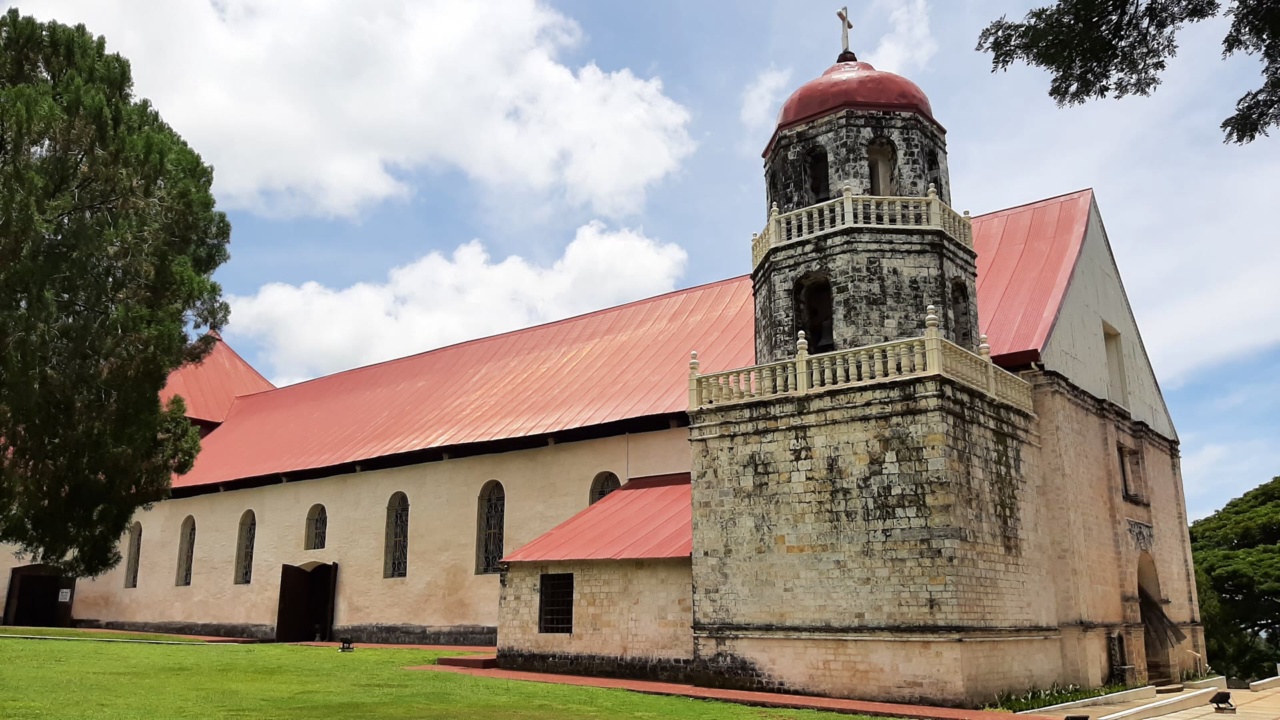
On the southeastern coast, Lazi is home to the island's most impressive colonial church (San Isidro Labrador) and a convent that is one of the largest in Asia. The area around Lazi is also the gateway to Cambugahay Falls and the enchanted balete tree. A few homestays and eco-lodges have popped up here for travelers who want maximum seclusion.
Maria and Enrique Villanueva
The eastern municipalities are the least visited. Maria has Kagusuan Beach, a beautiful and often empty stretch of white sand. Enrique Villanueva is home to Salagdoong Beach, famous for its cliff-jumping platforms. Both areas have minimal accommodation but are easy to reach on a day ride.
Things to Do
Offers are only loaded from GetYourGuide after you click. GetYourGuide can then process your IP address and set cookies. Privacy Policy
GetYourGuide partner offers. GoAsia may earn a commission if you book through these offers. Check whether tickets or transfers are included, and follow the attraction's official booking and admission rules.
Best Time to Visit
Siquijor sits in the Visayas, which means a tropical maritime climate with relatively stable temperatures year-round, hovering between 25 and 33 degrees Celsius. The key variable is rain.
| Season | Months | Weather | Crowds | Prices |
|---|---|---|---|---|
| Dry (Peak) | Dec - May | Hot, sunny, minimal rain. March to May is hottest. | Moderate (peaks at Christmas and Holy Week) | Slightly higher |
| Wet (Low) | Jun - Nov | Afternoon showers common, occasional typhoon disruption. Lush and green. | Low | Lower, more negotiable |
The sweet spot is January through April: dry skies, calm seas ideal for diving and snorkeling, and manageable visitor numbers. Holy Week (Semana Santa) is significant on Siquijor because of the annual healing festival, when folk healers from across the island gather to prepare potions and perform rituals. It is a fascinating cultural event but also the busiest week of the year, so book accommodation well in advance.
The wet season is not a dealbreaker. Rain usually falls in short, intense bursts in the afternoon, leaving mornings clear. Ferry cancellations are the bigger concern during typhoon season (August through November), so build flexibility into your schedule.
Getting There and Getting Around
Getting to Siquijor
There is no commercial airport on Siquijor, so access is by sea. The most common route is a ferry from Dumaguete (Negros Oriental), which has daily flights from Manila and Cebu via several airlines. Ferries from Dumaguete to Siquijor Town run multiple times daily, taking roughly 60 to 90 minutes on fast craft (around $5 to $8) or about two hours on slower roll-on, roll-off vessels (around $3 to $5). Some ferries also connect Larena to Tagbilaran (Bohol) and to Cebu, though schedules are less frequent. You can find updated ferry route details on GoAsia.cc.
Getting Around the Island
Motorbike rental is the island's default transport. Scooters (typically 110cc to 125cc) rent for around $5 to $8 per day. The circumferential road is well-paved, traffic is minimal, and the entire loop is only about 72 kilometers. Always wear a helmet, drive defensively around dogs and children, and avoid riding at night since street lighting is scarce.
Tricycles serve as the local taxi. A short hop within a town costs around $0.50 to $1. You can also hire a tricycle driver for a full-day island tour for roughly $20 to $30, which is a solid option if you do not want to ride a motorbike. Negotiate the itinerary and price before departing.
Multicabs and jeepneys run along the main road but are infrequent and slow. They are fine for getting between adjacent towns but impractical for sightseeing.
Walkability is limited. San Juan's beachfront strip is walkable, but attractions are spread across the island, so you will need wheels of some kind.
Top Sights and Experiences
Must-See Attractions
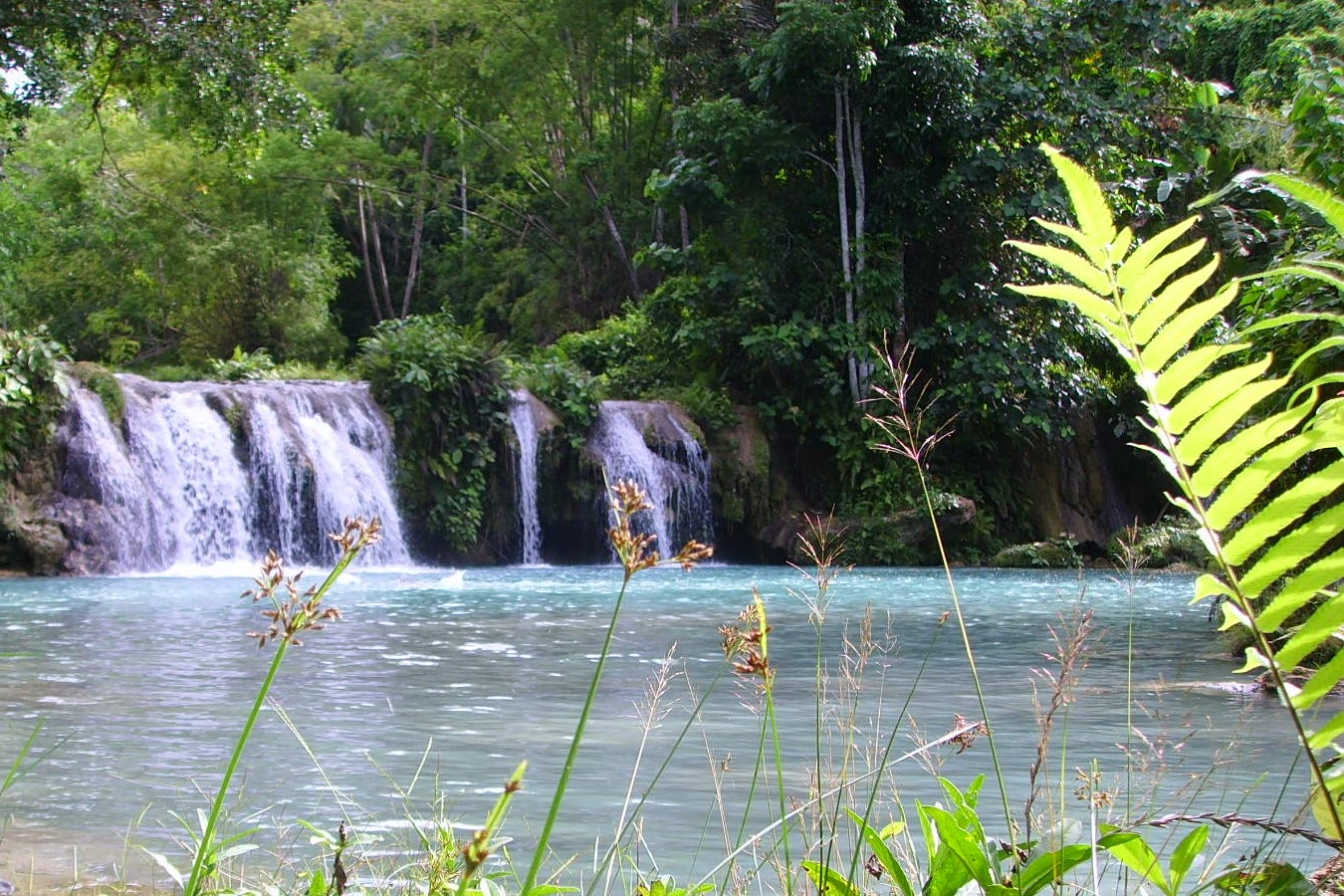
Cambugahay Falls: A three-tiered turquoise waterfall about 15 minutes inland from Lazi. The pools are deep enough for swimming and there is a rope swing at the second tier that makes for an iconic photo. Arrive before 9 AM to have the falls mostly to yourself. Entrance is free, though a small donation (around $0.50) is appreciated. Budget about one to two hours here. A tarzan rope swing and bamboo raft are available for tips.
Salagdoong Beach: Located in the municipality of Maria, this beach has two cliff-jumping platforms (roughly 5 meters and 10 meters). The water below is deep and clear. Entrance fee is around $1. The beach itself is a pretty cove with good snorkeling near the rocks. Visit on a weekday if possible since it gets busy on weekends with local visitors.
Paliton Beach: A stunning stretch of white sand lined with coconut palms on the western coast near San Juan. It is photogenic at sunset and rarely crowded. No entrance fee. Snorkeling is decent along the rocky edges. Bring your own food and water since there are only a couple of small stalls.
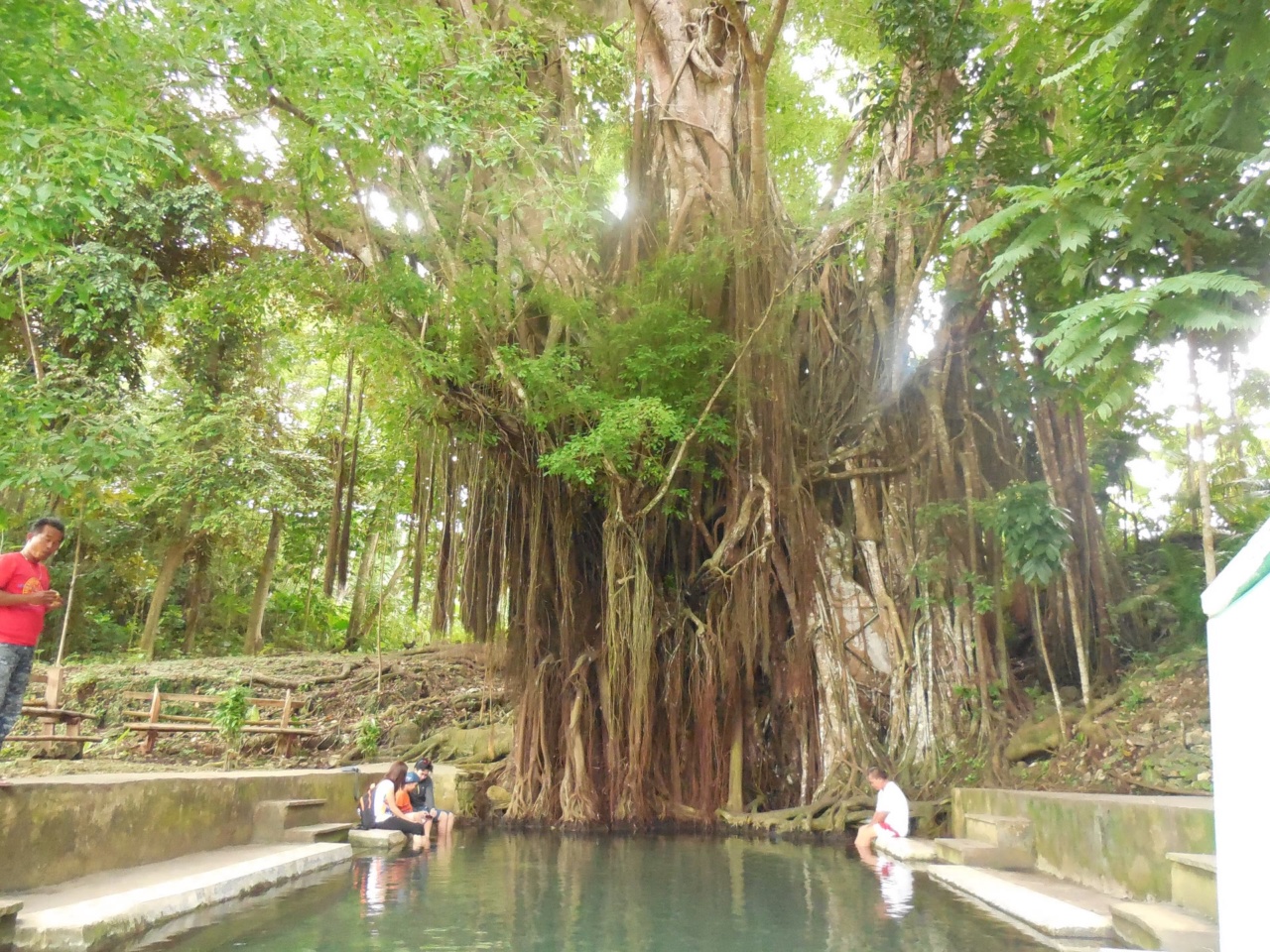
Century-Old Balete Tree: A massive enchanted fig tree in Lazi with a natural spring-fed fish spa at its base. Tiny fish nibble your feet while you sit in the shallow pool beneath the tree's sprawling roots. It is genuinely atmospheric and costs around $0.50 to enter. Ten to fifteen minutes is enough unless you are deeply into the mystical lore.
San Isidro Labrador Church and Convent (Lazi): A beautifully preserved coral-stone church and one of the largest convents in the Philippines, both dating to the 1800s. The convent houses a small museum with religious artifacts. Free to visit. Worth a 20-minute stop.
Marine Sanctuaries: Siquijor has several well-managed marine sanctuaries where fishing is banned and coral has rebounded spectacularly. Tubod Marine Sanctuary near San Juan is the most accessible, with a short swim from shore bringing you to hard corals, clownfish, and occasional sea turtles. Entrance is typically around $1 to $2. Snorkel gear rents for about $3 to $5 per day from nearby shops.
Lesser-Known Gems
Kagusuan Beach: A secluded cove in Maria that requires a short descent down a staircase. White sand, clear water, very few people. No facilities, so bring supplies.
Lugnason Falls: A smaller, less-visited waterfall near San Juan. The pool is shallow but refreshing, and you are likely to be alone. A short walk through farmland gets you there.
Butterfly Sanctuary (near San Juan): A small, community-run garden with local butterfly species. It is modest but worth a quick visit, especially with children. Donation-based entry.
Firefly watching on the Capilay Spring Park mangroves: Some local guides offer evening boat trips through mangrove channels where fireflies light up the trees. It is magical and costs around $5 to $10 per person. Ask your accommodation to arrange it.
Overrated Attractions
Cantabon Cave: Often promoted as a must-do, this cave tour involves wading through muddy water in a cramped space with a guide who may or may not speak English. It is fine for adventure seekers but underwhelming compared to caves elsewhere in the Philippines (like those in Sagada or Palawan). The guide fee is around $5 to $8.
Mount Bandilaan: The island's highest point at about 628 meters. The summit has a viewing platform, but the view is often obscured by trees and haze. The drive up is pleasant, but do not expect a dramatic panorama.
Capilay Spring Park: A freshwater spring in the middle of Siquijor Town that locals use as a swimming pool. It is a pleasant local scene but not a destination worth planning around.
Food and Drink
Siquijor is not a foodie destination in the way that Manila or Cebu is, but the seafood is fresh, portions are generous, and prices are low. Most dining happens at casual open-air restaurants along the San Juan beachfront or at your resort's kitchen.
Signature Dishes and Staples
| Dish | Description | Where to Try | Typical Price |
|---|---|---|---|
| Kinilaw | Filipino ceviche: raw fish cured in vinegar and calamansi with chili, onion, and ginger | Beachfront restaurants in San Juan | Around $2 - $3 |
| Grilled Squid (Inihaw na Pusit) | Whole squid stuffed with tomato and onion, grilled over charcoal | Market eateries, San Juan strip | Around $2 - $4 |
| Chicken or Pork Adobo | The national dish: meat braised in soy sauce, vinegar, garlic, and bay leaves | Any local carinderia (canteen) | Around $1.50 - $2.50 |
| Sinigang | Sour tamarind-based soup with pork or fish and vegetables | Local eateries island-wide | Around $2 - $3 |
| Fresh Seafood Platter | Grilled fish, shrimp, and squid with rice and dipping sauces | Beachfront restaurants | Around $5 - $10 for two |
| Buko Juice | Fresh young coconut water, sometimes blended with the flesh | Roadside stalls everywhere | Around $0.50 |
Where and How to Eat
San Juan has the highest concentration of restaurants, ranging from Filipino-run seafood grills to a few Western-owned cafes serving pasta, smoothie bowls, and coffee. The beachfront road between Solangon and Tubod is the main dining strip. Expect to pay around $3 to $6 for a filling meal at a mid-range restaurant, or under $2 at a local carinderia.
For the cheapest eats, head to the public market in Siquijor Town, where stalls serve rice-and-viand combos for about $1. Street food like barbecue skewers (isaw, chicken skin, pork belly) appears in the late afternoon and costs just a few cents per stick.
Vegetarian and vegan options are limited at local eateries but available at the more tourist-oriented restaurants in San Juan. Fresh fruit is abundant and cheap, with mangoes, papaya, and bananas available at roadside stands.
Alcohol is inexpensive. A local beer (San Miguel or Red Horse) costs around $0.75 to $1.50 at a restaurant. Rum is even cheaper. A few bars in San Juan have happy hours with cocktails around $2 to $3.
Where to Stay
Budget (Under $20 per night)
Backpacker guesthouses and fan-cooled rooms are plentiful in San Juan and Siquijor Town. Expect basic but clean rooms, sometimes with shared bathrooms. Dorm beds in the few hostels run around $6 to $10. Simple beachfront bamboo huts can be found for $12 to $18. Booking in person sometimes gets better rates than online platforms.
Mid-Range ($20 - $60 per night)
This is the sweet spot on Siquijor. Air-conditioned rooms with private bathrooms, often in small resorts with pools or direct beach access, fall into this range. Many mid-range places include breakfast. San Juan has the best selection, with options along Solangon Beach and the road toward Paliton.
Upscale ($60 - $150 per night)
A handful of boutique resorts offer polished rooms, infinity pools, on-site restaurants, and dive centers. These are concentrated in San Juan and the stretch toward Lazi. By international standards, even the top-tier properties on Siquijor are a bargain. Do not expect five-star luxury, but do expect charm, excellent service, and stunning settings.
A unique option is staying at a small eco-lodge or treehouse-style property in the interior near Lazi or Bandilaan, where you trade beach proximity for jungle immersion and total quiet.
Practical Tips
Safety: Siquijor is exceptionally safe. Petty theft is rare, and violent crime against tourists is essentially nonexistent. Your biggest risks are motorbike accidents (ride carefully, especially on gravel side roads) and sunburn. Jellyfish can appear seasonally, so ask locals about current conditions before swimming.
- Cash is king. ATMs exist in Siquijor Town and Larena, but they occasionally run out of cash or go offline. Bring enough Philippine pesos from Dumaguete to cover your stay. A few upscale resorts accept credit cards, but most places are cash-only.
- Tipping is not expected but appreciated. Rounding up a restaurant bill or leaving 10% for good service is generous by local standards. Tip your tricycle driver or tour guide if they go above and beyond.
- SIM cards and internet: Buy a local SIM (Globe or Smart) in Dumaguete before arriving, as options on Siquijor are limited. Mobile data coverage is decent along the main road but spotty in the interior. Wi-Fi at accommodations ranges from functional to frustratingly slow. Do not plan on video calls from a bamboo hut.
- Language: The local language is Cebuano (Bisaya), but most people in tourist-facing roles speak conversational English. You will have no trouble communicating in San Juan. In more remote areas, a few Cebuano phrases earn you big smiles. Filipino (Tagalog) is understood everywhere.
- Cultural respect: Siquijor's healing and spiritual traditions are real and deeply held. If you visit a folk healer, approach the experience with genuine respect, not as a novelty. Ask permission before photographing rituals or people. Dress modestly when visiting churches. Filipinos are warm and welcoming, and basic courtesy goes a long way.
- Electricity: Power outages happen occasionally. A headlamp or phone flashlight is handy. Most accommodations have backup generators.
- Mosquitoes: Bring repellent, especially for evenings. Dengue is present in the Philippines, so take bite prevention seriously.
Day Trips
Apo Island
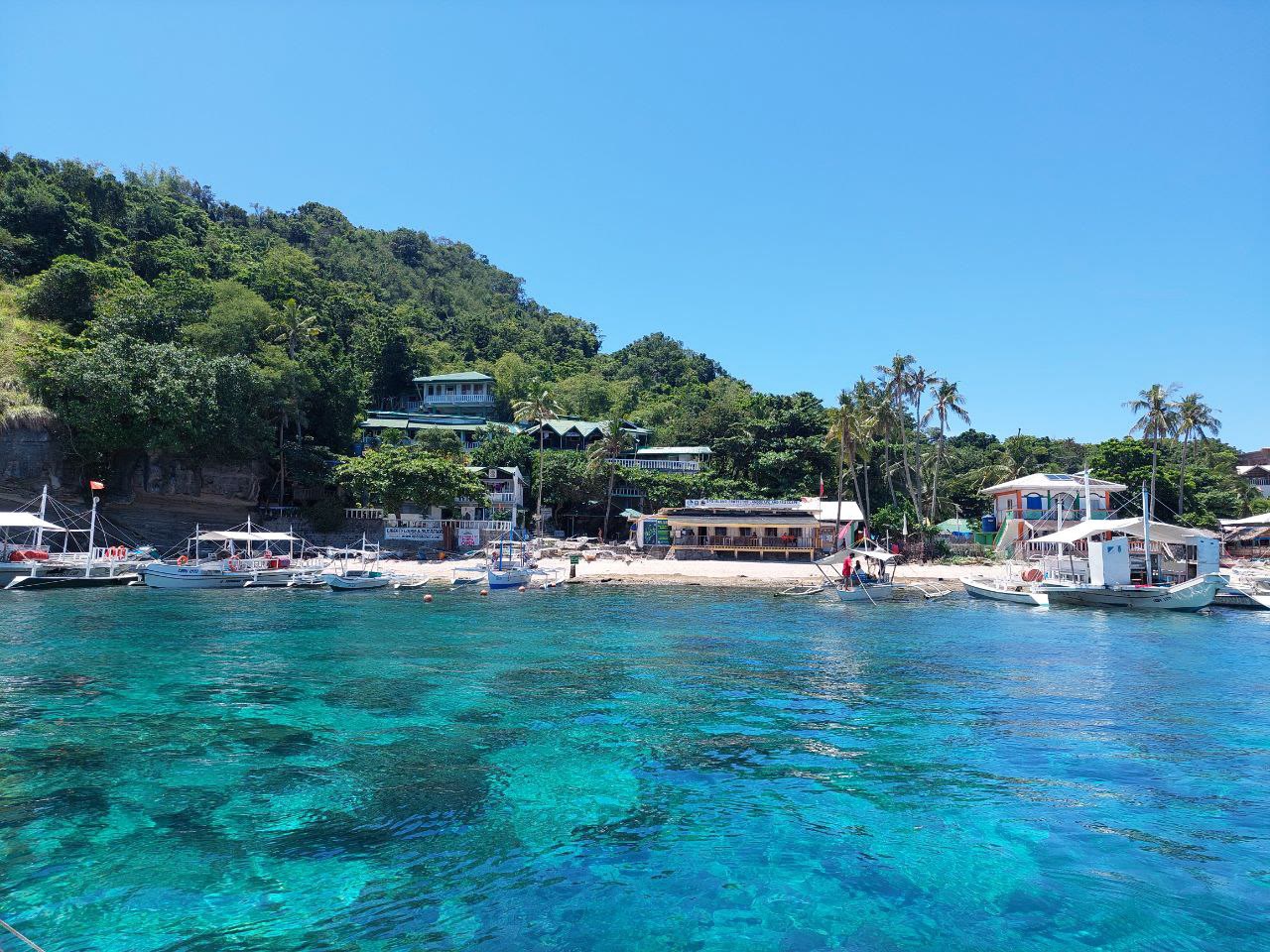
This tiny volcanic island about 30 minutes by boat from the southern coast of Siquijor (or more commonly accessed from Dumaguete/Dauin) is one of the Philippines' premier snorkeling and diving spots. A marine sanctuary protects its reefs, and sea turtle encounters are almost guaranteed. Day trips from Siquijor can be arranged through dive shops or your accommodation for roughly $30 to $50 per person including boat, guide, and sanctuary fees. It is absolutely worth it and is the single best day trip from the island.
Dumaguete
A quick ferry ride back to Dumaguete gives you access to a lively university town with excellent restaurants, a vibrant waterfront boulevard (Rizal Boulevard), and good shopping. It is useful for restocking cash, buying supplies, or enjoying a wider food scene. The town itself is pleasant for a half-day wander.
Twin Lakes (Balinsasayao and Danao)
Located in the mountains above Dumaguete on Negros Island, these twin crater lakes are surrounded by dense rainforest. Kayaking on the glassy water is serene. It requires a ferry to Dumaguete plus about an hour's drive inland, making it a full-day commitment. Worth it if you have extra time and love nature.
Sumilon Island
A small island off the southeastern tip of Cebu, reachable via Dumaguete and then a drive south plus a boat. Known for its shifting sandbar and excellent snorkeling. It is a longer day trip and involves more logistics, so only pursue it if you have already exhausted Siquijor's own offerings.
Bohol
Direct ferries occasionally connect Siquijor (Larena) to Tagbilaran, Bohol, making it possible to combine the two islands. Bohol offers the Chocolate Hills, tarsier sanctuaries, and the Loboc River. However, this works better as a multi-day extension than a day trip given the ferry schedule.
Sample 3-Day Itinerary
Day 1: Southern Loop and Waterfalls
Morning: Pick up your motorbike rental in San Juan and head east along the southern coast toward Lazi. Stop at San Isidro Labrador Church and Convent for a quick look at the colonial architecture. Continue to Cambugahay Falls, arriving early to beat the crowds. Spend an hour swimming, swinging on the rope, and soaking in the turquoise pools.
Afternoon: Ride to the century-old balete tree for the fish spa experience. Then continue east to Salagdoong Beach in Maria for cliff jumping and a swim. Grab lunch at one of the simple canteens near the beach.
Evening: Return to San Juan via the northern road to complete a partial loop. Settle into a beachfront restaurant for grilled seafood and a cold San Miguel as the sun sets over the Sulu Sea.
Day 2: Marine Life and Beaches
Morning: Join a boat trip to Apo Island (arrange the day before through your accommodation or a dive shop). Snorkel or dive with sea turtles over pristine coral gardens. Most trips depart early and include lunch.
Afternoon: Return to Siquijor and head to Paliton Beach for a relaxed swim and some of the island's best sunset views. Alternatively, snorkel at Tubod Marine Sanctuary if you want more reef time.
Evening: Explore San Juan's restaurant strip. Try kinilaw and grilled squid at a local place. If your accommodation can arrange it, cap the night with a firefly-watching boat trip through the mangroves.
Day 3: Interior and Culture
Morning: Ride up toward Mount Bandilaan through the island's lush interior. Stop at the butterfly sanctuary near San Juan on the way. The mountain road passes through farmland and forest, offering a completely different perspective from the coast.
Afternoon: Visit Kagusuan Beach in Maria for a secluded swim. On your way back, stop at Lugnason Falls for a quick dip. If you are interested in the healing tradition, ask your accommodation to connect you with a local healer for a respectful visit.
Evening: Return your motorbike and enjoy a final dinner in San Juan. Pick up local honey or coconut sweets as souvenirs from roadside vendors.
Budget Overview
| Category | Budget | Mid-Range | Comfort |
|---|---|---|---|
| Accommodation | $8 - $15 | $25 - $45 | $60 - $120 |
| Food | $5 - $8 | $10 - $18 | $20 - $35 |
| Transport | $5 (motorbike rental) | $6 - $10 | $15 - $25 (private tricycle tours) |
| Activities | $3 - $5 | $15 - $30 | $40 - $70 (diving, Apo Island trip) |
| Daily Total | $21 - $33 | $56 - $103 | $135 - $250 |
Siquijor is one of the most affordable island destinations in the Philippines. Budget travelers who cook occasionally, ride a rented motorbike, and stay in fan rooms can get by on around $25 per day. Mid-range travelers enjoying air-conditioned rooms, restaurant meals, and a dive or two will spend roughly $60 to $100 daily. Even at the comfort level, you are spending a fraction of what similar experiences cost on Boracay or Palawan. The island rewards those who embrace simplicity, and the low cost of living means you can extend your stay without guilt.
Frequently Asked Questions
Absolutely. Siquijor offers stunning beaches, excellent snorkeling, waterfalls, and a unique mystical culture you will not find anywhere else in the Philippines. If you enjoy a quieter, more authentic island experience over party-heavy destinations, Siquijor is one of the best choices in the Visayas.
Three full days is the sweet spot for hitting the main sights, including waterfalls, beaches, marine sanctuaries, and the balete tree. If you want to dive, do a healing session, or simply decompress, four to five days lets you enjoy the island at its intended pace.
Siquijor is one of the safest destinations in the Philippines. Violent crime against tourists is virtually unheard of, and the island has a small, close-knit community. The main risks are road accidents on motorbikes and strong currents at certain beaches, so wear a helmet and check conditions before swimming.
The dry season from December through May offers the best weather, with March to May being the hottest and driest months. The island sees fewer tourists than other Visayan destinations year-round, but expect slightly more visitors during Holy Week and Christmas. The wet season from June to November brings afternoon showers but also lush scenery and lower prices.
Siquijor is not known as a culinary destination, but fresh seafood is excellent and affordable. Grilled squid, kinilaw (Filipino ceviche), and adobo are staples. The island also produces local honey and coconut-based sweets. Most visitors eat at casual beachside restaurants where a full meal runs around $3 to $6.
No, do not drink tap water on the island. Bottled water is cheap and widely available, typically costing under $0.50 for 1.5 liters. Most restaurants use purified water for cooking and ice, but stick to sealed bottles to be safe.
Most travelers reach Siquijor by ferry from Dumaguete, which takes roughly one to two hours depending on the vessel. Dumaguete is accessible by direct flights from Manila and Cebu. There are also ferry routes from Bohol (Tagbilaran) and occasionally from Cebu. Check GoAsia.cc for current ferry schedules and options.
A motorbike is by far the best way to explore. The island has one main loop road that is well-paved and easy to navigate. Rentals cost around $5 to $8 per day. If you are not comfortable riding, you can hire a tricycle driver for a full-day island tour for roughly $20 to $30.
Yes, Siquijor has some of the best and least crowded reef systems in the Visayas. Marine sanctuaries like Tubod and Apo Island (a short boat ride away) offer vibrant coral gardens and sea turtles. Two-dive packages typically cost around $50 to $70, and snorkeling gear rents for about $3 to $5 per day.
The folk healing tradition is a genuine part of Siquijor's culture, rooted in centuries of herbalism and animist belief. Visitors can respectfully observe or participate in healing sessions, which typically involve herbal preparations and prayer. It is a cultural experience rather than a tourist show, so approach it with respect and an open mind.