The Philippines is an archipelago of thousands of islands, and flying is often the only practical way to bridge the vast stretches of ocean between destinations. A journey that needs several ferries and buses can shrink to a short flight. This island geography has made domestic aviation deeply woven into Filipino life. From the megacity buzz of Manila to the turquoise lagoons of Palawan and the surf breaks of Siargao, flights connect a remarkably diverse archipelago that would otherwise be impossible to explore on a single trip.
The Flight Network in the Philippines
Domestic flying is built around 3 major airports: Ninoy Aquino International Airport (NAIA) in Manila, Mactan-Cebu International Airport, and Clark International Airport in Pampanga. Cebu Pacific flies its main jets from NAIA Terminal 3, from the domestic Terminal 1 in Cebu and from Clark Terminal 2.[1] Cebu is the natural connection point for Visayas and Mindanao destinations without backtracking through the capital.
Several airlines compete for domestic passengers.
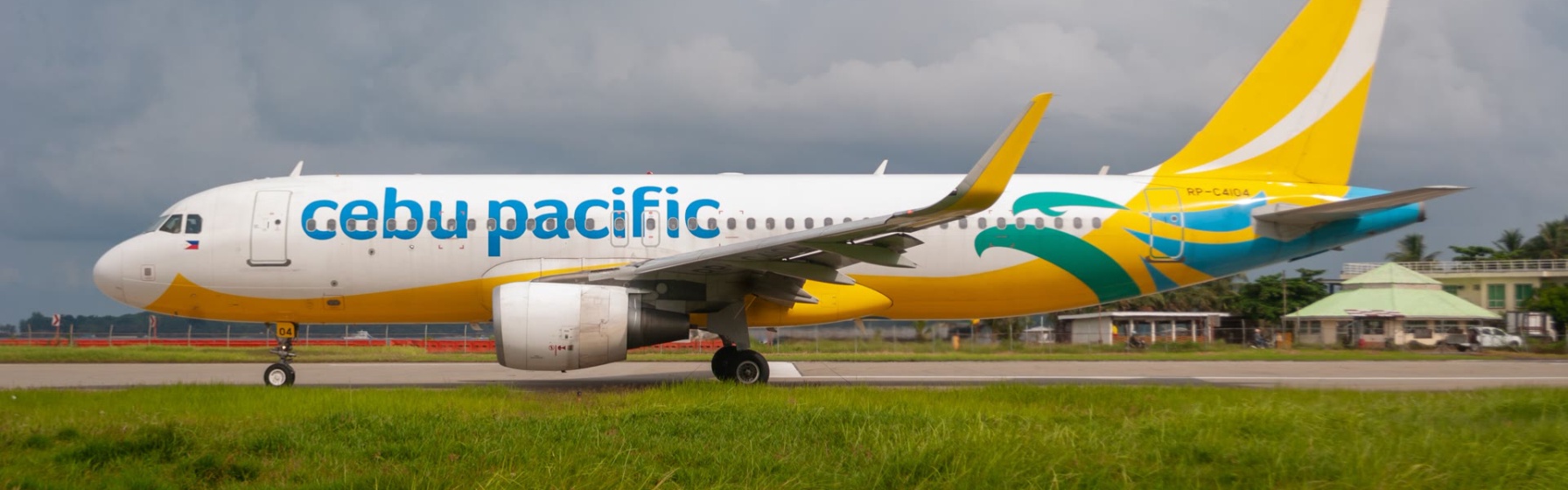
Cebu Pacific is a low-cost carrier with flights to more than 30 Philippine airports, including Roxas, Puerto Princesa, Siargao, Coron and Bohol-Panglao.[1]
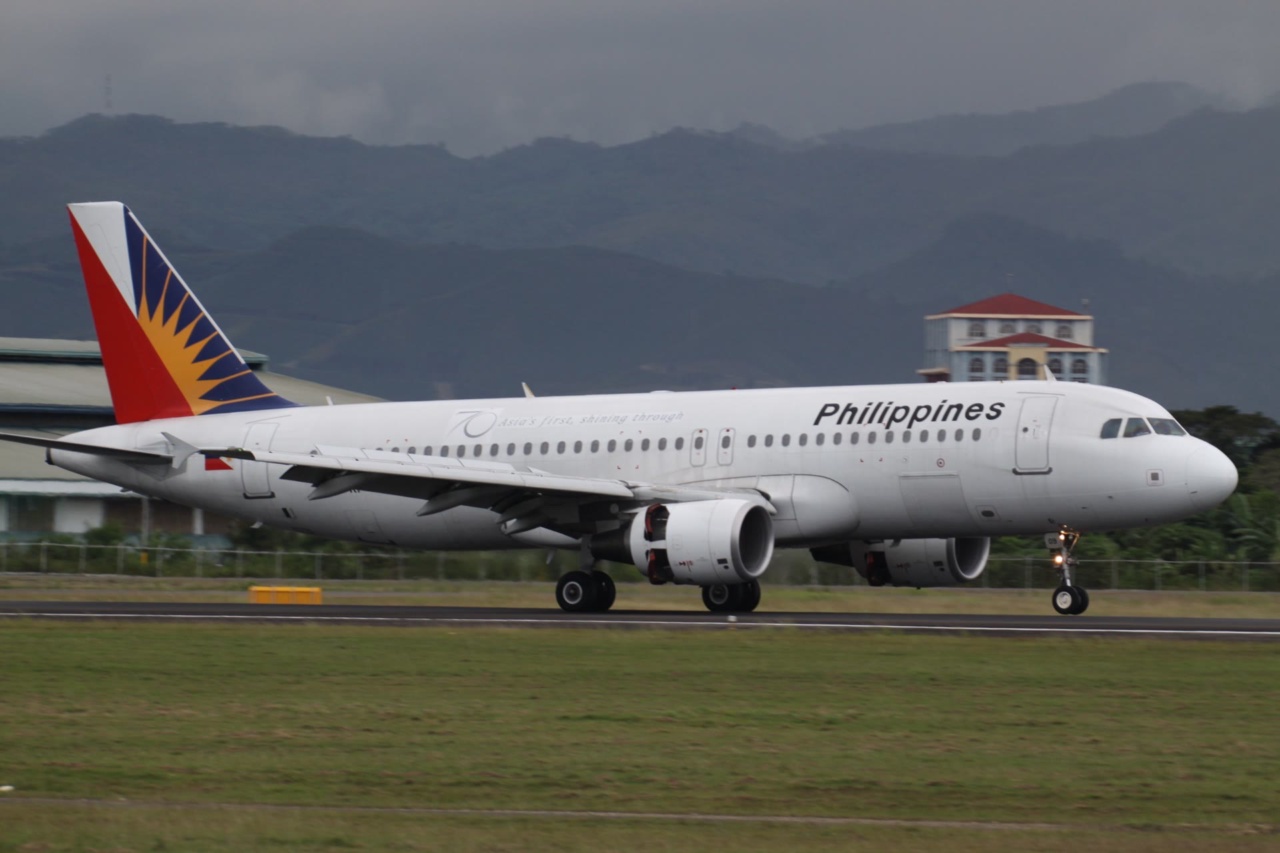
Philippine Airlines (PAL), the country's flag carrier, sells domestic fares in Economy, Comfort Class and Business Class.[2]
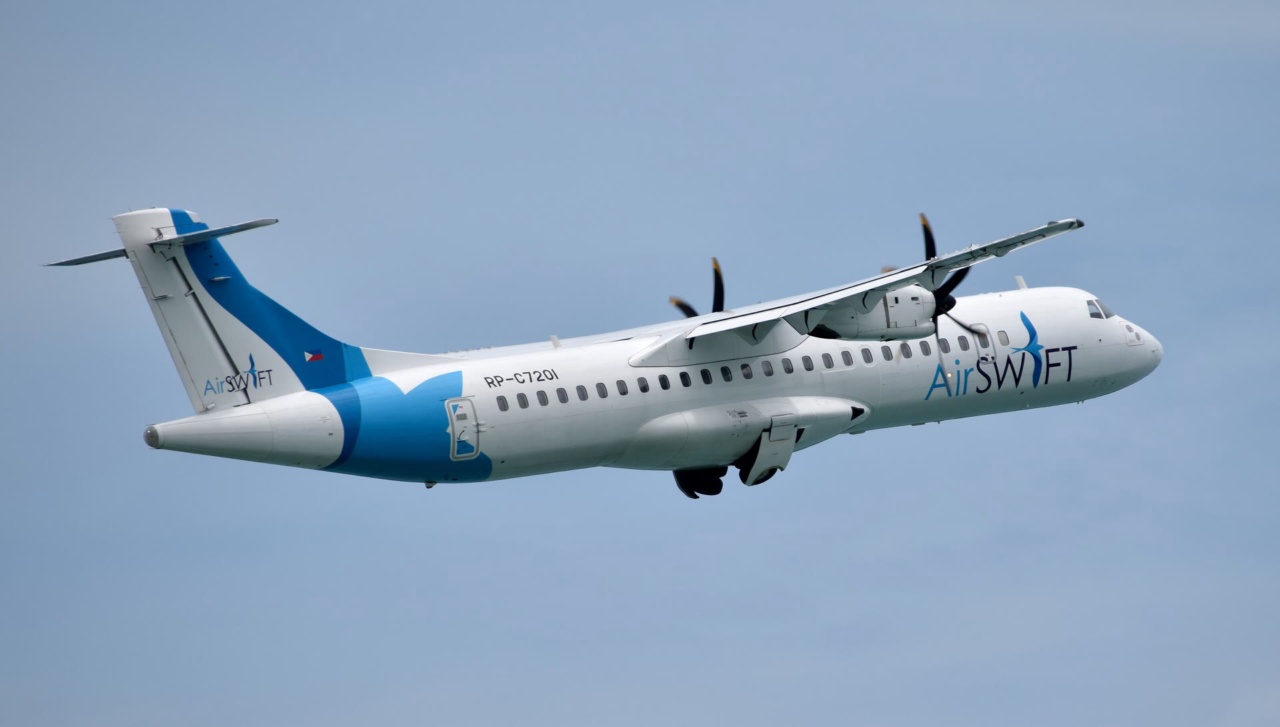
AirSWIFT, a boutique airline now part of the Cebu Pacific system, flies turboprops to small airports such as El Nido and Coron, and with Cebgo it moved all flights from NAIA to Clark International Airport in late March 2026.[3] Cebu Pacific says there are no longer direct flights between NAIA and Coron, El Nido, Siargao, Masbate, Naga or San Jose (Mindoro); those routes now run from Clark.[3]
Well-connected destinations include Boracay (via Caticlan or Kalibo airports), Puerto Princesa, Siargao, Bohol (Panglao), Davao, Iloilo, Bacolod, and Legazpi (Bicol International Airport). More remote areas like Coron and Camiguin also have air links, though flight frequency can be limited and weather-dependent.[1]
Classes and Comfort Levels
Most domestic flights in the Philippines are short, so class distinctions matter less than on long-haul routes. Still, there are meaningful differences between what the airlines offer.
Cebu Pacific sells fares in bundles. GO Basic includes no checked baggage, while GO Easy and GO Flexi include a checked bag of 20 kg (1 piece).[4] GO Easy lets you choose a standard seat, while GO Basic assigns a random seat at check-in.[5] Meals and other extras are add-ons.[6]
Philippine Airlines sells domestic fares from Economy Supersaver (no free bag) through Economy Saver (10 kg), Economy Value and Economy Flex (20 kg), up to Comfort Class (25 kg) and Business Class (30 kg on Value, 35 kg on Flex).[2]
For most travelers on short domestic routes, economy class on any carrier is perfectly adequate. Budget-conscious backpackers gravitate toward promotional fares, while those wanting a bit more comfort and flexibility may find the higher fare classes worth the premium.
Booking and Tickets
Booking domestic flights in the Philippines is straightforward and almost entirely digital. Cebu Pacific no longer operates ticketing offices, so you book on its website or mobile app.[6] Philippine Airlines also sells tickets through its website and app. Comparing fares across airlines is worthwhile since pricing can vary depending on the route, timing, and how far in advance you book. Platforms like GoAsia.cc make it easy to compare options across carriers and secure your flights in one place.
Advance booking is strongly recommended, especially for popular tourist routes like Manila to Boracay (Caticlan) and the Clark flights to Siargao, El Nido and Coron. These routes can fill up well ahead during peak season. For less popular provincial routes, walk-up availability is more common, but fares will be higher.
Cebu Pacific accepts cards and e-wallets, and payment is due when you book: you cannot book online and pay at the airport counter.[6] The booking confirmation and itinerary receipt arrive by email, and the booking reference lets you check in online.[6]
One important note: promotional fares from low-cost carriers often appear with very low base prices but exclude baggage. Always factor in the cost of checked luggage, seat selection, and meals when comparing the true cost against full-service alternatives.
What to Expect on Board
Domestic flights in the Philippines are generally efficient, though delays are not uncommon. Weather is the biggest wildcard: afternoon thunderstorms, typhoons, and low cloud cover at smaller airports can cause significant disruptions, particularly during the wet season from June through November.
The scenery from your window seat is often spectacular. Flights over the Visayas reveal a patchwork of islands fringed by coral reefs, while the approach into Legazpi offers a dramatic view of the perfectly conical Mayon Volcano. The descent into Caticlan skims low over the sapphire waters surrounding Boracay.
Cebu Pacific sells inflight meals as an add-on during booking, so for short flights many passengers skip the food entirely.[6]
Baggage rules differ between carriers. Philippine Airlines allows 1 carry-on piece of up to 7 kg and 56 x 36 x 23 cm.[7] Cebu Pacific allows 1 hand-carry item (56 x 36 x 23 cm) plus 1 personal item (20 x 20 x 35 cm); from mid-September 2026 the combined limit on Cebu Pacific (5J) flights is 10 kg, while Cebgo (DG) flights stay at 7 kg.[8] Check the allowance on your ticket, especially on AirSWIFT flights, before you pack. Overhead bin space fills quickly on full flights, so boarding early helps.
Bring your devices fully charged and download entertainment beforehand.
Tips for Flight Travel in the Philippines
Book early for island destinations. Routes to Siargao, El Nido, Boracay, and Coron are heavily booked during the dry season (November to May) and around Philippine holidays like Holy Week, Christmas, and long weekends. Booking early usually gives you more choice and lower fares.
Watch for seat sales. Cebu Pacific and PAL run promotional fares from time to time.[6] Follow their social media pages or subscribe to fare alerts to catch these deals.
Check which airport your flight uses. Cebu Pacific's turboprop flights (AirSWIFT and Cebgo) now depart from Clark, not NAIA.[3] Cebu Pacific's own jets (5J) use NAIA Terminal 3.[1] Check your itinerary receipt before you head to the airport.
Build in buffer time at NAIA. Manila's main airport is notorious for congestion, both on the ground and in the air. Cebu Pacific's airport counters for domestic flights close 45 minutes before departure, so arrive well before that.[6]
Check which airport serves your destination. Boracay is served by 2 airports: Caticlan, from where the seaport is a 5 to 10 minute transfer, and Kalibo, where the land transfer to Caticlan Seaport takes about 1 hour 20 minutes to 1 hour 30 minutes depending on traffic.[9] Know the difference before booking.
Prepare for weather disruptions. During typhoon season, flights can be cancelled or delayed with little notice. Travel insurance that covers weather-related disruptions is a wise investment. Always have a backup plan, especially if connecting to an international flight.
Bring layers. Aircraft cabins in the Philippines are often aggressively air-conditioned. A light jacket or scarf will keep you comfortable, even on short flights.
Download offline maps and confirmations. Smaller provincial airports may have limited or no Wi-Fi. Having your booking confirmation, accommodation details, and maps available offline avoids stress on arrival.
Consider Cebu as an alternative hub. For Siargao, Cebu Pacific itself suggests flying Manila to Cebu and connecting onward, because the nonstop flights now leave from Clark.[3]
Sources and background
Numbers in the text such as [1] refer to these sources.