
Coron
Coron is a small, sun-scorched town on Busuanga Island in the Philippines' Calamian archipelago, famous for its world-class wreck diving, electric-blue lagoons, and jagged limestone karst formations rising from impossibly clear water.
Last updated: October 15, 2026
When to go
Climate and best time for CoronBest months: January to April
- January: Great. 31 °C by day, 23 °C at night, 40 mm of rain
- February: Great. 31 °C by day, 23 °C at night, 40 mm of rain
- March: Great. 32 °C by day, 24 °C at night, 10 mm of rain
- April: Great. 33 °C by day, 25 °C at night, 44 mm of rain
- May: Mixed (a lot of rain). 32 °C by day, 25 °C at night, 255 mm of rain
- June: Poor (a lot of rain). 31 °C by day, 24 °C at night, 365 mm of rain
- July: Poor (a lot of rain). 30 °C by day, 23 °C at night, 772 mm of rain
- August: Poor (a lot of rain). 30 °C by day, 24 °C at night, 578 mm of rain
- September: Poor (a lot of rain). 30 °C by day, 23 °C at night, 598 mm of rain
- October: Mixed (a lot of rain). 30 °C by day, 23 °C at night, 277 mm of rain
- November: Mixed (a lot of rain and typhoon risk). 31 °C by day, 24 °C at night, 203 mm of rain
- December: Mixed (a lot of rain and typhoon risk). 31 °C by day, 23 °C at night, 132 mm of rain
- Great
- Good
- Mixed
- Poor
Contents
- 1. Orientation and Neighborhoods
- 1.1 Coron Town Center
- 1.2 Hilltop Area (Near Mt. Tapyas)
- 1.3 Marcilla and Outskirts
- 1.4 Offshore Resorts
- 2. Best Time to Visit
- 3. Getting There and Getting Around
- 3.1 Getting Around Town
- 4. Top Sights and Experiences
- 4.1 Must-See Highlights
- 4.2 Lesser-Known Gems
- 4.3 Overrated Spots
- 5. Food and Drink
- 5.1 Signature Dishes
- 5.2 Where to Eat
- 6. Where to Stay
- 6.1 Budget (Under $20 per night)
- 6.2 Mid-Range ($20 - $60 per night)
- 6.3 Upscale ($60 - $200+ per night)
- 7. Practical Tips
- 8. Day Trips
- 8.1 Culion Island
- 8.2 Calauit Safari Park
- 8.3 Black Island (Malajon Island)
- 8.4 Busuanga Bay and Northern Beaches
- 8.5 Pass Island
- 9. Sample 3-Day Itinerary
- 9.1 Day 1: Coron Island Lagoons and Lakes
- 9.2 Day 2: Outer Islands and Beaches
- 9.3 Day 3: Diving or Exploration
- 10. Budget Overview
- 11. Frequently Asked Questions
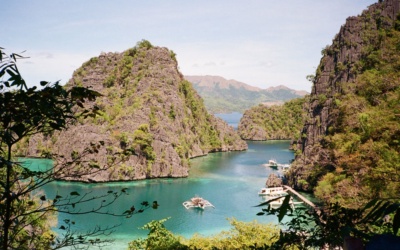
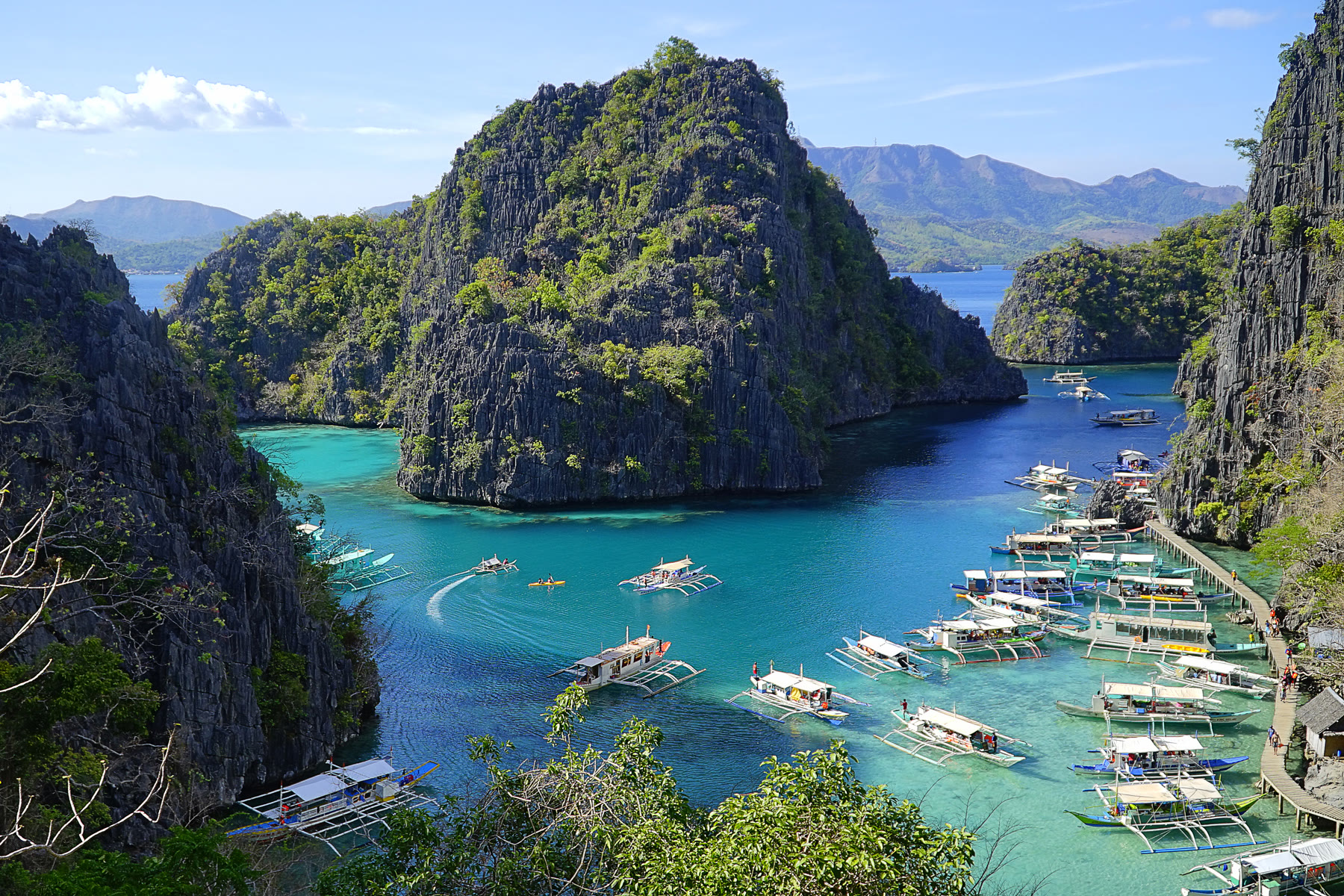
The first thing you notice stepping off the plane in Coron is the heat, thick and immediate, followed by the sight of dark limestone peaks jutting from emerald water in every direction. This is not a manicured resort destination. Coron Town itself is a compact, slightly chaotic strip of concrete buildings, tricycles, and dive shops hugging the waterfront of Busuanga Island's eastern coast. The magic lies offshore, scattered across dozens of islands, lagoons, and coral reefs that rank among the most photogenic in Southeast Asia.
Coron occupies a unique niche in Philippine tourism. It is the country's undisputed wreck-diving capital, with a cluster of Japanese supply ships sunk during World War II sitting in shallow, diveable water. But you do not need to be a diver to love it here. Island-hopping tours are the main event for most visitors, threading between Coron Island's karst cliffs, the milky turquoise waters of Kayangan Lake, and coral gardens teeming with sea turtles. It is the kind of place where you spend every day on a boat and every evening comparing sunburns over cheap beer.
Coron suits budget backpackers, honeymooners seeking dramatic scenery, and anyone comfortable trading luxury amenities for once-in-a-lifetime natural experiences. Infrastructure is improving but still basic compared to Boracay or El Nido. That rawness is part of the appeal, though it means managing expectations around accommodation quality, road conditions, and occasional power outages.
Orientation and Neighborhoods
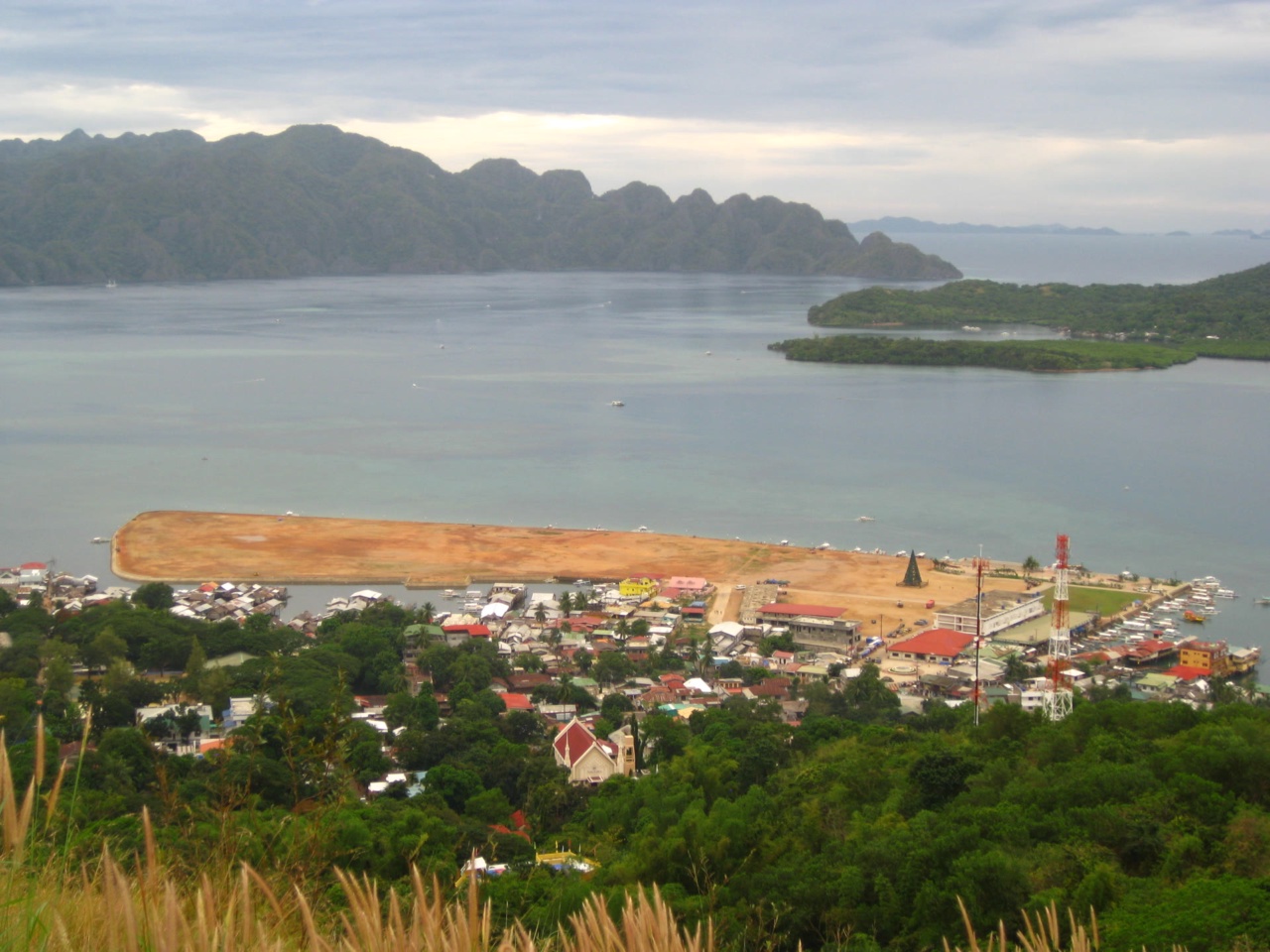
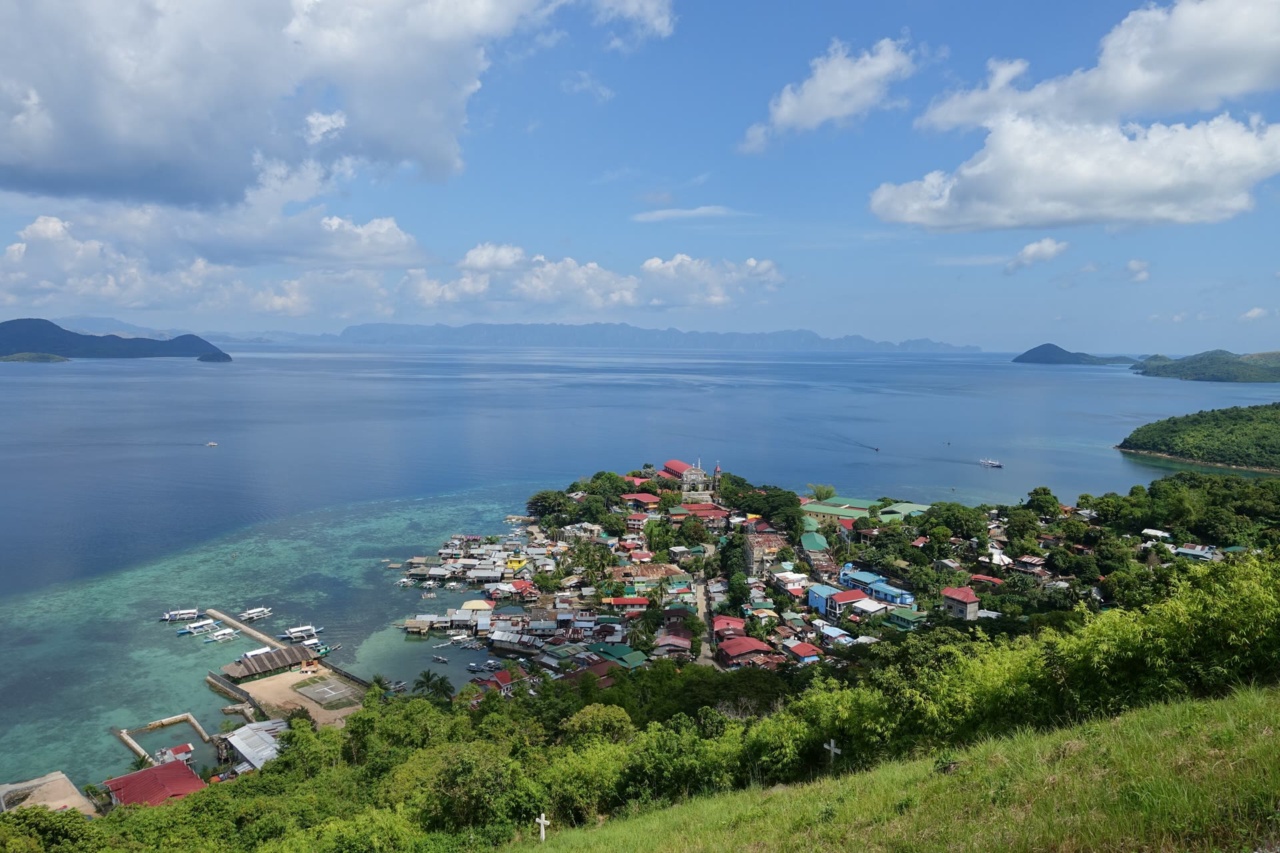
Coron Town is small enough to walk end to end in about 20 minutes. It sits on the southeastern tip of Busuanga Island, facing Coron Island across a narrow channel. Understanding the distinction matters: Coron Town is where you sleep, eat, and book tours. Coron Island, directly across the water, is the uninhabited limestone wonderland where the famous lagoons and lakes are located. Nearly everything you do during the day involves getting on a boat.
Coron Town Center
The main drag runs parallel to the waterfront, packed with tour agencies, souvenir shops, restaurants, and budget to mid-range hotels. This is where most backpackers and mid-range travelers stay. It is walkable, convenient, and noisy. The public market sits at the southern end, and the town pier, where island-hopping boats depart, is central.
Hilltop Area (Near Mt. Tapyas)
Heading inland and uphill from the center, you will find a handful of quieter guesthouses and the base of Mt. Tapyas, Coron's signature sunset viewpoint. Staying here means a short walk into town but less street noise at night.
Marcilla and Outskirts
Stretching north along the coastal road, this area has some of Coron's newer mid-range and boutique hotels. It is quieter and slightly removed from the town bustle, but you will need a tricycle to reach restaurants and the pier. Some properties here have waterfront locations with views across to Coron Island.
Offshore Resorts
A few upscale resorts sit on smaller islands in the Calamian group, such as those near Culion or on private island properties. These cater to honeymooners and luxury travelers willing to pay a premium for seclusion, private beaches, and all-inclusive packages. Access is by private boat transfer.
For first-time visitors, staying in or very near the town center is the most practical choice. You will be steps from tour operators, restaurants, and the pier, which matters when your 6 AM island-hopping pickup comes knocking.
Things to Do
Offers are only loaded from GetYourGuide after you click. GetYourGuide can then process your IP address and set cookies. Privacy Policy
GetYourGuide partner offers. GoAsia may earn a commission if you book through these offers. Check whether tickets or transfers are included, and follow the attraction's official booking and admission rules.
Best Time to Visit
Coron has a tropical maritime climate with two broad seasons: dry and wet. The dry season from roughly November through May is peak visiting time, with calm seas, reliable sunshine, and the best underwater visibility for diving and snorkeling. Within this window, December to February offers the most comfortable temperatures, hovering around 27 to 31 degrees Celsius, with lower humidity.
March to May gets progressively hotter, with April and May being scorching. The upside is thinner crowds compared to the Christmas and New Year rush. The wet season from June to October brings heavy afternoon downpours, rougher seas, and the possibility of typhoons. Some boat tours get canceled during bad weather, particularly to more exposed sites. However, prices drop by 20 to 40 percent, and you will share lagoons with far fewer people on the days tours do run.
| Month Range | Weather | Crowds | Prices |
|---|---|---|---|
| Nov - Feb | Dry, warm, calm seas | High (peak Dec-Jan) | Highest |
| Mar - May | Dry, very hot | Moderate | Moderate to high |
| Jun - Aug | Wet, occasional storms | Low | Low |
| Sep - Oct | Wettest, typhoon risk | Very low | Lowest |
There are no major local festivals that dramatically affect the travel experience, though the Calamian Festival in June celebrates local culture with street parades if you happen to be around. Timing your visit for the shoulder months of November or March gives you the best balance of good weather, manageable crowds, and reasonable prices.
Getting There and Getting Around
Francisco B. Reyes Airport (code USU), commonly called Busuanga Airport, is the gateway to Coron. It is a small regional airport with a single runway, receiving flights from Manila (roughly one hour) and occasionally Cebu. Philippine Airlines, Cebu Pacific, and SkyJet operate this route. Book early for dry-season dates, as flights fill up and prices spike.
From the airport, shared vans meet arriving flights and shuttle passengers to Coron Town for around $3 to $4 per person. The ride takes 30 to 40 minutes along a winding, partially paved road through Busuanga's rural interior. Private transfers cost roughly $15 to $20 and can be arranged through your hotel.
An alternative route is the ferry from El Nido or Manila. The El Nido to Coron fast ferry takes about three to four hours and costs around $30 to $40. It is a scenic ride but can be rough in choppy conditions. Ferries from Manila (via companies like 2GO) take roughly 12 to 14 hours overnight. You can check ferry schedules and compare transport options on GoAsia.cc for the latest details.
Getting Around Town
Coron Town is walkable. Tricycles are the local transport for anything beyond walking distance and cost around $0.50 to $1 for short trips within town, or $2 to $3 to outlying areas. There are no metered taxis or Grab service. For day trips to Busuanga's beaches or hot springs, you can rent a motorbike for roughly $10 to $15 per day, though roads outside town are rough and sometimes unpaved. Drive carefully.
All island-hopping is done by traditional bangka (outrigger boat), organized through tour operators. You do not need to arrange your own water transport unless you want a private boat charter.
Top Sights and Experiences
Must-See Highlights
Kayangan Lake: Often called the cleanest lake in the Philippines, Kayangan Lake sits inside Coron Island, reached by climbing over a limestone ridge. The viewpoint at the top of the climb is one of the most photographed spots in the country, looking down over a turquoise cove framed by karst cliffs. The lake itself is a mix of fresh and saltwater, startlingly clear, with underwater rock formations visible from the surface. Arrive as early as possible to beat the crowds; by mid-morning, the small lake fills with tour groups. Expect to spend about 45 minutes here including the climb.
Twin Lagoon: Two connected lagoons separated by a limestone wall, accessible by swimming through a small opening or climbing a short ladder over the rocks. The water shifts between warm and cool layers due to mixing fresh and saltwater. It is surreal and beautiful, best experienced by snorkeling slowly through the passage between the two lagoons. Most island-hopping tours include this stop.
Barracuda Lake: A volcanic lake surrounded by towering limestone cliffs, famous for its thermocline, where water temperature shifts dramatically as you descend. Divers love it for the eerie, otherworldly experience. Snorkelers can still enjoy the crystal-clear surface water and dramatic scenery. The entrance fee is around $3 to $5.
Wreck Diving: Coron's Japanese shipwrecks are the main draw for certified divers. Roughly a dozen wrecks from a September 1944 American air raid lie in waters ranging from 10 to 40 meters deep. The Irako, Akitsushima, and Okikawa Maru are among the most popular, encrusted with coral and home to schools of fish. Two-dive trips typically cost around $50 to $70 including equipment. If you are not yet certified, several dive shops offer PADI Open Water courses for roughly $300 to $350, and Coron's warm, calm waters make it an excellent place to learn.
Siete Pecados Marine Park: A cluster of small limestone islets just minutes from Coron Town pier, offering excellent snorkeling over shallow coral gardens. The marine park is a common first stop on island-hopping tours. Fish density is impressive, and you might spot giant clams and sea turtles. A small environmental fee of around $1 to $2 applies.
Mt. Tapyas: A 700-plus step concrete staircase leads to a hilltop cross overlooking Coron Town and the surrounding islands. The climb takes about 20 to 30 minutes and is best done late afternoon for sunset views. Bring water and a headlamp for the descent if you stay until dark. It is free and one of the best things to do in town.
Lesser-Known Gems
Calauit Safari Park: Located on the northern tip of Busuanga, this wildlife sanctuary was established in the 1970s as a conservation project for African animals alongside native Philippine species. You can see giraffes, zebras, and Calamian deer roaming semi-freely. The half-day trip from Coron Town takes about two hours each way by road, and the experience is genuinely unusual. Entrance is around $5 to $7.
Malcapuya and Banana Islands: These further-flung islands south of Coron offer powdery white sand beaches with far fewer visitors than the main lagoon tours. The trade-off is a longer boat ride, but the reward is some of the most pristine beach scenery in the Calamians. Pack a snorkel mask since the surrounding reefs are healthy.
Maquinit Hot Spring: A natural saltwater hot spring about 30 minutes by tricycle from town, set beside the sea with mangroves all around. Water temperature hovers around 38 to 40 degrees Celsius. It is best visited at sunset when the heat is more bearable. Entrance is roughly $1 to $2. Bring mosquito repellent.
Overrated Spots
CYC Beach: Included on many island-hopping itineraries, CYC Beach is a small sandbar that looks pretty in photos but is often packed with tour groups eating lunch simultaneously. The snorkeling is mediocre compared to other stops. If your tour includes it, enjoy the lunch break but do not expect a highlight.
Banol Beach: Another common tour stop that is pleasant enough but unremarkable compared to beaches on Malcapuya or Banana Island. The sand is coarse and the beach is narrow. It works as a quick swim stop but is not worth prioritizing.
Coral Garden (near Siete Pecados): Some tours advertise a separate "Coral Garden" stop that is essentially the same quality of snorkeling as Siete Pecados. If your tour includes both, you are not gaining much by visiting the second. Ask your tour operator about substituting a different stop.
Food and Drink
Coron is not a food destination. The town's dining scene is functional rather than exciting, shaped by its remoteness and the fact that most ingredients arrive by boat. That said, seafood is fresh and abundant, and a handful of restaurants do a genuinely good job.
Signature Dishes
| Dish | Description | Where to Try | Typical Price |
|---|---|---|---|
| Kinilaw | Filipino ceviche with raw fish cured in vinegar, calamansi, ginger, and chili | Seafood restaurants near the market | Around $2 - $4 |
| Grilled Seafood Platter | Fresh fish, squid, shrimp, and shellfish grilled over charcoal | Waterfront restaurants | Around $5 - $12 per platter |
| Sinigang na Isda | Sour tamarind-based fish soup with vegetables | Local eateries (carinderias) | Around $2 - $3 |
| Adobo | The national dish: meat braised in vinegar, soy sauce, garlic, and bay leaves | Any local restaurant | Around $2 - $3 |
| Halo-Halo | Shaved ice dessert with sweet beans, jellies, ube ice cream, and leche flan | Dessert shops and cafes | Around $1 - $2 |
Where to Eat
The town center along the main road has the highest concentration of restaurants, ranging from budget Filipino eateries (carinderias) serving rice-and-viand combos for $1 to $2, to tourist-oriented restaurants with Western and Filipino menus in the $4 to $10 range. A few places near the pier specialize in cook-your-catch: you buy seafood at the public market (where prices are negotiable but expect around $3 to $8 per kilo depending on the catch) and the restaurant grills and prepares it for a cooking fee of roughly $1 to $3.
For coffee and breakfast, several small cafes have popped up around town serving decent espresso drinks and Filipino breakfast plates (longsilog, tapsilog) for $2 to $4. The restaurant scene skews toward early closing, with most kitchens shutting by 9 or 10 PM.
Street food is limited compared to larger Philippine cities, but you will find vendors selling barbecue skewers, banana cue (caramelized banana on a stick), and fish balls near the market area in the evenings. A filling street food meal costs well under $2.
Island-hopping tours include a basic lunch, typically grilled fish, rice, and fruit, prepared by your boat crew on a beach. The quality varies but is generally decent and charming. Vegetarians should inform their tour operator in advance, as the default is always fish or meat.
Where to Stay
Budget (Under $20 per night)
Coron has a solid range of hostels, fan rooms, and basic guesthouses clustered in the town center. Dorm beds in hostels run roughly $6 to $10 per night. Private fan rooms with shared bathrooms go for $12 to $18. At this tier, expect thin walls, basic furnishings, and intermittent hot water. Air conditioning costs a few dollars more. The town center location is ideal since you are steps from everything.
Mid-Range ($20 - $60 per night)
This is the sweet spot for most travelers. You get air-conditioned rooms, private bathrooms, and often a pool or rooftop terrace. Several newer hotels along the main road and the Marcilla area fall into this category. Breakfast is sometimes included. Quality varies, so check recent reviews. Properties with waterfront views command the higher end of this range.
Upscale ($60 - $200+ per night)
Coron has a handful of boutique resorts and higher-end hotels, some in town and some on private islands accessible by boat. These offer polished rooms, infinity pools, on-site restaurants, and organized tours. Private island resorts are the most exclusive option, with all-inclusive packages that can exceed $200 per night but deliver stunning seclusion and service.
Book well in advance for peak season (December through February), when popular mid-range spots sell out weeks ahead. In the wet season, you can often negotiate walk-in discounts.
Practical Tips
Safety: Coron is very safe. Petty theft is rare but use common sense with valuables on boats and in dorm rooms. The biggest real dangers are sunburn (the tropical sun is brutal on open water), dehydration, and jellyfish stings during certain months. Wear reef-safe sunscreen, drink constantly, and bring a rash guard for snorkeling.
- Cash is king. Many restaurants, tour operators, and smaller hotels are cash-only. ATMs exist in town but sometimes run out of cash or go offline, especially during peak season. Bring enough Philippine pesos from Manila or a larger city to cover your stay, plus a backup. A few higher-end restaurants accept credit cards.
- Tipping: Not expected but appreciated. Rounding up restaurant bills or tipping boat crews around $1 to $2 after a full-day tour is a kind gesture and goes a long way.
- SIM cards: Buy a local SIM (Globe or Smart) at the airport or in town for around $2 to $3, then load data packages. Mobile signal in town is decent but drops to nothing on most islands. Do not count on having internet during island-hopping tours.
- English: Widely spoken. Filipinos generally have strong English skills, and you will have no communication problems booking tours, ordering food, or asking for directions.
- Environmental fees: Coron charges various eco-tourism fees at different sites. Expect to pay around $5 to $10 total across a typical island-hopping day for entrance fees and environmental charges. These are usually collected separately from tour costs, so carry small bills.
- Power outages: Occasional brownouts happen, especially during peak demand. Most hotels have backup generators, but budget places may not. A small power bank for your phone is essential.
- Cultural respect: Coron Island is ancestral domain of the Tagbanwa indigenous people. Respect posted rules at sites like Kayangan Lake and Barracuda Lake. Do not touch or stand on coral. Do not take shells or marine life. These are not just guidelines; they are enforced and violations can result in fines.
Day Trips
Culion Island
About one to two hours by boat from Coron, Culion was once the world's largest leper colony and is now a quiet, historically fascinating island town. The Culion Museum documents the colony's history with surprising depth and sensitivity. The island also has beautiful beaches and snorkeling. Day trips can be arranged through tour operators for around $25 to $35 per person, or you can take a public boat for much less and explore independently.
Calauit Safari Park
Located on Calauit Island at the northern tip of Busuanga, this park is a roughly two-hour drive from Coron Town followed by a short boat crossing. African and endemic Philippine wildlife roam in open grasslands. It is a surreal experience and great for families. Full-day tours including transport and entrance run around $30 to $45 per person.
Black Island (Malajon Island)
A more remote island-hopping destination featuring a dramatic cave entrance on a white sand beach, with excellent snorkeling offshore. The longer boat ride (roughly 45 minutes to an hour beyond the usual lagoon circuit) means fewer visitors. Some premium tour packages include Black Island, or you can arrange a private boat. Worth it for the sense of discovery.
Busuanga Bay and Northern Beaches
Renting a motorbike and heading north from Coron Town along the coastal road reveals a quieter side of Busuanga: mangrove-lined bays, empty beaches, and small fishing villages. Marcilla Beach and the beaches near the town of Concepcion are pleasant for a half-day escape from the tour circuit. Roads are rough in places, so ride carefully.
Pass Island
A tiny sandbar island with stunning turquoise water on all sides, Pass Island is included on some island-hopping itineraries but can also be visited as a standalone trip. It is one of the most photogenic spots in the Calamians, though shade is nonexistent, so bring sun protection.
Sample 3-Day Itinerary
Day 1: Coron Island Lagoons and Lakes
Morning: Join the classic Coron Island tour (often called Tour A or the Ultimate Tour), departing the pier around 8 AM. First stop: Kayangan Lake, arriving early to beat the crowds. Swim in the crystal-clear water and take in the iconic viewpoint.
Midday: Boat to Twin Lagoon. Swim through the rock passage between the two lagoons and float in the layered warm and cool water. Lunch is served on the boat or at a beach stop.
Afternoon: Visit Barracuda Lake for a swim (or dive if you have arranged it). Finish with snorkeling at Siete Pecados Marine Park on the way back to town.
Evening: Climb Mt. Tapyas for sunset. Reward yourself with a seafood dinner at a waterfront restaurant. Budget around $15 to $25 for the full-day tour plus fees, and $5 to $10 for dinner.
Day 2: Outer Islands and Beaches
Morning: Book a tour to the outer islands (often called Tour B or Tour C), heading to Malcapuya Island, Banana Island, or Pass Island. These tours depart around 7 to 8 AM and involve longer boat rides but reward you with pristine white sand beaches and excellent snorkeling.
Midday: Beach lunch prepared by the boat crew. Spend time swimming, snorkeling, and soaking up the scenery.
Afternoon: Return to town by 4 to 5 PM. Head to Maquinit Hot Spring for a soak as the sun goes down. The warm saltwater is surprisingly relaxing after a day on the water.
Evening: Browse the public market for fresh seafood and take it to a cook-your-catch restaurant. Expect to spend around $5 to $10 for a generous seafood spread.
Day 3: Diving or Exploration
Morning (Divers): Book a two-dive wreck trip departing early. Visit the Irako or Akitsushima wrecks, two of the most impressive in the area. Non-divers can substitute a snorkeling trip or visit Culion Island for its history and beaches.
Midday: Return to town for lunch. Try a local carinderia for an authentic Filipino meal of rice, grilled fish, and soup.
Afternoon: Rent a kayak near the pier and paddle around the shoreline, or simply relax at your hotel pool. Pick up souvenirs (dried seafood, local cashews, and pearl jewelry are popular) along the main road.
Evening: Final sunset from the pier area, cold San Miguel beer in hand. Have a farewell dinner at one of the town's better restaurants, spending around $8 to $15 for a satisfying meal with drinks.
Budget Overview
| Category | Budget | Mid-Range | Comfort |
|---|---|---|---|
| Accommodation | $8 - $15 | $25 - $50 | $70 - $150+ |
| Food | $8 - $12 | $15 - $25 | $30 - $50 |
| Transport (local) | $2 - $3 | $3 - $5 | $10 - $20 |
| Activities (tours/diving) | $15 - $25 | $25 - $50 | $60 - $100+ |
| Daily Total | $35 - $55 | $70 - $130 | $170 - $320+ |
These are approximate daily figures in USD. Budget travelers sharing dorms, eating at carinderias, and joining group tours will land at the lower end. Mid-range covers a comfortable private room, restaurant meals, and standard group tours. The comfort tier includes boutique hotels or island resorts, private boat charters, and multiple dives per day. Regardless of budget, the natural beauty is the same for everyone, and that is the real value of Coron.
Frequently Asked Questions
Is Coron worth visiting?
Absolutely. Coron offers some of the most dramatic natural scenery in the Philippines, from crystal-clear lagoons and limestone karst formations to world-class wreck diving. If you enjoy island hopping, snorkeling, or diving, it is one of the best destinations in Southeast Asia. Just keep expectations realistic about the town itself, which is basic and not especially charming.
How many days do you need in Coron?
Three full days is the sweet spot for most visitors, giving you time for two island-hopping tours and a day of diving or relaxation. Four to five days is ideal if you want to dive multiple wrecks, explore further-flung islands like Calauit, or simply decompress without rushing.
Is Coron safe for tourists?
Coron is very safe. Violent crime targeting tourists is essentially unheard of. The main risks are sunburn, dehydration, and minor boat-related scrapes. Exercise normal caution with belongings, and always wear a life jacket during boat tours even if you are a strong swimmer.
What is the best time to visit Coron?
The dry season from November through May offers the best weather and calmest seas. December to February is peak season with the most comfortable temperatures. The wet season from June to October brings rougher seas that can cancel boat tours, though prices drop significantly and the landscape is lush and green.
What food is Coron famous for?
Coron is not a culinary destination, but fresh seafood is the highlight. Grilled squid, kinilaw (Filipino ceviche), and sinigang na isda (sour fish soup) are local staples. Several restaurants offer cook-your-catch services where you buy seafood from the market and they prepare it for a small fee.
Is Coron expensive?
Coron is moderately priced by Philippine standards. Accommodation and food cost slightly more than mainland cities because most supplies are shipped in. However, island-hopping tours are remarkably affordable at around $15 to $25 per person including lunch. Budget travelers can manage on roughly $40 to $50 per day.
Can you drink tap water in Coron?
No. Tap water in Coron is not safe to drink. Buy bottled or refilled purified water, which is widely available and very cheap. Many hotels provide complimentary water bottles, and refill stations around town charge just a few cents per liter.
Do I need to know how to dive to enjoy Coron?
Not at all. Most visitors experience Coron through island-hopping and snorkeling tours, which require no certification. The lagoons, lakes, and coral reefs are accessible to anyone who can swim. That said, if you have always wanted to try diving, Coron is an exceptional place to get certified since the wrecks are unique.
How do I get from Busuanga Airport to Coron Town?
Busuanga Airport (Francisco B. Reyes Airport) is about 30 to 40 minutes from Coron Town by van. Shared vans meet every flight and cost around $3 to $4 per person. Private van transfers run roughly $15 to $20. Some hotels arrange free or discounted airport pickups if you book in advance.
Is Coron better than El Nido?
They offer different experiences. Coron is better for wreck diving, has fewer crowds on tours, and feels more rugged and less developed. El Nido has more beautiful beaches, a livelier nightlife scene, and more upscale accommodation options. Many travelers visit both, connected by a scenic ferry ride of around three to four hours.
Guides & Tips
1/1
Routes
🗺️ Getting Around Coron - Local Transport Guide for Island Town and Beyond
→ Routes from Coron (4)
Routes to Coron (3)